Apartment Renovations in Old Buildings
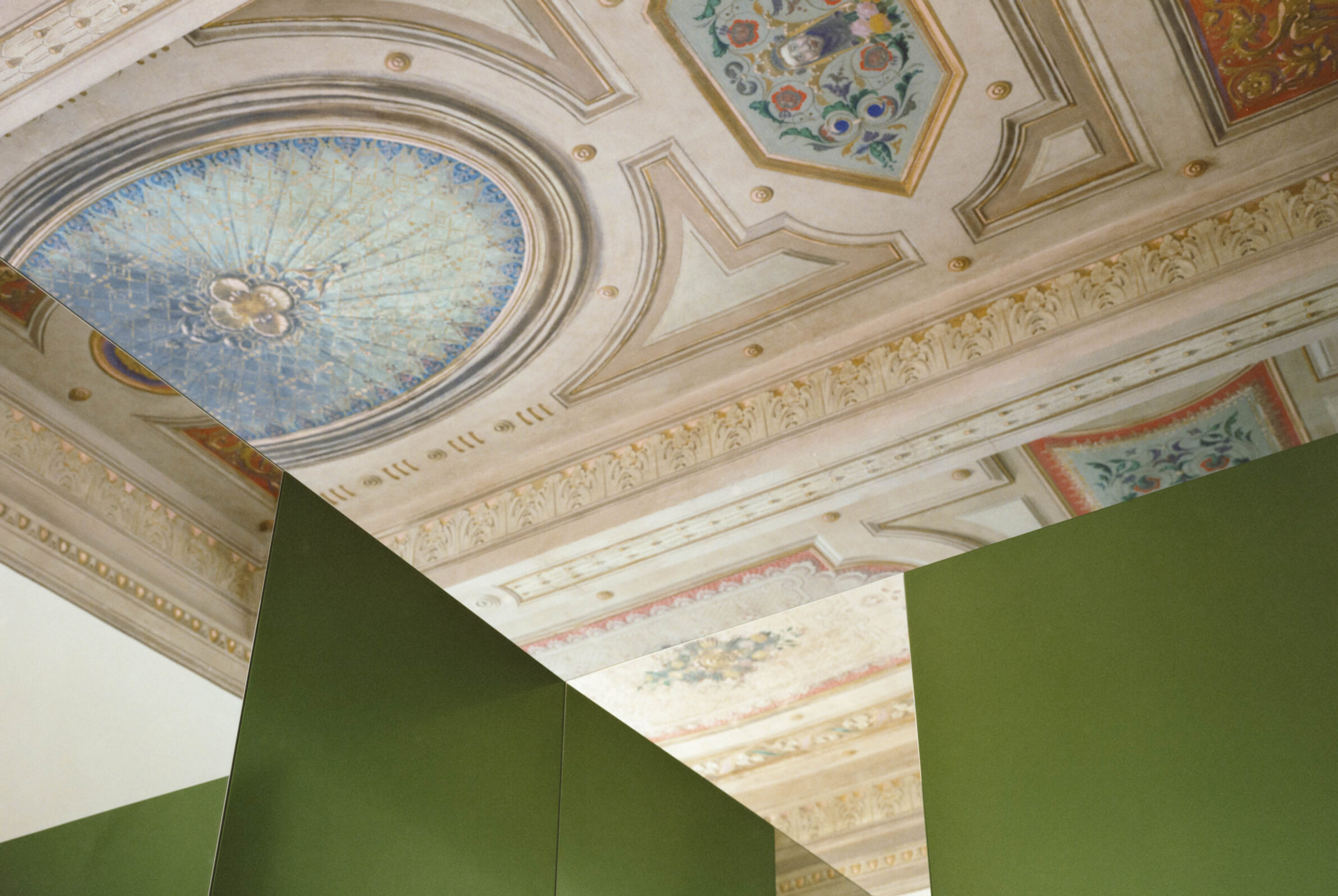
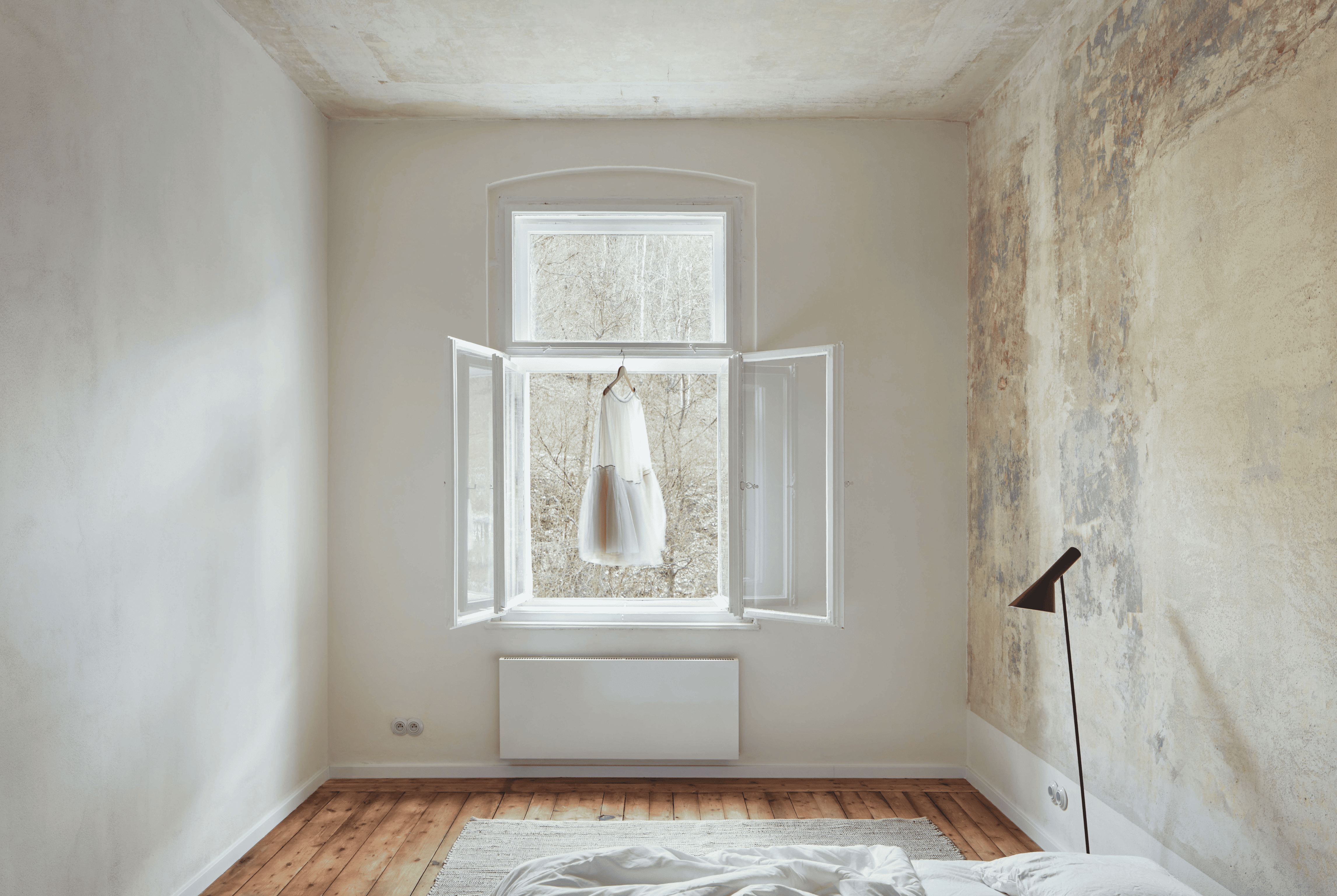
An older apartment rarely arrives as a blank page. Decades of partitions, false ceilings and quick repairs tend to hide the floors, mouldings and structure that gave it character in the first place.



An older apartment rarely arrives as a blank page. Decades of partitions, false ceilings and quick repairs tend to hide the floors, mouldings and structure that gave it character in the first place.
A space for art has to hold the work and leave room for the people who come to see it. These eight galleries, museums and cultural houses, from a single room on Santorini to
A visit to a clinic or a salon starts before any treatment: at the entrance, in the waiting area, in the light and the materials around the chair. These seven projects, from a hospital
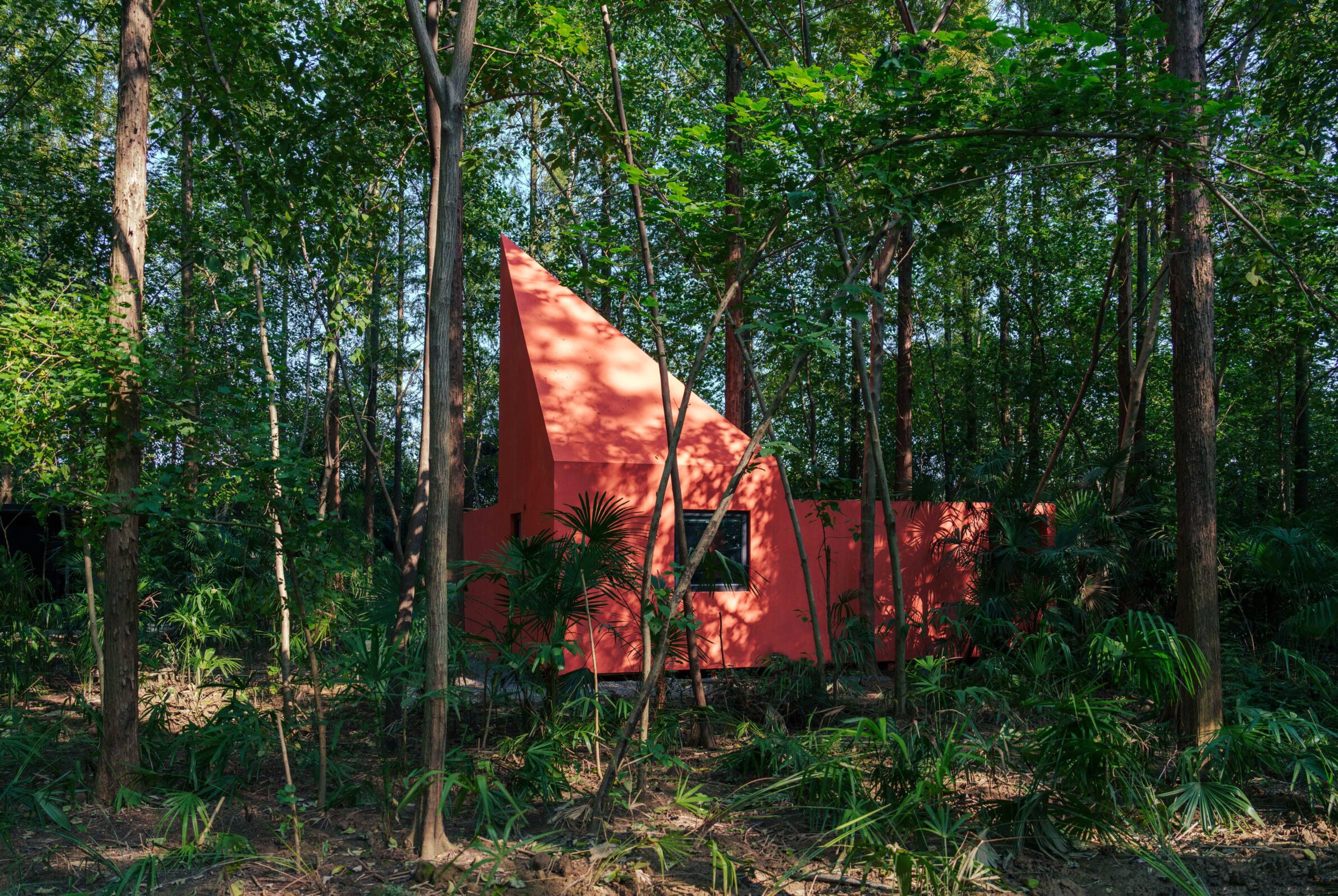
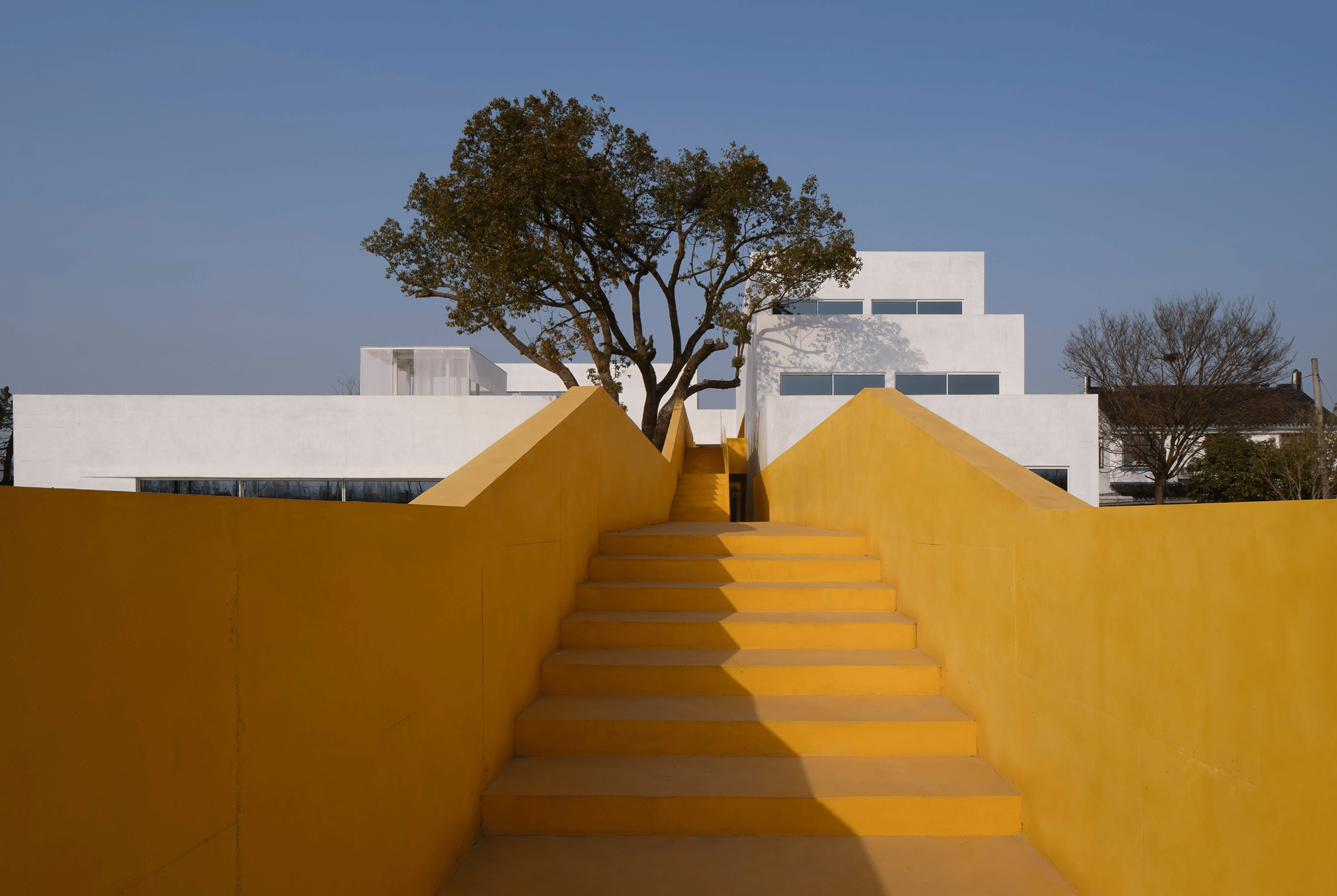
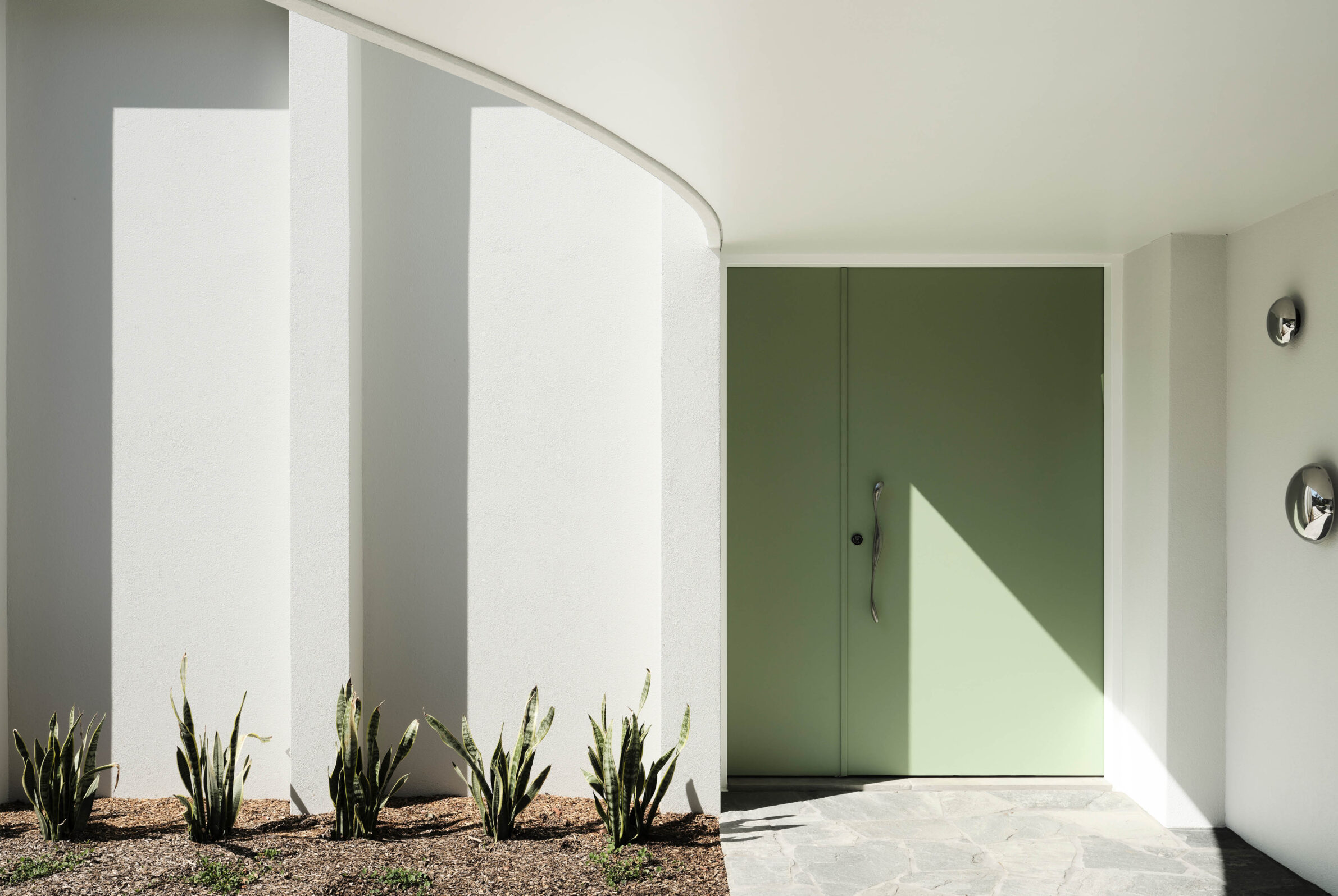
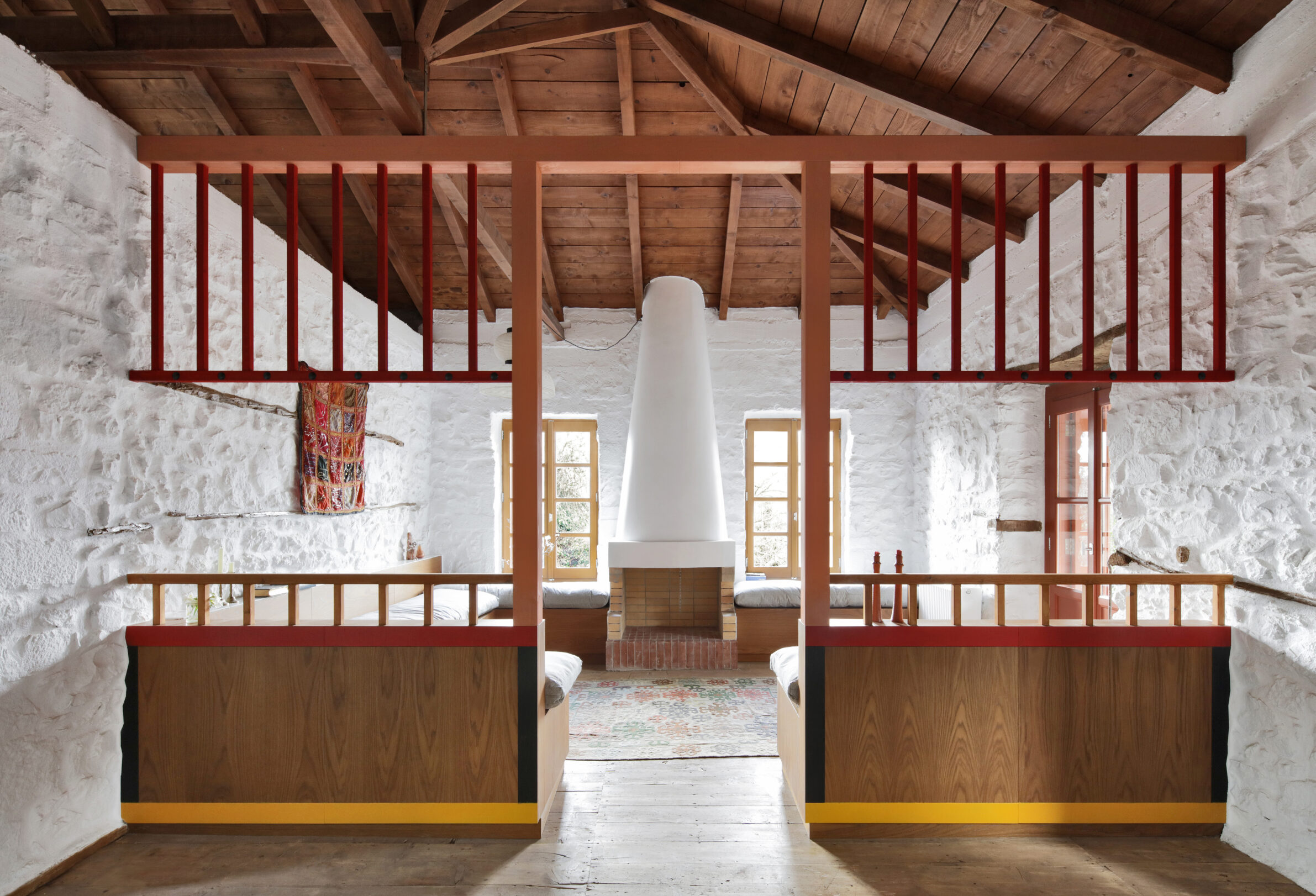
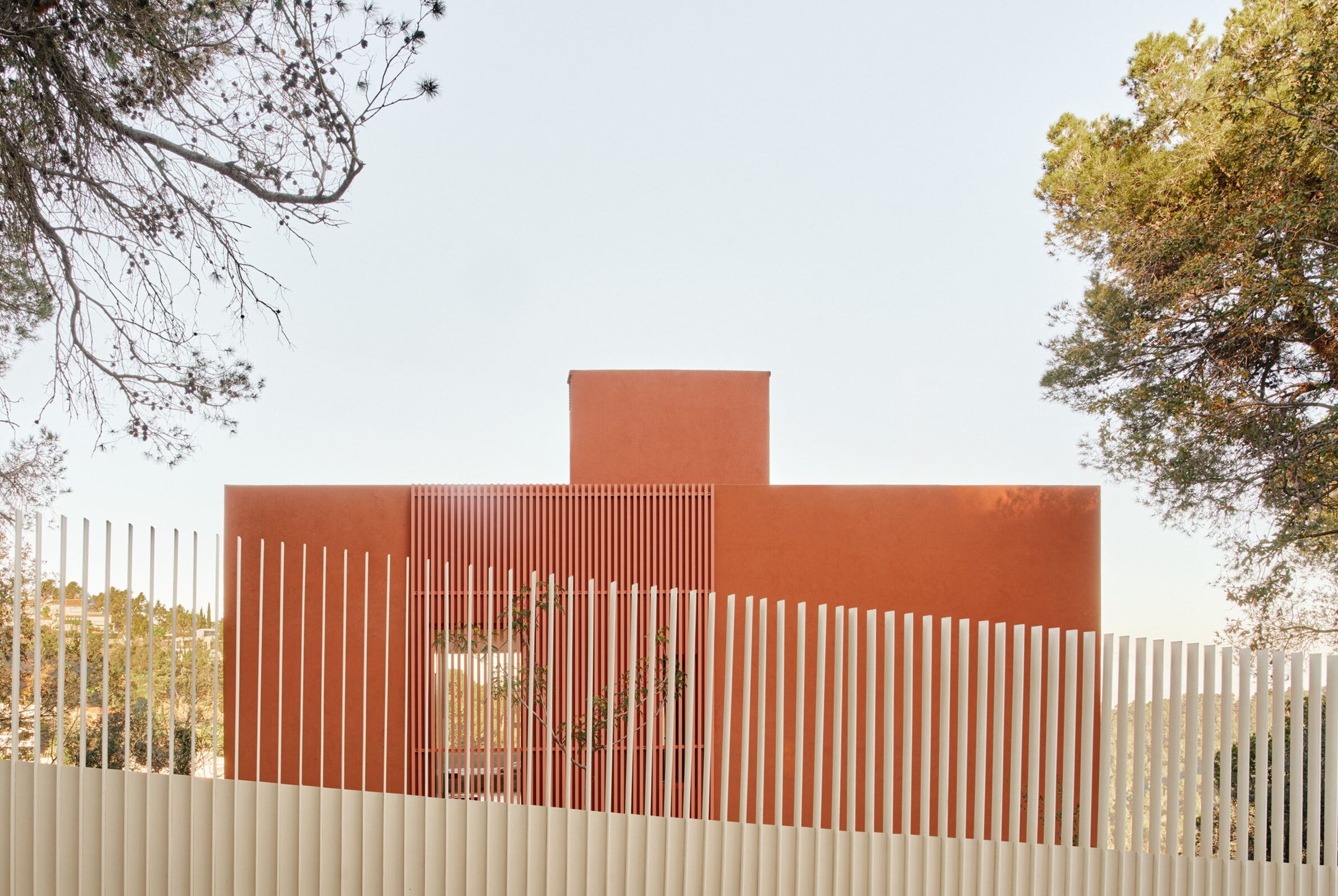
Colour does not need to dominate a house to define it. A painted frame, a door, a ceiling or a small added volume can be enough to change the way architecture is
In a small apartment, every decision about a wall, a floor or a piece of furniture carries more weight. These nine homes, from a 26-square-metre holiday house in Naples to a reorganised family flat
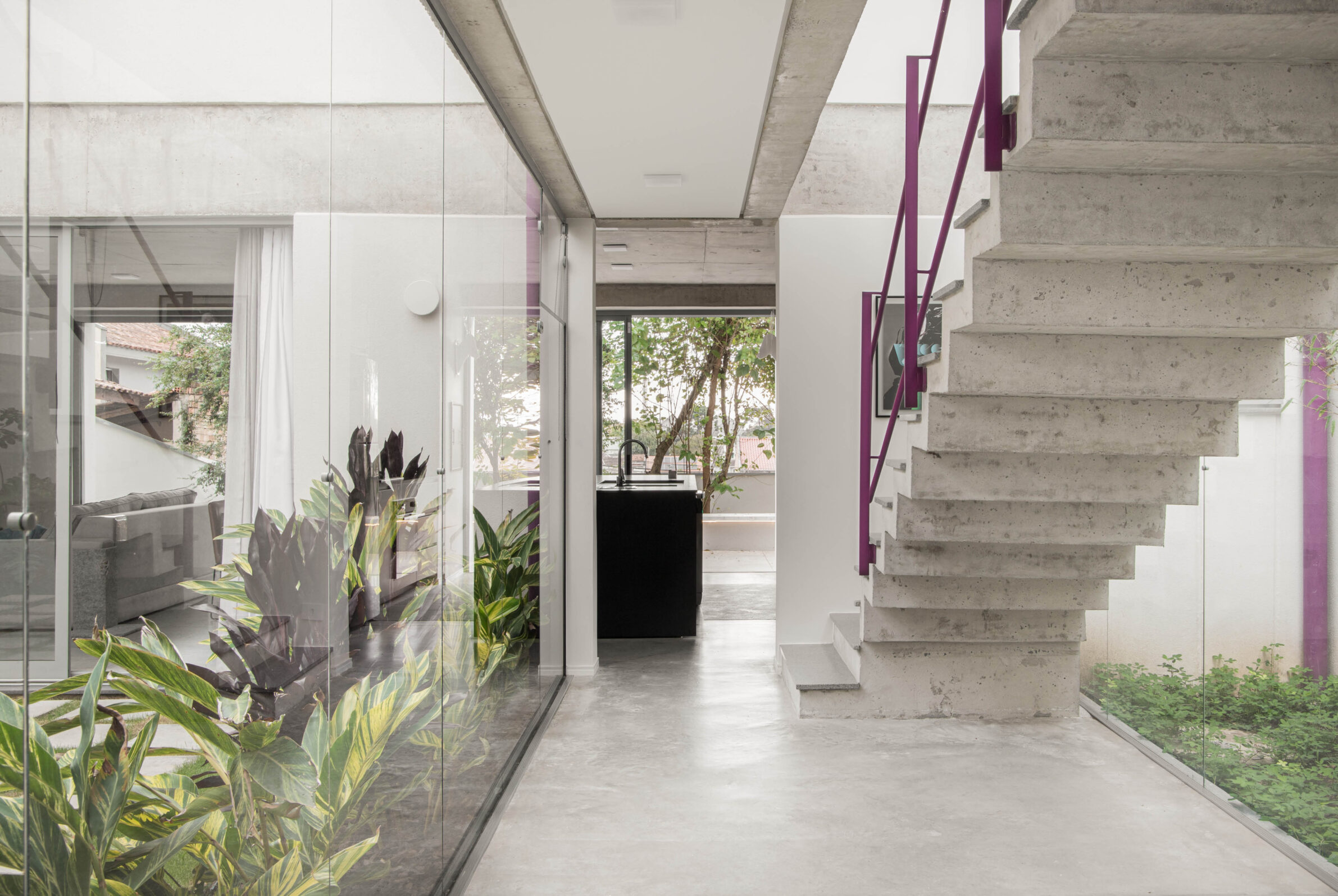
Concrete gives a house weight, permanence and a strong physical presence, yet some of its most compelling uses emerge when that solidity is interrupted. Openings, courtyards, cantilevers and glazing turn heavy walls
A black exterior does two apparently opposite things in a landscape: it sharpens the outline of a building against vegetation and, in shade, allows its volume to recede. Charred timber, stained wood
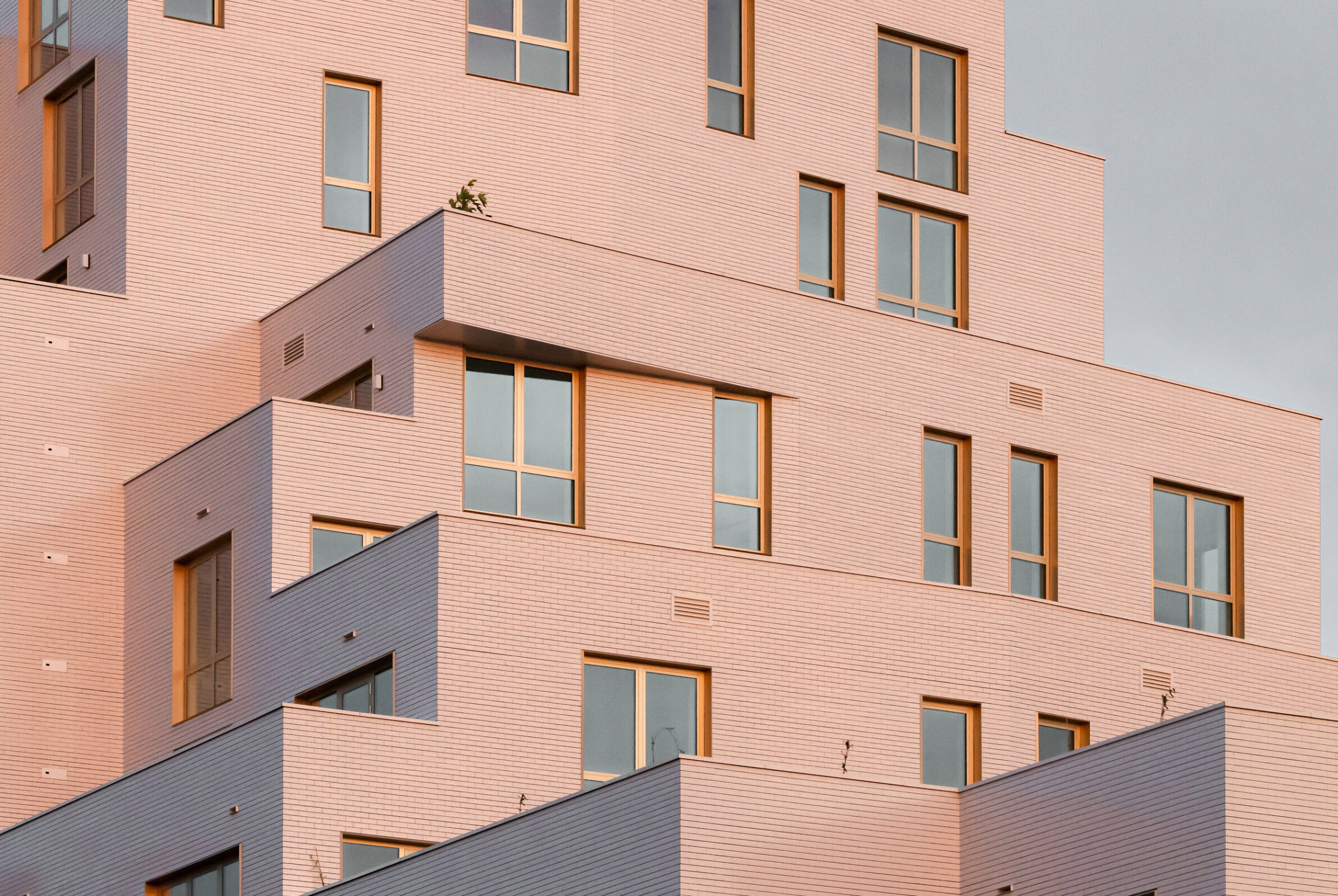
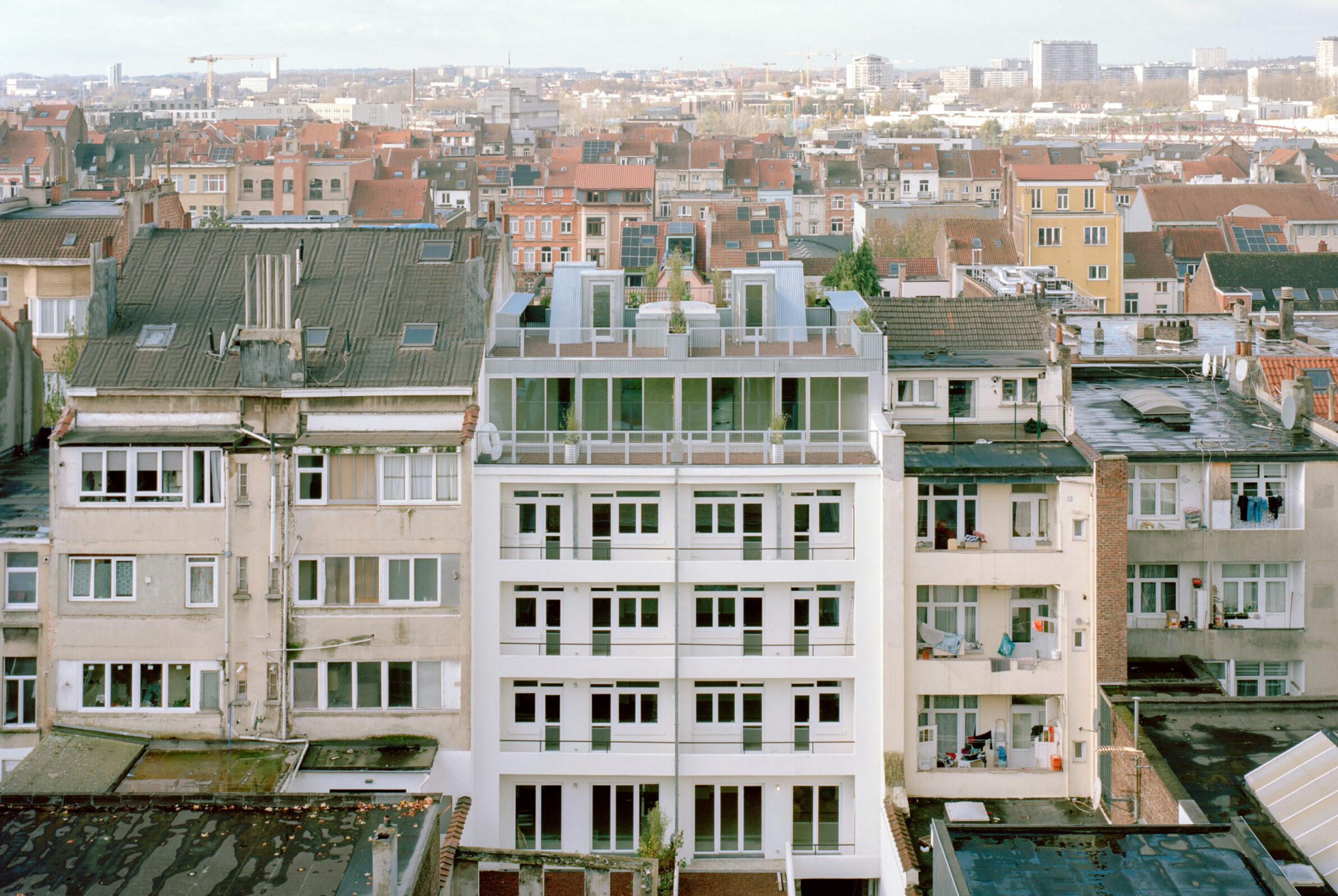
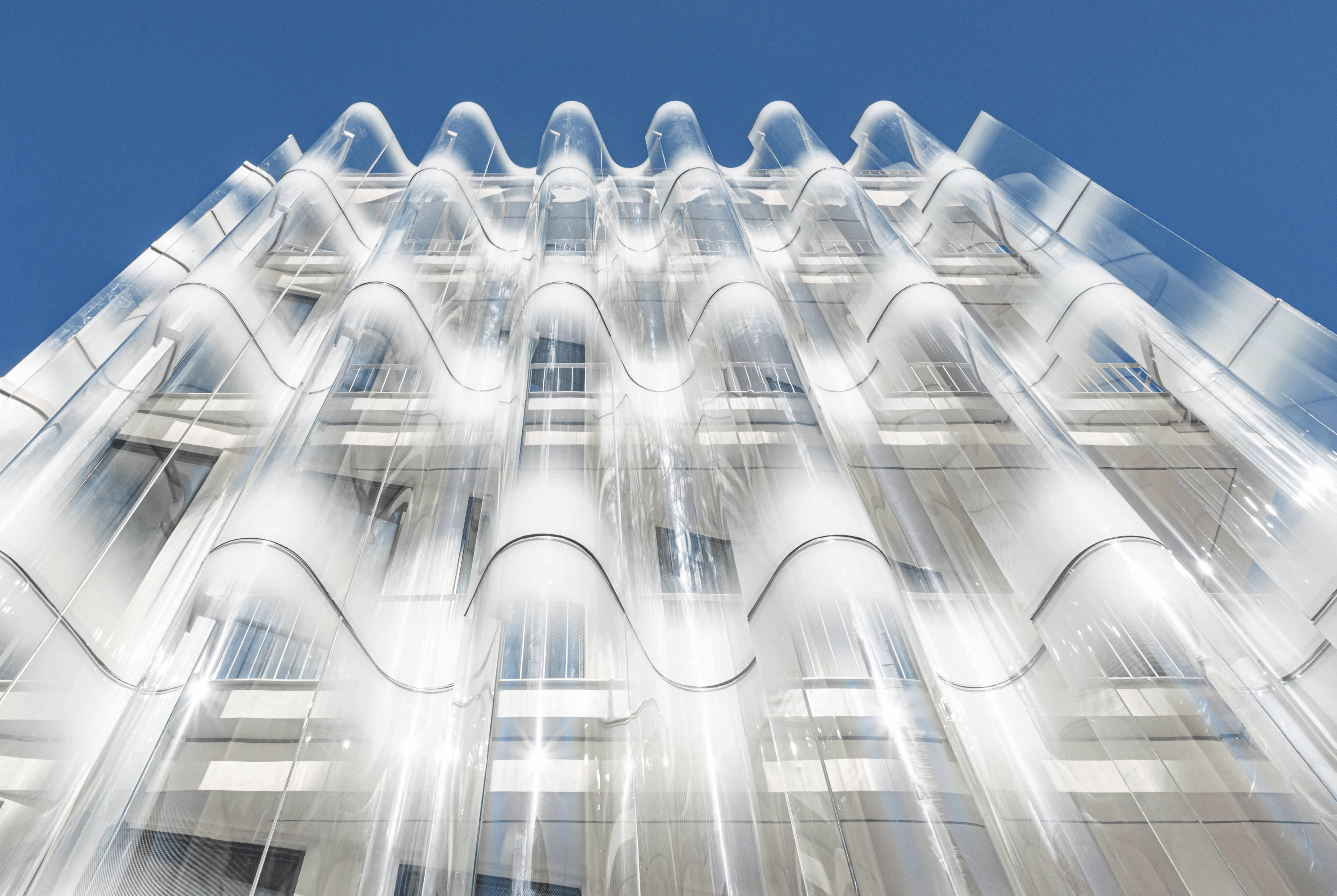
The facade is where a building meets the city. In collective housing, it has to negotiate repetition and individuality, enclosure and openness, technical performance and public presence. Material plays a decisive role in how these
The row of desks is no longer the only way to plan an office. In these nine interiors, lounges, shared tables, galleries and reception spaces do much of the organising. The shift
Renovation gives a house the possibility of accommodating new ways of living without erasing the architecture that preceded them. Existing walls, structures, materials and spatial sequences become a framework
Residential architecture within an established city is rarely an autonomous object. Its scale, façade order, material weight, entrances, courtyards and roofline are read against structures that were already there. The question is therefore not simply
A house is usually recognised through a familiar set of elements: walls, roof, windows and an entrance arranged around domestic life. In these projects, that recognisable language is deliberately unsettled. Geometry, structure
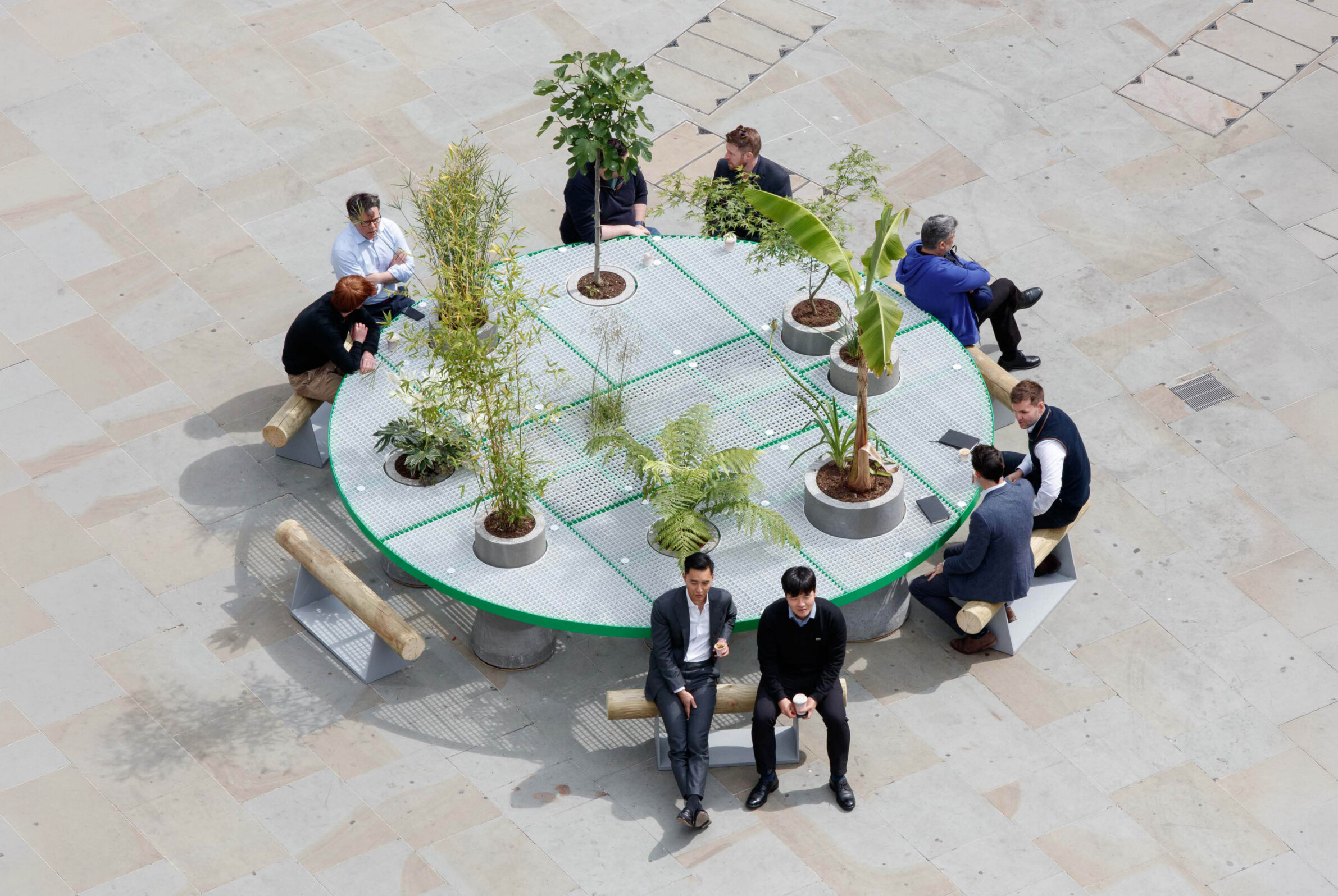
A place to gather needs surprisingly little: shade, somewhere to sit, a reason to stop. These seven community spaces, from Accra to Suzhou, are built around those basics. None of them is
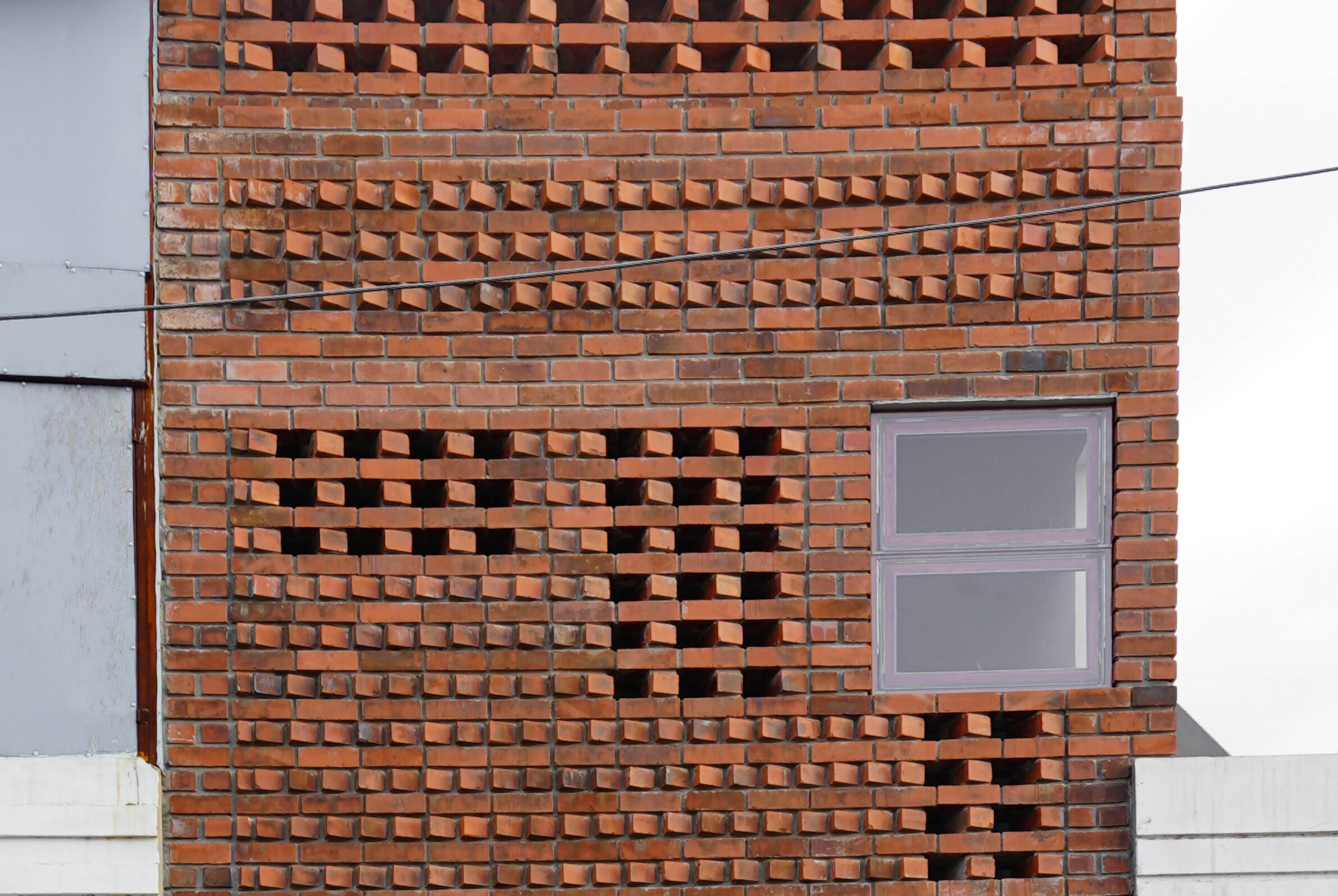
Brick carries an unusual continuity in architecture: one of its oldest building materials remains capable of producing distinctly new spatial and constructive solutions. Its basic unit is familiar and repetitive, but the
A museum does not have to start from an empty site. In these six projects, a museum is made or remade from what was already there: a chapel, a warehouse, a row of medieval
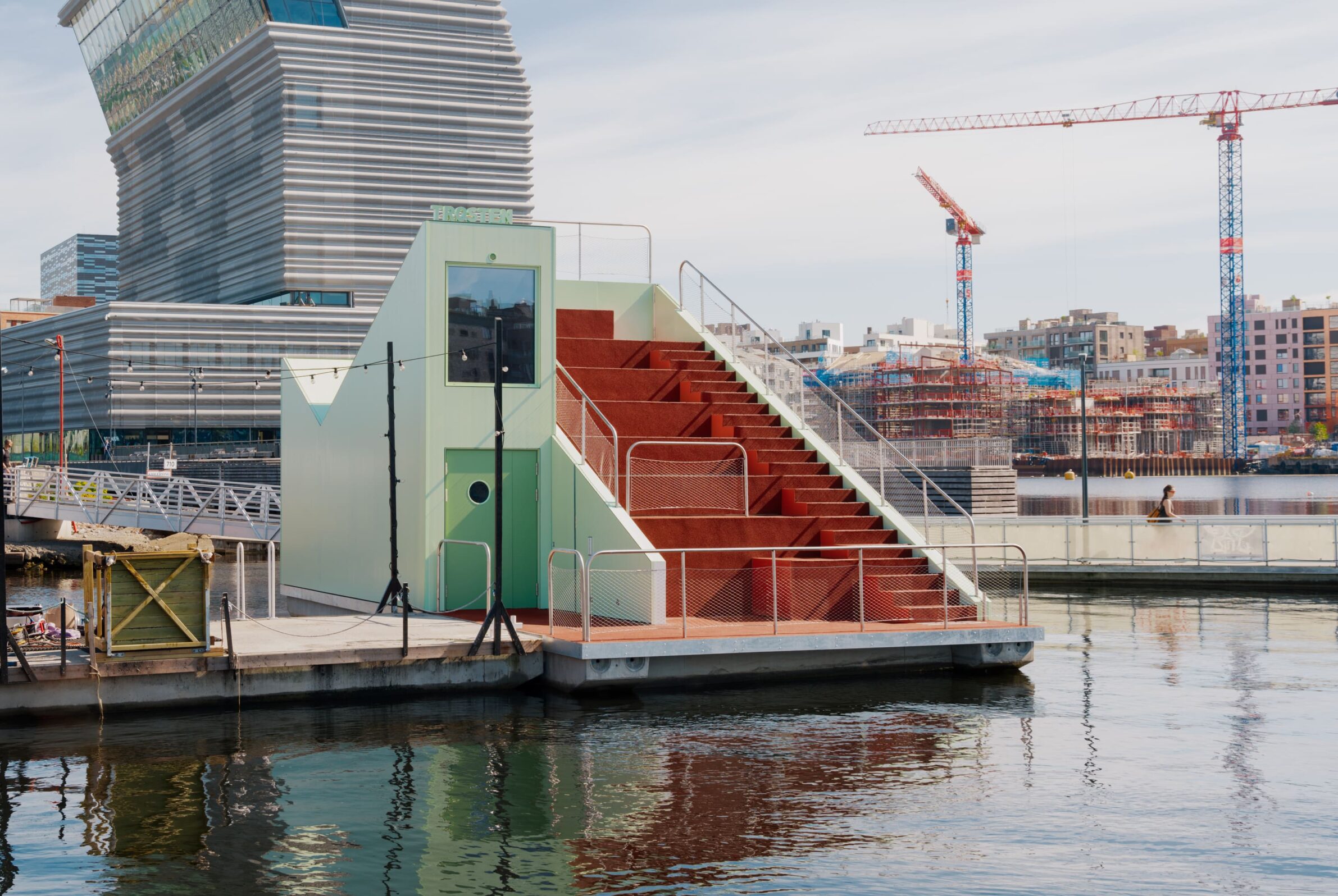
Bathing architecture is defined by thresholds: between exposure and privacy, heat and cold, enclosure and landscape, individual retreat and collective use. In the projects gathered here, these conditions are not treated as secondary aspects of
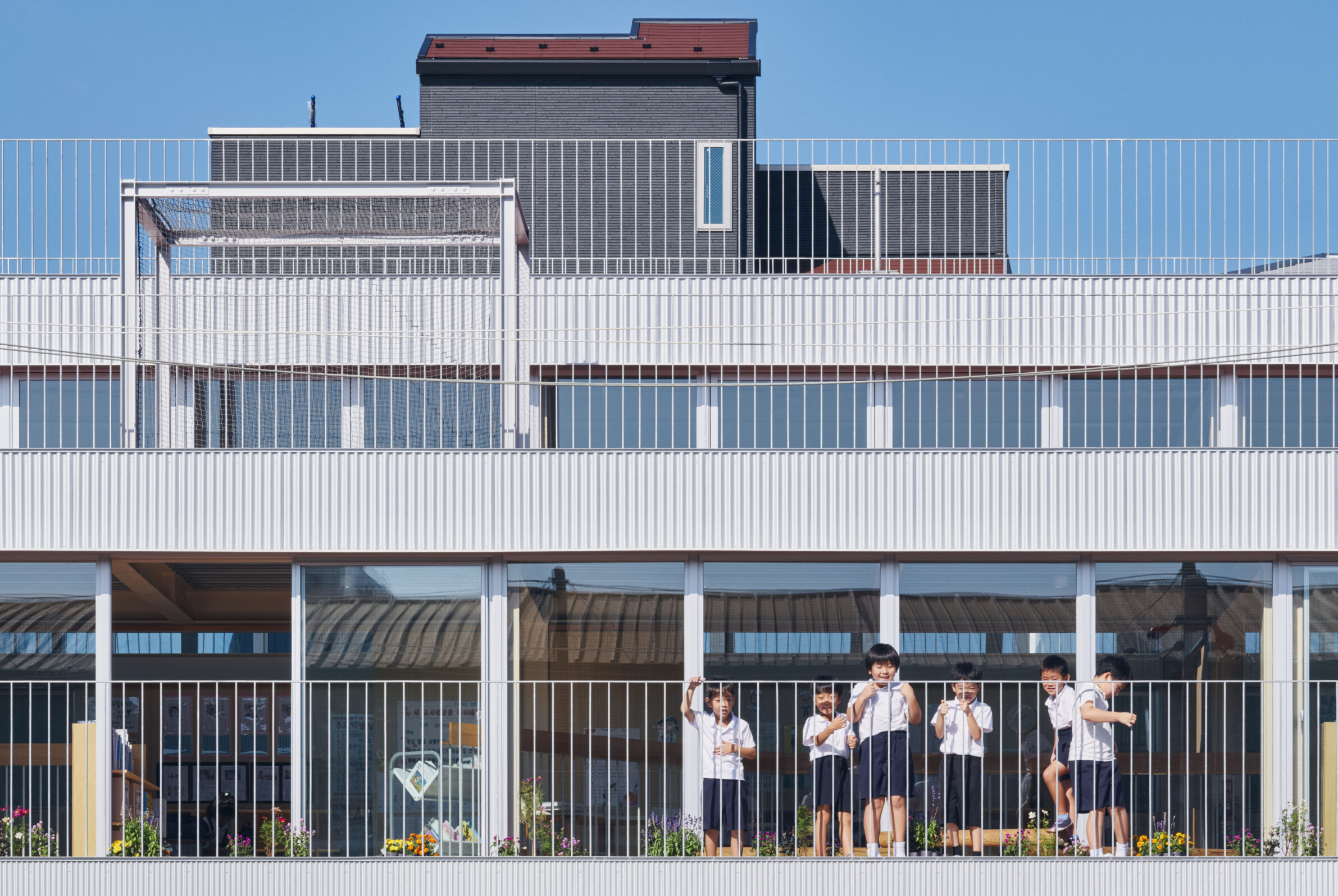
Educational institutions are commonly defined by programme: kindergarten, primary school, secondary school, vocational school or university. Yet the architecture of learning increasingly has to accommodate much more than instruction. These buildings are also places of
A façade is the part of a building that belongs to everyone who walks past it. These ten projects, from a small commercial building in Seoul to a residential tower in Le Havre, show
Wood becomes architecturally significant when it extends beyond individual elements and begins to operate as a continuous surface. Across façades, ceilings, walls, screens and built-in elements, its grain, colour and directional pattern
In these eight interiors, colour and material do more than finish a room. They set its mood, help organise its plan and tie it to the place outside. Interior design is easily
Few furniture typologies have been interpreted as persistently as the stool, chair, sofa and table. Their functions are established, their proportions familiar, and their design histories already contain countless variations. Yet this familiarity also makes
A single curve can change the character of an entire house. Set against straight walls, grids and planar roofs, one rounded element introduces softness, movement and a clear point of architectural emphasis.
Renovating rural architecture does not have to mean returning it to an imagined past. These projects preserve the material, spatial and constructive character of existing buildings while introducing contemporary ways of living.
Public space is not made public simply by being accessible. It becomes public when people have reasons to enter, stay, meet and return. The projects in this selection start from specific conditions
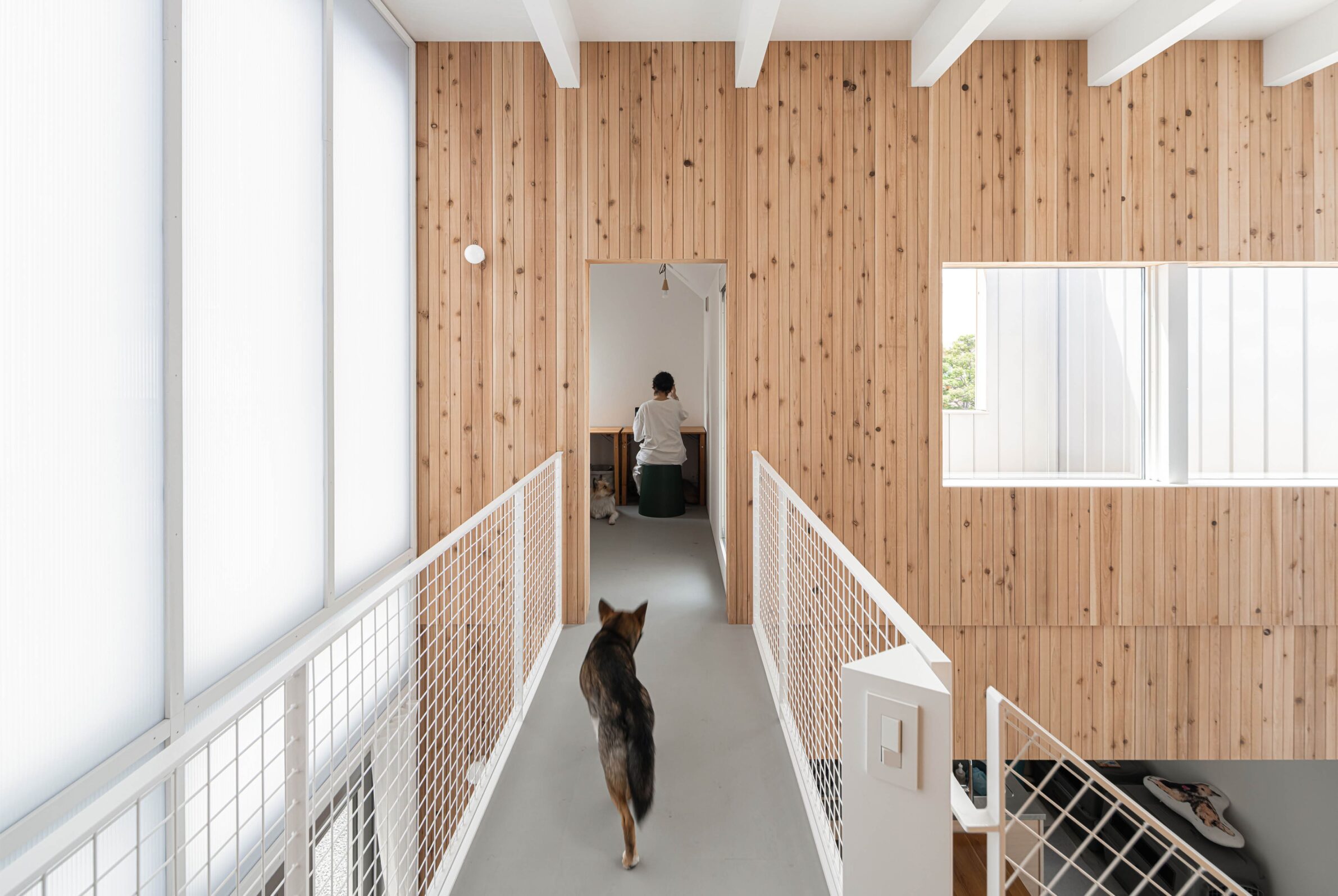
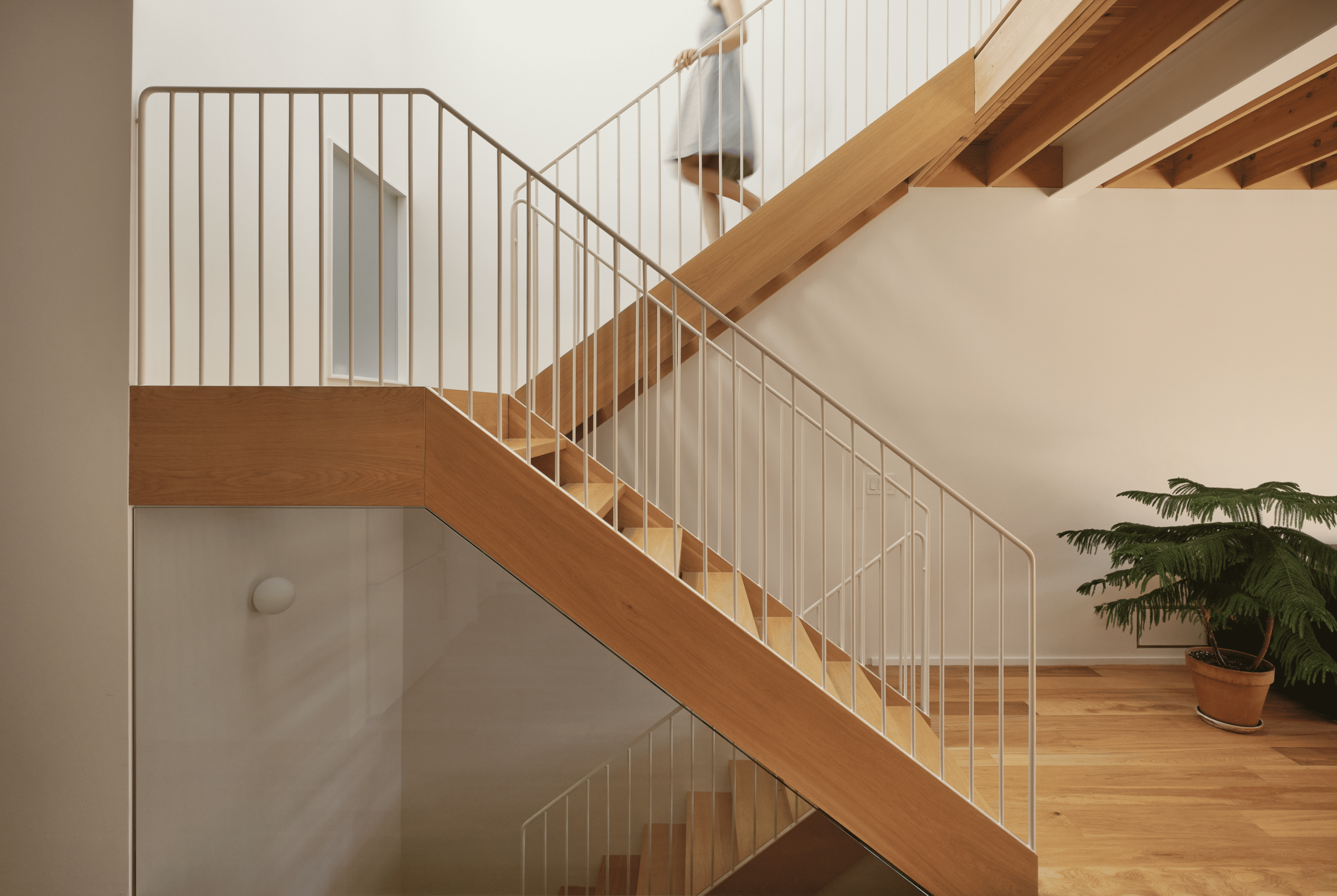
When timber carries a building, it can also give architecture its order. Columns, beams, frames and joints become more than technical necessities: left visible, they establish the rhythm, scale and character of domestic space.
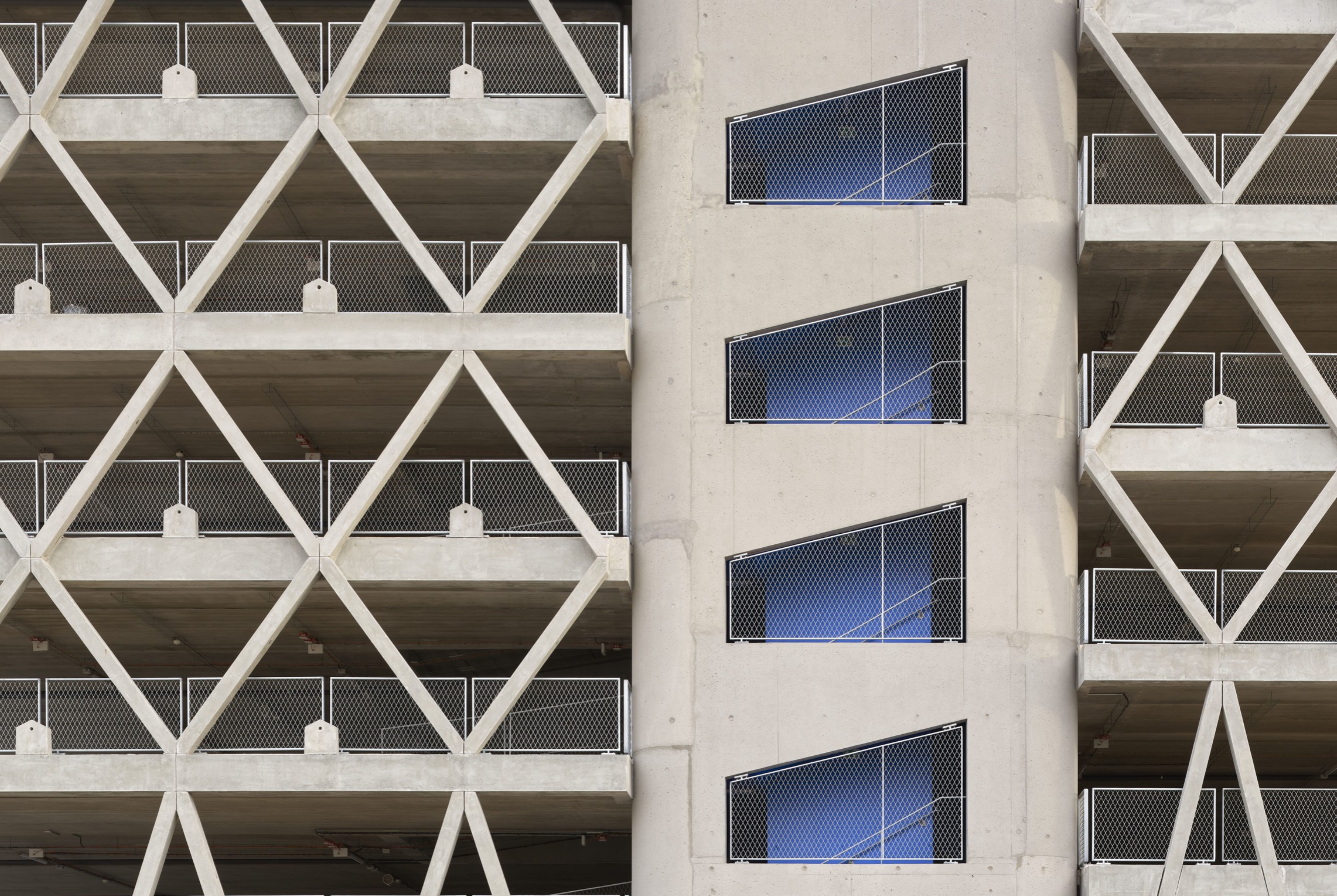
Sheds, halls, car parks and tunnels are rarely where architecture expects to be noticed. These six working buildings suggest that utility, handled with care, can shape a place as much as any civic landmark.
Warmth in architecture is not always a question of temperature. It can begin with colour, texture and matter: with materials whose tones seem to carry something of the earth, vegetation and built traditions around
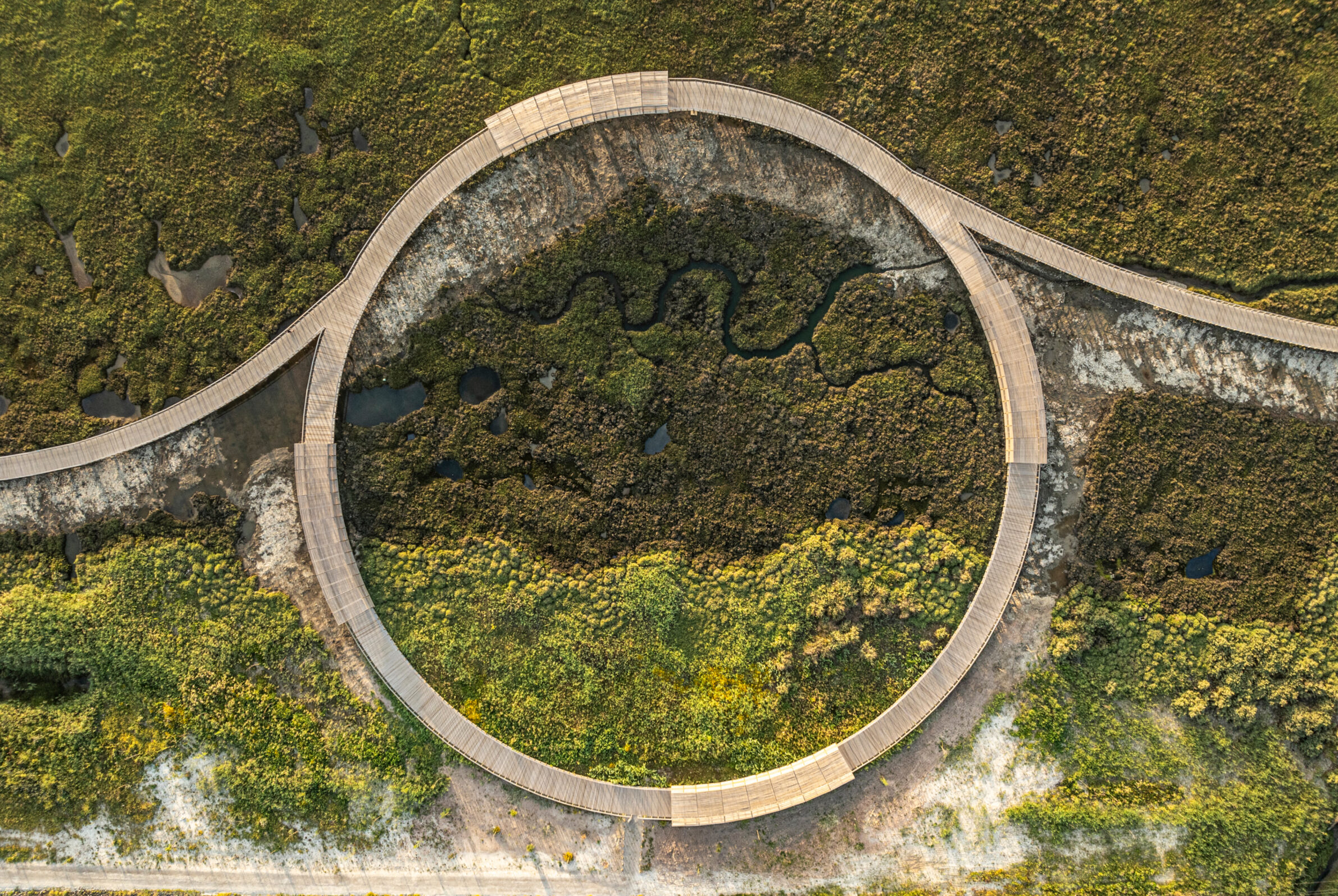
The shortest route is rarely the point. In these nine projects, a bridge, a boardwalk or a path is designed to be walked slowly, as a place in its own right rather than a
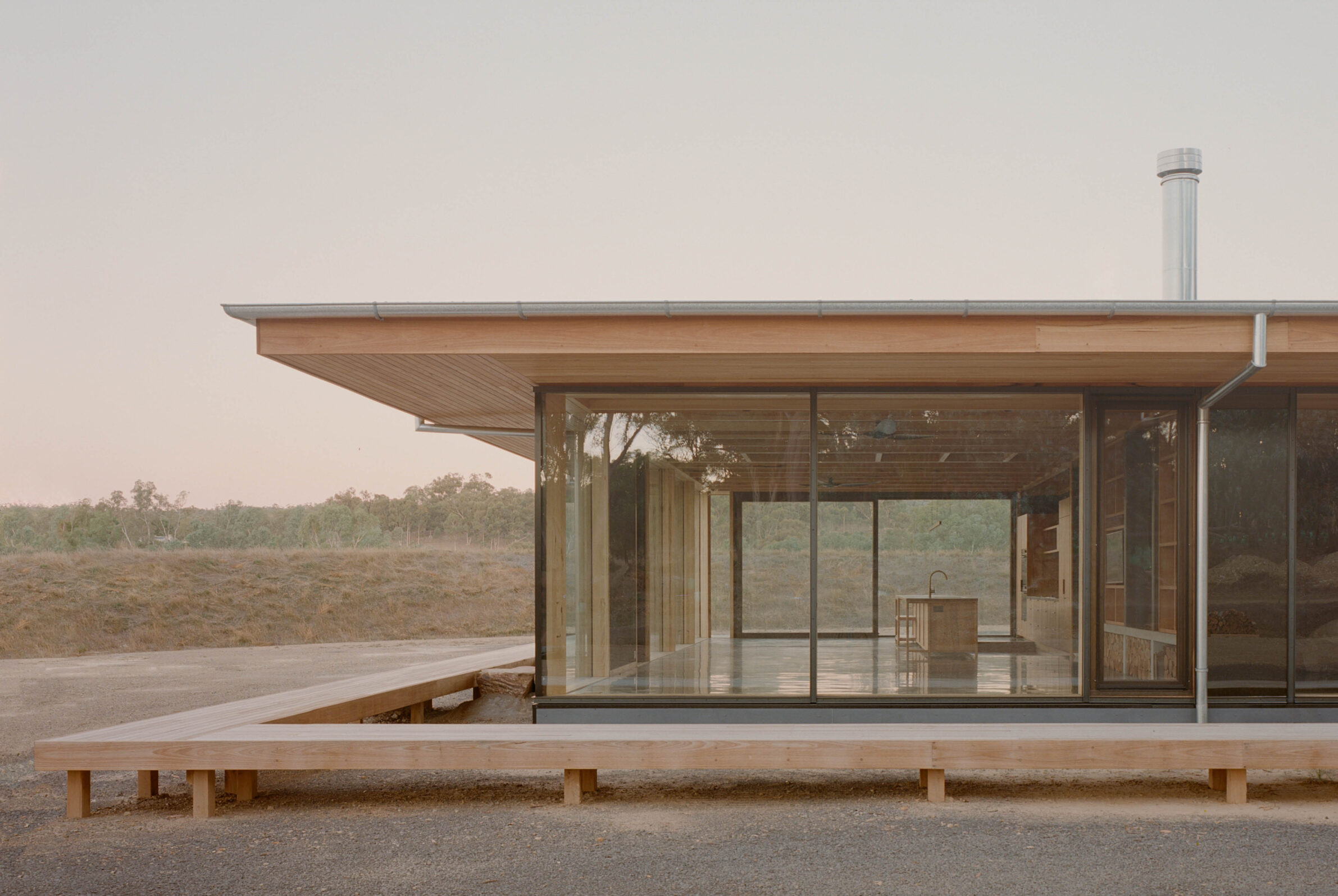
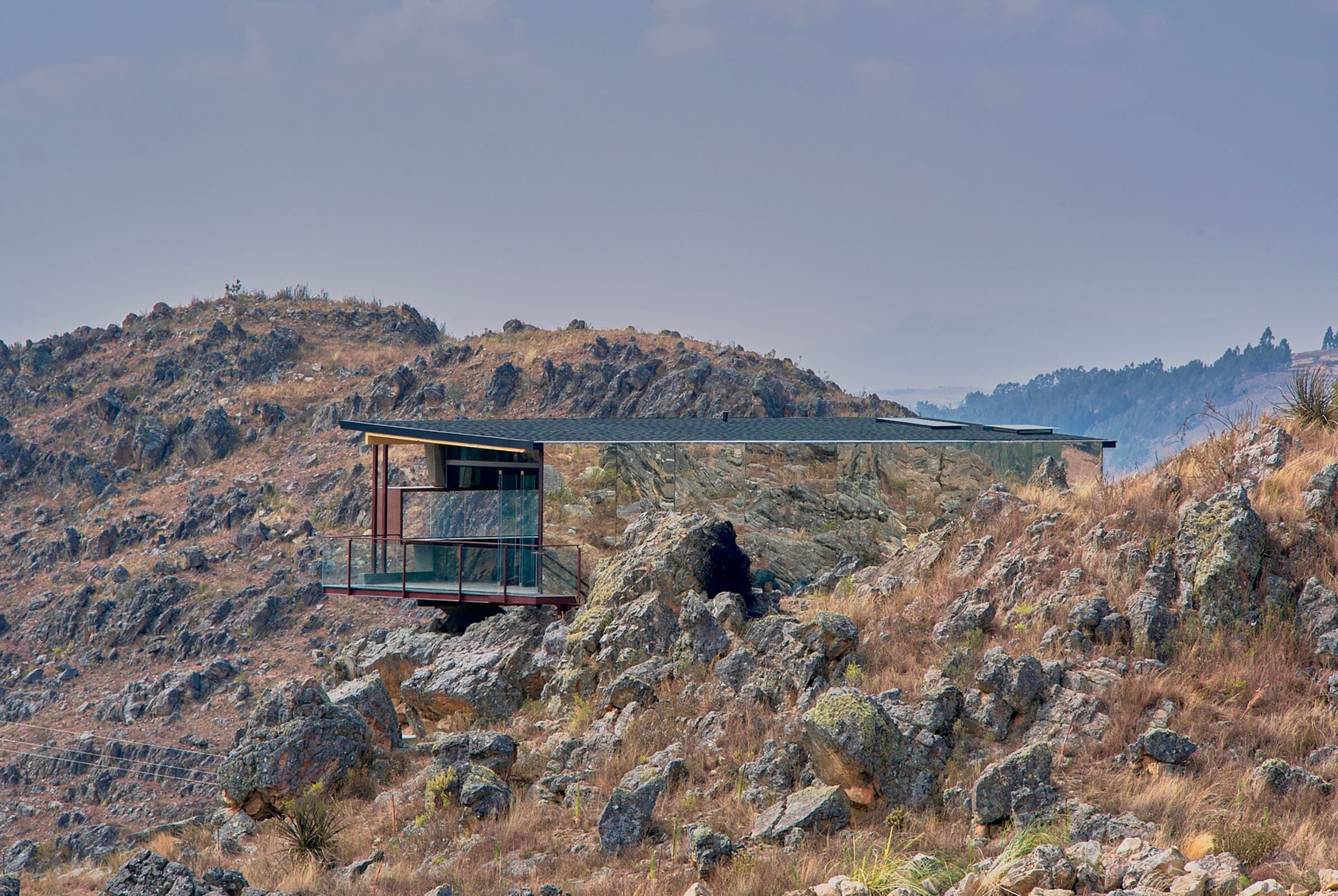
To build a house in an open landscape is to change that landscape. The question is not how architecture can disappear, but how precisely it can establish its presence while allowing the place around
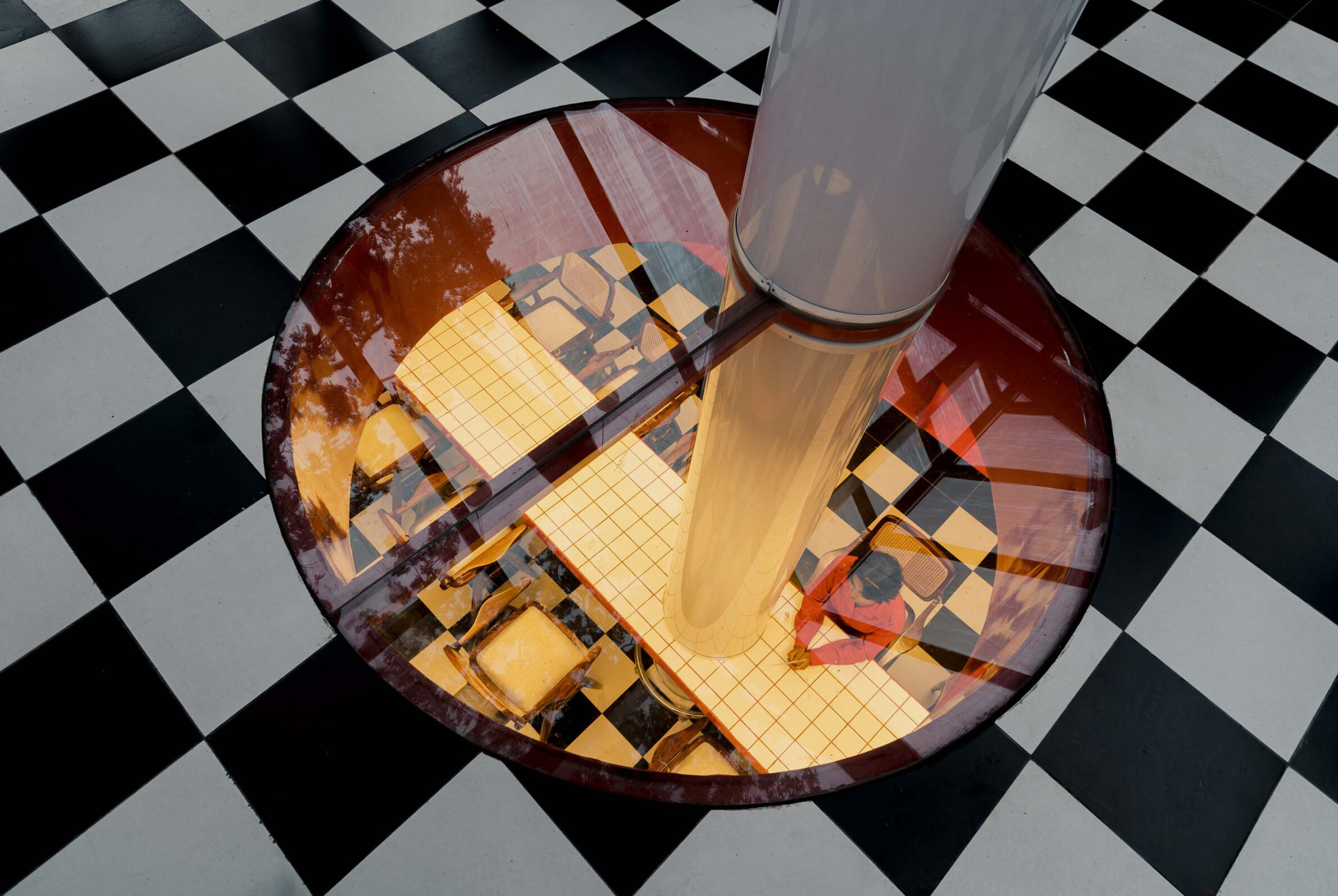
A dining space begins to shape an experience before the food arrives. Scale, light, material, enclosure and movement determine whether a meal feels private or collective, ceremonial or informal, removed from its surroundings or