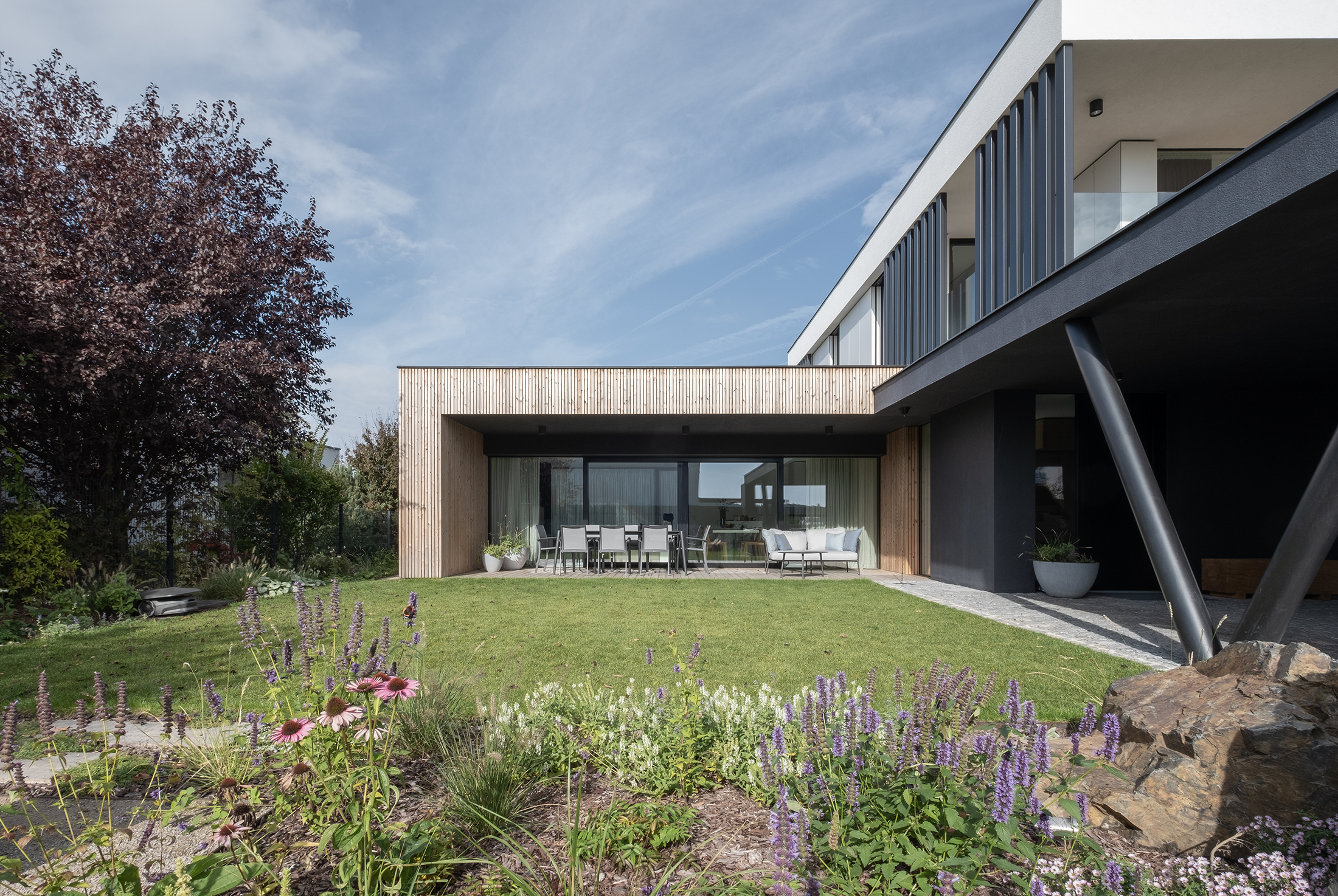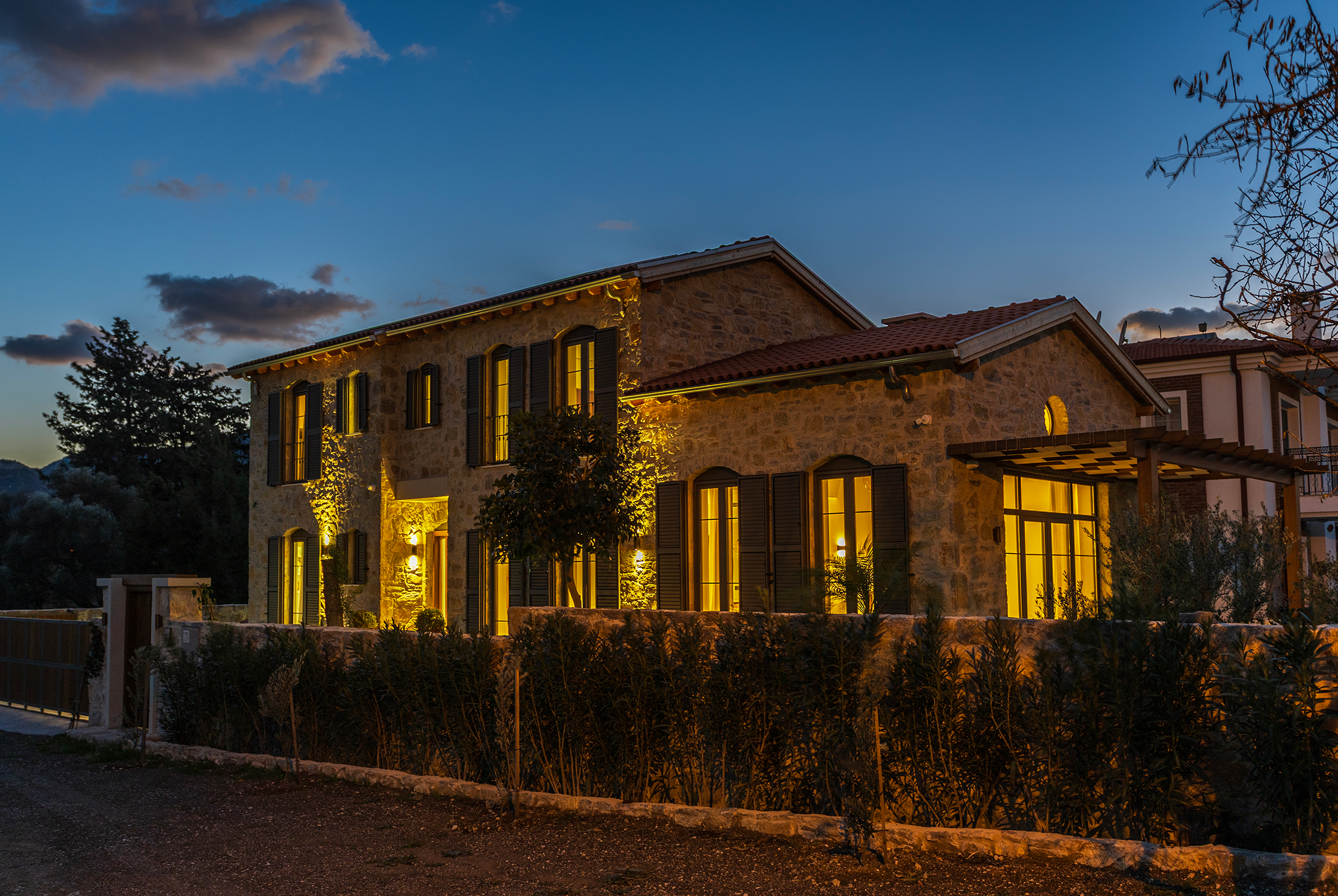
SIJBOLTS HOUSE / DATCA by Big Mimarlik
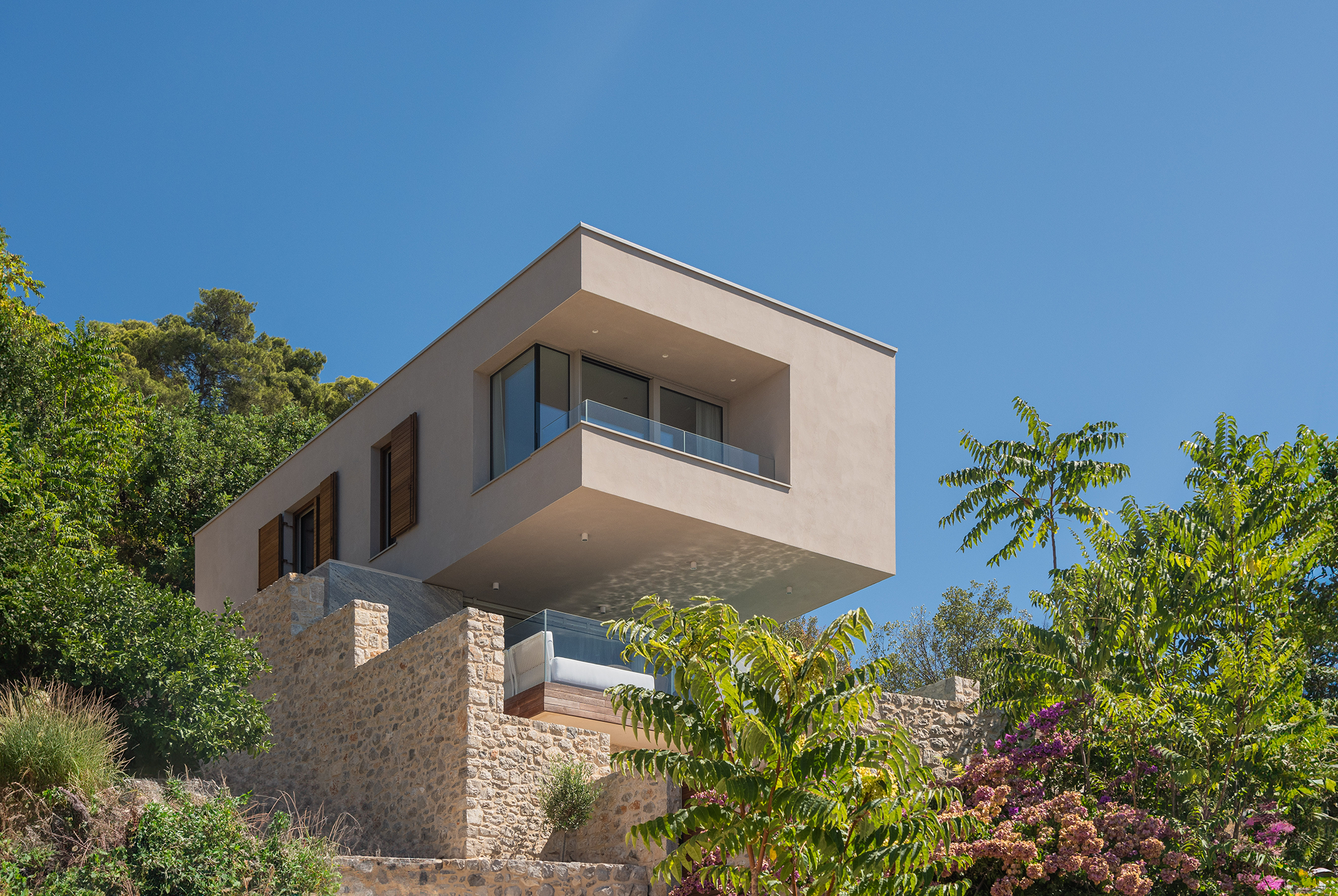
Located in Datça, the project transforms a small plot with dual street frontage into a rational architectural strategy. To maximize garden use, the building is conceived as a linear mass set back within the



Located in Datça, the project transforms a small plot with dual street frontage into a rational architectural strategy. To maximize garden use, the building is conceived as a linear mass set back within the
The house functions as a landscape formation, integrating architectural forms to create an experience in which landscape and architecture become a coherent whole. An inner courtyard, carved into the terrain, acts as a light
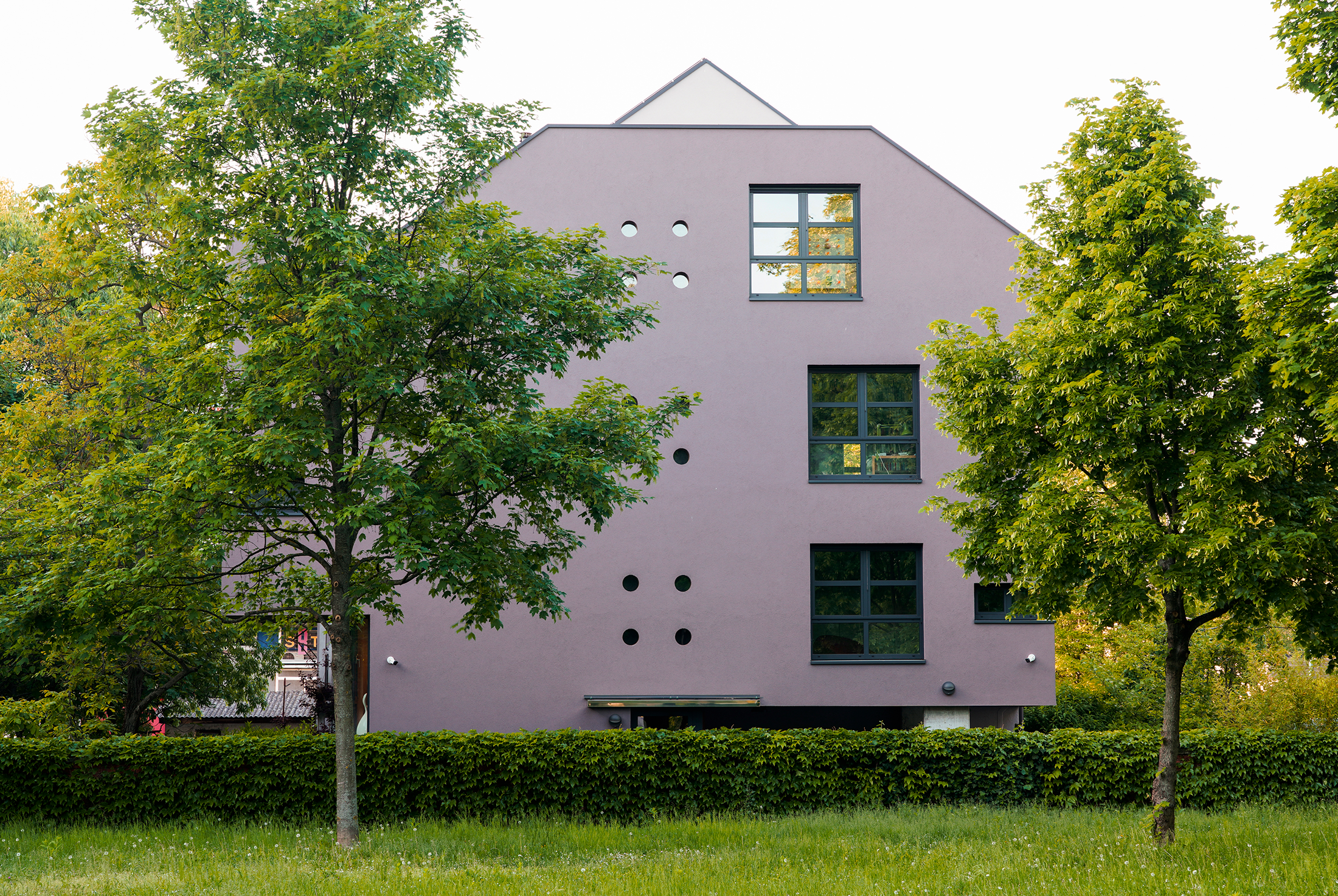
The idea for the development of the narrowest house in Zagreb stemmed from the planning possibilities for building a narrow, semi-detached house abutting onto an existing residential building. Additional spurrs to the choice of
In the Vexin, in Pouilly, the house sits in a small valley below a wooded hill and is often in shadow. The project is based on the contrast between shade and light: renovating the
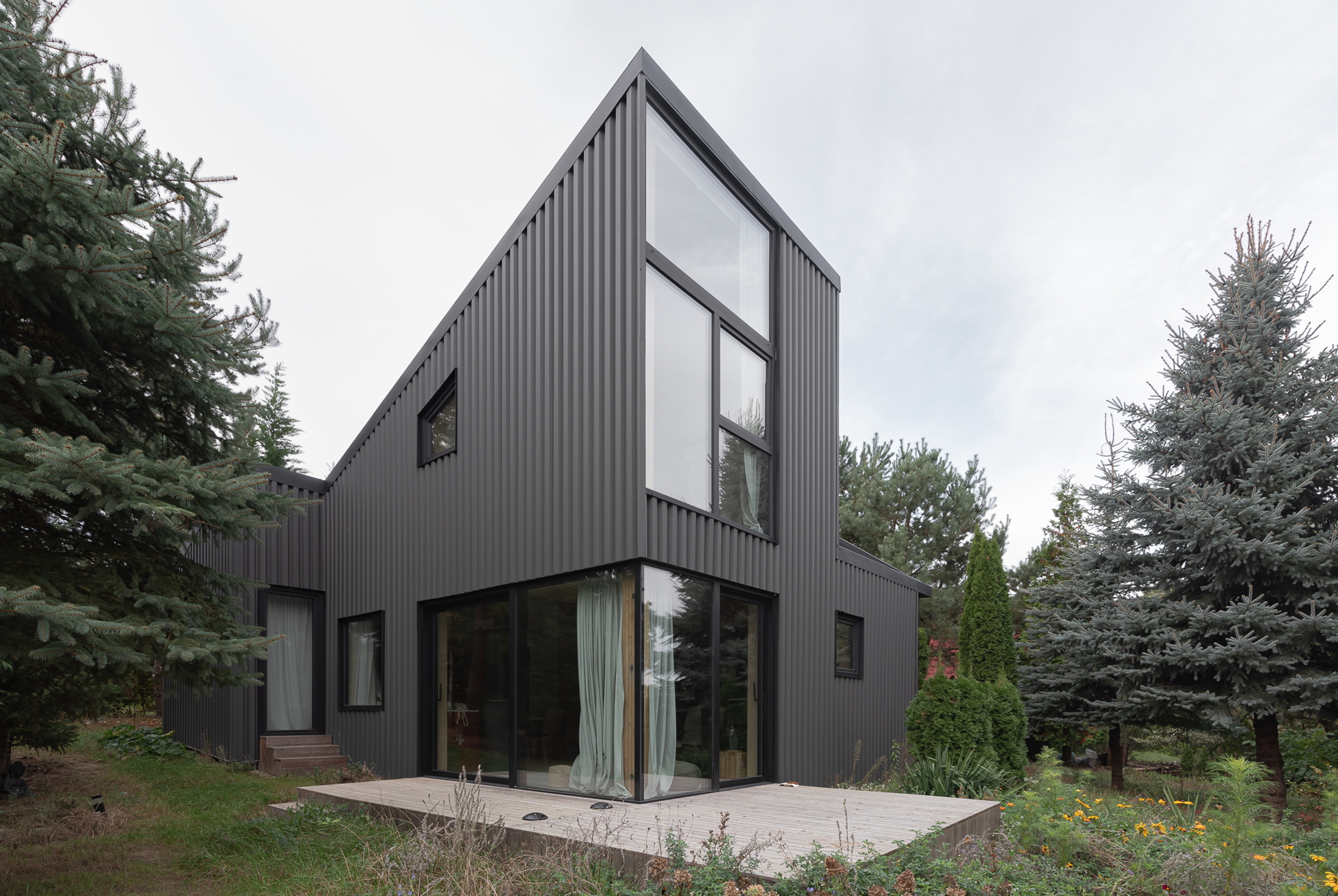
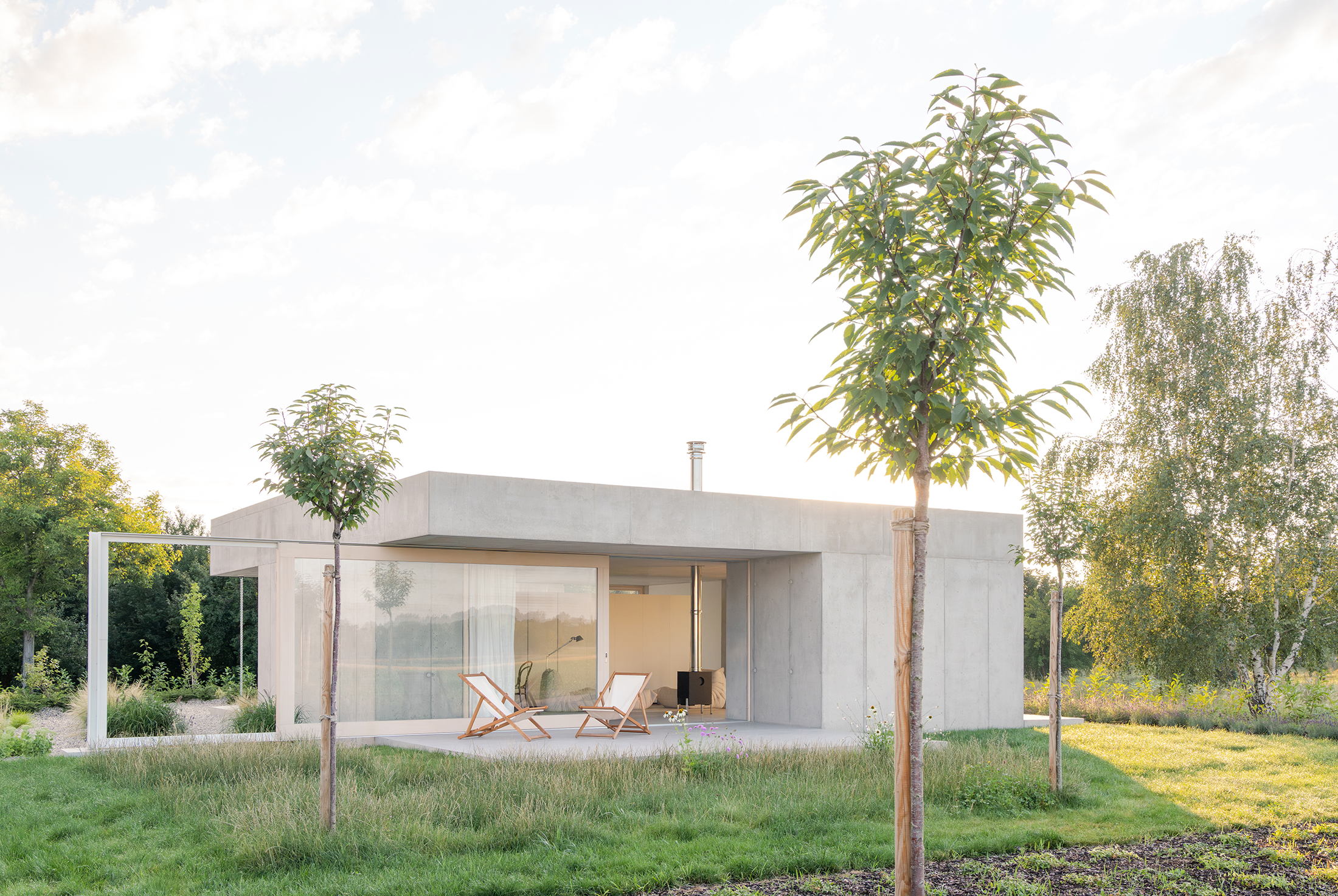
The building is located amidst the picturesque landscapes of the Greater Poland Lake District, surrounded by hills, filled with meadows, pastures, and forests. The area is rich in beautiful views, naturally encouraging relaxation and
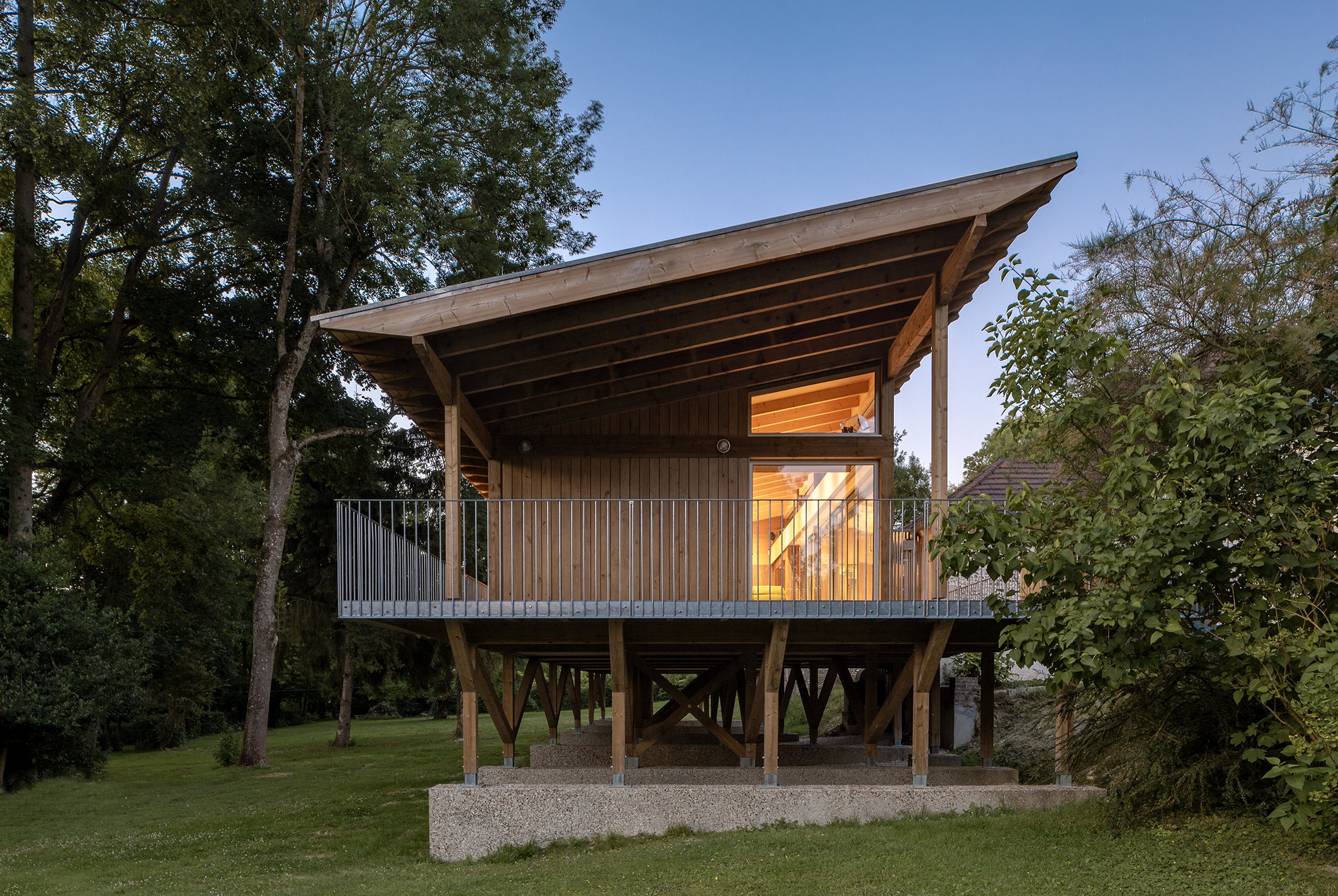
Above Battenberg, in the hilly landscape of northern Hesse, a timber house for a young family follows the slope, integrating elegantly into the topography. The design cuts into the terrain, forming a long, concrete
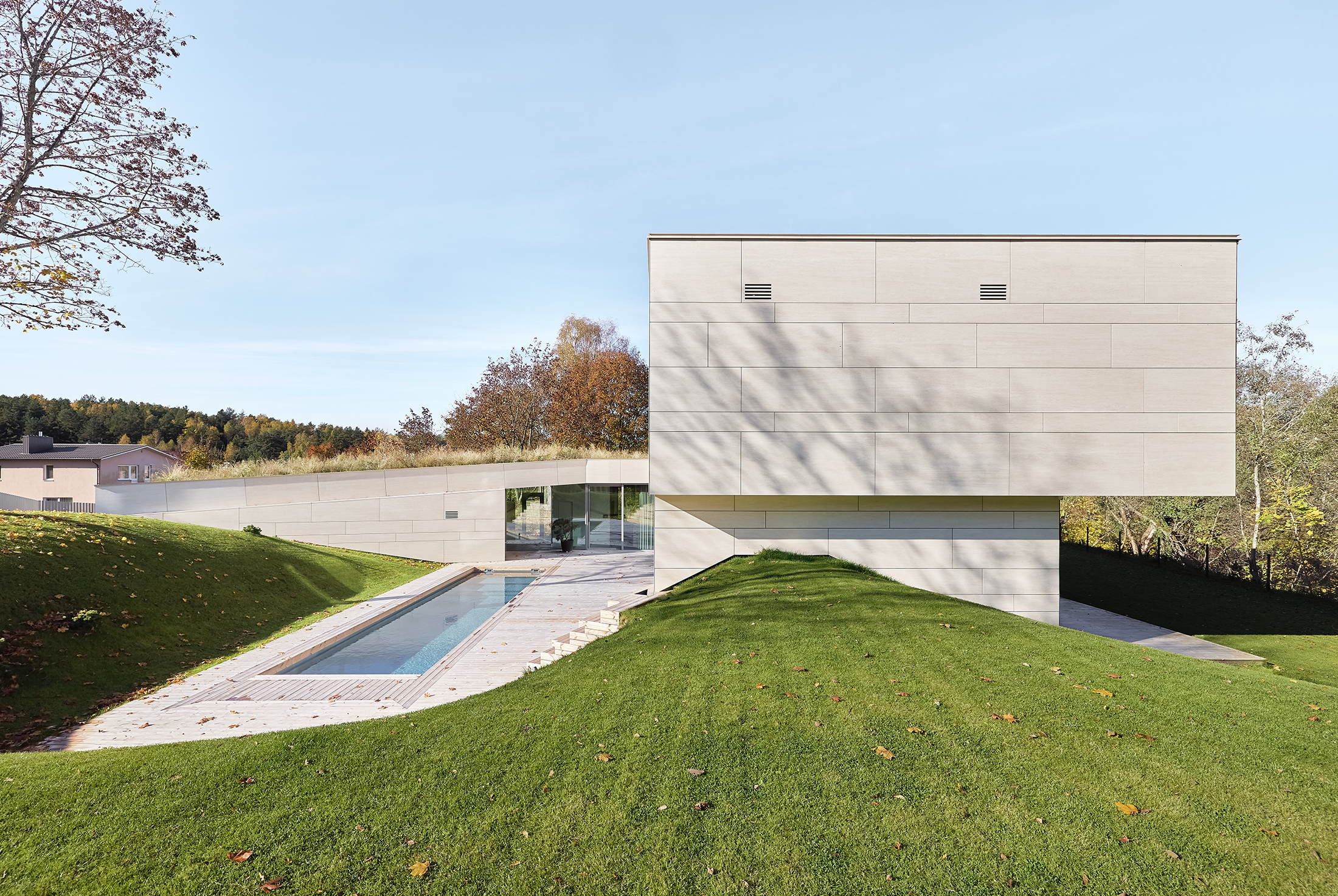
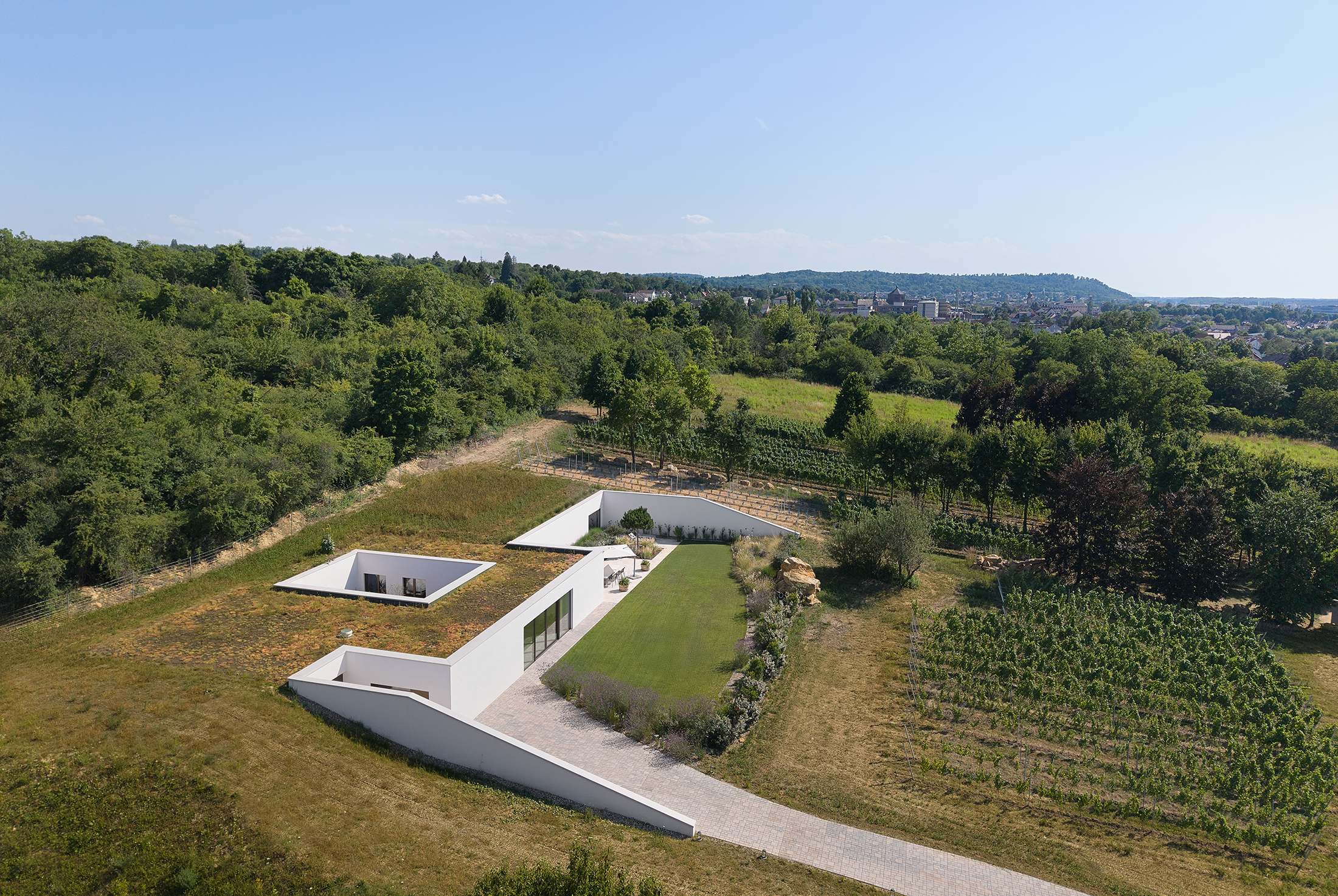
Set within the rolling vineyard landscape of the Kraichgau, the house is conceived as an architecture that dissolves into its topography. Rather than occupying the site as an object, the building is carved into
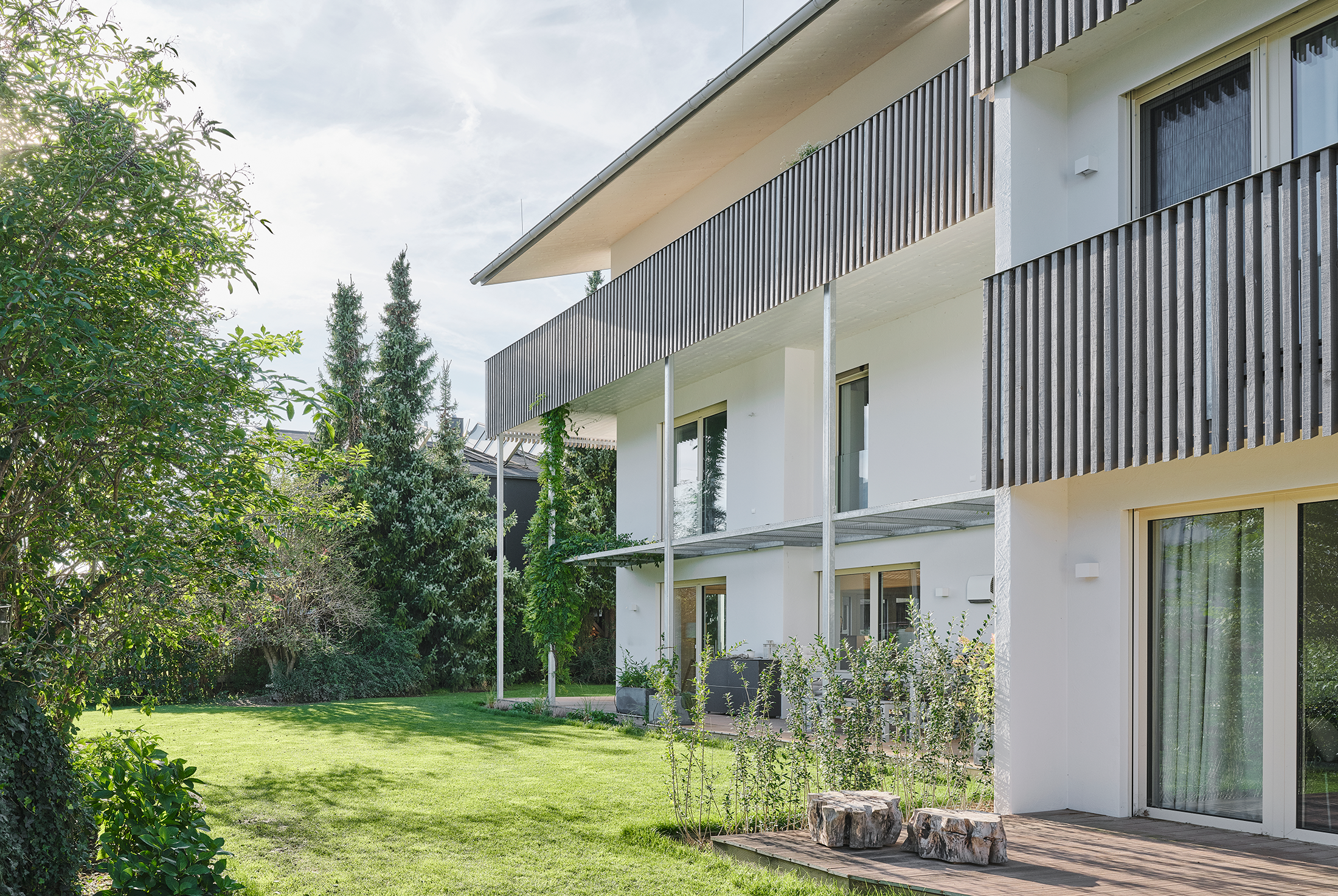
The Maximilian House consists of both an extension and a renovation, transforming a traditional Tyrolean single family dwelling into a multi-generational house. Designed to the passive house standard, the project combines local materials with
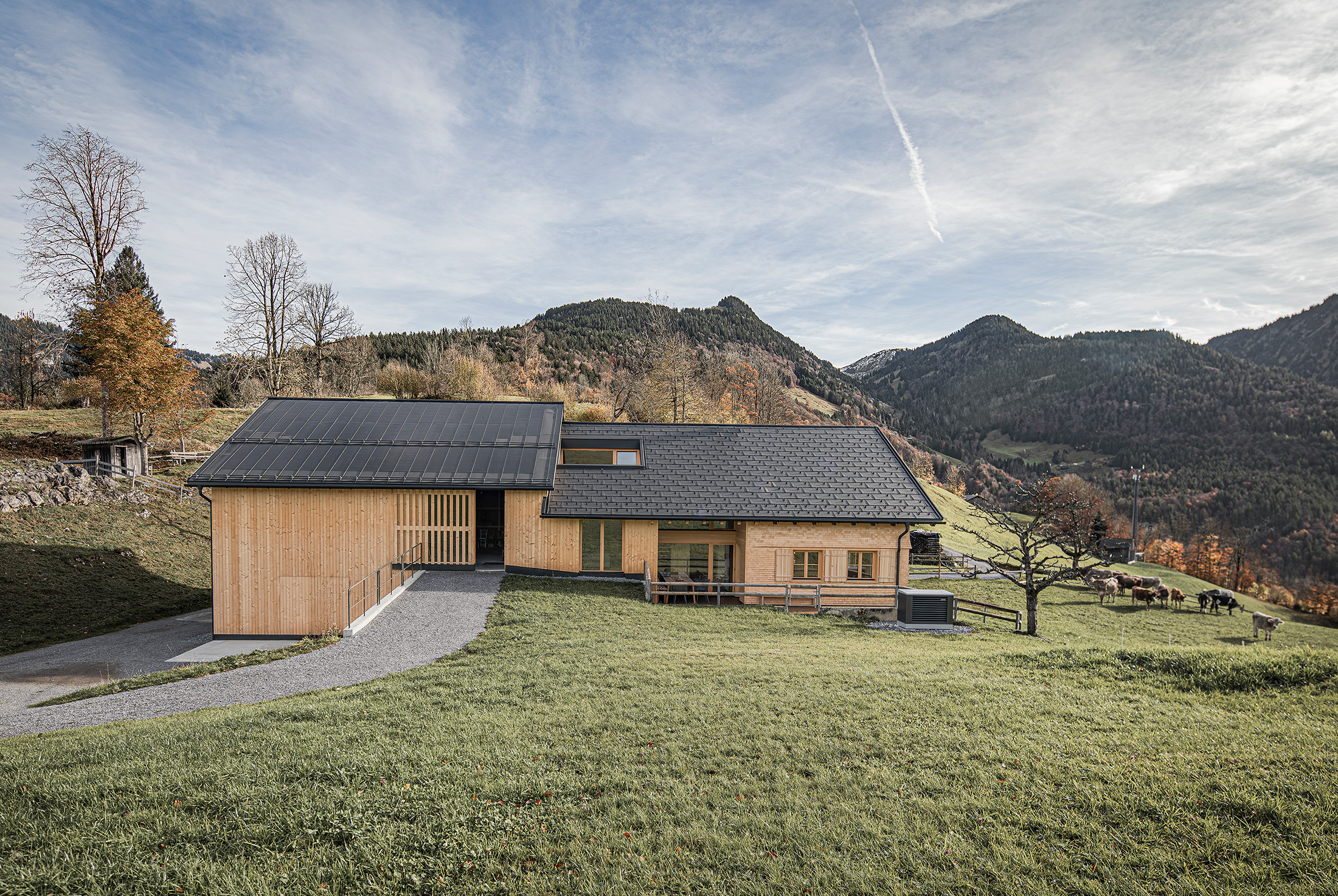
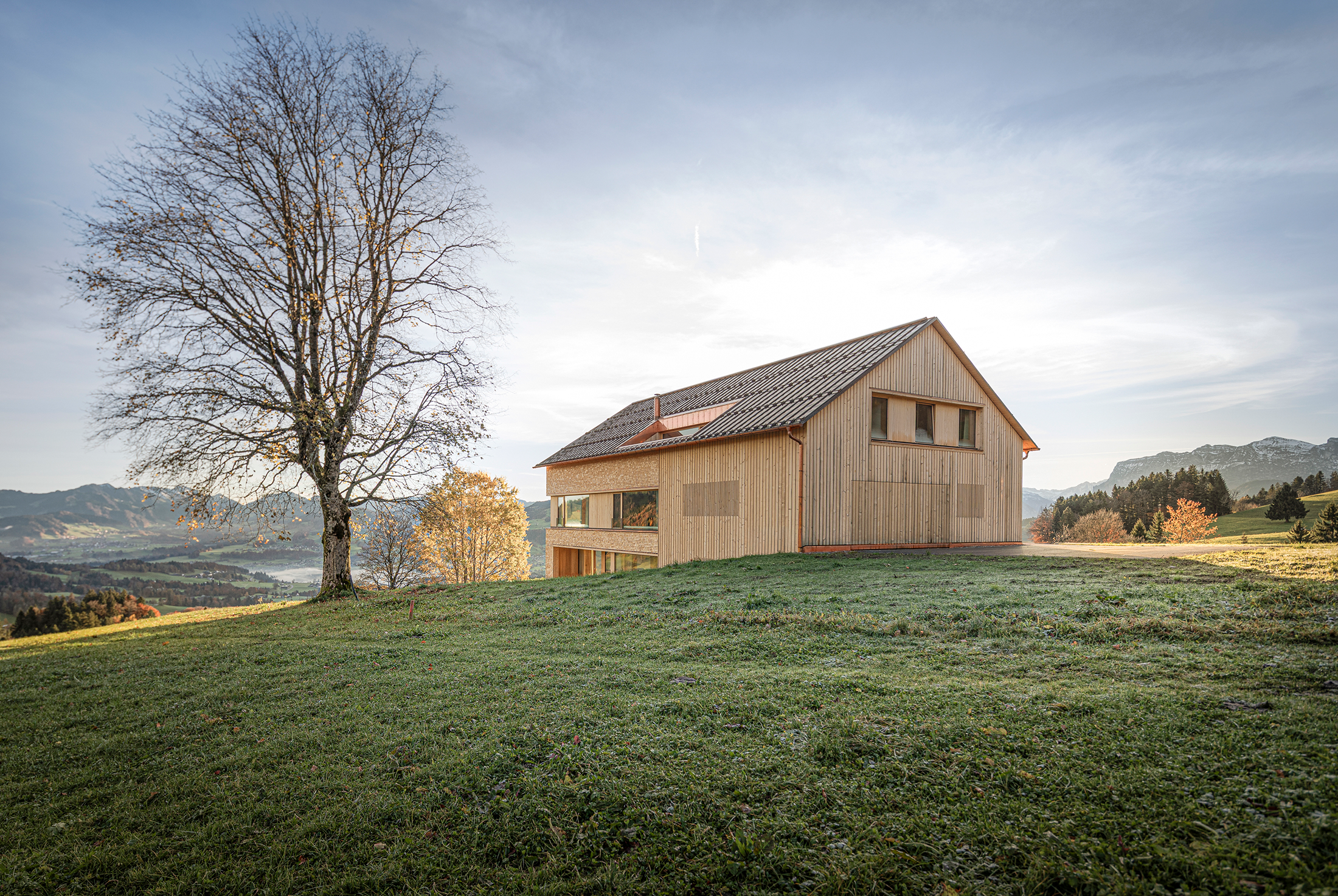
On the Schnepfegg Pass between Schnepfau and Bizau, a traditional Vorsäß has been made usable again throughout the year. On the site where the inn "Ochsen" burned down in 1954, a small hut for
Above Schwarzenberg, at the edge of the Vorsäß zone, the former alpine outpost "Holzhalden" once stood, later replaced by the guesthouse "Vier Lärchen". Today, a house for a young family occupies this hillside site.
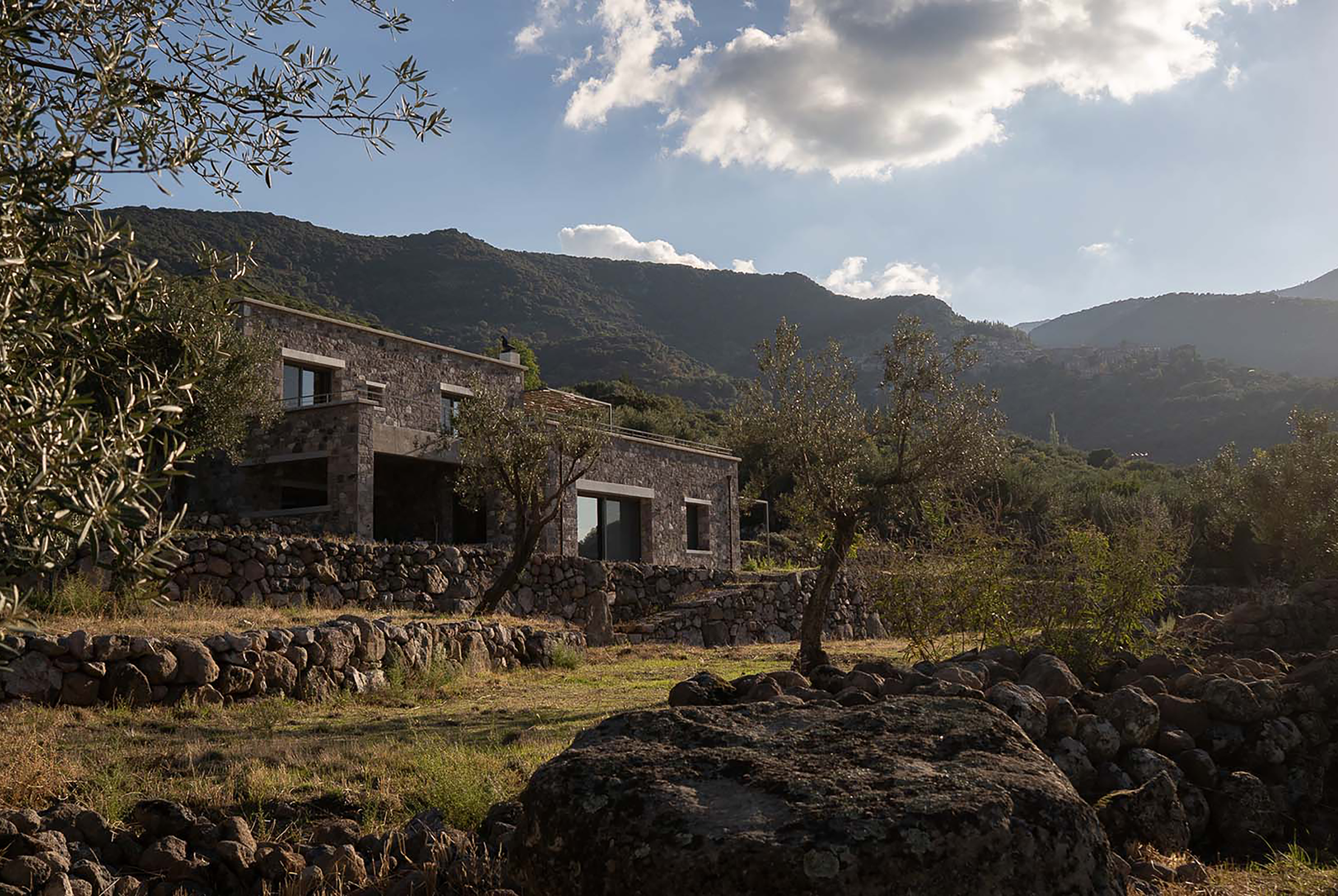
On the island of Lesvos, close to the settlement of Sykamia, in an olive grove formed entirely by stone terraces of great aesthetic and historical value, the "Rachta Residence" is designed. The architecture of
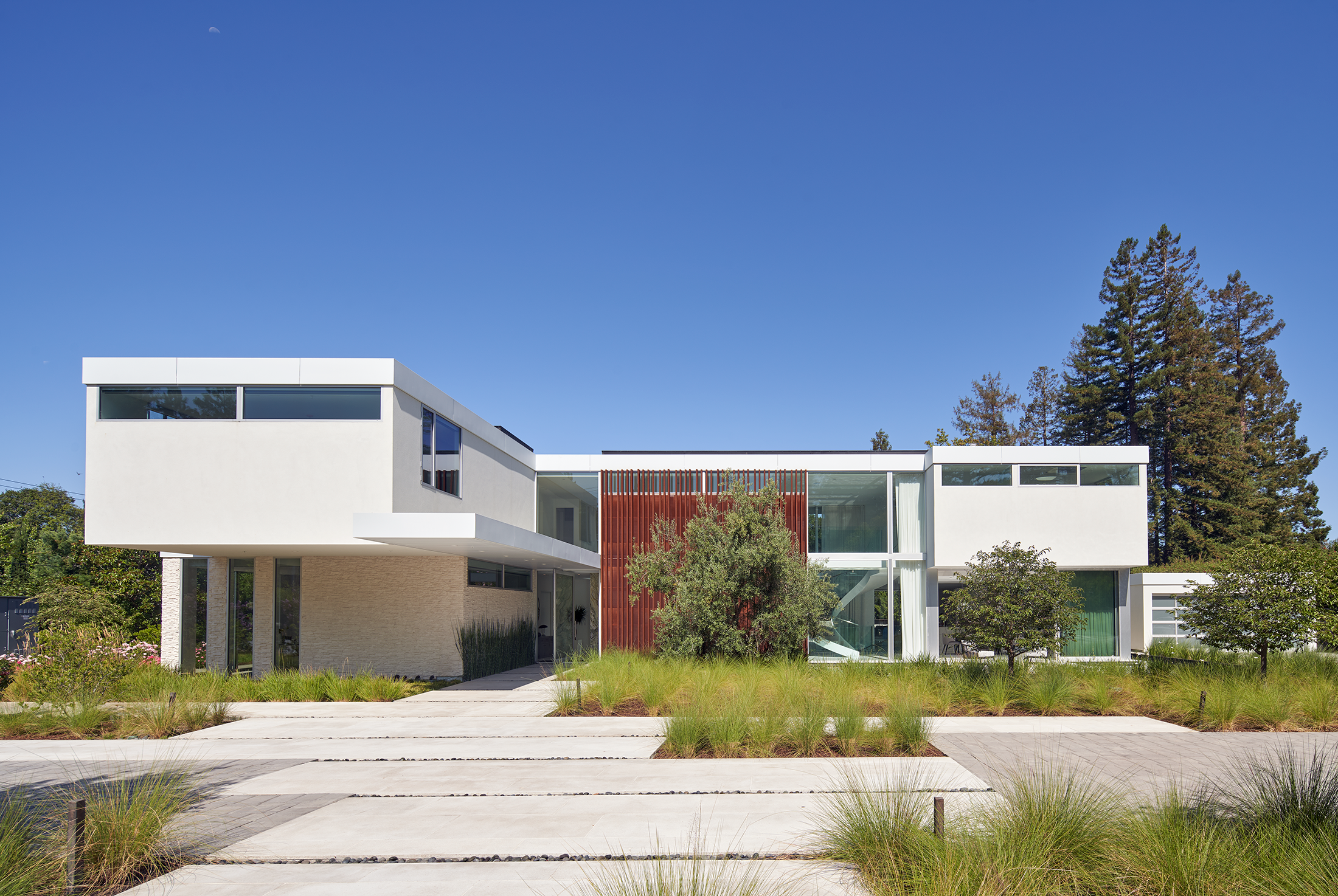
Atherton is a large family home for a tech industry couple and their two teenaged children, conceived as a place of comfort and amenity, as well as one of joy and wonder. This project
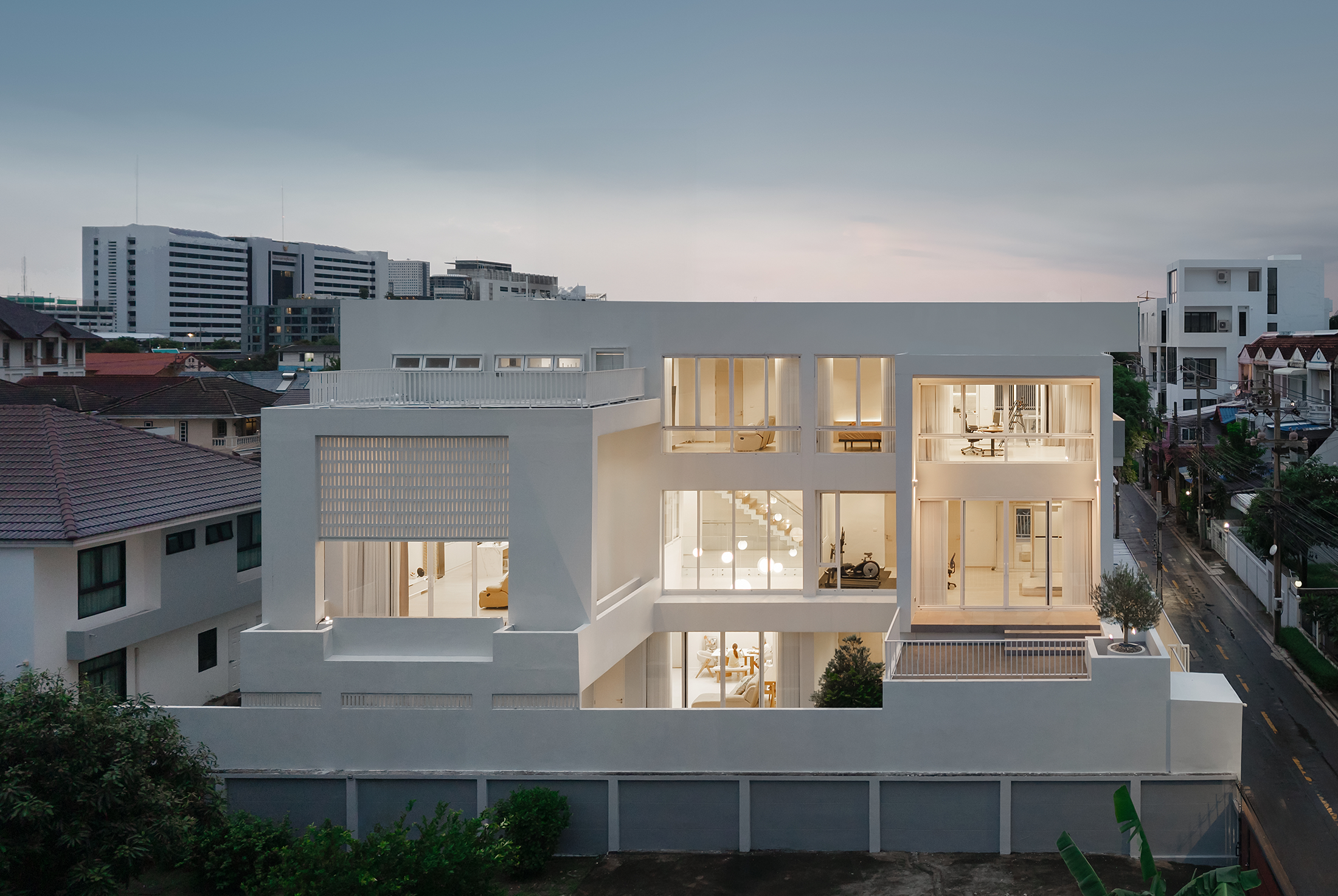
The Interlocking Sanctuary: A New Multi-Generational Paradigm: The Interlocking Sanctuary redefines multi-generational living on a 100-sq-wah plot, evolving a traditional footprint into a sophisticated, three-story contemporary structure. This project addresses urban density challenges by
House Issabella overlooks the harbor of Vis from a compact 200 m² plot. Although planning allowed an additional floor, the design intentionally remains low and embedded in greenery, respecting the scale of its surroundings.
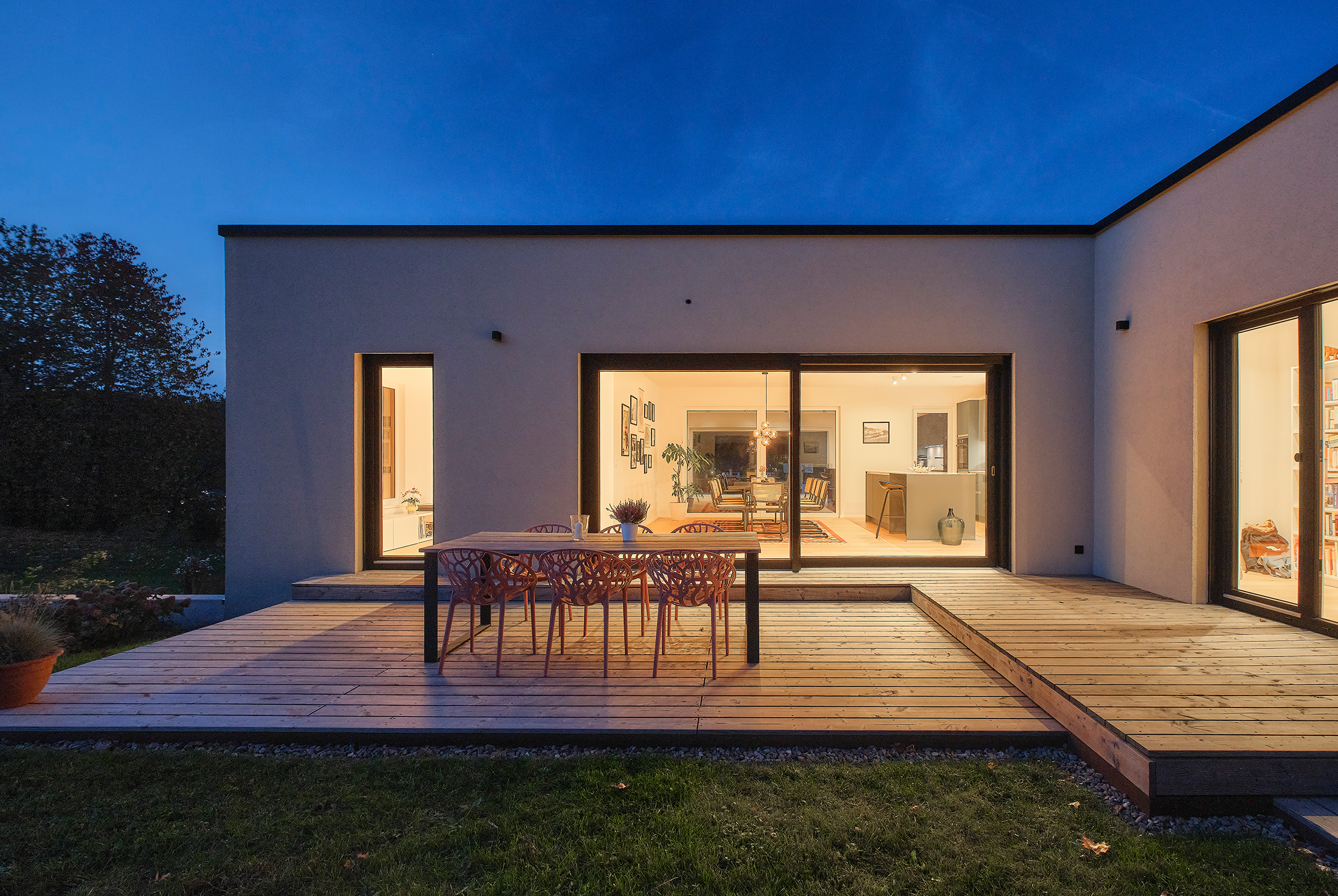
The central design concept of "Haus S+M" revolves around creating a retreat in the heart of the urban landscape. Since the property is located right in the city, the architects faced the challenge of
This multi-generational house combines community and privacy. A shared entrance links two independent units, fostering connection while allowing private retreats. Offset volumes create clearly defined interior and exterior spaces, blending individual havens with a
House on the Hill is conceived as an architectural promenade across a 35-degree landscape overlooking Lysterfield Park. Rather than a singular object, the home unfolds as a sequence of shifting pavilions that step with
This residential project in Schönberg am Kamp represents a contemporary and sustainable living concept, tailored to the needs of elderly residents. Constructed primarily from exposed cross-laminated timber, the house creates a warm and natural
The house unfolds across two levels, its volumetric form composed of juxtaposed rectangular prisms. This arrangement creates a dynamic yet cohesive silhouette, through a deliberate play of solid masses and voids. Carefully controlled proportions,
The site is defined by two striking natural features: a nearby lake and a mature, central oak tree that anchor the visual experience. The ground floor features a dynamic, irregular - almost tentacular -
The "House of breathing void" is conceived as a sanctuary of openness, a dwelling that breathes, listens, and connects. Anchored between earth and sky, the house establishes a continuous dialogue between interior and exterior,
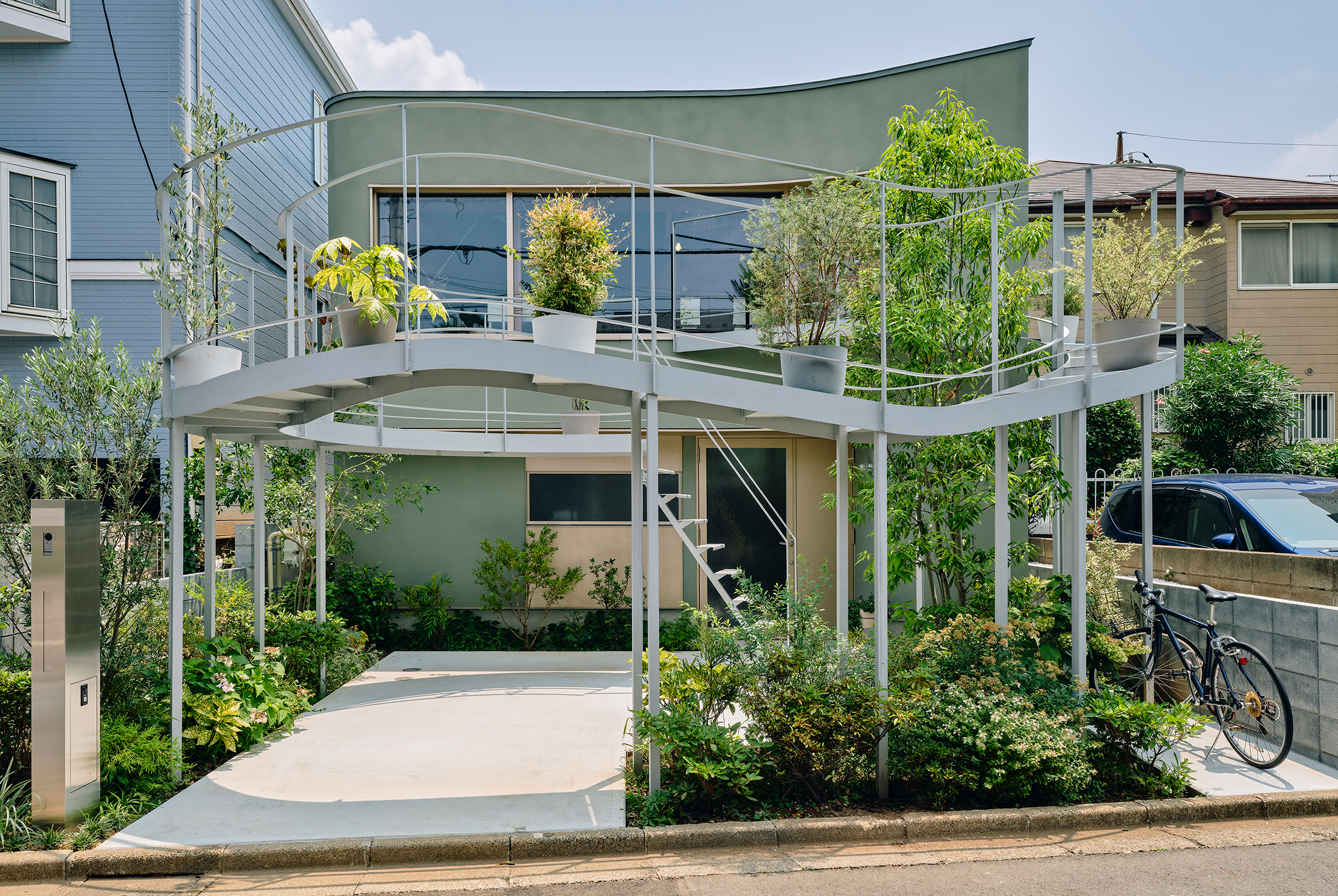
This project is the architect's own home. The site is adjacent to houses on three sides, except for the road on the north side, and the "Kazari Garden" extends from the large north-facing window,
The project is grounded in an understanding of the suburban fabric of Murska Sobota as a transitional condition - between city and landscape, order and dispersion, the built and the natural. The house is
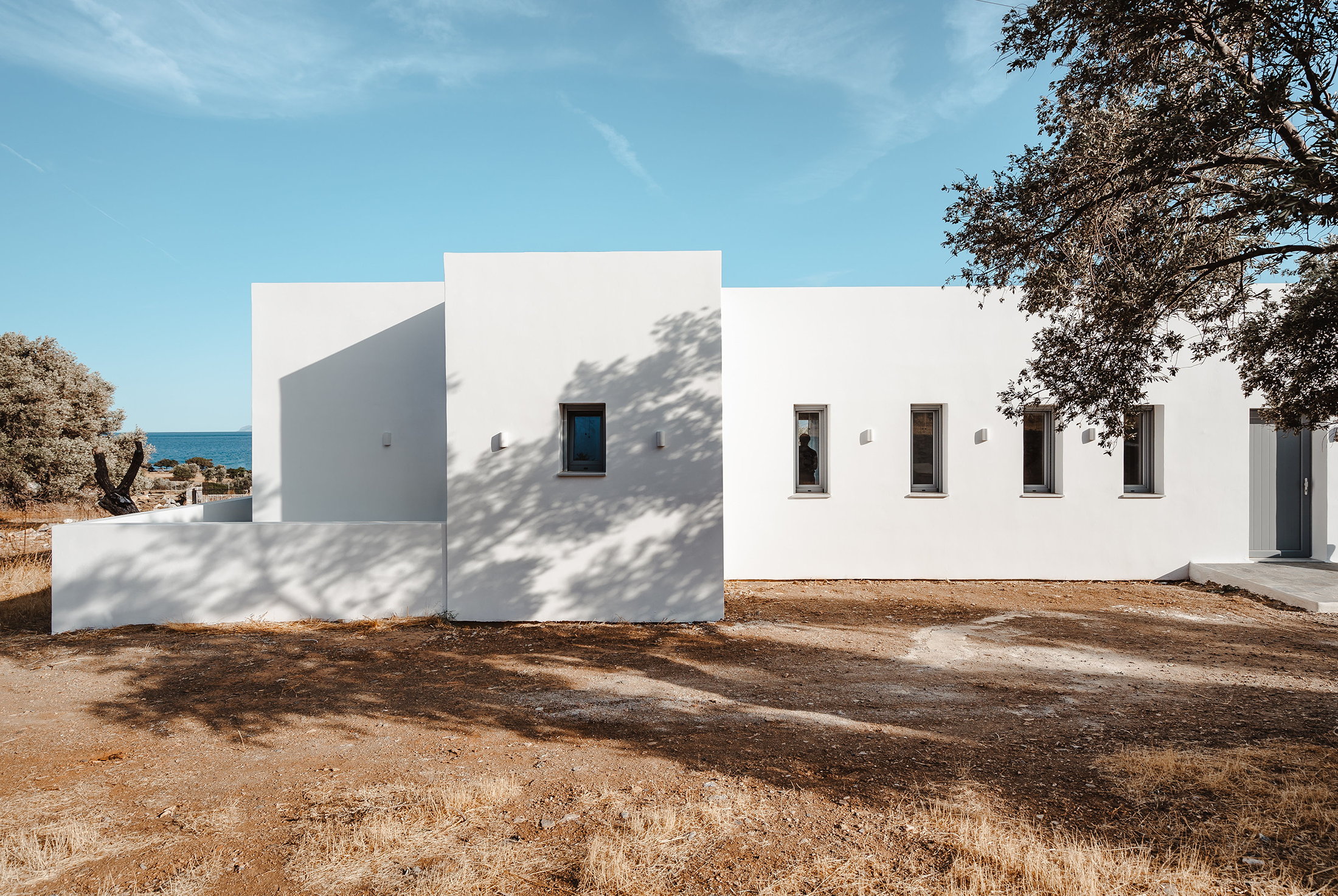
In the eastern part of the Greek island of Naxos, amidst a primitive landscape, far away from the saturation of tourism, a compact, single story vacation house was built within the confines of a
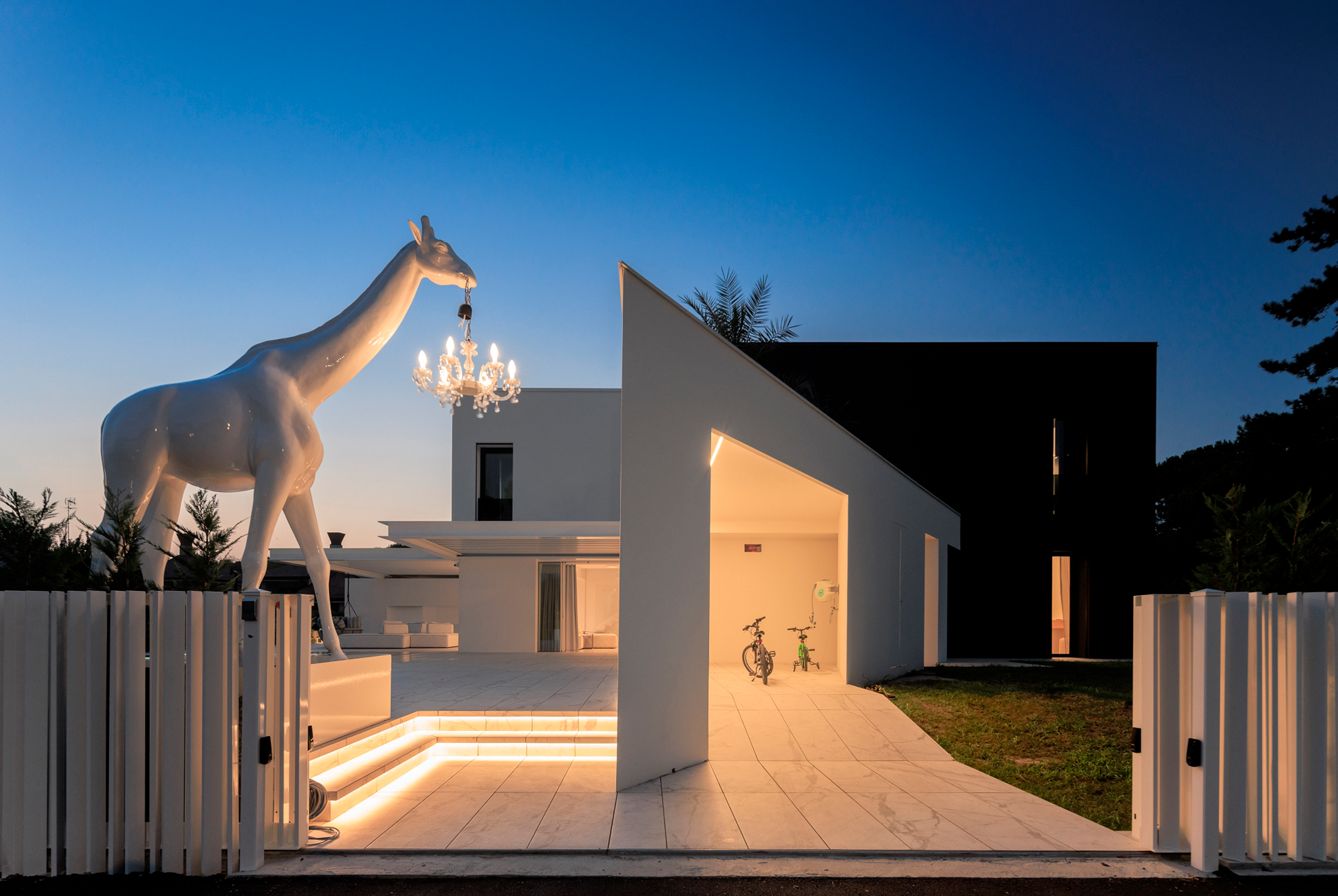
The project is embedded within a homogeneous and repetitive residential context, yet it distinguishes itself with measured elegance. Its expressive force emerges through the juxtaposition of two staggered volumes, one lower and conceived as
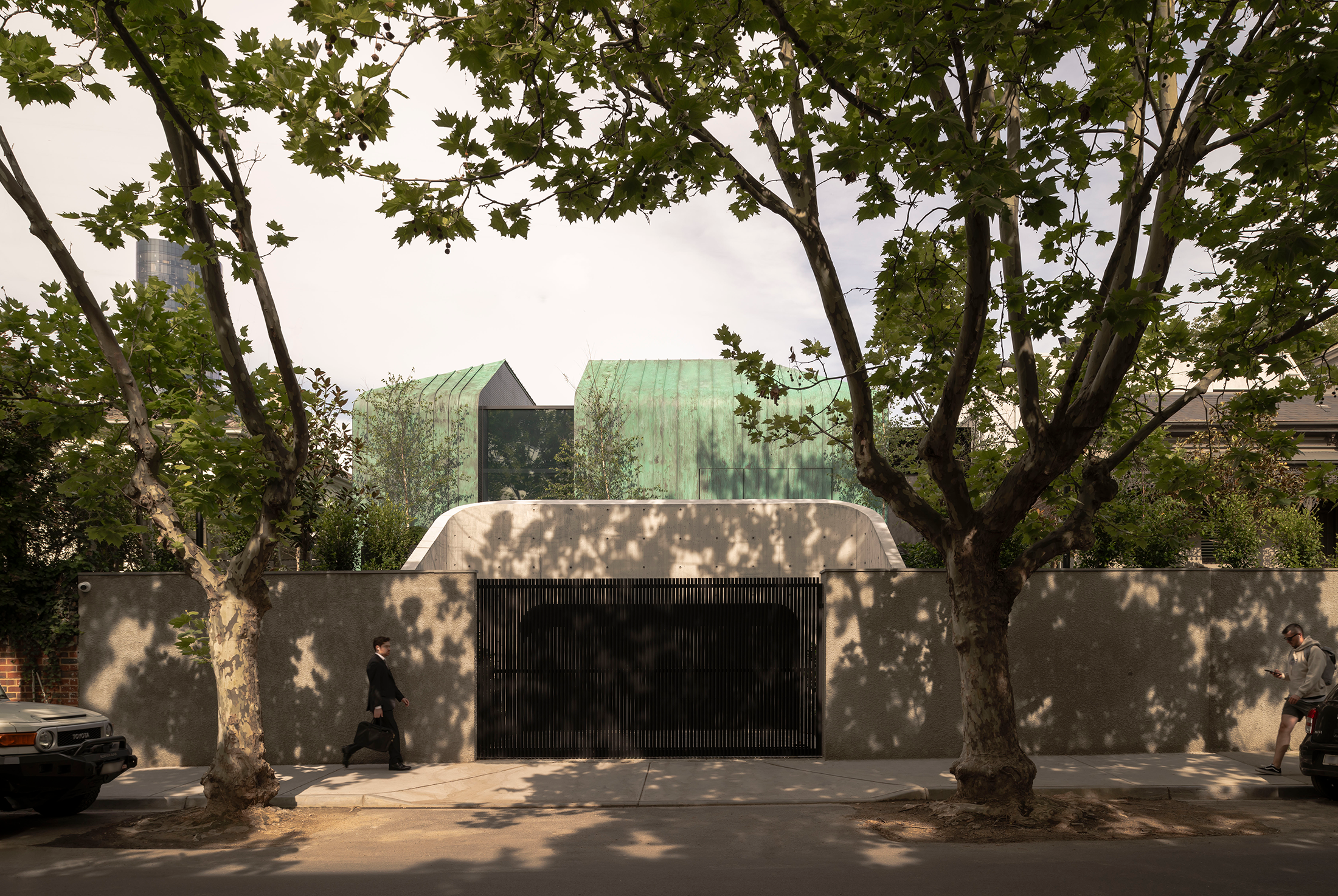
Blur was engaged by a South Yarra resident to design an extension, responding to the area’s varied architecture and the owners' highly tailored lifestyle. A new wing, clad in weathered copper, establishes a subtle
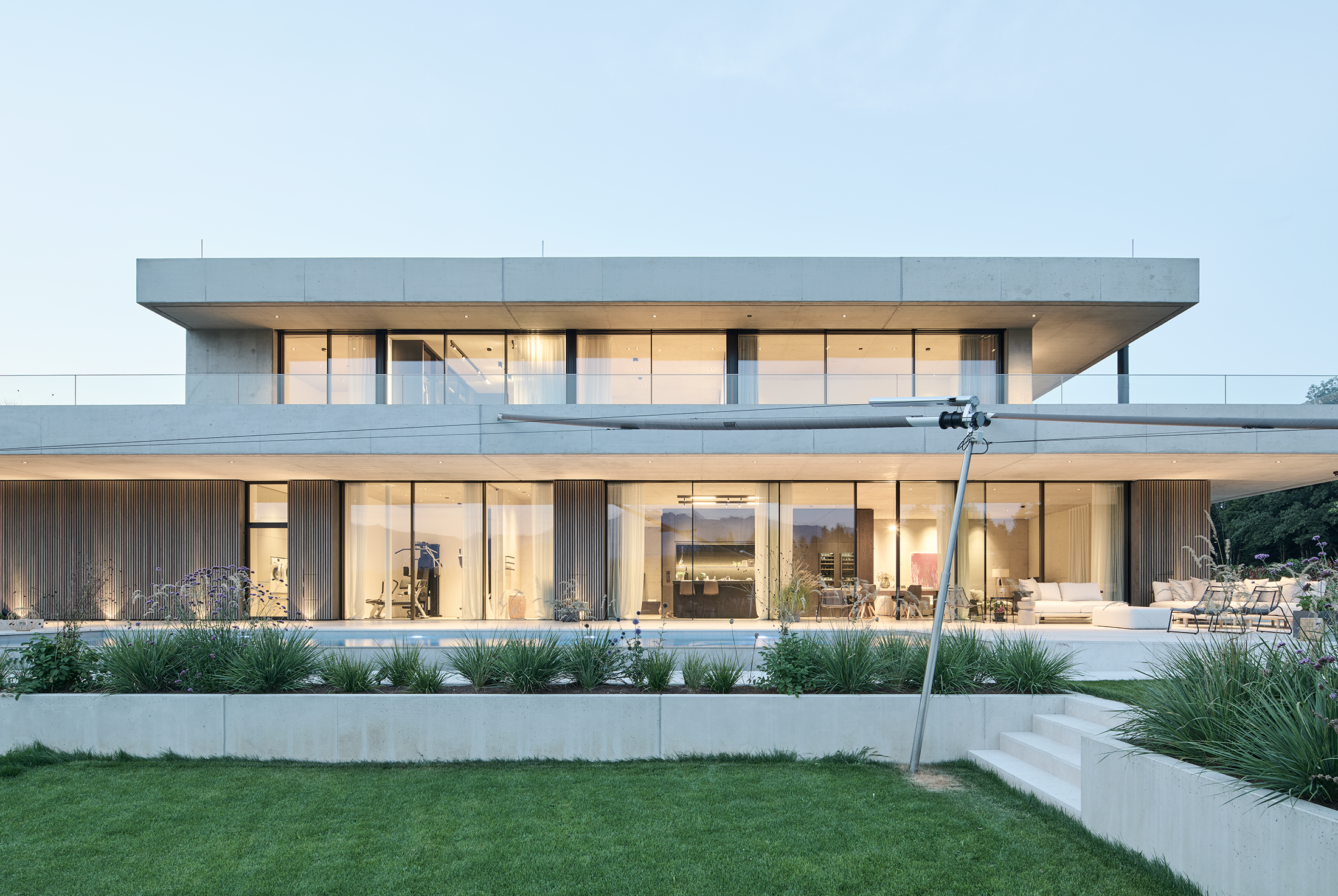
The question of how much privacy a house should provide was taken to extremes in modernism through highly transparent, pavilion-like villa types, demonstrating that the appropriate degree of openness strongly depends on the surrounding
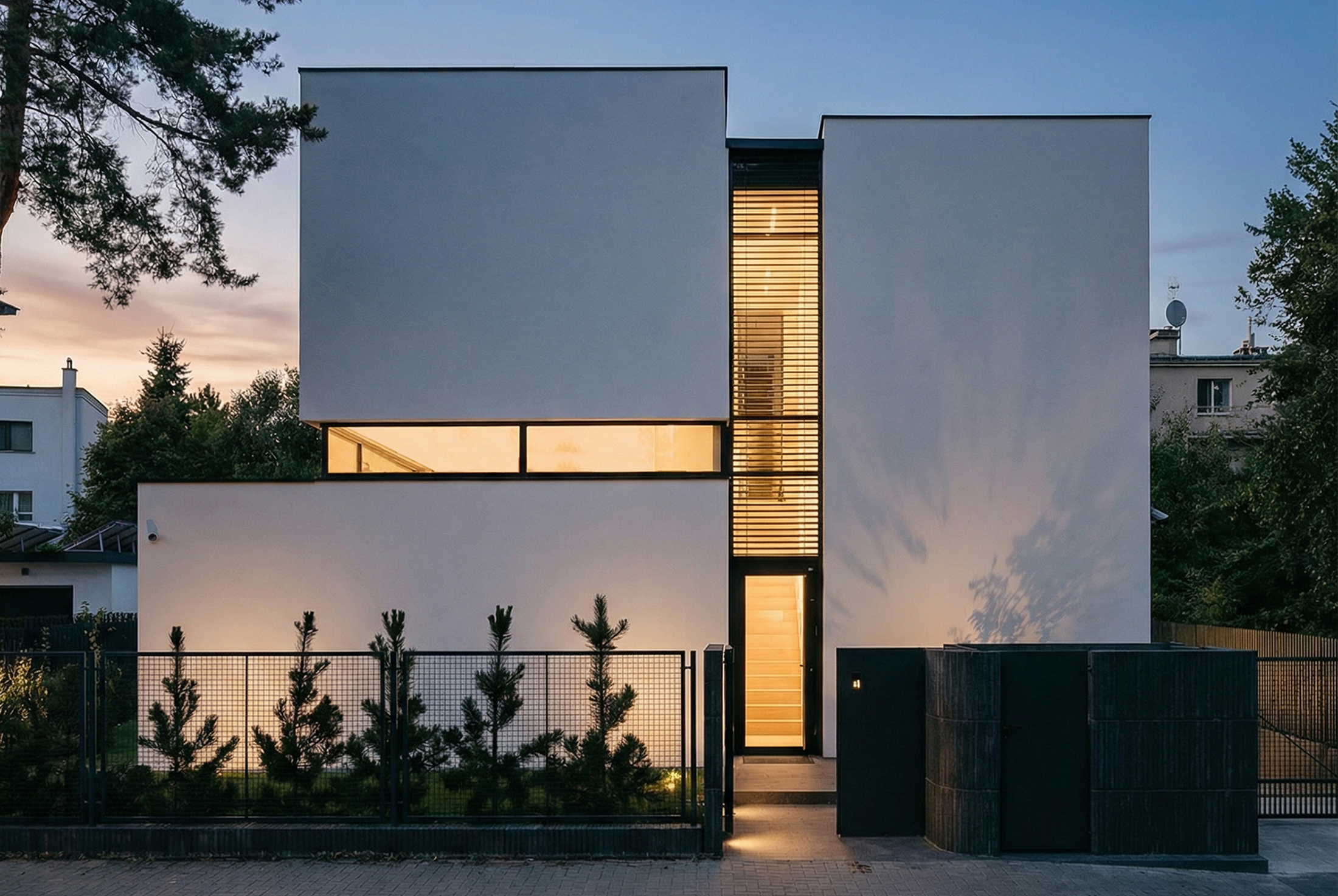
C14 is a residence built in the Cichy Kącik district of Krakow, a modernist enclave from the 1930s that is under full conservation protection. The small plot required the creation of a large family
The buildable area is arranged on the site to create two nearly square garden courtyards that open toward an interior space stretched between them. An outdoor passage connects the gardens, beginning wide and gradually
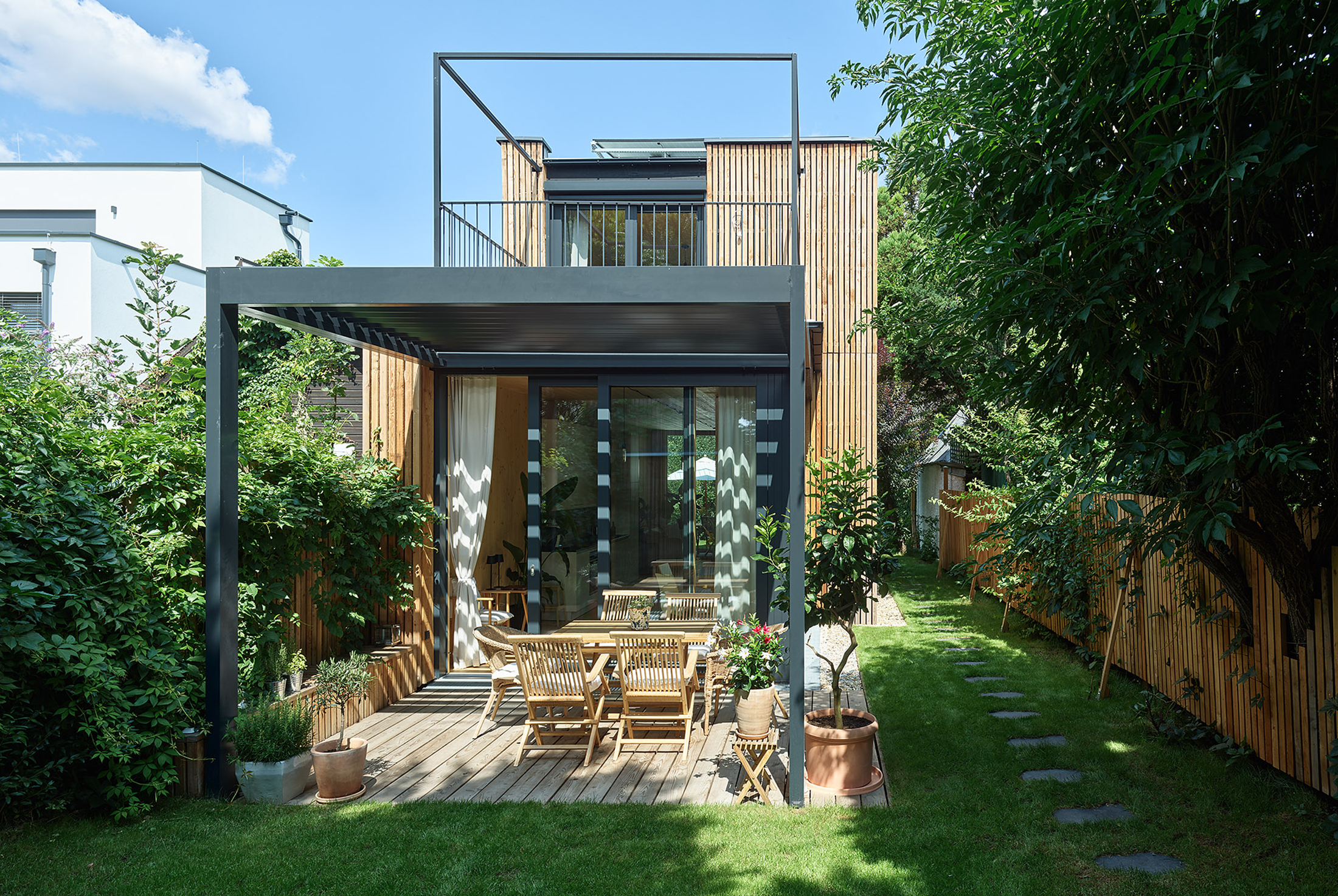
A family house on a small plot of land is an ideal example of compact and practical housing that emphasizes simplicity and timelessness. Available land is constantly shrinking, and the requirements for residential housing