Curved Accents in Contemporary Houses
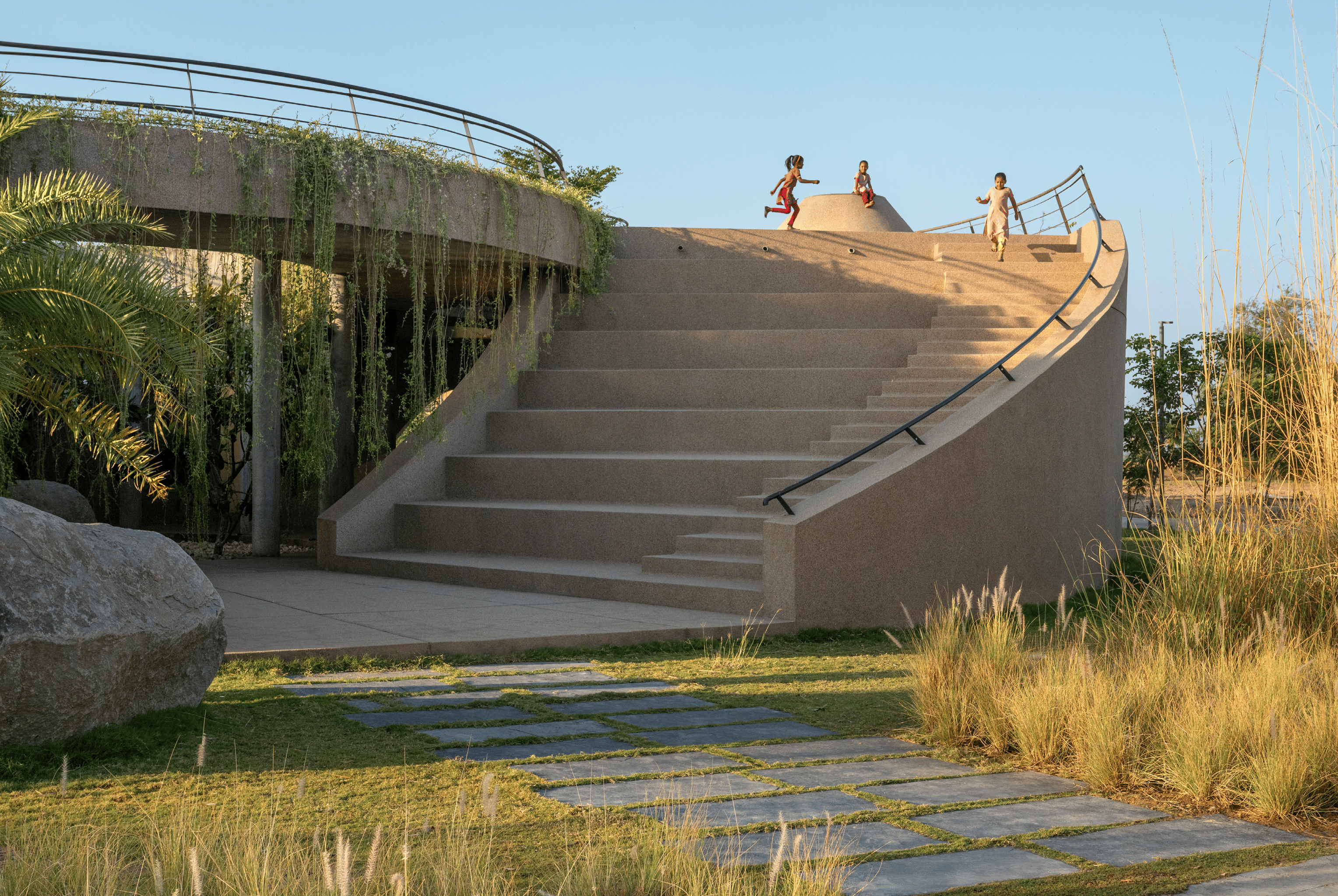
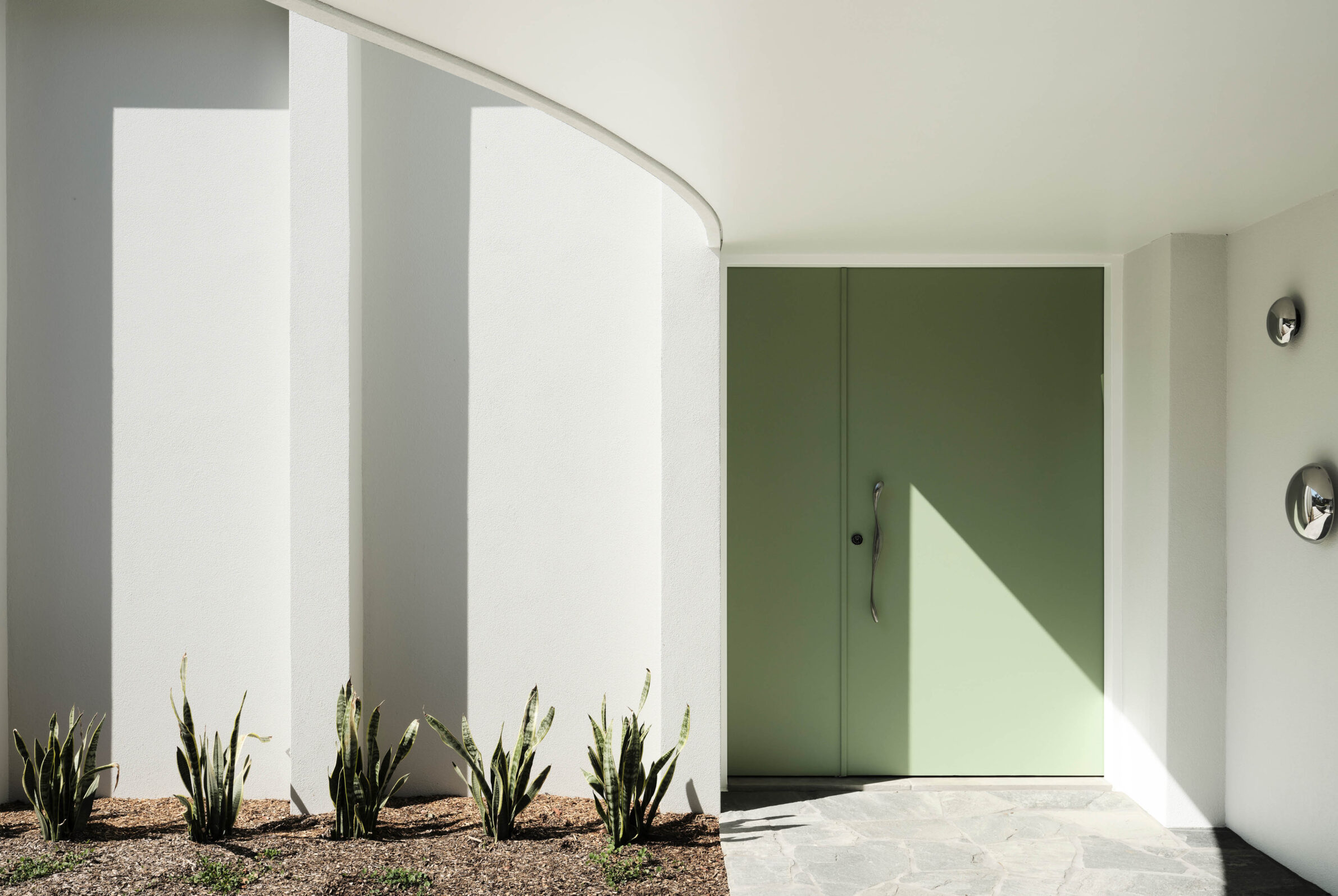
A single curve can change the character of an entire house. Set against straight walls, grids and planar roofs, one rounded element introduces softness, movement and a clear point of architectural emphasis.



A single curve can change the character of an entire house. Set against straight walls, grids and planar roofs, one rounded element introduces softness, movement and a clear point of architectural emphasis.
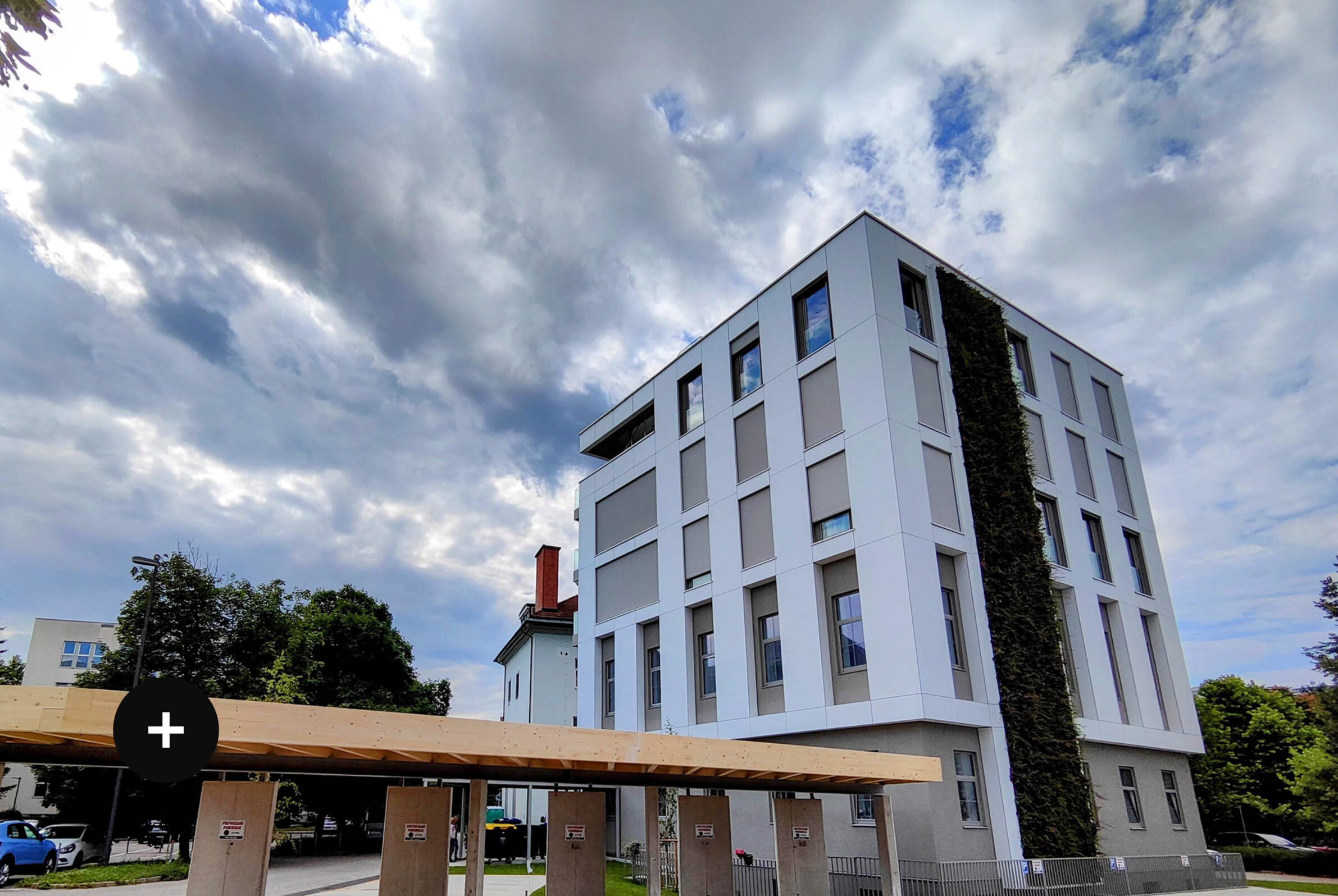
In XLam City Top, lightweight timber construction becomes part of a larger strategy for extending, strengthening and retaining an existing building. The project brings together CBD’s structural engineering expertise and Stora Enso CLT
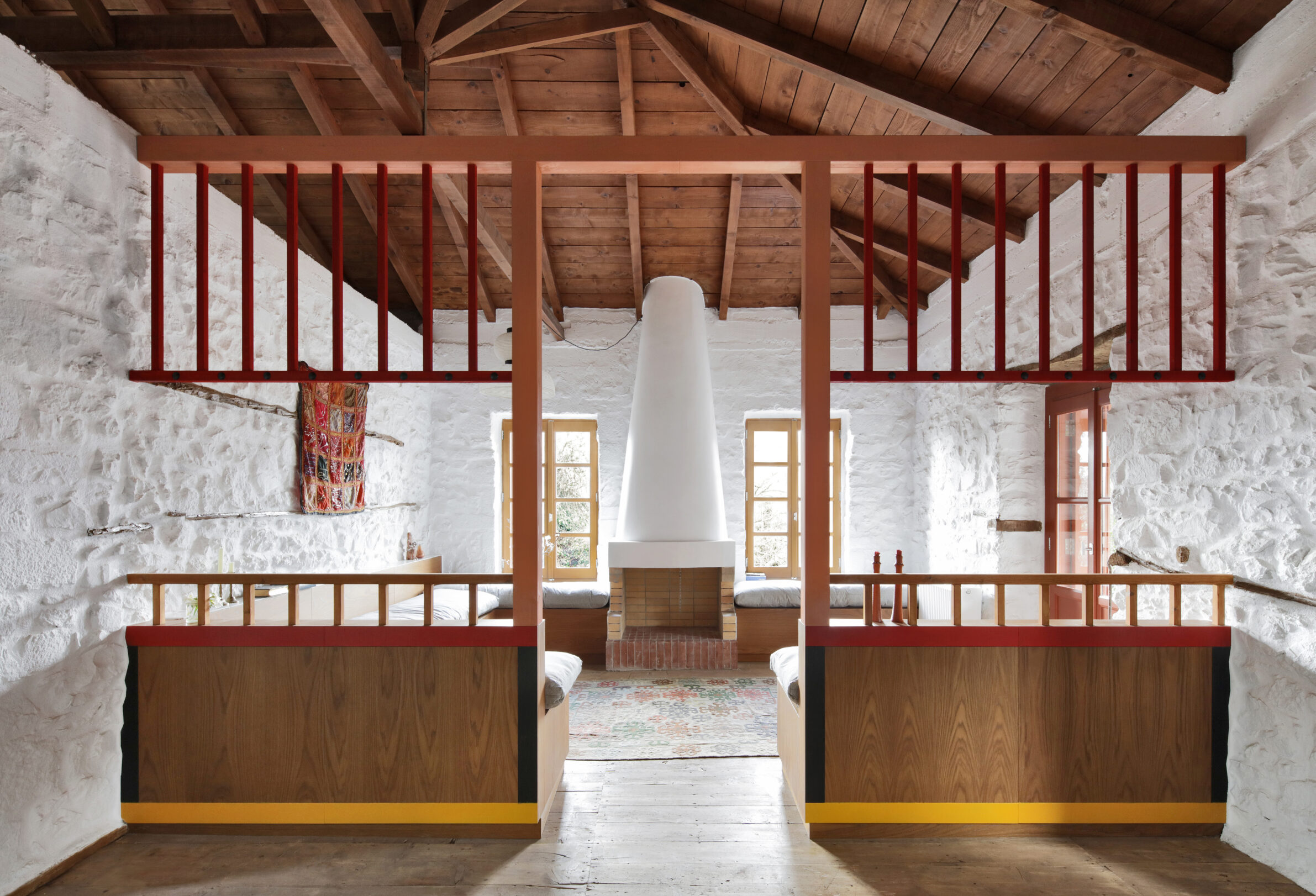
Renovating rural architecture does not have to mean returning it to an imagined past. These projects preserve the material, spatial and constructive character of existing buildings while introducing contemporary ways of living.
What really drives us in our practice is dialogue and human interaction. We develop projects in very close dialogue with our clients. We like to create spaces that can easily adapt in
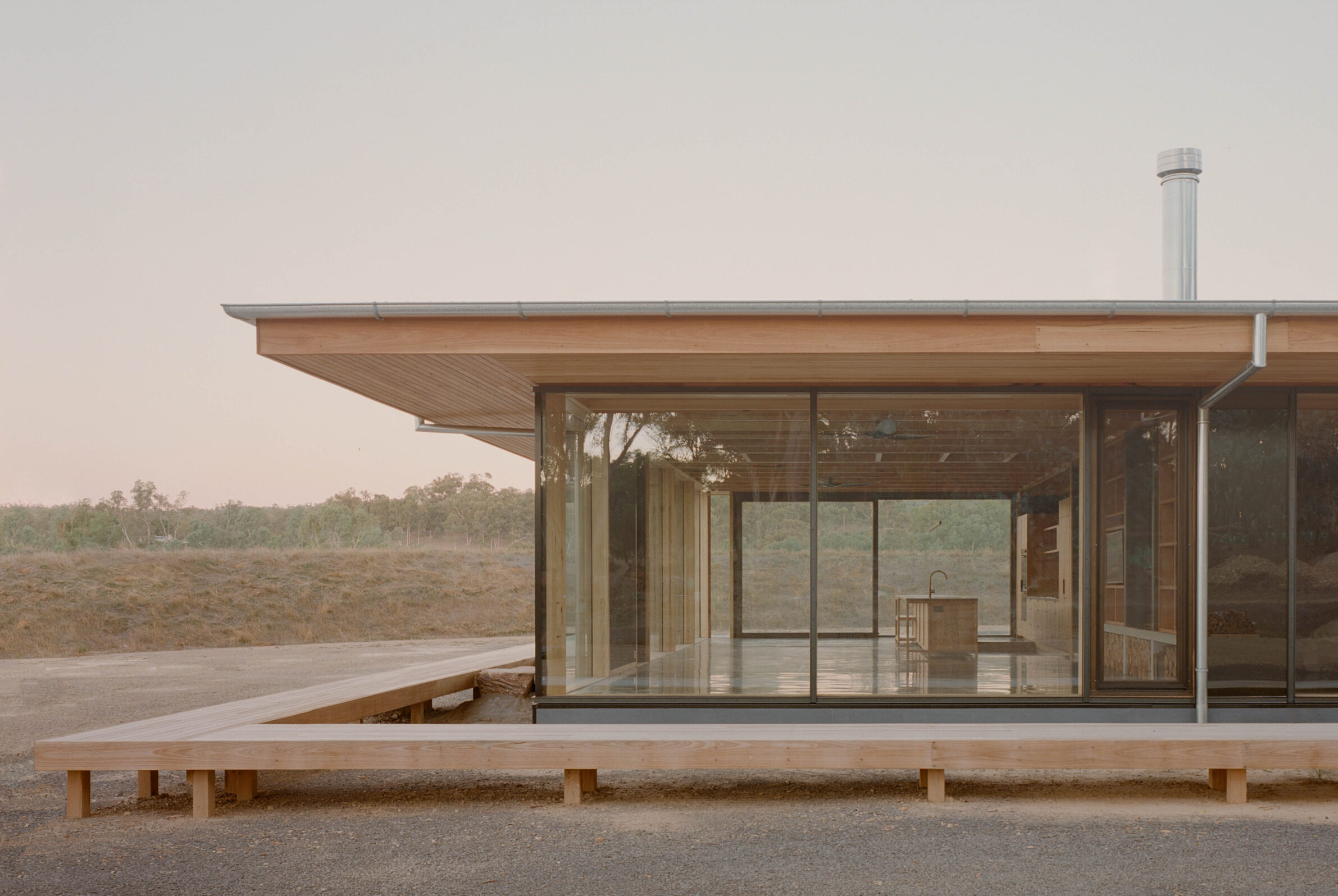
When timber carries a building, it can also give architecture its order. Columns, beams, frames and joints become more than technical necessities: left visible, they establish the rhythm, scale and character of domestic space.
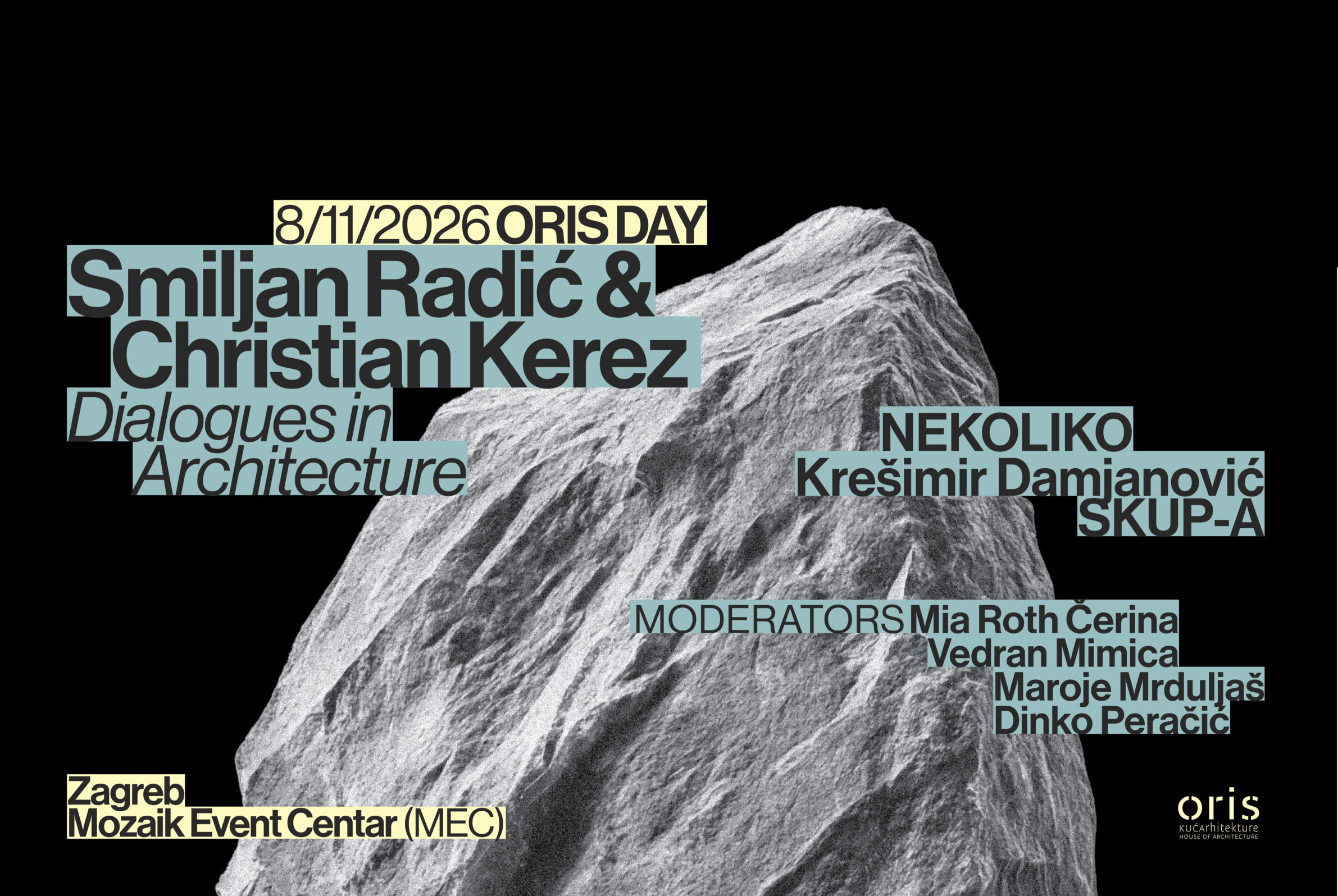
The architectural symposium Oris Day returns to Zagreb on 8 November 2026, bringing together internationally renowned architects and a new generation of Croatian practices for an afternoon of lectures and conversation.
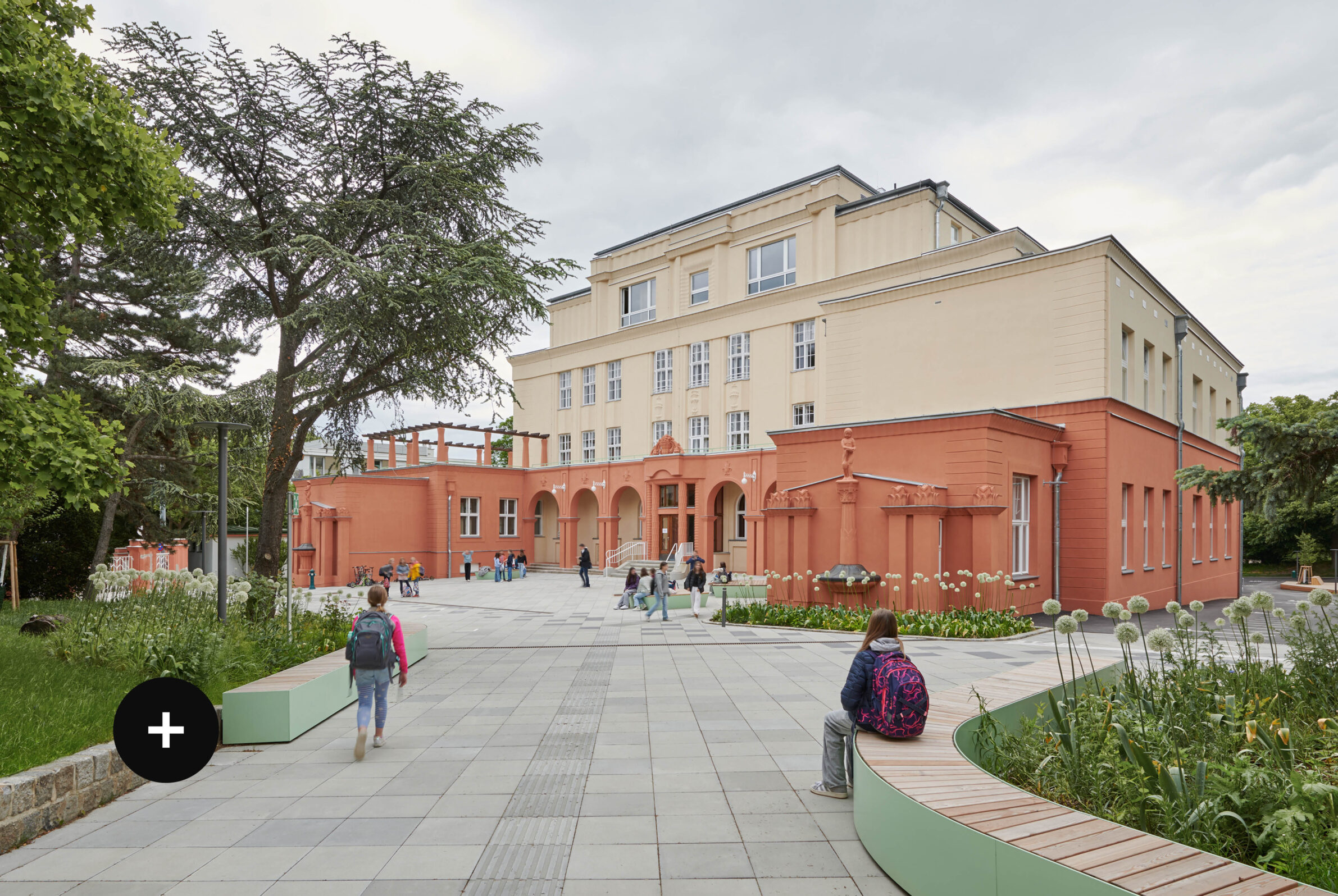
What happens when a building designed for healing is transformed into a place for learning? In Vienna's Gersthof, a 1920s orthopaedic hospital set in a park of century-old trees was spared from becoming
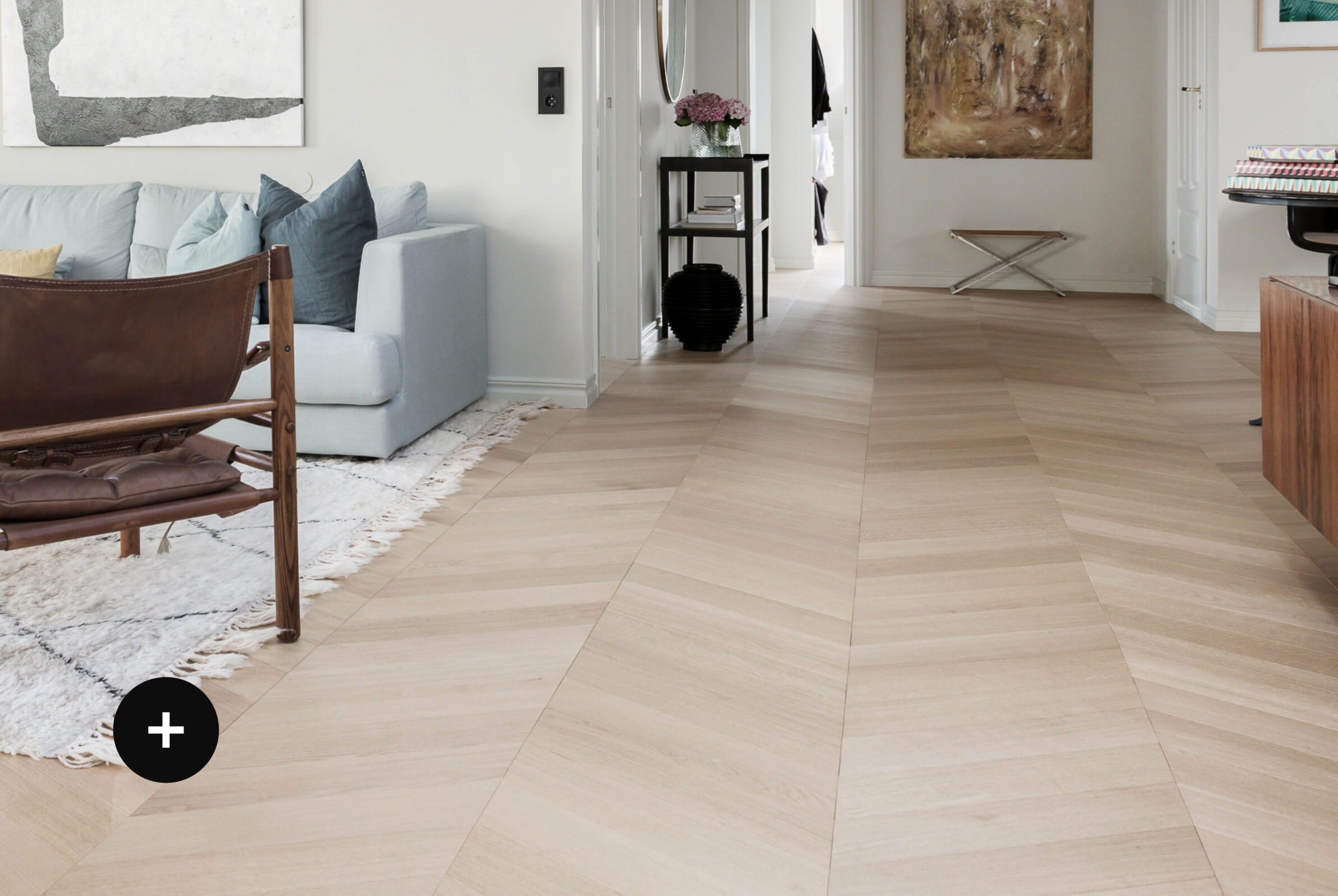
A floor can do more than cover a space: it can give it rhythm and direction. Defined by its 45° or 60° cut, Chevron Parquet by PPS Galeković lets individual elements meet in
A platform connecting local creative scenes, emerging architects, designers, and young practices across Southeast Europe with opportunities for exchange, recognition, and international visibility. Created and developed by Zavod BIG, BIG SEE is a
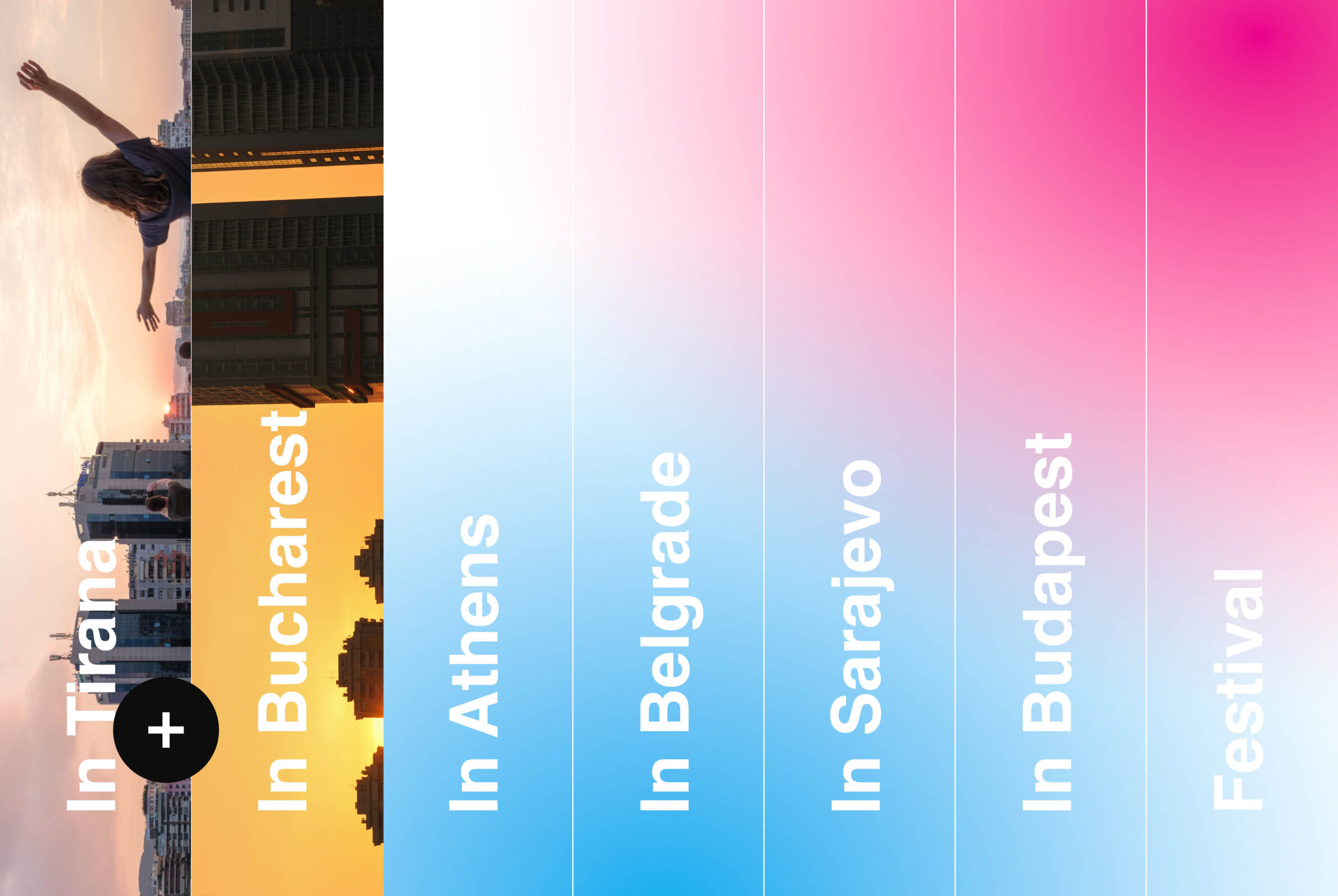
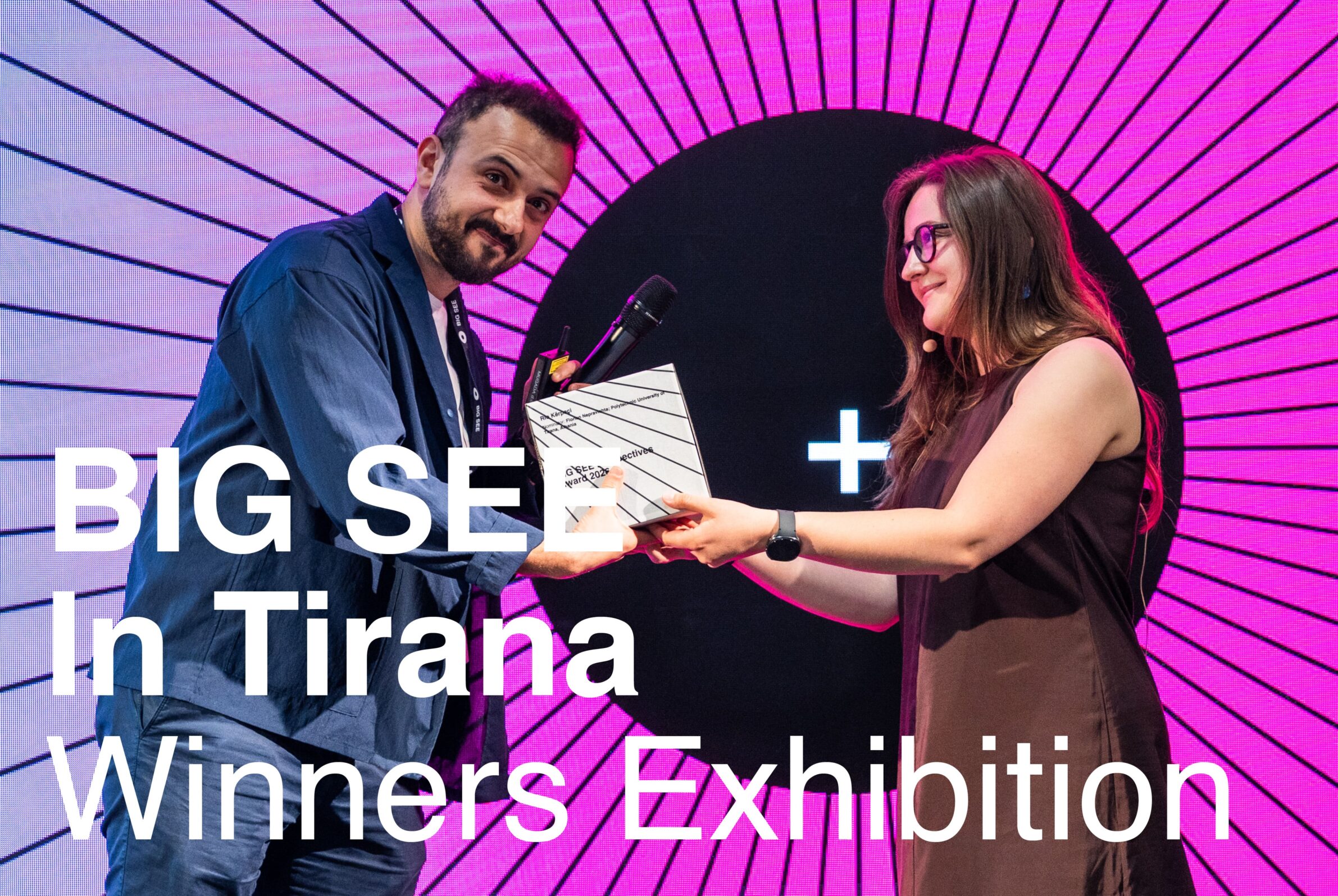
On 22 October, BIG SEE In Tirana will present an exhibition of Albanian projects and practices recognised by BIG SEE between 2018 and 2026. Following BIG SEE Talks: Finished / Unfinished, the
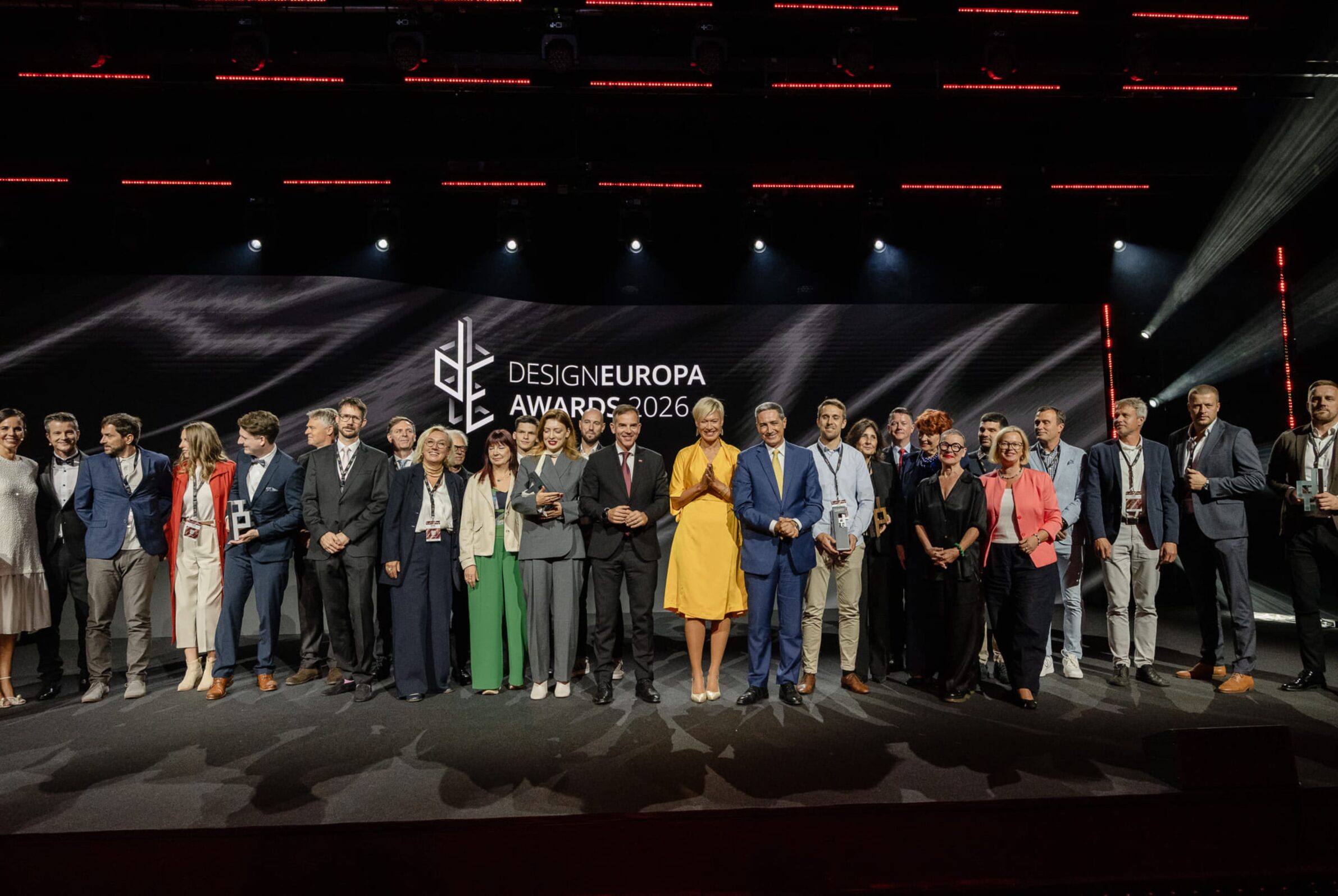
The 10th-anniversary edition of the DesignEuropa Awards took place in Ljubljana, celebrating this year’s winners across entrepreneurship, industry, lifetime achievement, emerging design talent and the Public Choice Award, while Slovenian project Pet Shell was
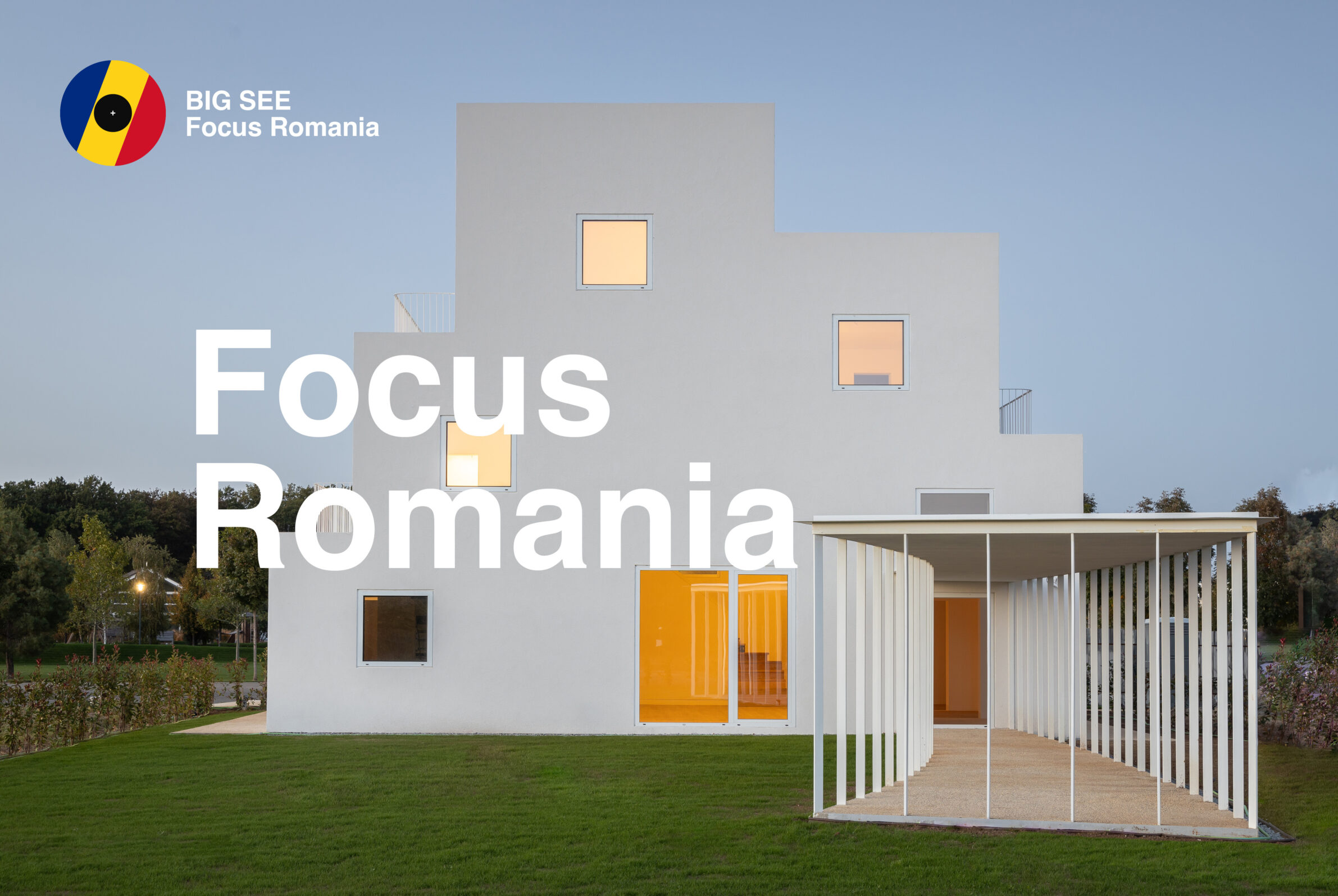
Hello, my name is Andreea Ivanescu, I'm from Romania and I'm the head of design department at Bemel. What is still worth creating? For us, schools. Not just in big cities, but
What is still worth creating? UNFINISHED, the BIG SEE theme for 2027, begins with a question: What do you believe is still
What Is Worth Building From? Architecture inevitably enters a place already shaped by something: a landscape, a half-finished structure, a way of building,
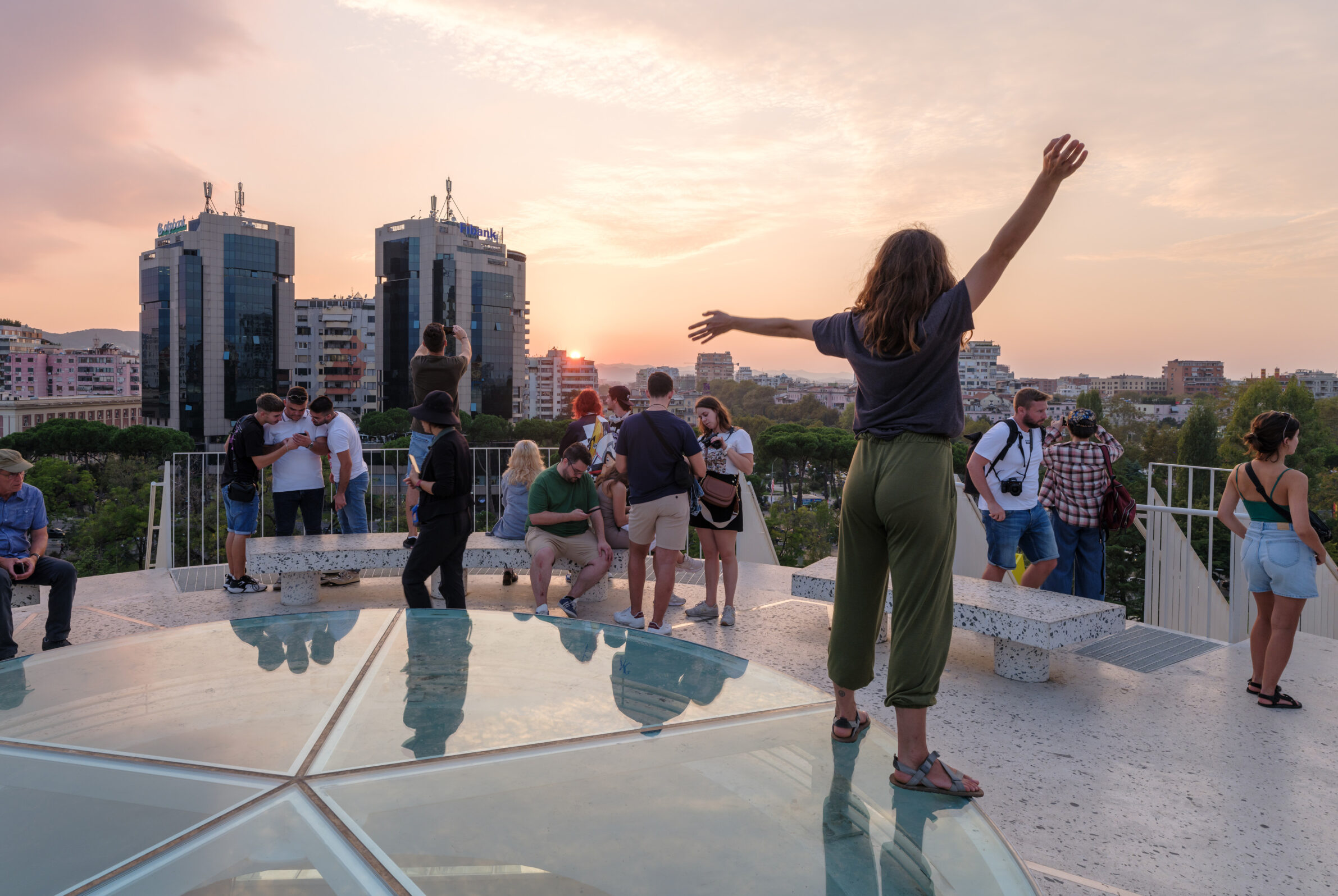
On 22 October, BIG SEE In Tirana, the first event in the upcoming BIG SEE In series, will take place at the Pyramid of Tirana, bringing together Albanian architects, designers and other professionals from
BIG SEE In is a new series of local professional events created to connect emerging architecture and design practices with established professionals, businesses, media and decision-makers in cities across the region. Each edition starts
Making Space for Possibility Much of architecture’s meaning emerges gradually, through the ways it becomes part of everyday life. It enters a street,
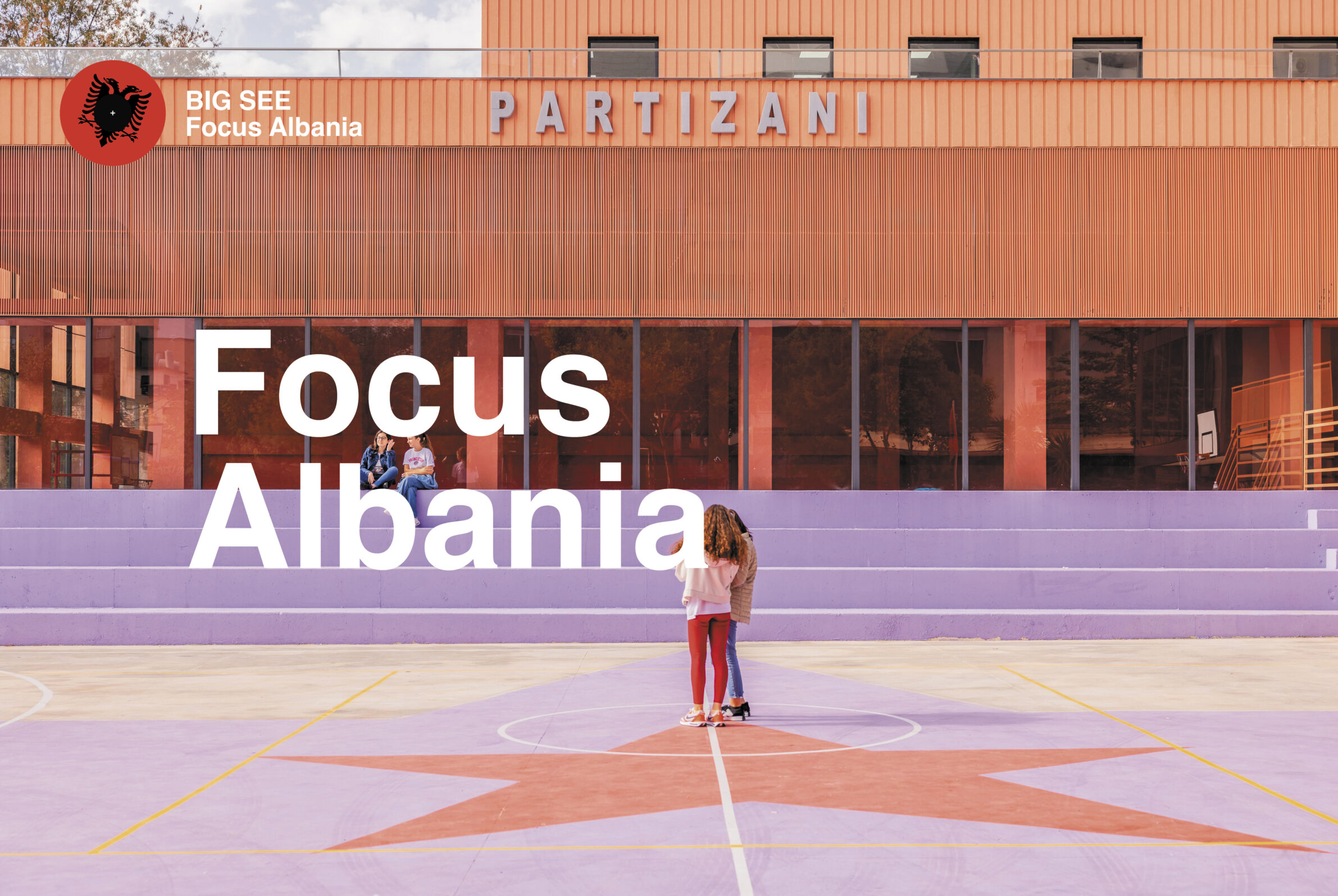
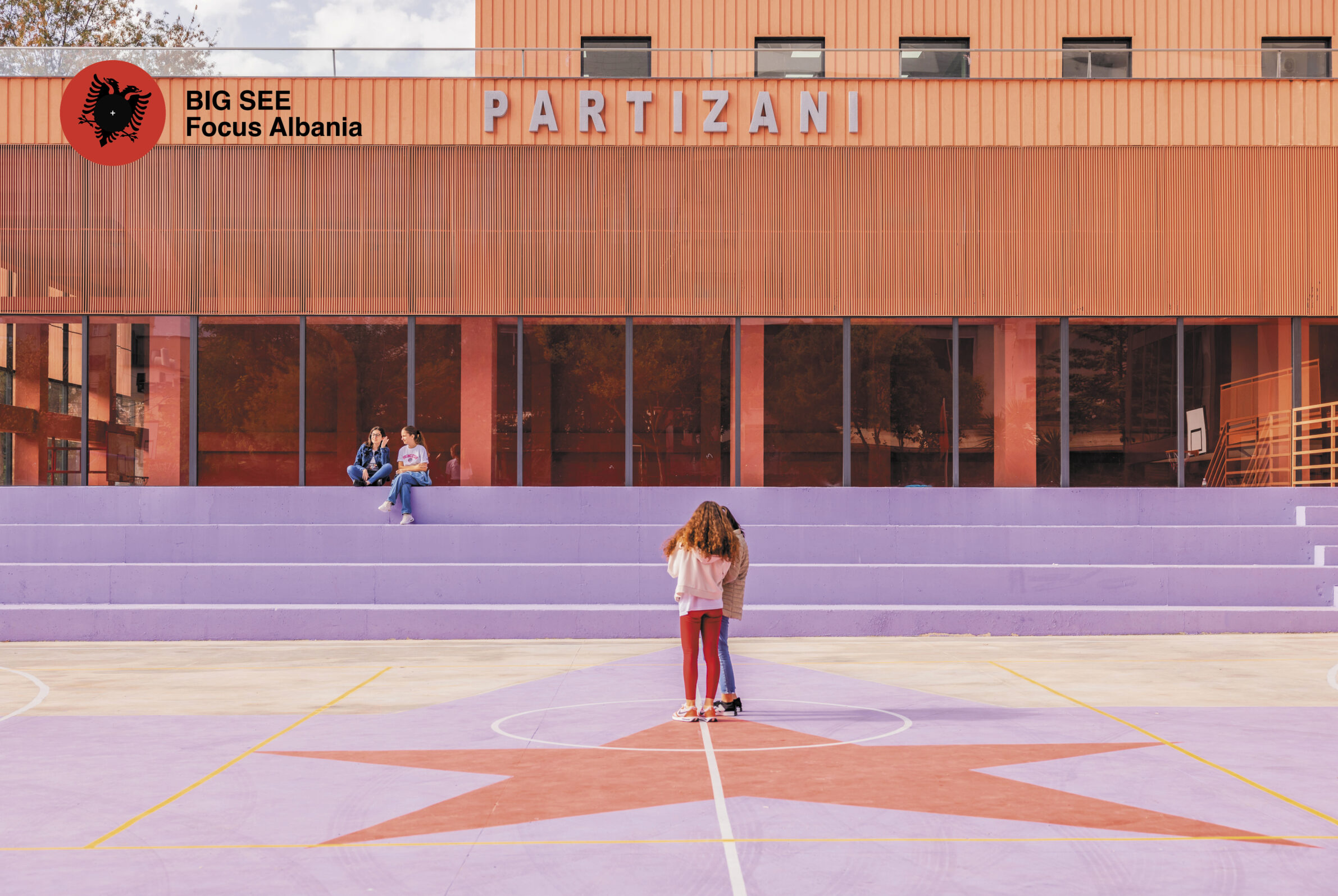
3 Questions for Lorenxa Molla Q: What ideas or values are central to your architectural practice, and how are they reflected in Partizani High School at this stage of your
3 Questions for Commonsense Studio Team Q: What ideas or values are central to your architectural practice, and how are they reflected in the Angela Merkel School at this stage
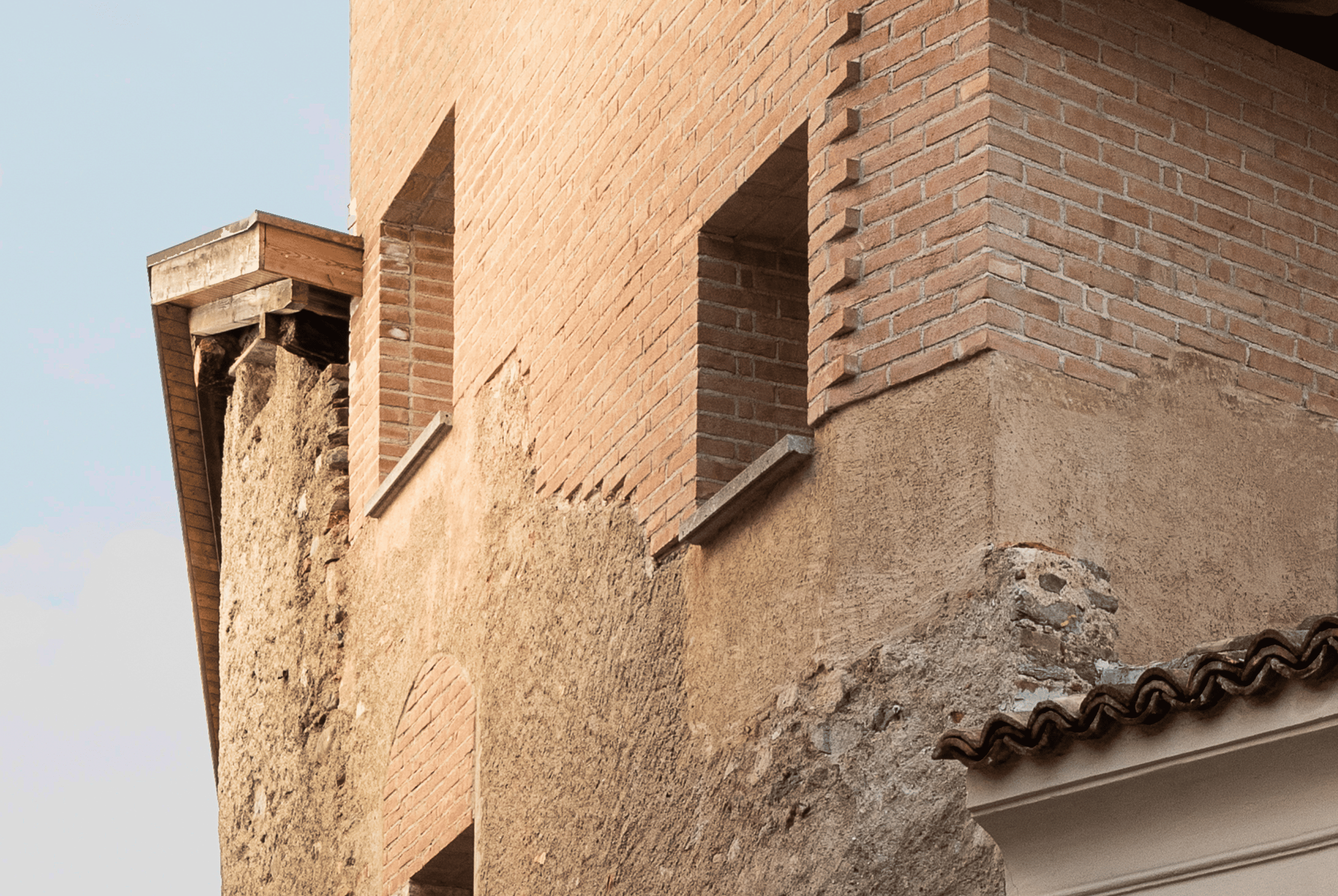
3 Questions for Genti Shtembari Q: What ideas or values are central to your architectural practice, and how are they reflected in Corner 379 project at this stage of your
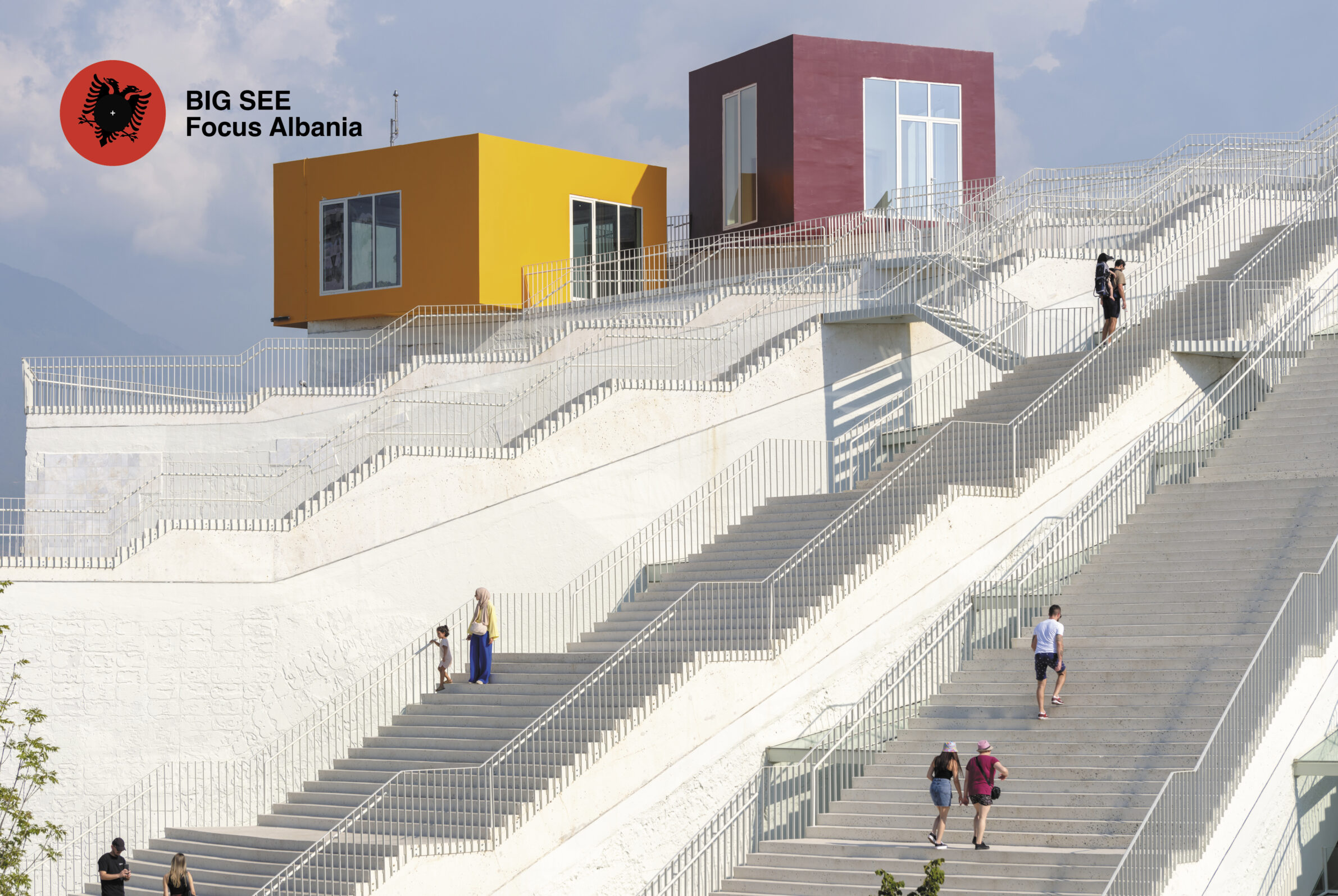
3 Questions for iRI Architecture Team Q: What ideas or values are central to your architectural practice, and how are they reflected in The Pyramid of Tirana at this stage
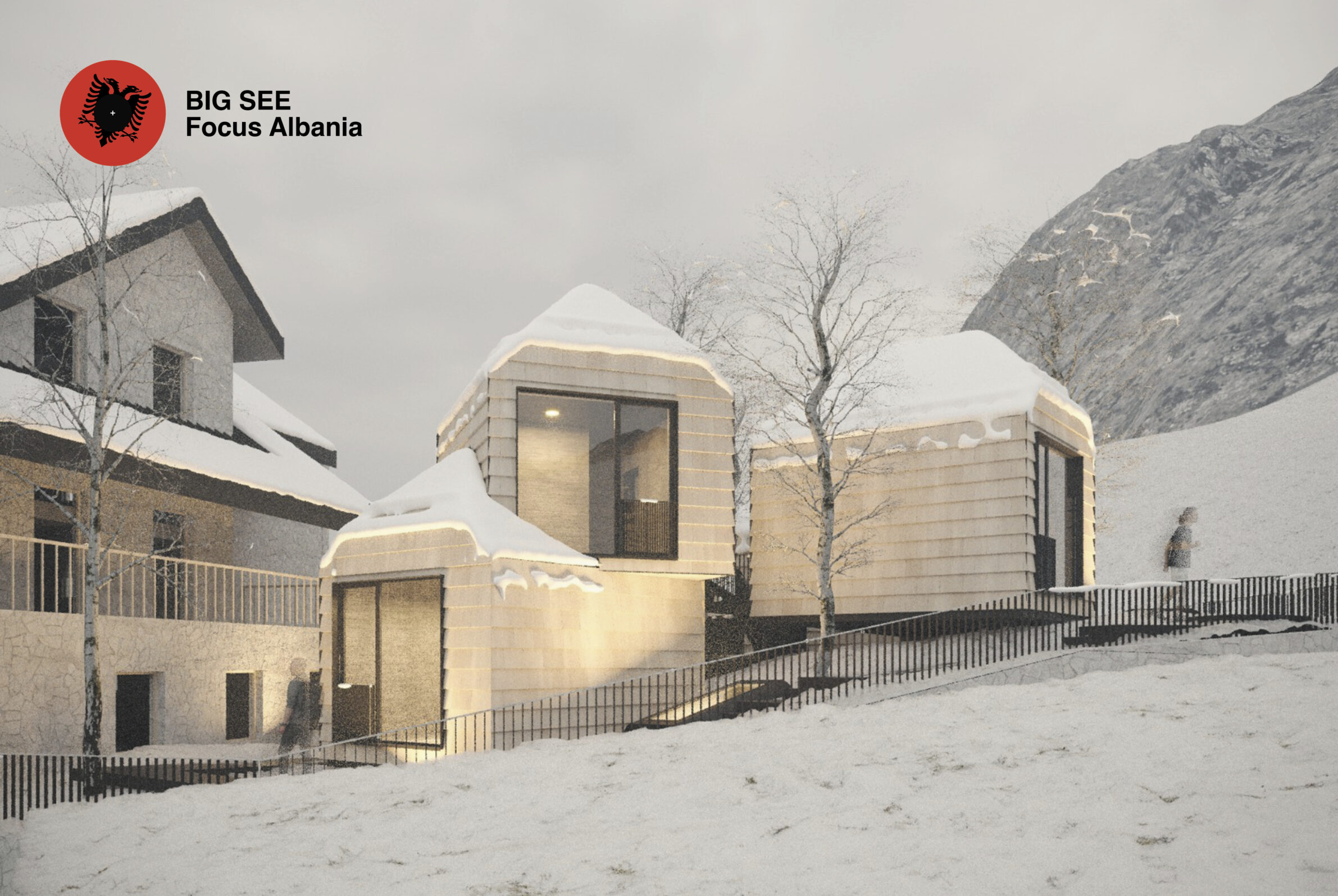
3 Questions for Aleks Shtjefni and Julia Hallvaxhiu Q: What ideas or values are central to your architectural practice, and how are they reflected in Mountain of Houses at this stage
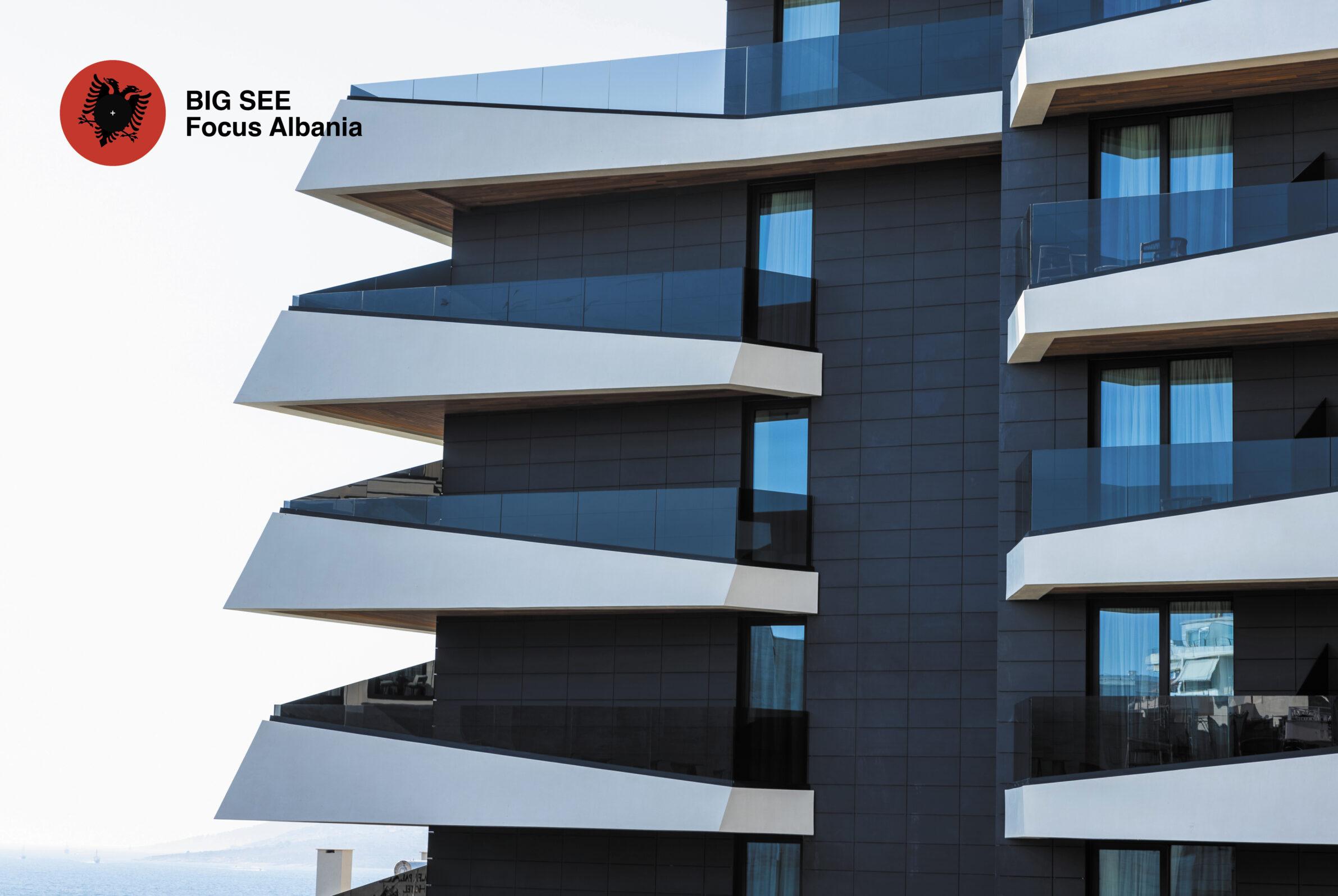
3 Questions for Gentjan Zifle Q: What ideas or values are central to your architectural practice, and how are they reflected in Avanel Signature Hotel at this stage of
BIG SEE Interviews is a series of intimate, unfiltered conversations between architects, not just about buildings, but about how we think, live, and imagine our future environments. In this edition, architect Ajda Bračič
Existing walls, retained materials and contemporary additions meet in eight projects where the connection between different periods becomes part of the architecture. Working with an existing building requires more than deciding what
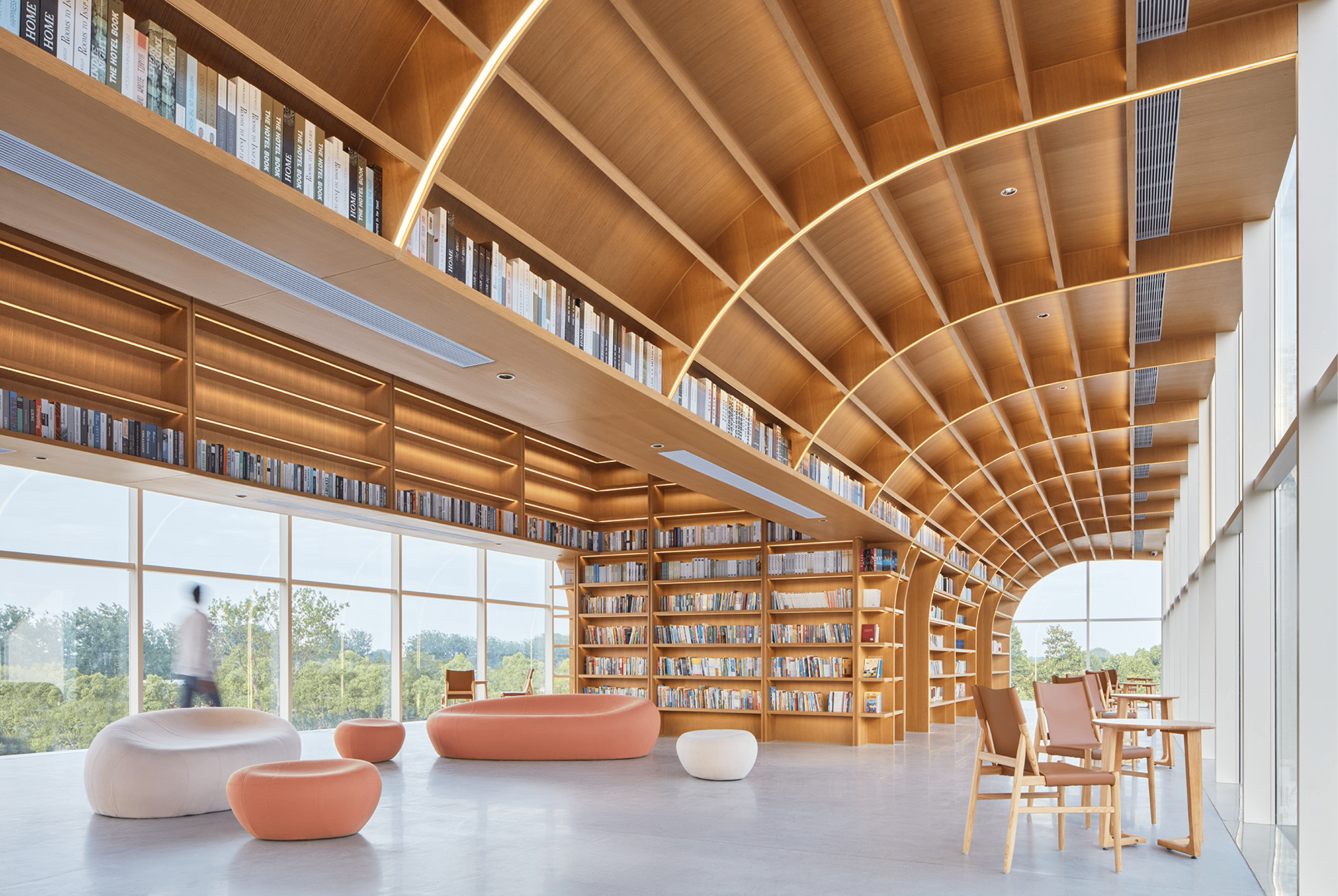
Libraries accommodate two apparently opposite conditions: sustained individual attention and the exchange of knowledge between people. Reading still requires quiet, light and a place to remain undisturbed, but contemporary libraries increasingly combine
University buildings can support both the concentration of individual study and the openness required for exchange, experimentation and shared work. Concentration can happen in open settings just as easily as behind closed doors,
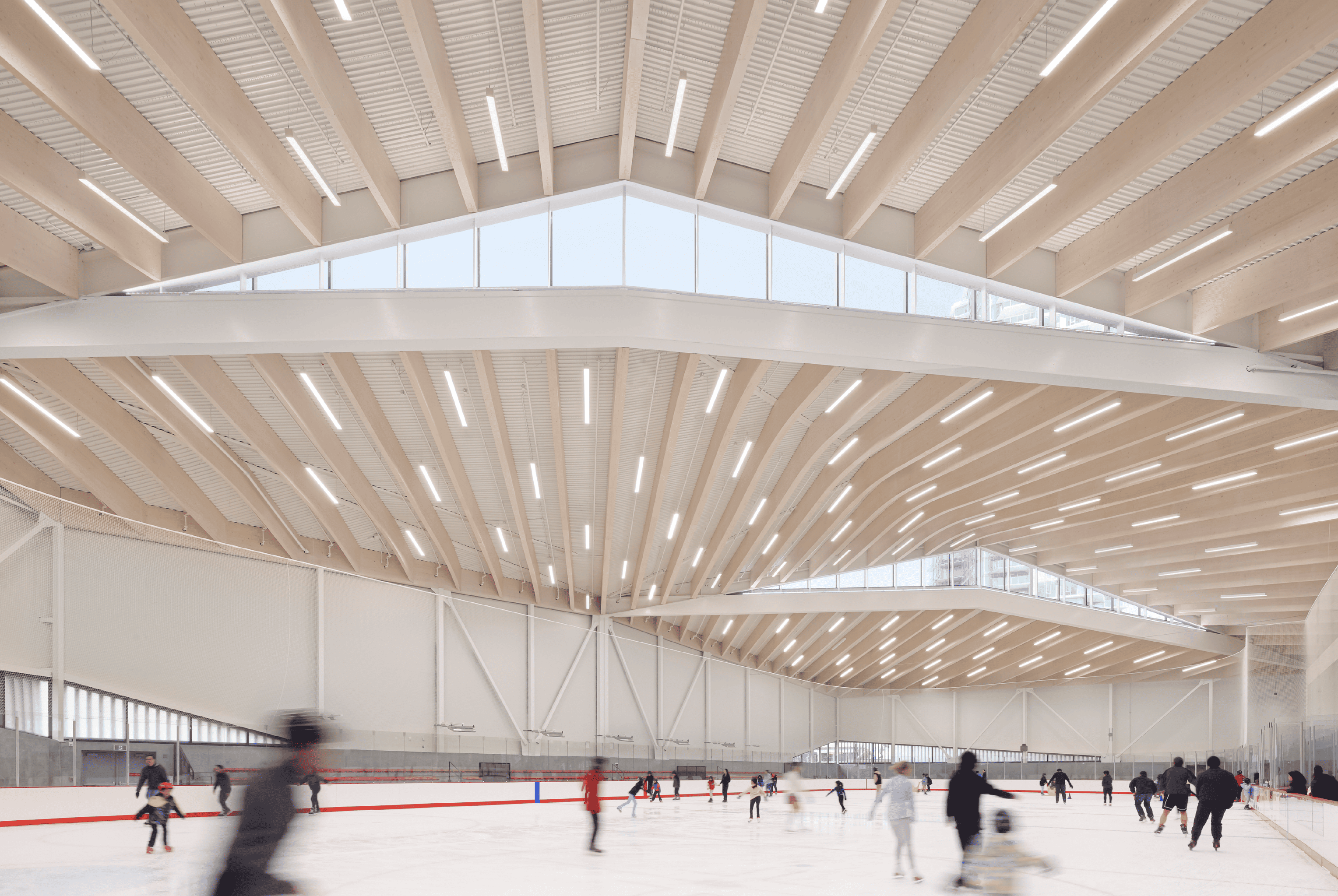
The quality of a sports facility depends on how clearly architecture supports action, orientation and shared use. Sports architecture begins with precise requirements. Clear dimensions, uninterrupted spans, durable surfaces, controlled daylight, safe circulation
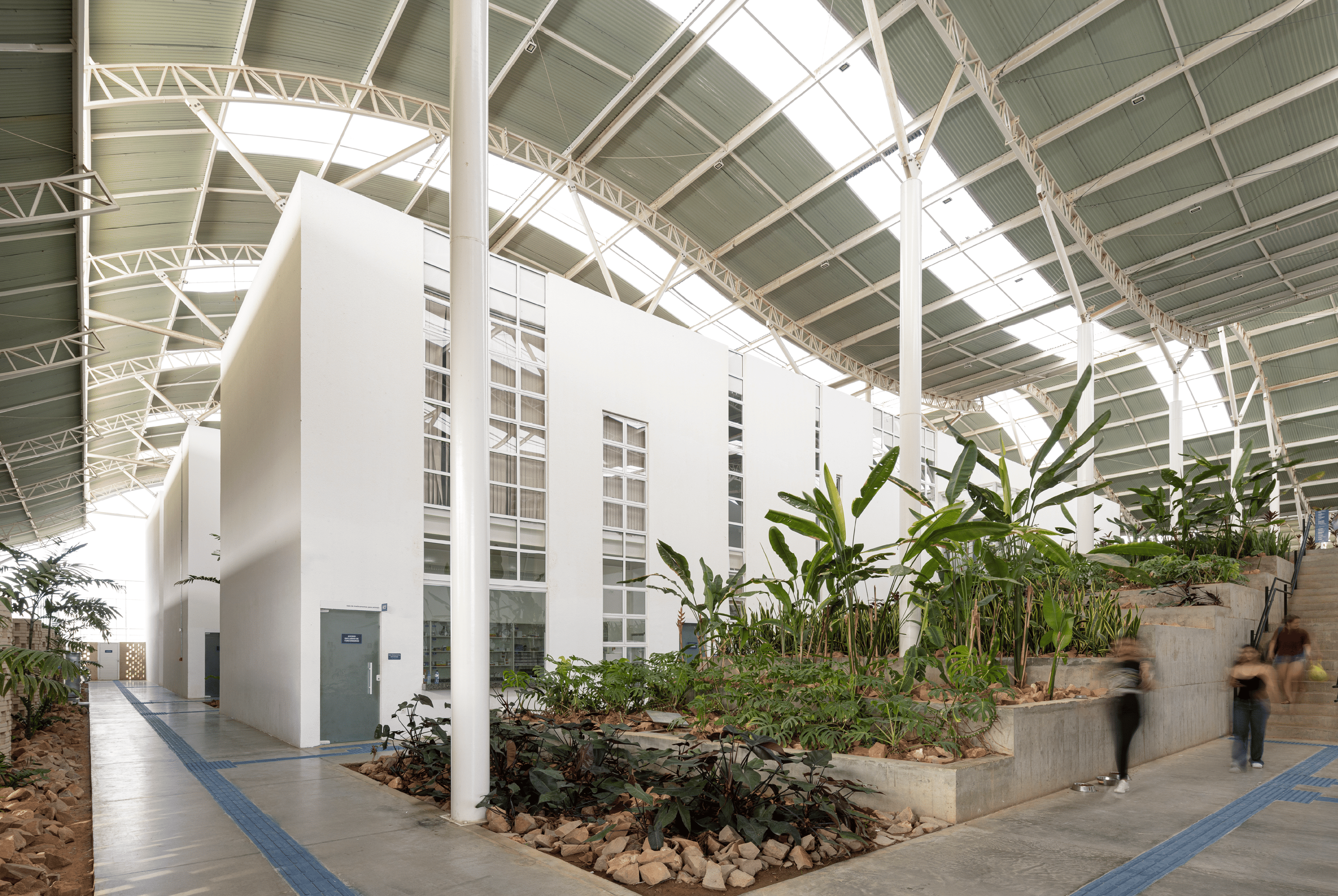
Care, learning, work and everyday gathering shape eight projects designed around collective use. Community architecture begins with needs that private buildings do not have to address. It must be understandable to different
In these ten interiors, colour is used to organise circulation, distinguish new insertions and alter the reading of existing space. Colour rarely enters an interior without context. It may respond to the history