


Bruce Engel
Architect and Founder of BE_Design | New York, USA / Rwanda
Bruce Engel is the founder and principal of BE_Design, a practice operating between New York and Kigali, Rwanda, established following several years living and working in East Africa. His work spans educational, residential, and community-based projects across Rwanda, Tanzania, Kenya, and Ghana, alongside energy-efficient residential design in New York.
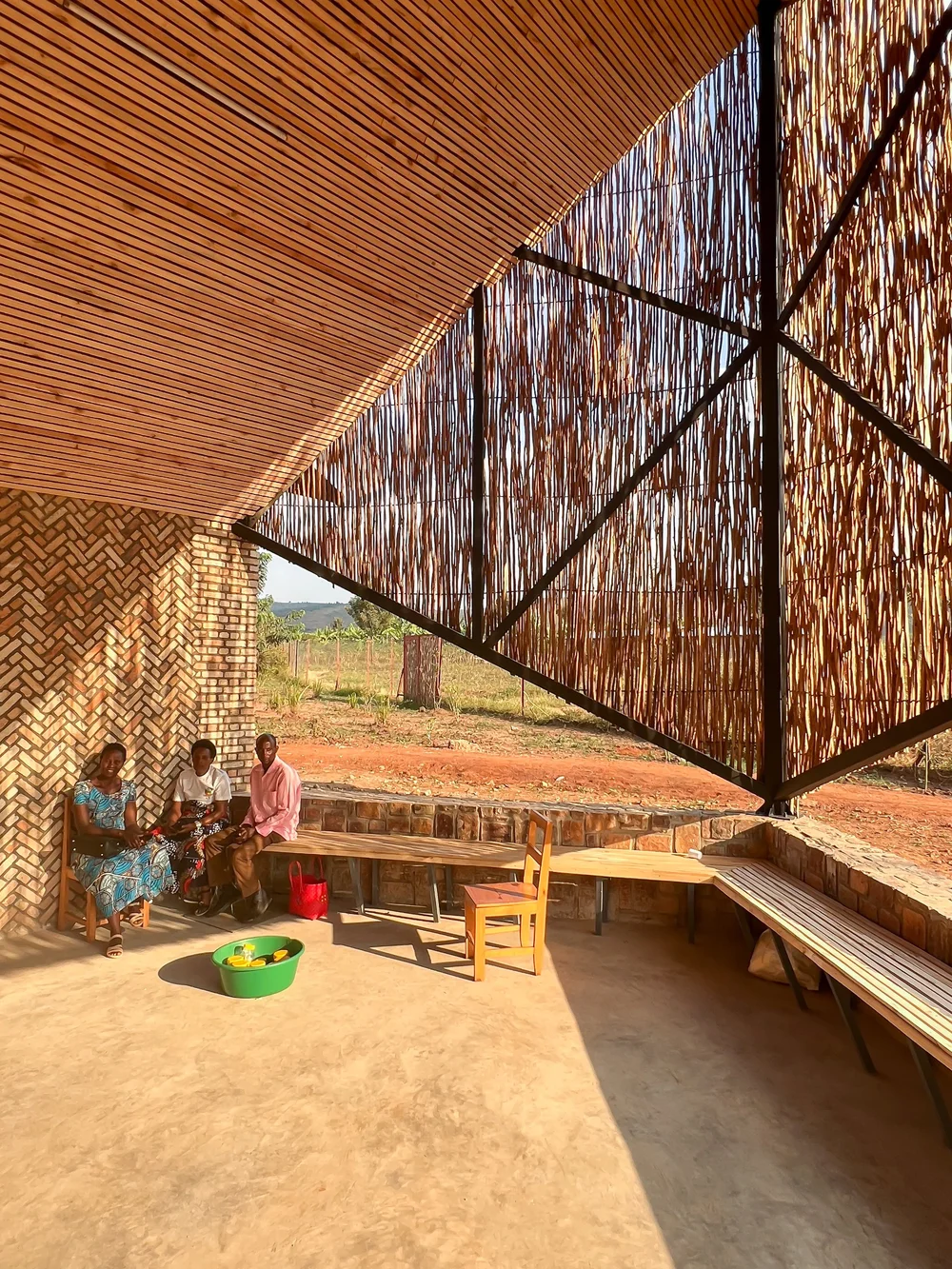
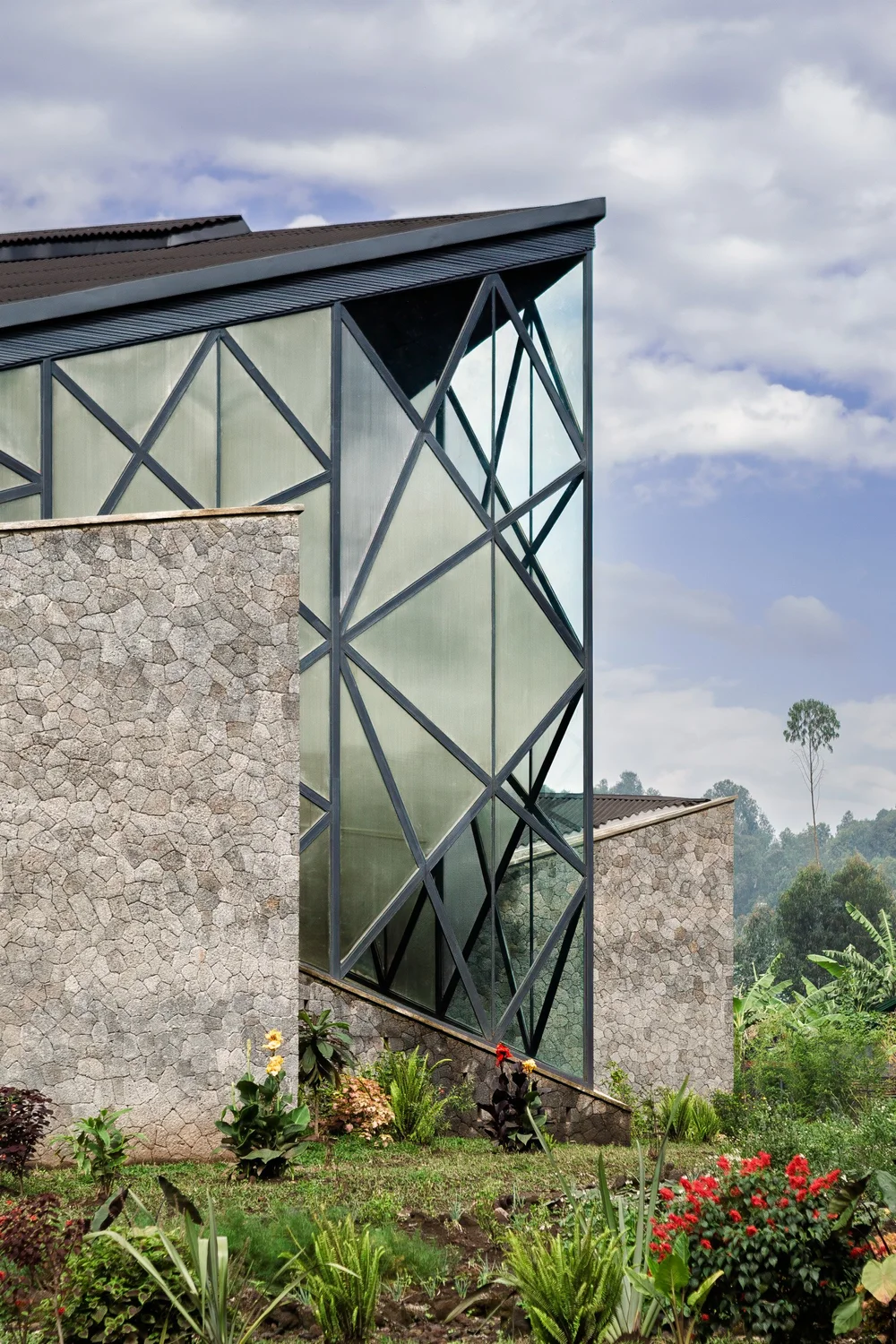
Engel’s approach is rooted in a deep engagement with place—drawing from local traditions, vernacular building methods, and cultural practices to inform contemporary design. His projects emphasize collaboration with local communities, the use of regionally sourced materials, and construction processes that support local economies. Rather than imposing foreign solutions, the work seeks to build upon existing knowledge systems into architecture that is both contextually grounded and forward-looking.
Across his practice, Engel views architecture as a tool for social and environmental impact. His projects—particularly in education and community development—focus on creating spaces that empower users while responding to climate, resource constraints, and long-term sustainability. In parallel, his work in the United States explores high-performance residential design, leveraging advanced building technologies to reduce environmental impact.
Prior to founding BE_Design, Engel contributed to and led projects including the Women’s Opportunity Center, the Partners In Health Housing, and other affordable housing projects in Rwanda while working with Sharon Davis Design, establishing an early foundation in socially engaged, community-driven architecture.
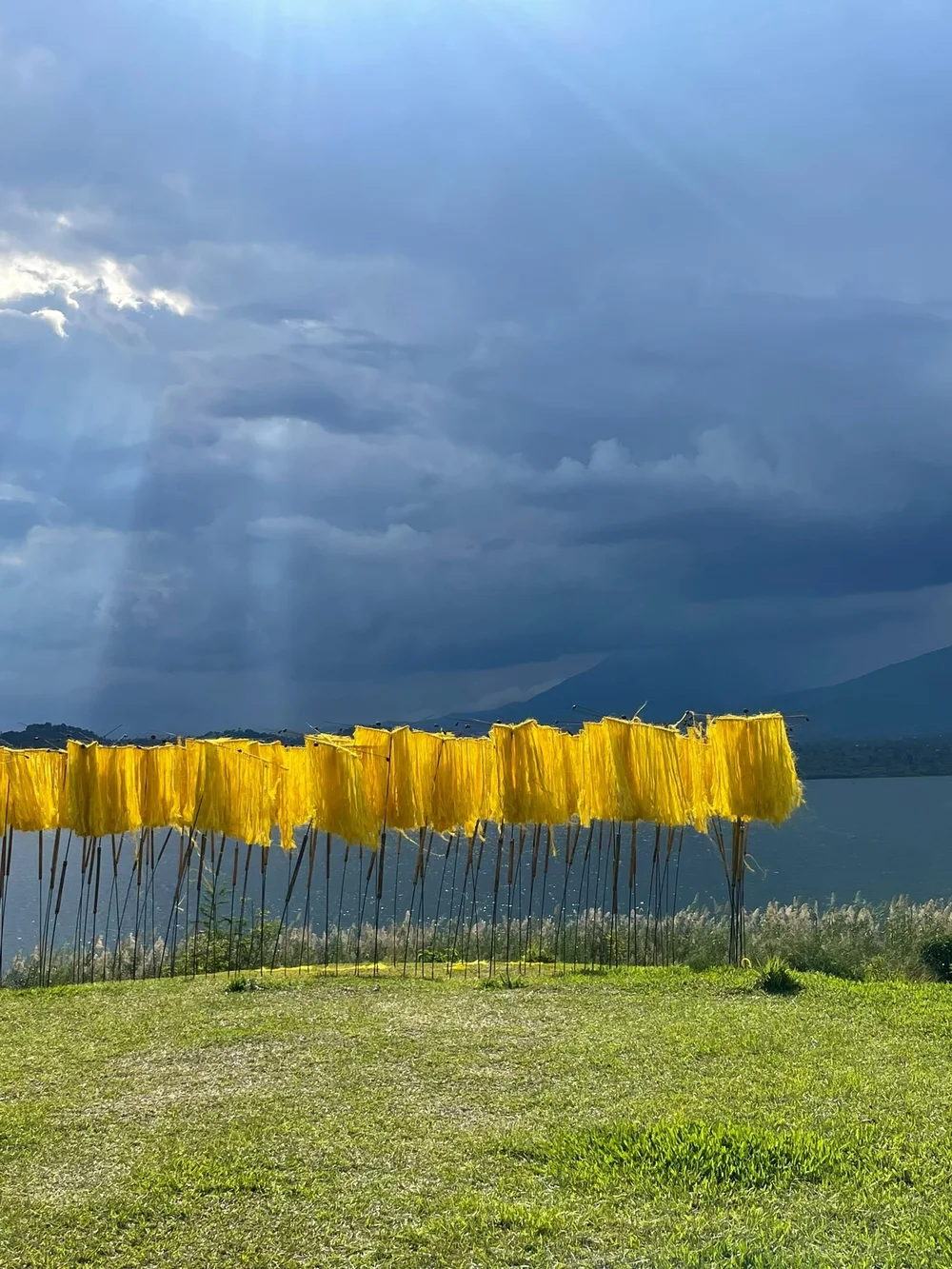
Completed works by BE_Design, including the Komera Leadership Center, the Kula Vocational Training Center, and Virunga Mountain Spirits in Rwanda, have received international recognition for their integration of architecture, local craft, and community. Through both practice and teaching, Engel remains committed to an architecture that is responsive, responsible, and grounded in the belief that the built environment can meaningfully improve people’s lives.