

BIG SEE Interviews is a series of intimate, unfiltered conversations between architects, not just about buildings, but about how we think, live, and imagine our future environments.
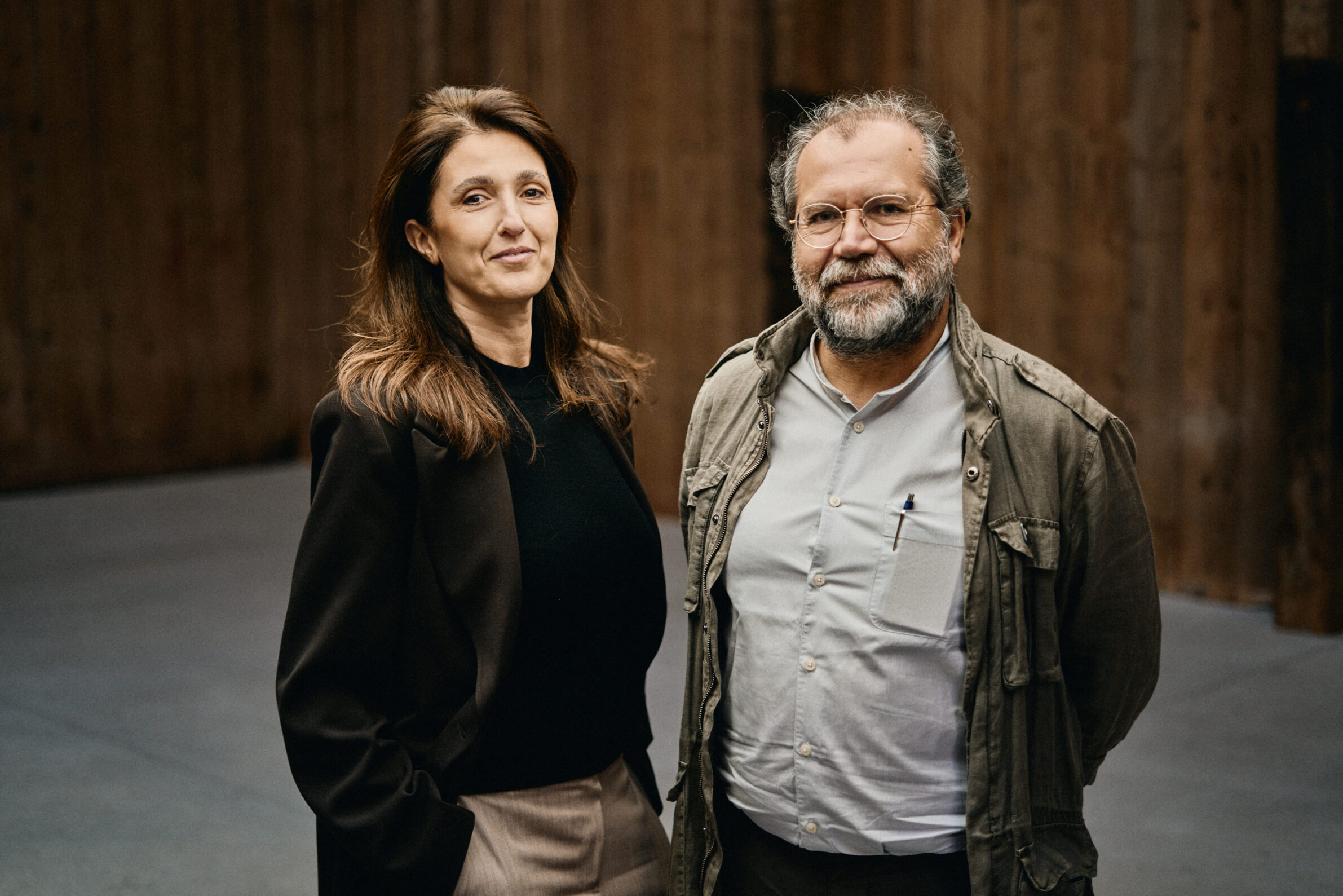
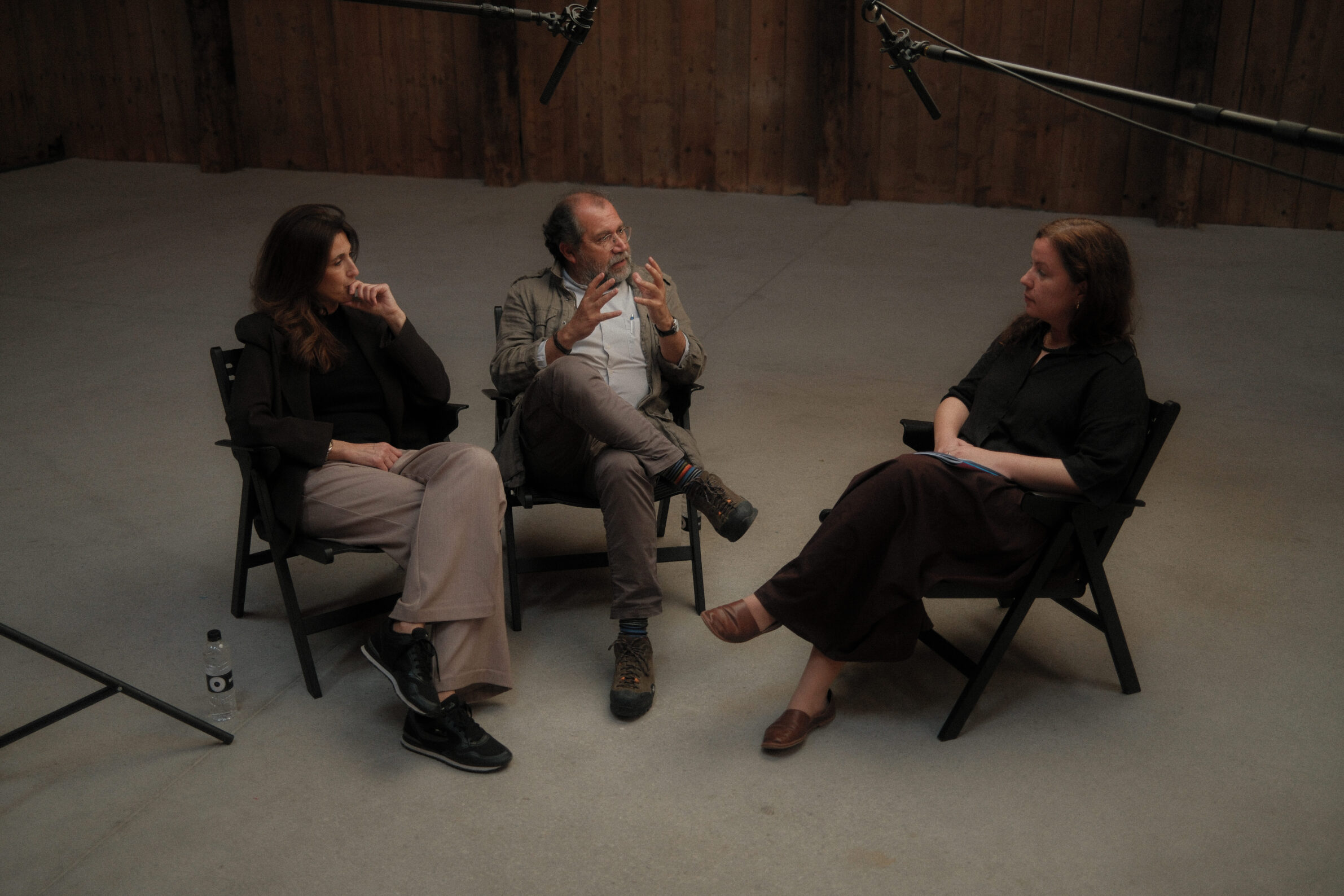
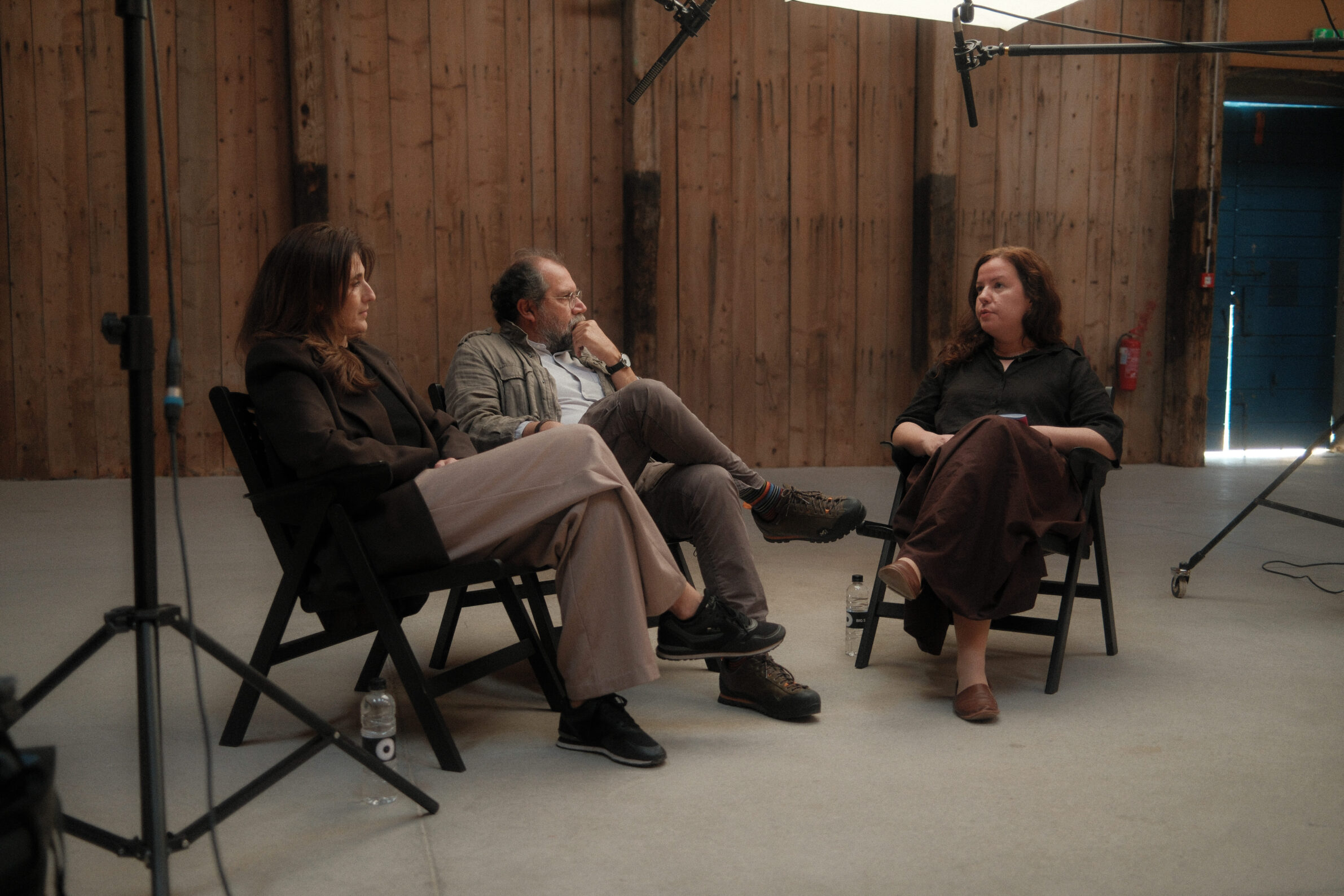
In this edition, architect Ajda Bračič speaks with Fouad Hanna and Kynda Chachaty of Beirut-based Dagher Hanna & Partners. The conversation took place during the BIG SEE Festival 2026 in Portorož, where Hanna presented his lecture Born from Shadows, Buried by Algorithms: How Architecture Lost Its Emotion. Their conversation moves from AI, speed and architectural spectacle to the role of emotion, context, materials and the architect-client relationship. At its heart is a simple conviction: architecture can be strong and meaningful without having to scream for attention.
Watch their insightful conversation or read the transcript.
Ajda Bračič: Hello. Thank you for agreeing to meet and talk with me. I’m very happy to welcome you here in Slovenia, in Portorož, at the BIG SEE Conference. I would like to talk to you a little bit about your practice, and then also about your views on architecture and the built environment in general as it is today. I will start with a very broad question, and then we can go more into detail. We live in a time of very fast-changing geopolitical situations, as well as environmental pressures and crises, and I’m wondering whether, in your opinion, architecture is responding to these changes quickly enough. As we know, architecture takes time and takes people to manifest in the world. So I’m wondering whether steps are being taken quickly enough, and whether it is even the role of the architect to try to respond to these fast-changing situations.
Fouad Hanna: Okay, want to begin?
Kynda Chachaty: Yeah, I can start. Definitely, things are changing so fast, and I don’t think that the human mind is set to cope with these changes so quickly. Still, I’m not sure that architecture is supposed to respond directly to all the changes that are happening. Definitely, when it comes to environmental issues, it is natural for us to respond. But things are moving really fast, and for us, architecture is supposed to answer a need. It responds to a need. So naturally, when people’s needs change with what is happening around us, architecture will change accordingly. But I don’t think it can happen that fast.
Fouad Hanna: I think the major changes in architecture happened when technology changed. If you go back through history, one of the major changes in architecture happened at the end of the nineteenth and beginning of the twentieth century. Since then, some themes and trends have changed, but the essence has remained more or less the same. Nowadays, there is something new. In construction, you have technology in the construction itself, but you also have technology entering the conceptual process. And now things are beginning to change in the conceptual process with the new developments in AI. I’m afraid — and I think we belong to an older generation — that the new generation might surrender more to AI systems. Instead of AI being an instrument, what I’m afraid of is that the new generation will become an instrument for AI. And this is dangerous. We don’t know yet. I think it’s a big question. We are really at a turning point, where things might change or they might remain essentially the same. Time will tell.
“For us, architecture should be strong and meaningful without screaming for attention.”
– Kynda Chachaty
Ajda Bračič: Time will tell. That leads me to my next question, which is actually about the topic of this year’s conference: Too much? What is just enough? When I’m thinking about what there is too much of in today’s architecture, I think about speed — the speed of production, the speed of generating concepts and new buildings, this hyper-productivity. I don’t want to influence your answer, of course, but I would like to ask you as well: What do you think there is too much of in today’s architecture?
Kynda Chachaty: My first answer would honestly be: everything. There is too much of everything. Not only technology or AI, which generates outcomes in architecture incredibly quickly. There is too much architect ego. There is too much focus on spectacle. There is too much need to stand out. There is too much invested in the image of the project. This is my point of view, of course, but we’re losing the essence of what creating a space is — creating emotions, creating memories in the spaces that we are supposed to create.
Fouad Hanna: There is something interesting in what you said about speed and the concept. I don’t know if you know the small story by Italo Calvino. He wrote a story about a Chinese emperor who wanted a beautiful drawing of a crab. He asked who the best painter would be to do it, and they gave him the name of a painter. The emperor went to him and said, “I need a drawing of a crab.” The painter said, “Okay. I need five years to do it, twelve servants and a big villa.” The emperor thought about it and said, “I want my crab.” So he agreed and left. Five years later, he came back and said to the painter, “Show me my crab.” The painter told him, “Wait. I need five more years to do the drawing.” So the emperor said, “Okay. I’ve waited five years, I will wait five more, but I want my beautiful crab.” Five years later, he came back again and told him, “I want my crab drawing.” The painter took a piece of paper and a pen and drew a crab in just a few seconds. And the emperor saw the most beautiful drawing of a crab he had ever seen. So the question in all of this, when we speak about concept or concept design, is: what is the value of time? Is the time the ten years that the painter took, or is it just those few seconds? And is quality related to time, or is it related to the knowledge of the painter, to the genius of the painter? It’s a big question. I’m not sure I have an answer to it, but I think time is important in the conceptual process. It’s not something where you simply press a button and have the idea. The emotion in architecture that has developed over this century and the century before is related to the concept and to the consciousness of a human being. It’s not only a technical drawing. It’s not only a technical analysis of the site. It’s a little bit more. It’s what you feel.
Ajda Bračič: Beautiful story. I haven’t heard it before, but I will definitely remember it. You’re talking now about emotions, and tomorrow, in your lecture, you will also speak about how architecture has lost, or is losing, its emotion. Can you explain a little bit more about what you’re going to talk about?
Fouad Hanna: I can. We’ll break the suspense. In the conference, I trace a line through history, from the beginning of architecture until today, and I look at where emotion was really created in architecture and how it is now being lost because of the shortcuts we’re taking through AI and the hopes people are placing in AI. So this is the point of rupture between how space was conceived before and how it might be conceived later. That’s the main point of it.
“Every project is a lesson. You have to be humble enough to recognise where you did something right and where you did something wrong, learn from it and do better the next time.”
– Fouad Hanna
Ajda Bračič: I read on your website that you have a very nice description of your working process, and you say that you approach working with clients more as a partnership than a classical or regular relationship between architect and client. I was wondering how that works in practice. How do you approach a new project or maybe a new person who enters your studio?
Fouad Hanna: It’s a complicated process. Actually, it’s very complex. Usually, when the client comes — especially when we talk about architecture — it’s different from engineering. When it comes to engineering, they step back because they don’t have real knowledge of the technical aspects. When it comes to architecture, our problem is that clients often already have ideas in their minds. They are half-architects themselves, and they have fixed ideas about the project. So the whole thing is to go with them, take what they want, understand it and put it into our own way of working. If we only follow the client’s wishes, we might end up with something very different from what we think the project should be. So we listen to them and they accompany us throughout the process, up to a certain point. Then, when we move into execution drawings, it becomes more technical.
Kynda Chachaty: My version of your question, based on experience, would be: How does the client include us in the design? Because many of our clients — not all of them, but most — come with an idea and expect us to translate the ideas they brought into drawings and into space. So it’s a very delicate matter to work with them, because they are the owners of the project — not only of the drawings, but of the project, the space, the building they want to build. This is especially true in private projects. When it’s a school, for example, it’s a little bit different.
Fouad Hanna: But you also have to manage the ego of the client.
Kynda Chachaty: Delicately.
Ajda Bračič: Delicately, of course. I studied at the Ljubljana School of Architecture, and it was said many times by many different people that an architect also has to be a psychotherapist.
Kynda Chachaty: Of course. And number one, the architect needs one as well. Definitely needs one after work.
Ajda Bračič: In a project, there is not only the client and the architect, but also the context of where we are building, the site and the historical context. I think especially in an environment like yours — you build internationally, but for example in Lebanon, which is so historically rich — how do you approach a new site? How do you implement what is already there into a new thought and reinterpret it?
Fouad Hanna: I will rephrase the first part a little bit. As Siza once said: We simply do architecture, but we do architecture with a big A. The programme is important. The site is very important. The client is important. The budget is important. So you have an equation with all of these elements, and your approach should come from that. That’s why, if you look at our projects and our work, there isn’t a stamp. It’s not the same project repeated over and over. With some very well-known architects, if you look at one project, you immediately know whose project it is. That’s not the way we approach things. We really look for the right answer for the right site. We also try to keep our feet on the ground. We’re not a big office. We have more of an atelier spirit.
Kynda Chachaty: A studio.
Fouad Hanna: Yes. And I think this is very important.
Kynda Chachaty: The site is one of the most important things — the context, the urban fabric, the views, the winds. These are all elements that lead us towards answering the project properly. It’s not something we can ignore. It’s something that is already there and that we have to cope with. And this is where one project differs from another: by analysing all of those elements. They are part of the design process of the project, definitely. Each architect looks at a project in a different way, and this is where emotion enters. The site and the context are naturally something that already exists. Sometimes the site can be a constraint. Sometimes it is the site itself that dictates the concept of a certain project. Of course, not all of them, but it’s definitely a very important tool. This is our approach for all of our projects.
“Sometimes the site is a constraint. Sometimes the site itself dictates the concept. And this is also where emotion enters architecture.””
– Kynda Chachaty
Ajda Bračič: What about after a project is finished or built? When you give it to the users, do you still visit it sometimes, or do you take note of how it’s being used and how it impacts its environment?
Fouad Hanna: Definitely. Each project is a lesson, and I think in architecture you keep learning continuously — from your own work and from the work of others as well. But to do this, you need to keep your feet on the ground and you need to be humble enough to understand where you did something right and where you did something wrong, learn from it and do better the next time.
Kynda Chachaty: Usually, almost all of the projects we’ve worked on are in our environment, so we frequently come across the clients and the people living there.
Fouad Hanna: Actually, we become friends with the clients.
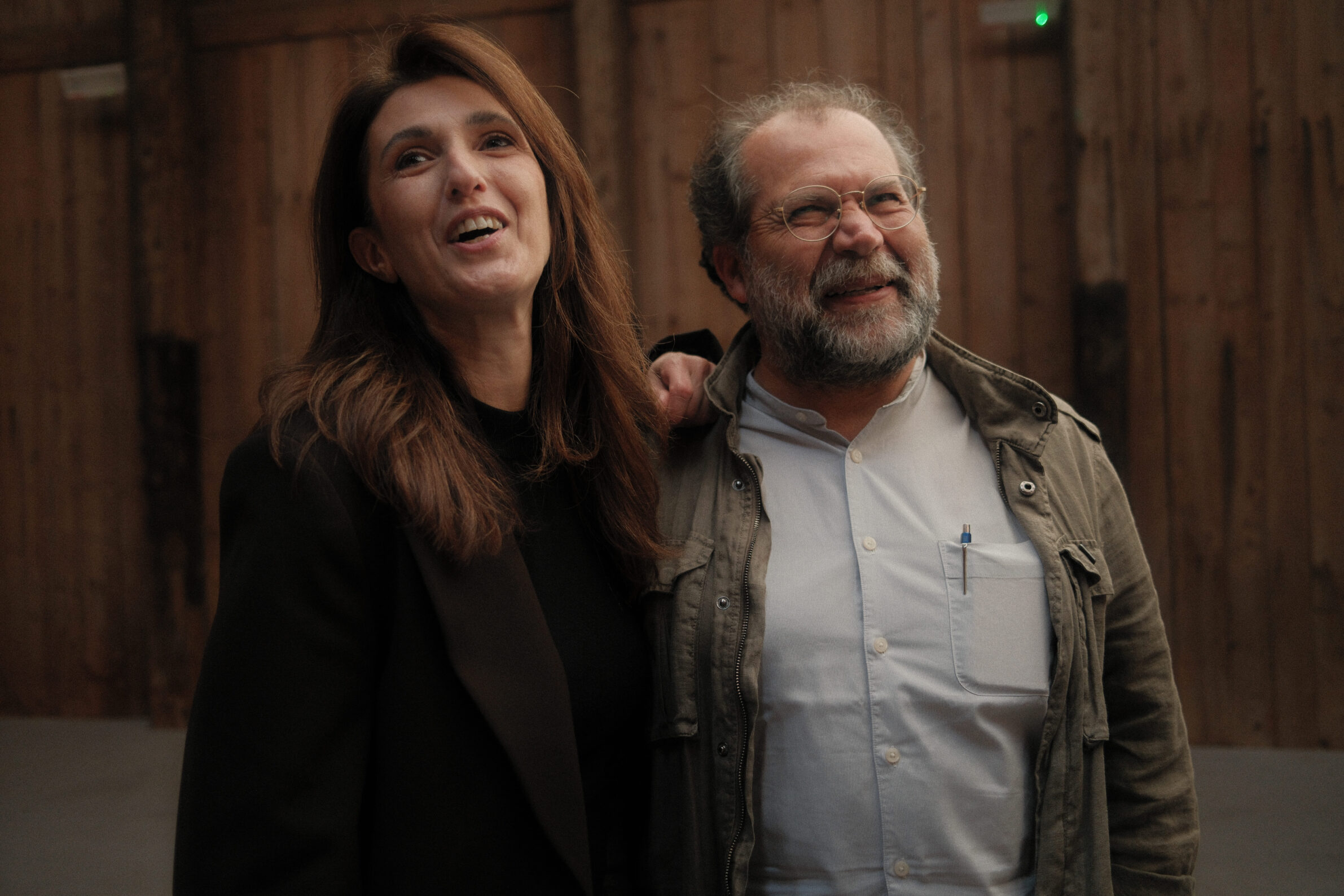
Kynda Chachaty: Yes. We have a nice relationship with our clients. They’re not really clients anymore. It’s a partnership, as Fouad said.
Fouad Hanna: One thing we haven’t talked about is that during the construction process we also change some things, and this is important. In Europe, I think it can be more complicated because you have an agreement, you sign papers and so on. Our work is different. We don’t work with public programmes. All of our projects are private, even if it’s a school. In Lebanon, that’s often how it works. So we can discuss changes to projects if we think they’re necessary. If we realise that we’ve missed a view somewhere, for example, and we can change it on site, we just do it. We talk to the client, explain that we need to make the change, and we do it. It’s not a situation where we’ve made a drawing and nobody can touch it anymore. That’s also important.
Ajda Bračič: Maybe my last question would be: could you speak a little bit about a project that you did recently, or one from your practice, that illustrates all of the things you’ve been talking about — your convictions about architecture and how you want to approach it? Something that you’re really proud of.
Kynda Chachaty: It would be very cliché to say that almost all of our projects respond to what we’ve been talking about, but in a way they do. We’re the ones designing those projects, and we design them according to our convictions and our approach. All the things and basic principles we’ve talked about are really the essence of our studio and of our collaborators. I’m not saying that we all think in exactly the same way, but the basics are there and they are similar. We have the same guidelines, we follow the same basic rules, and we approach every project in this way. For us, architecture is strong and meaningful without screaming for attention or focusing only on the image. And I think everyone in our office thinks the same way. Don’t you agree?
Fouad Hanna: Yeah, definitely.
“Materials are deeply connected to place. Architecture has always begun with what a place gives you.”
– Fouad Hanna
Ajda Bračič: I think that in your practice your approach to materials is also very important. So I would like to ask you how you implement sustainable and renewable materials in your projects.
Fouad Hanna: In our practice, we have many, let’s say, normal projects, but we also do a lot of rehabilitation of old houses. Our third partner has a lot of experience in this type of work. In rehabilitation, we respect what already exists. We use the same materials that are already present in the project itself. Sometimes, if there is a house that has been demolished, we buy those materials and reuse them in the house we are rehabilitating. We use the same materials, the same type of cement or whatever is appropriate. That’s for rehabilitation. For other projects, the programme also dictates the materials. In Lebanon, we usually don’t have wooden construction, and steel construction is very limited. So the main material for the structure and for the building itself is concrete. That’s the nature of where you are. If you go to Canada, for example, many projects are made of wood. So the site dictates. What I’ve also learned is that historically people always built with what they had at hand. The old houses we have in our country, especially in the mountains, are made out of solid stone. In the city of Beirut, the old houses were made with what you call sandstone because they could find it next to the sea. This year we had a rehabilitation project in Syria, and we went there to do an assessment. In my head, because it was an old house, I assumed it would be made of stone. But we discovered that it wasn’t. It was made from clay brick, with wooden structures in between.
Kynda Chachaty: Wooden branches.
Fouad Hanna: Exactly, branches. And I was wondering why they built that way. Then I understood that Damascus in Syria is almost surrounded by desert, so they don’t have stone in the same way. They have sand, they have water, and they have trees in the mountains. So they brought branches — real branches — together with clay and bricks that weren’t even fired in an oven, just sun-dried bricks. So the material is very related to the site, to where you are constructing. Of course, with international transportation today, we bring ceramics from Italy, from China, from Spain, as well as other finishing materials. But the main construction material in Lebanon is still concrete, which is also local because we have cement production locally. And then it also depends on regulations. Sometimes you need to use stone, sometimes tiles. I think you probably have this in Slovenia as well.
Ajda Bračič: Okay. Well, thank you very much for this nice, short conversation, and I look forward to speaking more with you during the conference.
Fouad Hanna: Sure.
Kynda Chachaty: Thank you. Thank you very much. It was a pleasure.
Fouad Hanna: Thank you very much. Thank you, everybody.
“Architecture takes time and many people to manifest in the world. Can it respond quickly enough to situations that are changing so fast?”
– Ajda Bračič
Edited by
Tanja Završki
Video and portraits by
Primož Korošec
BTS portraits by
Gregor Ravnik
Powered by

Be There.