


A shelf is read twice: through what it holds and through the structure that remains visible around it. The spacing of uprights, rhythm of openings and depth of horizontal planes determine whether it behaves as background, display, partition or freestanding object. Books and personal objects may complete the composition, but the framework already establishes a scale and order within the room.
The systems gathered here move beyond neutral storage. Some can expand across a wall or divide a space; others are conceived as finite sculptural compositions. Laser-cut steel, solid oak and birch plywood are used not only for their structural capacity but also for the silhouettes they produce. Practicality remains essential, yet each design retains a clear presence even when its shelves are only partly occupied.
1. Arkus by Tischlerei Wolfgang Meusburger, designed by Federico Gianni and Tanja Foretic
Austria / Germany, 2024
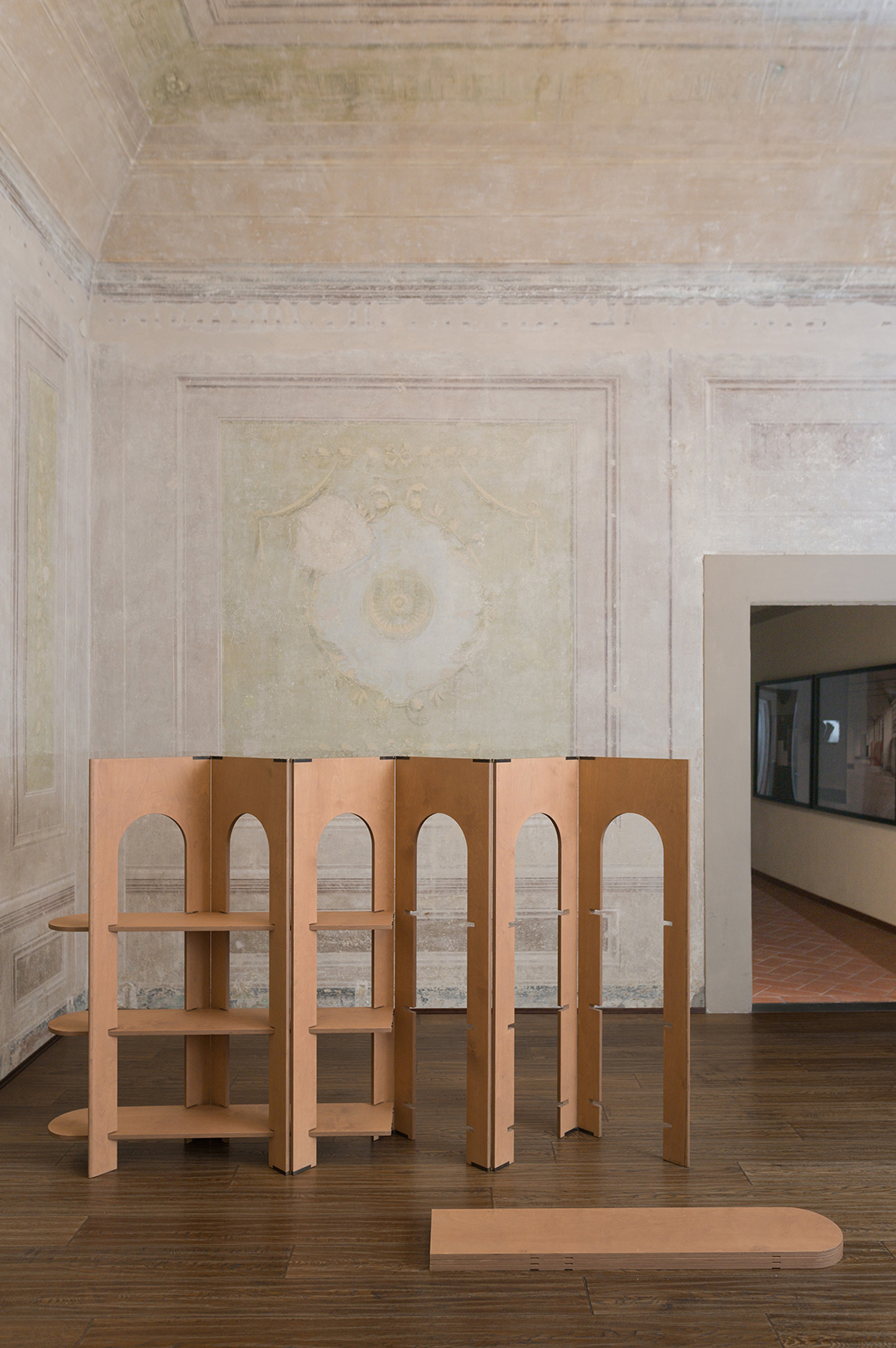
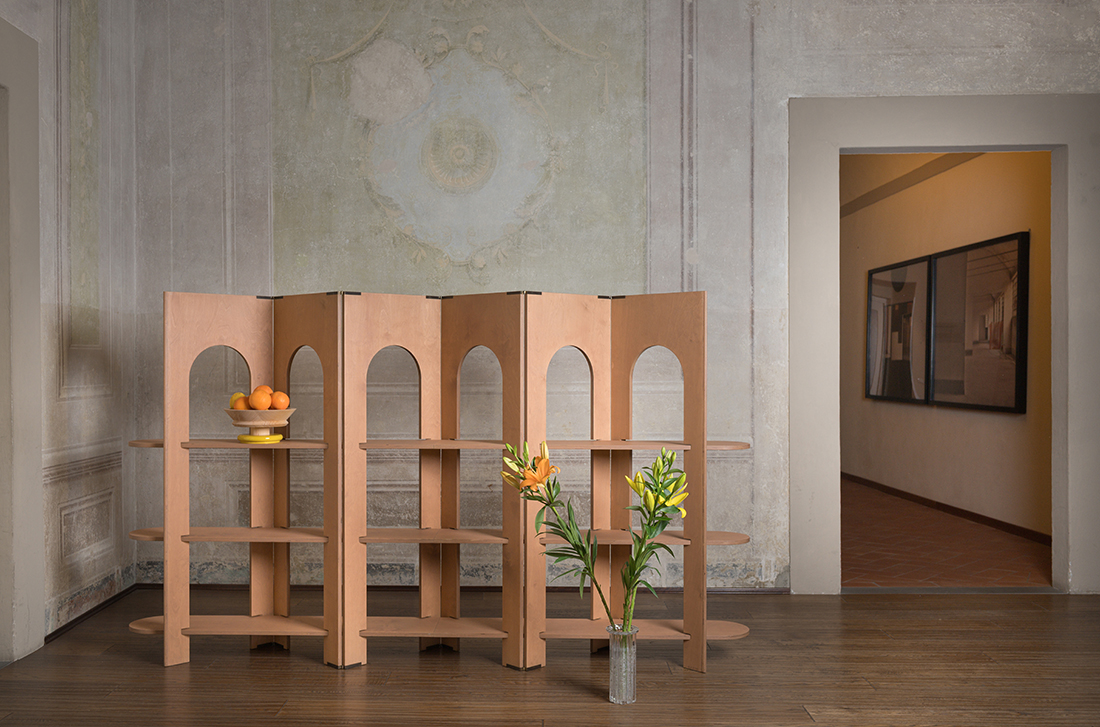
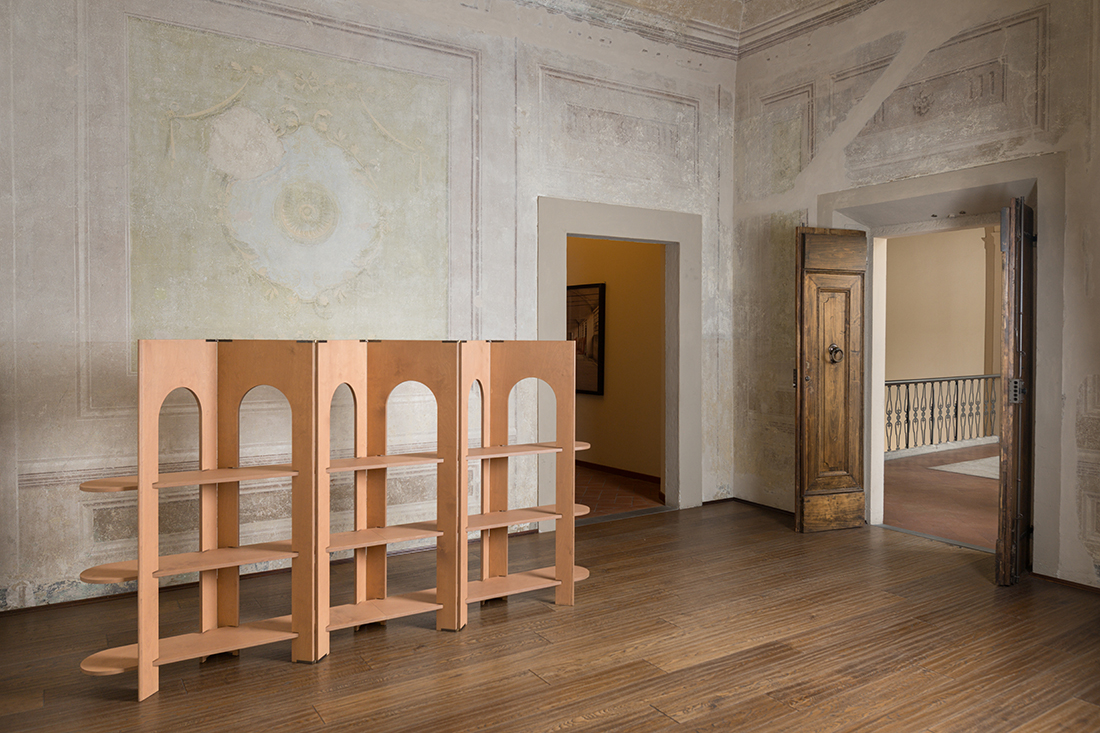
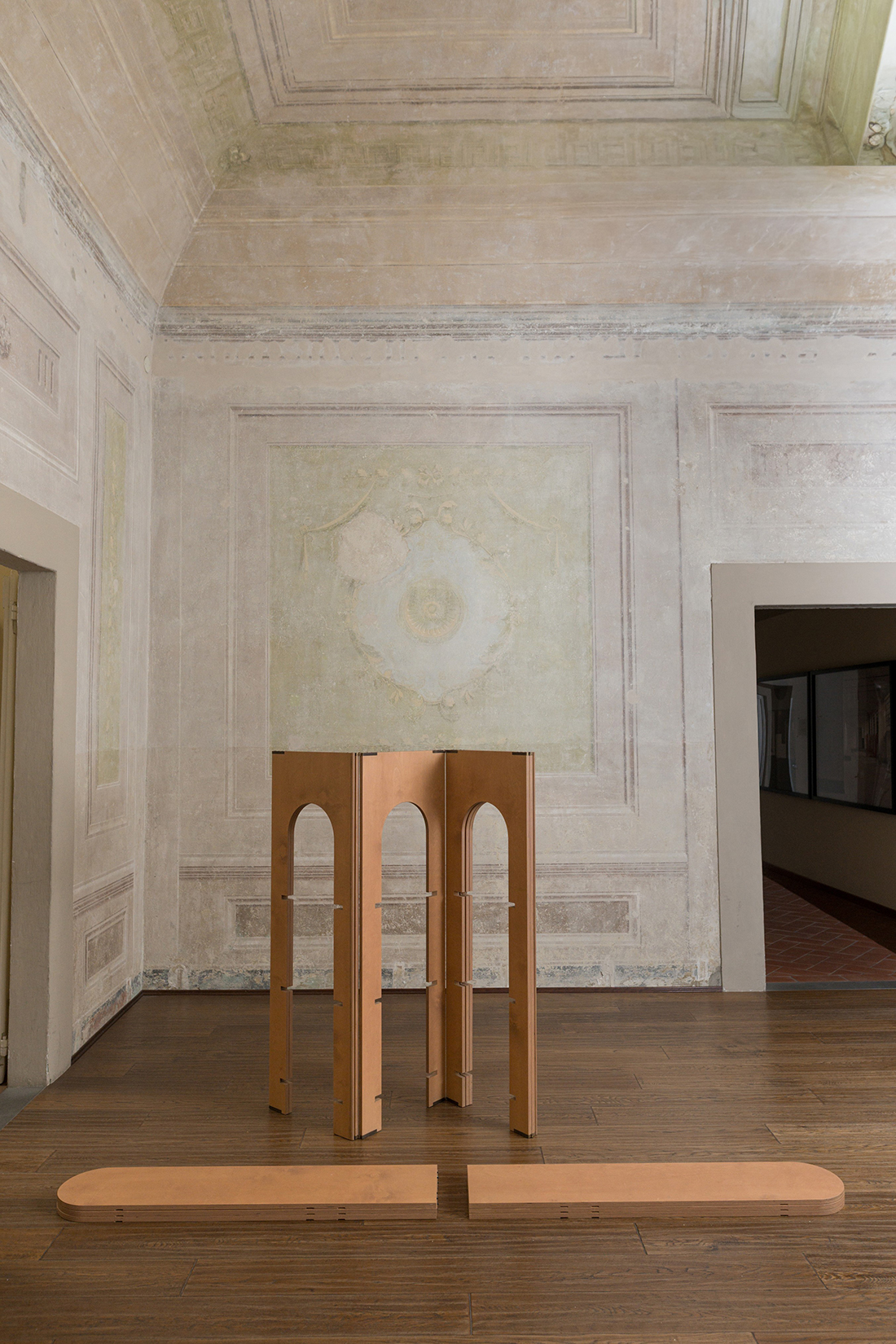
Arkus is conceived as a piece of micro-architecture rather than a sequence of conventional horizontal boards. Five cuts allow its birch-plywood frame to open like a fan, creating the vertical structure into which long curved shelves are inserted. The arcs are cut from the same sheets, enabling more than 93 per cent of the material to remain in the finished product. Metal hinges and interlocking connections support assembly, disassembly and the replacement of individual parts. The alternating curves give the bookshelf a strong spatial rhythm, allowing it to frame books and objects while remaining legible as an independent wooden construction.
2. Butterfly by Arteston, designed by Dalibor Marek
Slovakia, 2023
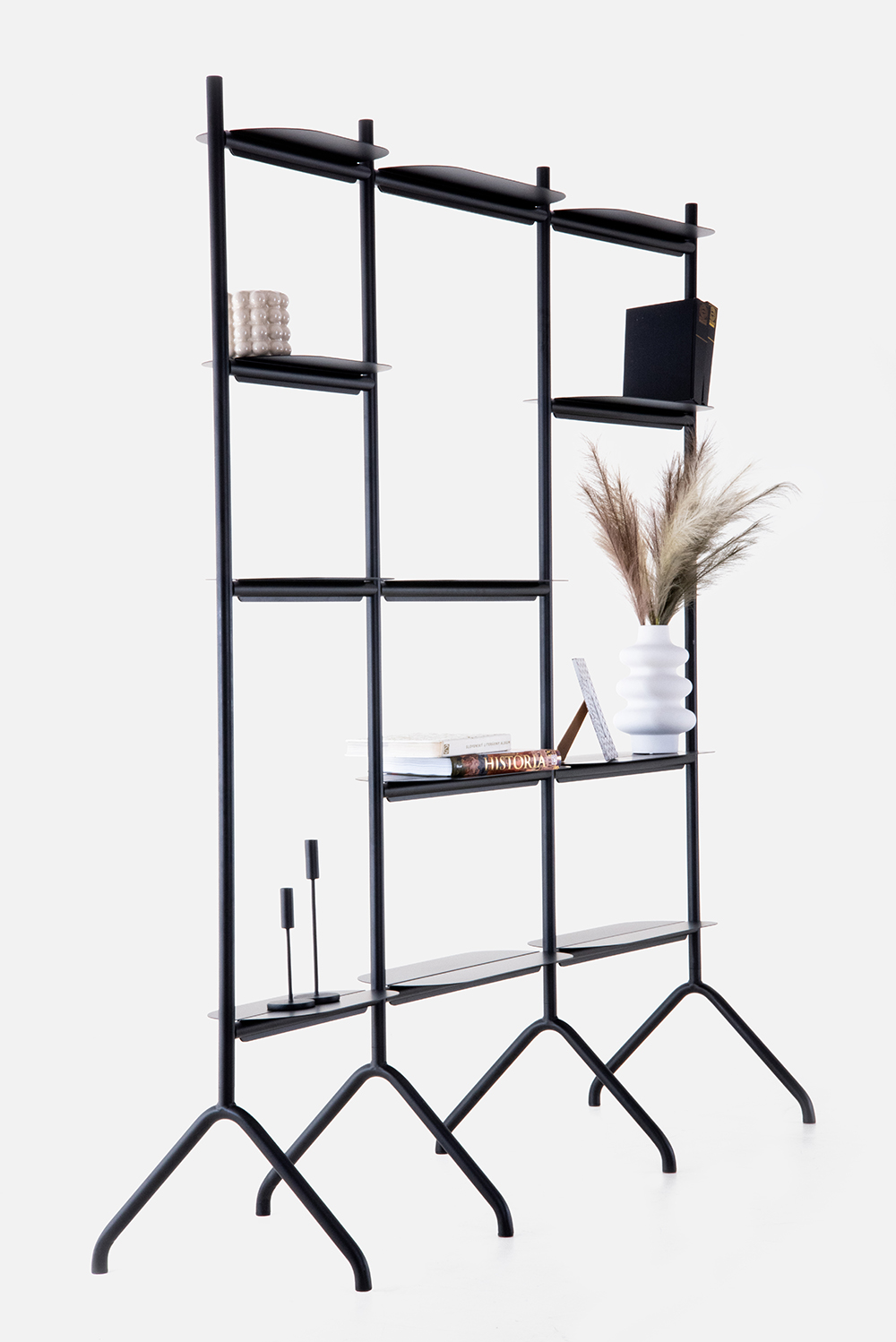
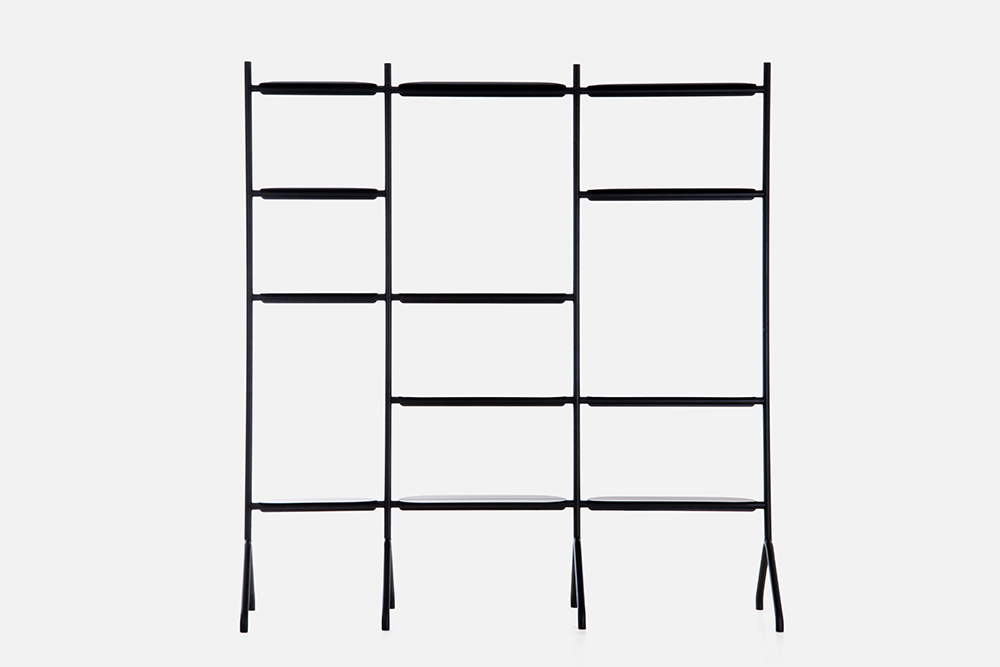
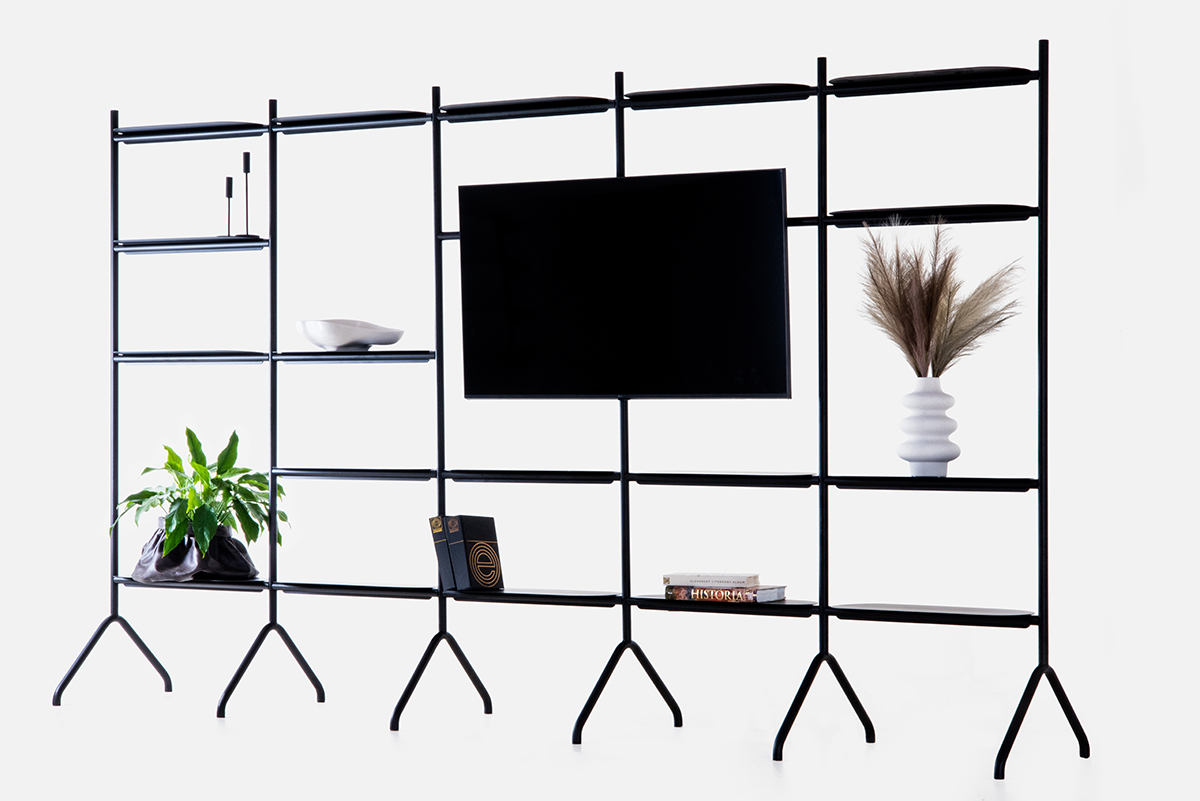
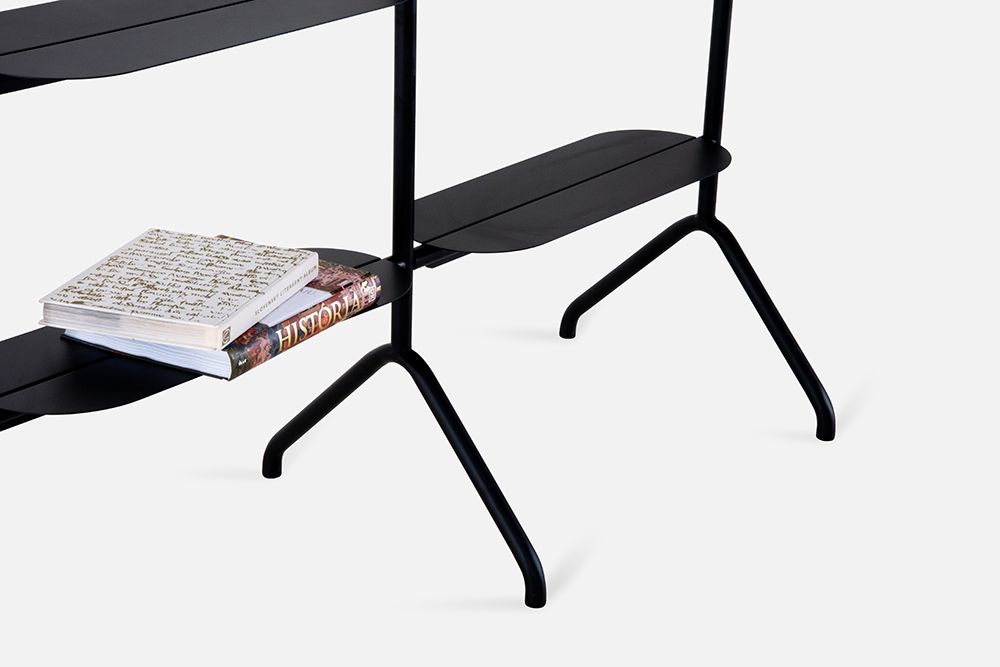
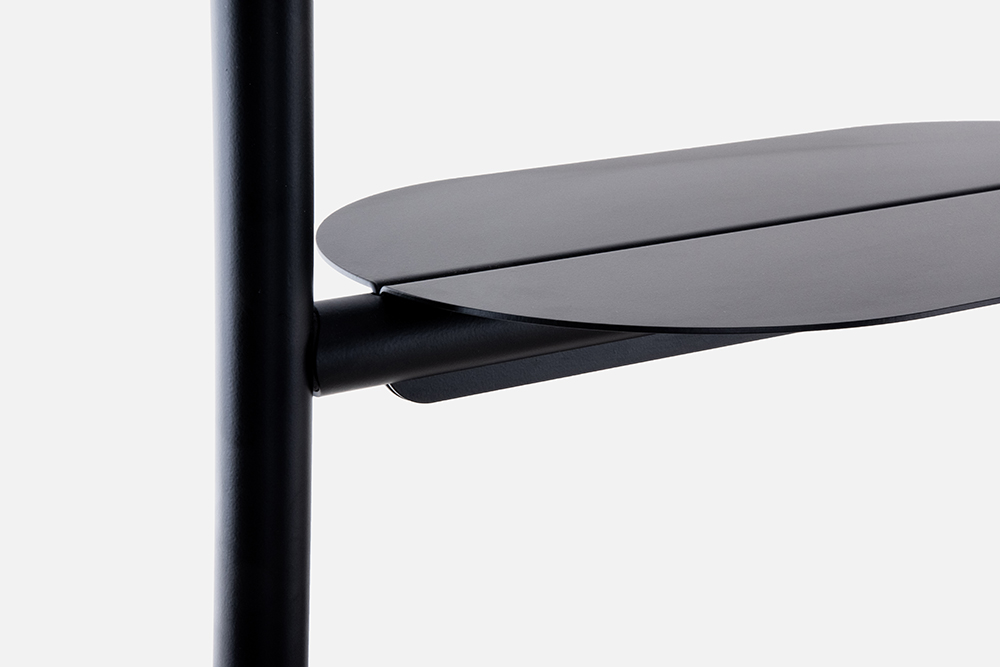
Butterfly combines slender vertical metal tubes with laser-cut shelves inspired by the profile of open wings. Small structural joints connect the components and allow the system to be configured in several ways: against a wall, fixed between floor and ceiling, used as a room divider or placed on a freestanding Y-shaped base. Shelves in two dimensions can be arranged at different heights, giving each composition its own density and balance. Because its structure remains open, Butterfly can define a boundary without producing a solid visual obstruction. Its practical adaptability is matched by a recognisable silhouette that does not depend on being fully loaded.
3. Shelfium by shelfium s.r.o., designed by melismichalko.sk
Slovakia, 2023
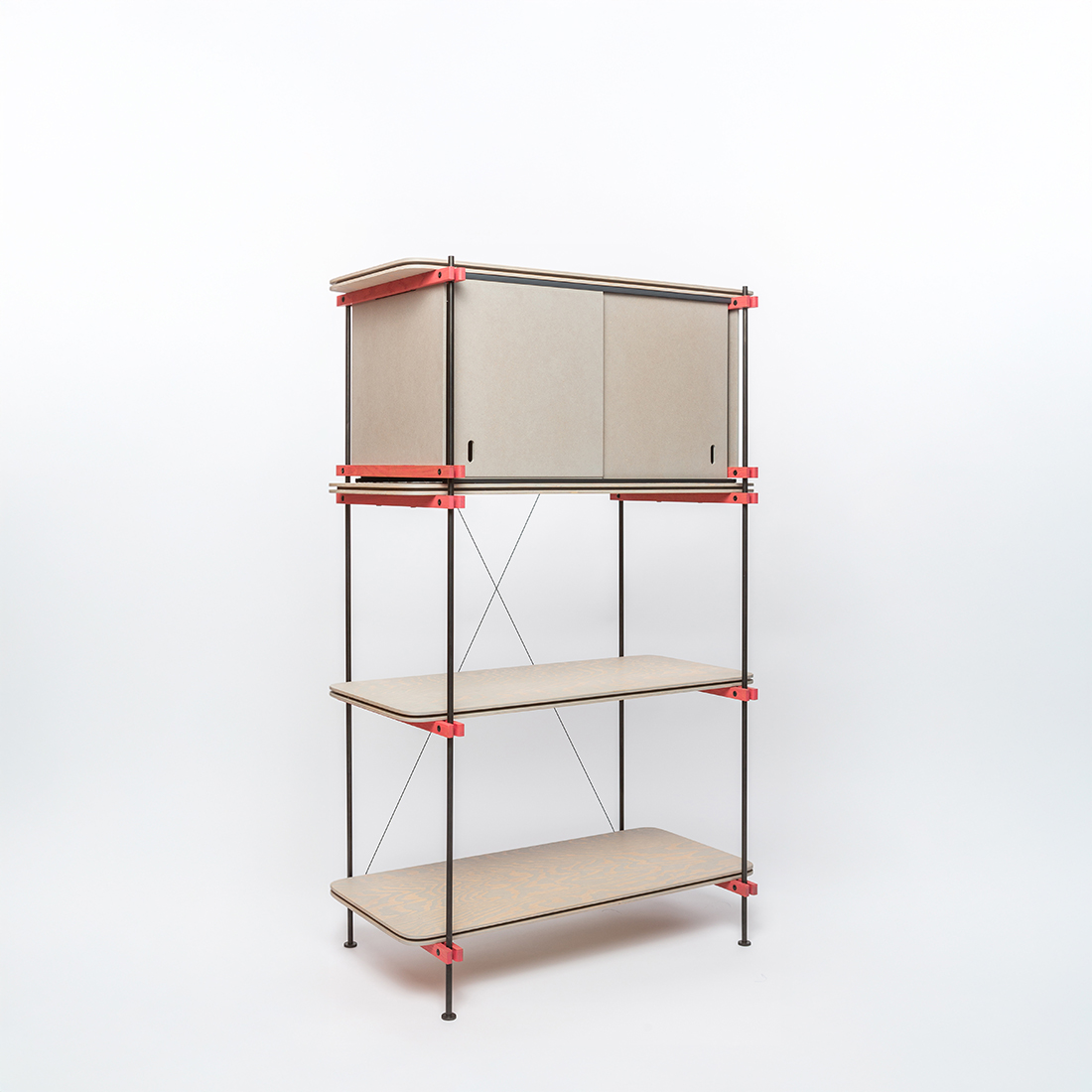
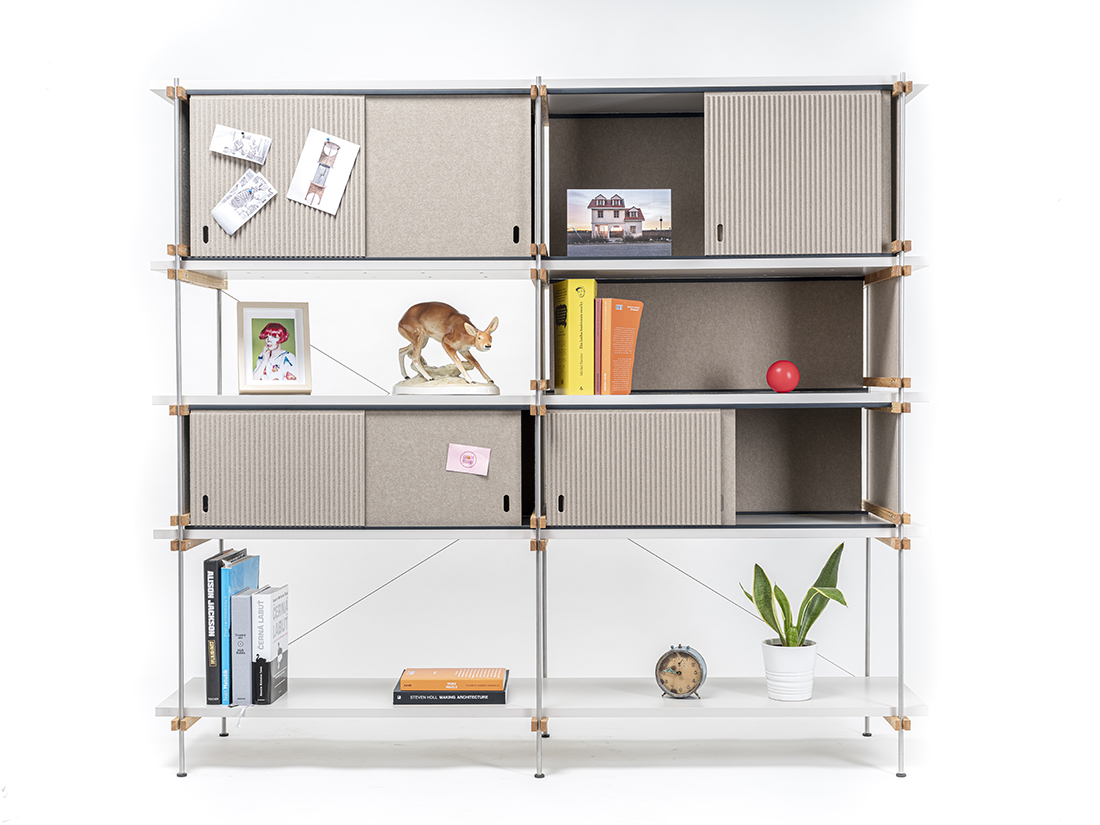
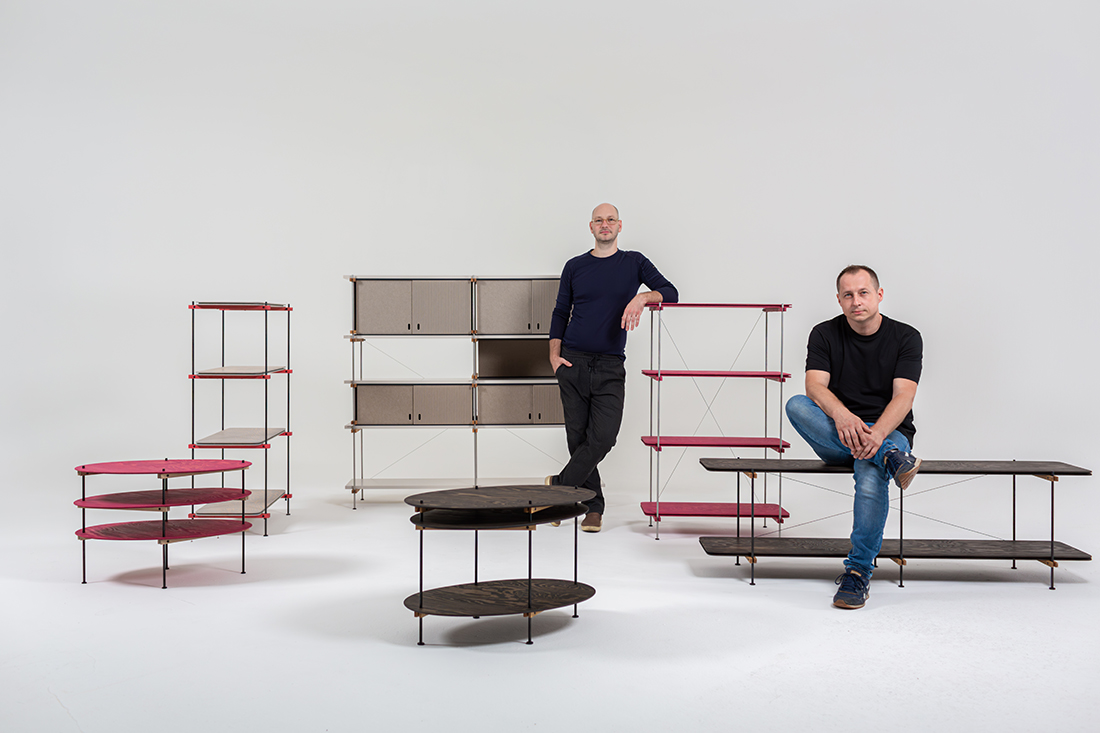
Shelfium begins not with a complete piece of furniture but with a connecting element that can unite different boards, drawers and found materials. Designed by Stanislav Meliš and Jozef Michalko, the system allows users to construct libraries, shelving units, lowboards, coat racks or room dividers from components selected for a particular interior. New and reclaimed materials can be combined within the same structure, making recycling and upcycling part of its practical logic. The final form is therefore not predetermined by the designers. Shelfium provides a framework through which functional storage can develop into a singular composition shaped by its materials and user.
4. Estante Adega by Fabrilis, designed by Fabrilis and Adriano Zago
Brazil, 2022
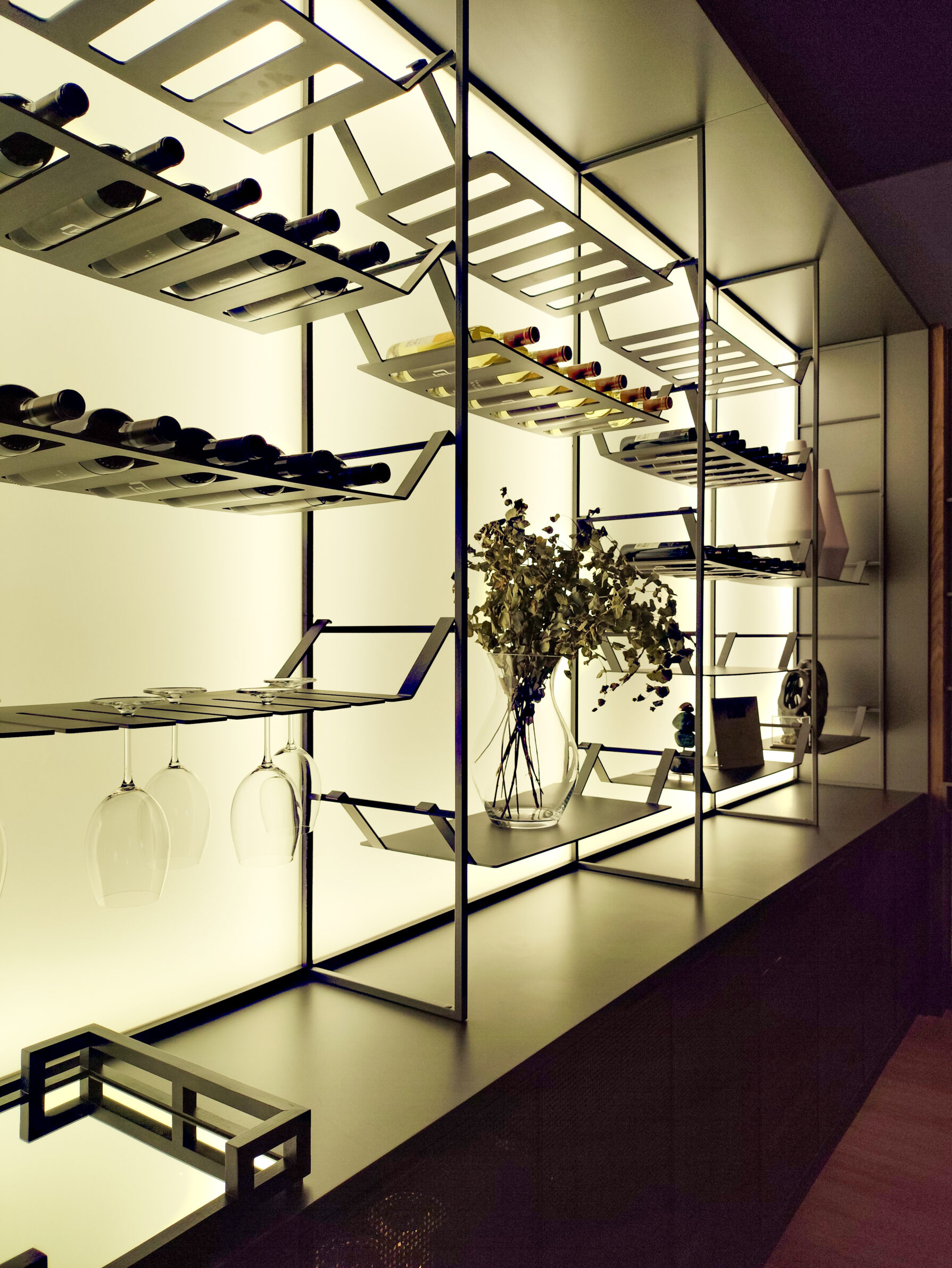
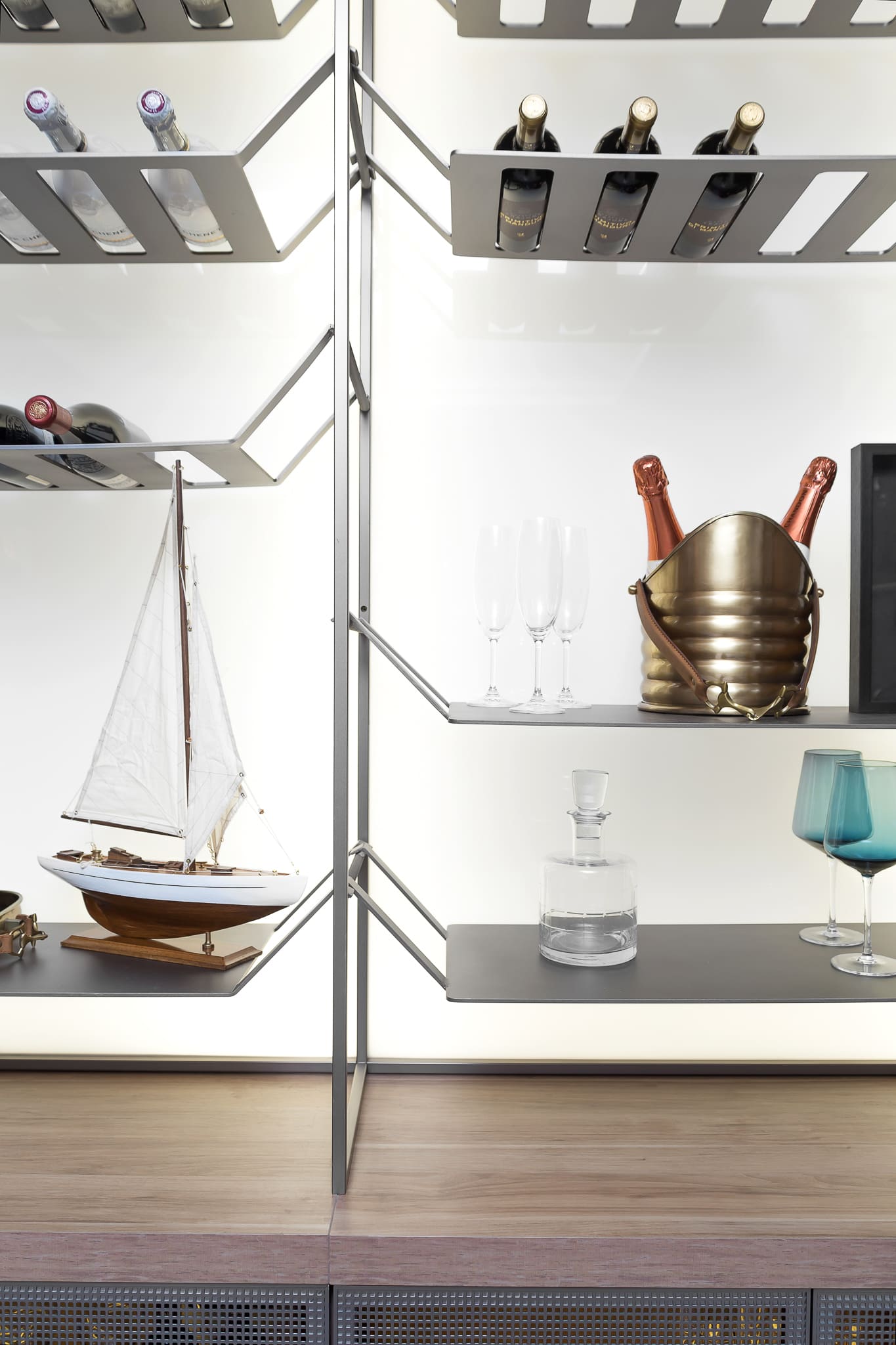
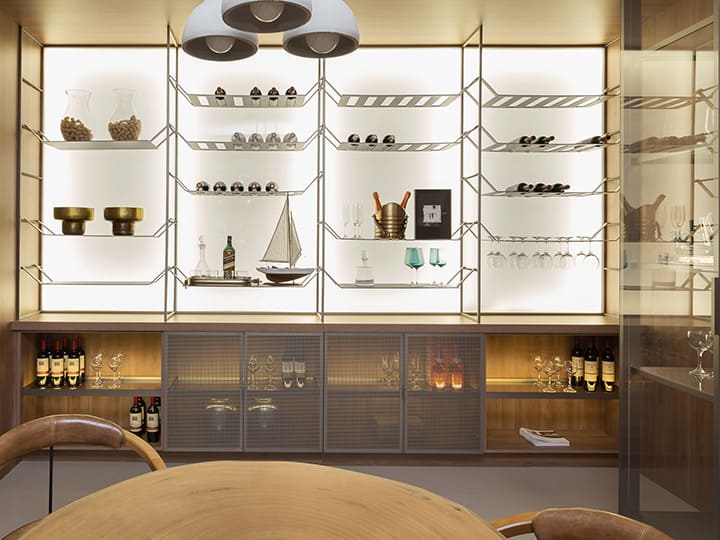
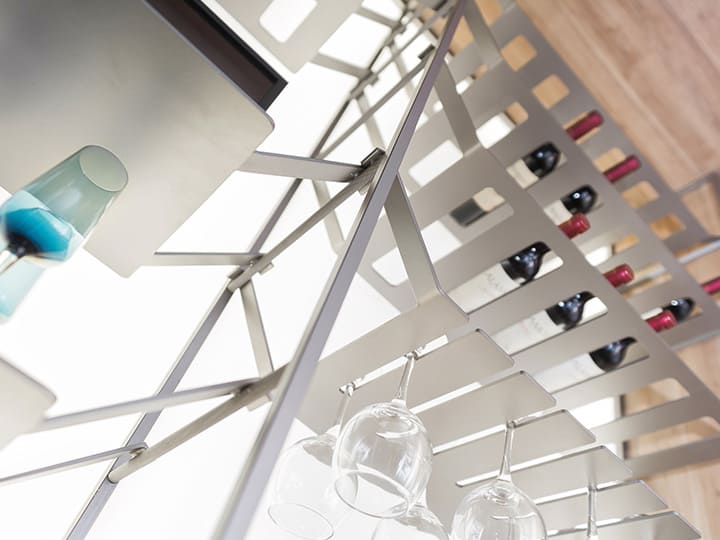
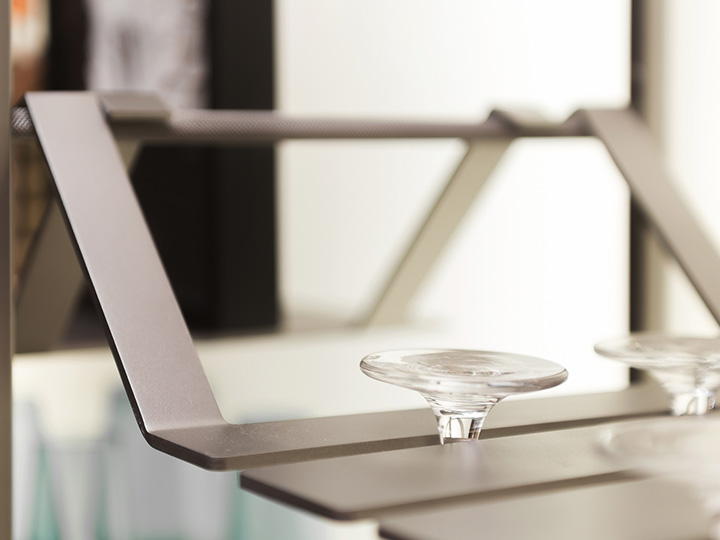
Estante Adega adapts the shelf into a specialised framework for storing and presenting wine. Its carbon-steel supports are precision-cut by laser, producing repeated geometric patterns that organise bottles while giving the structure a strong graphic quality. Horizontal lines establish the principal order of the piece, while Streta doors made from metal mesh introduce a finer layer of texture and partial transparency. The suspended supports and open sections allow the contents to remain visible rather than enclosed within a conventional cabinet. Although its programme is specific, the design demonstrates how storage requirements can generate an expressive metal structure instead of being concealed behind a neutral exterior.
5. Veliero Bookshelf by Filippo Andrighetto
Italy, 2024
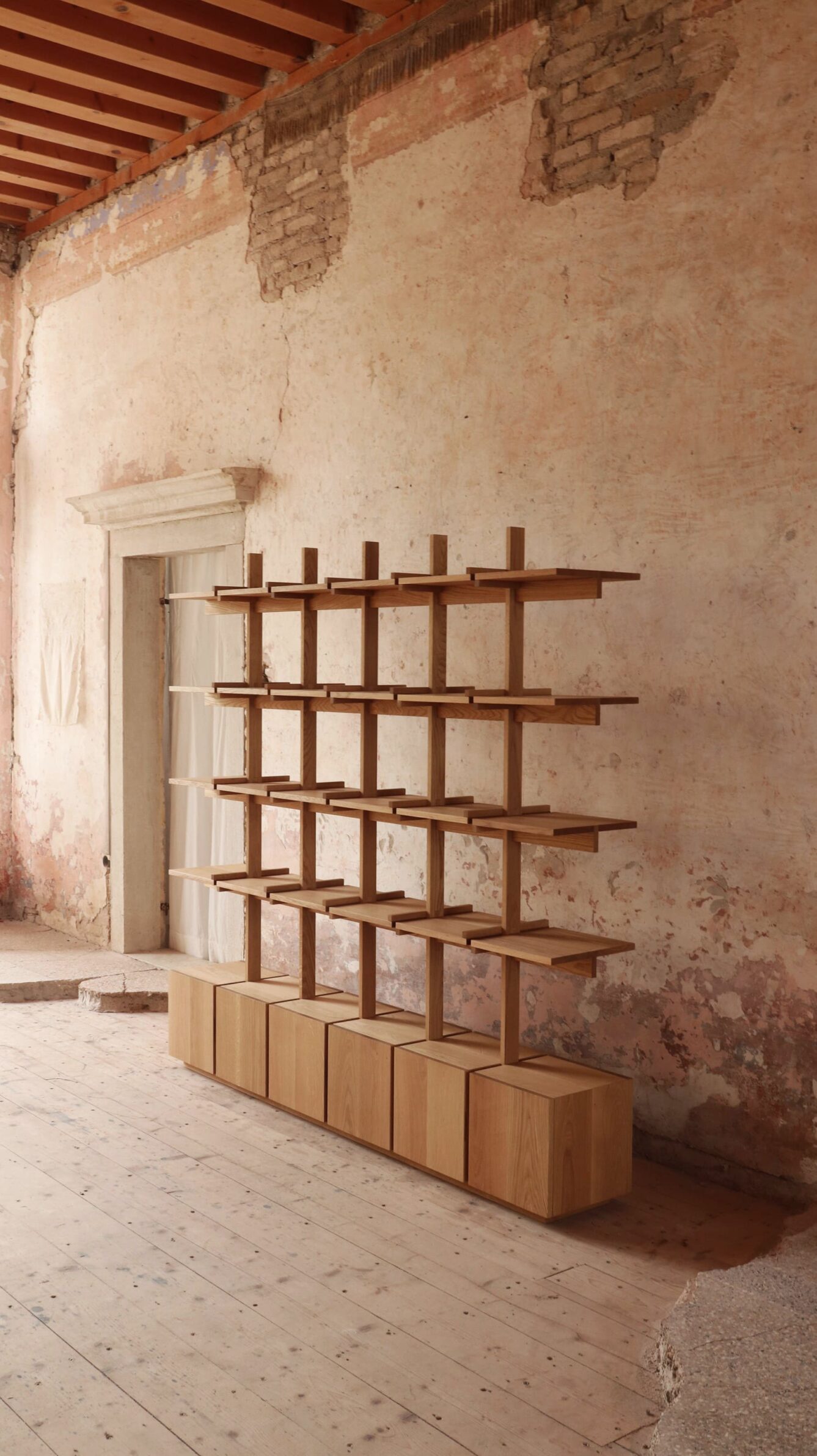
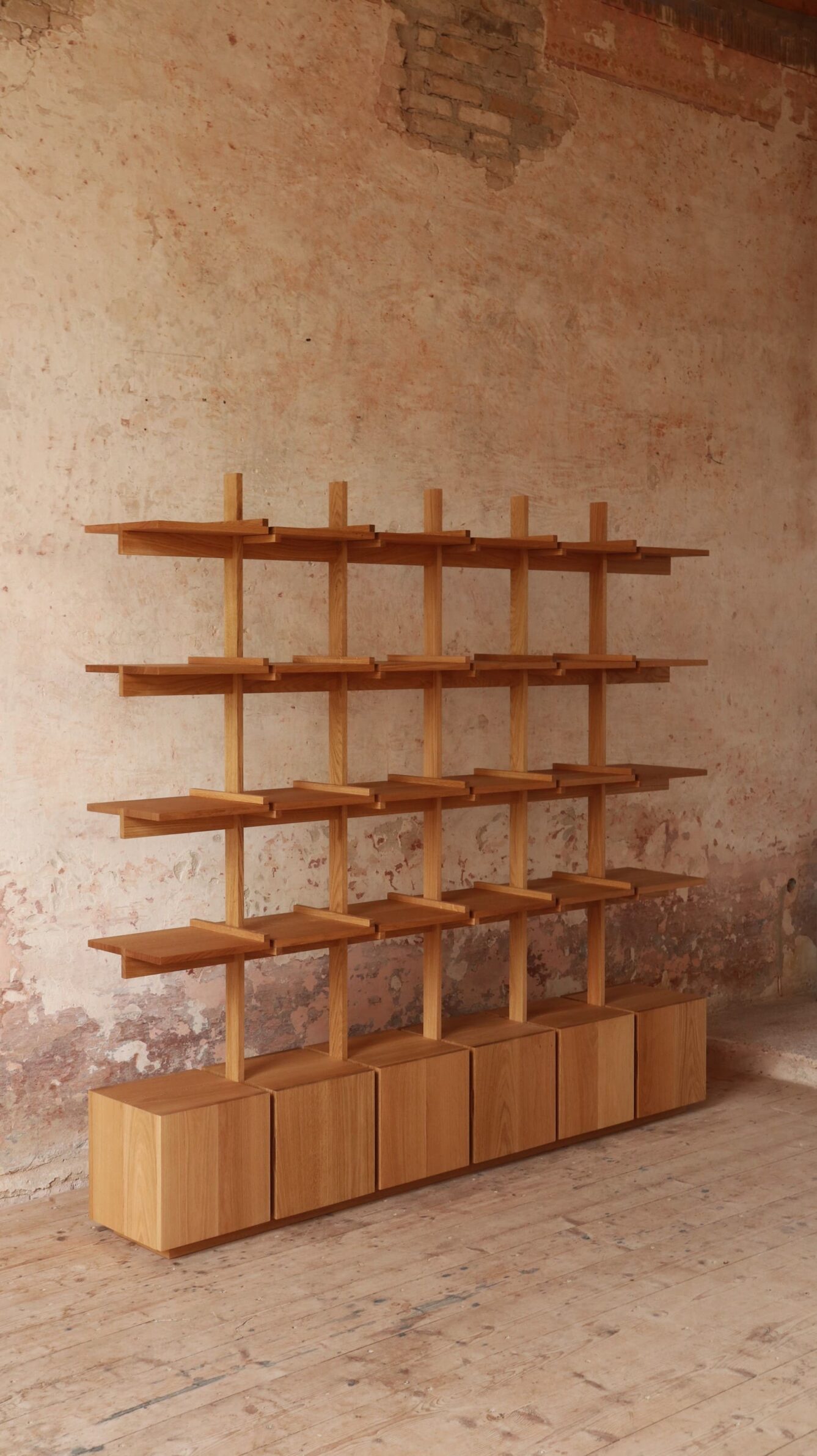
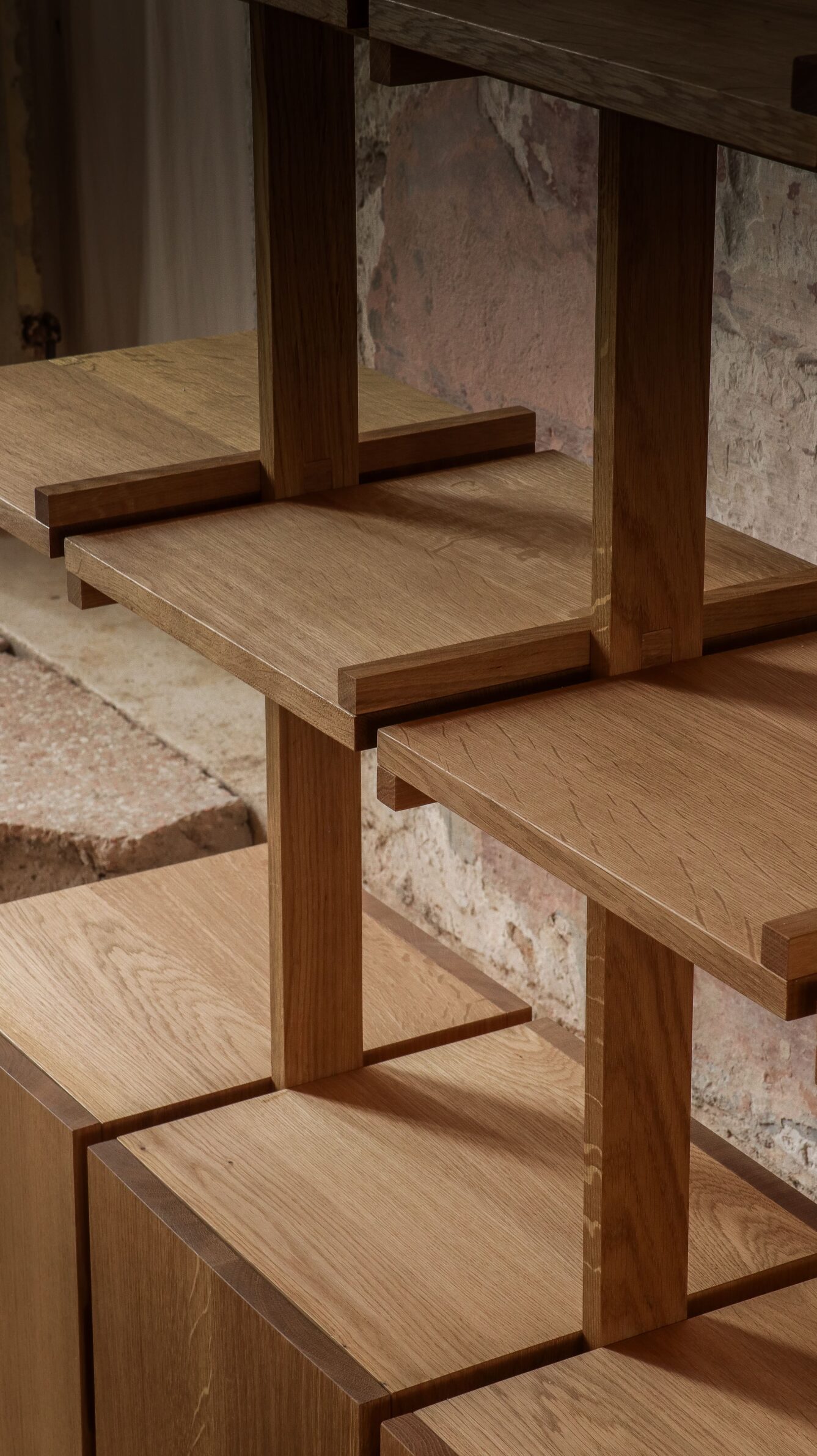
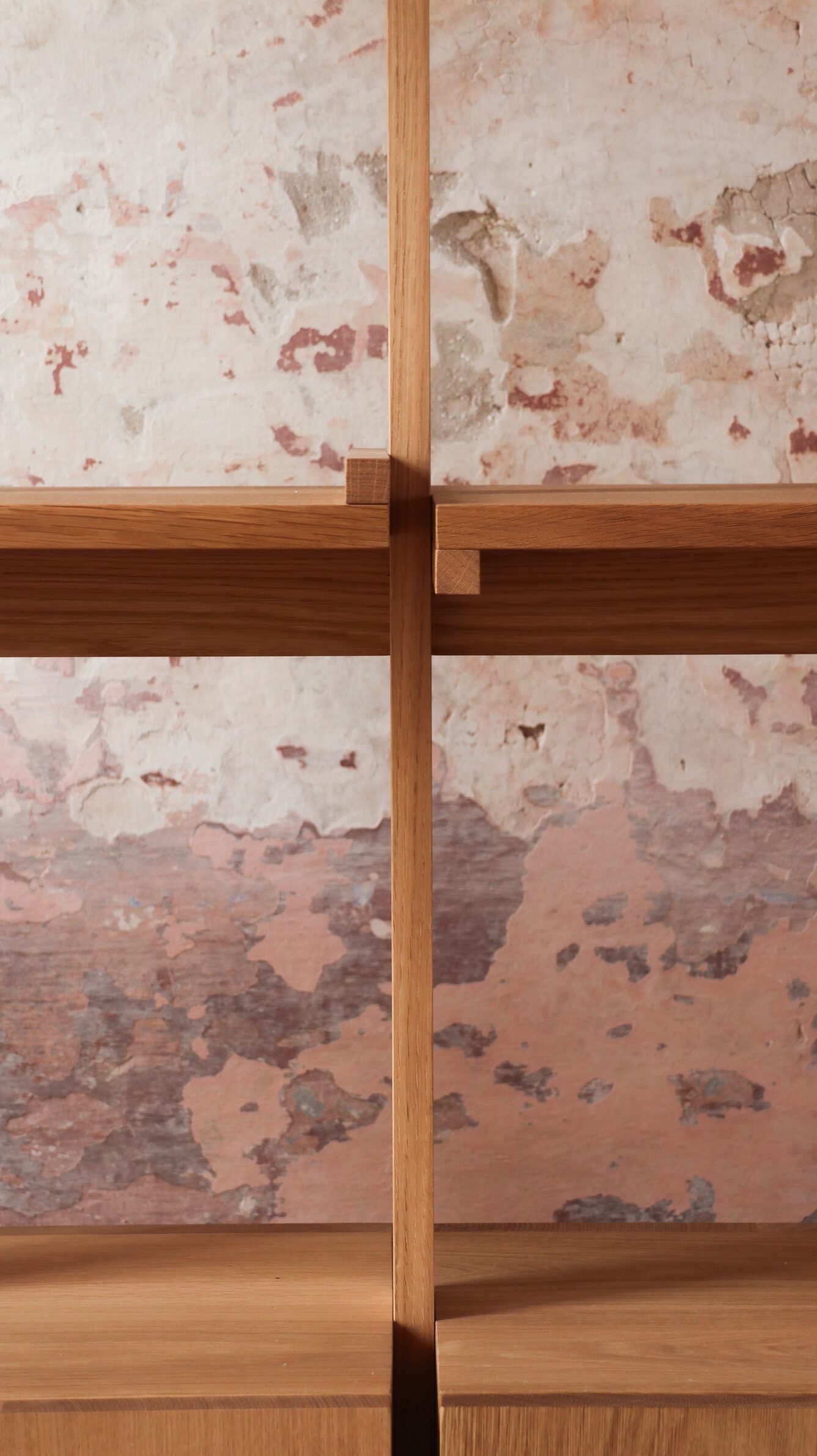
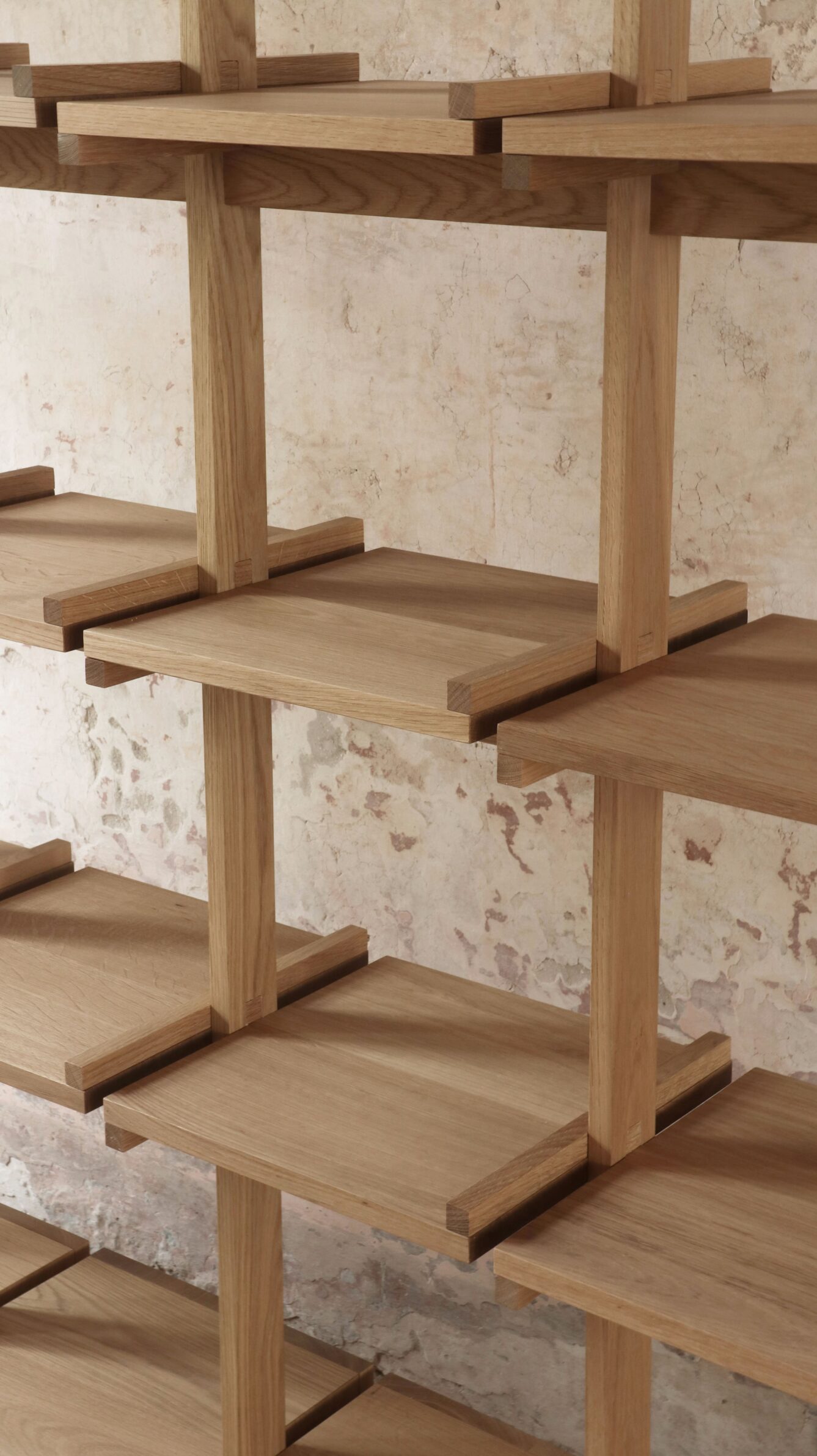
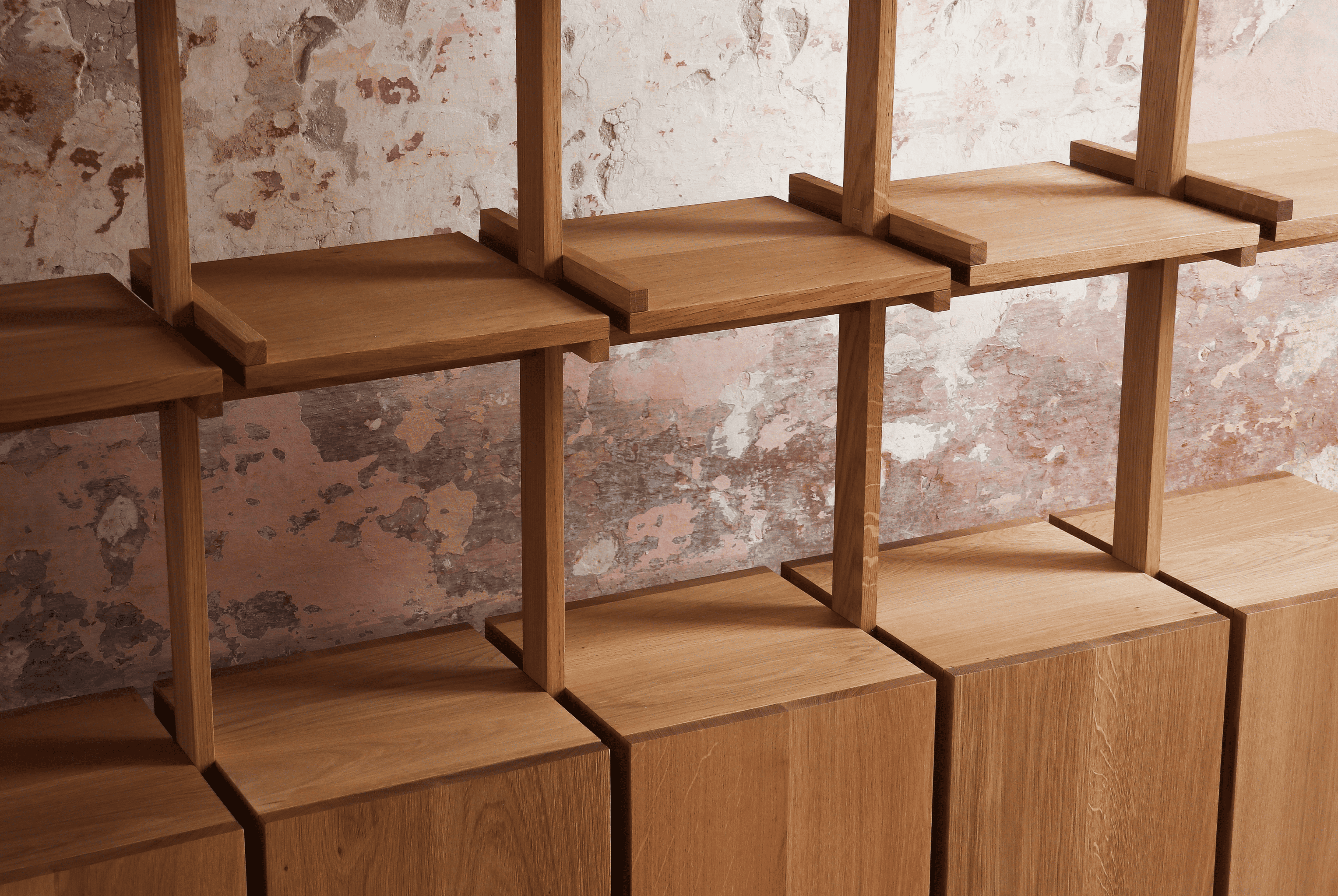
Veliero uses solid oak and fastener-free interlocking joints to bring construction to the foreground. The design draws from traditional Japanese carpentry and the material restraint of classic Danish furniture, combining substantial uprights with projecting horizontal shelves. Without visible screws or connectors, the joints become part of the bookshelf’s visual language rather than technical details to be hidden. The standard piece measures 220 centimetres wide and 200 centimetres high, while a custom modular version can be adapted to different settings. Its open, double-sided composition gives books and objects a clear frame, but the oak structure maintains its presence even when left largely empty.
A successful shelf must hold objects without disappearing behind them. Its proportions determine whether books appear compressed, isolated or collected into groups, while its open areas establish relationships with the wall, floor and surrounding furniture. The empty spaces are therefore as important as the surfaces carrying the load.
These designs approach that balance through different structural ideas: a plywood frame unfolds, metal tubes support wing-shaped planes, connectors bring unrelated materials together, and solid timber relies on interlocking joints. In each case, storage becomes a visible construction. The shelf provides order for the objects placed within it, while retaining enough formal independence to shape the room itself.
___
Works is an editorial series in the BIG SEE Magazine presenting carefully curated selections of architecture, interior and product design projects. Each article explores a specific theme, question or typology – sometimes through a collection of projects, sometimes through a single work that deserves closer attention. Rather than aiming for completeness, Works highlights projects that help us better understand the ideas, values and directions shaping the built environment today.
Powered by

Be There.

Edited by:
Tanja Završki
Photography ©:
Tischlerei Wolfgang Meusburger /
Federico Gianni and Tanja Foretic
Arteston /
Dalibor Marek
shelfium s.r.o. /
melismichalko.sk —
Stanislav Meliš and Jozef Michalko
Fabrilis /
Adriano Zago:
Gustavo Awad
Filippo Andrighetto