

3 Questions for Andra Ionel and Elena Zară
Q: What ideas or values are central to your architectural practice, and how are they reflected in Grădinița Bună at this stage of your studio’s development?
A: We believe architecture can change the conditions in which people grow, live and imagine their future. For the kindergarten, it was important not simply to provide a functional building, but to create generous spaces that honour the kids - spaces that allow them to dream big.
We wanted the kindergarten to have art and a large library, even though it was a social project where every cent was spent with care. Books and art do not fill the belly, but they feed the mind. We believe children need both.
“We believe architecture can change the conditions in which people grow, live and imagine their future.”
Q: How do you see contemporary Romanian architecture today, and which local conditions, traditions or transformations are shaping its development?
A: We feel that Romanian architecture often relies on importing Western or other established aesthetic languages. Traditional architecture is sometimes used as a starting point, but too often it becomes a pastiche rather than a genuine source of knowledge.
Romania has not yet developed a strong, continuous architectural culture of its own, and perhaps this is also part of what makes the country interesting. It is a place where different languages, influences and attitudes overlap, for better or worse.
We often think about Eastern Europe and its peripheral position in relation to the West. There is often a desire to catch up, to look for references elsewhere and to follow established languages. But being on the periphery can also be an advantage. It gives us the freedom to question what is already established and to find our own way of working.
“Being on the periphery can also be an advantage. It gives us the freedom to question what is already established and to find our own way of working.”
Q: What opportunities and challenges do you believe will define the next chapter of Romanian architecture, and what role do you hope a new generation of practices such as yours will play in shaping it?
A: Romania is a dynamic place, with a lot of energy, ambition and room for experimentation. We also see a broader challenge in architecture today: we are constantly surrounded by images of architecture. They can be inspiring, but they can also become overwhelming. The constant comparison can make architects insecure about their own work and, in the end, paralyse them. We believe architecture is more than a nice image. A building has to be experienced. It has to create space, atmosphere and a relationship with the people who use it. As a young practice, we want to contribute by making architecture that goes beyond the image - architecture that has a strong presence and a strong experience of space.
“A building has to be experienced. It has to create space, atmosphere and a relationship with the people who use it.”
About Grădinița Bună
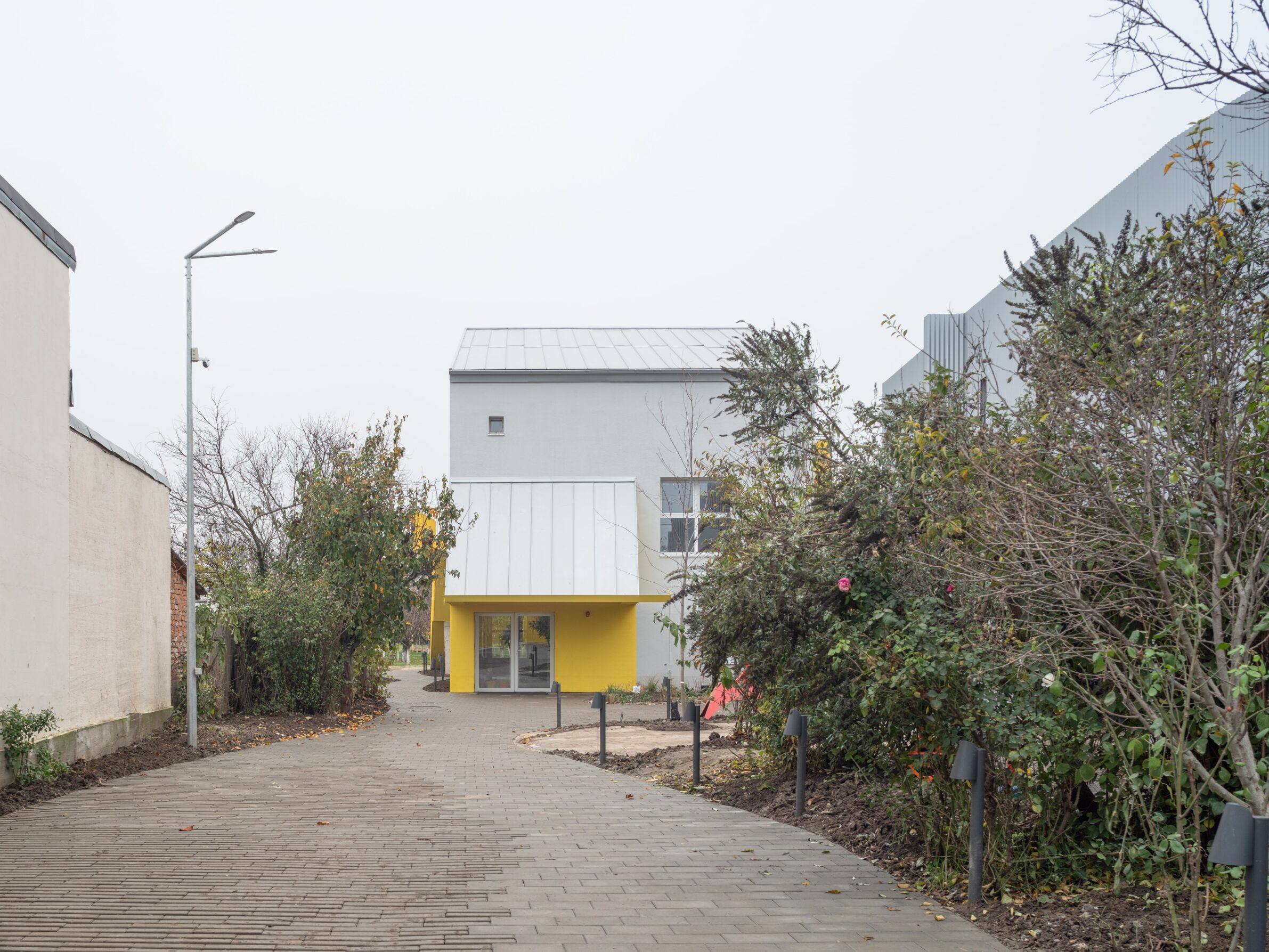
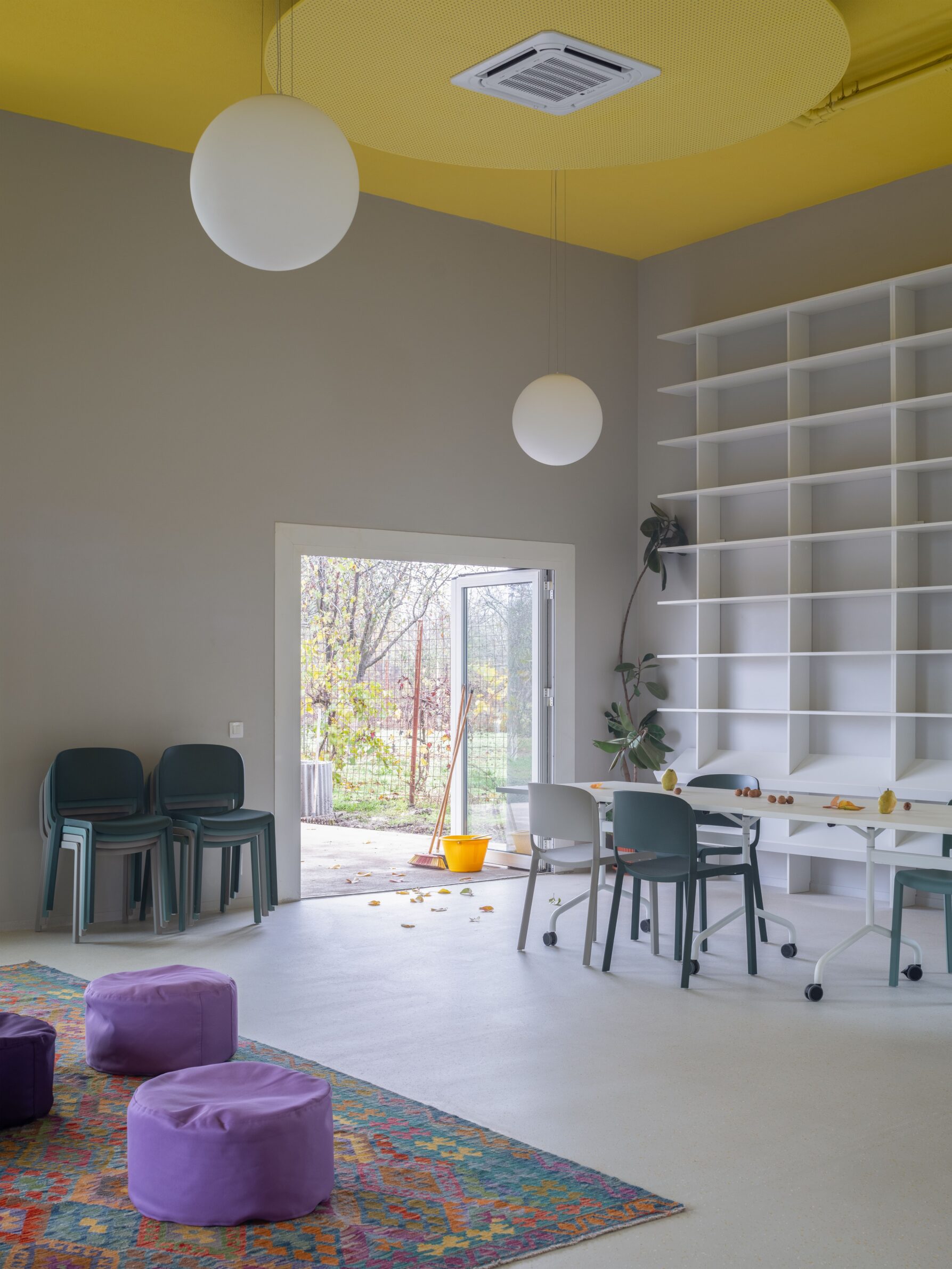
The non-formal kindergarten is conceived as a house for Roma children from disadvantaged families. Initiated by Casa Bună Association and built with the support of volunteers, the project is shaped by a collective effort.
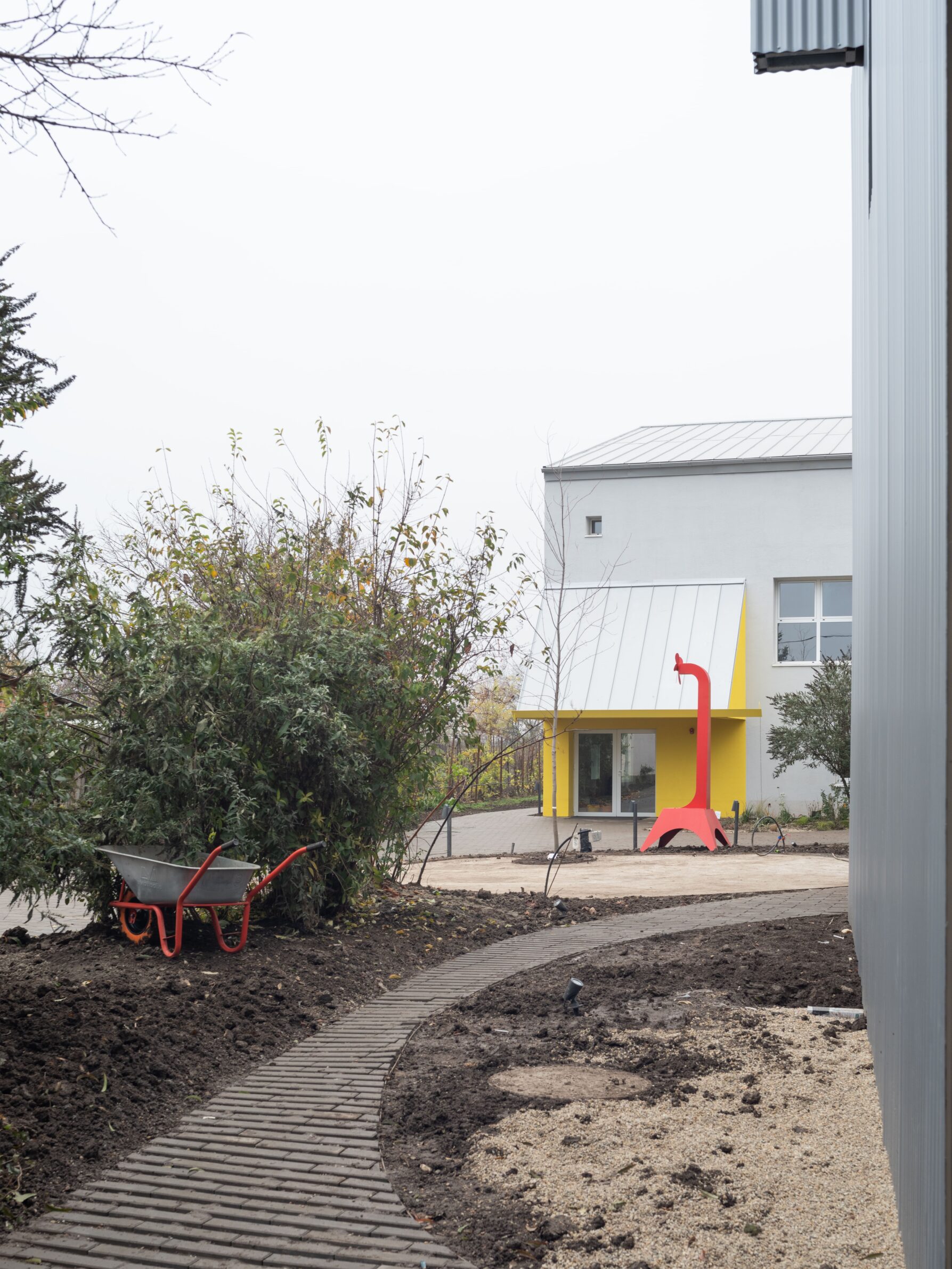
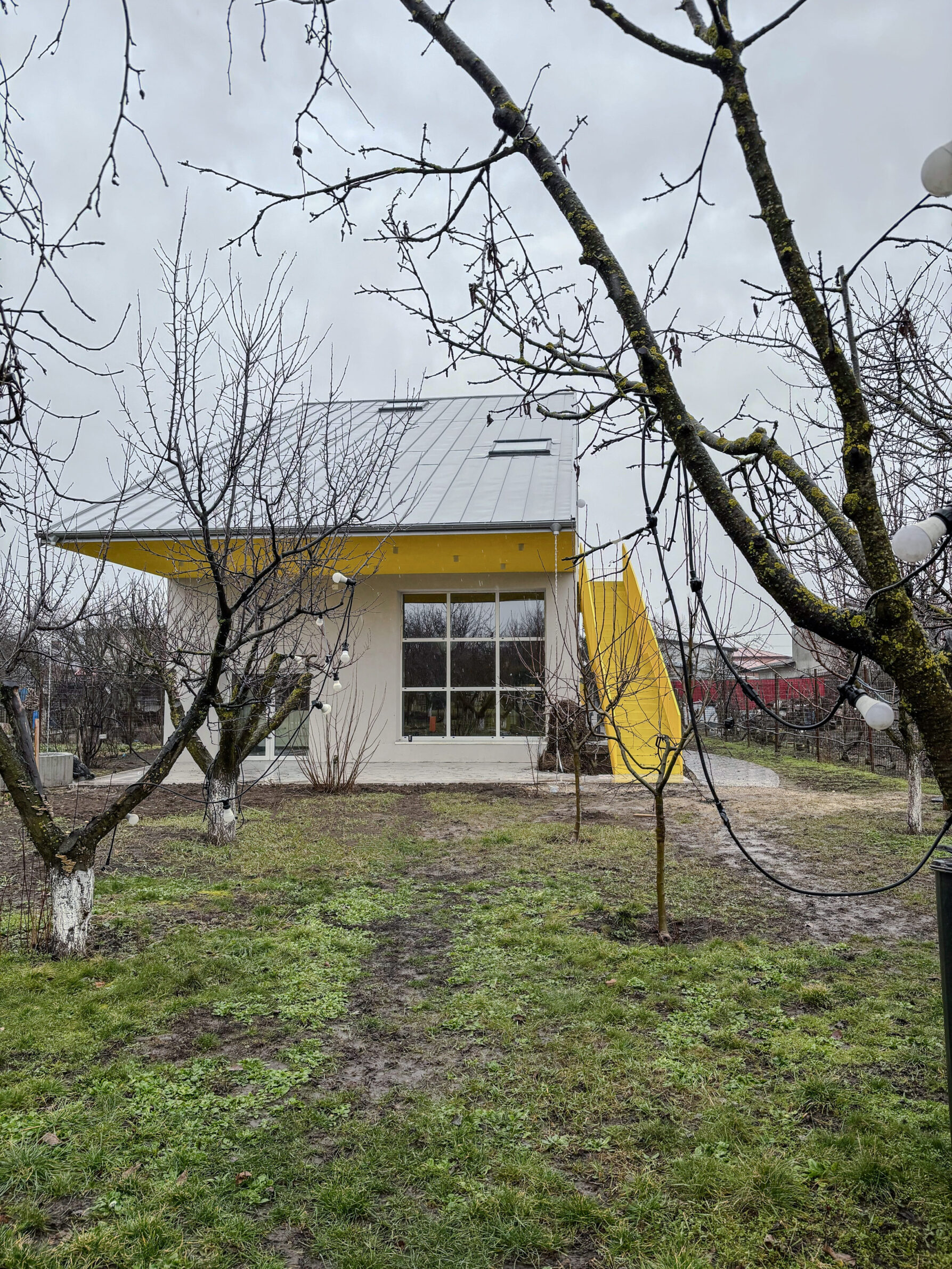
The building does not start from a specific typology. It is neither a house reduced in scale nor a domesticated institution, but something closer to a citadel: a compact and strong presence that the community can claim as its own.
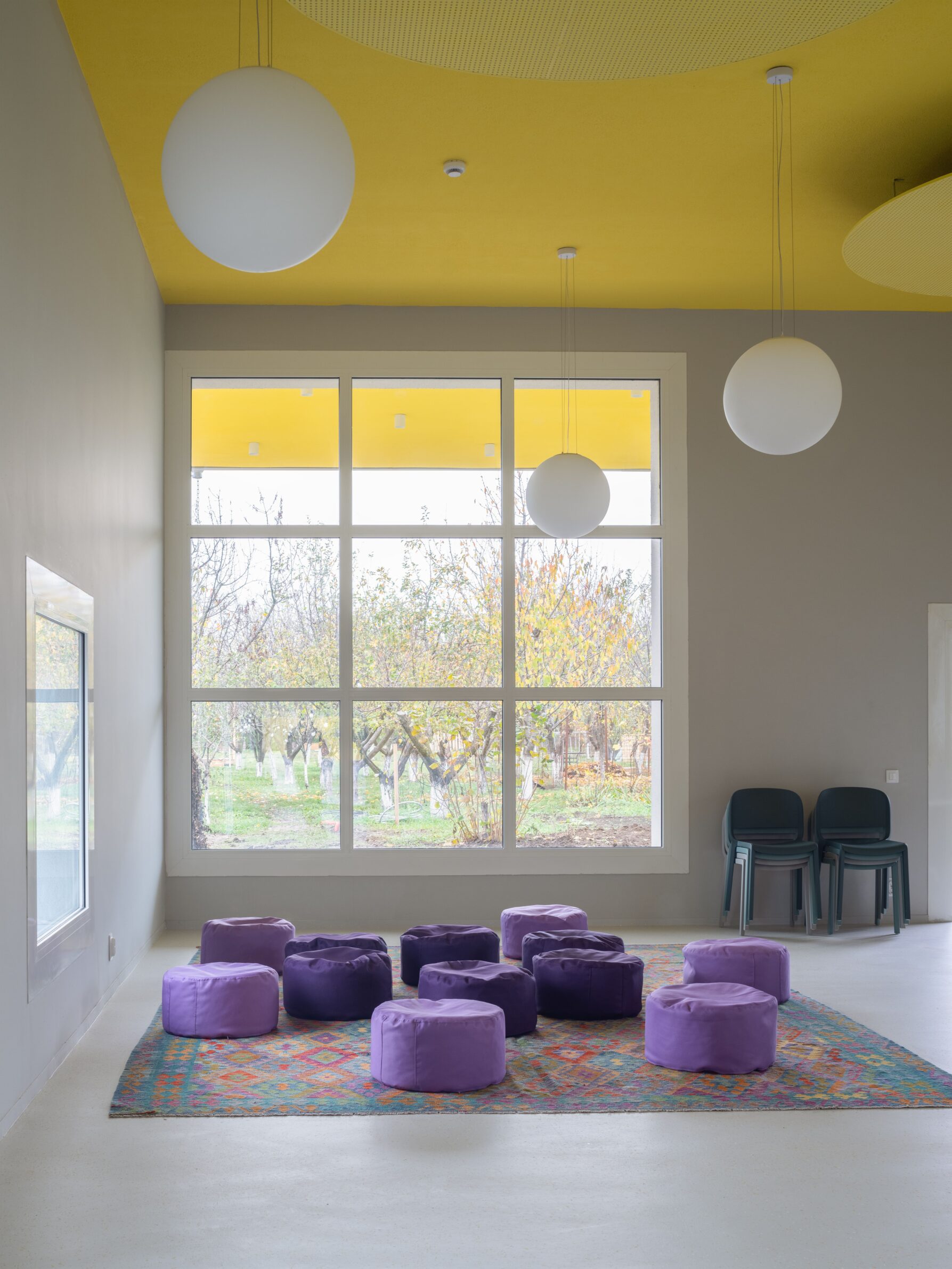
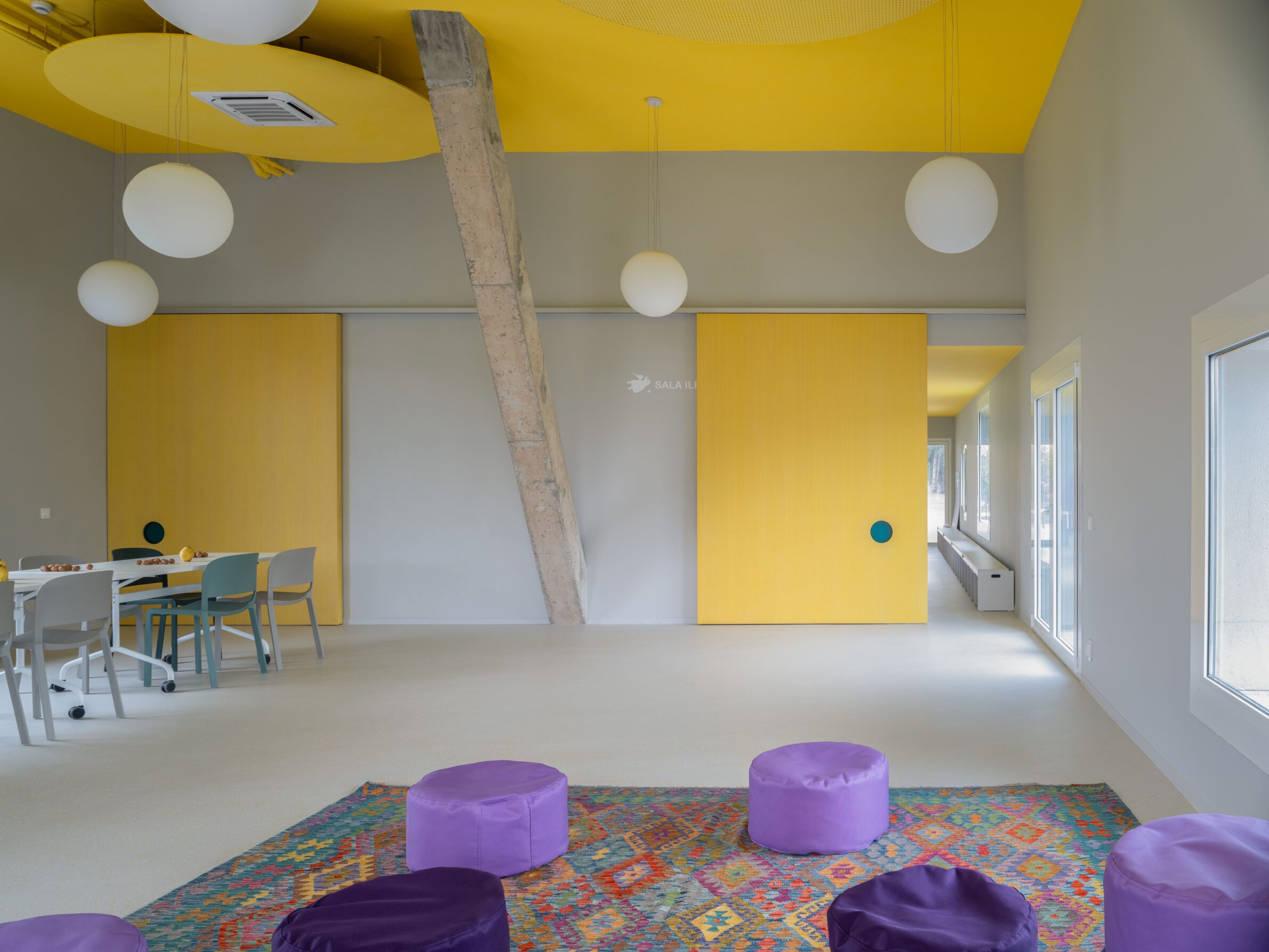
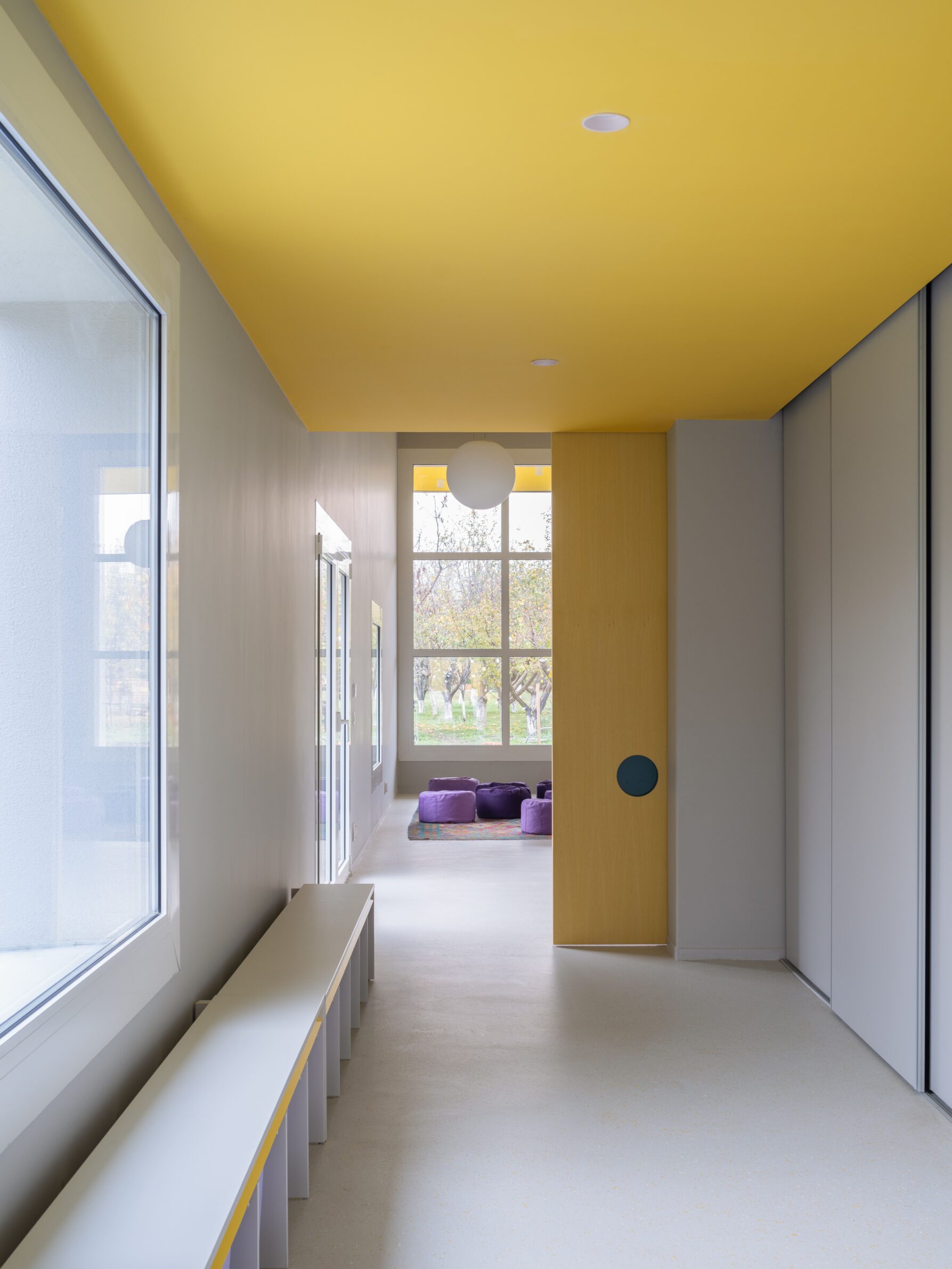
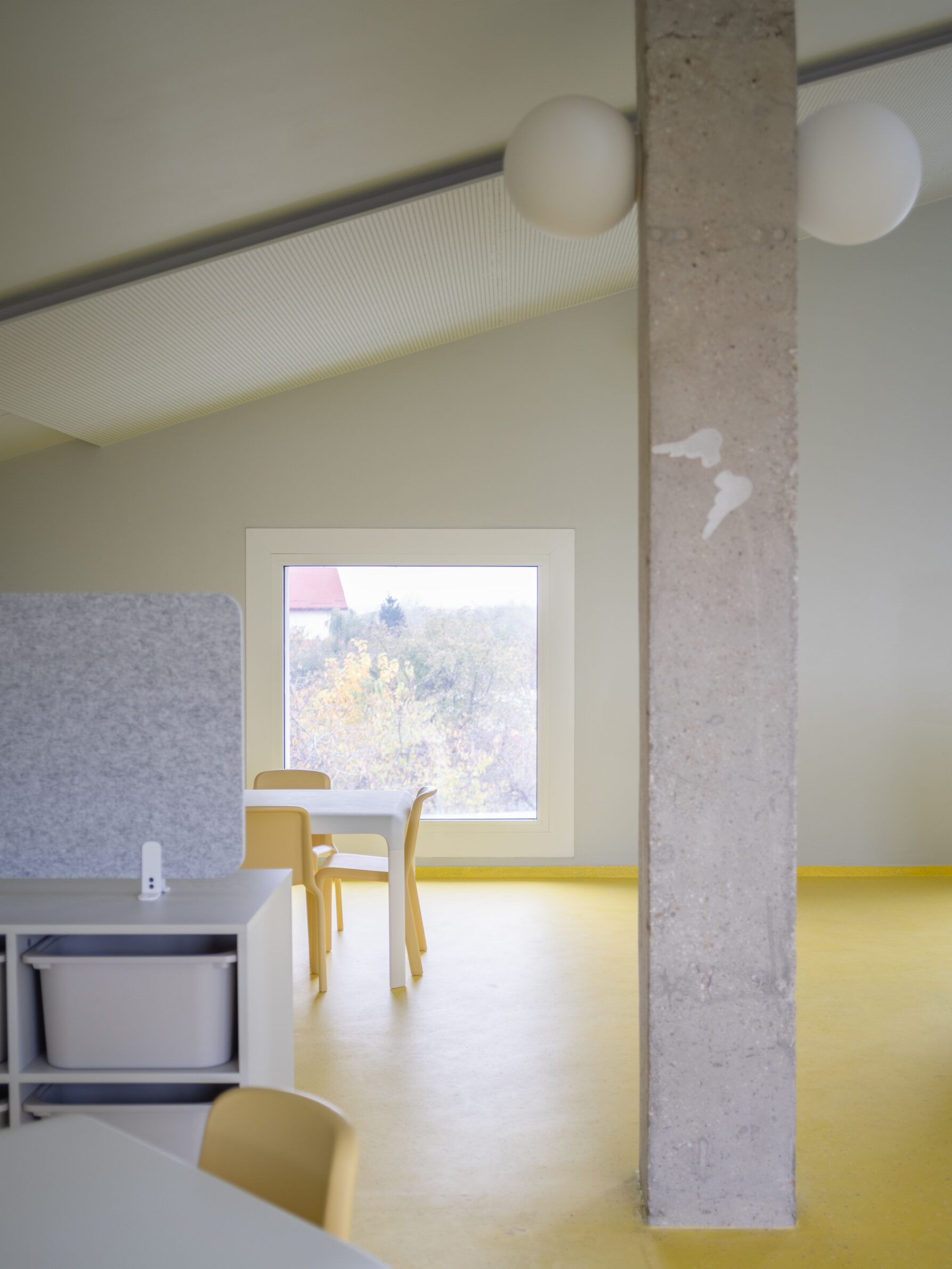
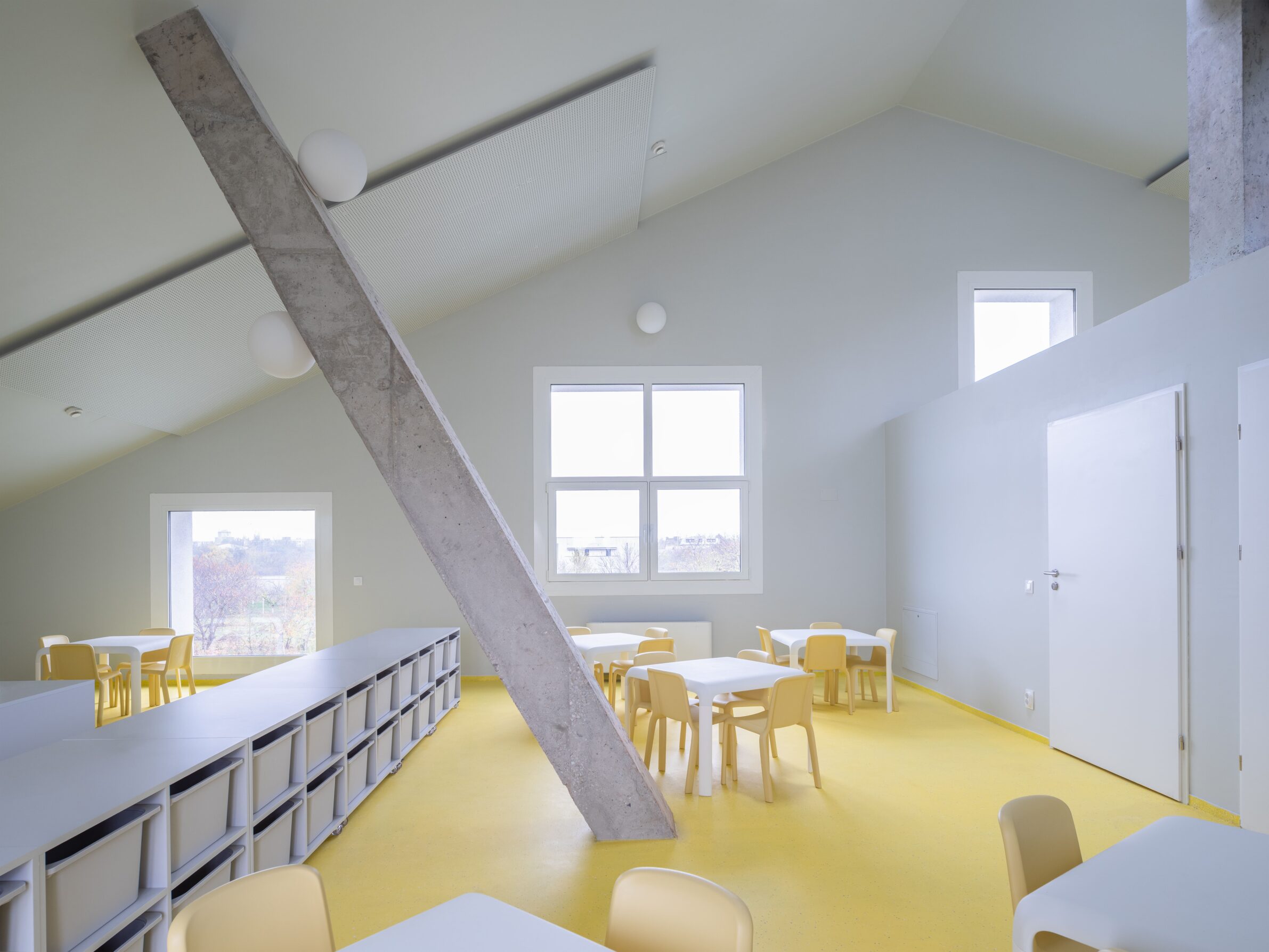
Inside, the spaces are brought together in a complex configuration. The ground floor opens into a generous multifunctional hall that accommodates dining, classes, and gatherings. The hall continues toward the orchard and opens directly onto the landscape.
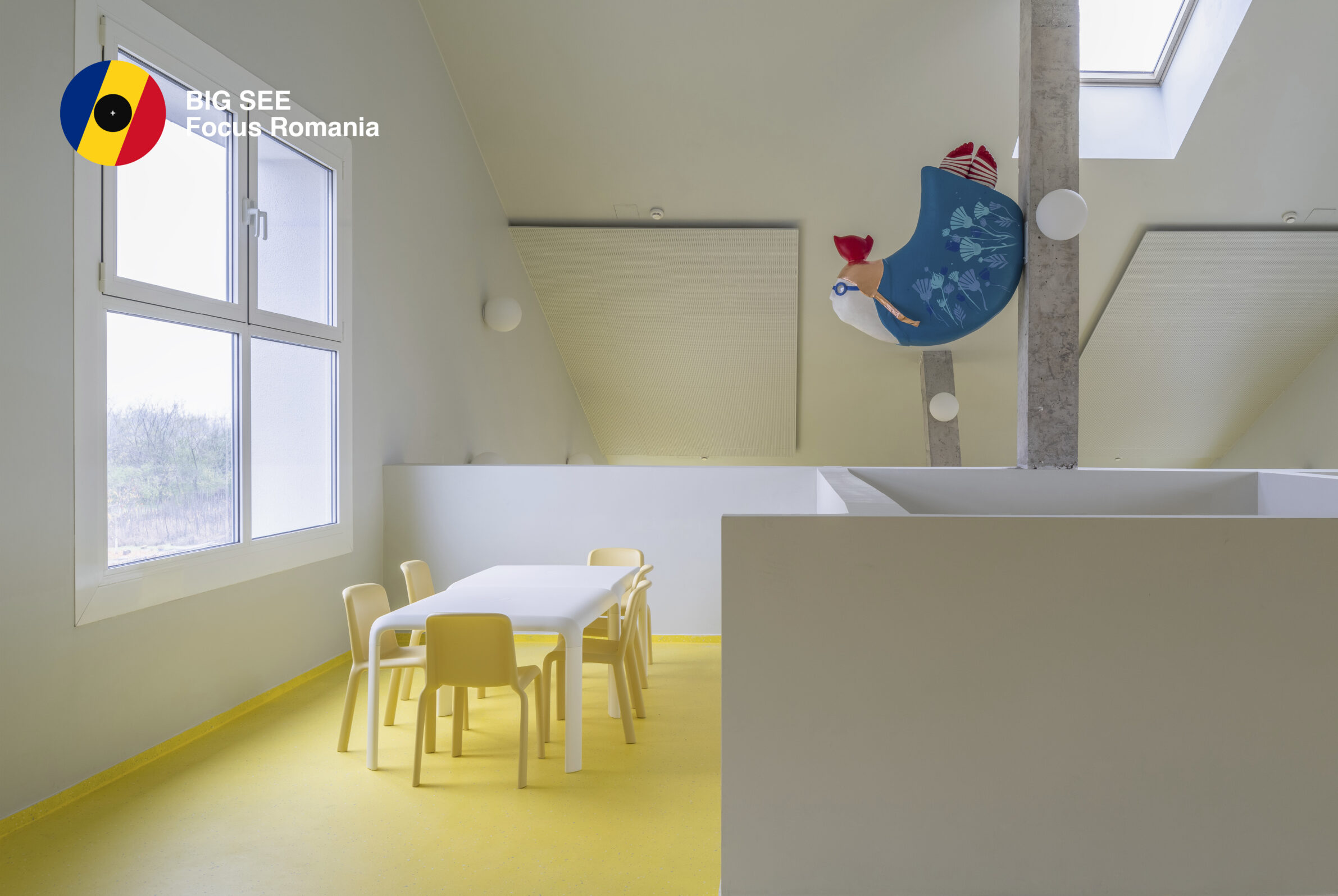
Between the ground floor and the roof, an intermediate floor creates a simple spatial structure that can accommodate different functions.
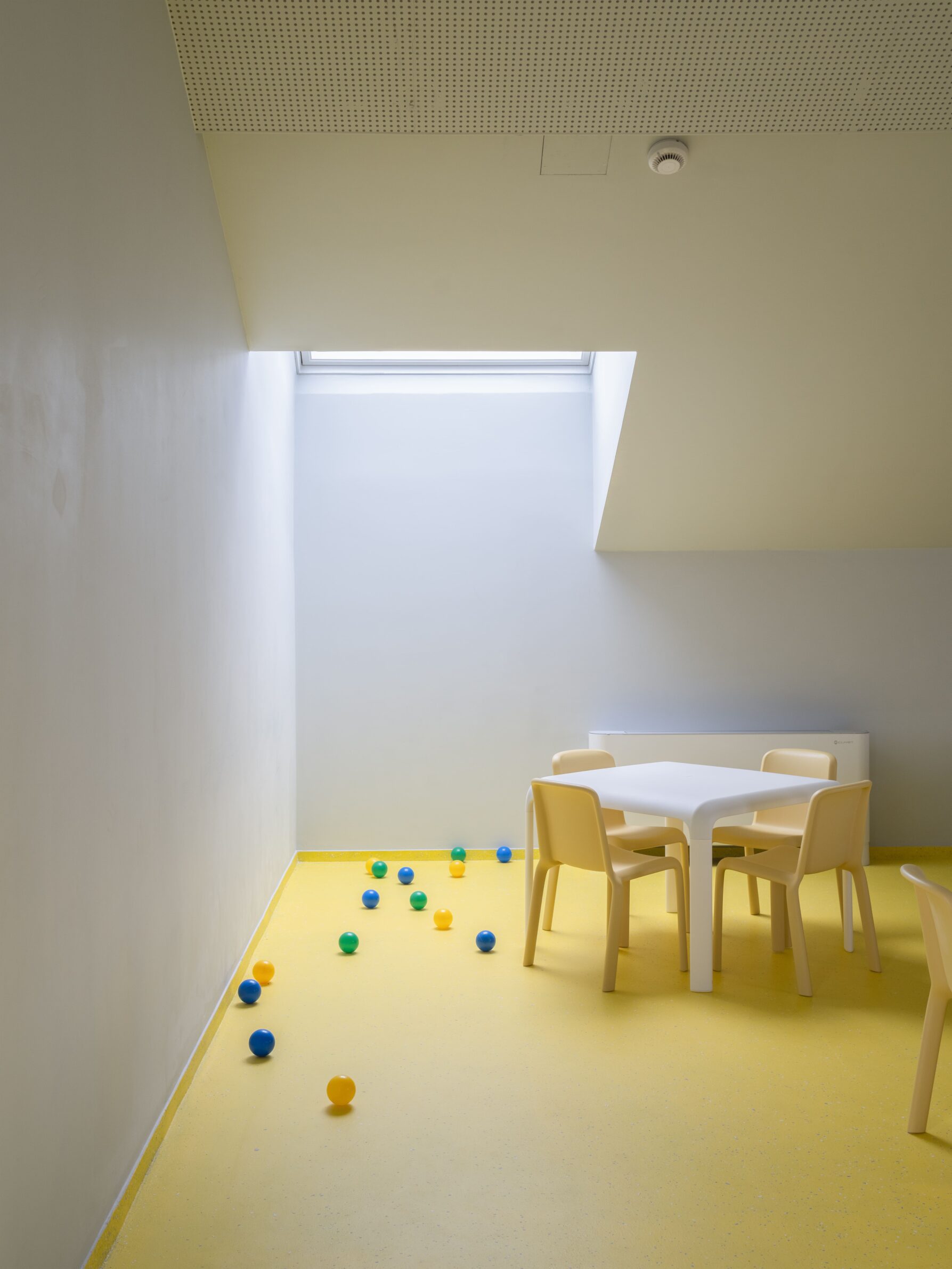
The roof defines the main space of the kindergarten. With a single gesture, it creates spaces of different sizes beneath it, from large areas for collective play to smaller places for retreat. The space becomes a playful landscape where children can move, explore, and express themselves freely.

Andra Ionel,
Architect and Co-Founder of ZEIA Studio

Elena Zară,
Architect and Co-Founder of ZEIA Studio
ZEIA is an architecture studio founded by Andra Ionel and Elena Zară. They aim to create memorable spaces and explore the infinite possibilities of architecture, beyond dogmas and social conventions. Their first project is a kindergarten in Jilava. They are active in the European context, working on competitions, projects and publications.
Andra Ionel lives and works between Leipzig, Mendrisio, and Bucharest, three diverse environments that continuously shape and shift her perspective. Andra Ionel studied architecture at the University of Architecture and Urbanism Ion Mincu (UAUIM) in Bucharest and at the Karlsruhe Institute of Technology in Germany. She has worked in several offices across Europe and the USA, in Basel, Freiburg, Karlsruhe, and New York. Since 2020, she has been a lecturer at the Accademia di Architettura in Mendrisio, where she teaches a first-year Bachelor’s design studio.
Elena Zară has made Bucharest her home. She has contributed to various NGO initiatives and collaborated with Pro Patrimonio. For over six years, she worked as a project architect and team leader at ADNBA, contributing to a variety of housing projects at different scales and typologies. She began her doctoral studies at UAUIM, focusing on housing cooperatives and exploring questions around contemporary architectural language, the role of the architect, and contemporary forms of living. She taught for several years at the Department of History and Theory at UAUIM. For her, teaching architecture is directly connected to professional practice.
Project
Grădinița Bună
Studio:
ZEIA Studio
Year of Completion:
2024
Location:
Bucharest,
Romania
Photography:
Mihai Rotaru, Elena Zară
Edited by:
Tanja Završki
Powered by

Be There.