


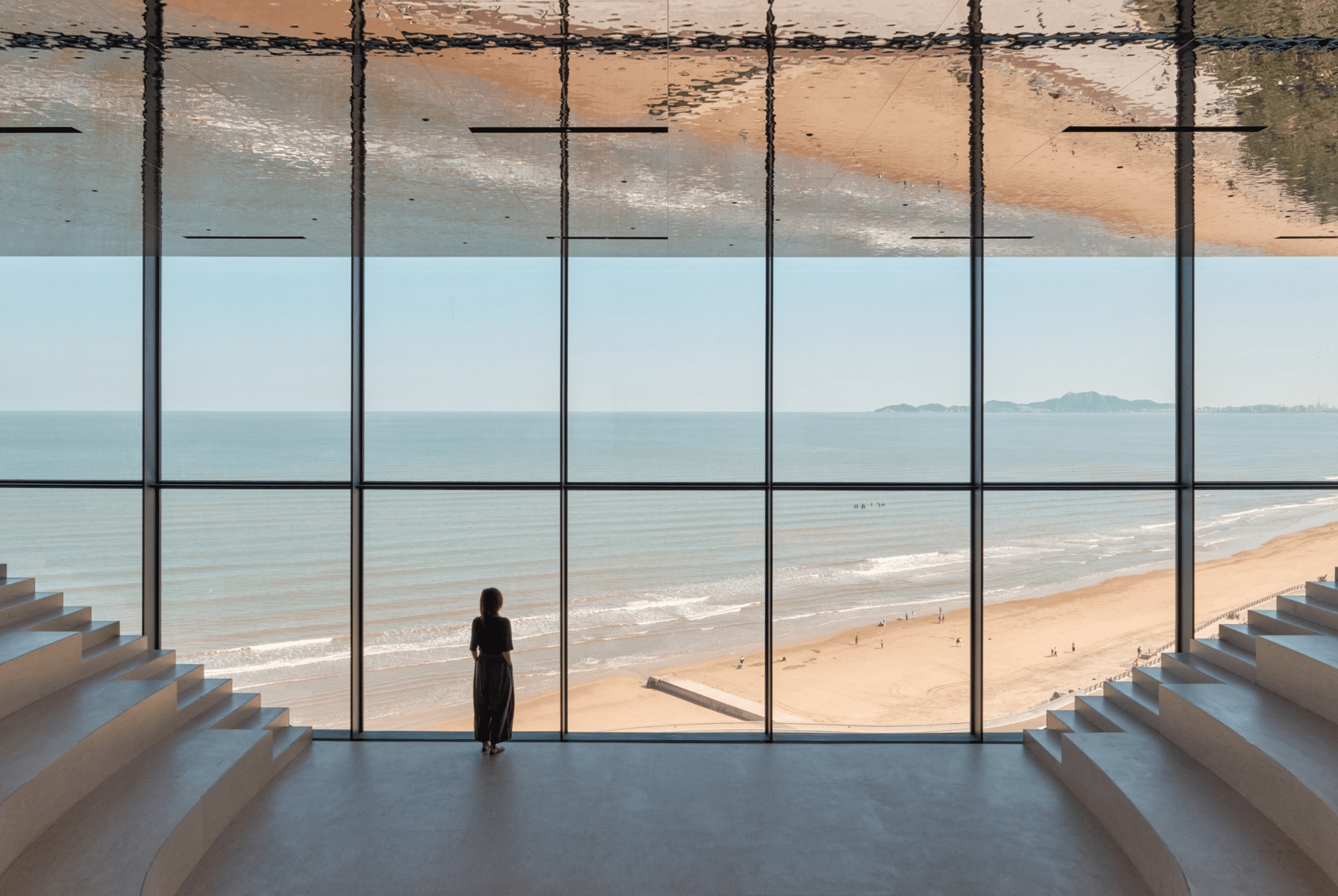
Four structures turn looking into a two-way relationship: they open distant views while becoming points of orientation within the landscape.
Observation architecture works in two directions. It raises the body, frames the horizon and makes distant features newly visible. At the same time, its own height, silhouette or position attracts attention from below and from afar. A lookout or lighthouse therefore belongs both to the person standing within it and to the wider landscape that reads it as a marker.
These four projects explore that reciprocity in different ways. One turns discarded shipping containers into an elevated destination above agricultural fields. Another aligns a coastal cultural tower with the movements of the sun. A waterfront terminal organises its spaces around views towards a historic navigational structure, while a lighthouse on Lake Geneva becomes both an inhabited viewpoint and a guiding light. Looking is not simply the activity that happens at the top; it shapes the building from the first step.
1. Lokout above Litomyšl by atelier-r
Czech Republic, 2025
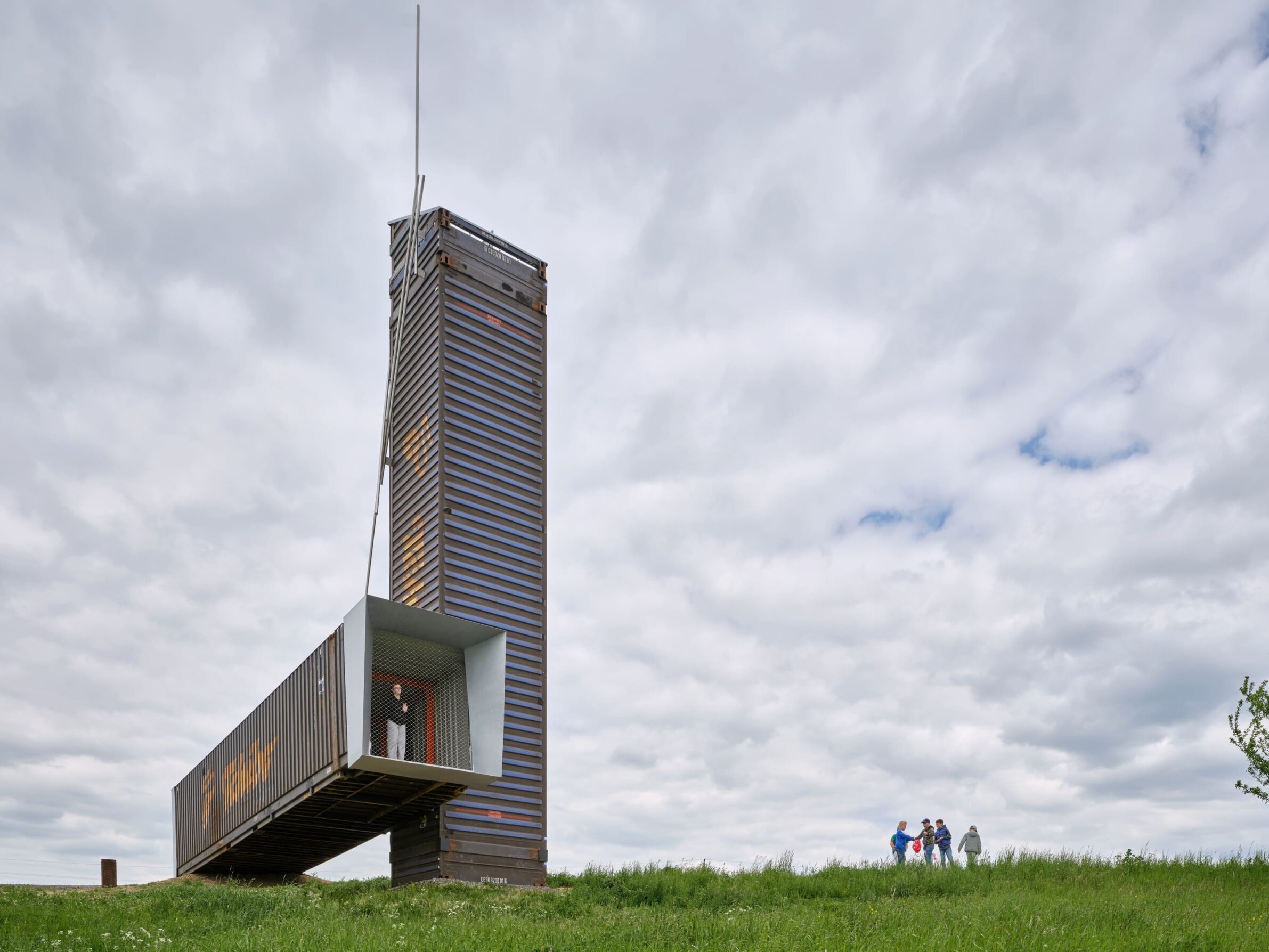
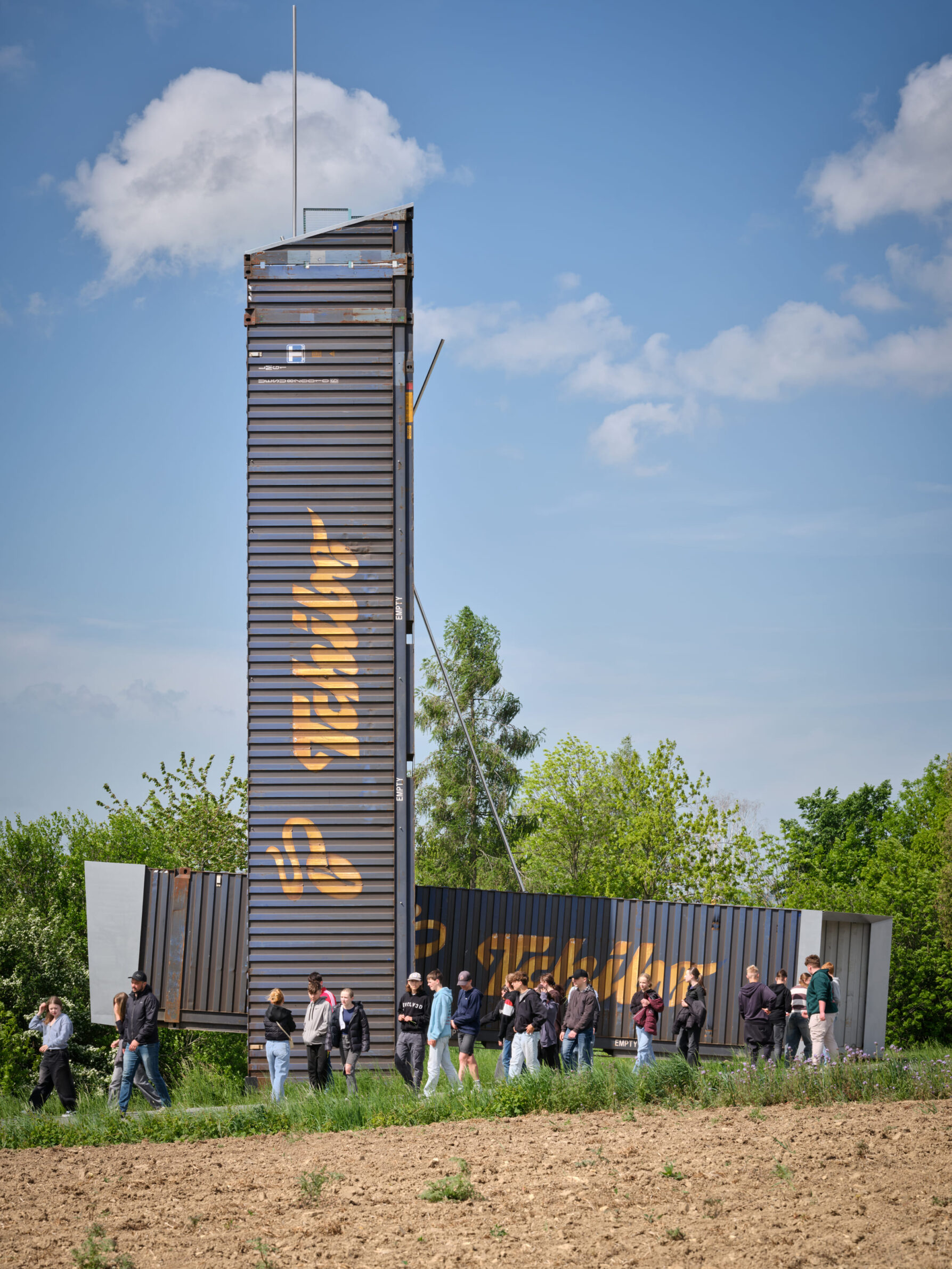
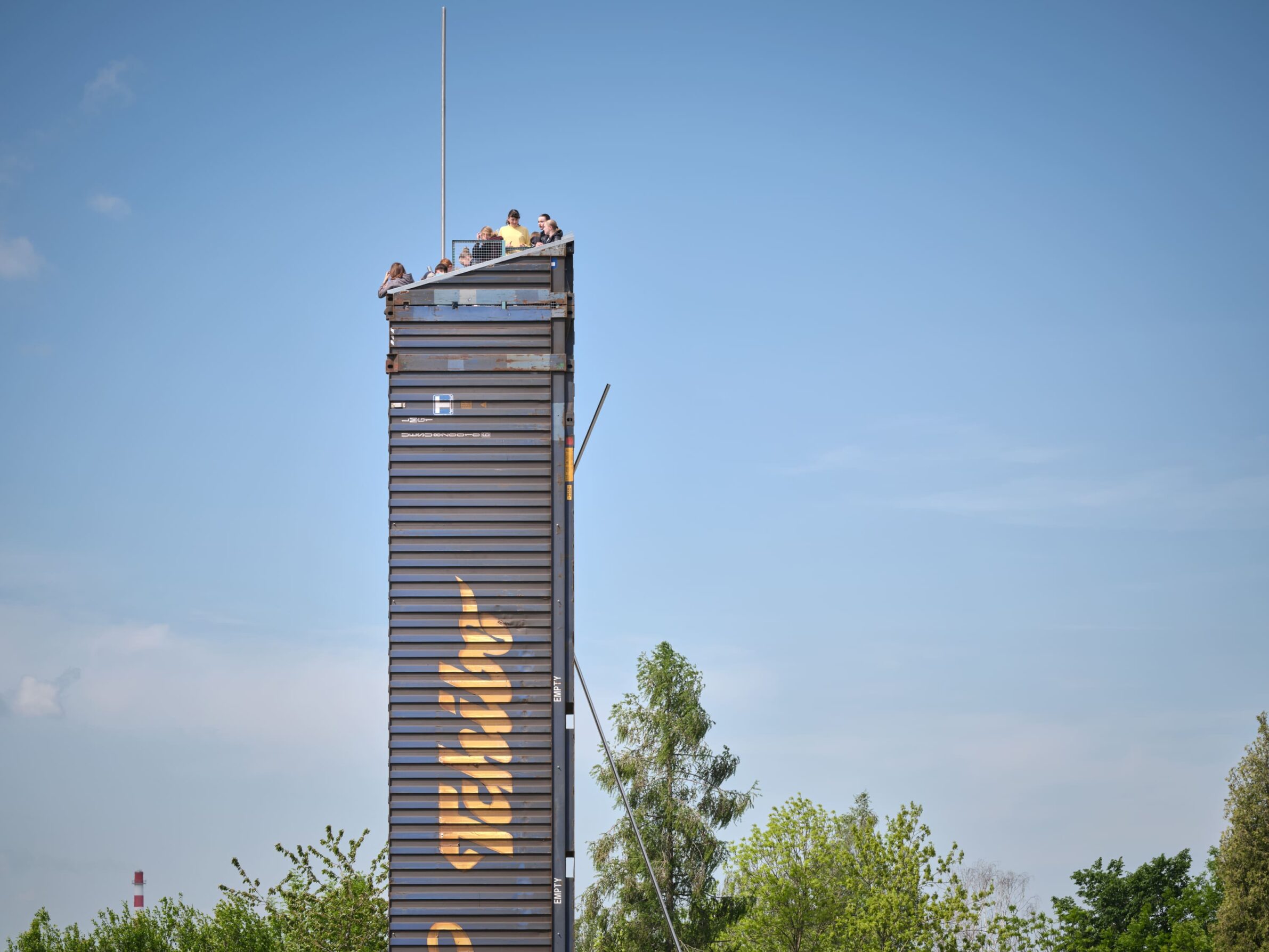
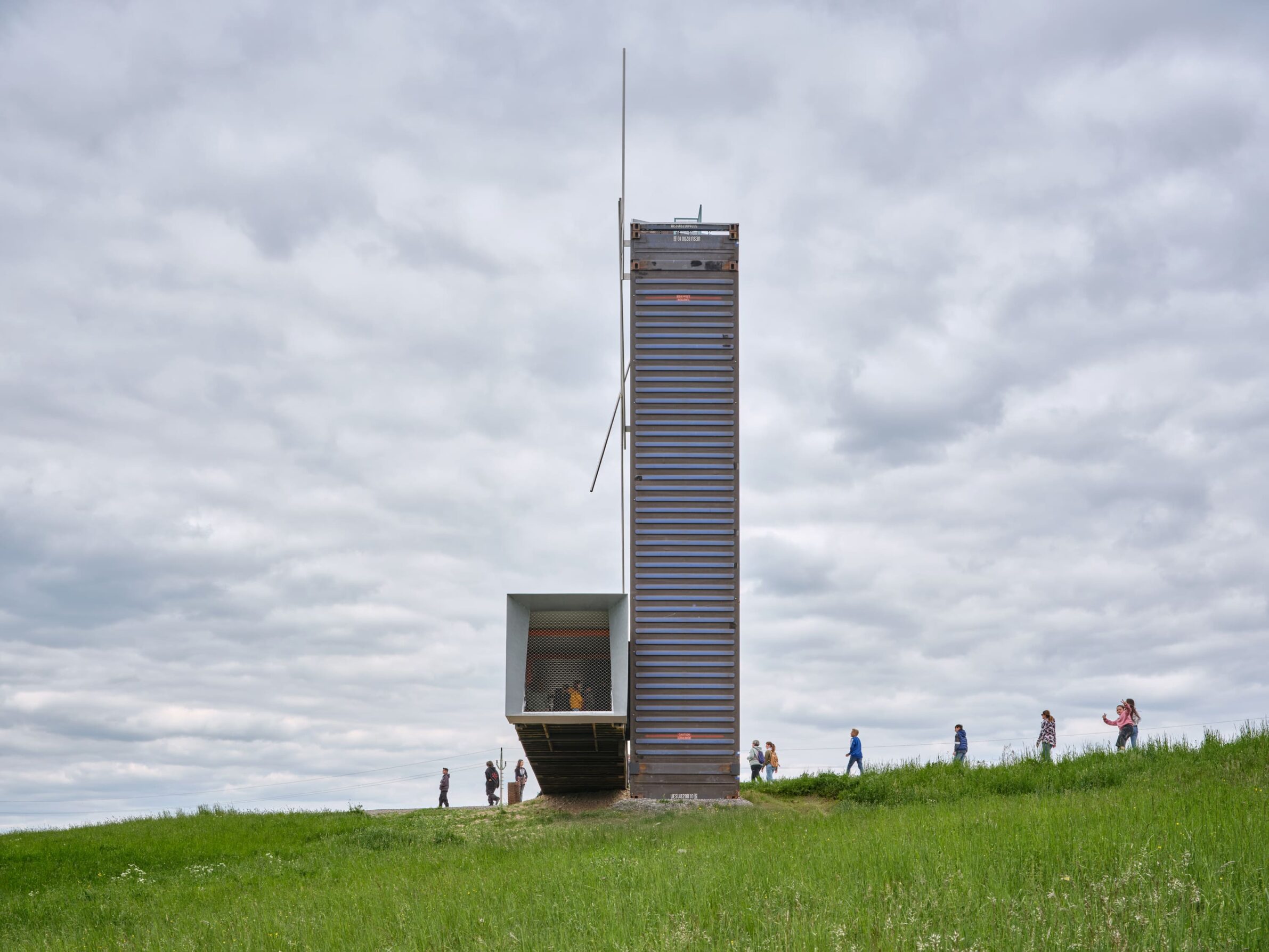
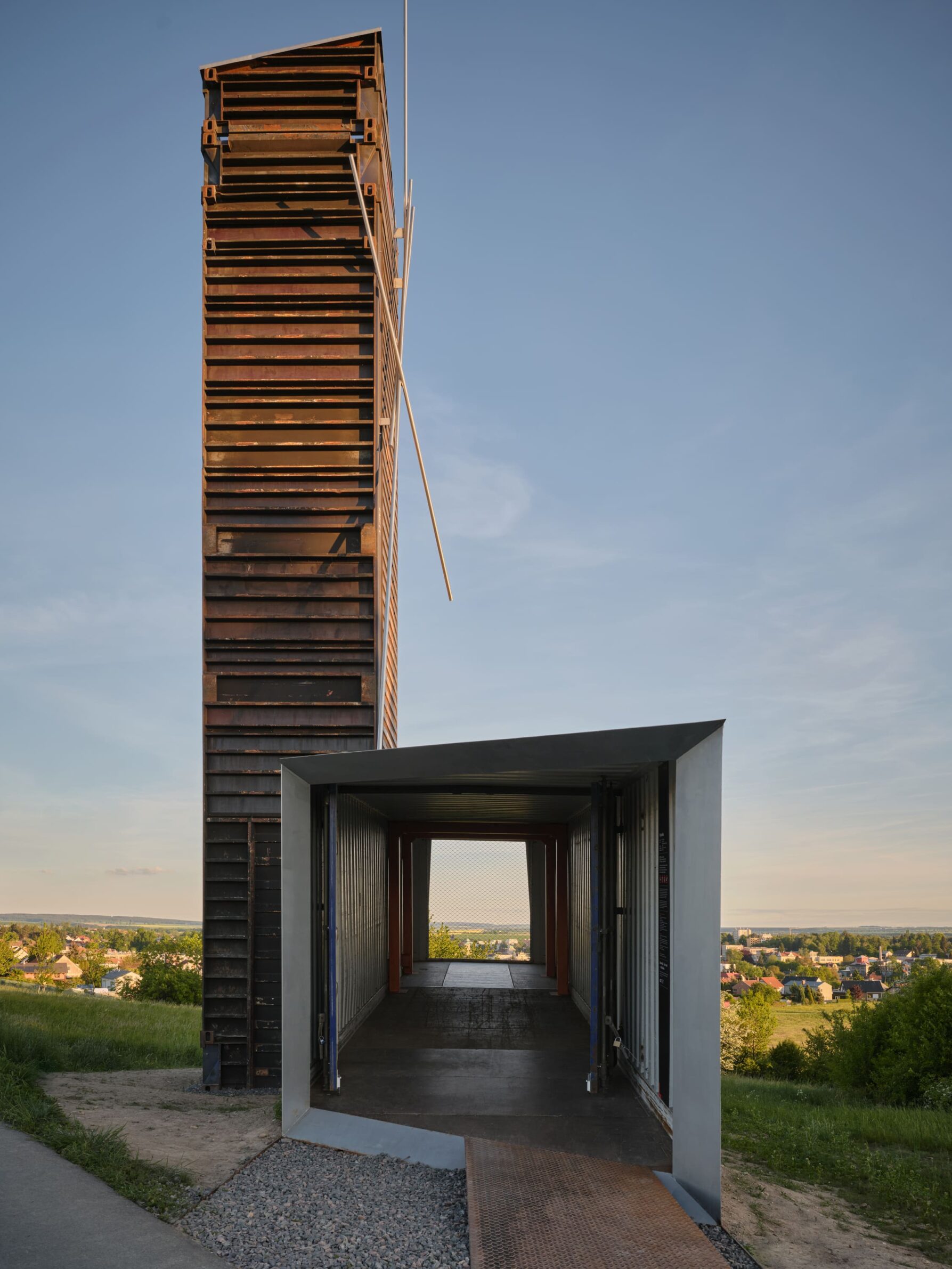
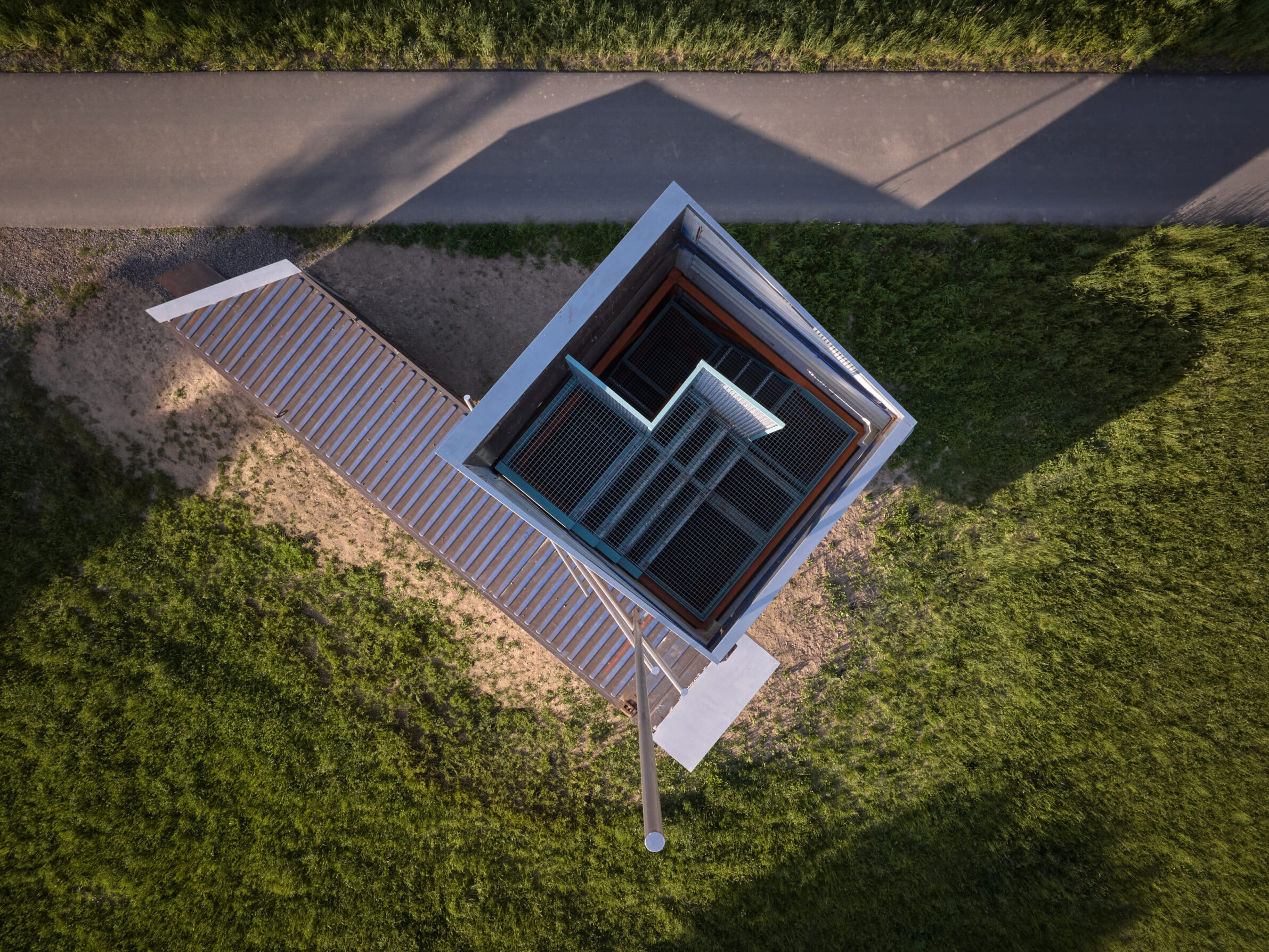
Created as part of Litomyšl’s long-term Journey to Destination programme, the lookout gives residents a reason to walk into the agricultural landscape surrounding the town. Two discarded 45-foot shipping containers form its primary structure: one rises vertically and contains a steel staircase, while the second creates the elevated viewing element. From the top, visitors look across Litomyšl towards its principal landmarks, including the town hall tower. The construction was designed within a limited budget and conceived as reversible, allowing the site to be returned to its previous condition. Its industrial silhouette introduces an unmistakable new marker without pretending to belong naturally to the fields.
2. Sun Tower by OPEN Architecture
China, 2024
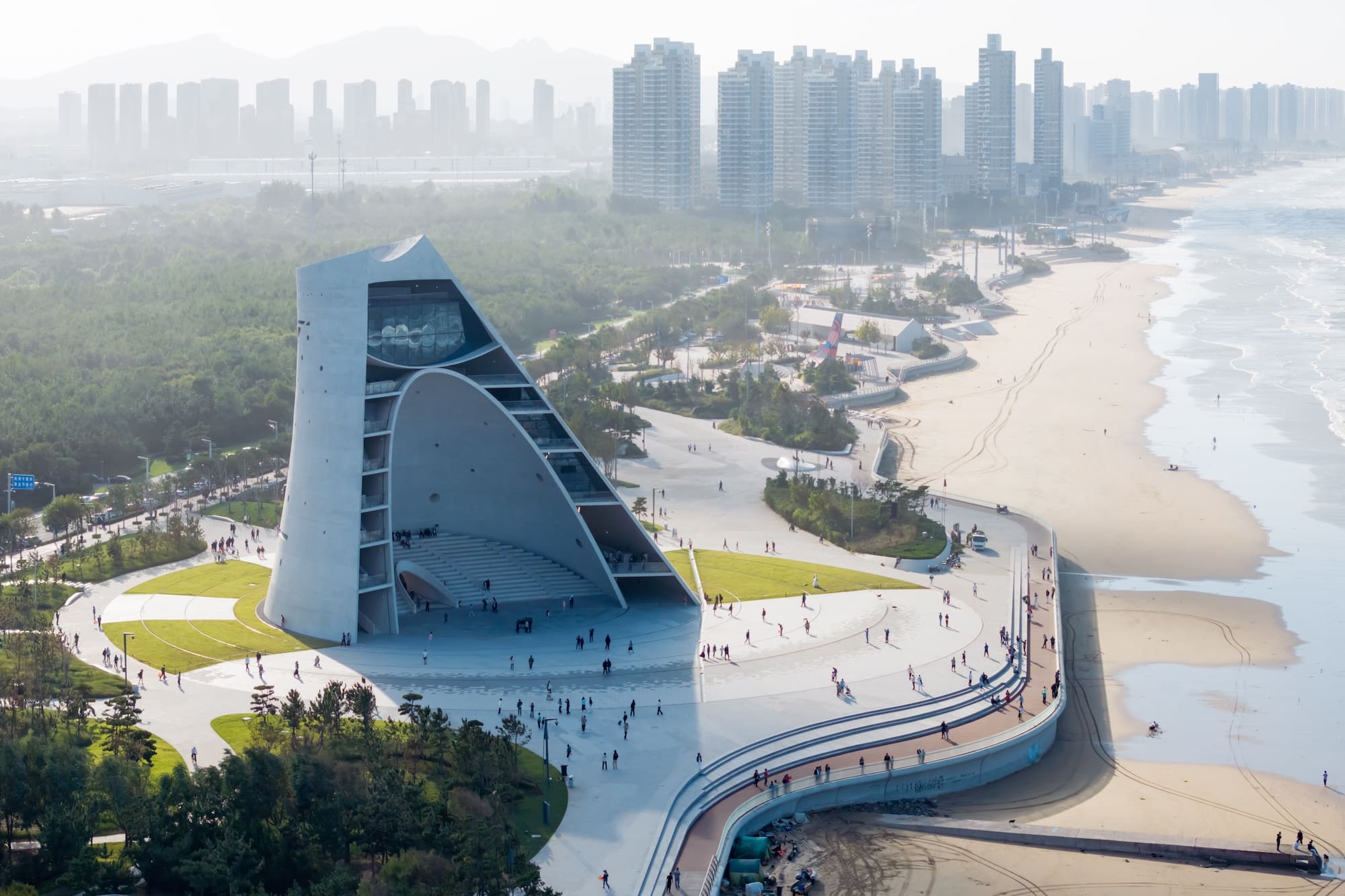
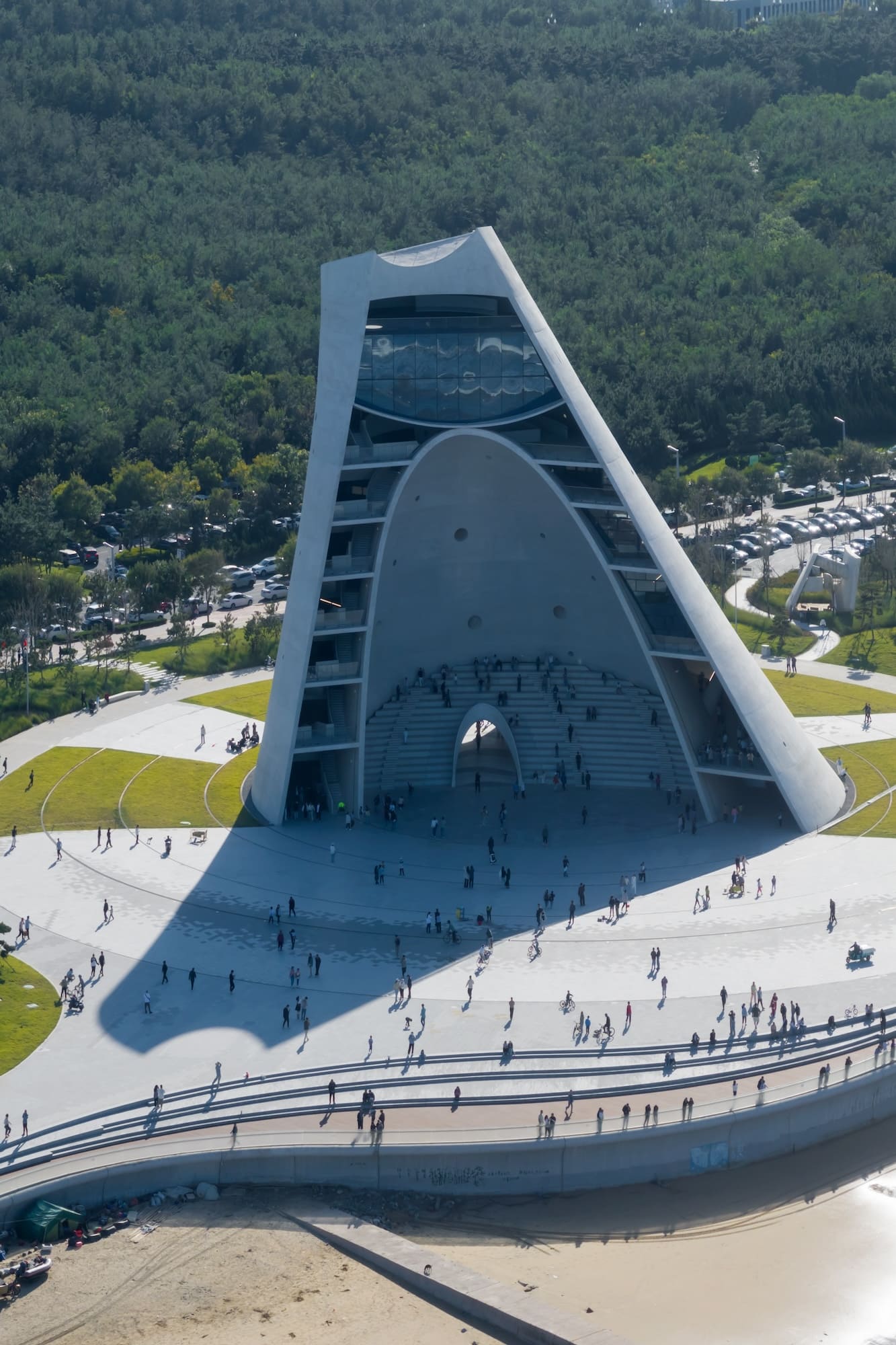
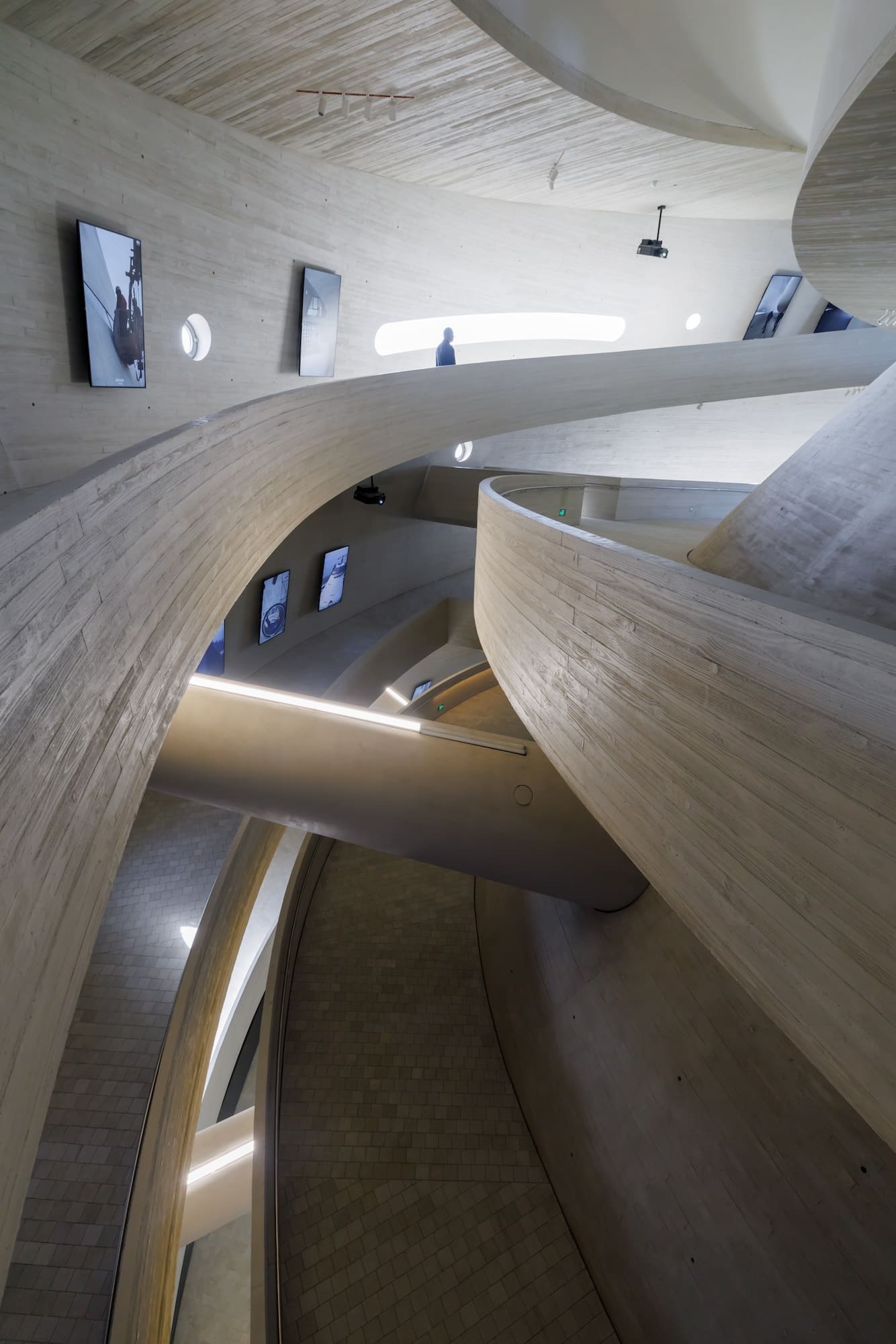
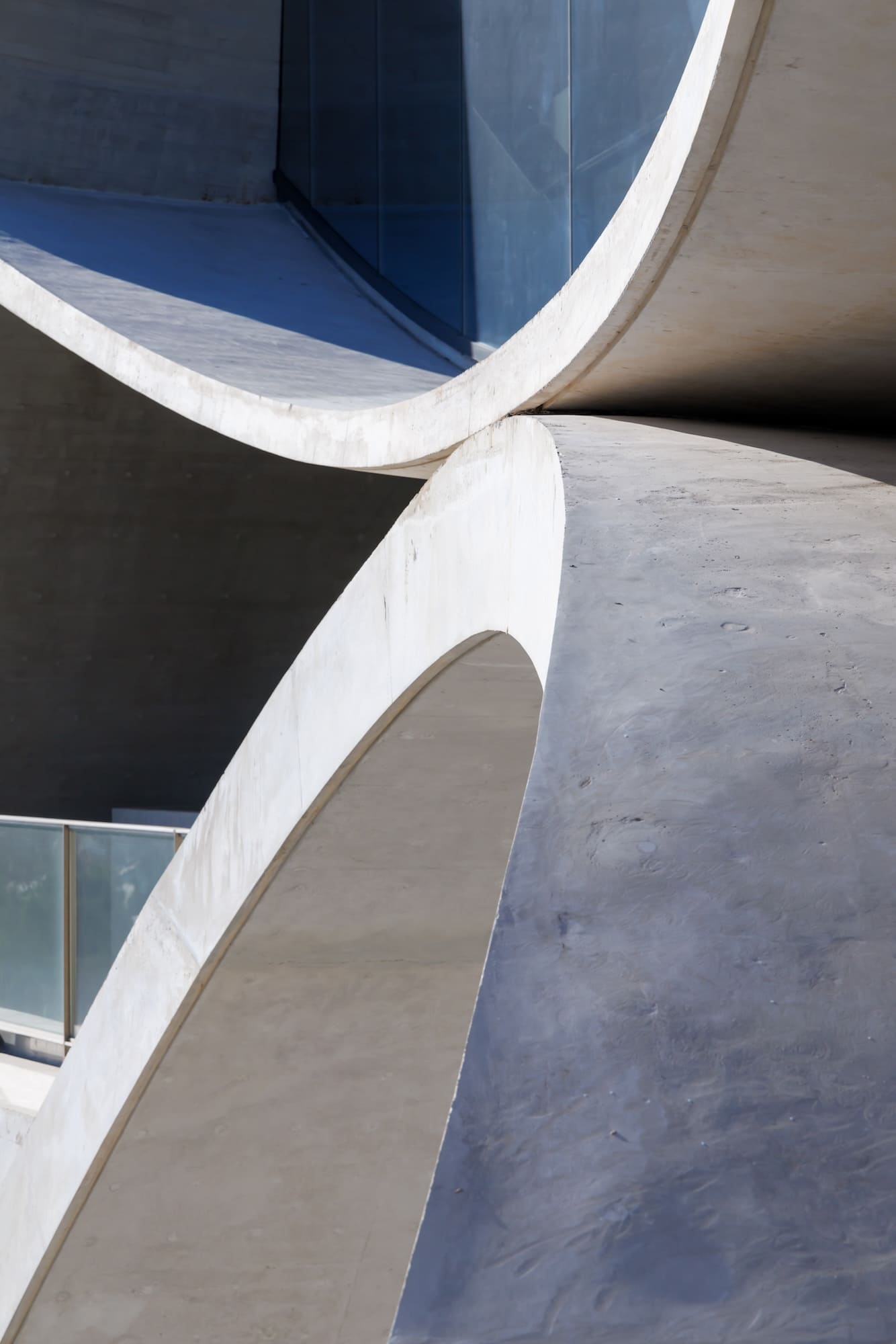
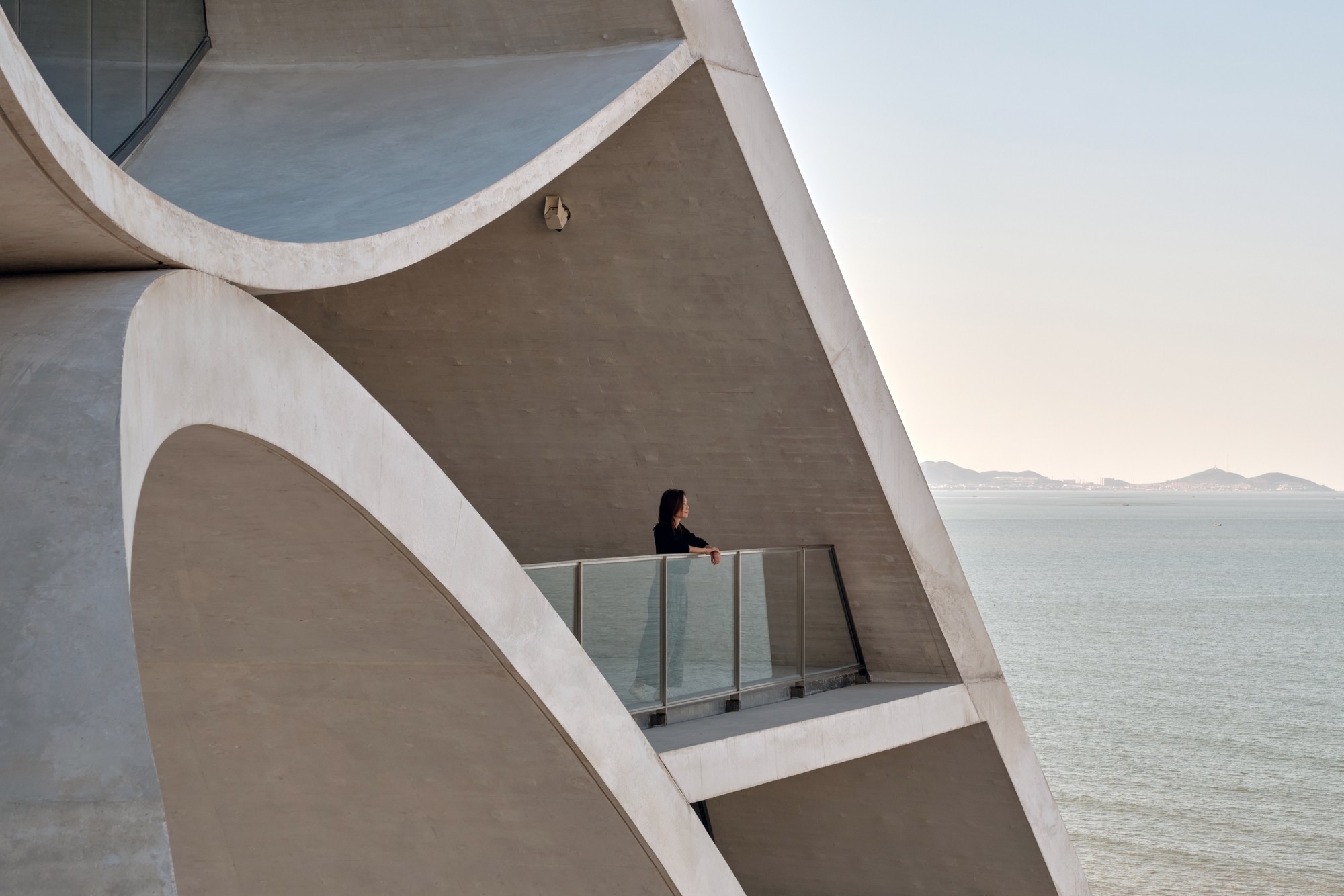
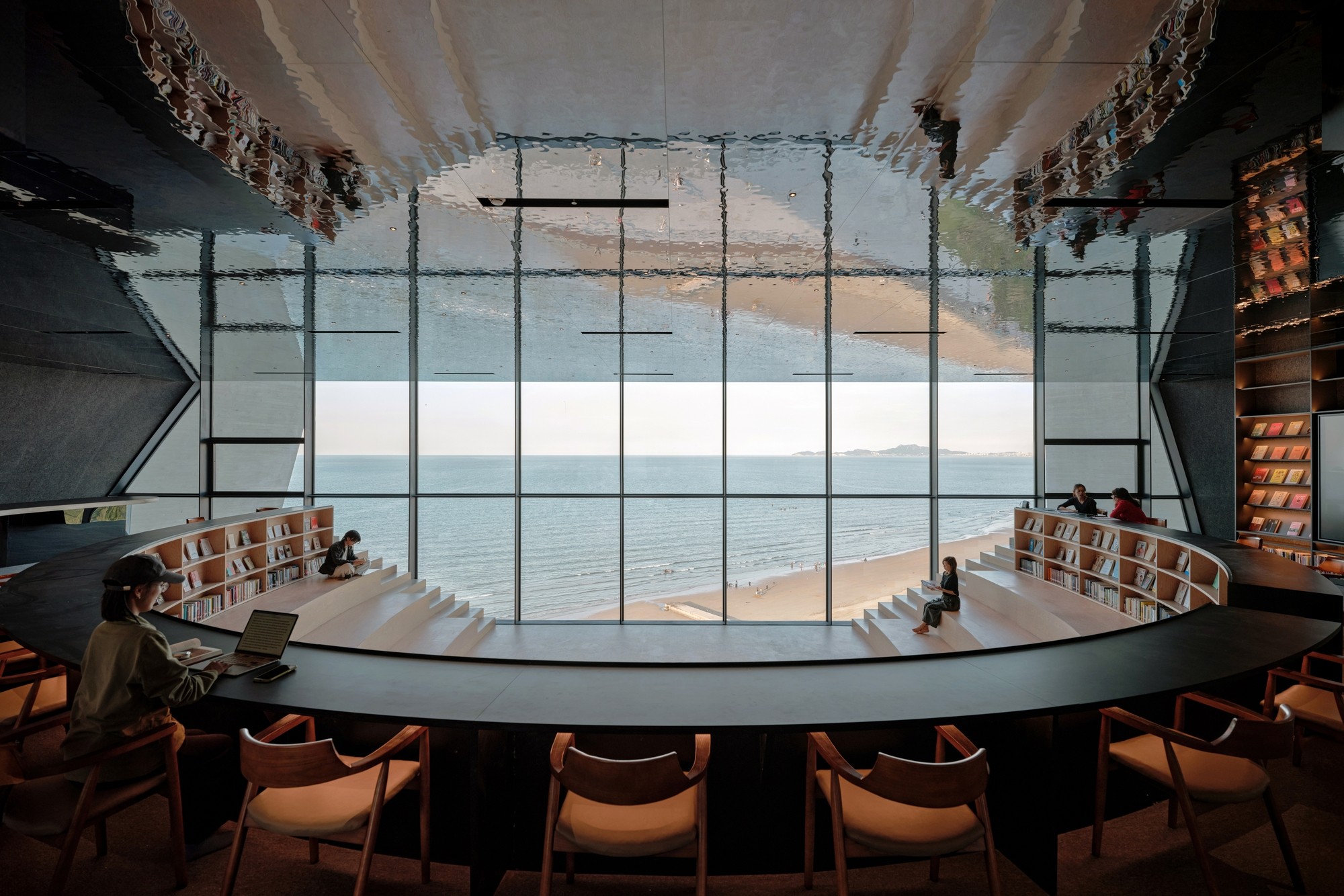
Rising 50 metres above the Yantai coastline, Sun Tower combines the functions of an observation structure, cultural centre and instrument for reading natural phenomena. Two inclined white concrete shells are connected by floors and gradually ascending ramps, accommodating an outdoor theatre, exhibition areas, a library, café, bar and a semi-open Phenomena Space at the summit. The building’s orientation was developed through detailed solar studies: its northern edge corresponds with the equinox noon sun, while the entrance tunnel frames the sunset at the winter solstice. Open towards the sea and more closed towards the city, the tower directs the gaze outward while becoming a powerful coastal reference point itself.
3. Yueyang Hualinggang Pier Tourist Center by WANG HUI | URBANUS
China, 2025
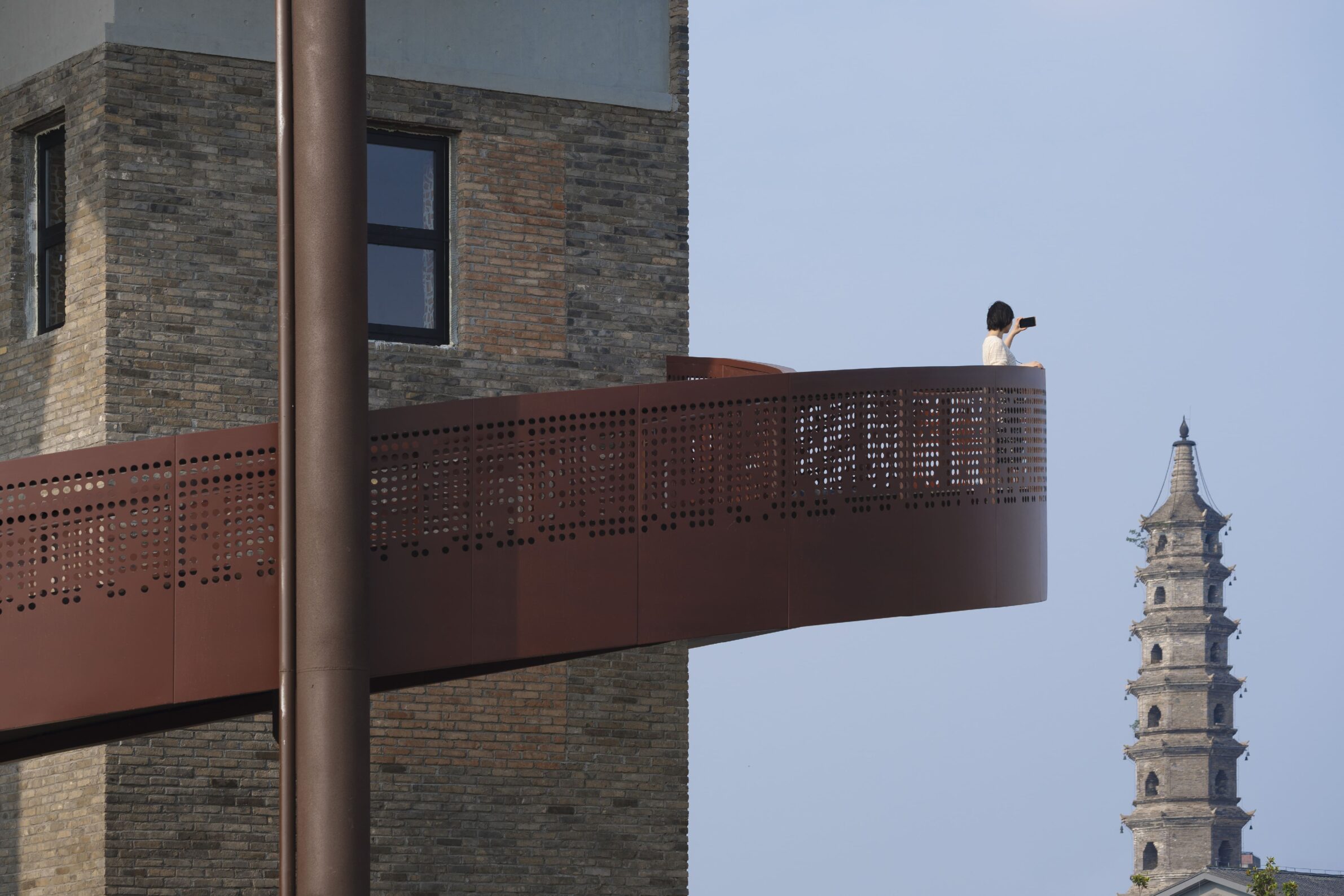
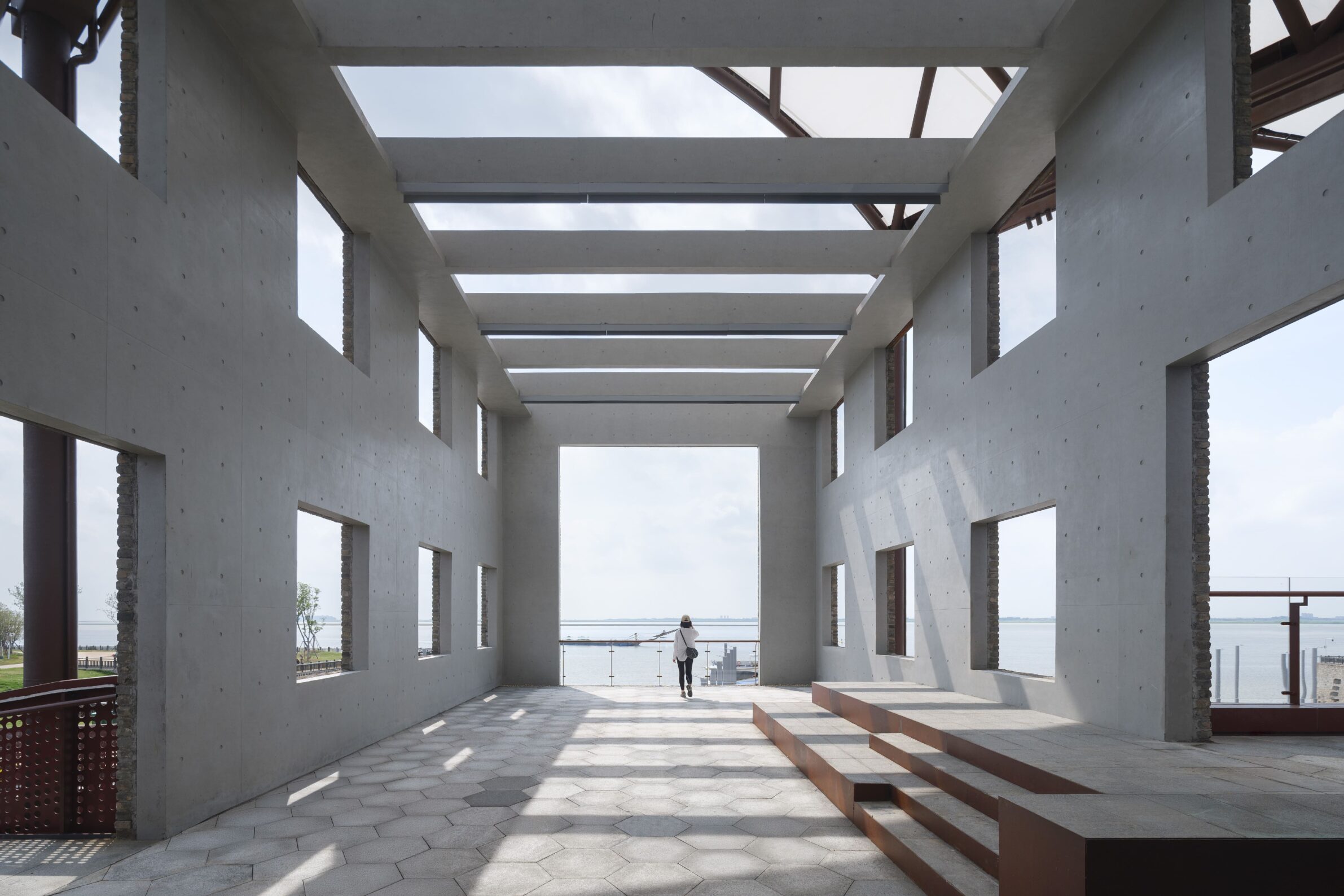
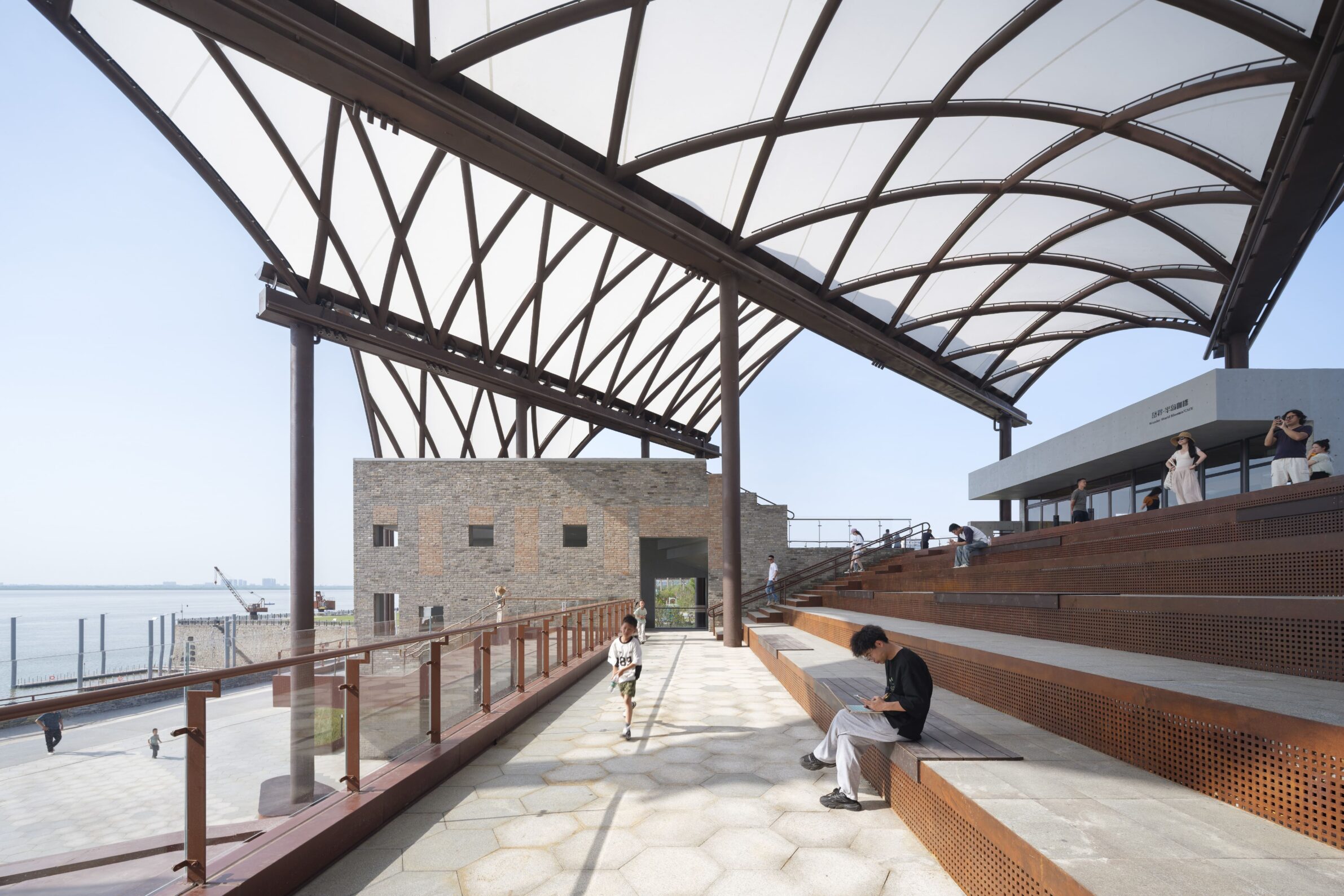
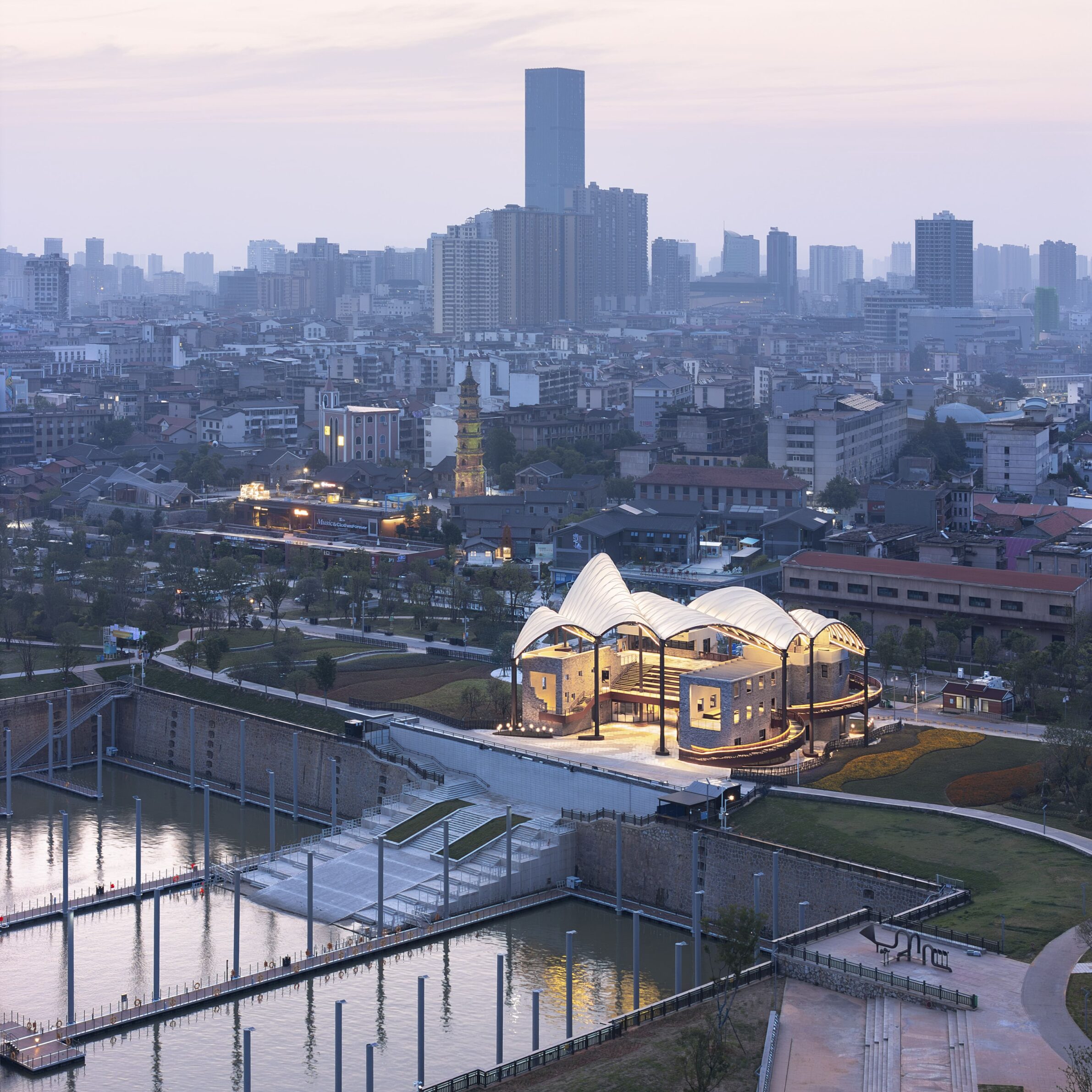
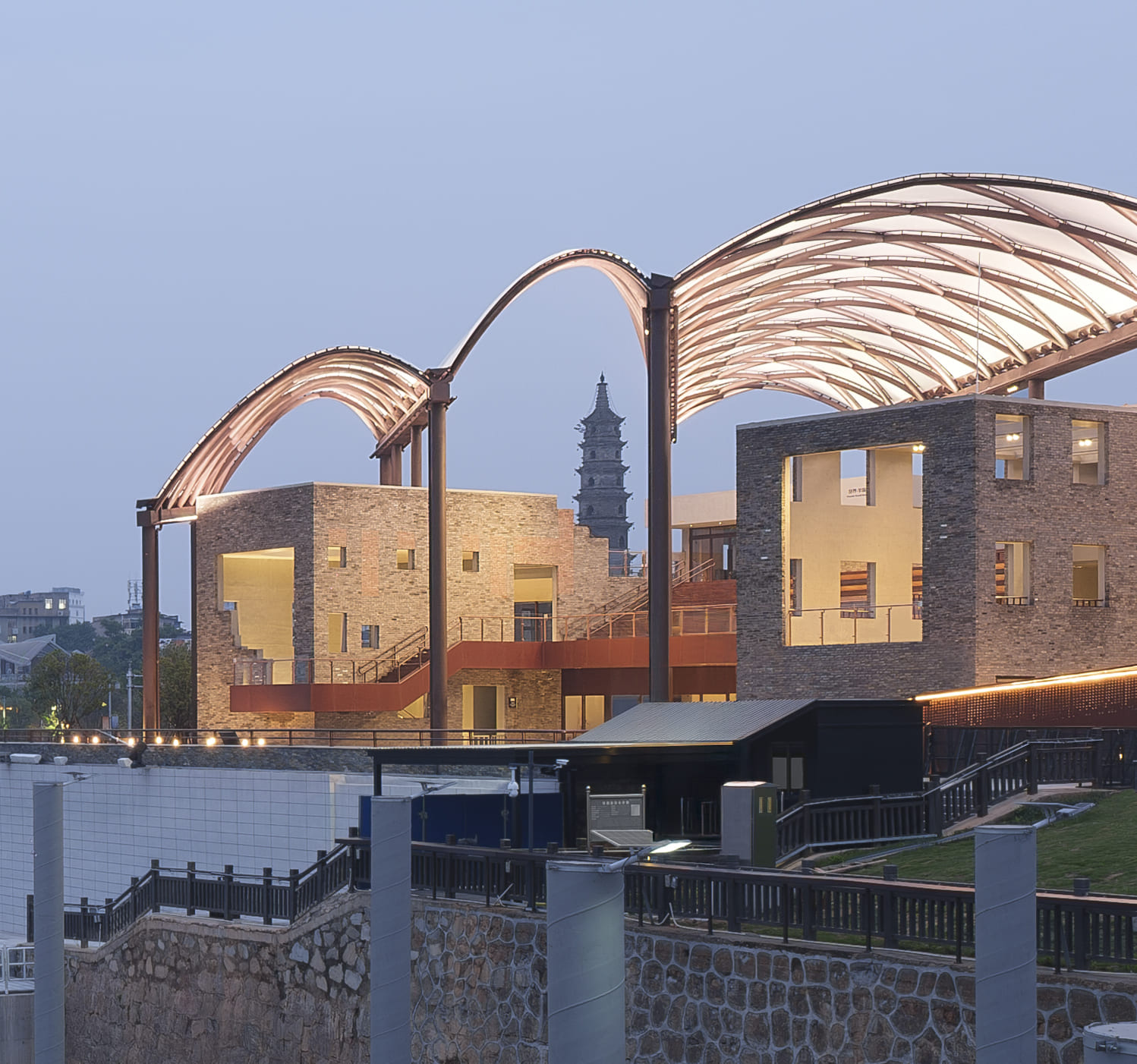
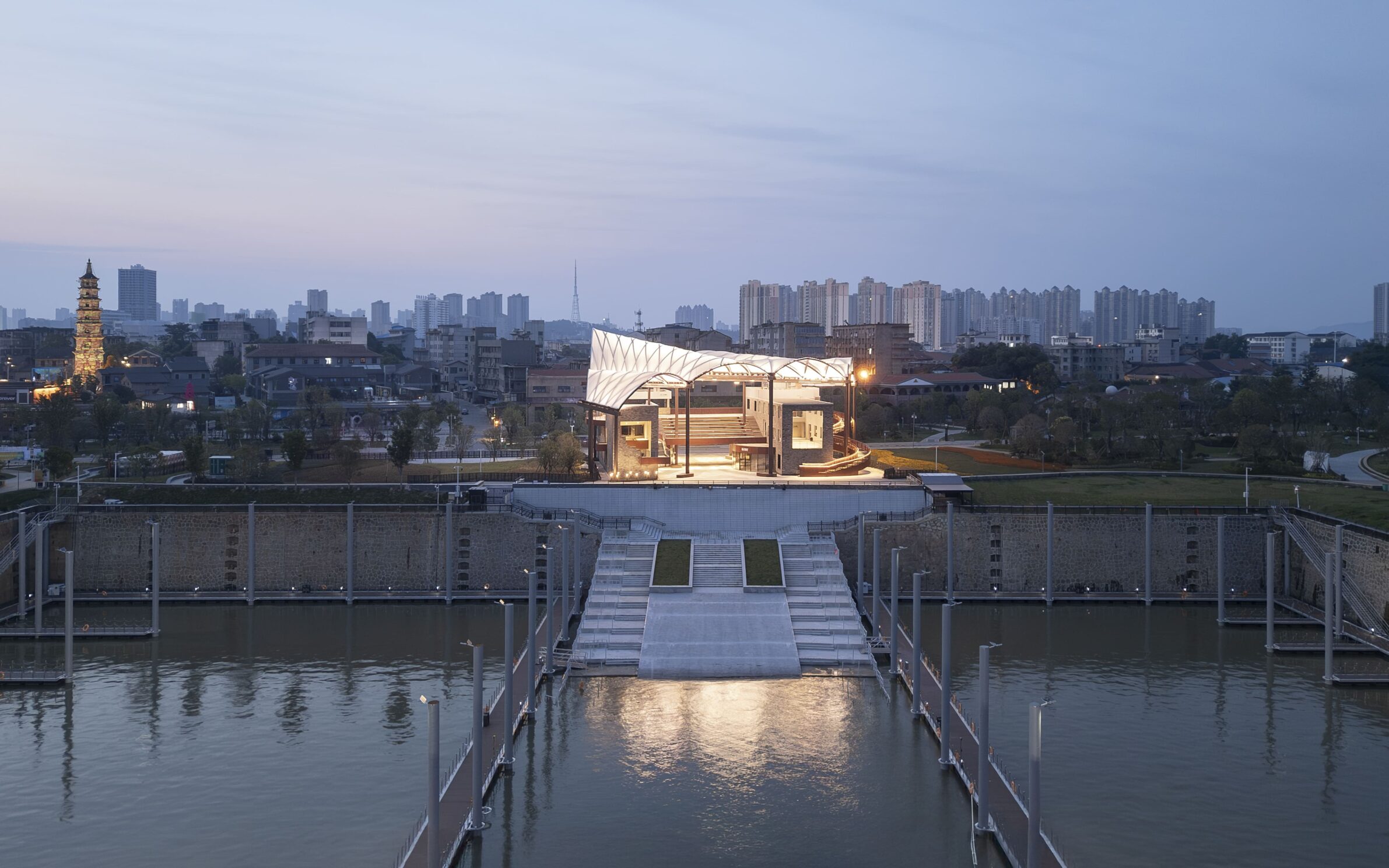
Rather than constructing another conventional tower, the Yueyang Hualinggang Pier Tourist Center establishes a visual relationship with one that has marked the waterfront for centuries. Two former pier office buildings were retained and joined by a new viewing platform, creating spaces for waiting, rest and public activity beside Dongting Lake. A lightweight tensile roof, supported by radial steel arches, provides protection from the region’s sun and rain while framing views towards the nearby Cishi Pagoda, a Song-dynasty navigational landmark. The historic vertical structure becomes a constant point of orientation, while the new project remains deliberately lower and more open, turning circulation and waiting into acts of observation.
4. Phare Ylliam by BUREAU
Switzerland, 2025


Phare Ylliam reinterprets the lighthouse as a transparent piece of infrastructure rather than a solid, figurative tower. Inspired by the lightweight hyperboloid structures of engineer Vladimir Shukhov, its open metal framework rises from a heavy mineral base at the edge of Lake Geneva. Three levels offer different relationships with the surroundings: a protected room within the base frames a long horizontal view, an elevated glass cabin provides a panorama across the lake and harbour, and a dynamic lantern crowns the structure. The light can be raised or lowered through a mechanism integrated into the supporting columns. Seen from the water, the lighthouse shifts between visibility and disappearance while retaining its role as a dependable marker.
A view is rarely neutral. The height from which it is seen, the direction of approach and the elements selected for emphasis all influence how a place is understood. These projects therefore do more than provide an unobstructed panorama. Their stairs, ramps, openings and platforms prepare the observer gradually, transforming looking into a spatial sequence.
Their landmark quality is equally important. The container tower appears as a sharp vertical sign above open fields; Sun Tower establishes a new coastal silhouette; the Yueyang centre directs attention towards an existing historic marker; and Phare Ylliam signals the boundary between water and land. In each case, architecture sends the gaze outwards and receives it in return.
___
Works is an editorial series in the BIG SEE Magazine presenting carefully curated selections of architecture, interior and product design projects. Each article explores a specific theme, question or typology – sometimes through a collection of projects, sometimes through a single work that deserves closer attention. Rather than aiming for completeness, Works highlights projects that help us better understand the ideas, values and directions shaping the built environment today.
Powered by
Be There.

Edited by:
Tanja Završki
Photography ©:
atelier-r:
BoysPlayNice
OPEN Architecture:
Iwan Ban (1-4)
Jonathan Leijonhufvud
(cover photo; 5-6)
URBANUS:
TAL
BUREAU:
Dylan Perrenoud