

PULSE Ostrava 2026 Opens the Theme of Critical Cooperation
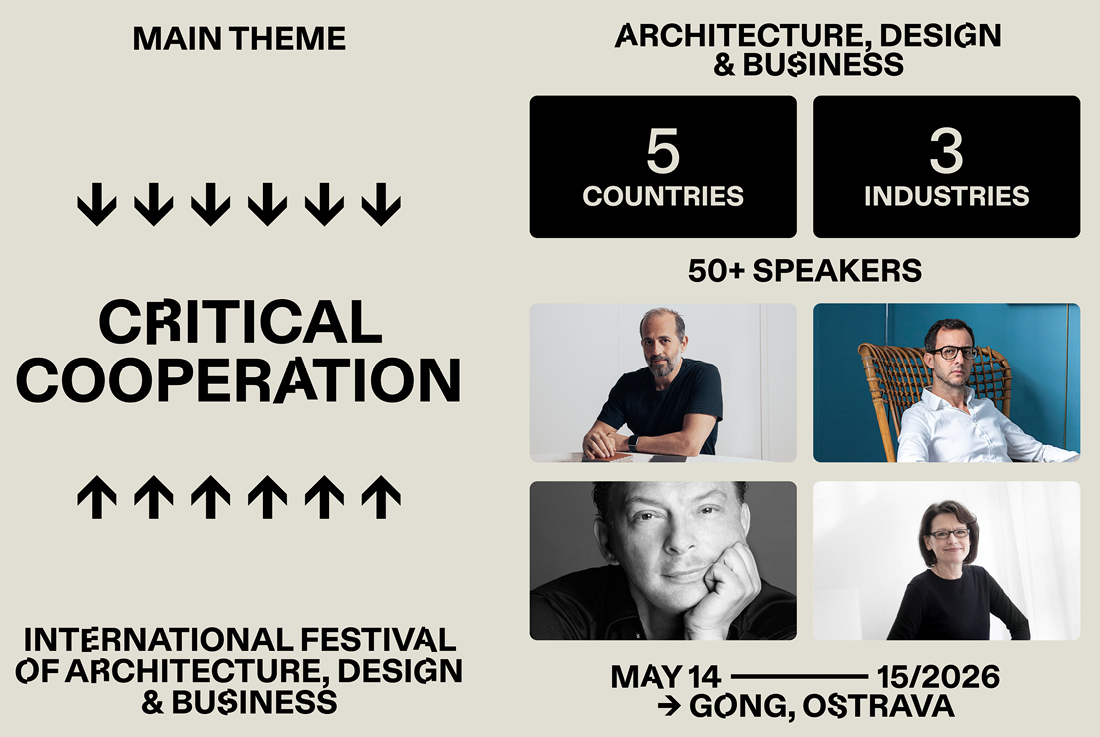
The international architecture and design festival PULSE Ostrava 2026, taking place on 14–15 May in the industrial Gong hall in Dolní Vítkovice, will open the theme of critical cooperation as one of the key challenges facing today’s creative industries and business. At a time when individual sectors no longer function in isolation, the ability to collaborate and share know-how is becoming a decisive factor for success. This year, the Moravian-Silesian capital will welcome world-renowned speakers such as Michael Anastassiades, Eva Jiřičná, Eva Eisler, the studio Un Parell d’Arquitectes, Massimo Adario, and Piero Gandini. Their insights will be joined by those of Central European architectural and design studios, manufacturers, and representatives of development companies and municipalities.
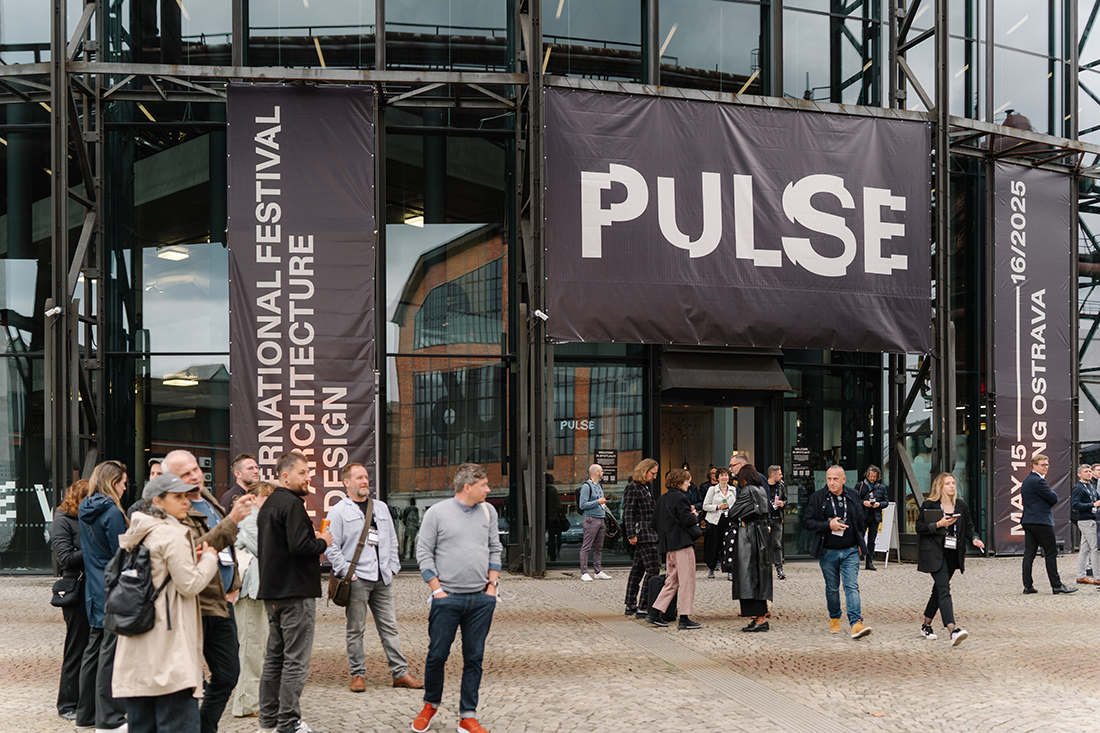
PULSE Ostrava serves as an annual meeting point for leading figures in architecture, design, and development from across Central Europe. The festival connects professionals across disciplines and countries, creating an open platform for the exchange of experience, inspiration, and strategic approaches.
“Today, value is no longer created within a single discipline but in the quality of the connections between them. The ability to collaborate across architecture, design, and business is one of the defining themes of our time,” says Eva Kozarová, director of the PULSE festival.
The theme of this year’s edition is Critical Cooperation, reflecting a world in which innovation no longer emerges in a linear way. Contemporary projects require connections between creative professions, investors, manufacturers, cities, brands, and research.
PULSE Ostrava 2026 will therefore explore how growth can be built in the creative industries today, how collaborations with real impact can be established, and how architecture and design can function as active parts of broader economic and cultural processes. “The festival is not merely a showcase of inspiring names, but above all a place that demonstrates how interdisciplinary collaboration can truly work in practice,” Kozarová adds.
Two Stages, Two Perspectives
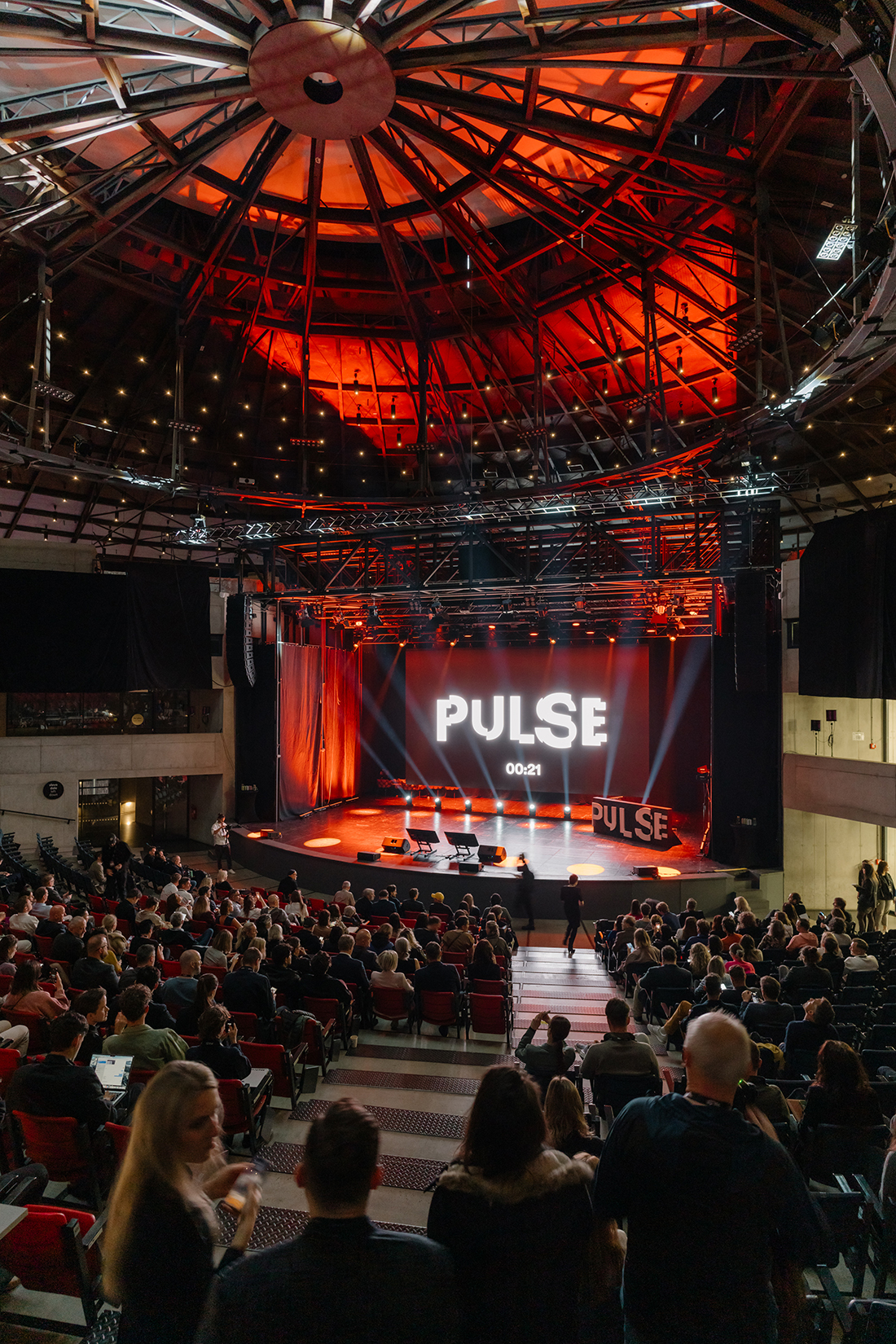
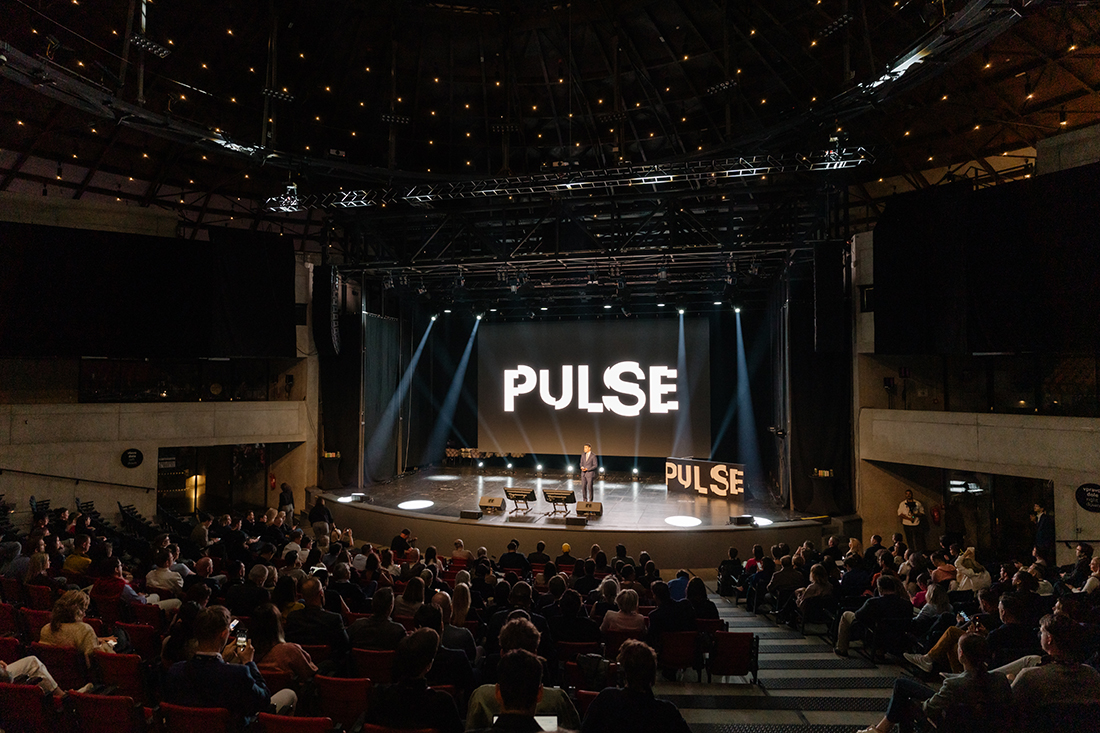
The Main Stage will host leading figures in architecture and design presenting projects that are transforming the character of objects, cities, and business—from strategic approaches to urbanism to the factors that turn a product into a bestseller or an icon. Architects and designers will focus on how thoughtfully designed products and spaces, shaped through dialogue and interdisciplinary collaboration, can multiply both the economic and user value of a place.
The Forbes Stage will once again offer dynamic conversations focused on collaboration between creators and investors, as well as representatives of development, academia, and municipalities. Through an interactive format, it will present multiple perspectives to an international audience and encourage interdisciplinary and cross-border dialogue. Stimulating constructive discussion and fostering new collaborations remains one of the festival’s principal added values.
Figures from the Global and Regional Scene
Among the leading figures in this year’s programme is Michael Anastassiades, the Cypriot product designer and founder of Michael Anastassiades Studio, whose work has long shaped the direction of contemporary international design. Ostrava will also welcome the world-renowned architect Eva Jiřičná, designer and artist Eva Eisler, Eduard Callís—founder of the Spanish studio Un Parell d’Arquitectes—Italian interior architect Massimo Adario, and Piero Gandini, Executive Chairman of the Flos B&B Italia Group and one of the most influential figures in the European design industry.
The programme will also feature a number of representatives from the Central European region, including the Slovak architectural studios Kilo-Honč and ZeroZero; the Czech studios CMC Architects, Eva Le Peutrec, and Neuhäusl Hunal; and Poland will be represented by Projekt Praga together with the studio CUDO. Architects and designers from Austria and Hungary will also take part, including the studios Archikon and Épitész, alongside other internationally recognised figures who are also active in Ostrava.
“Through the curatorial selection of speakers and projects, PULSE offers a unique insight into the current direction of these disciplines and their future development. At the same time, it encourages cross-border collaborations and new business opportunities that have a tangible impact on the environment in which we live,” adds Eva Kozarová.
Ostrava as a Centre of Contemporary Discourse
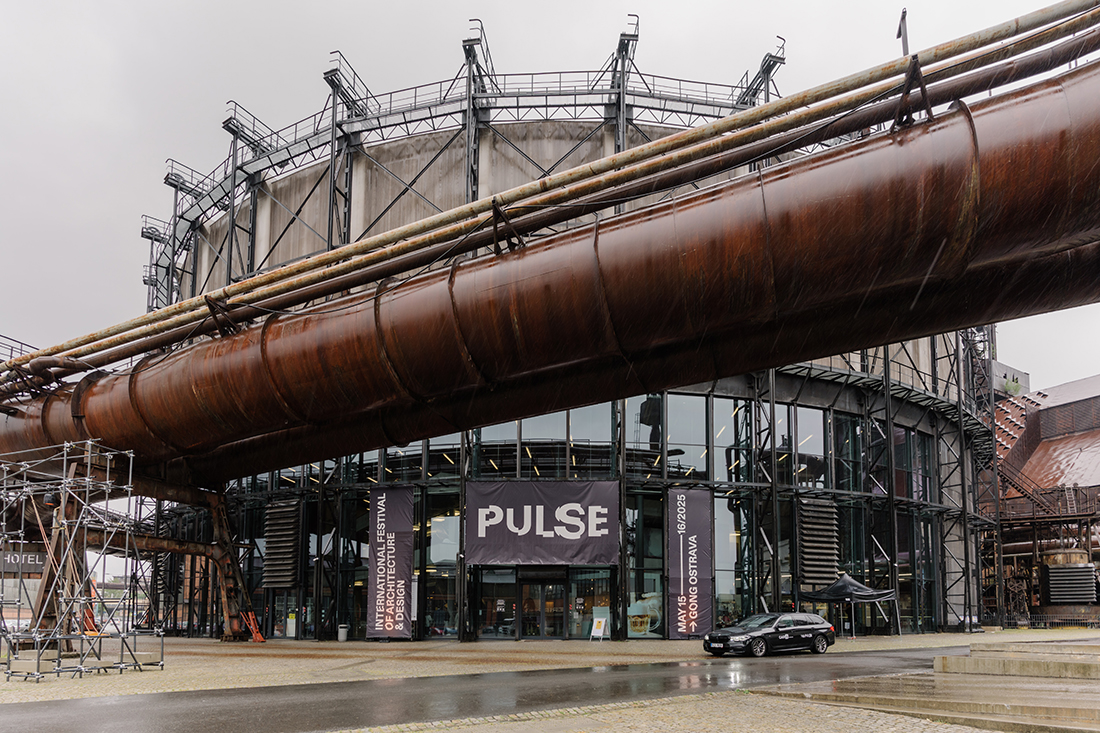
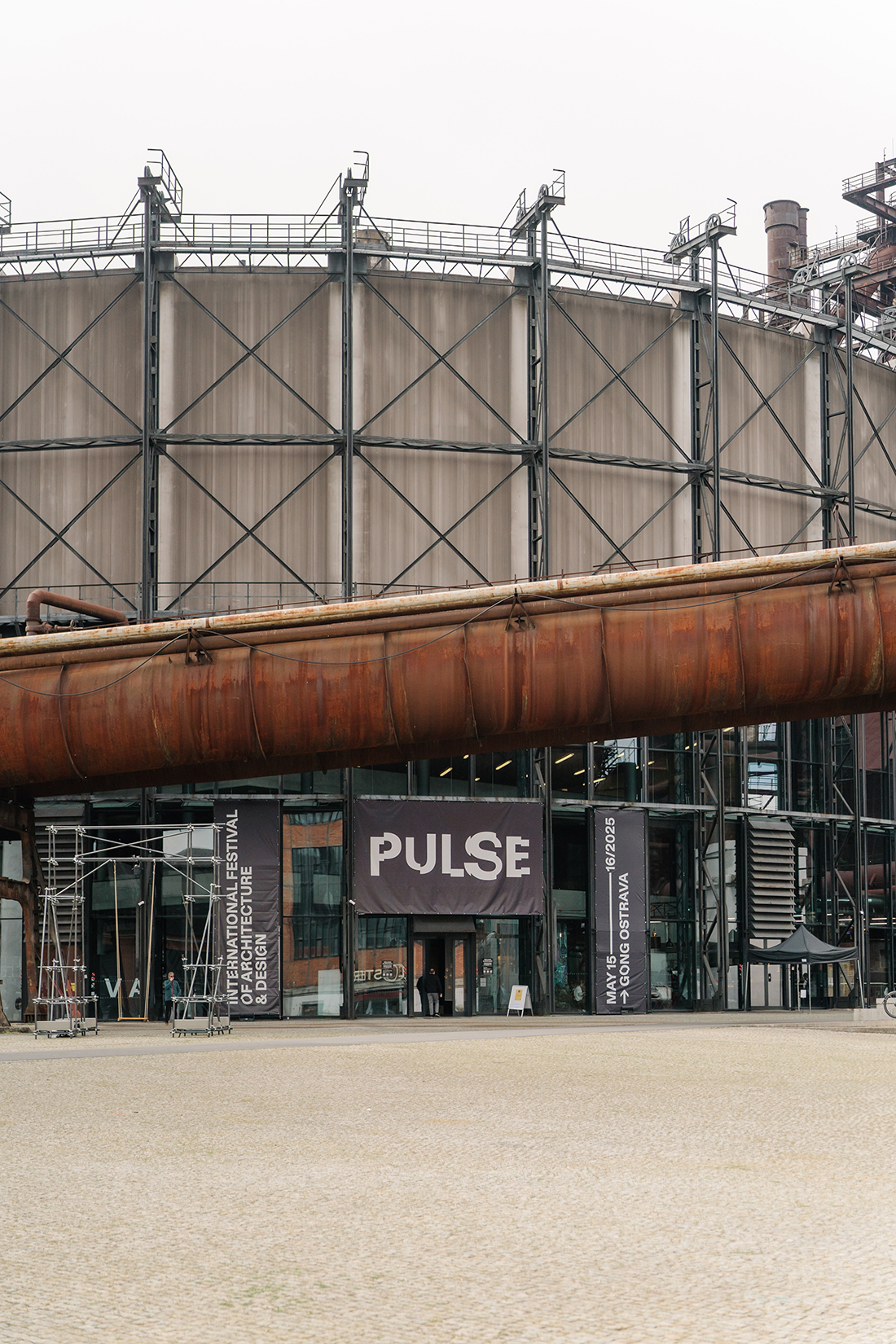
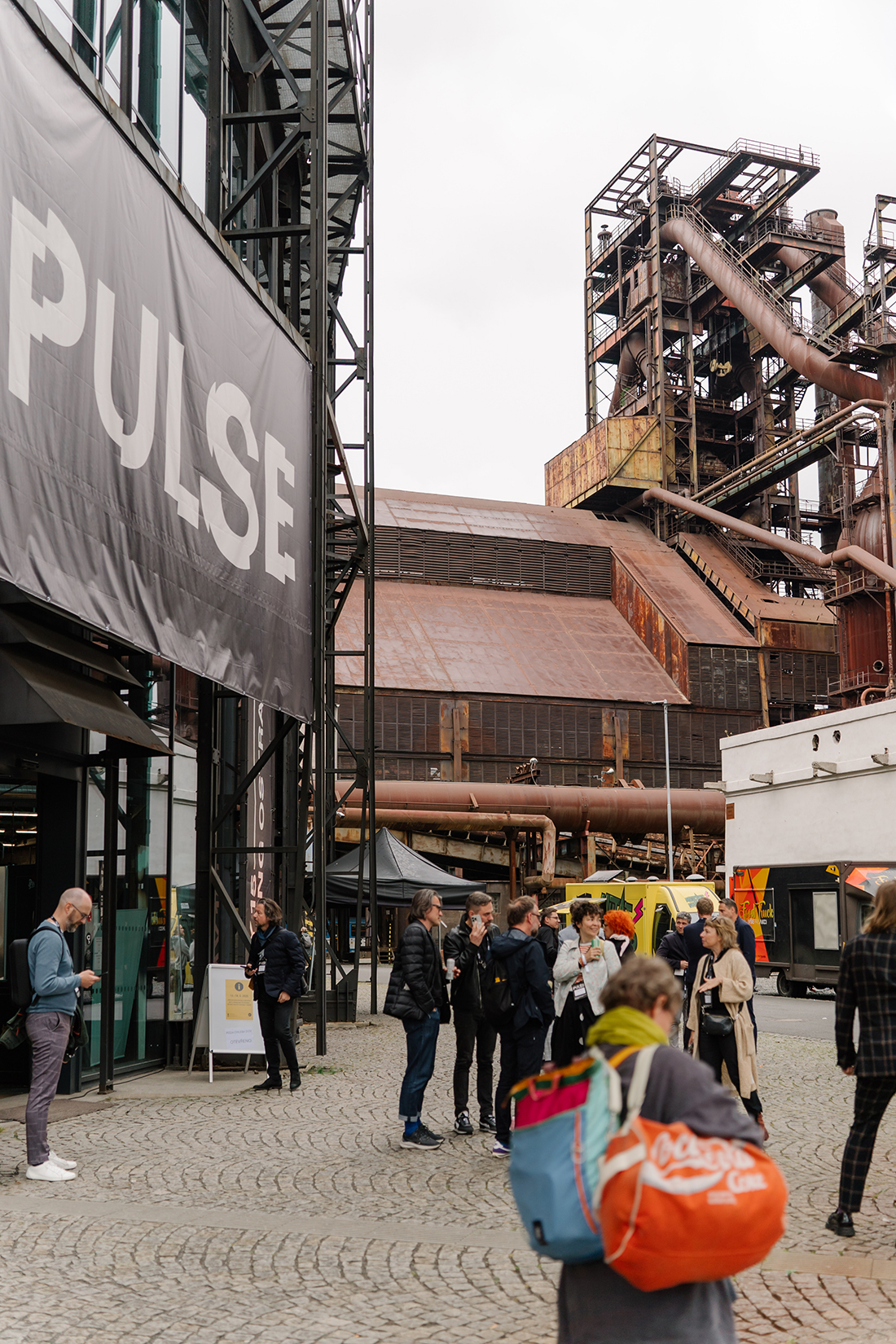
The festival will once again take place in the Gong hall in Dolní Vítkovice, a venue that has become a symbol of the successful transformation of industrial heritage into a vibrant cultural and social centre. The Moravian-Silesian capital thus provides a natural setting for discussions on the transformation of cities, the evolving role of creative industries, and the ways collaboration can shape the future of the region.
PULSE as a Catalyst for Change
PULSE Ostrava 2026 will once again create an environment where ideas are not only shared but where new connections, inspirations, and concrete opportunities emerge. In a world of growing complexity, the ability to engage in critical and meaningful cooperation is becoming one of the most important prerequisites for future development.
PULSE Ostrava 2026
14–15 May 2026
GONG, Dolní Vítkovice, Ostrava
More information: www.pulse.archi
Powered by

Be There.