


The design of mobility extends from riding and carrying to the experience of travel.
The demands of movement vary with scale, load and the way people use an object. Automatic transmissions simplify bicycle controls, while stainless-steel racks and assisted trailers accommodate different kinds of cargo. Reclaimed tarpaulins become waterproof bags, transport-sack geometries inform 3D-printed planters, and hybrid propulsion reduces noise at sea. Across these examples, practical requirements shape form, materials and everyday use.
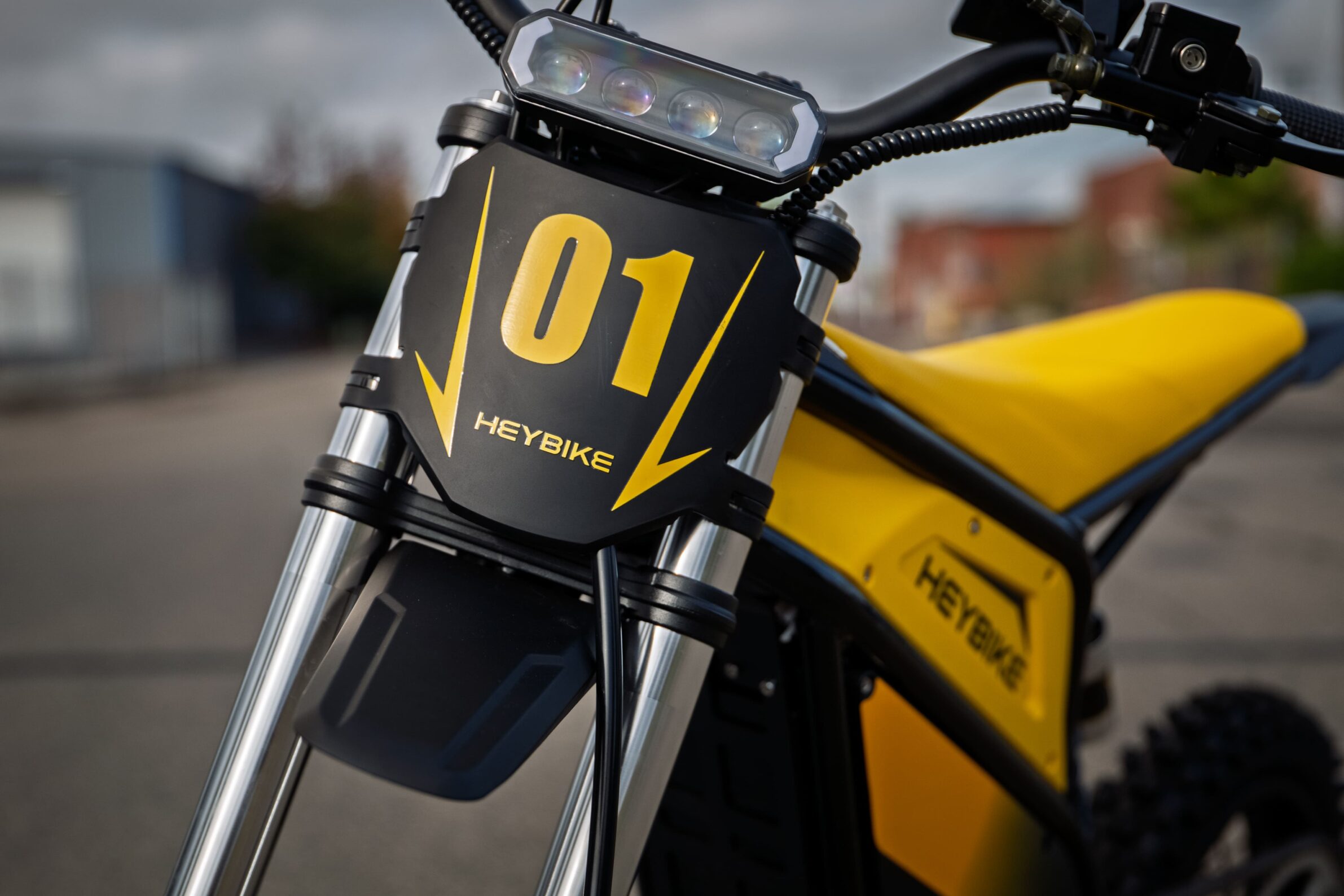
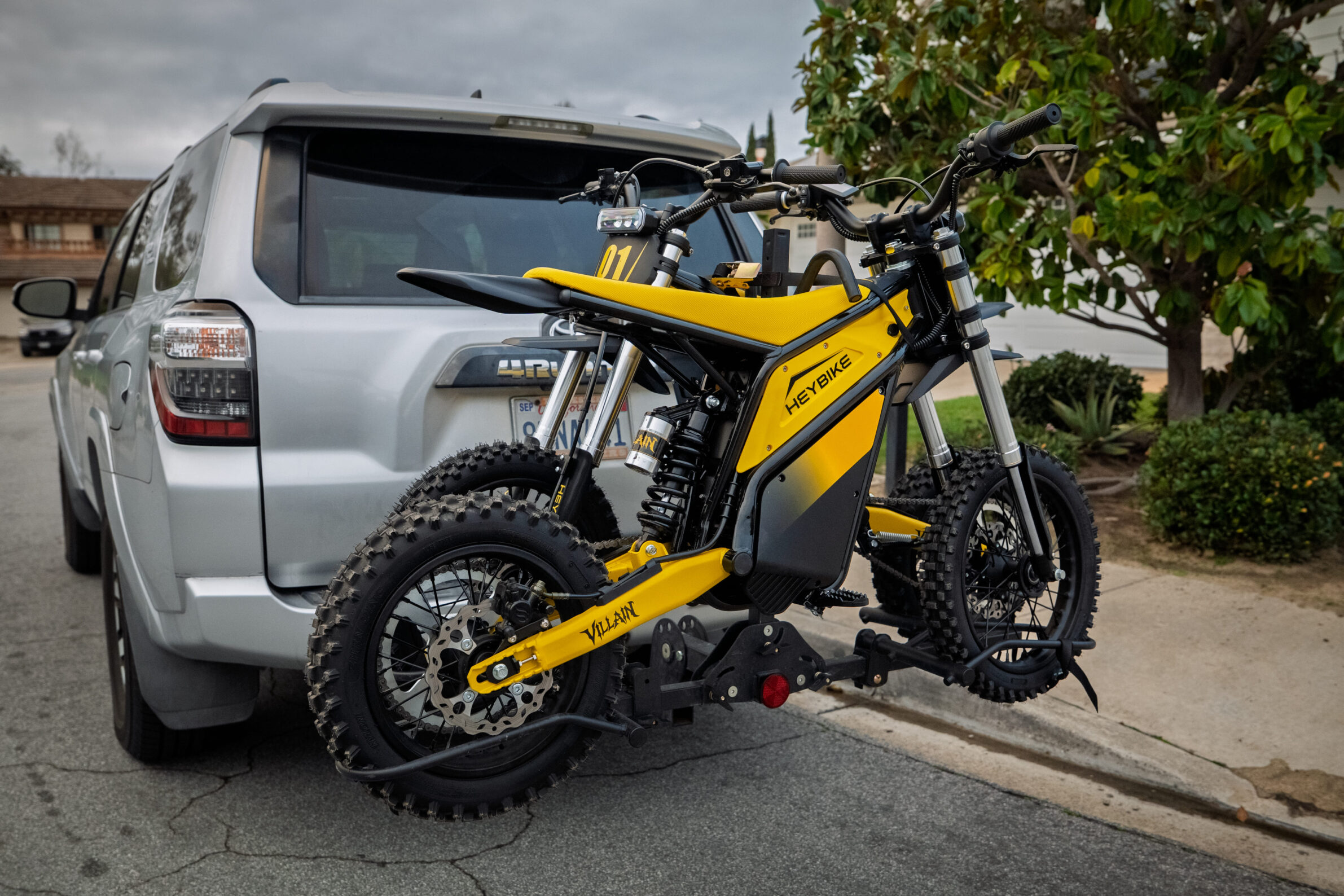
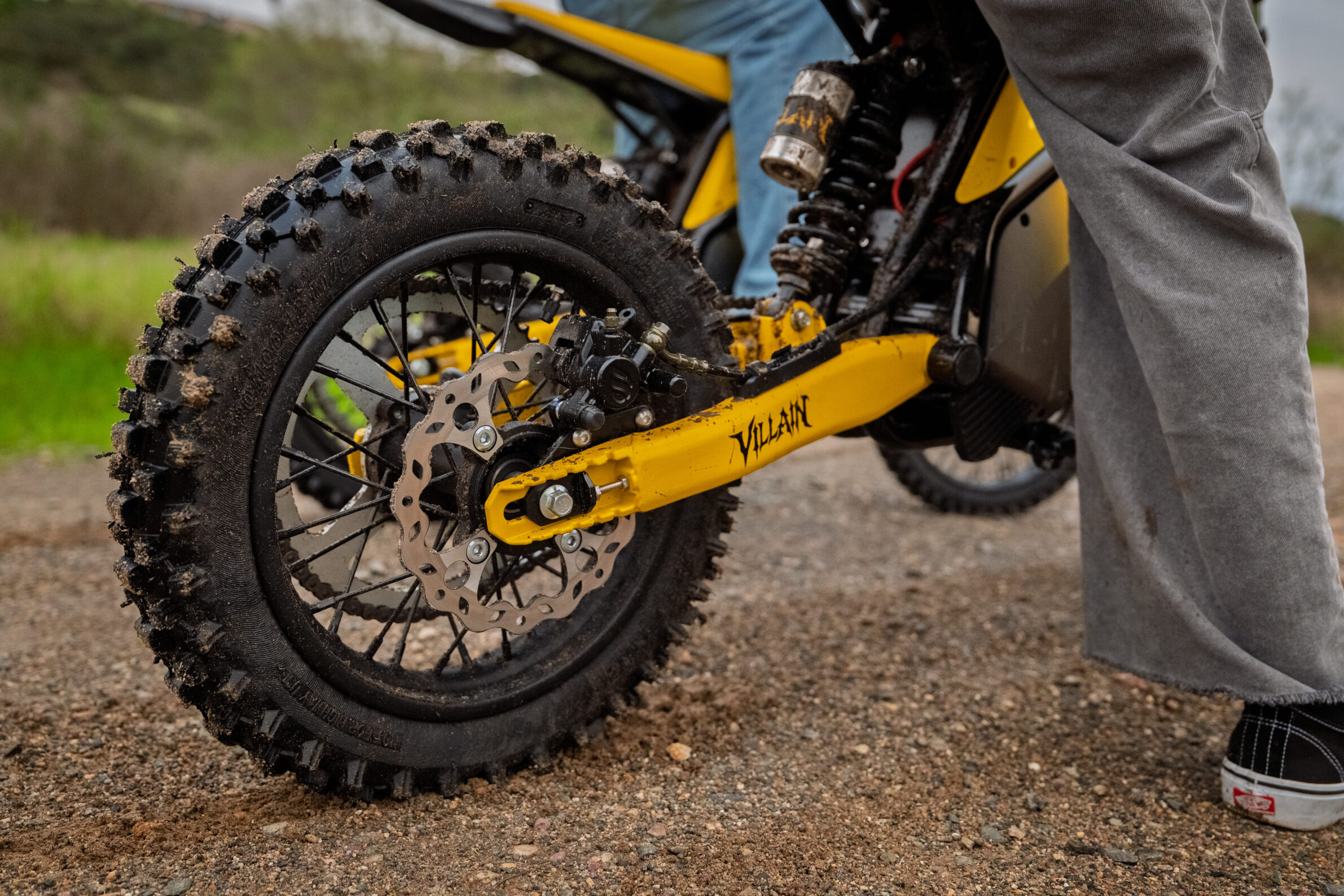
1. Heybike Villain by Heybike
United States, 2026


Photography: © Heybike
OZNIS MAG 2 develops the everyday sunglasses frame around a mechanism for changing lenses without touching their surfaces. Designed by Evolve Agency and TALEX’s in-house team, each pair of lenses sits in a slim protective insert that slides into the main frame and is held by magnets concealed within its rail system. Both lenses can therefore be exchanged in a single movement, without conventional mechanical latches. Frame and insert colours can be matched or contrasted, while different polarised lenses accommodate changing light conditions, from driving to outdoor activities. Up to three inserts fit into a compact carrying case. The system separates the permanent frame from the interchangeable lenses, reducing the need to carry several pairs of sunglasses.
2. CargoMate by FLECTR.BIKE
Germany, 2025

Photography: © Jorg Neugebauer, Kai Wiehagen
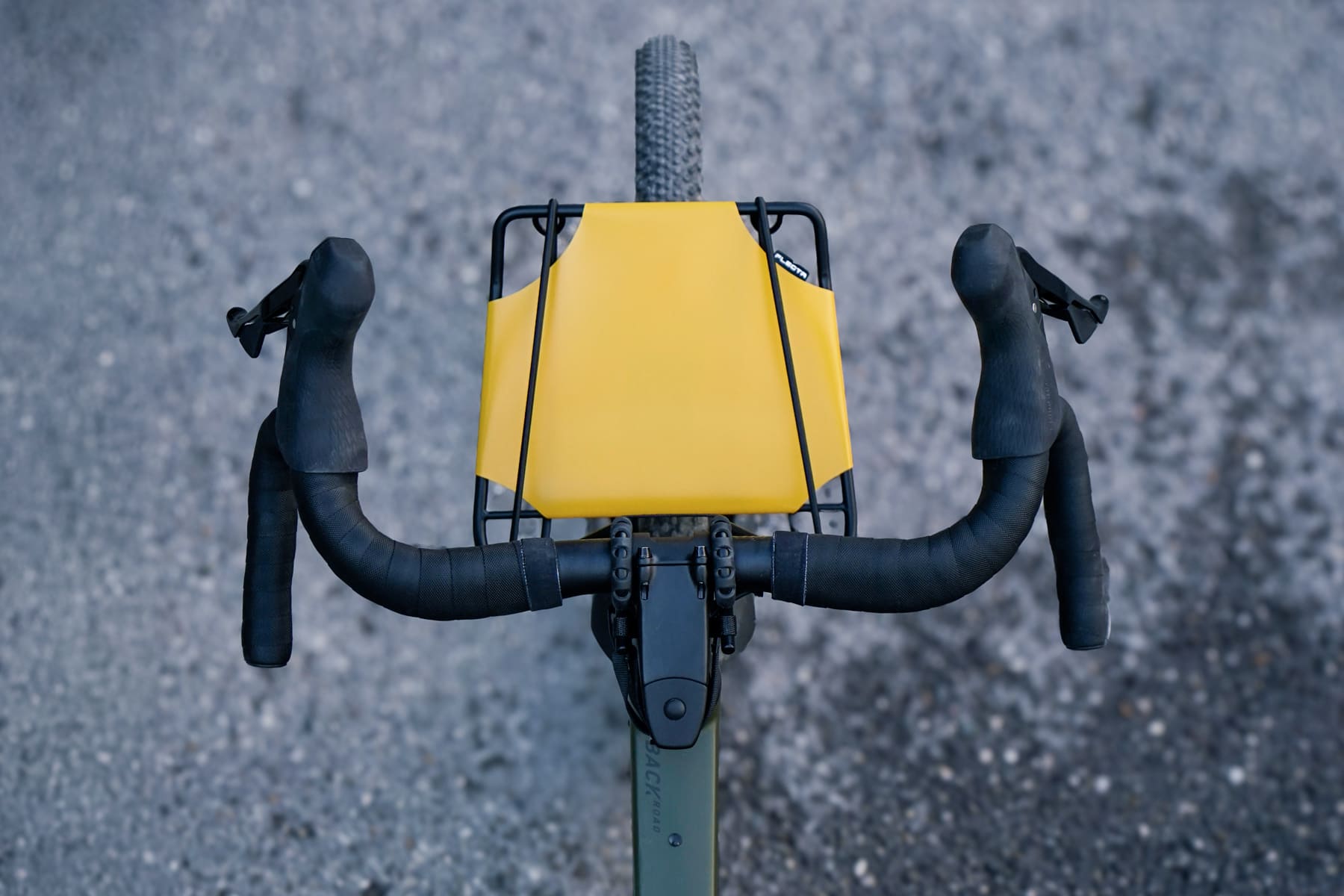
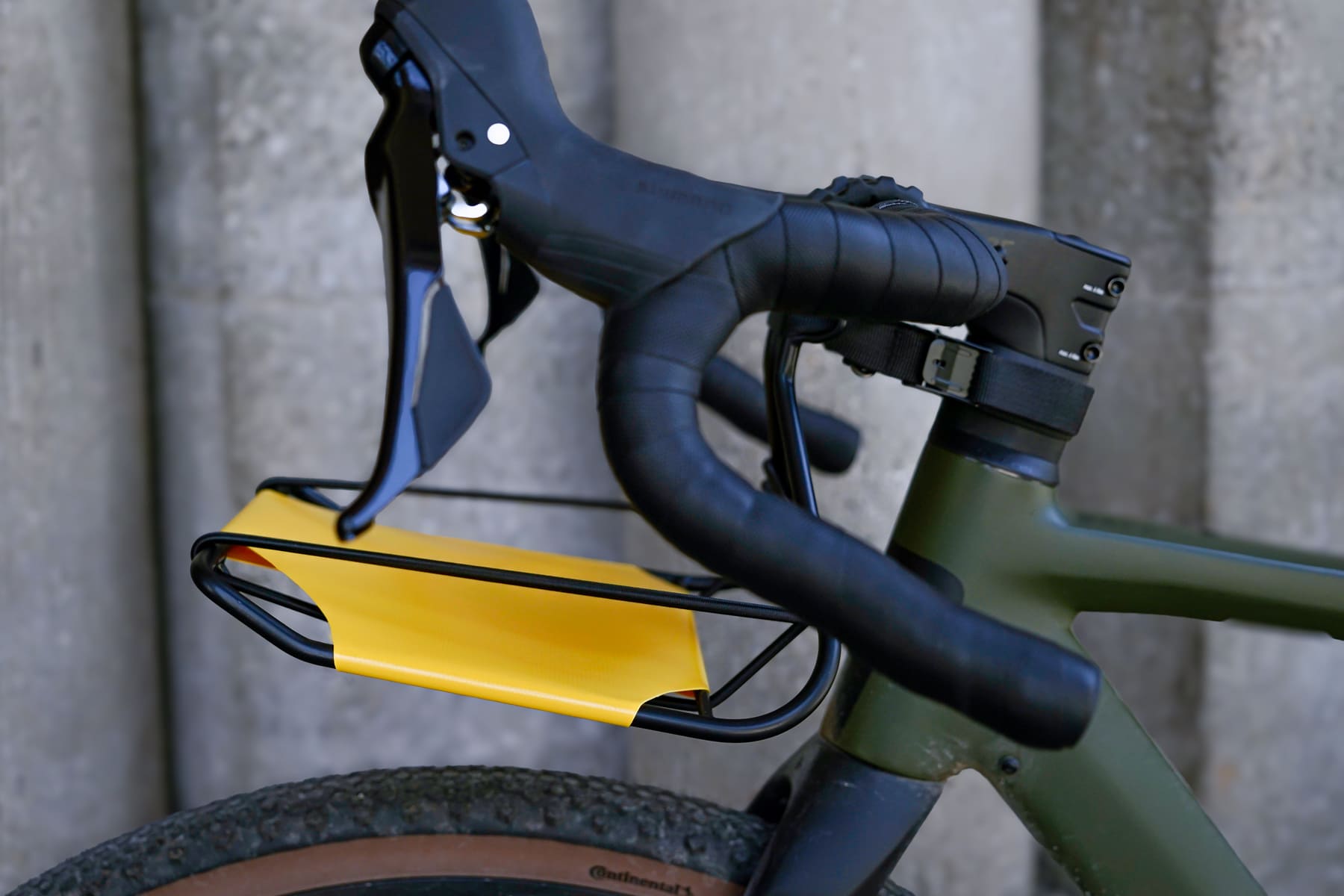
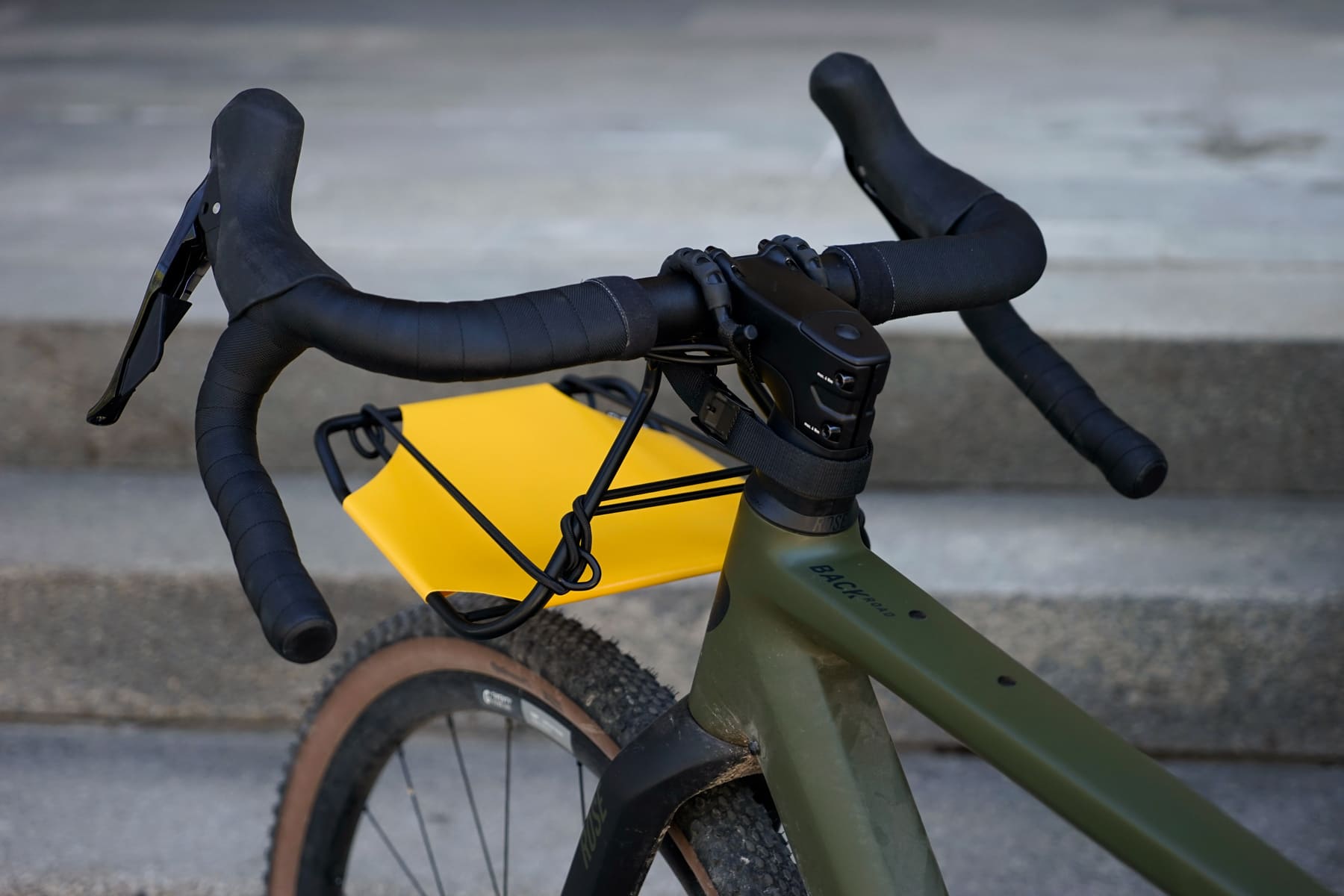
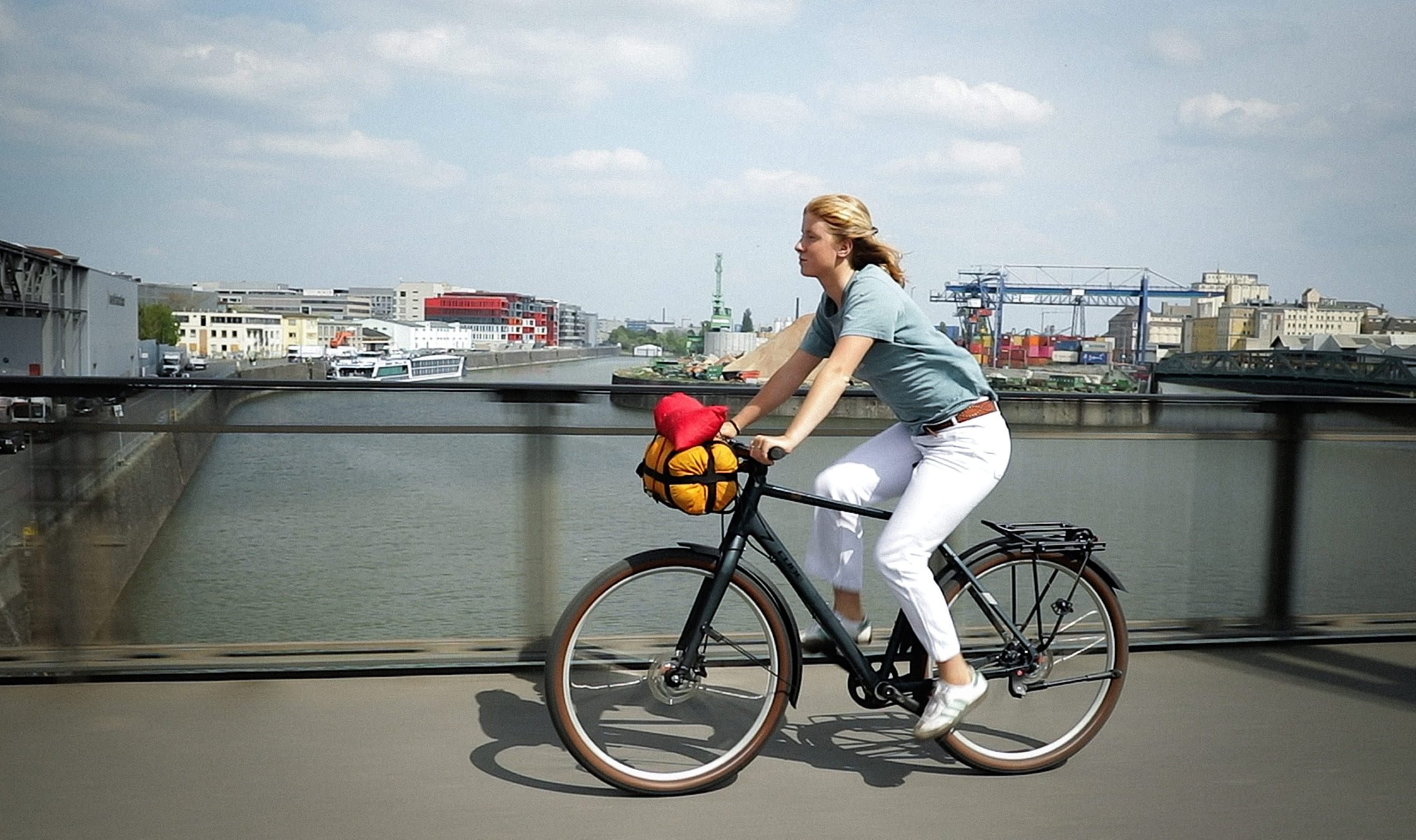
CargoMate approaches the conventional bicycle front rack through a lightweight, precisely defined structure. Designed by WN Products UG, its trapezoidal stainless-steel frame creates a clear graphic outline while positioning the load close to the handlebars. Small integrated eyelets work with an elastic Bungee Loop to secure belongings without complicated adjustments. The rack attaches through adjustable straps compatible with different handlebar diameters, allowing installation and removal without tools in approximately 30 seconds. Weighing 670 grams, it supports loads of up to five kilograms. Polished silver and semi-matte black finishes establish two restrained material expressions, while interchangeable covers and coloured straps introduce opportunities for customization. The design treats a practical cycling accessory as an integral part of the bicycle’s overall appearance.
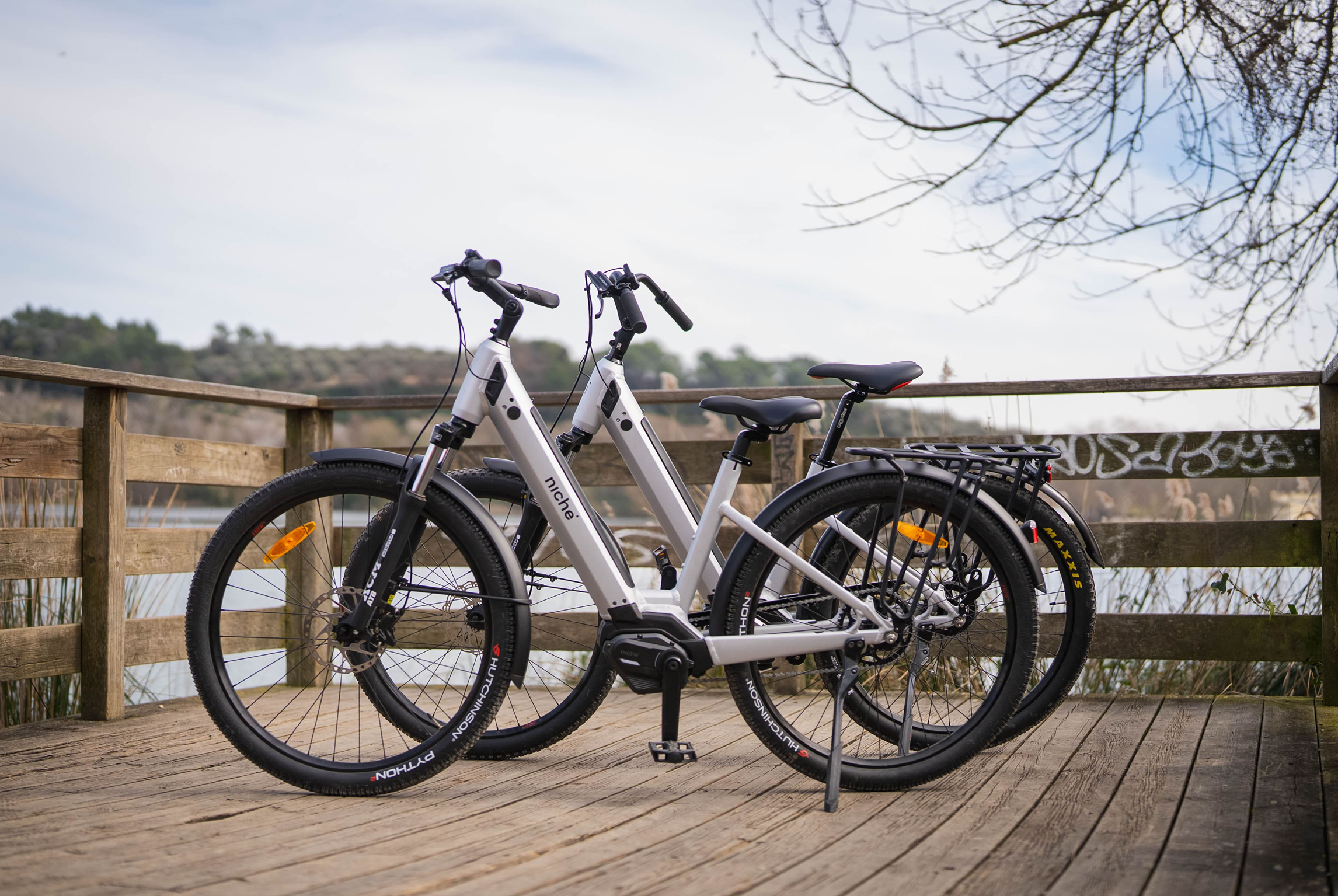
3. The Niche Drive System by Niche Mobility
Spain, 2027
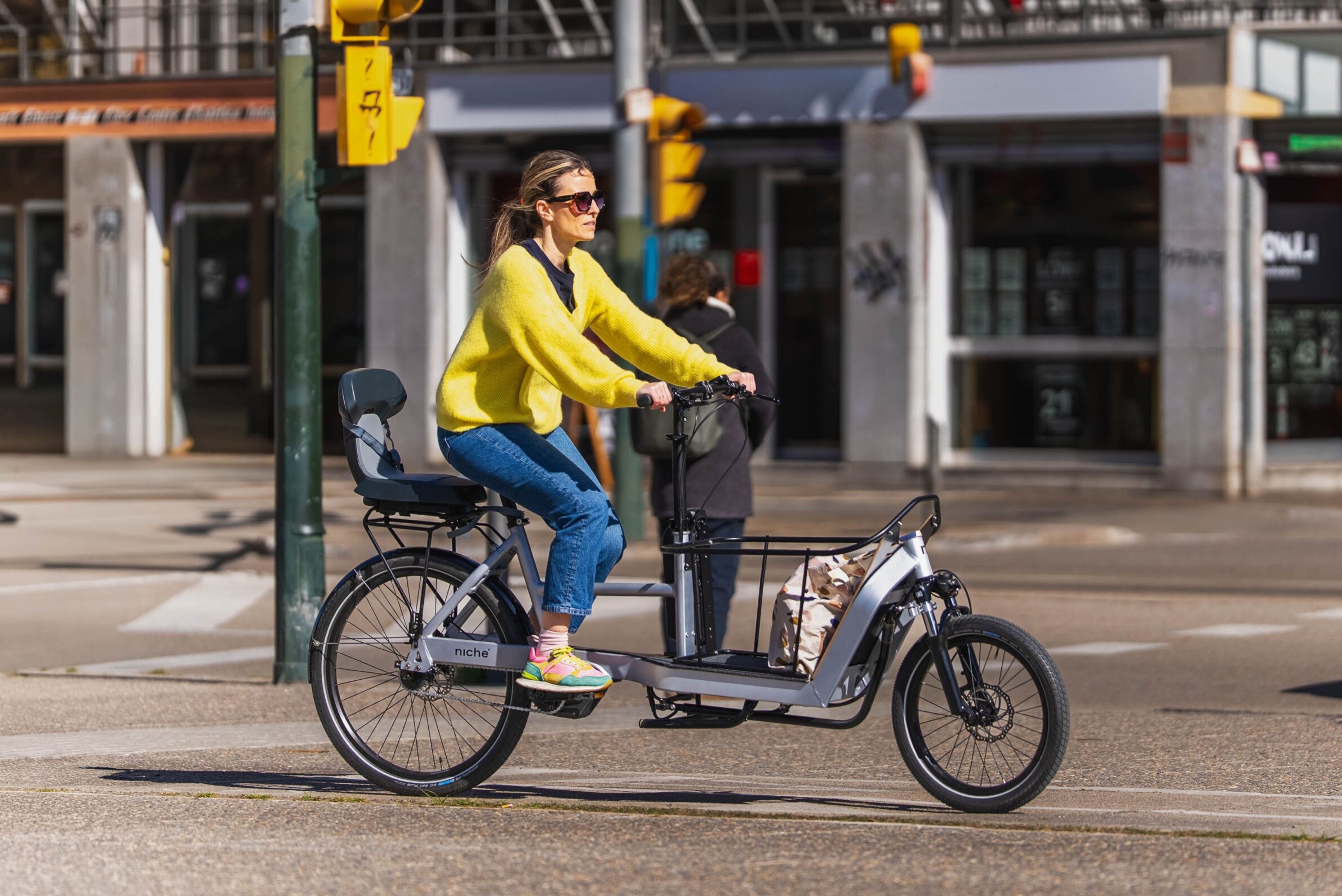
Photography: © Niche Mobility
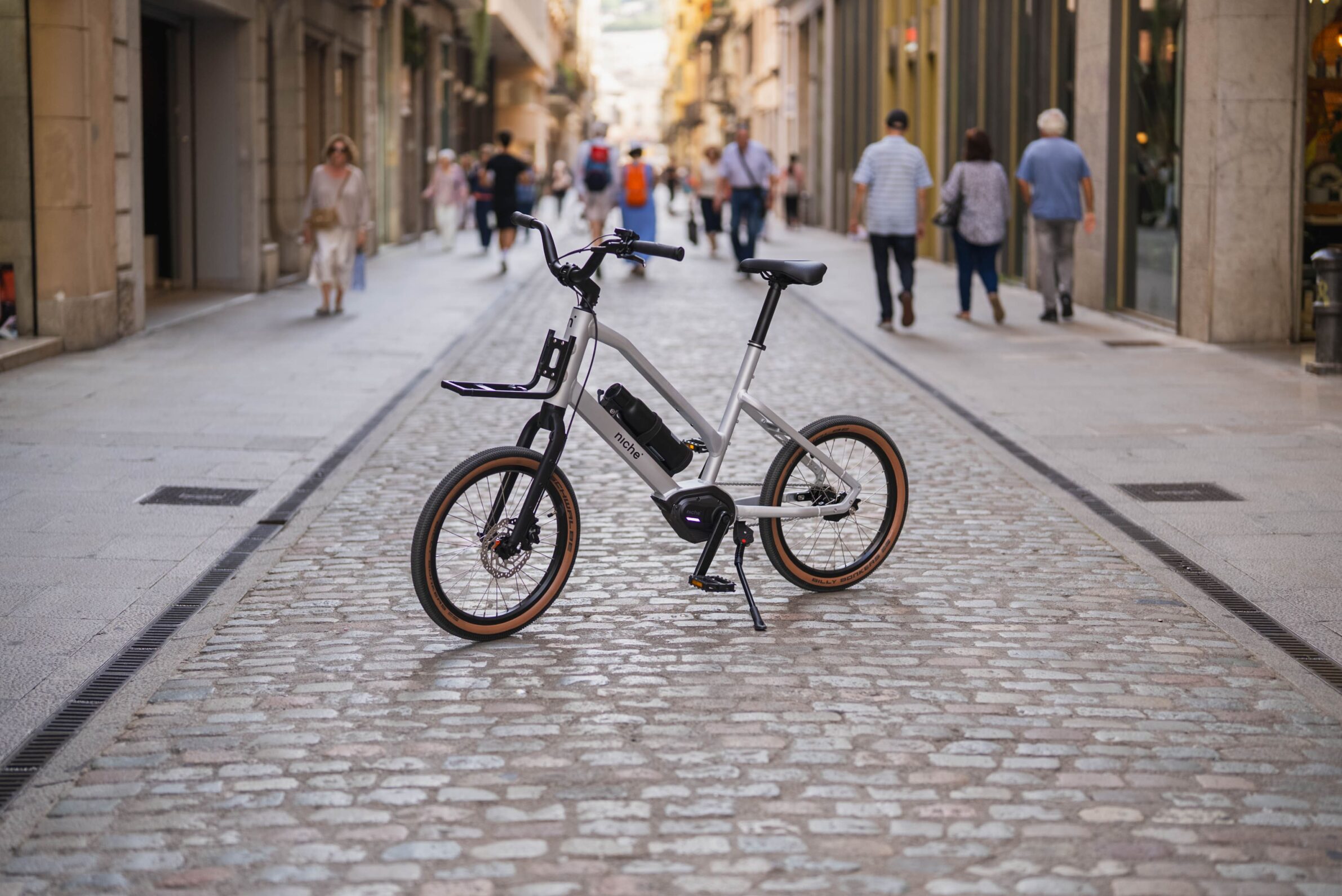
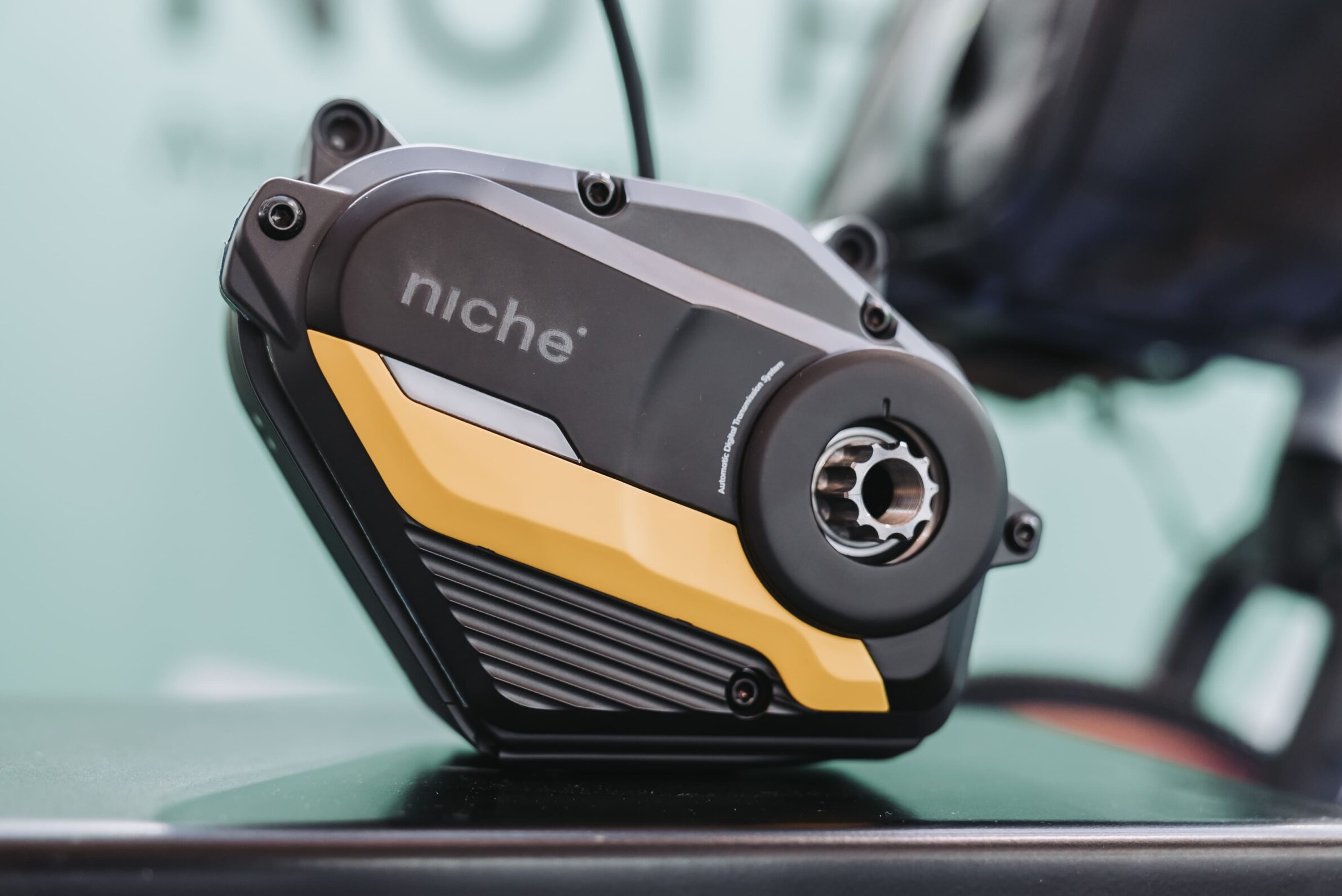
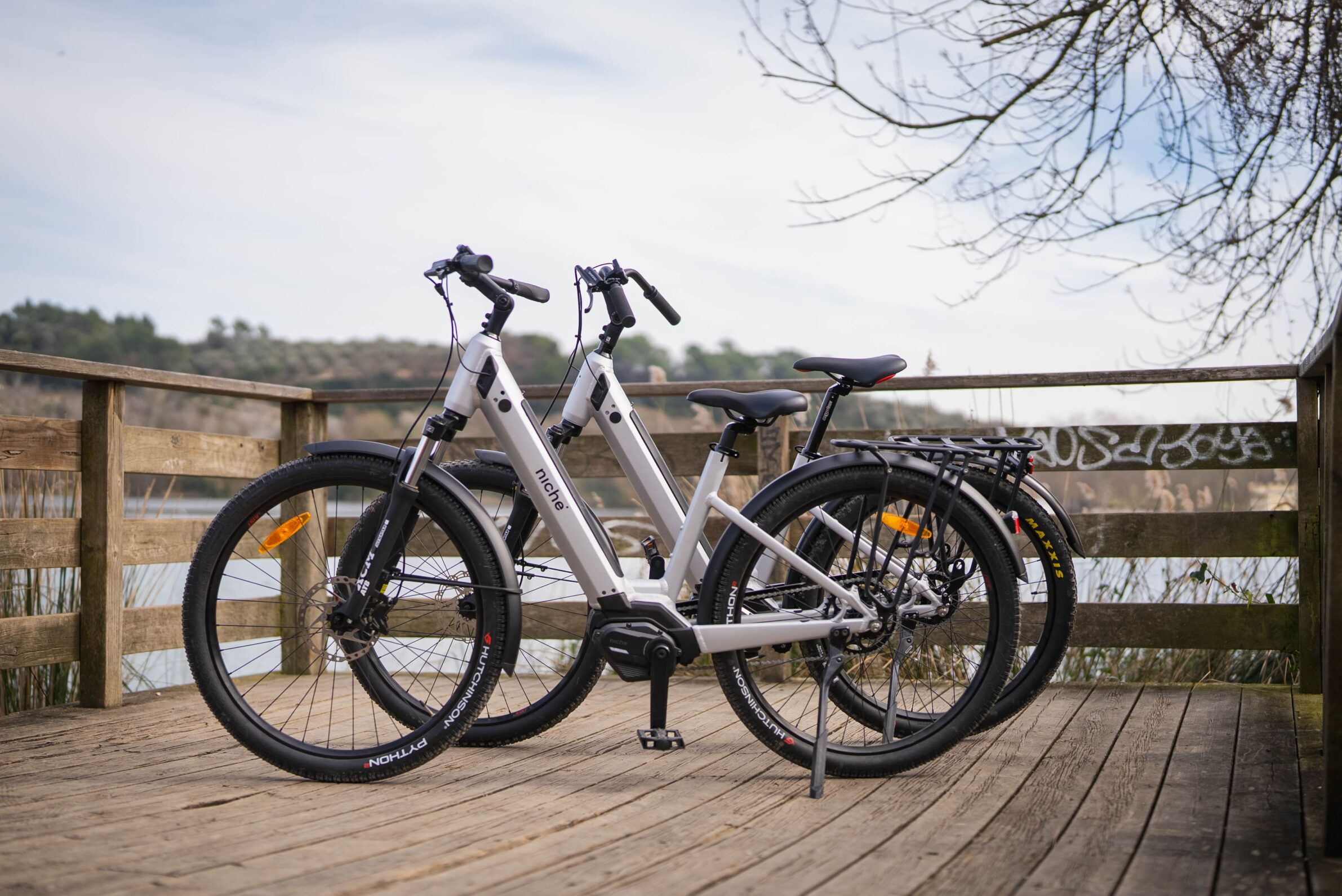
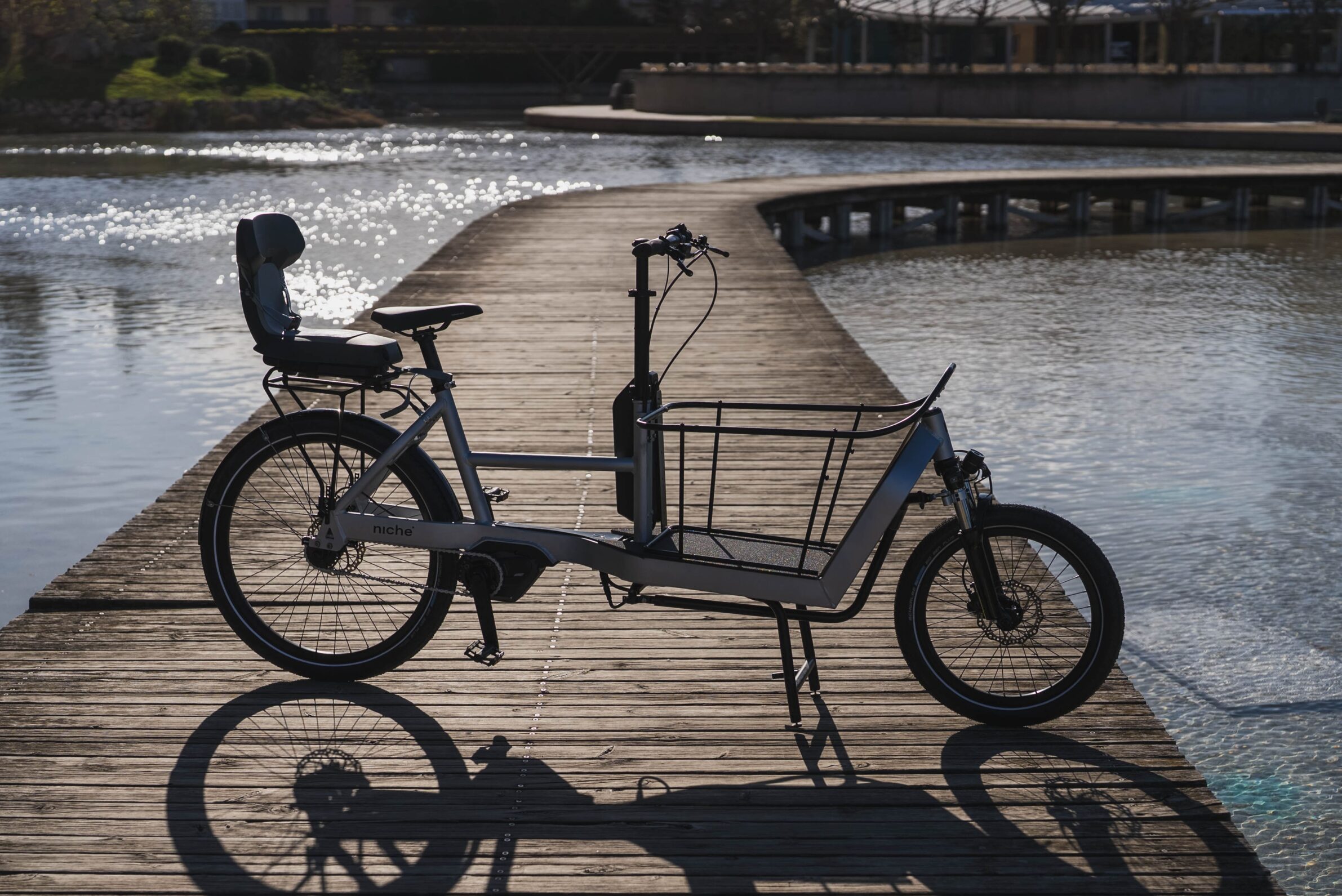
The Niche Drive System reconsiders the electric bicycle drivetrain by removing the conventional components associated with manual gear shifting. Developed by Niche Mobility in Girona, the fully automatic digital transmission integrates its mechanism into a compact central housing, eliminating the cassette, derailleur, gear levers and shift cables. The system works with either a chain or a belt and automatically adjusts to changing speed and gradients. For bicycle manufacturers, this arrangement simplifies the rear frame area and reduces the number of controls and cables requiring integration. For riders, it removes the need to manage gear changes during everyday journeys. Intended for urban, trekking and cargo bicycles, the design places mechanical complexity within the drive unit rather than in the rider’s interaction with the bicycle.
4. AVNTGARD Bag Capsule Collection by AVNTGARD R&D
Italy, 2023
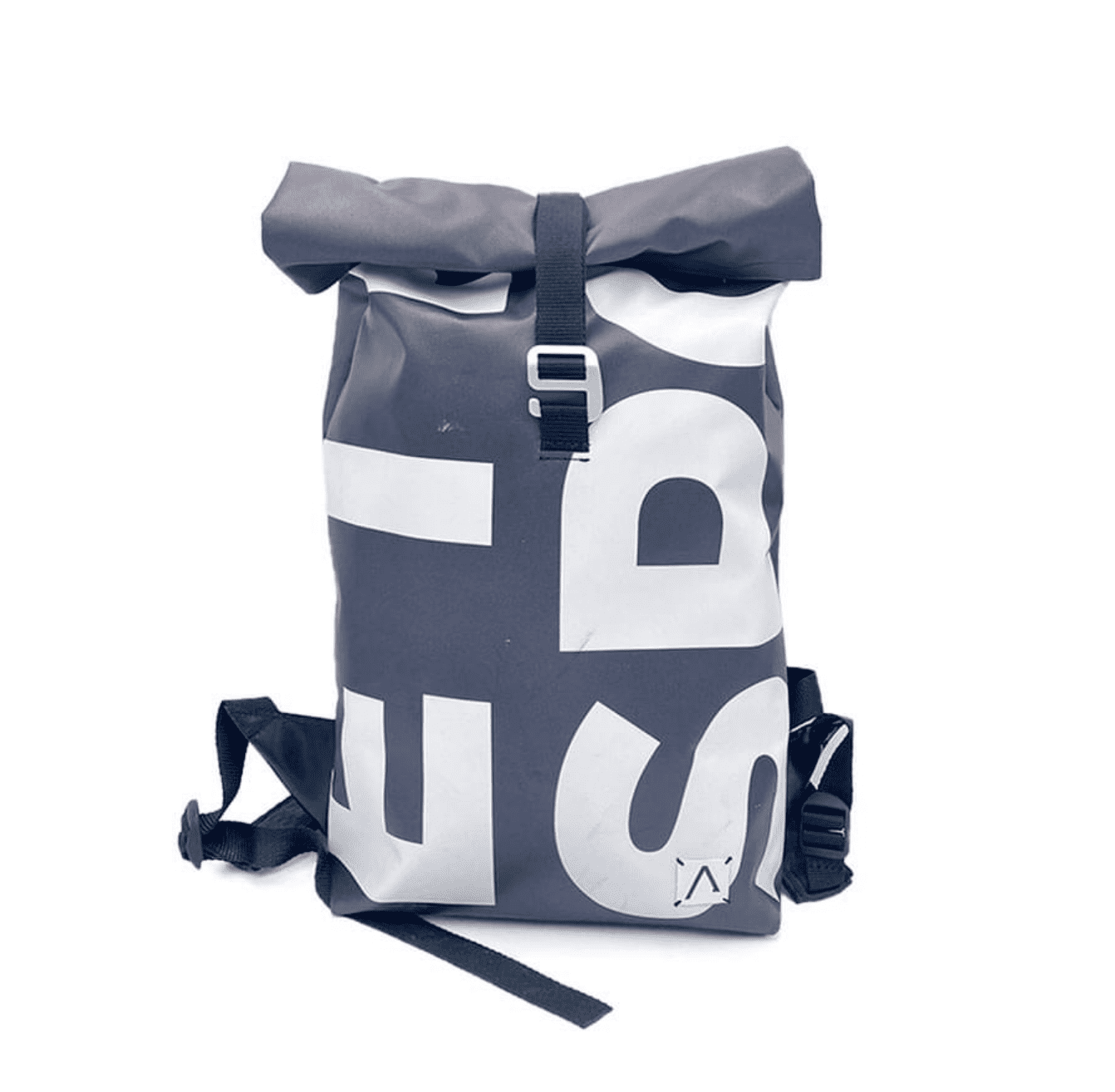
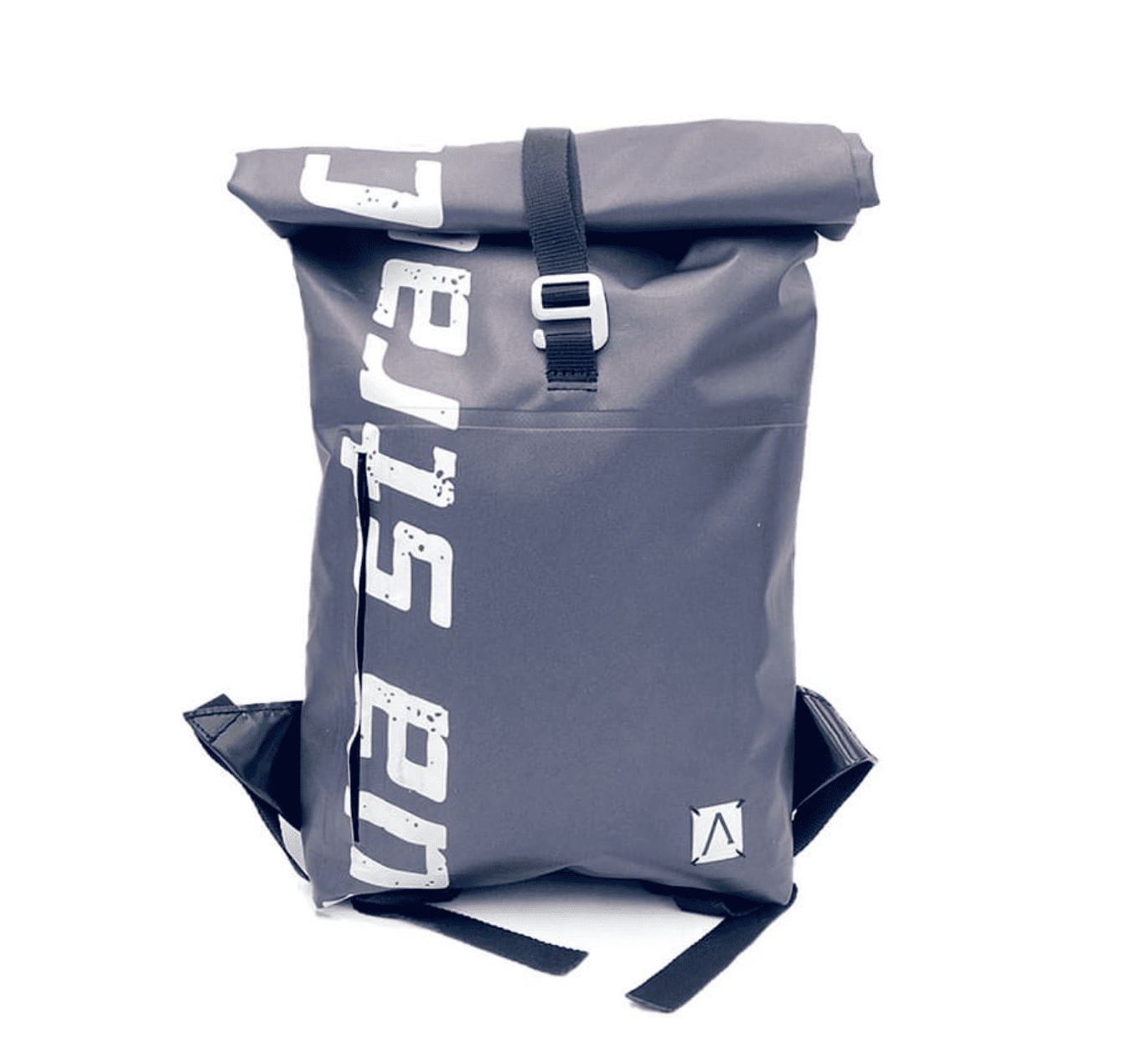
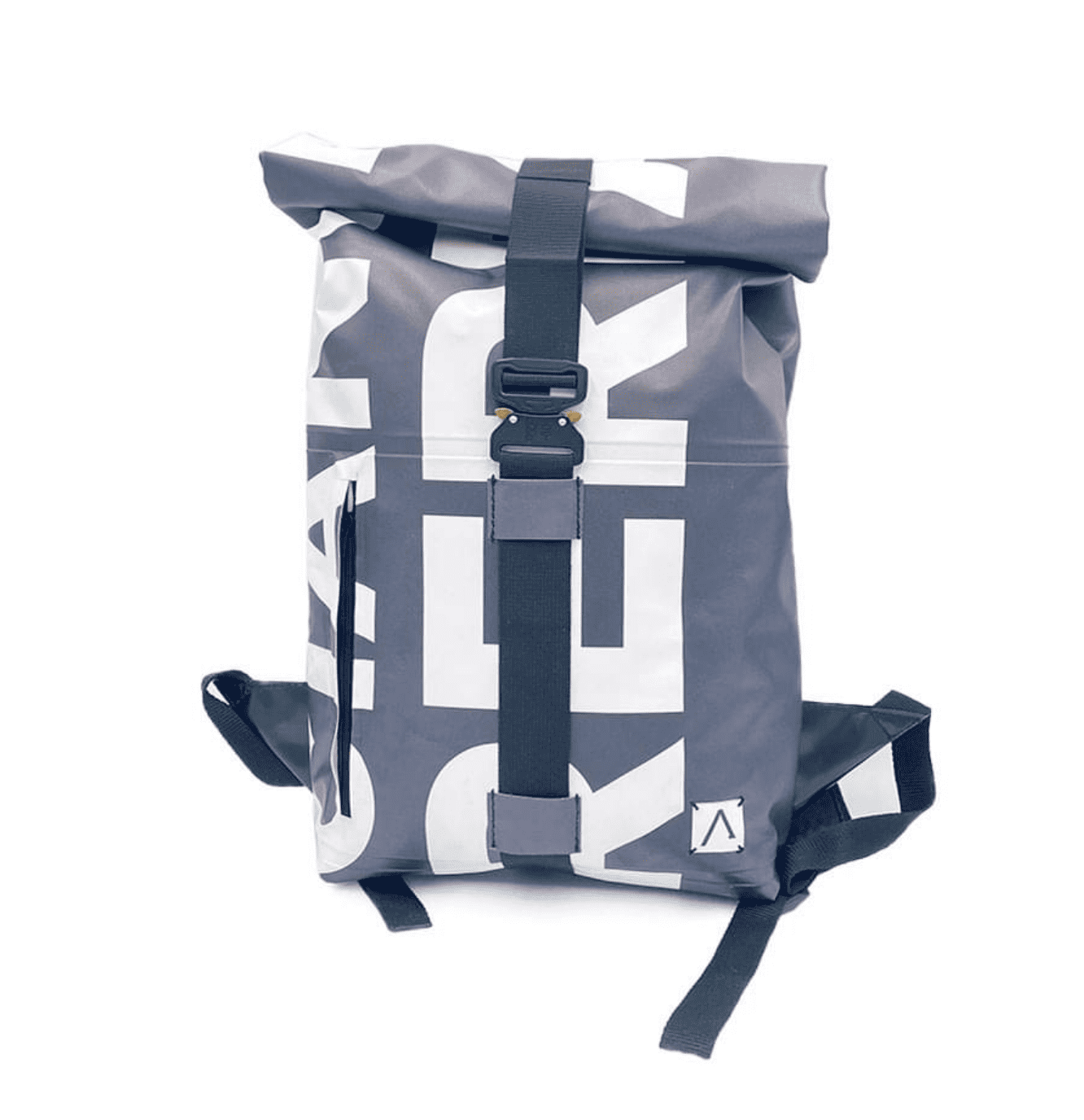
Photography: © AVNTGARD
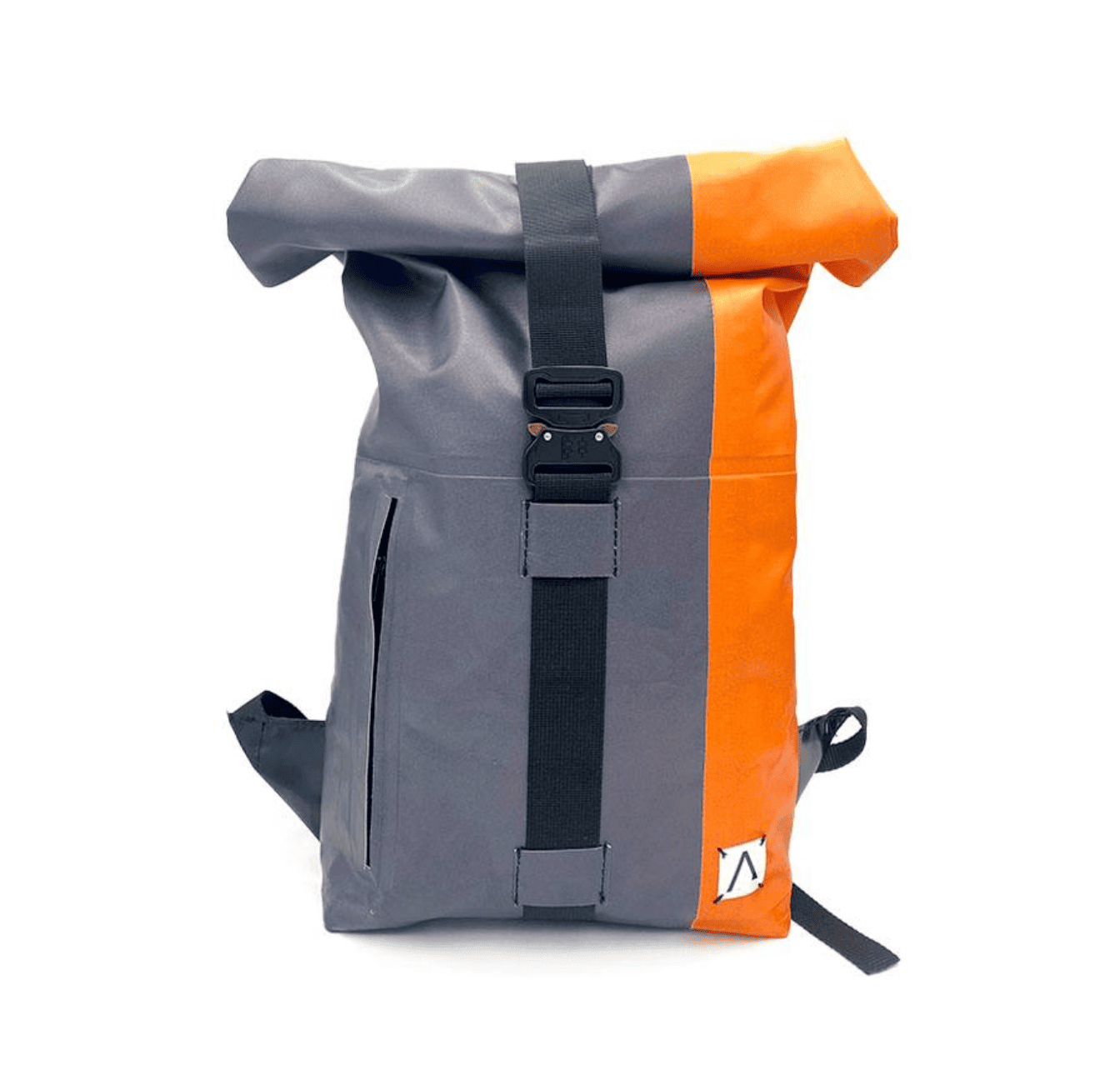
The AVNTGARD Bag Capsule Collection transforms discarded exhibition materials into accessories designed for everyday urban movement. The project uses heavy-duty PVC tarpaulins recovered from dismantled temporary exhibition structures, retaining the original graphics, marks and traces of their previous use. These waterproof, tear-resistant materials are reworked into six technical backpacks, two laptop cases and a series of utility keychains. The bags draw their character directly from the industrial properties of the material, combining durable surfaces with practical forms suited to metropolitan travel. Rather than introducing new decorative treatments, the collection allows the existing colours and surface variations of the salvaged tarpaulins to define each piece. The project connects temporary architectural construction with objects intended for repeated, long-term use.
5. CONVOY by Micro Mobility Labs
United Kingdom, 2026


Photography: © Micro Mobility Labs
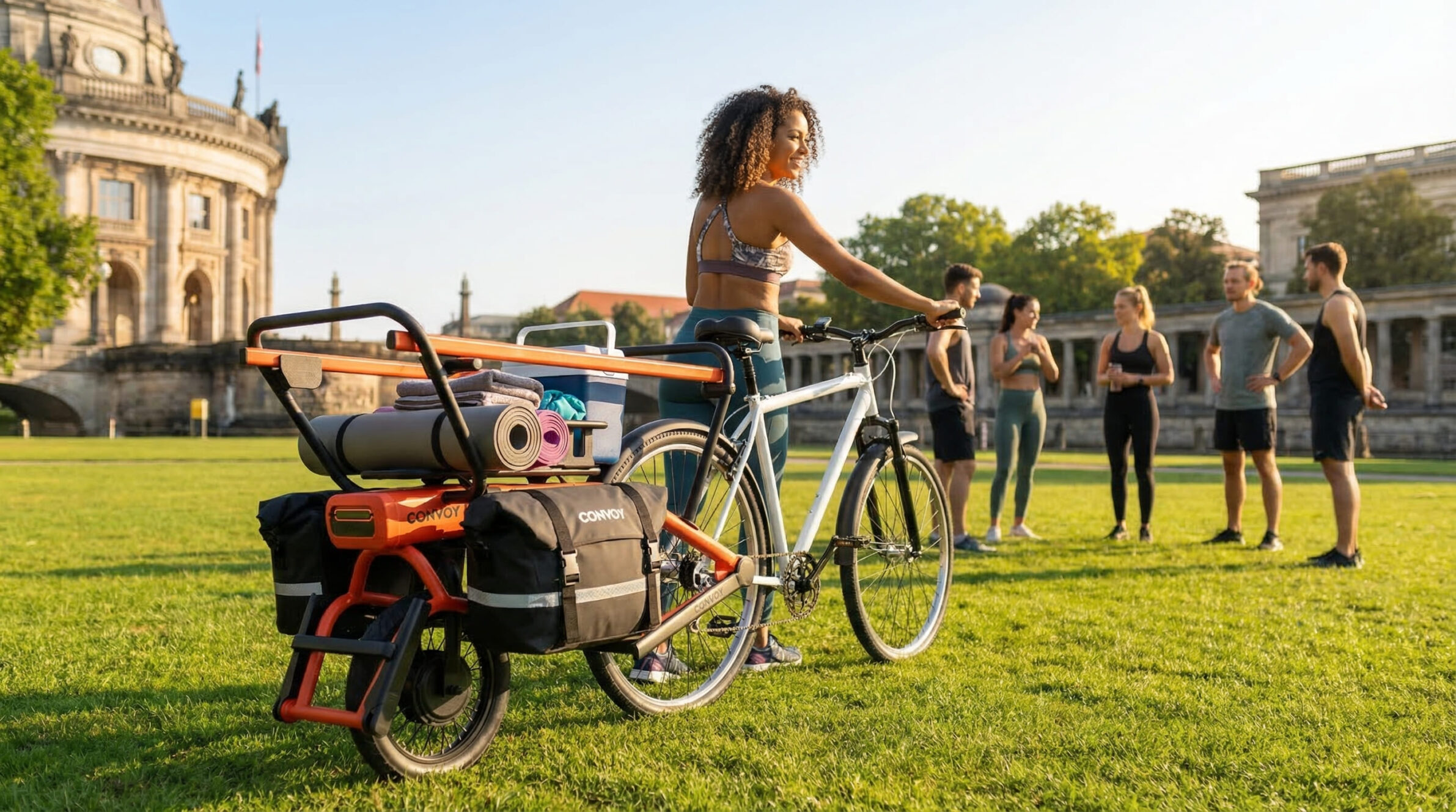
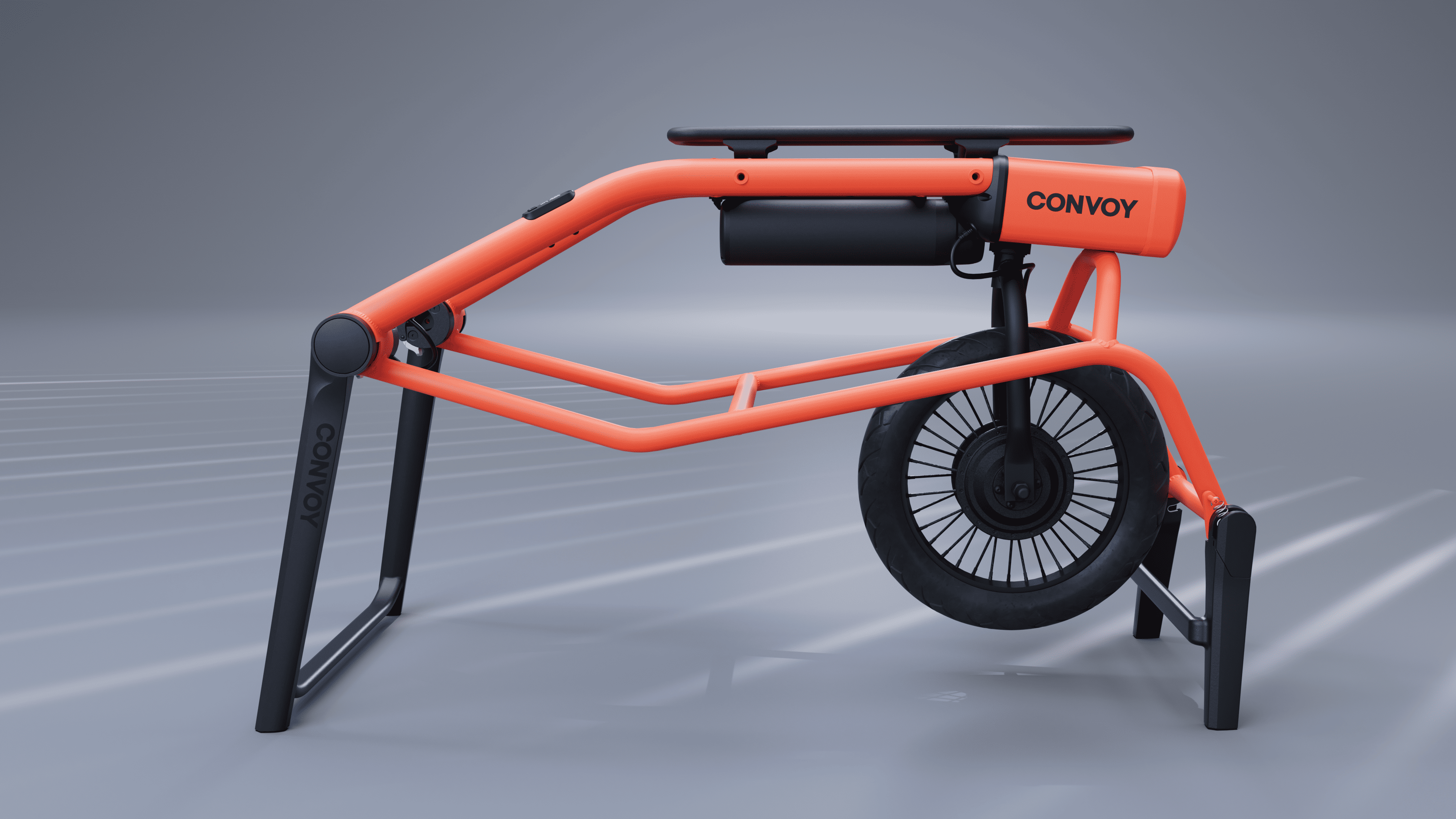
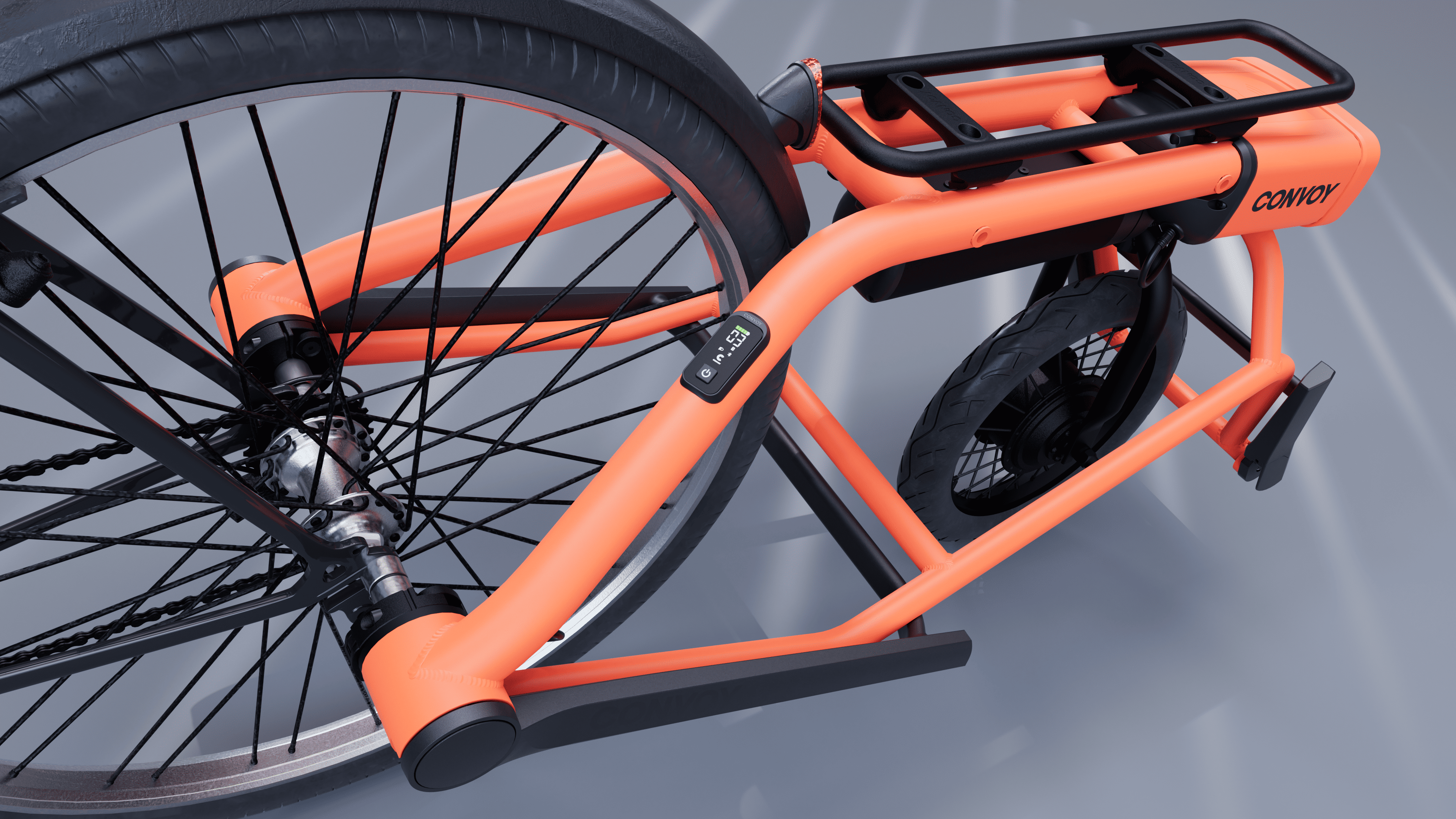
CONVOY expands the carrying capacity of an ordinary bicycle through an electrically assisted trailer designed for transporting children or cargo. The modular platform attaches to a wide range of existing bicycles without requiring permanent modifications. Its defining features are two integrated technologies: Follow, a steer-by-wire system that actively guides the trailer wheel along the bicycle’s path, and Mirror, which adjusts electric assistance in response to the rider’s pedalling effort. Together, they address the handling challenges associated with transporting additional weight. Intelligent braking assistance and digital security are incorporated into the system, while the modular construction allows for different configurations. Designed in the United Kingdom and manufactured in Portugal, CONVOY approaches family transportation through an adaptable addition to an existing bicycle rather than a dedicated cargo-bike frame.
6. B.Neos by Benetti, Malcolm McKeon Yacht Design and FM Architettura
Italy, 2026



Photography: © Benetti
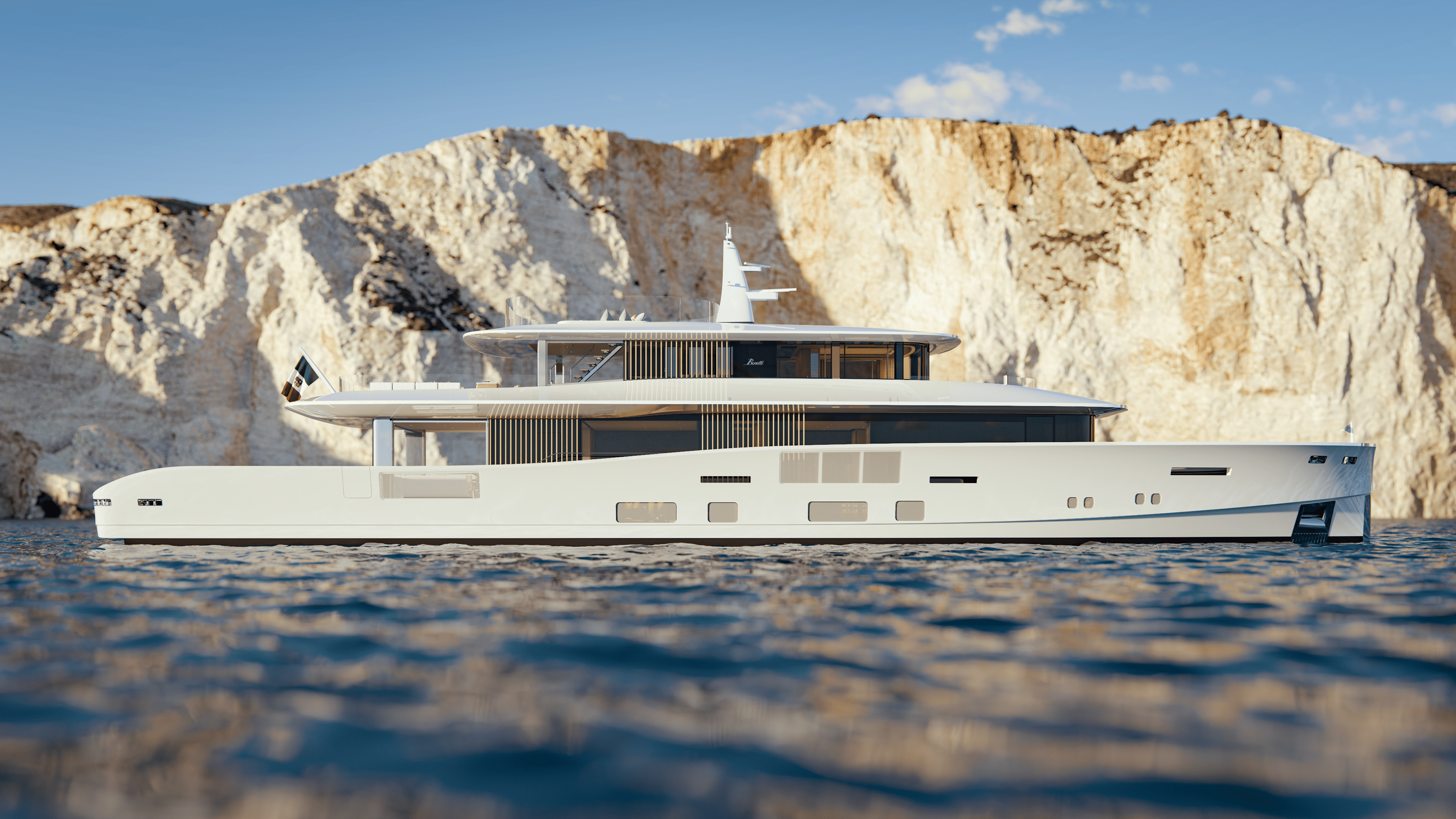
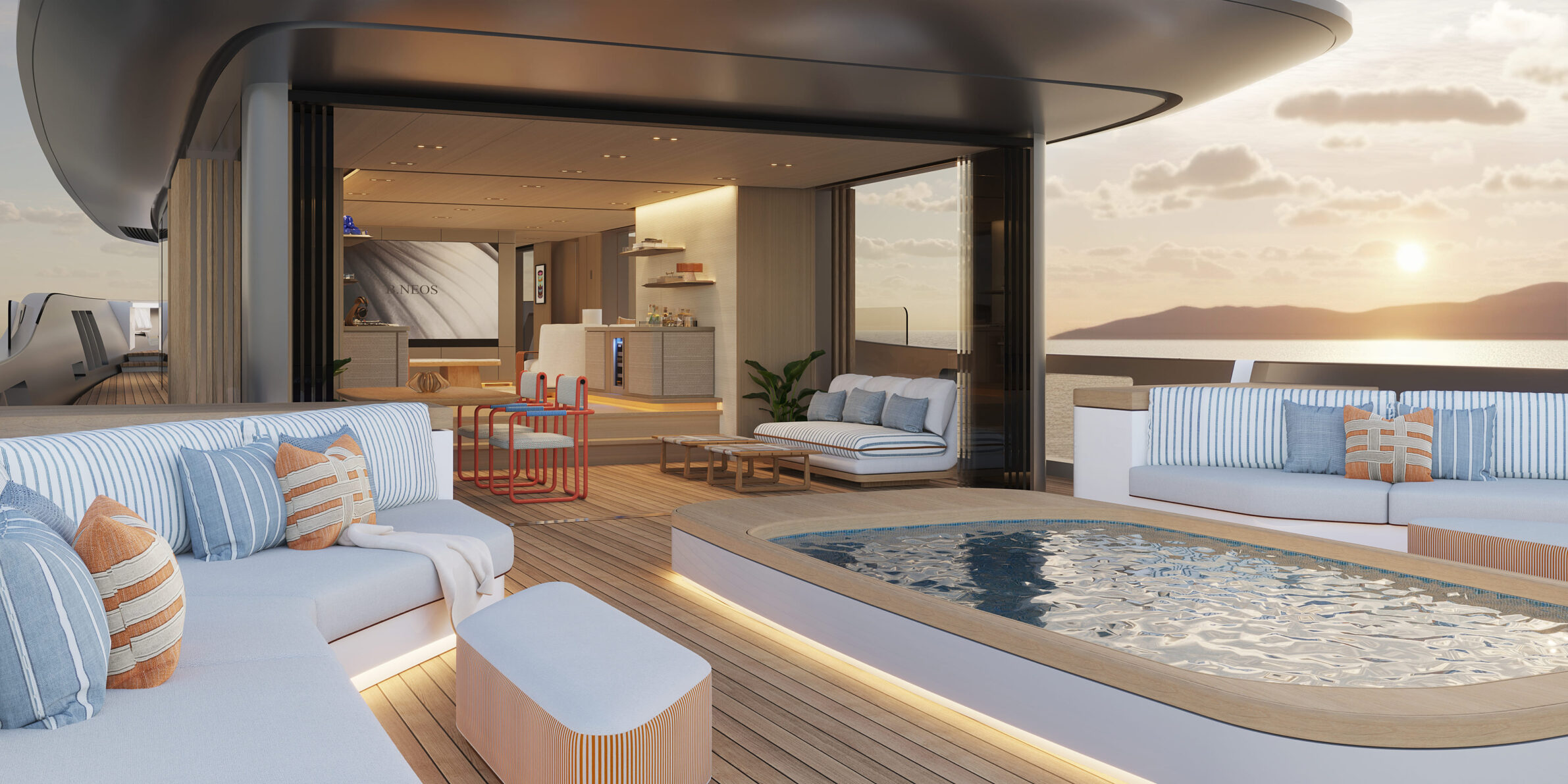
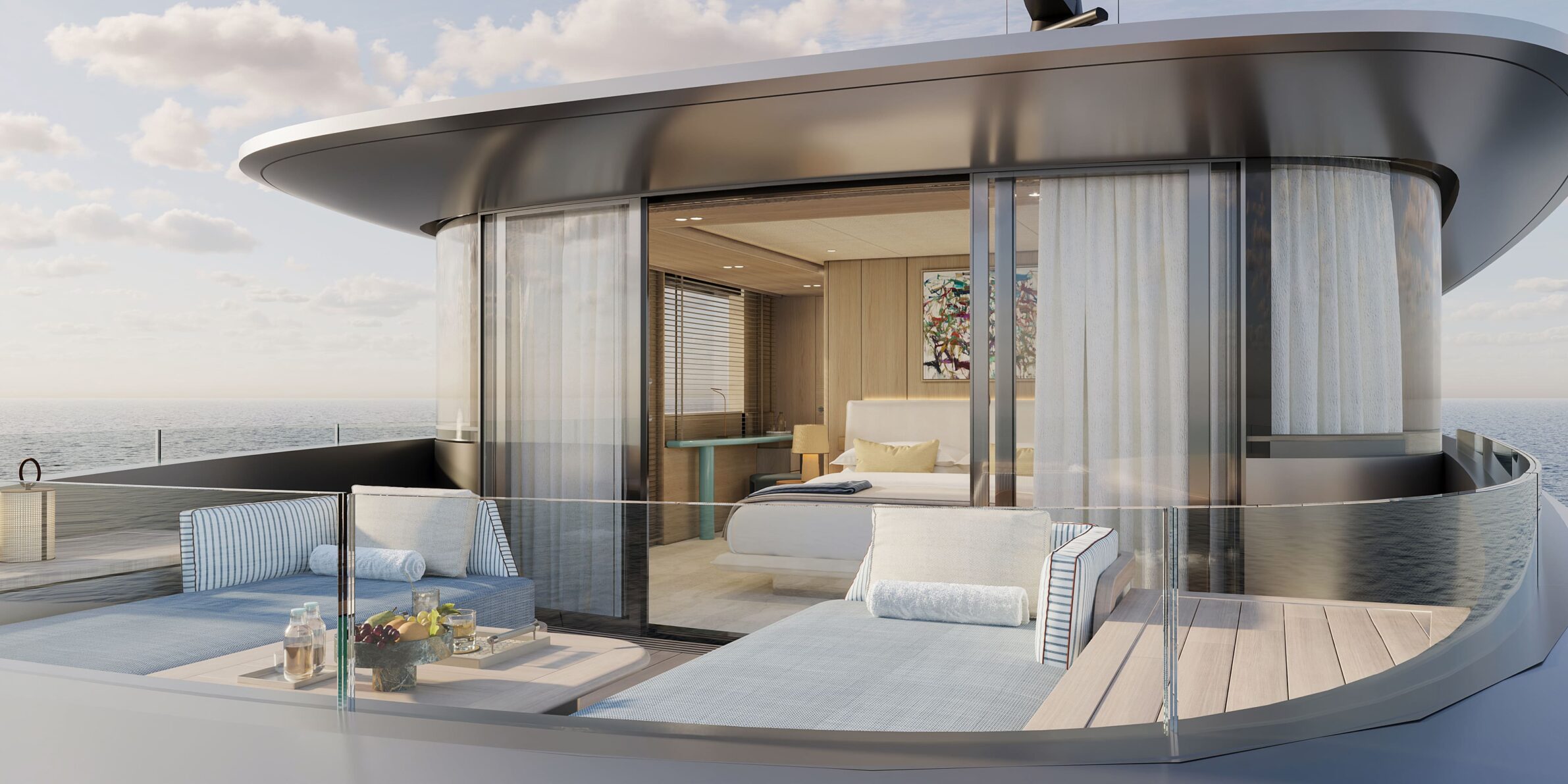
B.Neos is a 40-metre hybrid yacht whose low-profile exterior, designed by Malcolm McKeon Yacht Design, draws on the proportions of sailing vessels. The interiors by Francesca Muzio of FM Architettura emphasize tactile materials, natural light and informal living arrangements. An aft pool area connects with the Sea Atrium, a 2.4-metre-high space enclosed by floor-to-ceiling glazing, while an open Family Kitchen forms a central gathering area. The wheelhouse occupies the forward section of the Main Deck, allowing the Upper Deck to accommodate a private owner’s apartment with panoramic views. Hybrid propulsion is integrated into the yacht’s design from the outset, reducing noise and vibration during operation. The project connects naval engineering with an interior layout organized around comfort, openness and life at sea.
7.BigBag by VOSDING Industrial Design
Germany, 2024
Photography: © Peter Otto Vosding, fleur ami
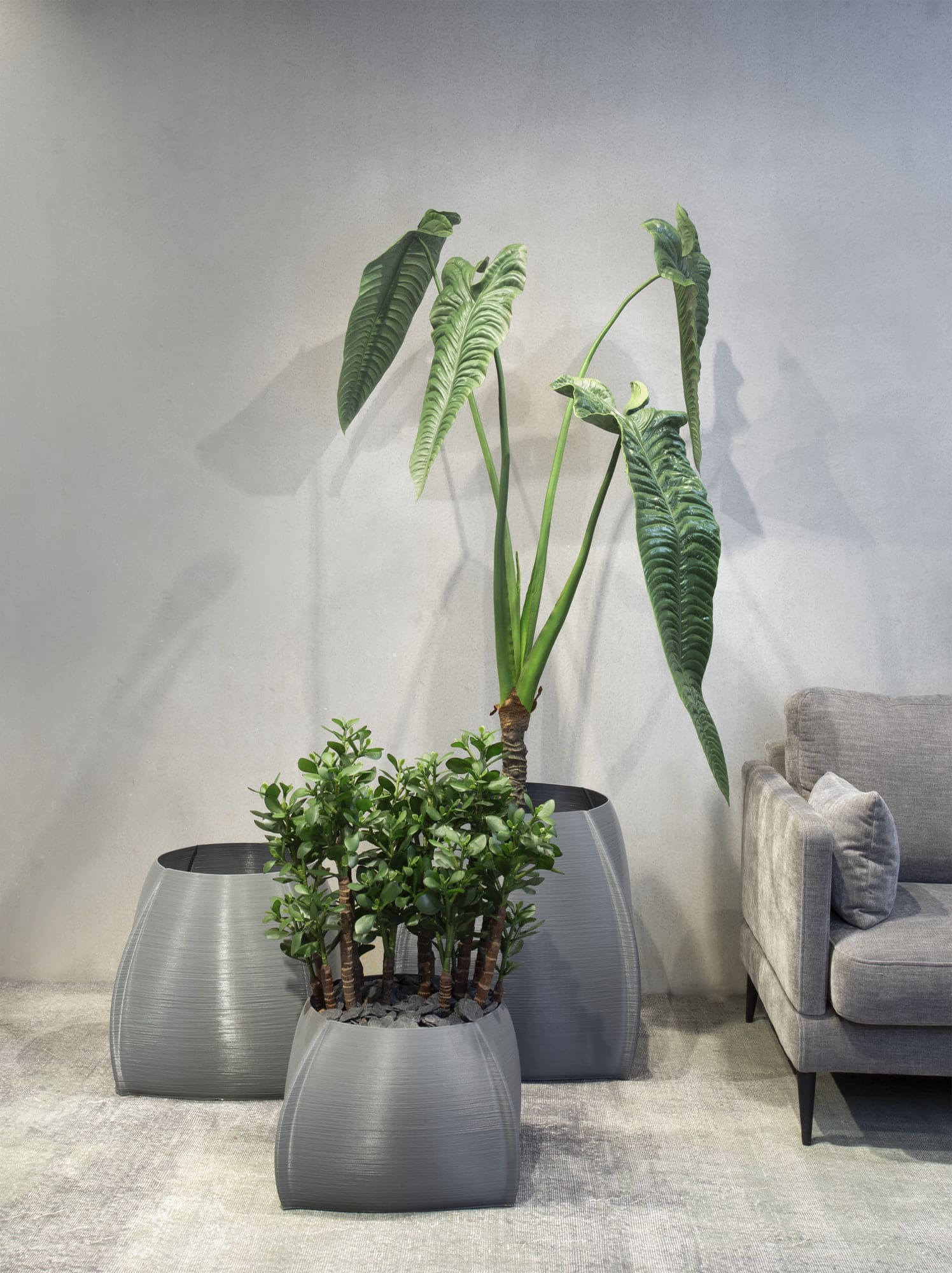
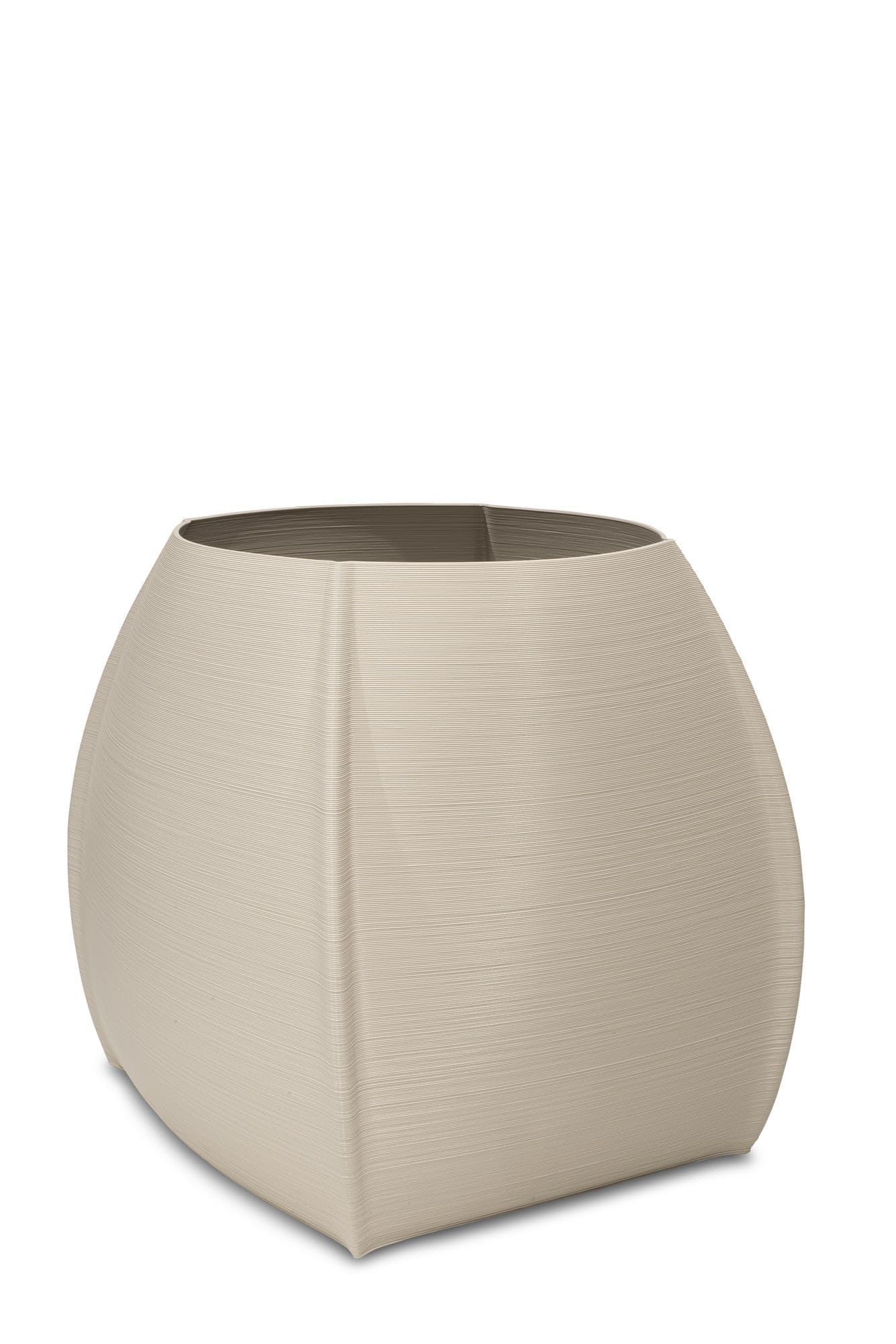
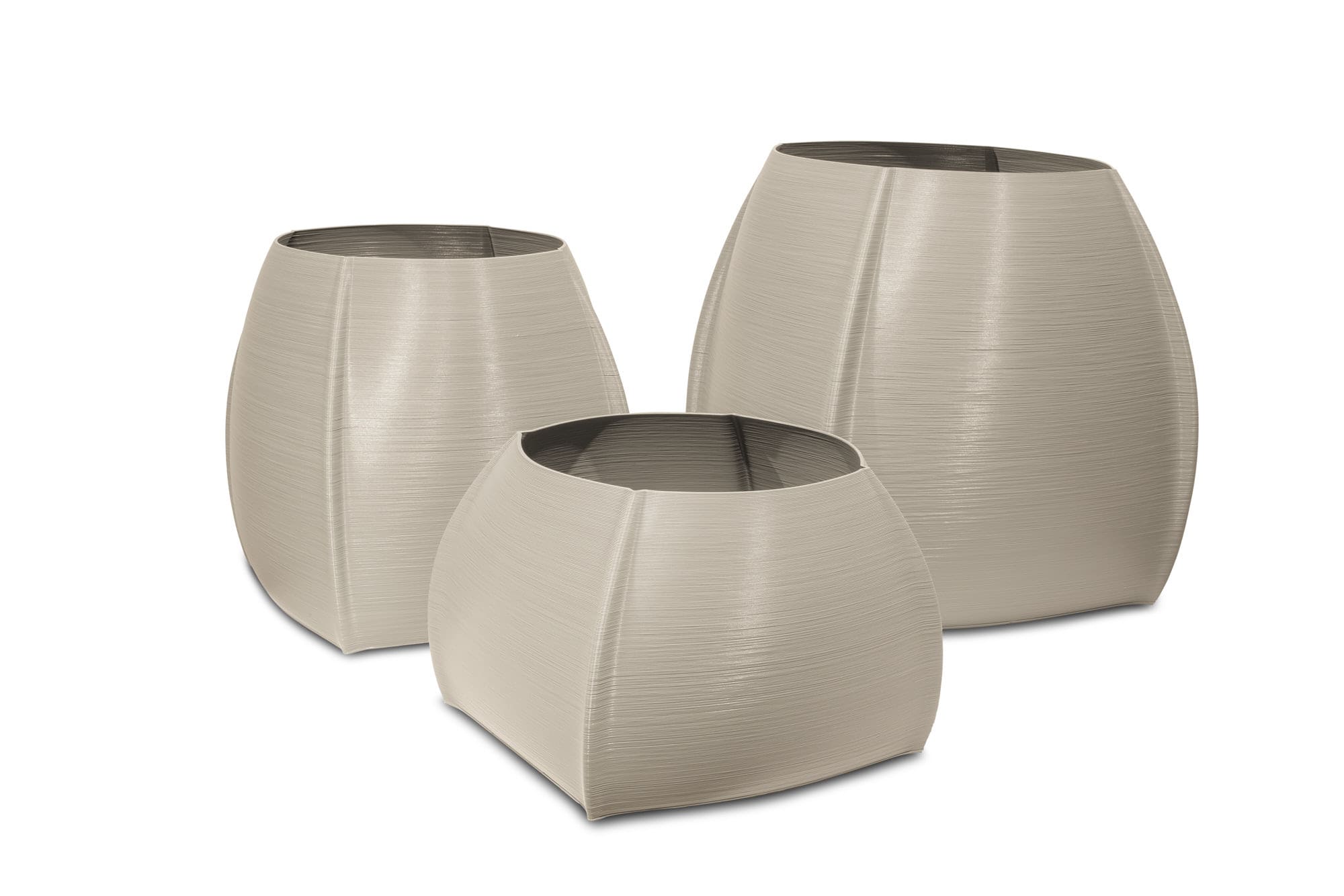
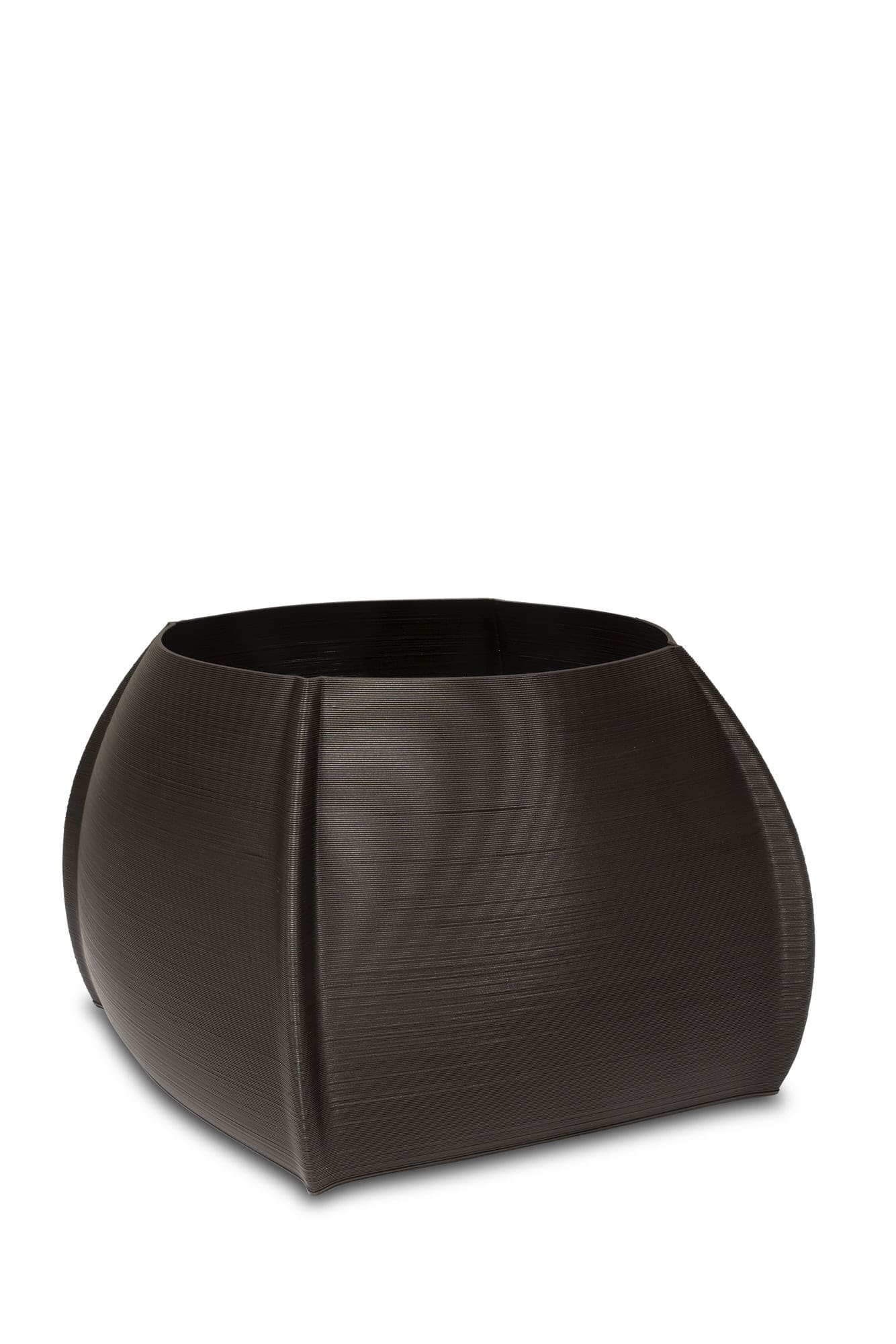
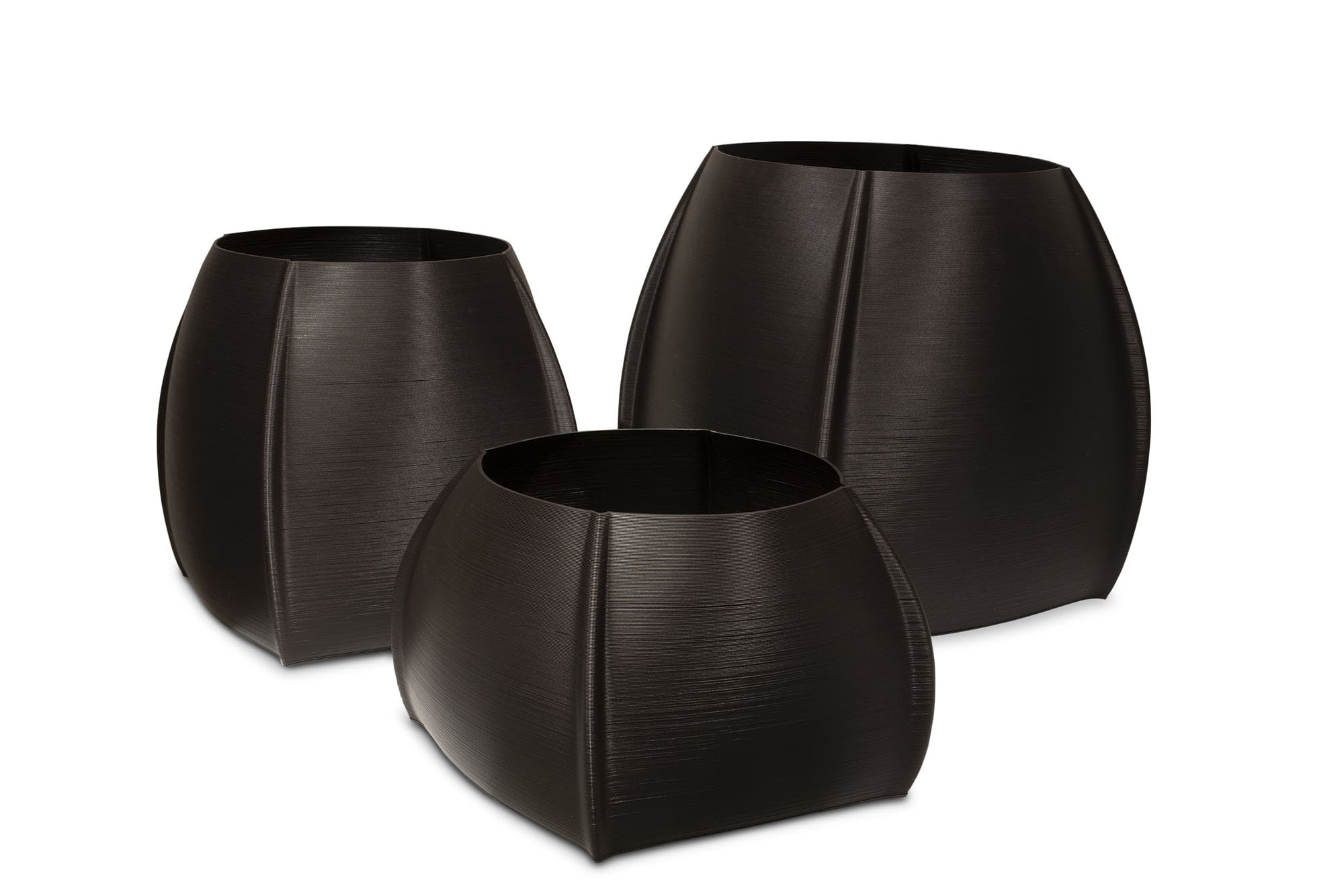
BigBag is a collection of plant pots designed by Peter Otto Vosding for fleur ami, drawing inspiration from the characteristic shapes of textile transport bags. Outwardly curved seams and gently rounded surfaces give the rigid containers the appearance of flexible fabric, while fine horizontal lines created through 3D printing emphasize their sculptural form. The pots are manufactured from recycled PLA plastic, with a separate Wood version incorporating recycled wood for a warmer, more natural appearance. The additive manufacturing process also reduces material waste during production. Available in different sizes and finishes, the containers can be fitted with transparent inserts to make them watertight. The design translates the familiar construction details of utilitarian carrying objects into a decorative product for interior spaces.
Edited by: Tinkara Pavlič; Cover image: © Niche Mobility
______
Selections is an editorial series in BIG SEE Magazine that presents carefully curated architecture, interior, and product design projects. Each article explores a specific theme, question or typology, highlighting projects that help us better understand the ideas, values and directions shaping the built environment today.
What do you believe is still worth creating?
We invite you to share your perspective on this season’s question. Your response will help us understand the ideas, challenges and aspirations shaping today’s creative community. As a thank-you for your contribution, participants will receive a complimentary ticket to the upcoming BIG SEE event.
Selected Works
___
Edited by:
Tinkara Pavlič
Cover image:
© Niche Mobility
Be There.



Powered by