



Rio Kerpaçi, Albania, 2026

Nominator: Florian Nepravishta
Nominator's statement
I am honoured to nominate Rio Kerpaçi for the BIG SEE Perspectives award, recognising him as an emerging architect whose work exemplifies a sophisticated integration of architectural research, professional discipline, and cultural awareness.
Since graduating in 2018 with a Master of Science in Architecture from the Faculty of Architecture and Urbanism in Tirana, where he achieved excellent results, Rio has cultivated a deep interest in architectural typologies, collective memory, and the interplay between architecture and urban environments. His professional development, from early experience in Albanian architectural studios to his current position as Project Manager at SONarchitects+, demonstrates sustained involvement in complex projects across the residential, cultural, and urban scales. His portfolio includes a diverse array of public and private developments, such as housing, hospitality, cultural facilities, and urban revitalisation projects. At SONarchitects+, he plays a pivotal role in coordinating and advancing intricate architectural processes, enhancing design quality, fostering interdisciplinary collaboration, and ensuring the successful realisation of projects.
Among his notable projects are contributions to the Faculty of Architecture and Urbanism buildings in Tirana, the award-winning Mosaic of Tirana project (BIG SEE Architectural Award 2026 Winner), and heritage-focused interventions such as the revitalisation of the Castle of Pogradec, where contemporary architectural approaches are thoughtfully integrated within protected historical settings. His professional experience is further distinguished by participation in national and international competitions, including the Ulcinj Stadium and the Al Nouri Mosque Complex, which engage with a range of cultural, urban, and programmatic contexts. Supported by advanced training in the restoration of cultural heritage monuments and strengthened through academic teaching, Rio Kerpaçi exemplifies a reflective, research-oriented, and socially responsible new generation of architects contributing to contemporary architectural discourse in Southeast Europe.
RECONSTRUCTION OF THE BUILDINGS OF THE FACULTY OF ARCHITECTURE AND URBANISM AND THE FACULTY OF CIVIL ENGINEERING
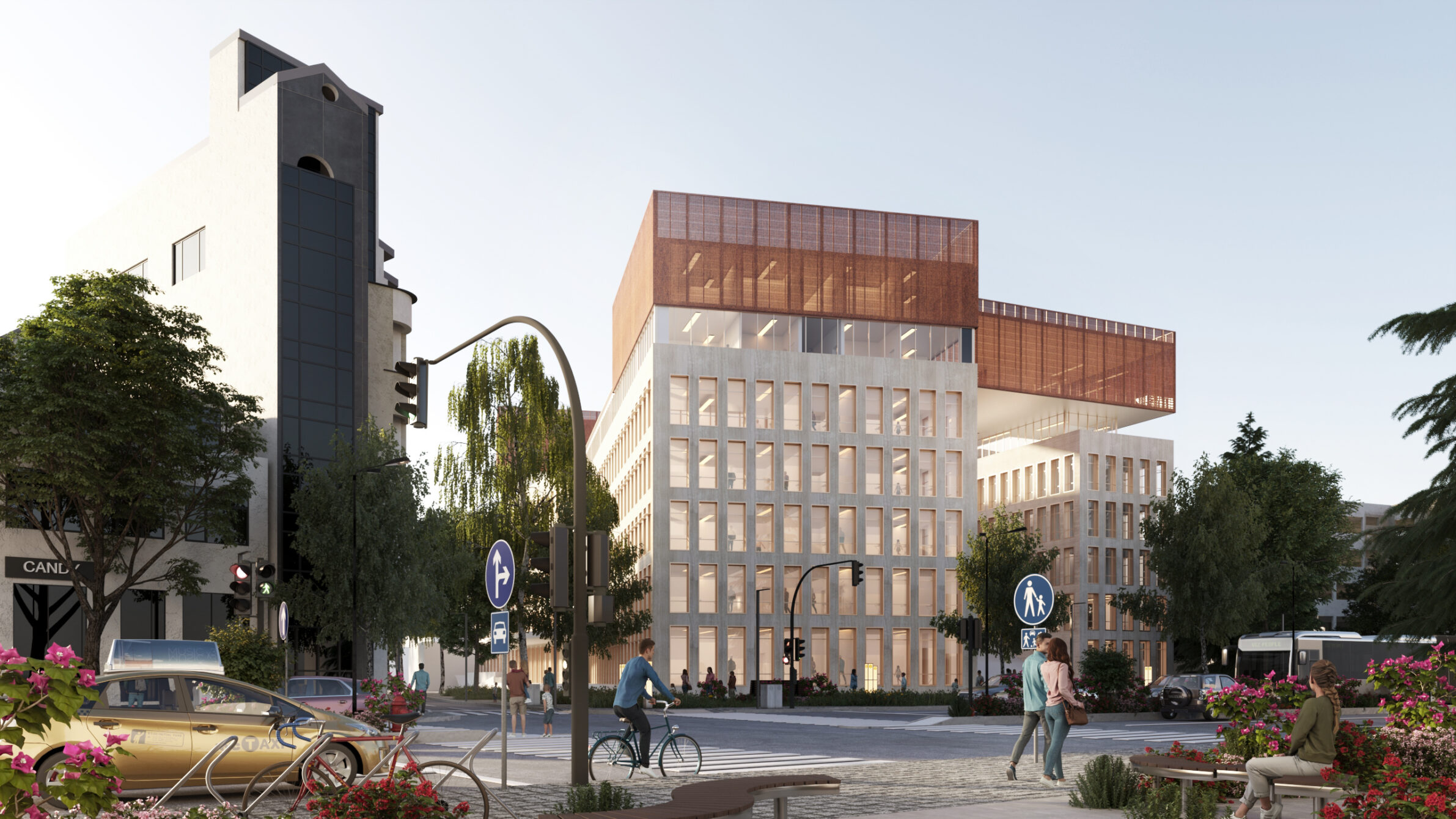
The reconstruction project for the Faculty of Architecture and Urbanism and the Faculty of Civil Engineering in Tirana represents a transformation of an educational campus affected by the 2019 earthquake into a contemporary academic environment that integrates preservation, expansion, and spatial connectivity.
Prior to the intervention, the campus consisted of two separate buildings characterized by limited spatial interaction and outdated functional organization. Following the 2019 seismic event, one of the buildings was declared unfit for use, creating both a structural and academic discontinuity within the campus. This condition generated the need for a comprehensive architectural strategy that would not only restore capacity but also redefine the institutional identity and collaborative potential of the faculties.
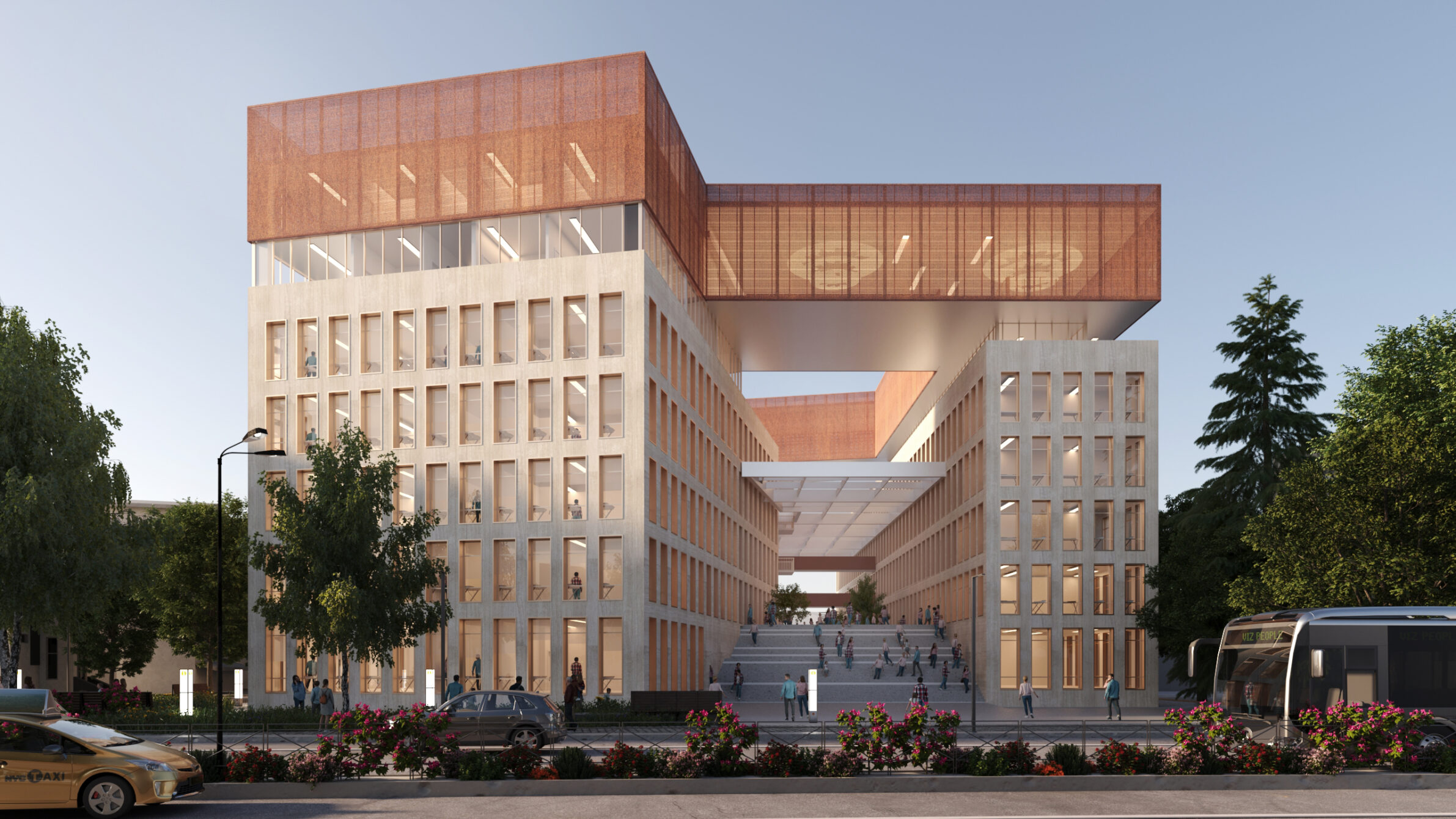
The proposed project reinterprets the site through the creation of three interconnected volumes. One of the existing structures is structurally preserved, maintaining its load-bearing system as a memory of the former campus fabric, while undergoing a complete transformation of façade expression and internal programmatic distribution to accommodate the newly defined academic requirements. This approach balances continuity with renewal, embedding resilience within the architectural narrative. I have contributed to this proposal as part of the design team led by Gjergj Islami, Armand Vokshi, and Gjergji Ruçi, participating in the development of the architectural concept that merges preservation, reconstruction, and academic community building within a coherent spatial framework.
The spatial organization is conceived as a multi-level connective system:
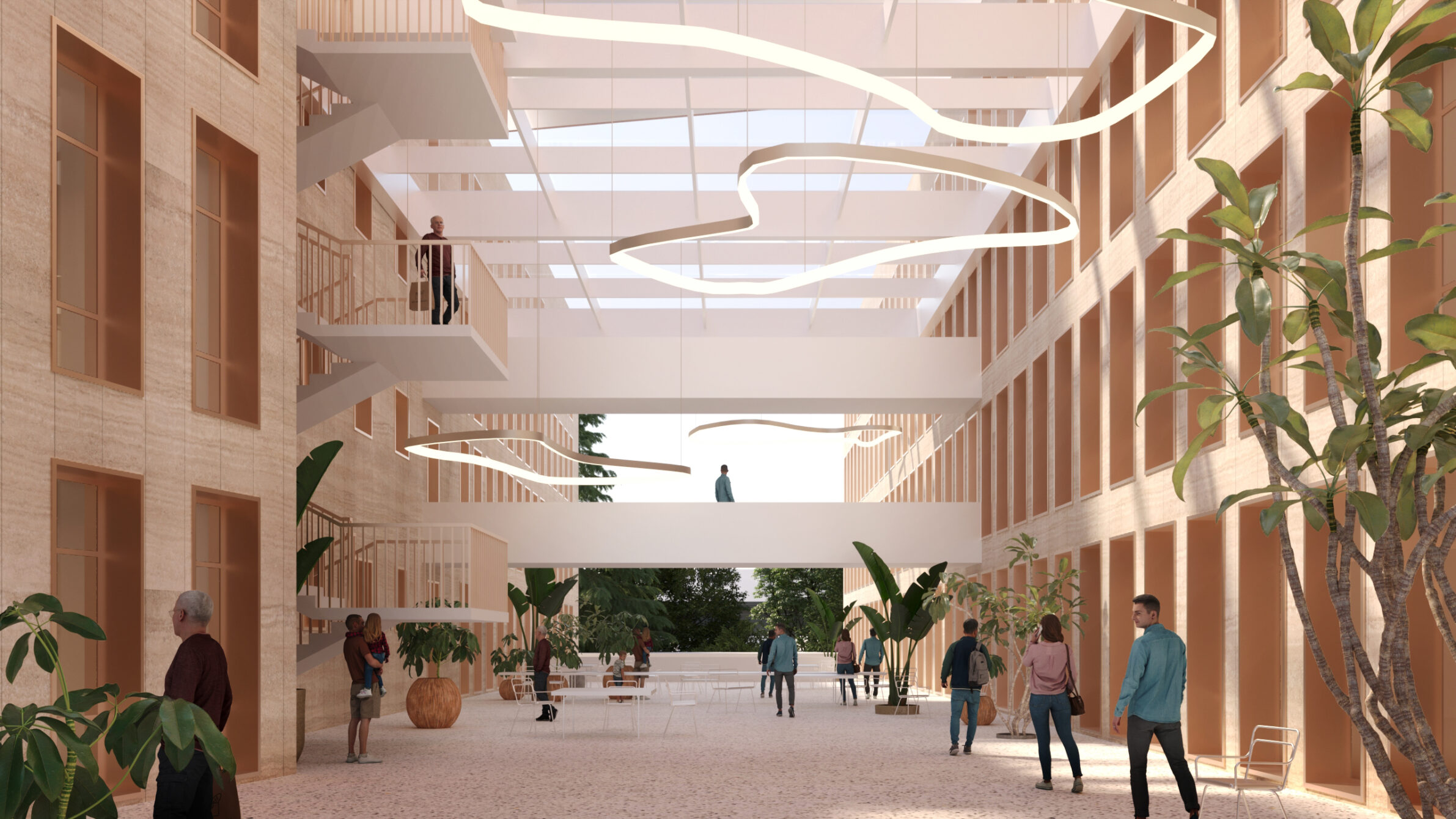
At ground level, the three buildings are unified through an open sequence of shared staircases and public circulation terraces, generating permeability, informal meeting zones, and an activated campus interface with the surrounding urban context.
At the upper levels, the volumes are linked by elevated collective spaces dedicated to collaborative work environments and a shared library, forming a horizontal academic landscape that promotes interdisciplinary exchange between architecture and engineering students.
The architectural language combines robust orthogonal base volumes with a lighter elevated element that bridges the buildings. The lower masses are articulated through a rhythmic façade grid that expresses structural order and academic rigor, while the upper connecting volume is wrapped in a permeable envelope, creating a contrasting layer that filters light and visually emphasizes the collective program. This composition reinforces the conceptual reading of individual faculties operating independently yet converging within shared intellectual spaces.
The project thus operates simultaneously on multiple levels:
Structural recovery and adaptation, responding to post-earthquake conditions
Programmatic expansion, accommodating contemporary pedagogical models
Spatial integration, fostering collaboration through physical connectivity
Urban presence, redefining the campus as an open and recognizable academic landmark
TYPOLOGICAL RESEARCH: THE CASE OF THE TRAIN STATION
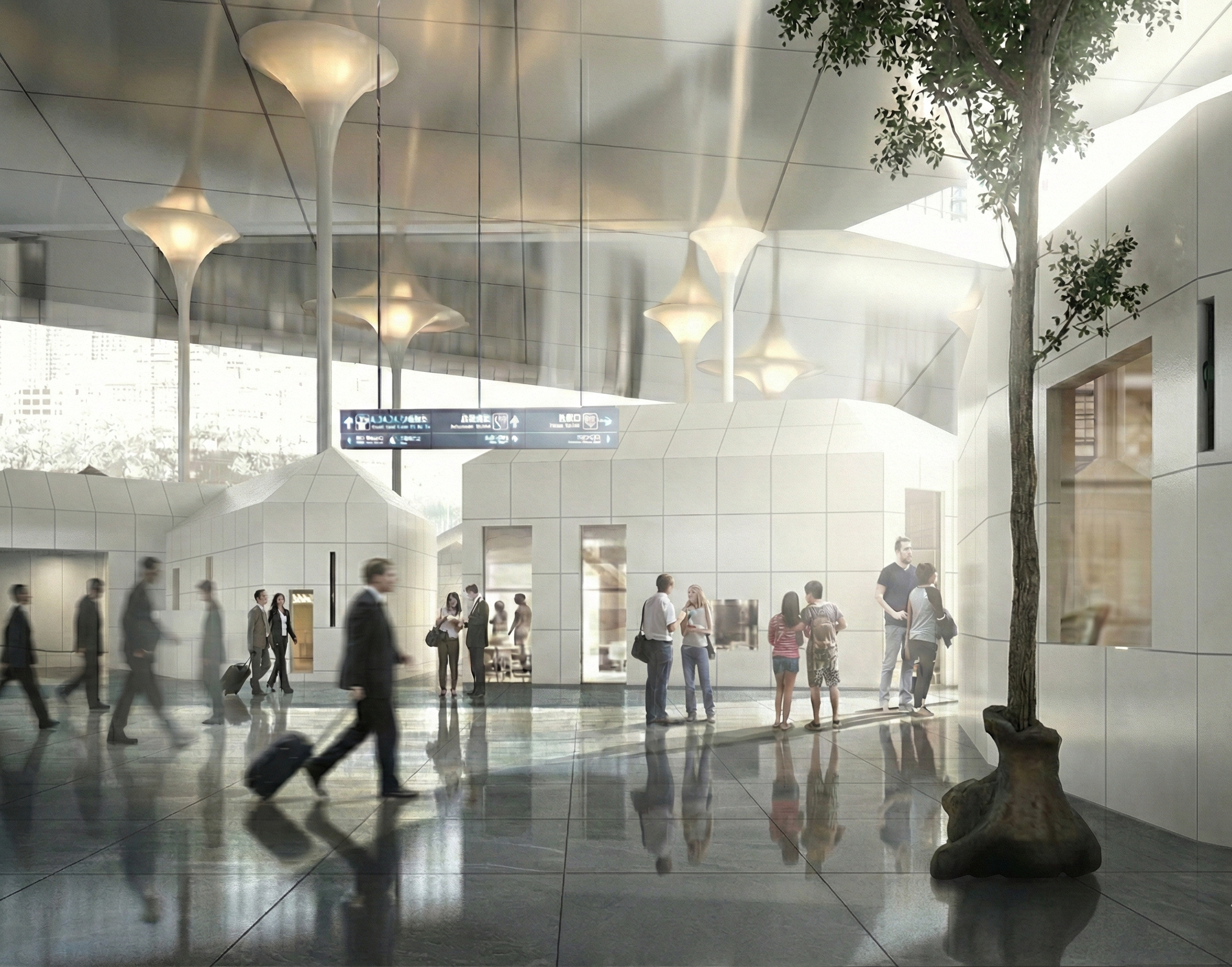
City and identity have never been totally associated with one another. Since ancient times, urban space has been a reflection of a collective identity that introduced the natural adaptation of life. By radical changes both in the complexity of the society, the insensitivity of urbanization of space, architecture ,as well as changes in culture and tradition, the role of city and identity no longer appears as before. Generic city, which is related to these phenomena over the past 25 years, fits in this project quite well, as it is required to restructure the image of Tirana. But not a new image of it, but returning to the genesis, through an in-depth search on the history of Tirana. Presenting as a city-forming element, the Bazaar is chosen as a frame.
Today, as a result of the development of cities and technology, the train station takes on another form. It turns from a connection point and transit town, to a landmark and identification. Thus, it not only carries the basic functions of this typology, but also functions that create an interaction between people. According to L. Bertolini, he turns from space into joints, thus taking the shape of a mini town within himself. Today's stations, based on deployment, the standards associated with the movement fluxes, the city's character and the station itself, are divided into transit and terminal. These shapes differ from one another, both technically and in terms of the location of the tracks and the city where the station is located, and the functions they carry. A terminal requires a clean movement where it is well distinguished for the passenger, the journey he takes at the moment of entry. There should be a linear scheme whereby he is informed, rested, served, and fulfilled his request regarding the movement. So the terminal consists of 7 large areas: access, related information/services, administrative services, security, technical and maintenance space, activities, rest and departure.
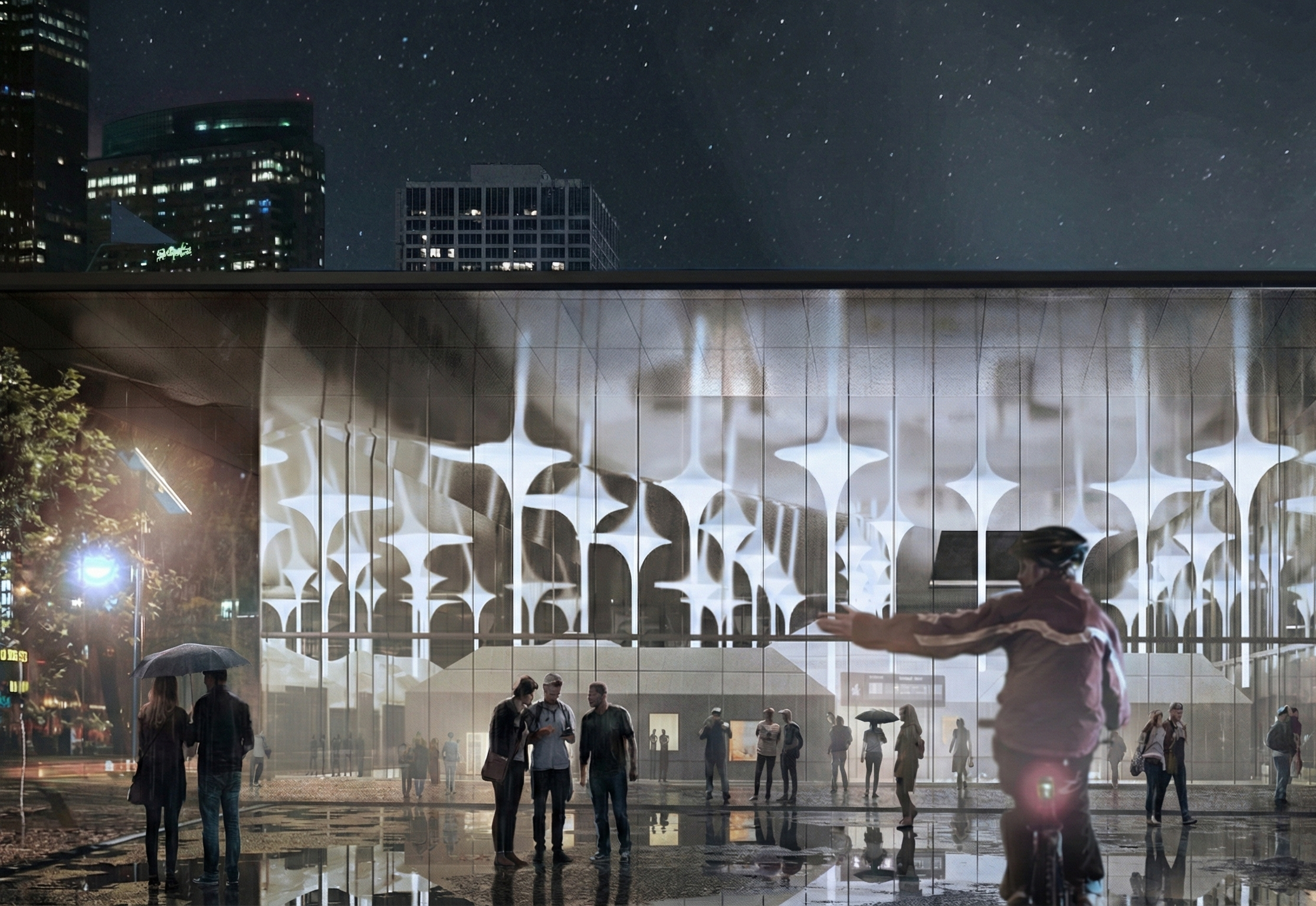
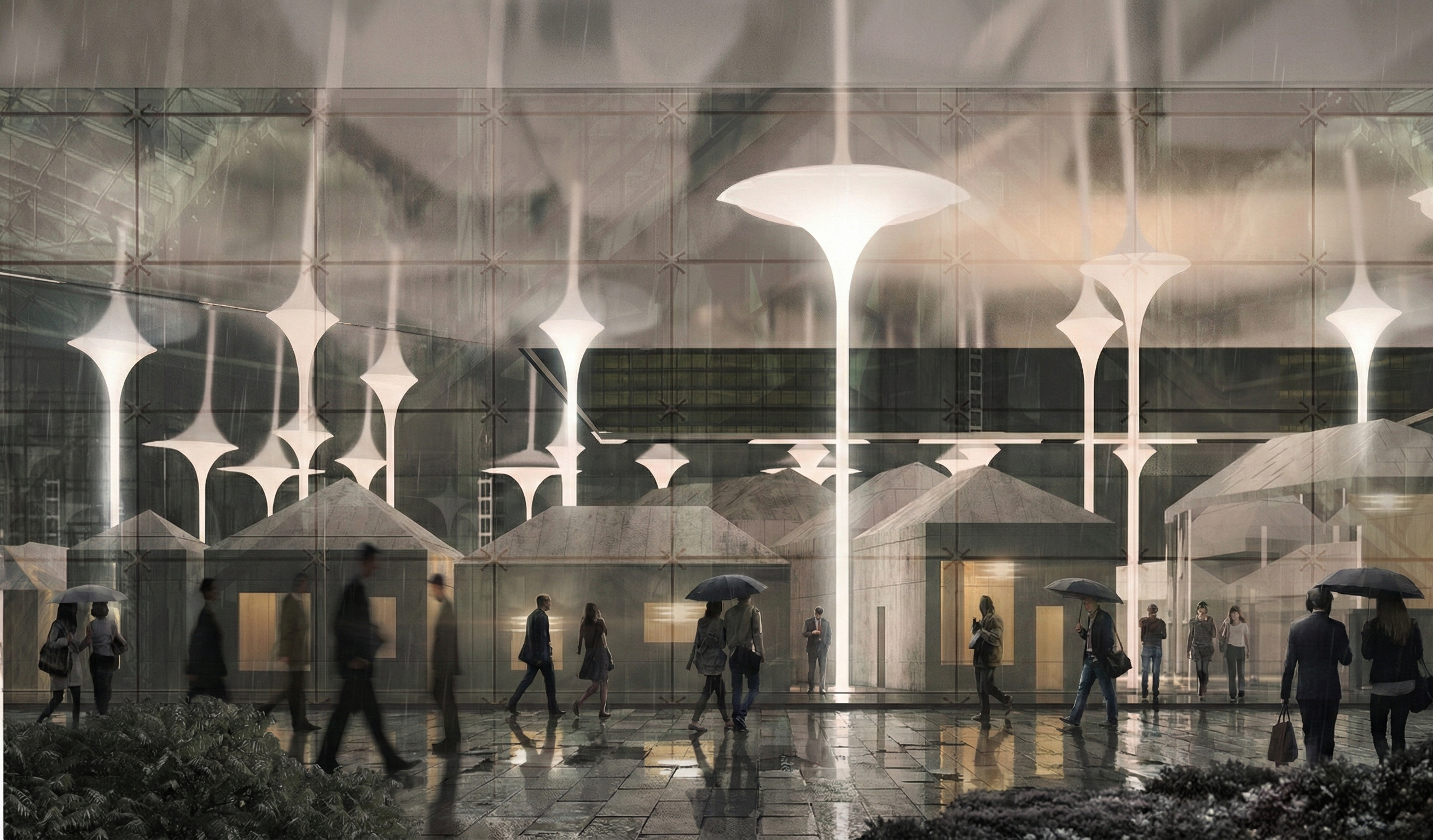
The concept of the bazaar station comes as a result of several successive analyzes: Movement scheme - As set out, both structures are characterized by a linear movement, and with a virtually identical functional division, such as shopping, exit, and then in nature, so does the station, with the waiting area and information, with the main lobby, with passenger services, and departure to the shelter. Atmosphere - The station, in spite of the individualist character, shows in a way an attempt to interact for that time period of passengers, especially after its development, turning into a multifunctional and cultural center. Identity - In the eastern countries, the bazaar developed space around the city, and every trader was identified with the city through it. The same thing happens with the station, as one of the first points of encounter and acquaintance with the city.
MOZAIC OF TIRANA
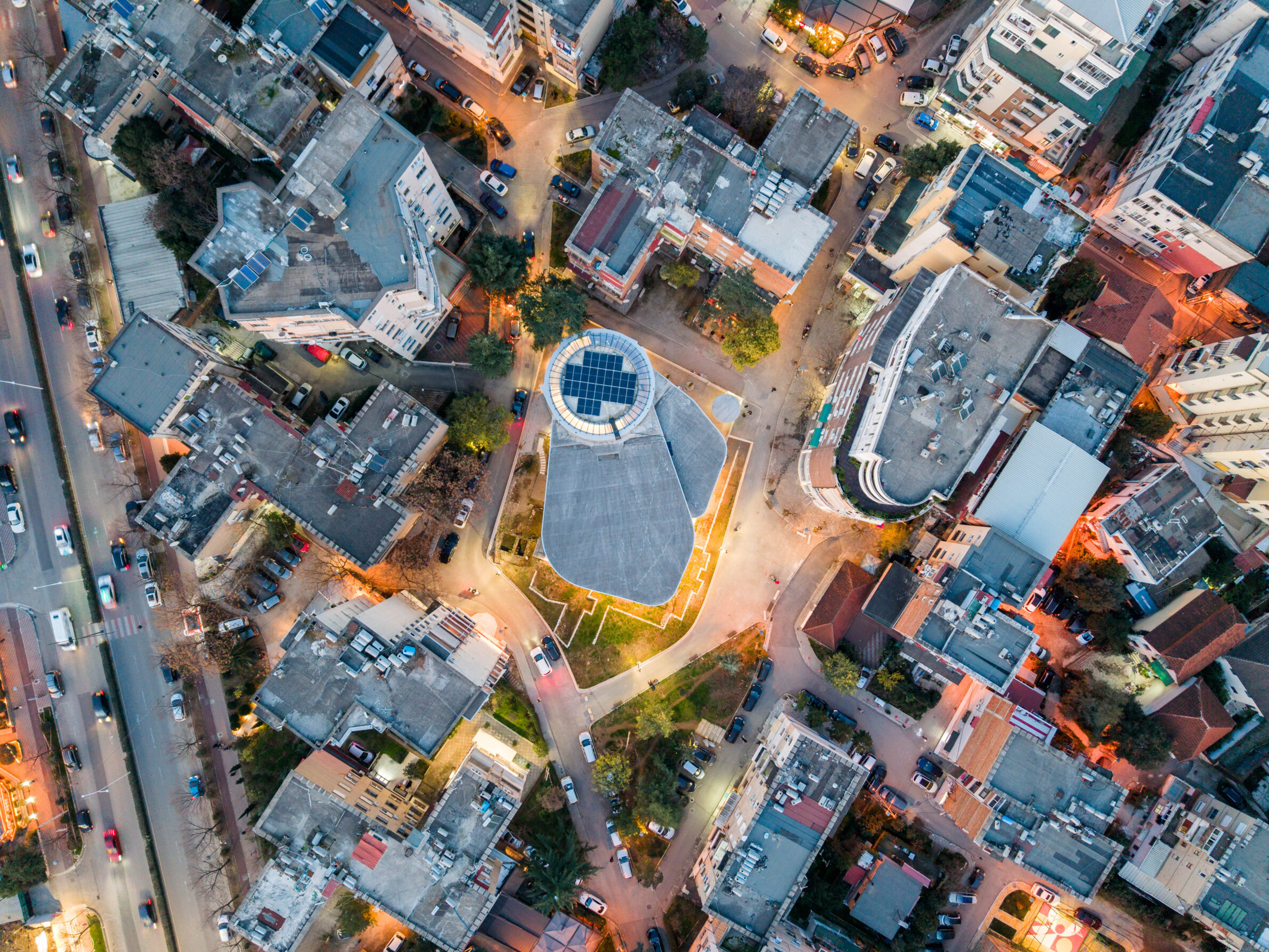
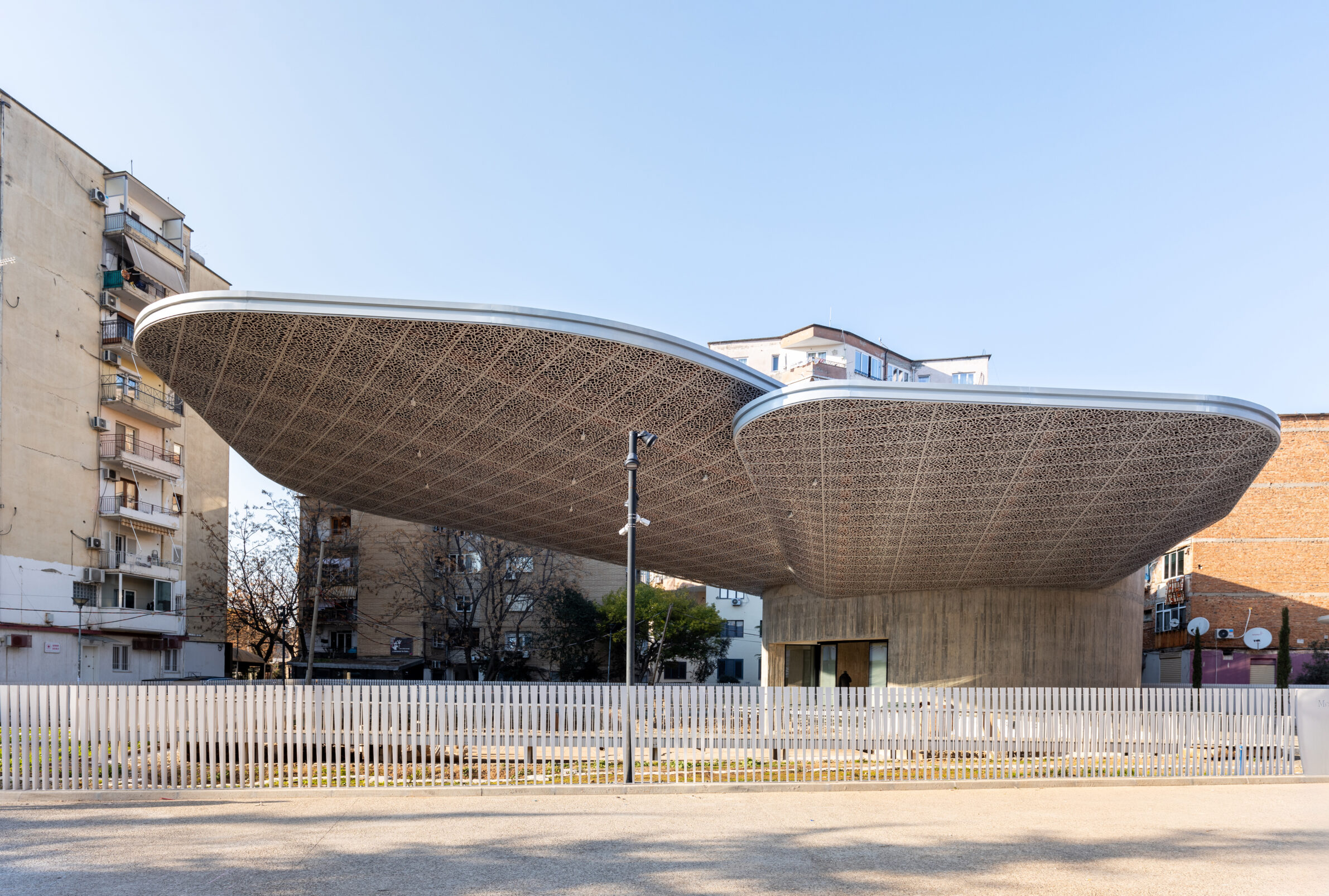
The Mosaic of Tirana is a significant part of Albania’s cultural heritage, offering a glimpse into the country’s ancient past. Situated near the city center, the site faces challenges stemming from urban development pressures and the need for both preservation and revitalization. The proposed project aims to transform this historical site into an inviting space for tourists, researchers, and history enthusiasts. The intervention introduces a flexible itinerary, allowing visitors to either explore the mosaic directly or engage with historical narratives through curated information. The journey begins at the entrance square, where the ticket office and surrounding elements are designed to reflect both the vernacular character of the area and symbolic references within the site.
The intervention is defined by three key components: the entrance ticket office, the protective shelter, and a new two-story building accommodating laboratories, exhibition spaces, and administrative offices. The architectural concept draws inspiration from the Mosaic of Tirana itself, particularly the ancient "flower of life” symbol found on-site. This motif is reinterpreted in the design, with protective "petals" forming a shelter over the mosaic.
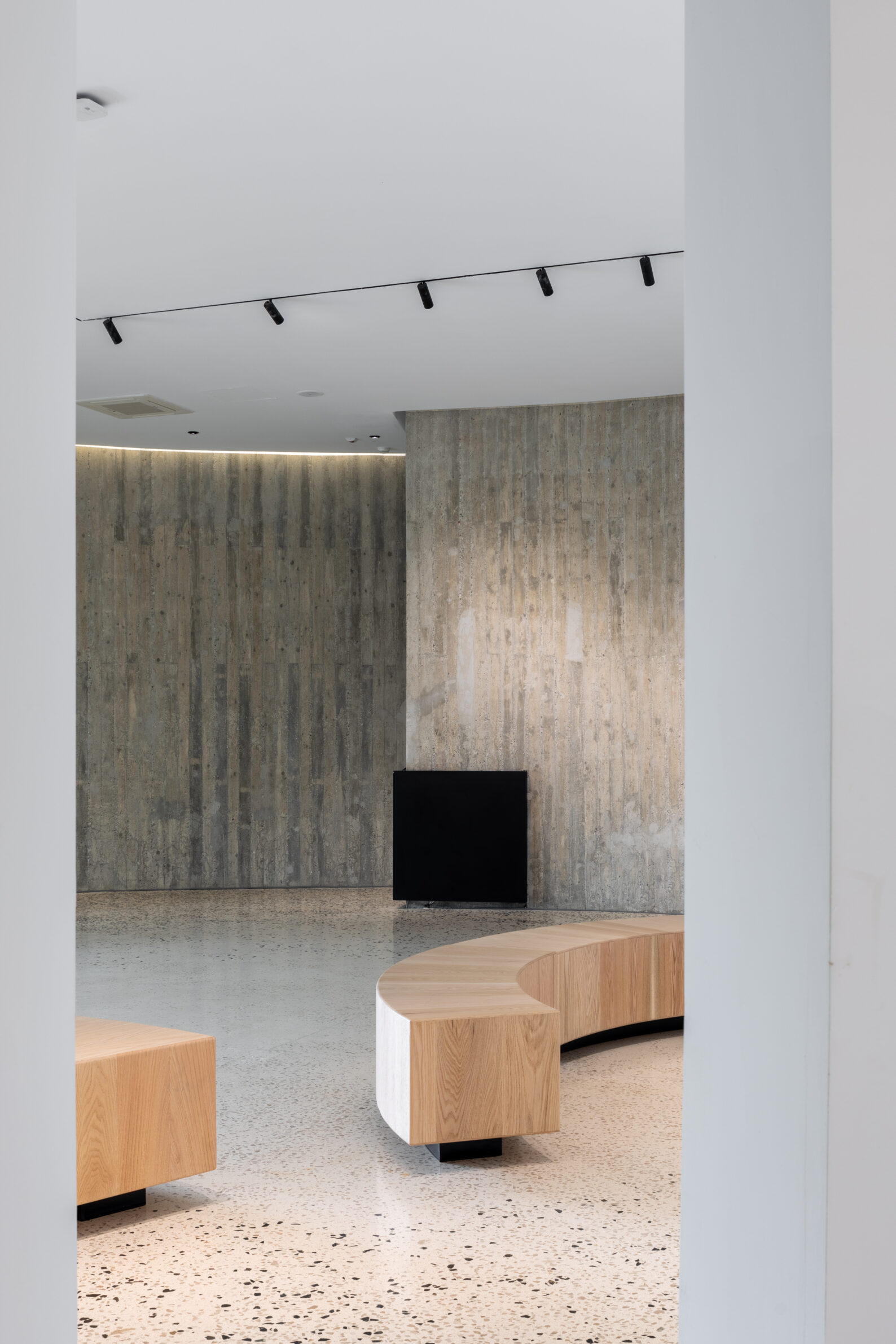
On the ground floor, essential public functions are arranged, including the main exhibition space and supporting technical areas in the northeast. A radial staircase leads to the second level, where office spaces and an open laboratory are positioned. The monolithic structure not only houses these functions but also serves as a counterweight for the protective shelter, minimizing its visual impact. The shelter itself is constructed with a lightweight metal framework, wrapped in a fabric mesh veil that filters light and creates a dynamic interplay of shadows across the site. Beyond physical preservation, the project integrates digital and interactive elements, such as a virtual tour and technological enhancements, to enrich visitors’ engagement with the site’s historical layers. This approach ensures that the Mosaic of Tirana is not only safeguarded but also reimagined as an accessible and immersive cultural landmark.
Rio Kerpaçi
Rio Kerpaçi is an architect based in Tirana, Albania. He graduated in 2018 with a Master of Science in Architecture from the Faculty of Architecture and Urbanism in Tirana, where his thesis, Typological Research: The Case of the Railway Station, explored architectural typologies and their role within urban and infrastructural contexts. His academic background reflects a strong interest in the relationship between architecture, the city, and collective memory.
He began his professional career working with several architectural studios in Albania, including Land & Co (2015–2016), B&L Studio (2017–2018), and Smart Studio (2018–2019). Since 2019, he has been a member of SONarchitects+, where he currently holds the position of Project Manager, contributing to the development and coordination of complex architectural projects across different scales and programs.
In 2016, he led the Citizen Portfolio project, focused on the management and documentation of buildings in Tirana. In 2019, he also collaborated on the development of a prefabricated social housing area in Tirana. In 2021, he completed a Professional Master’s degree in the Restoration of Cultural Heritage Monuments at the Polytechnic University of Tirana, further strengthening his expertise in working with historical contexts and protected sites.
Alongside his professional practice, since 2019 he has been a visiting lecturer at the Faculty of Architecture and Urbanism in Tirana, teaching design-related courses to students across different academic years. His professional experience includes a wide range of public and private projects, such as residential complexes, hospitality developments, cultural buildings, and urban revitalization initiatives. Notable projects include the Faculty of Architecture and Urbanism buildings, part of the design team with A. Vokshi, Gj. Islami, Gj. Ruci, the award-winning Mosaic of Tirana project with SONarchitects+, historical revitalizations such as the Castle of Pogradec, and several residential developments in Tirana. He has also participated in national and international architectural competitions, including the Ulcinj Stadium and the Al Nouri Mosque Complex, part of the design team with A. Arifaj, A. Myzyri, A. Halilaj, and Qupus Architectuur Studio.
Contact
rio.kerpaci@sonarchitects.al
Powered by