


The chair is the most ordinary object design has to offer, which is exactly what makes it interesting. We sit in it at home, in offices, in restaurants, in galleries, it has to hold up under all of that and still look like it means something. A good chair says something about how its designer thinks, whether they intend it to or not.
What’s strange is that the typology hasn’t really changed in centuries, and designers keep finding new things to do with it anyway. Nobody’s inventing a new kind of chair. They’re shifting a proportion, rethinking how it’s built, swapping the material, telling a different story with the same four legs and a seat.
The five chairs below work that way. A couple of them look back at something older and twist it; others push a new production method or throw off what you expect a chair to look like. None of them reinvent the wheel, they just prove the chair still has room to surprise.
1. FU Armchair by JIFANG WOOD Ltd., designed by insdim design office
China, 2026
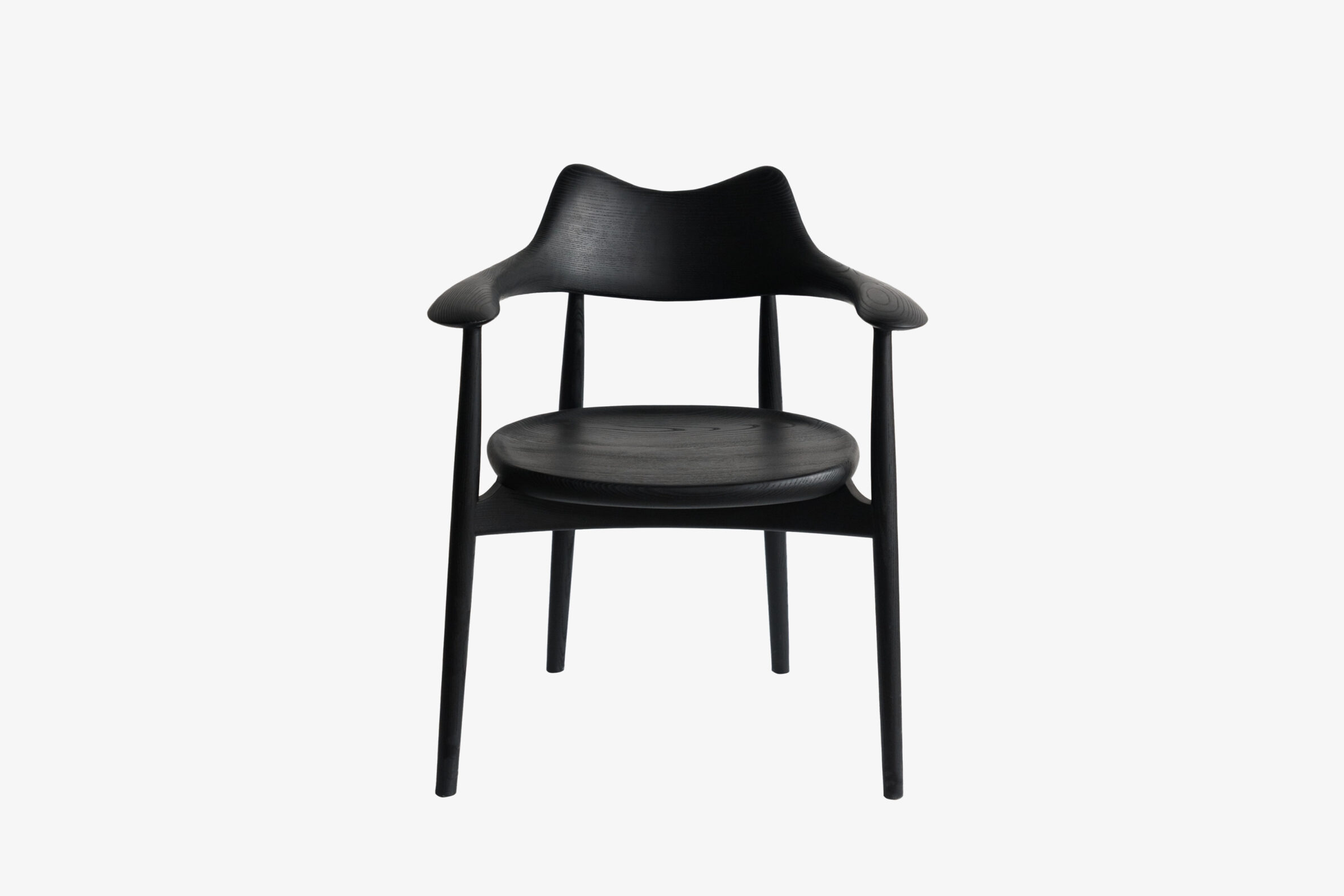
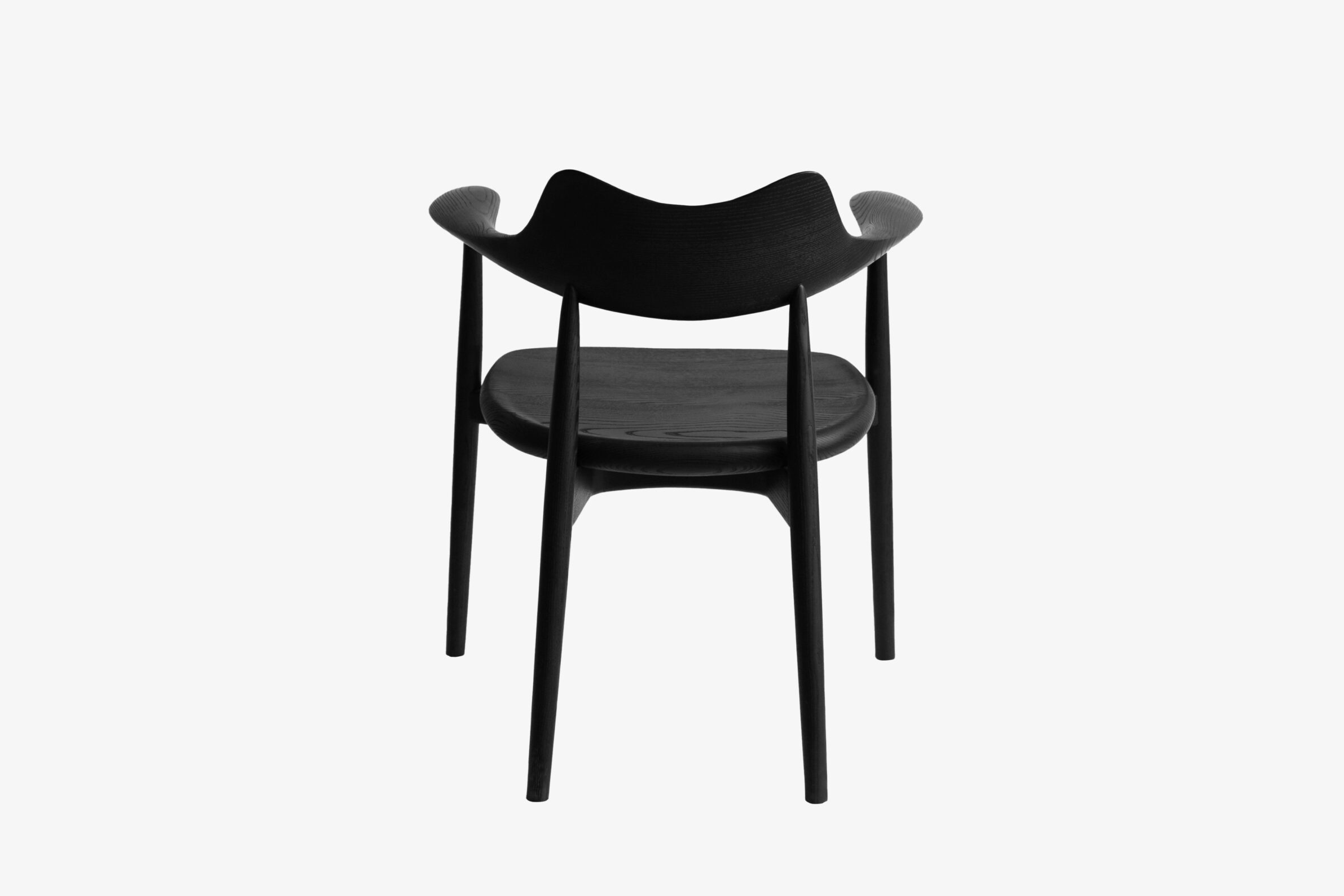
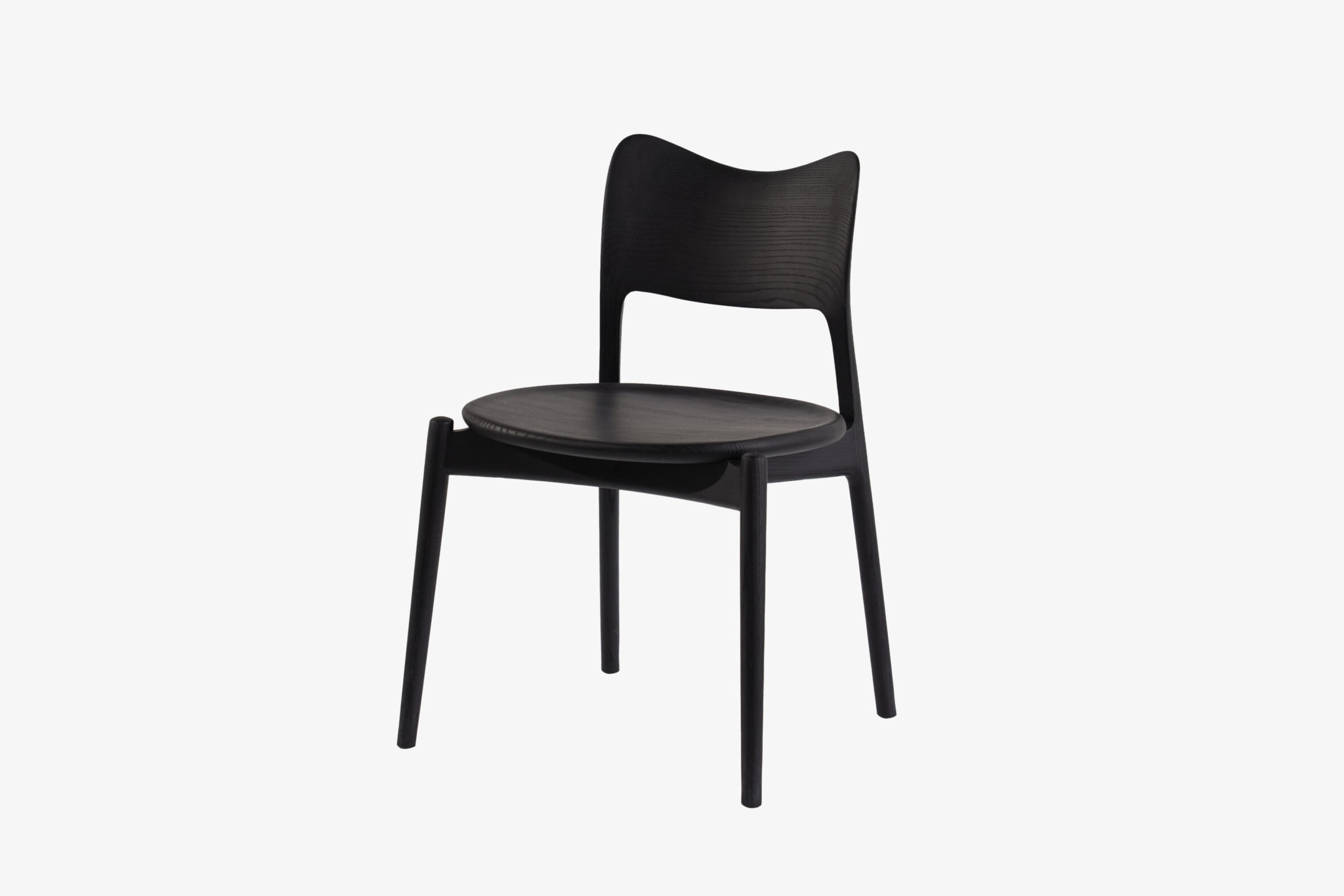
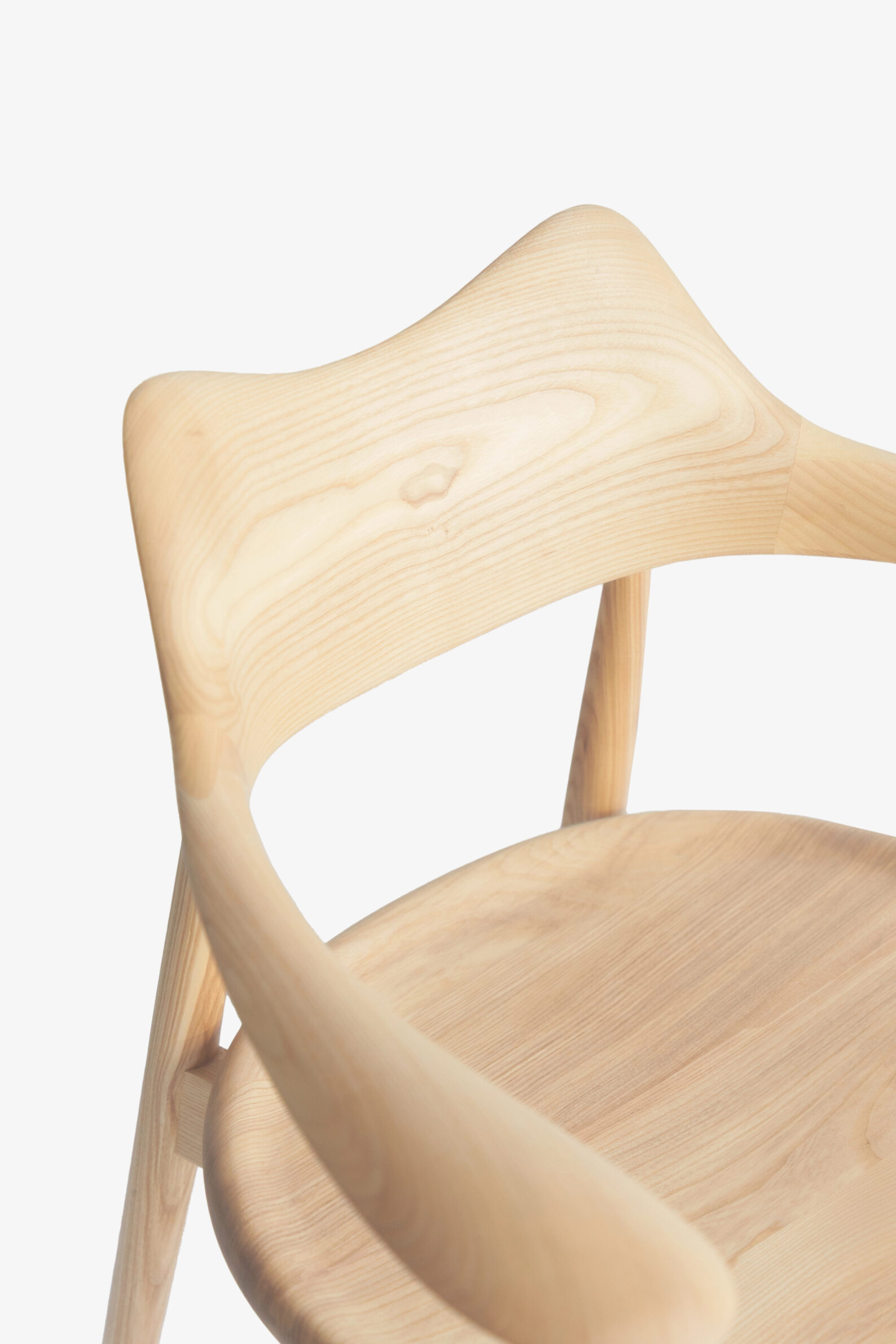
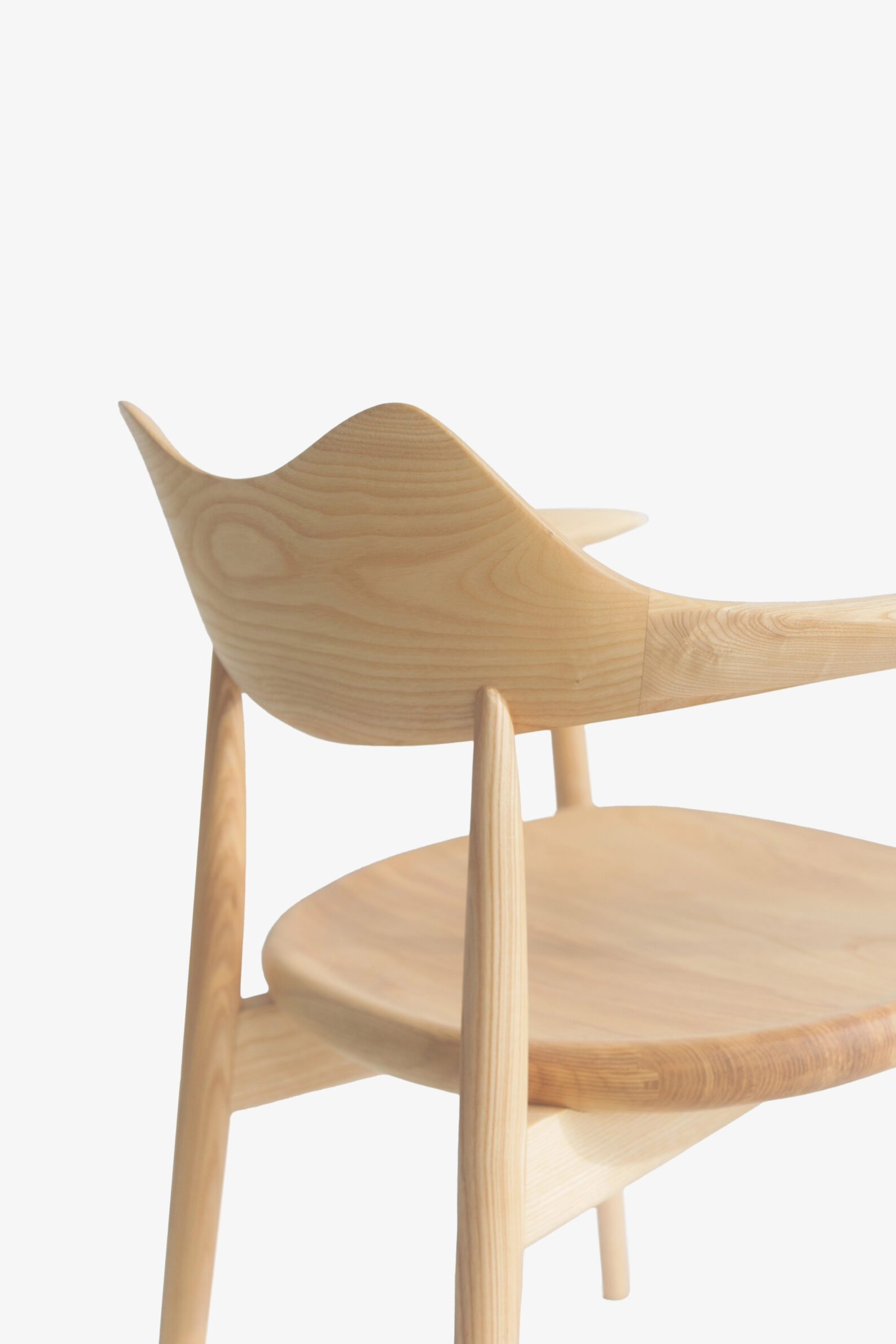
FU Armchair combines a generous, enveloping form with the precision of traditional solid-wood craftsmanship. Its flowing lines and layered surfaces are inspired by the mountainous landscape of Fujian, where the manufacturer is based, while the name refers to the Chinese character fu, associated with happiness, good fortune and a fulfilled life. Each curve, connection and transition has been carefully developed, including unconventional joints that required close collaboration between design, prototyping and production. The result is a warm and dignified wooden armchair designed to adapt naturally to different interiors and ways of living.
2. Glider Chair by PlanAbacus, designed by Lars Angaard Madsen
Denmark, 2025
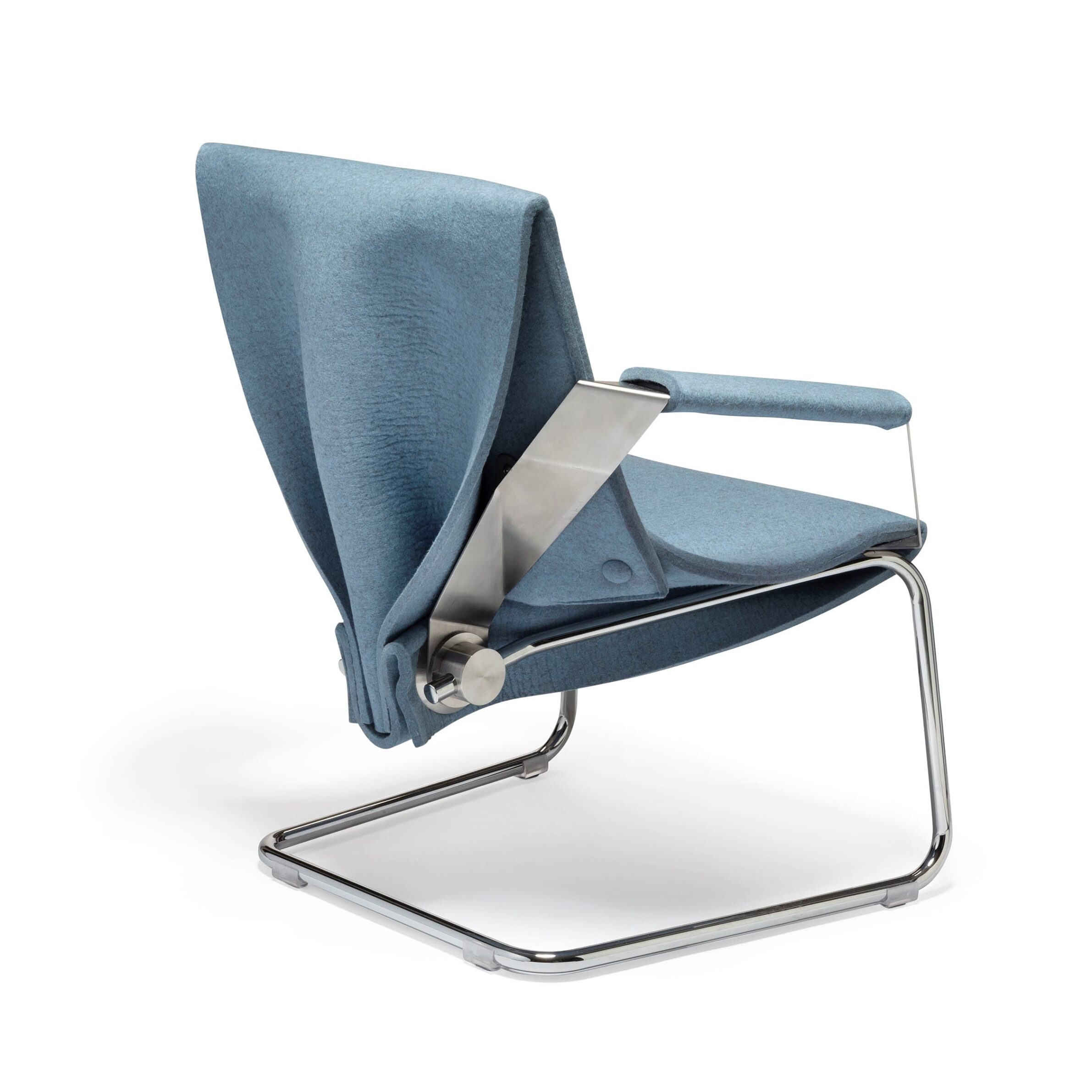
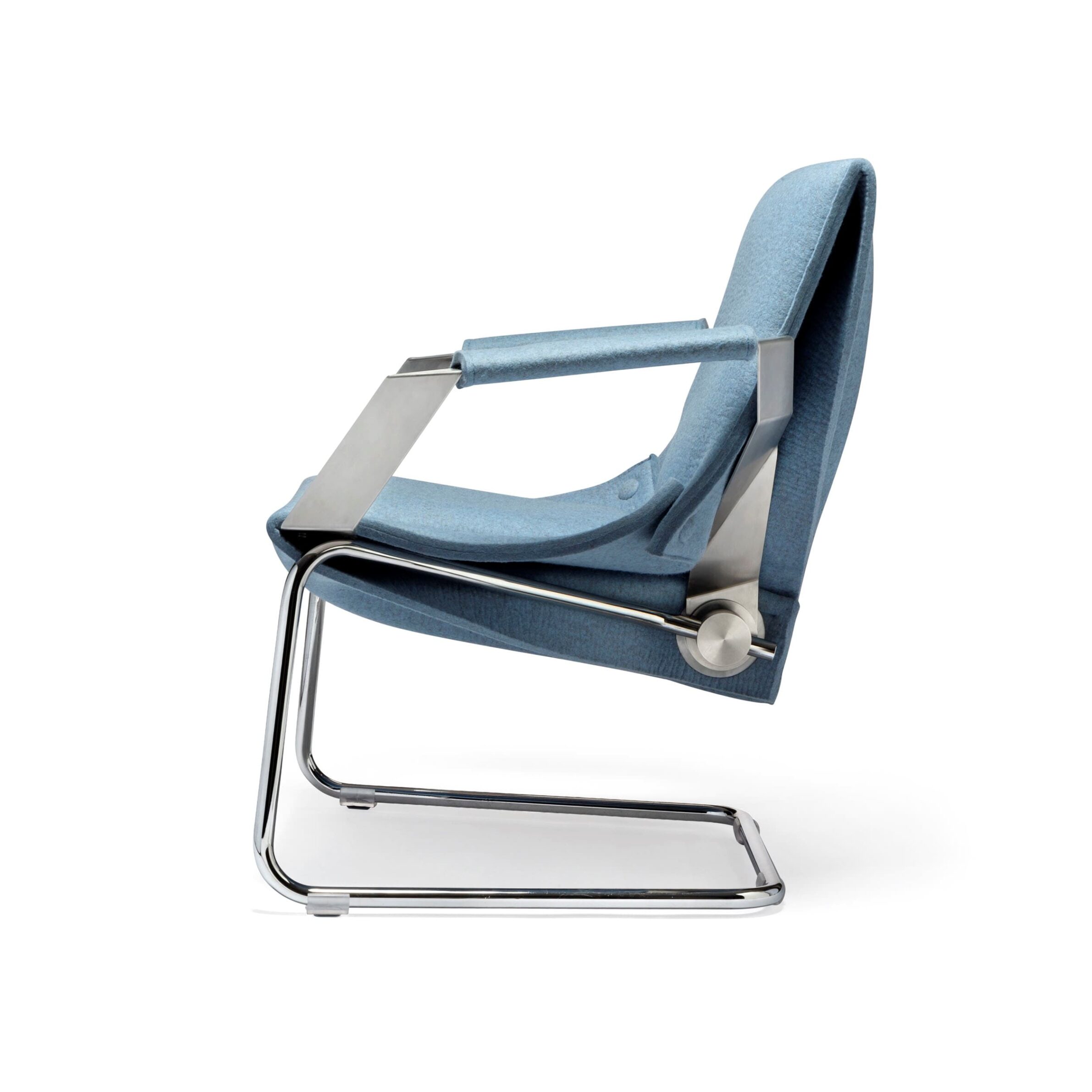
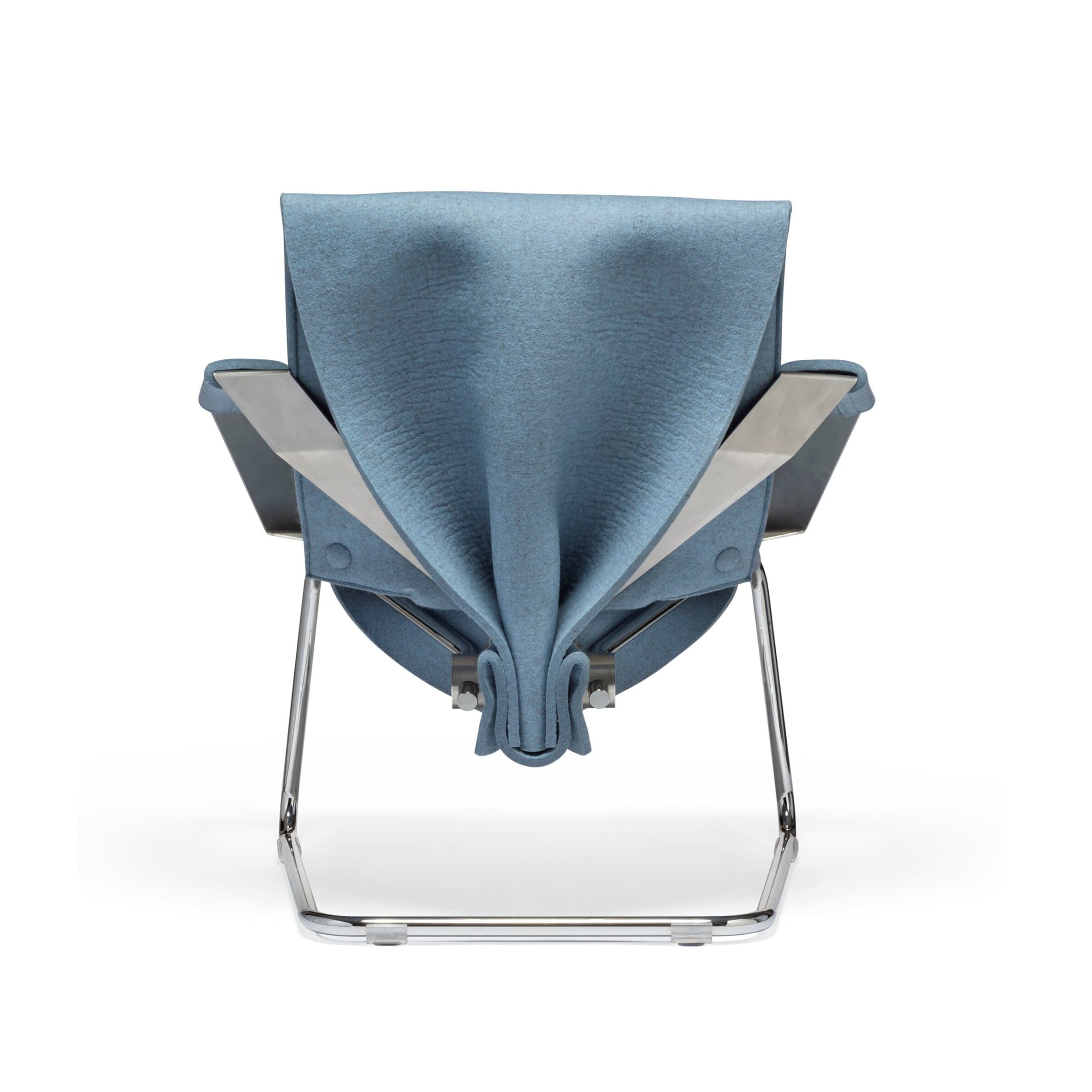
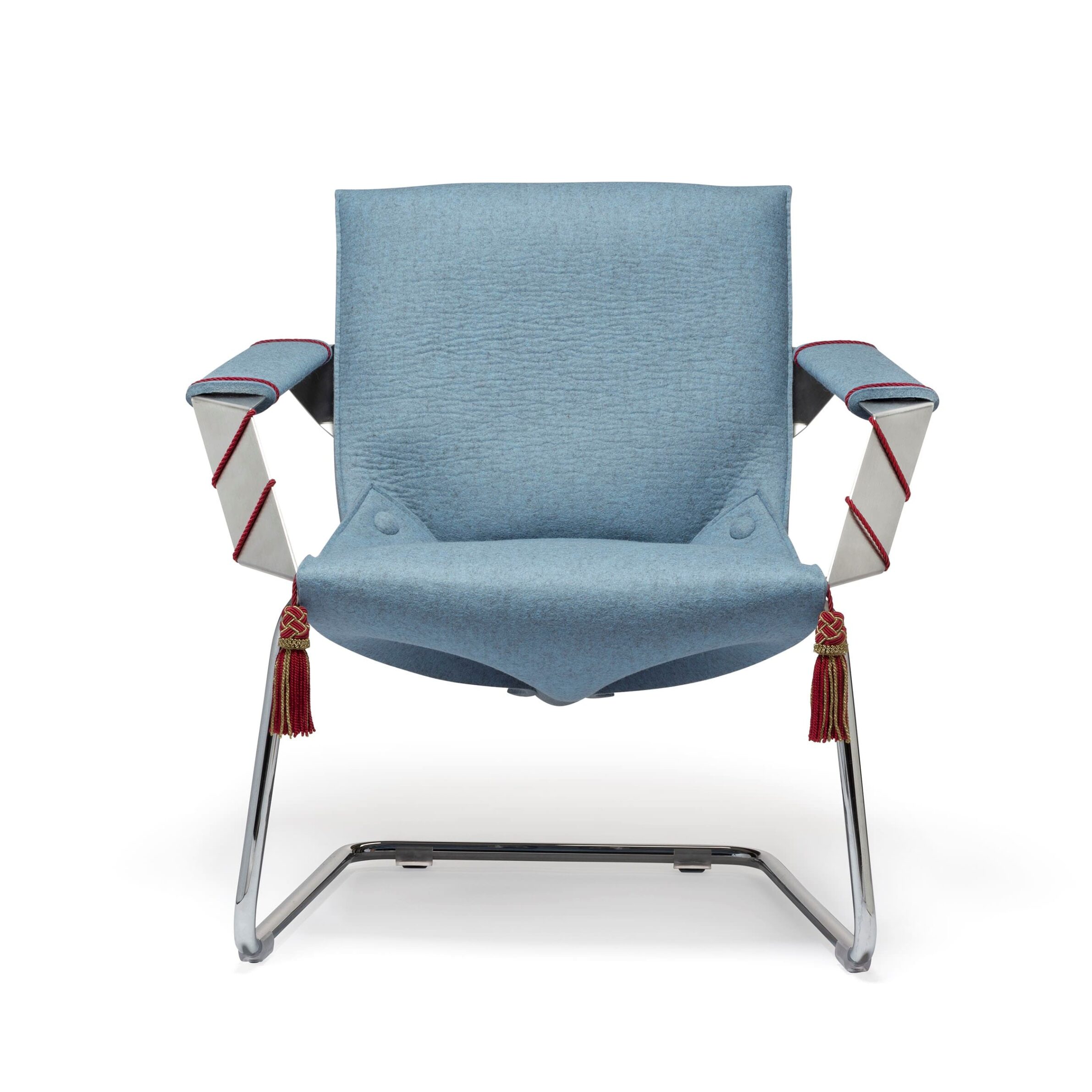
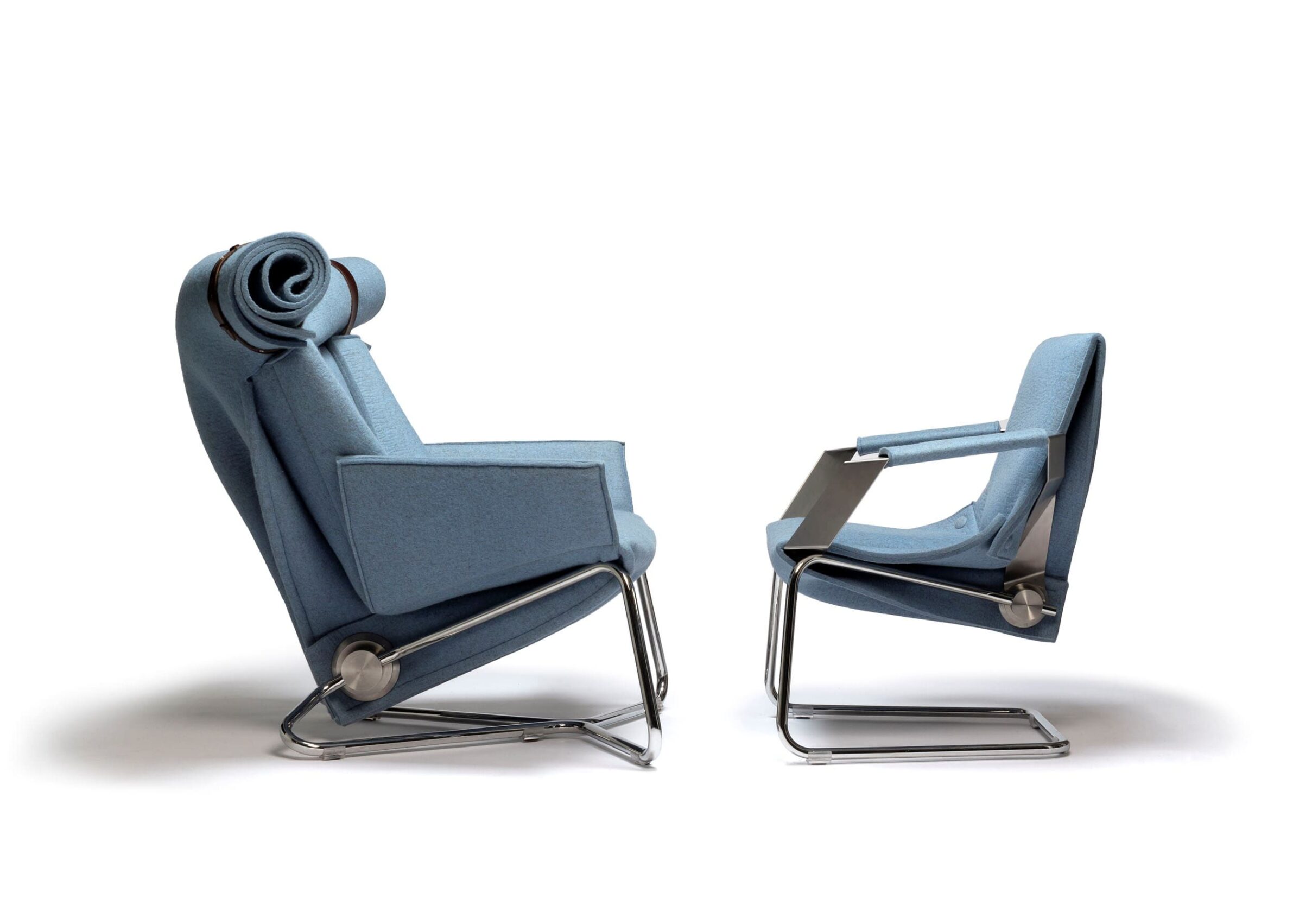
Glider Chair translates the lightness of a glider and the simple logic of a folded paper plane into a carefully balanced seating structure. Inspired by origami, its main elements are shaped through folding and bending rather than assembled as conventional upholstered components. A tapered seat made from nine-millimetre Merino wool felt rests on a single rear support point, while the cantilevered tubular base introduces a subtle, natural movement. Broad metal armrests and a faceted frame contrast with the warmth and softness of the felt, creating a chair whose visual identity grows directly from its construction. The removable seat element can also be replaced by the user, extending the chair’s adaptability and material life.
3. MT Curve Big Chair by BNF Studio
USA, 2023
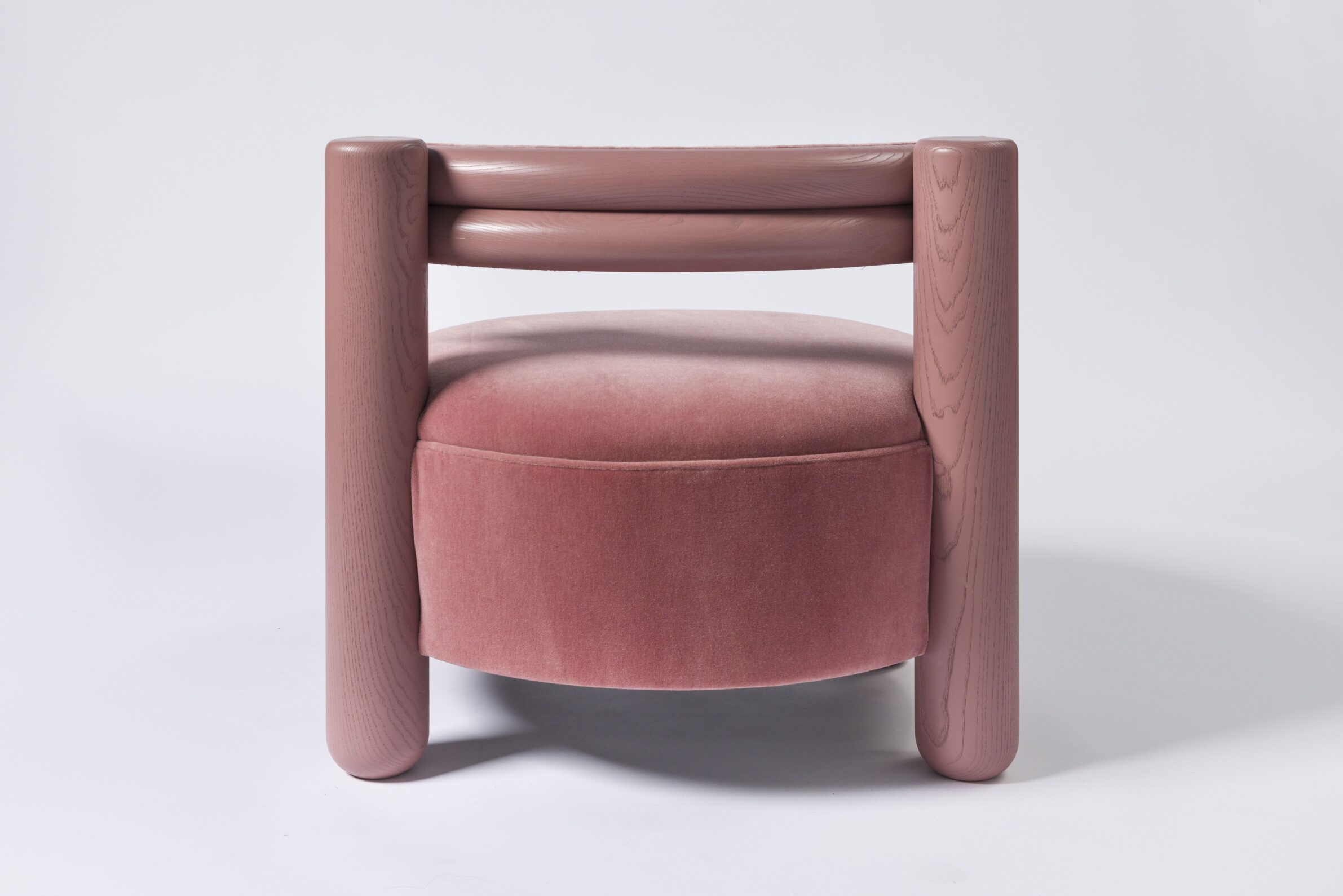
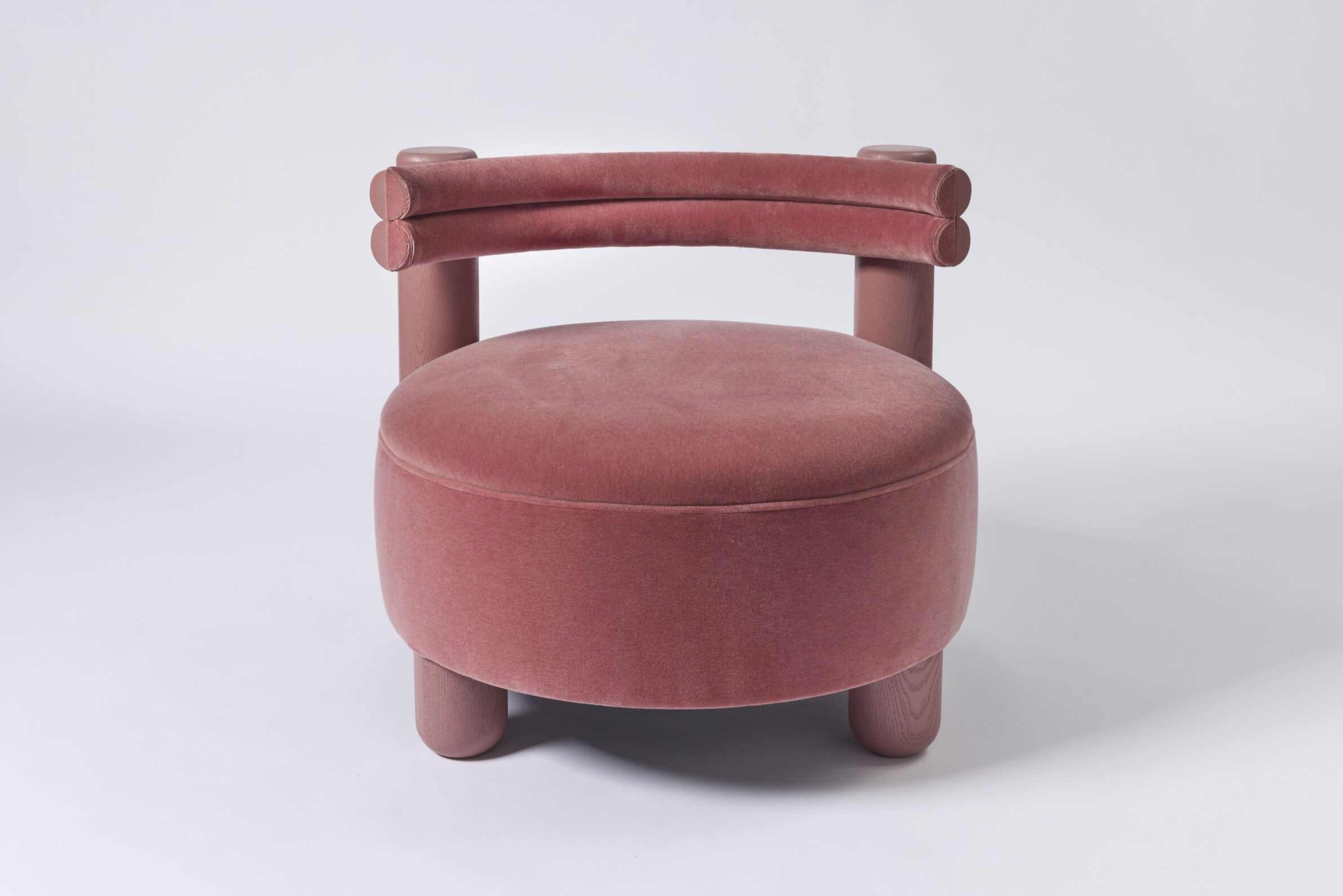
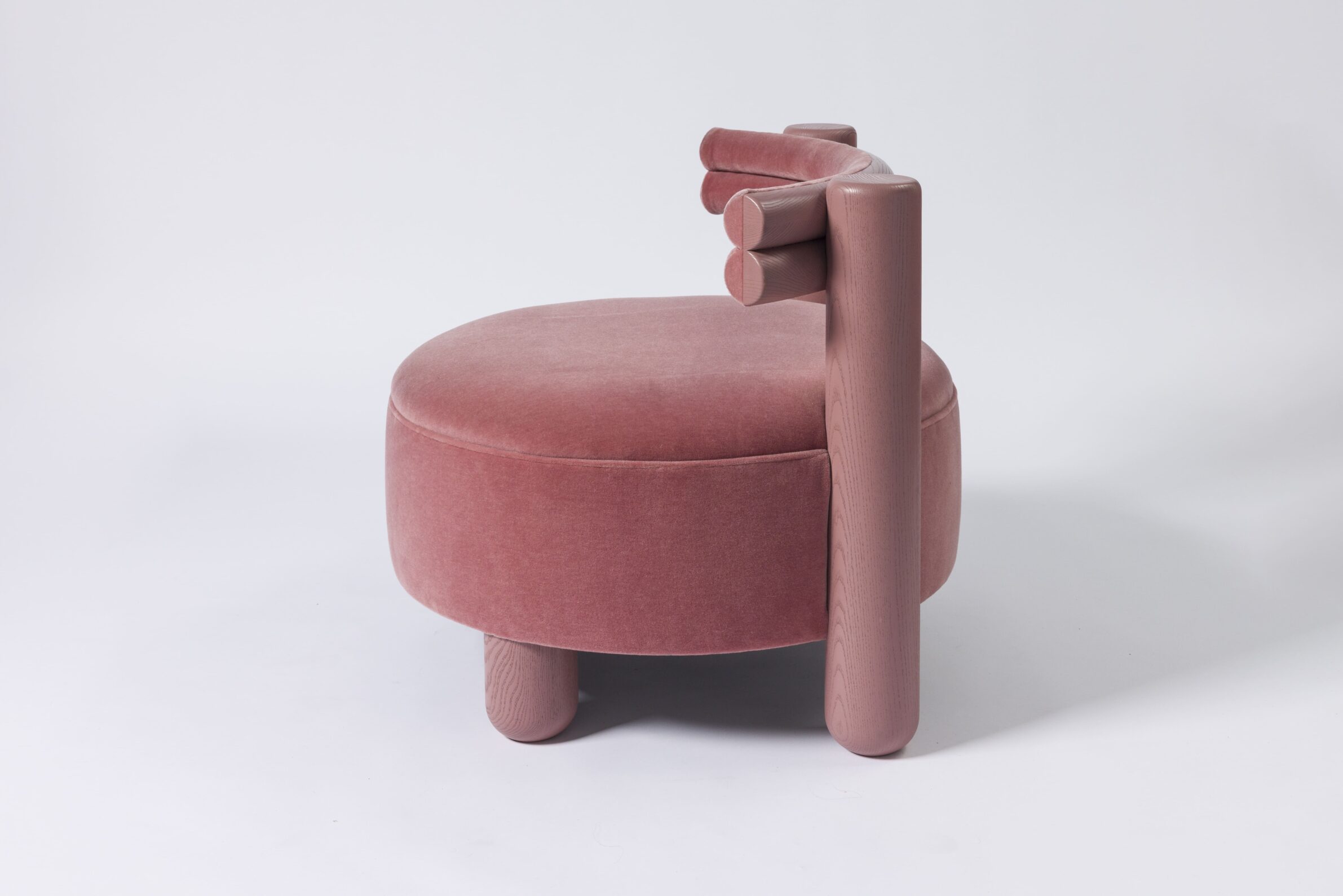
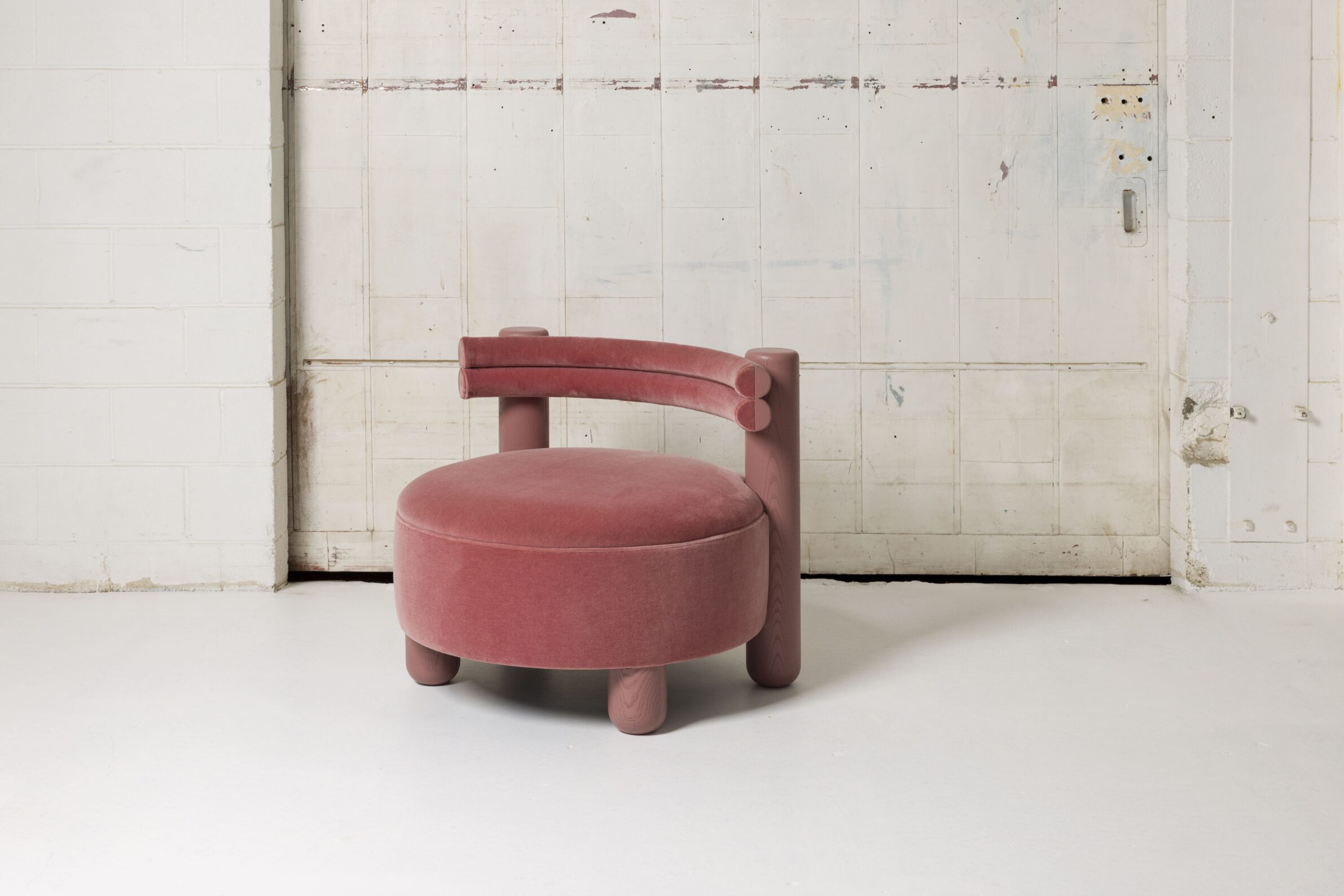
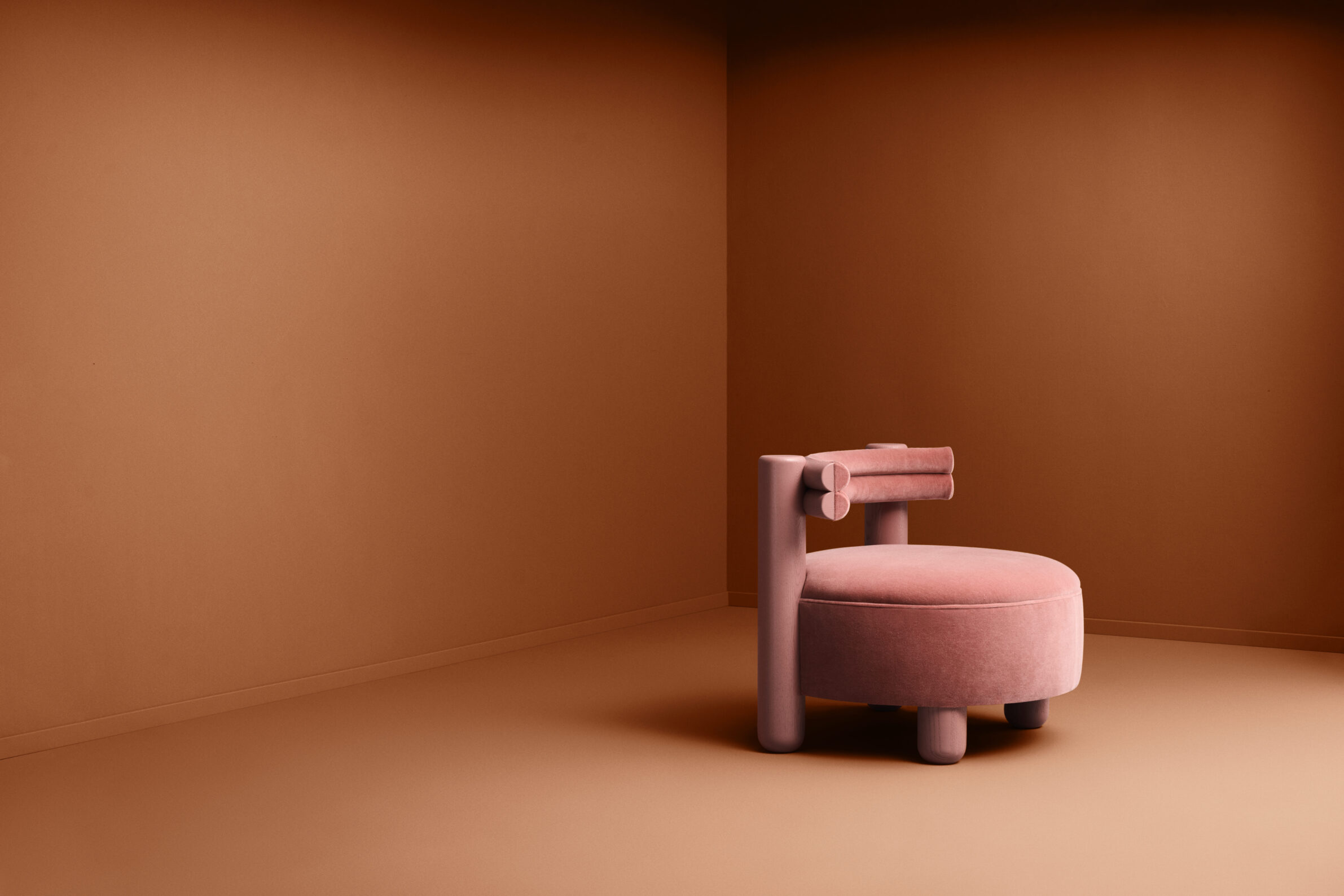
MT Curve Big Chair uses exaggerated scale and rounded geometry to give the lounge chair a playful yet commanding presence. Its composition is built from a small number of simple sculptural forms, but the apparent informality is supported by highly precise woodworking. Each chair is handmade from solid hardwood in BNF Studio’s Chicago workshop, where the curves are shaped, the joints fitted and the surfaces finished by hand. The result combines the expressive character of an oversized object with the construction quality and material refinement of traditional fine furniture.
4. Ruffini Chair by Mungenast / Morroni
Germany, 2024

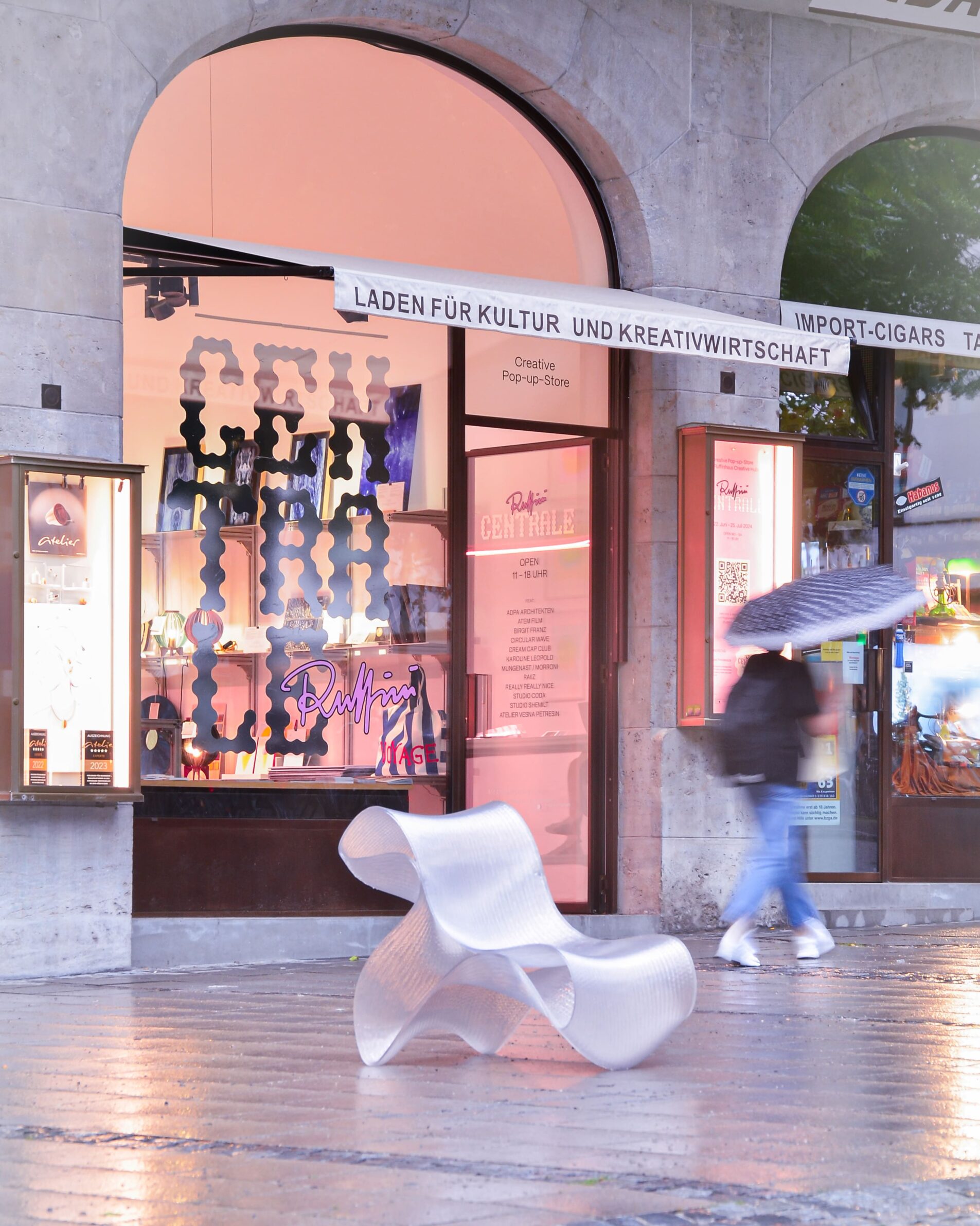
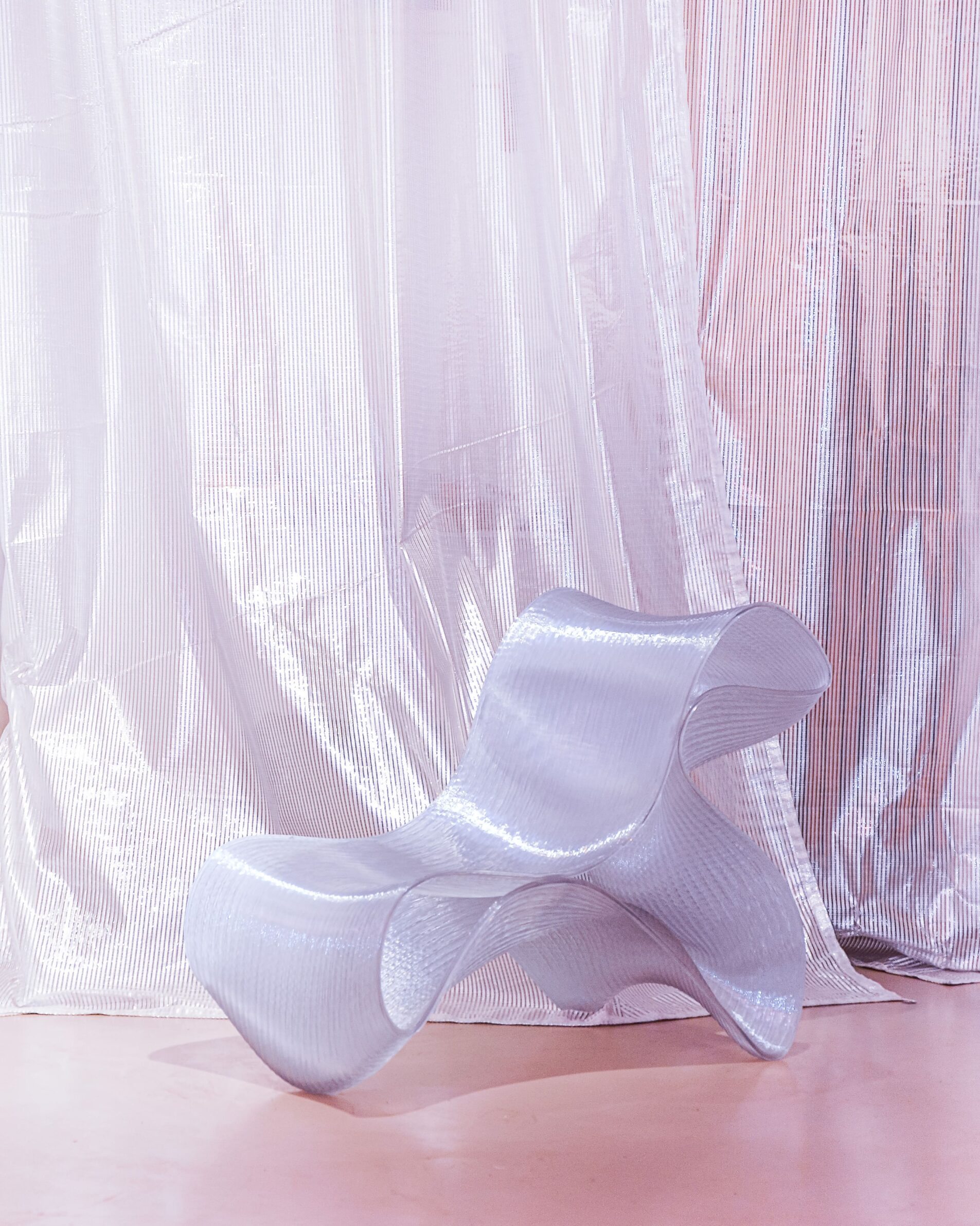
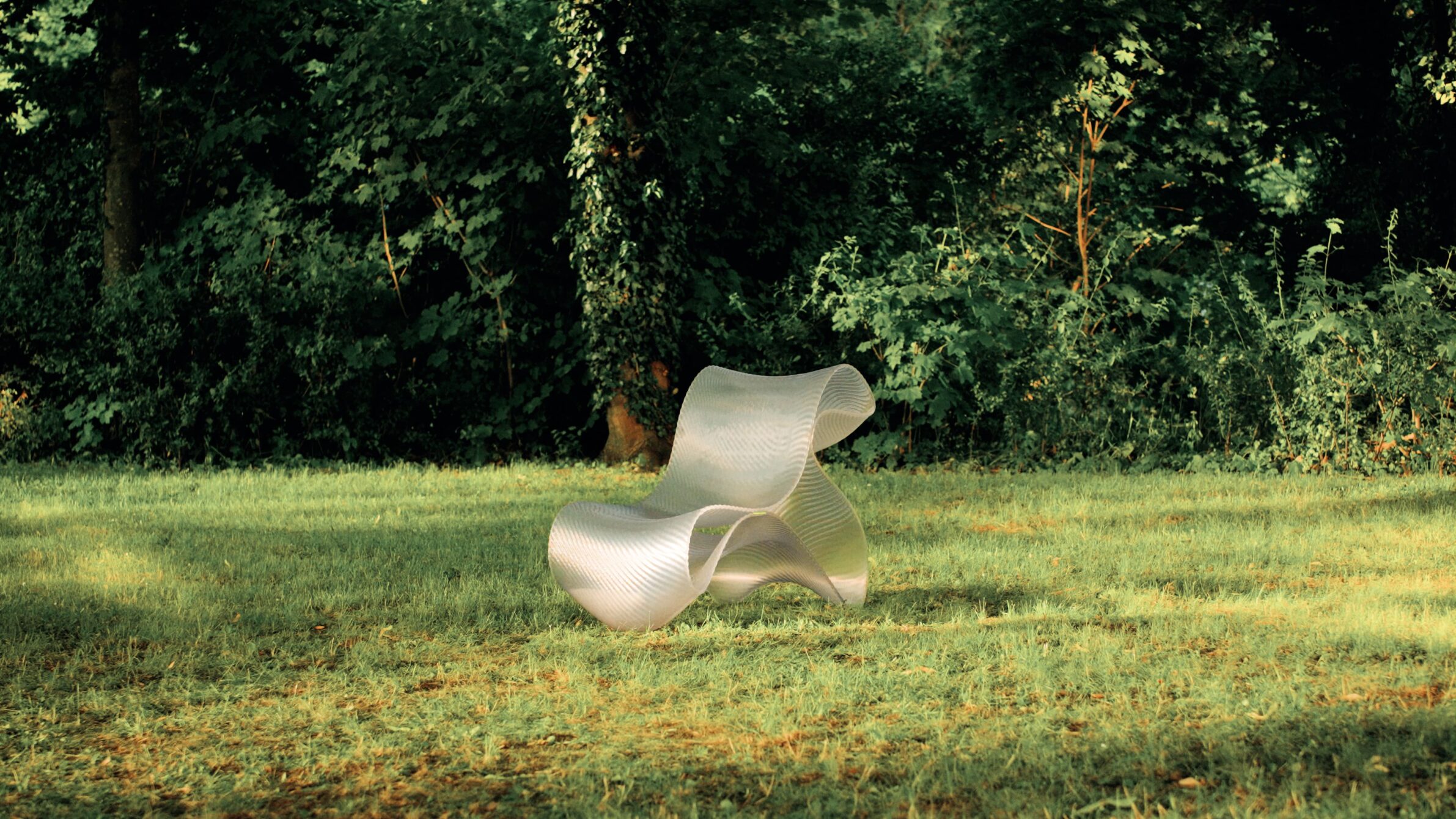
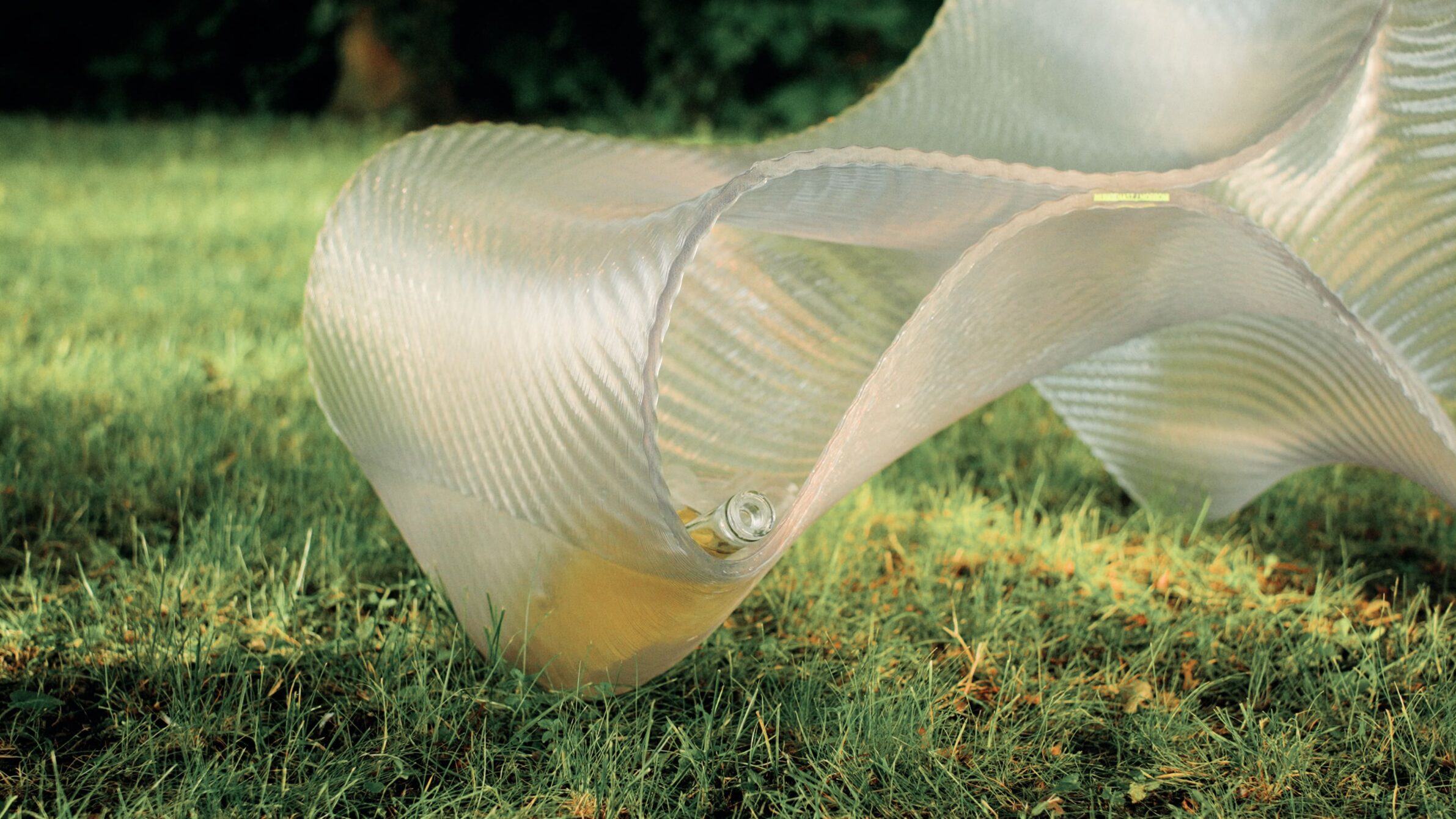
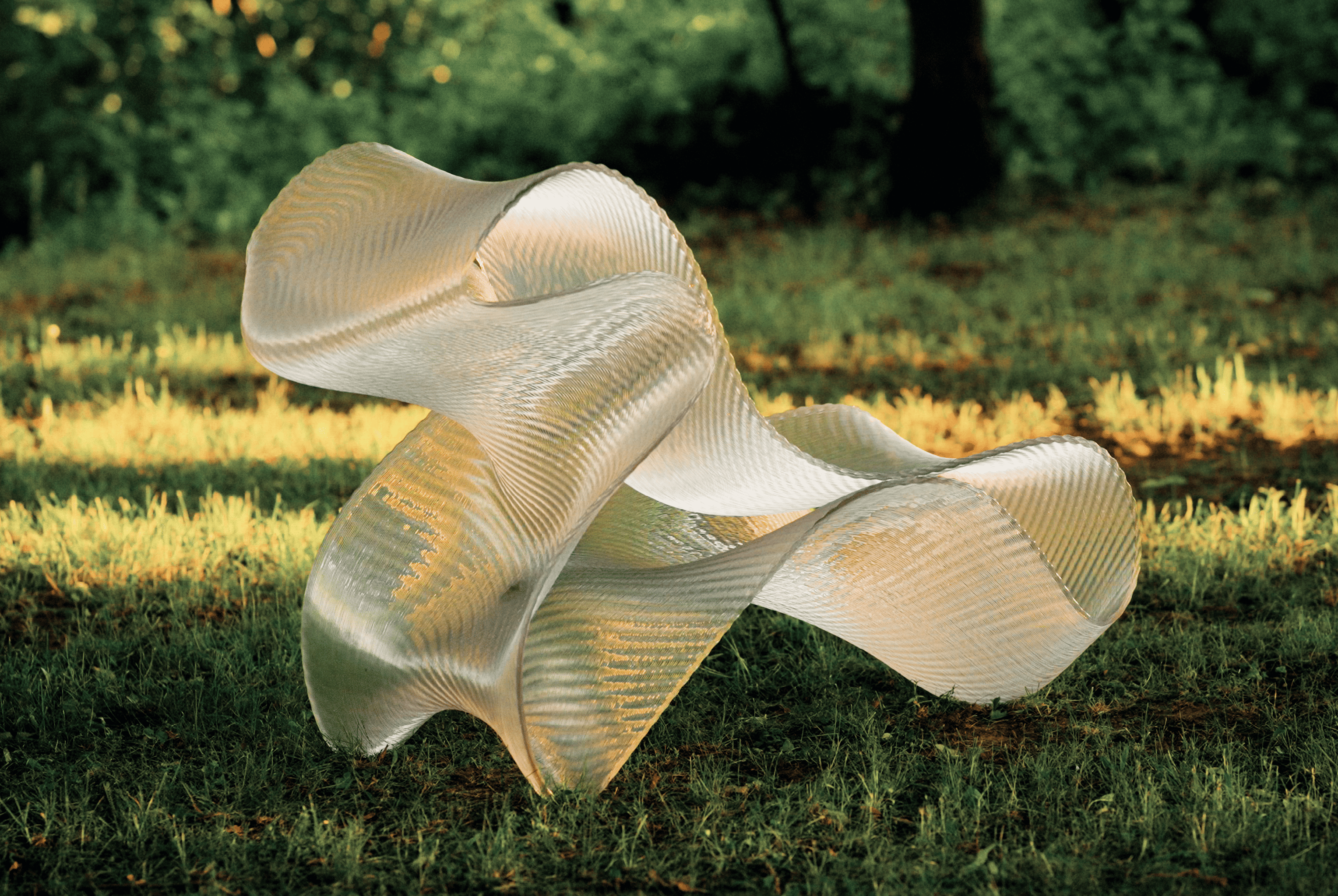
The Ruffini Chair, designed by Mungenast/Morroni, celebrates the expressive potential of 3D printing through a construction that feels both innovative and functional. Its flip mechanism lets you switch between relaxed, low seating and focused, high seating, while a custom surface design tailored to individual preferences ensures each chair is a unique piece. Rather than relying on traditional materials, Ruffini is produced with large-scale 3D printers using recycled rPETg plastic, demonstrating how sustainable manufacturing can merge cutting-edge technology with eco-friendly, personalized furniture design.
5. The Noble Chair by Bill Amberg Studio and Elizabeth Roberts Architects
United Kingdom, 2025
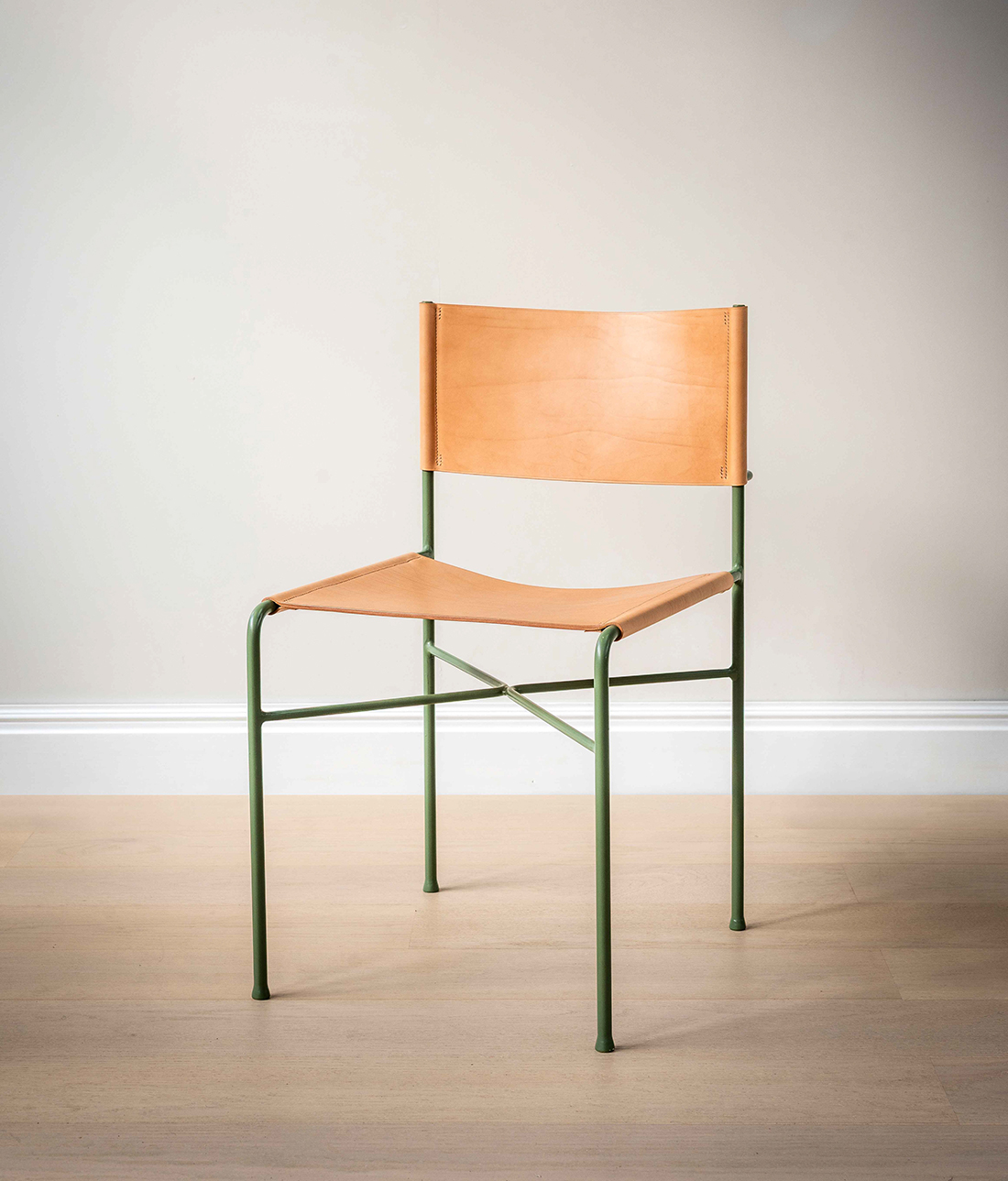
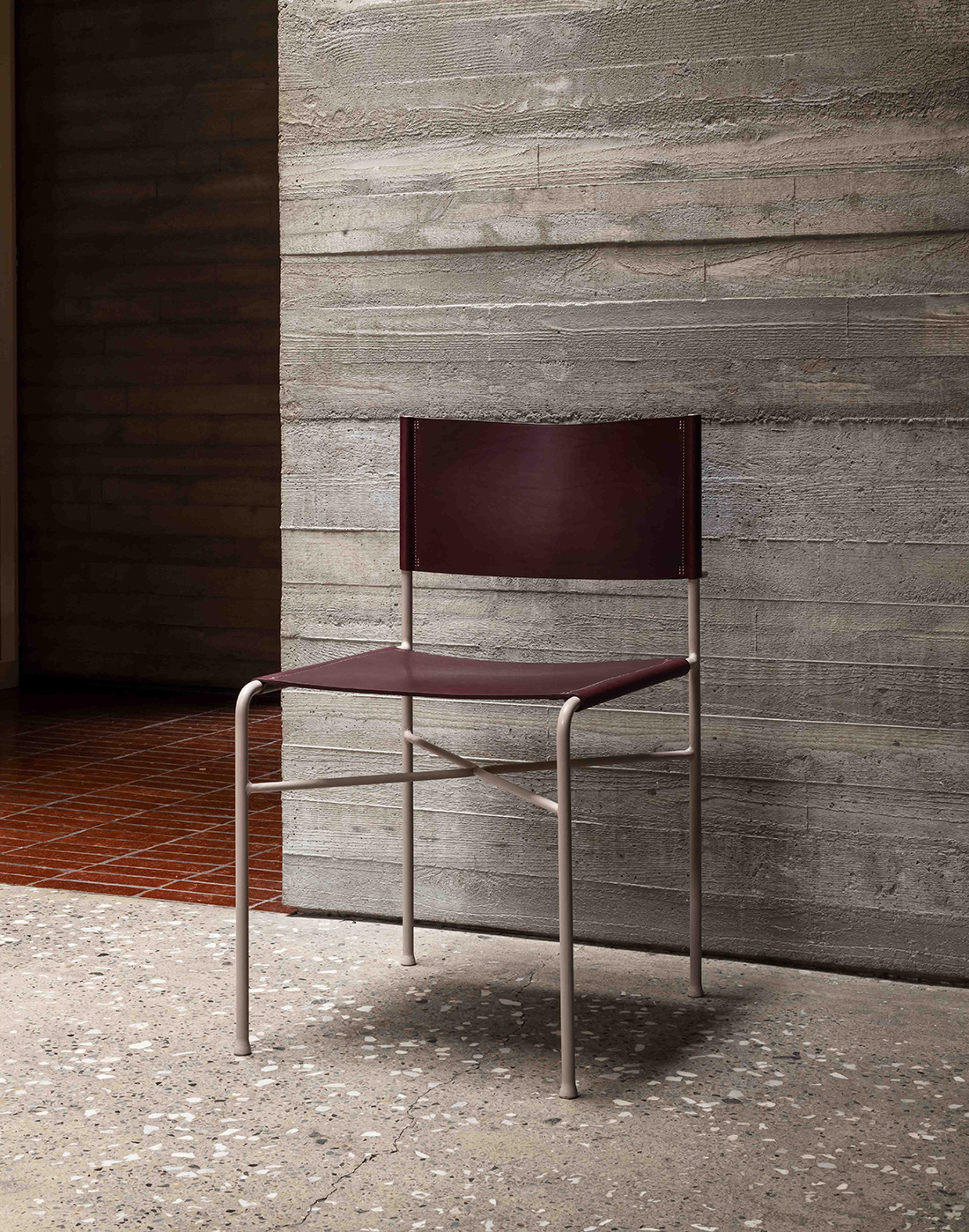
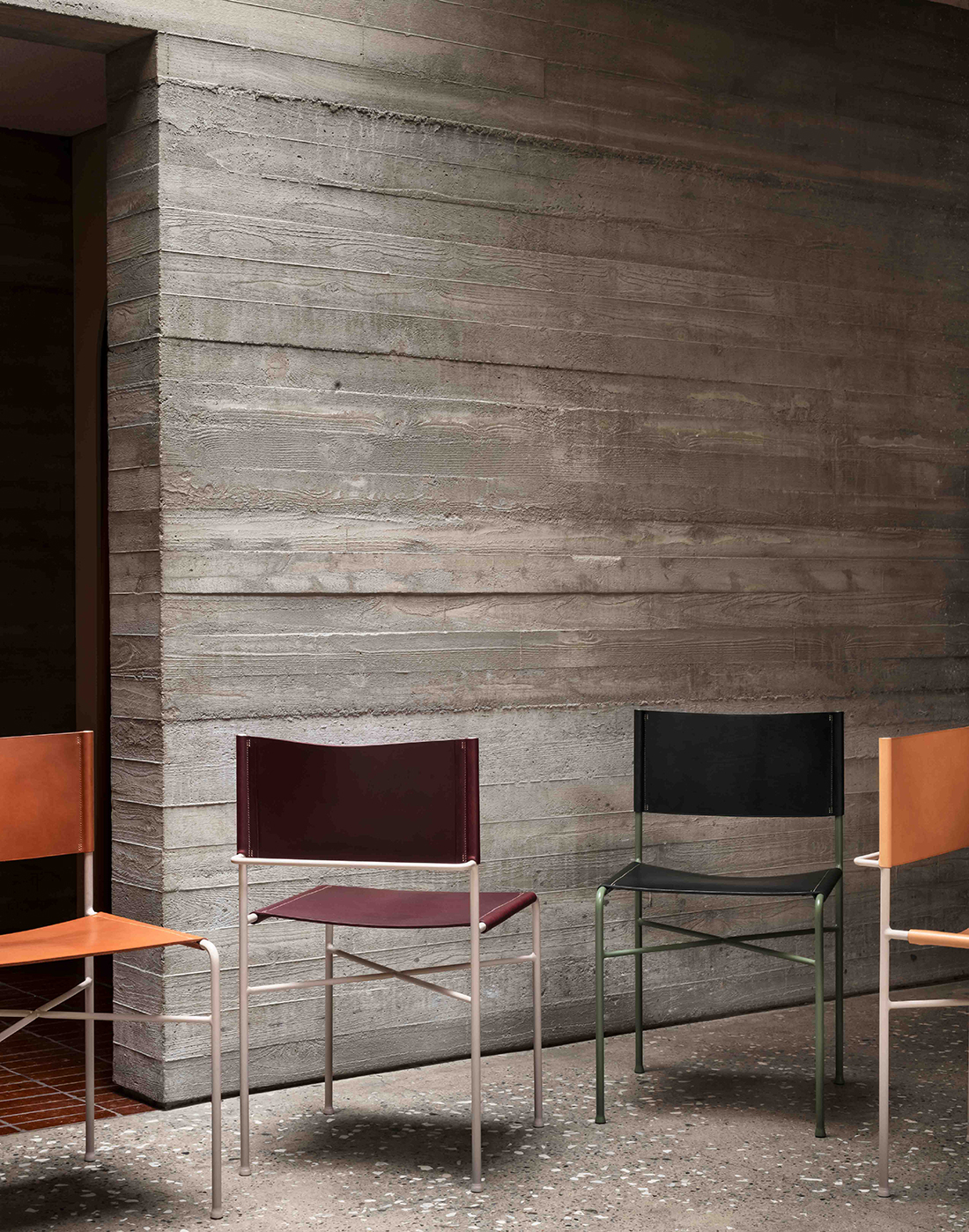
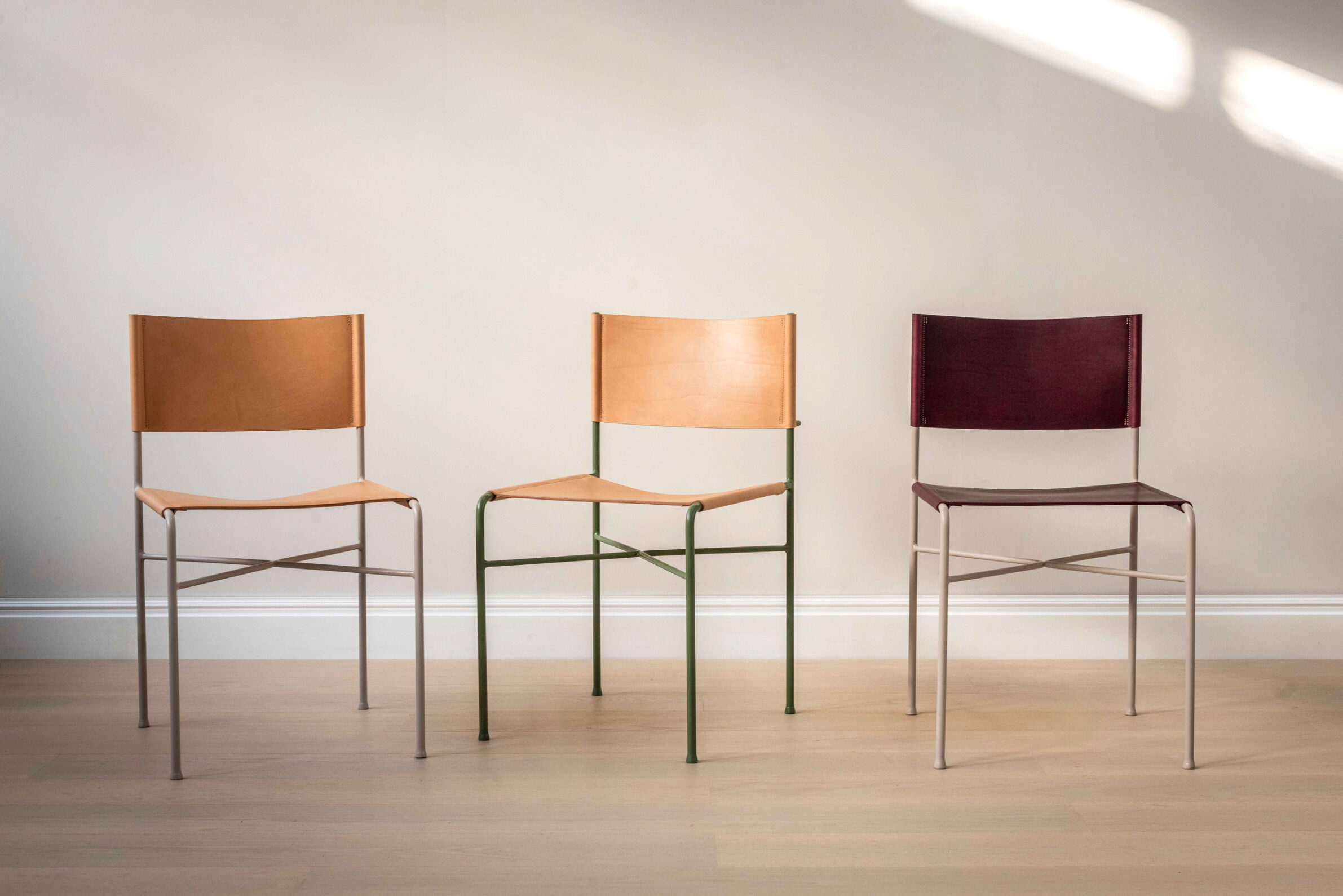
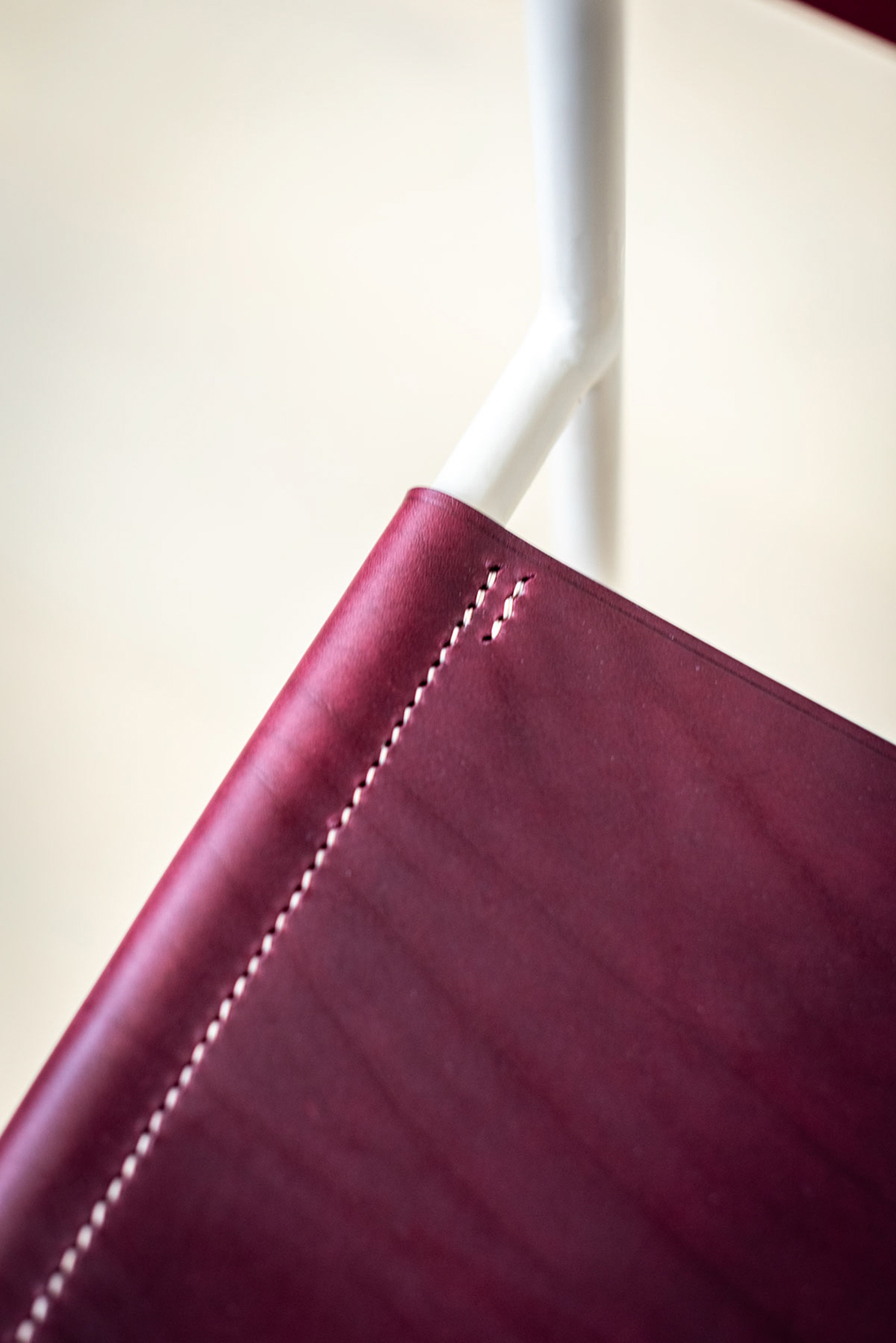
The Noble Chair explores the relationship between furniture, craftsmanship and architectural identity. Designed by Bill Amberg Studio together with Elizabeth Roberts Architects, it combines robust timber construction with finely crafted leather upholstery, creating an object that feels both familiar and ceremonial. The chair draws its character from traditional making while expressing a contemporary understanding of material honesty and longevity. It is less about visual novelty than about elevating everyday seating through exceptional craftsmanship and tactile richness.
The chair has been designed, redesigned and reinterpreted for centuries, yet it continues to offer new possibilities. These five projects demonstrate that innovation rarely comes from abandoning the familiar, but from questioning it with greater precision. Through craftsmanship, material exploration, structural ingenuity and cultural references, they reveal why the chair remains one of design’s most challenging, and most rewarding, objects to create.
___
Works is an editorial series in the BIG SEE Magazine presenting carefully curated selections of architecture, interior and product design projects. Each article explores a specific theme, question or typology – sometimes through a collection of projects, sometimes through a single work that deserves closer attention. Rather than aiming for completeness, Works highlights projects that help us better understand the ideas, values and directions shaping the built environment today.
Powered by

Be There.

Edited by:
Tanja Završki
Photography ©:
insdim design office:
JIFANG Wood Ltd.
Harry Chiu
Ng Hoi
Lars Angaard Madsen /
PlanAbacus
Ben Newman and Mary Numair /
BNF Studio:
Graham Tolbert (orange-background images)
Evan Jenkins (white-background and white-sweep images)
Morroni
Bill Amberg Studio
and Elizabeth Roberts Architects:
David Cleveland,
Matthew Williams