


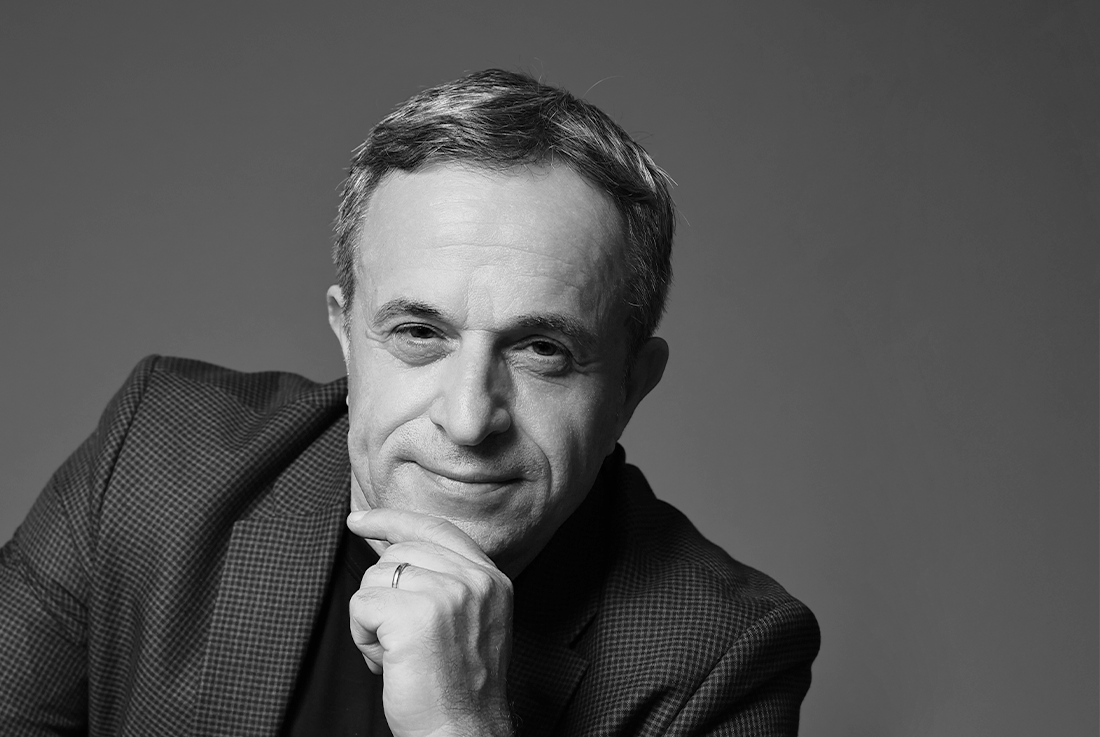
Florian Nepravishta is an architect, Full Professor, and former Dean of the Faculty of Architecture and Urbanism at the Polytechnic University of Tirana. He specializes in heritage conservation and urban regeneration, while also serving as a BIG SEE Nominator to support emerging talent. He reflects on the theme by arguing that architecture should prioritize “enough”—focusing on lasting quality and utility rather than flashy, unnecessary designs.
There is a long-standing debate in architecture about the boundary between being too much and being too little. “Too much” occurs when form, technology, or symbolism outweighs utility, and buildings value themselves more than the lives they support. In these cases, architecture becomes self-referential, serving as an object for consumption rather than a space for habitation.
“Enough” is not minimalism for its own sake or presented as an ethic in itself, but precision, a careful calibration of space, light, material, human needs, the preservation of cultural memory, and the environment. “Enough” means that each element exists for a reason, not for fashion or spectacle, but because it contributes to experience and function.
In an age of limitless tools and images, content is a conscious choice, and architecture should prioritise durability over immediate impression. This approach recognises that architecture need not be solid to be powerful; often, its greatest strength lies in knowing when to stop adding “too much”.
Powered by