


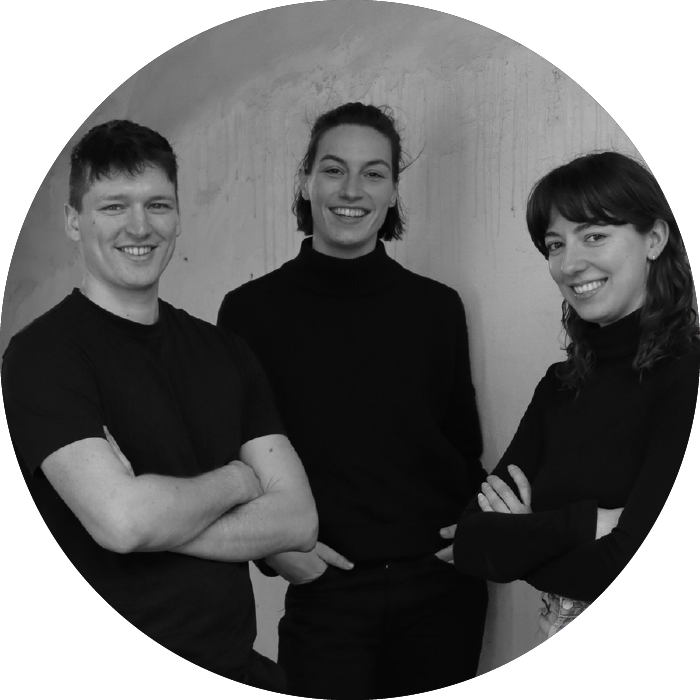
Studio dreiSt, Austria, 2026

Nominator: Thomas Amann
Nominator's statement
studio dreiSt. questions architectural practice by shifting the focus from authorship to process, and from extraction to collaboration. Rooted in material agency, their work challenges conventional design methods through hands-on experimentation, reuse, and interdisciplinary exchange. Their project Biofabrique Kantine, presented at Vienna Design Week 2024, exemplifies this ethos: urban and agricultural waste is transformed into a circular, demountable building system through iterative prototyping and collective knowledge. Rather than imposing form, studio dreiSt. allows materials and context to guide the outcome, proposing a regenerative, bioregional approach to construction. Their practice positions architecture as an open-ended process—adaptive, participatory, and deeply attuned to existing resources—offering a compelling vision for a more responsible and resilient built environment.
BIOFABRIQUE KANTINE
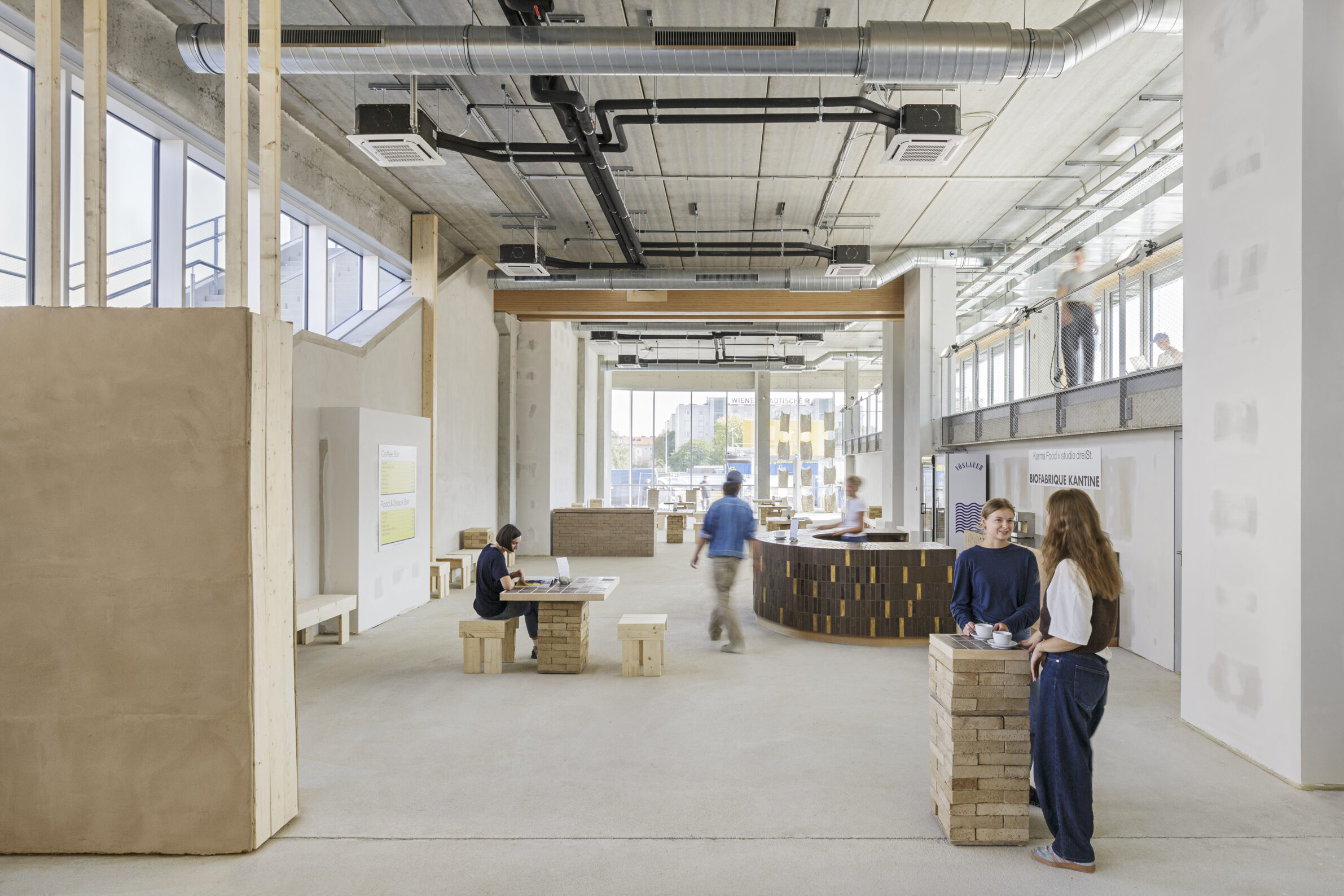
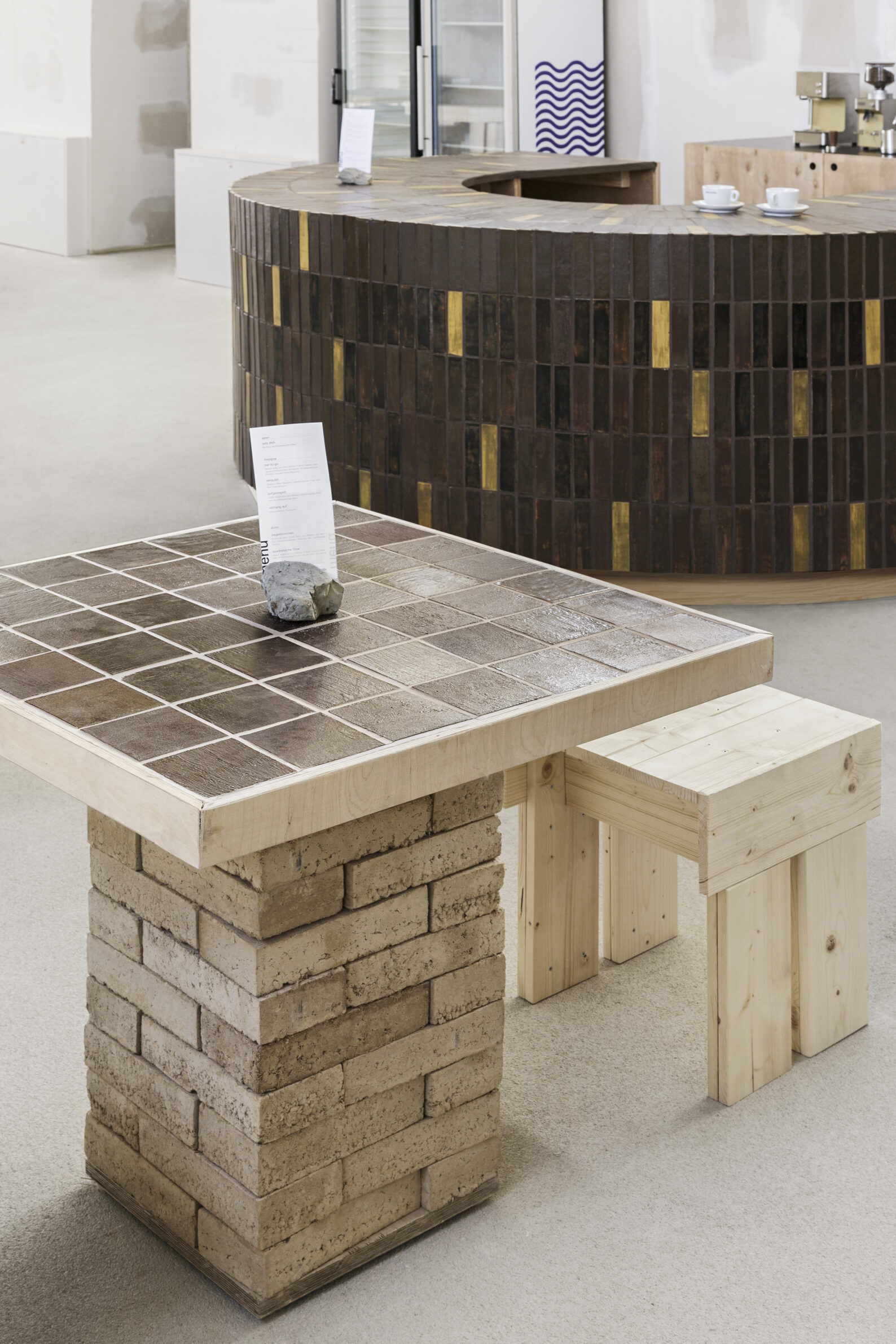
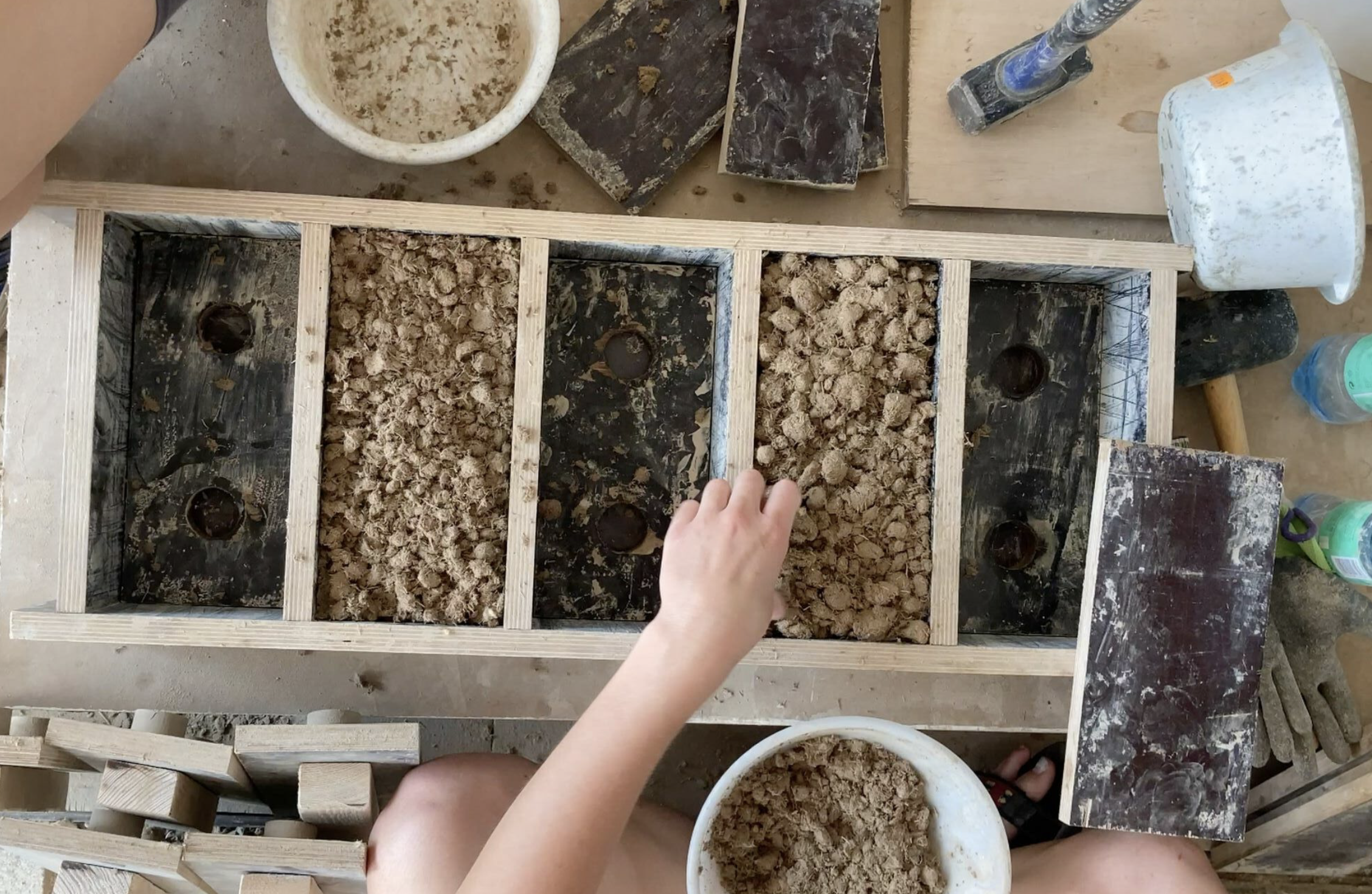
How do you create new valuable materials from waste materials? The Biofabrique Kantine is a festival cafe designed and built by studio dreiSt., which was commissioned by the Vienna Business Agency and VIENNA DESIGN WEEK for their 2024 exhibition. It is an experimental material experience in which urban waste finds a new use. Excavated clay from Vienna's construction sites is used as tile glaze for the bar counter, carbon lime from sugar production holds the table top in the form of rammed bricks. The project questions the exploitation of natural resources and shows an approach to how local (residual) materials could function in a circular construction industry. Bioregional, recyclable and adaptable make a statement for a new way of building. Whether it's a decomposable table base or a portable bar - every building element is designed to last beyond the festival, be it in a new form or in a different location.
MATERIAL IMPERATIVE
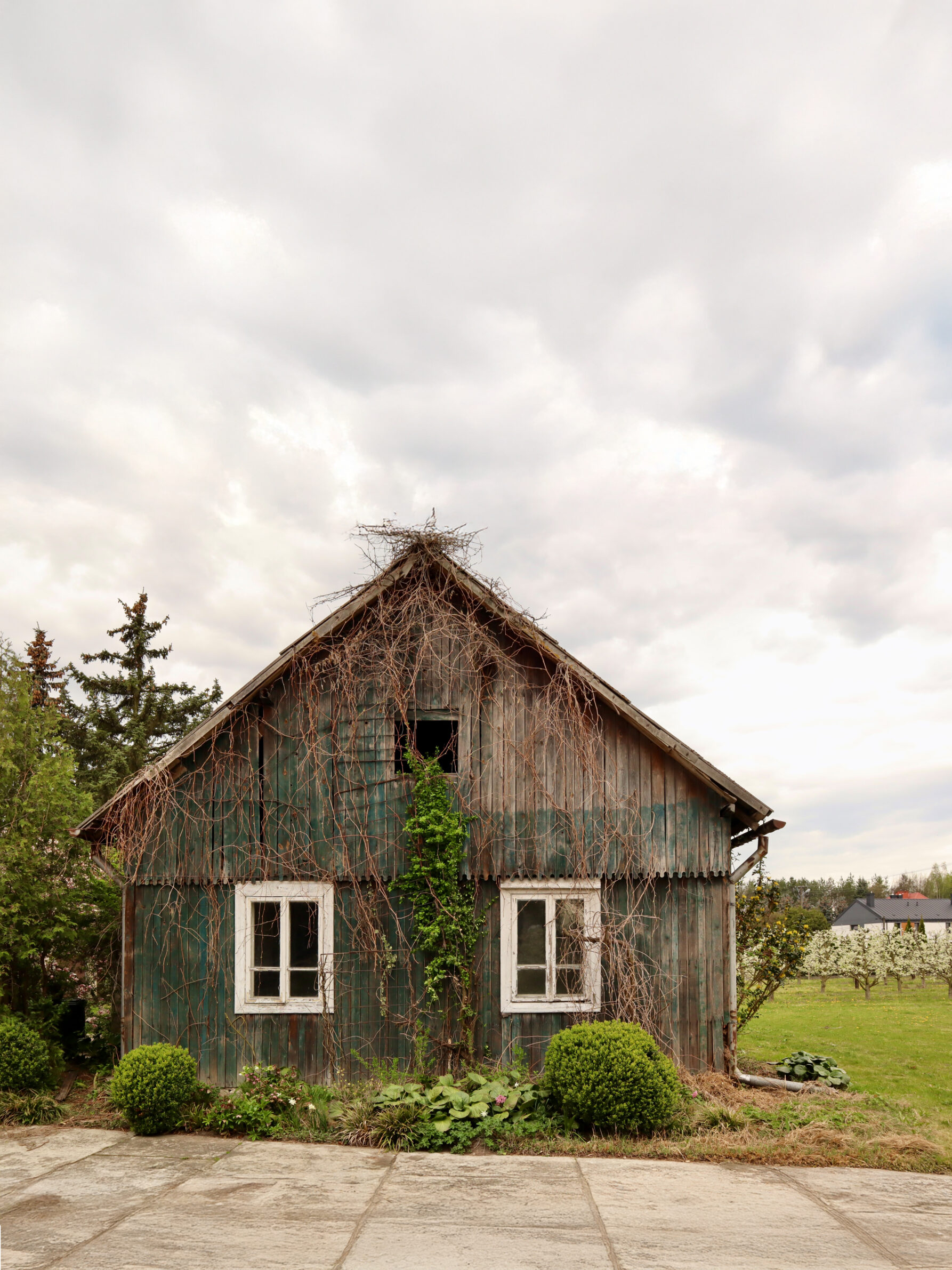
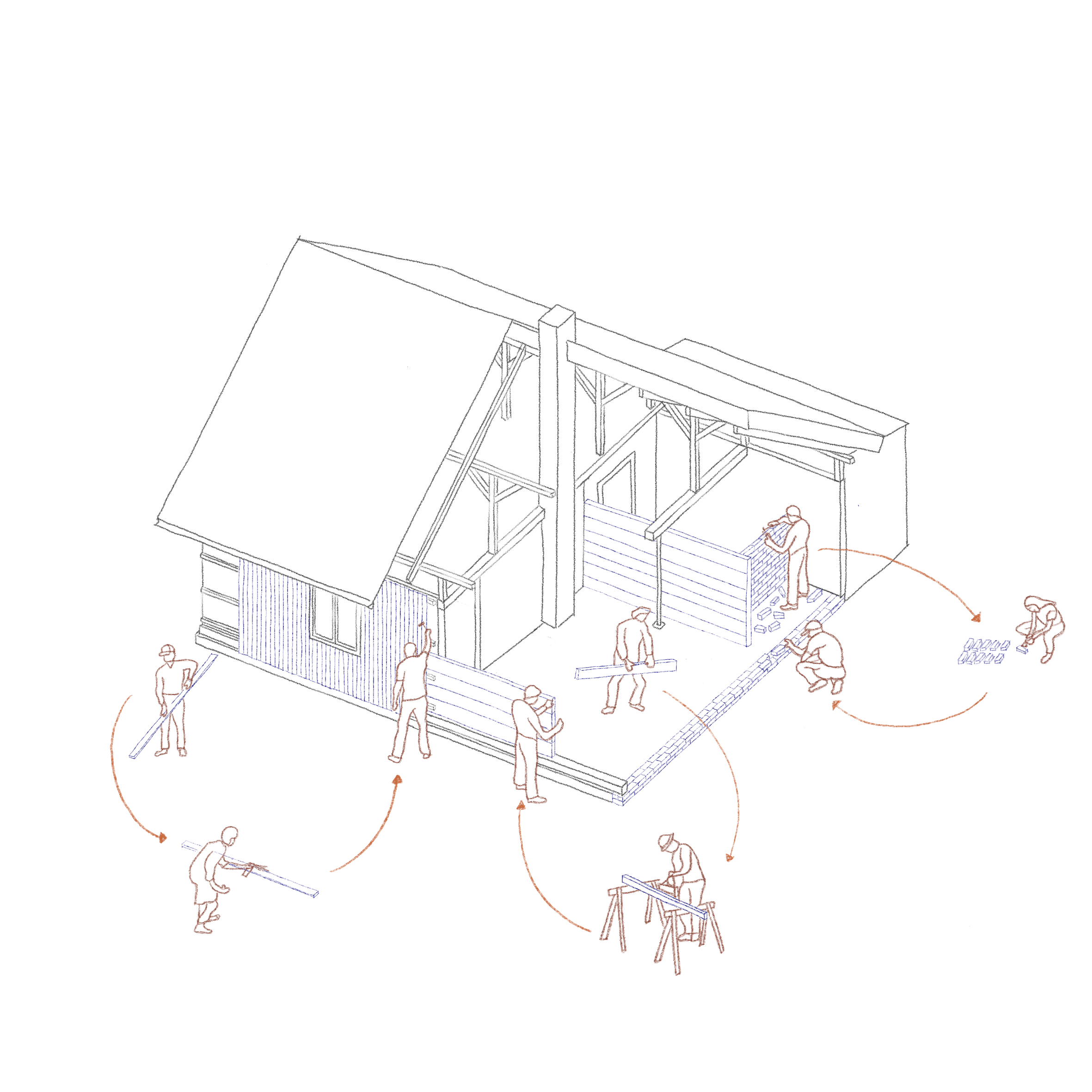
An agricultural farm in Poland forms the starting point of this project. Shaped by decades of improvised additions and pragmatic reuse, it exists as a living archive rather than a finished work. Its ongoing conversion continues this story, transforming the farmhouse into a laboratory for a culture of transformation that explores new forms of resonance between people, material, and place. Informed by New Materialism, the process is guided by five interwoven resonances: iteration, networking, resource collection, shared care, and aesthetic impulse, which actively shape the transformation. Materials are being collected, placed in new relationships, and their care becomes visible in an aesthetic that does not conceal traces but carries them forward. In this way, the material imperative calls for a fundamental rethinking of how we engage with resources, shifting the focus toward designing with what is already there.
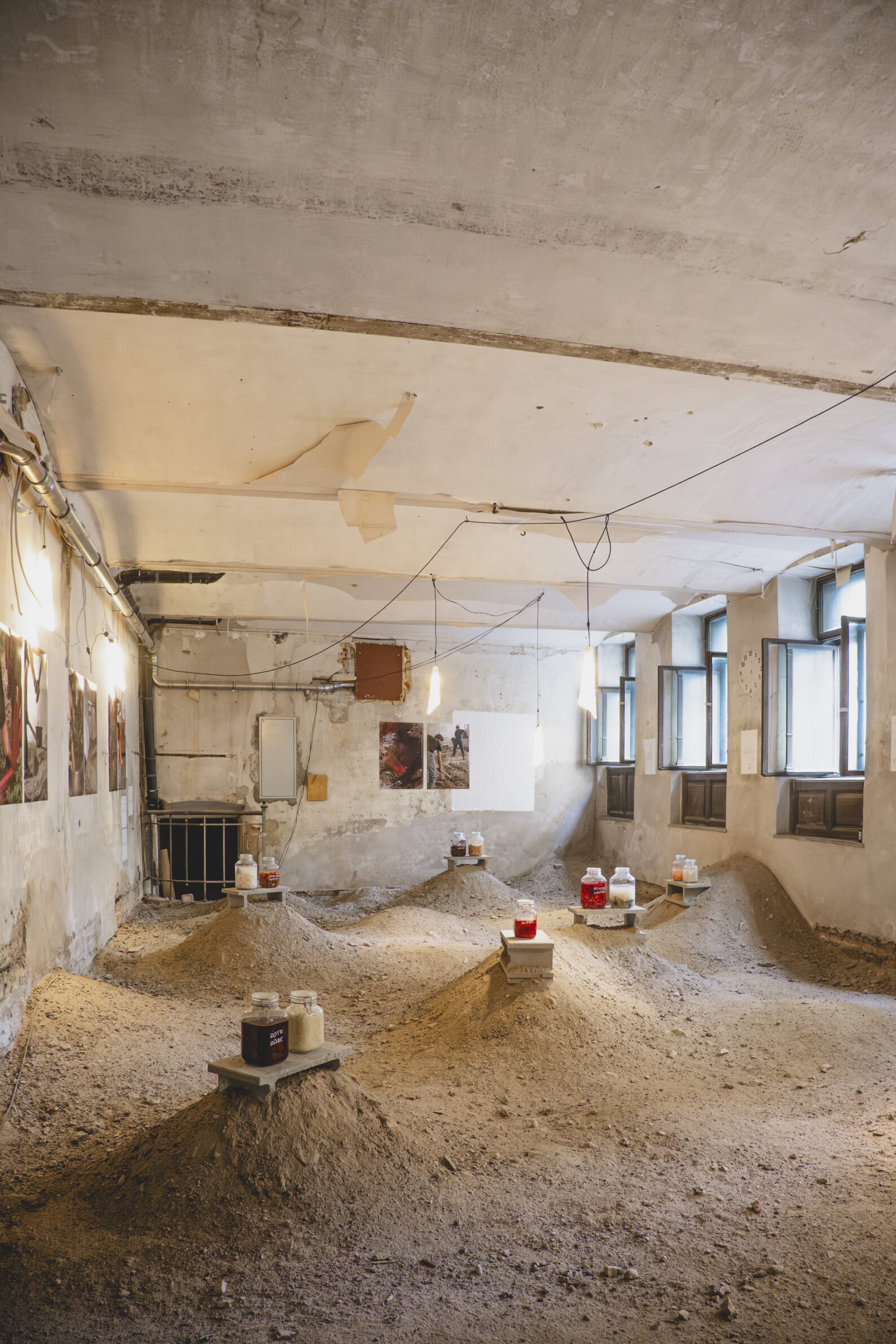
FERMENTING ARCHITECTURE
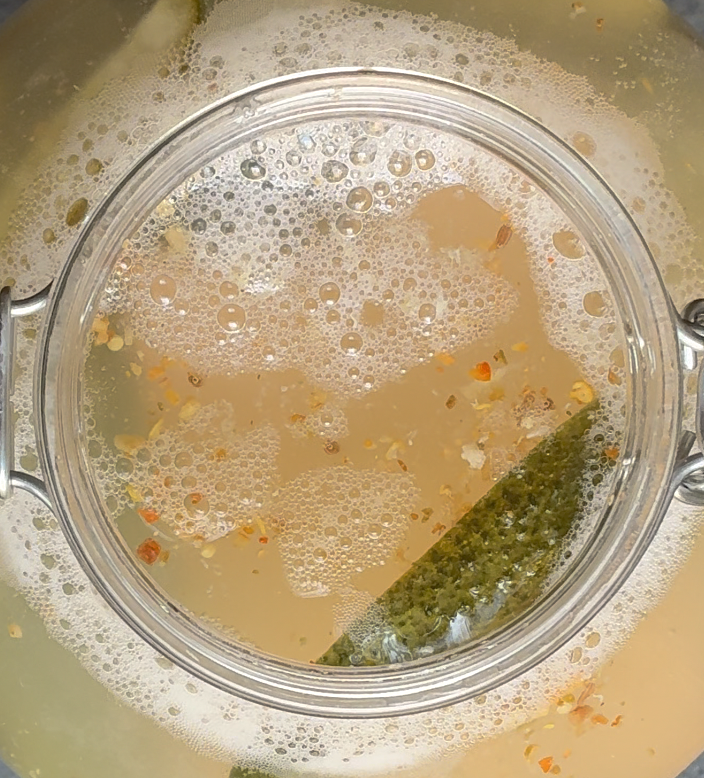
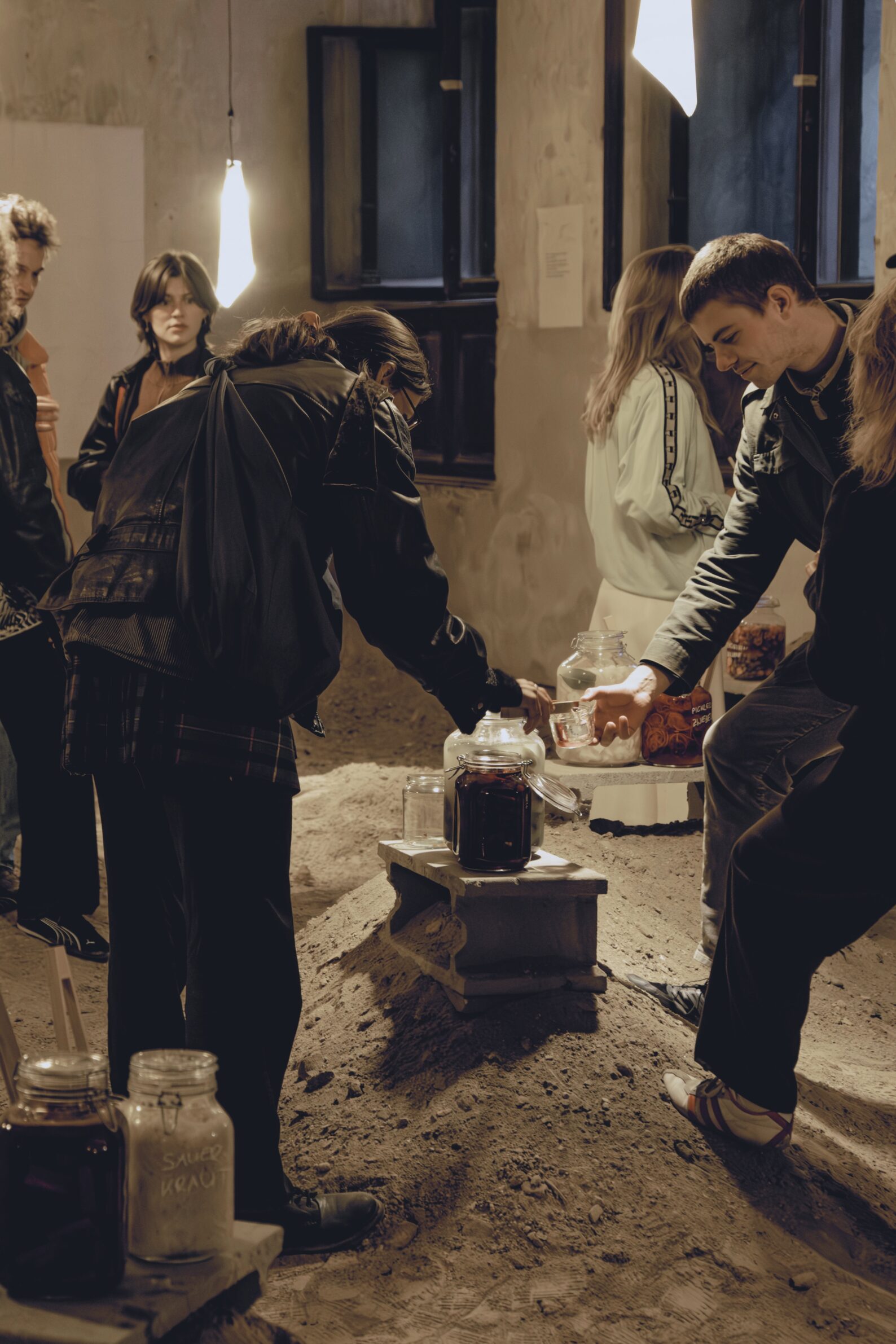
The project explores fermentation as a conceptual and practical model to rethink architectural practice. It moves away from extraction and control and instead understands design as a time-based process that unfolds through ongoing interaction with materials, environments, and people. Informed by feminist theory, new materialism and process philosophy, the project links theoretical inquiry with hands-on experimentation and treats making as a way of thinking. Knowledge emerges through situated, embodied encounters rather than abstract planning. Architecture is approached as something that evolves through attention, adaptation, and dependency, rather than being defined in advance as a fixed outcome.
Studio dreiSt
Studio dreiSt is a Vienna-based bioregional design practice working at the intersection of material research, circular construction and spatial design. Founded in 2024, the studio explores process-based methodologies that engage with local resources, waste streams, and ecological systems. Their work moves between speculative research and 1:1 implementation, translating material experiments into spatial applications. As LINA Fellows, studio dreiSt is currently developing multiple projects across Europe, focusing on how architecture can emerge from regenerative, site-specific processes.
Contact
hello@kollektivdreist.at
Powered by