



Slavena Todorova, Bulgaria, 2026

Nominator: Antonina Dimitrova Tritakova
Nominator's statement
Slavena is an incredibly talented young architect whose vision goes beyond function, touching the poetic. Every project she shares is a journey into atmosphere and emotion. Her spaces aren't just built to be lived in, but to be felt—time and time again. Through her creative lens, she creates contemplative moments that invite us to experience architecture on a deeper level. A visionary architect, a gifted photographer, and a bold experimenter—she is a creator in the truest sense.
HOUSE BY THE BLACK SEA. TOPOLOA, BULGARIA
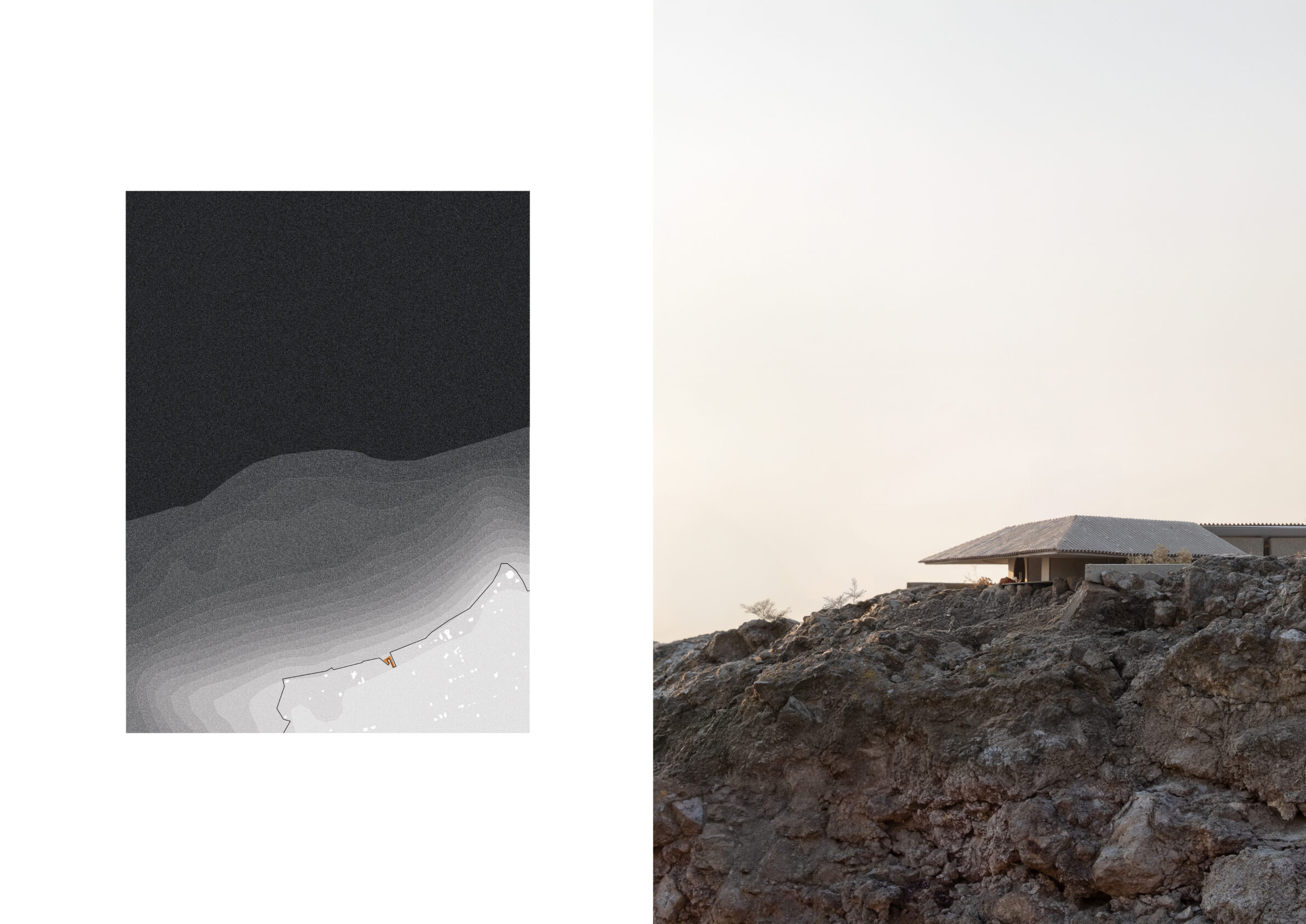
The project was developed during my time as an architect at AEDES Studio. The commission came from a family living abroad who own a plot on a hilltop overlooking the Black Sea, with the intention of building a holiday home.
The threshold is not a boundary of separation; it is a place of transition. It allows us to enter and unite spaces rather than divide them. — Gaston Bachelard, The Poetics of Space (1958)
The plot is located at the edge of the village, just before the land begins to slope downward into open steppe, scattered with wild grasses and rocks. There is no dense forest, no urban backdrop - only sky, grass, and sea in simple horizontality. At sunset, the yellowish grass meets the Black Sea’s deep indigo, creating a striking contrast, while elongated shadows stretch and dissolve across the terrain. The powerful coastal winds have gradually eroded the soil in places, exposing uneven, rocky ground unsuitable for cultivation. It feels as if the entire area is an extension of the sea, marked in the same way waves leave their trace on the sand.
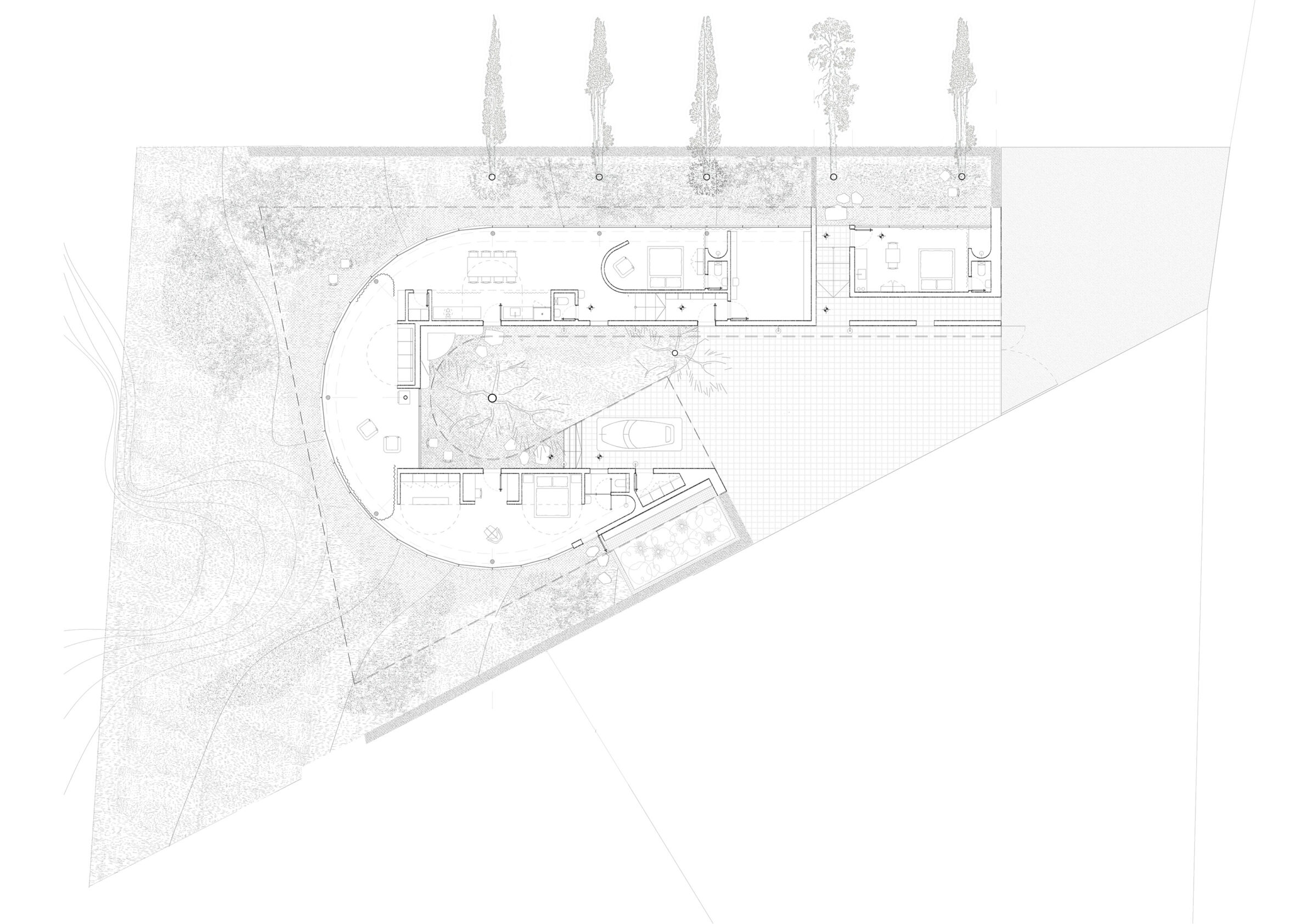
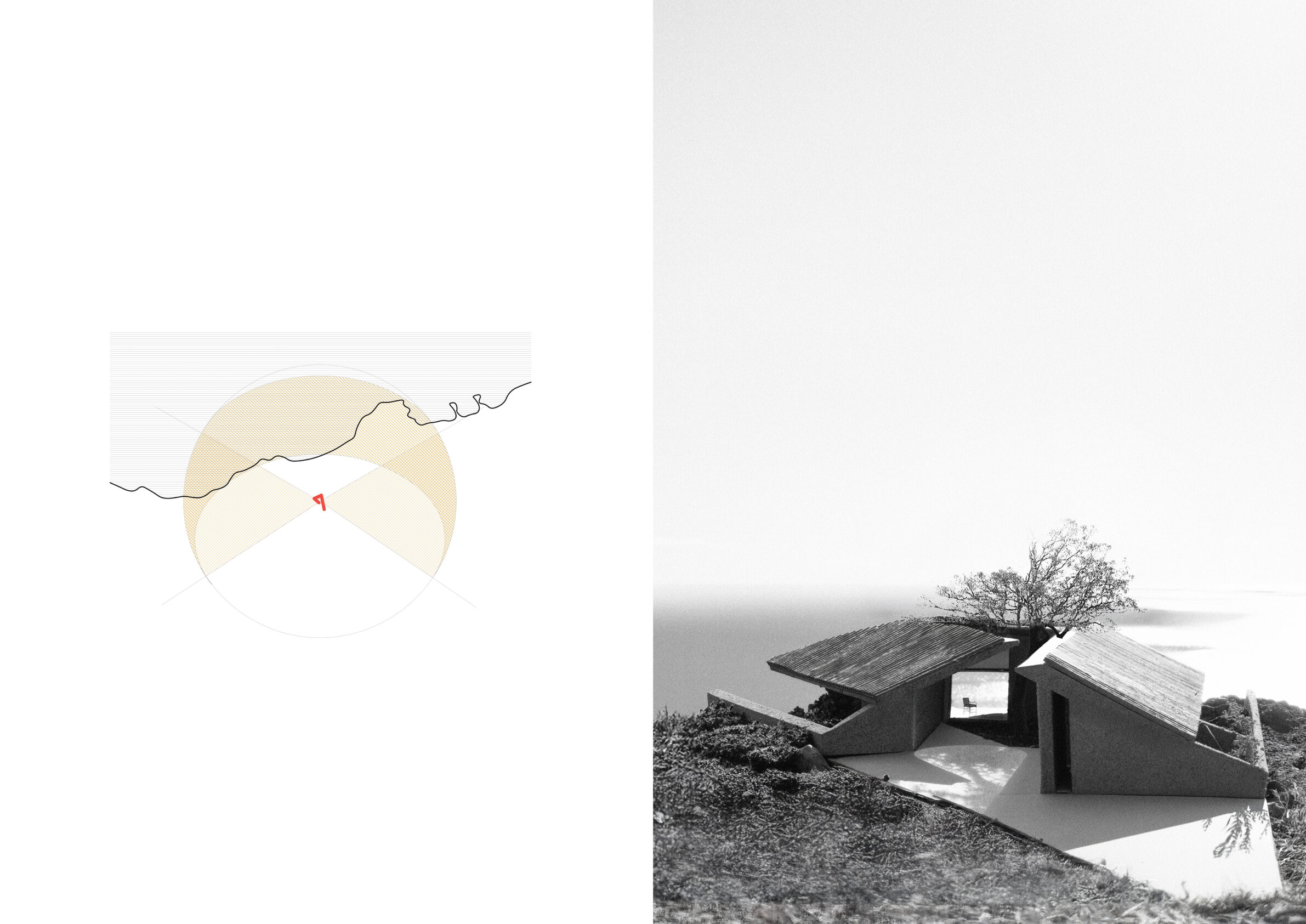
The house marks that edge where the village meets the landscape, creating a barrier between them. Thus, it frames the landscape as the primary space of being through the simple act of entering it.
WORKSHOP RECONFIGURATION AND EXTENTION. TUTRAKAN, BULGARIA
Once, a carpenter worked long nights in his garage while his son absorbed the craft almost by osmosis. Over time, the son developed an intuitive understanding of the material and, despite being educated in another field, inevitably became a carpenter himself. The idea of having an entire workshop of his own once seemed like a chimera.
Years later, he encountered an Italian designer whose furniture, often elusive to others, posed no difficulty for the Bulgarian craftsman. A first mock-up was completed over two nights, resolved with careful attention to detail. A month later, production began and continued for more than a decade.
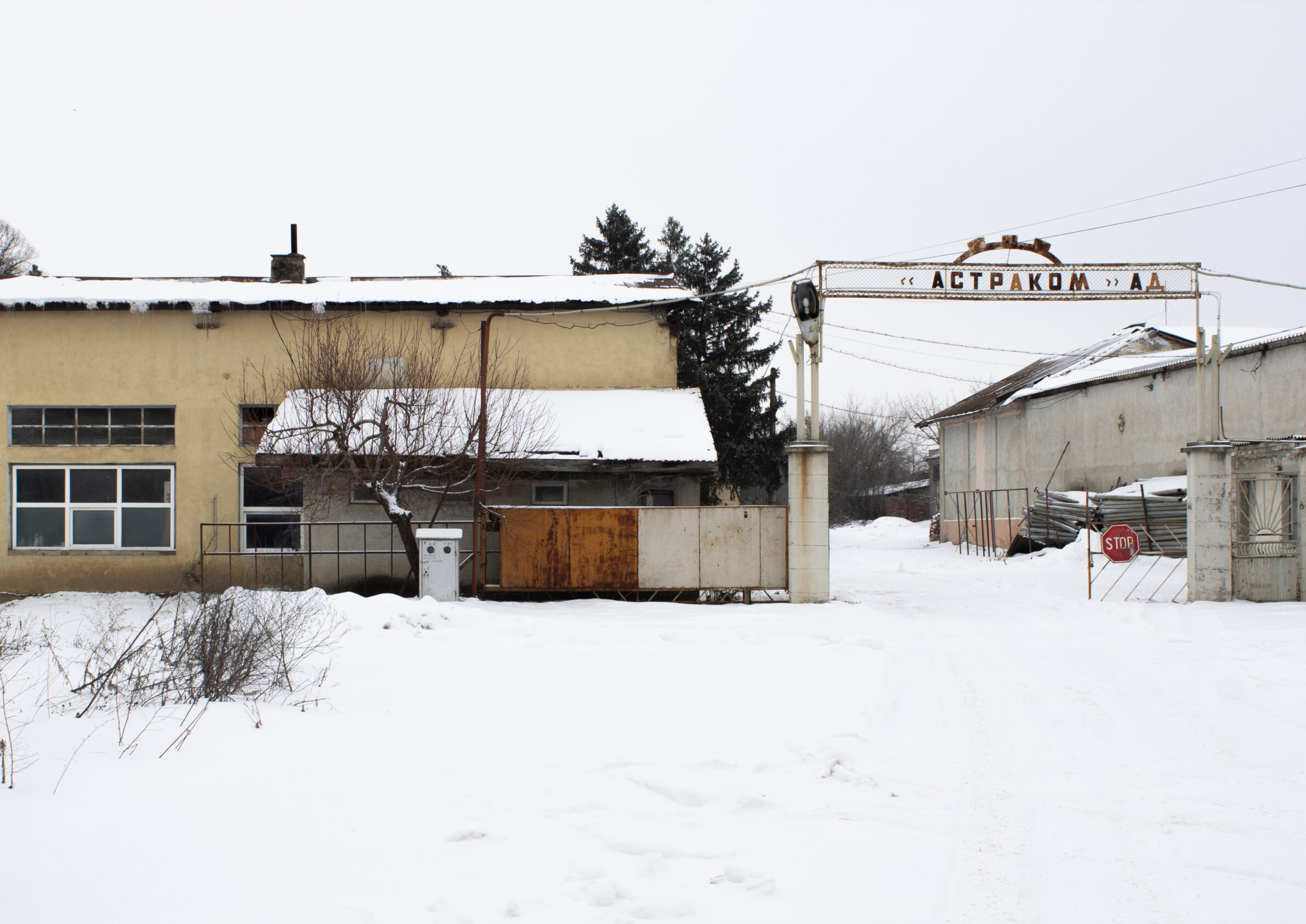
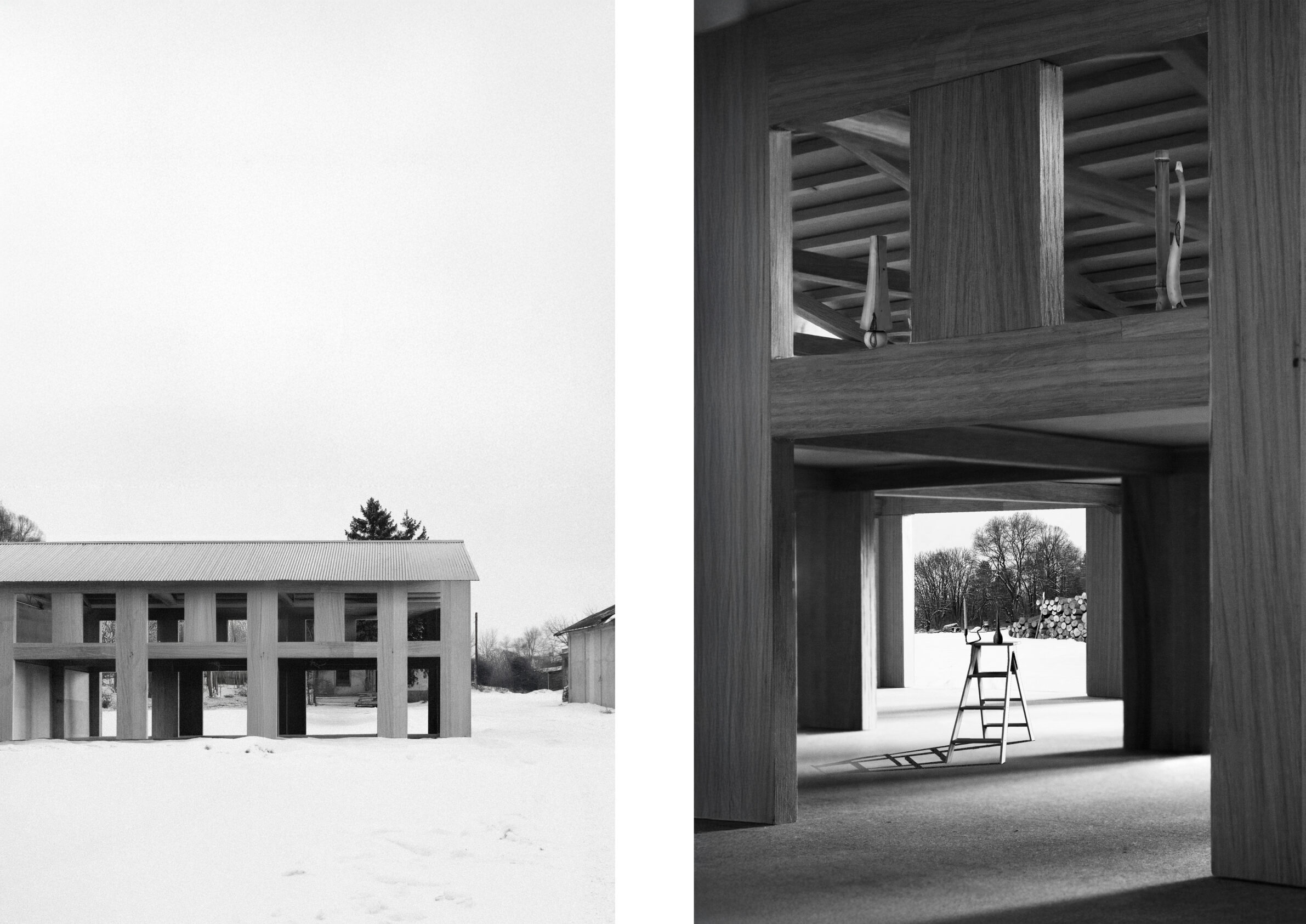
The workshop occupies a former factory complex, once spread across three buildings and accompanied by a park. Today, two of the buildings stand abandoned and slowly decaying, while the park remains unattended. The workshop is the only continuously adapted structure, constantly redefining itself. The central yard, when not empty, serves as storage for raw timber against the backdrop of the
overgrown park.
The need for an exhibition space emerged gradually as the growing body of work demanded its own form of display. The proposal responds by inserting a sequence of frames that reflect the site’s layered development, placing the furniture within the context of its making. These frames follow the rhythm of the existing structure and engage its imperfections.
The project remains in progress.
WALNUT TABLE. TUTRAKAN, BULGARIA
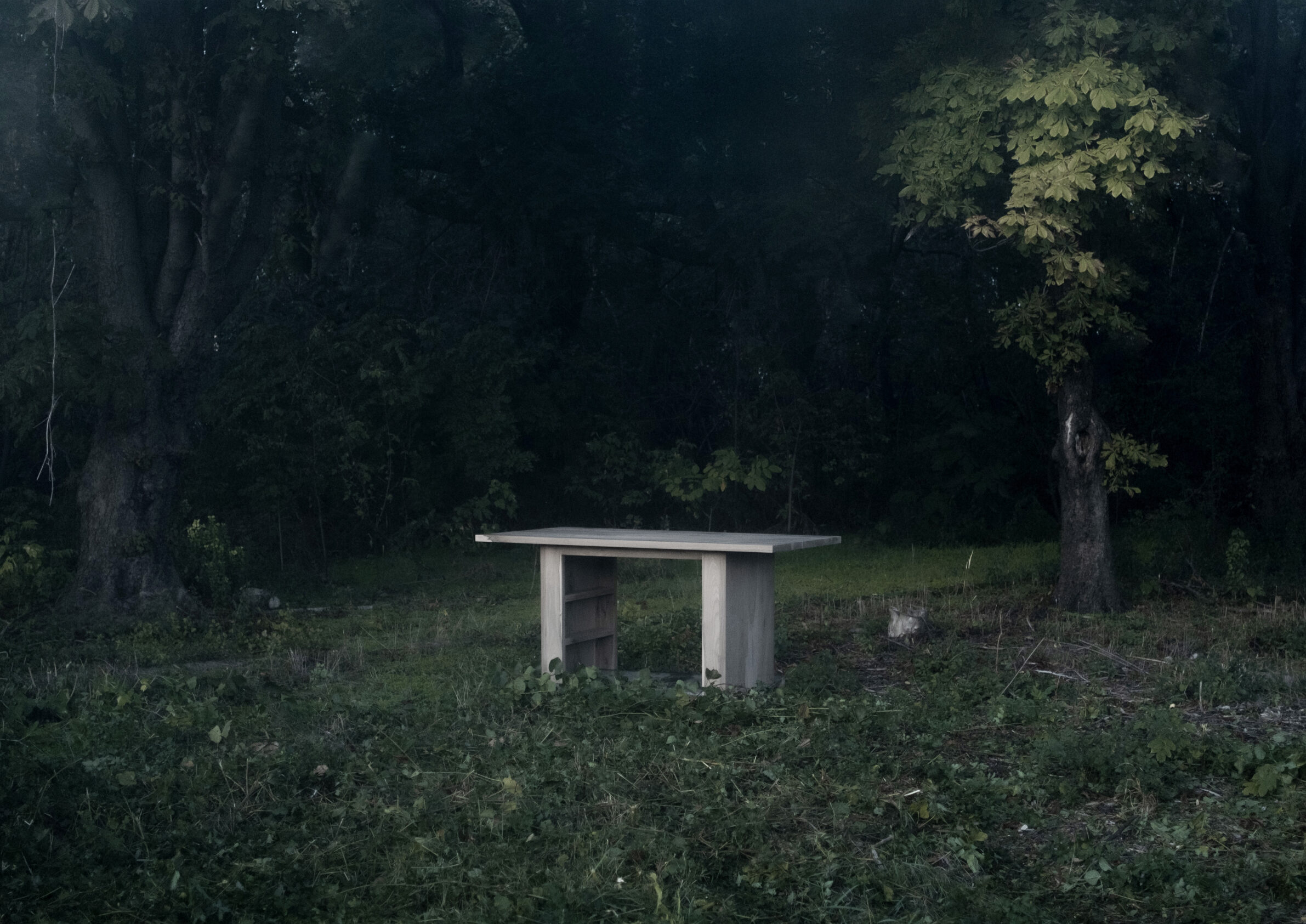
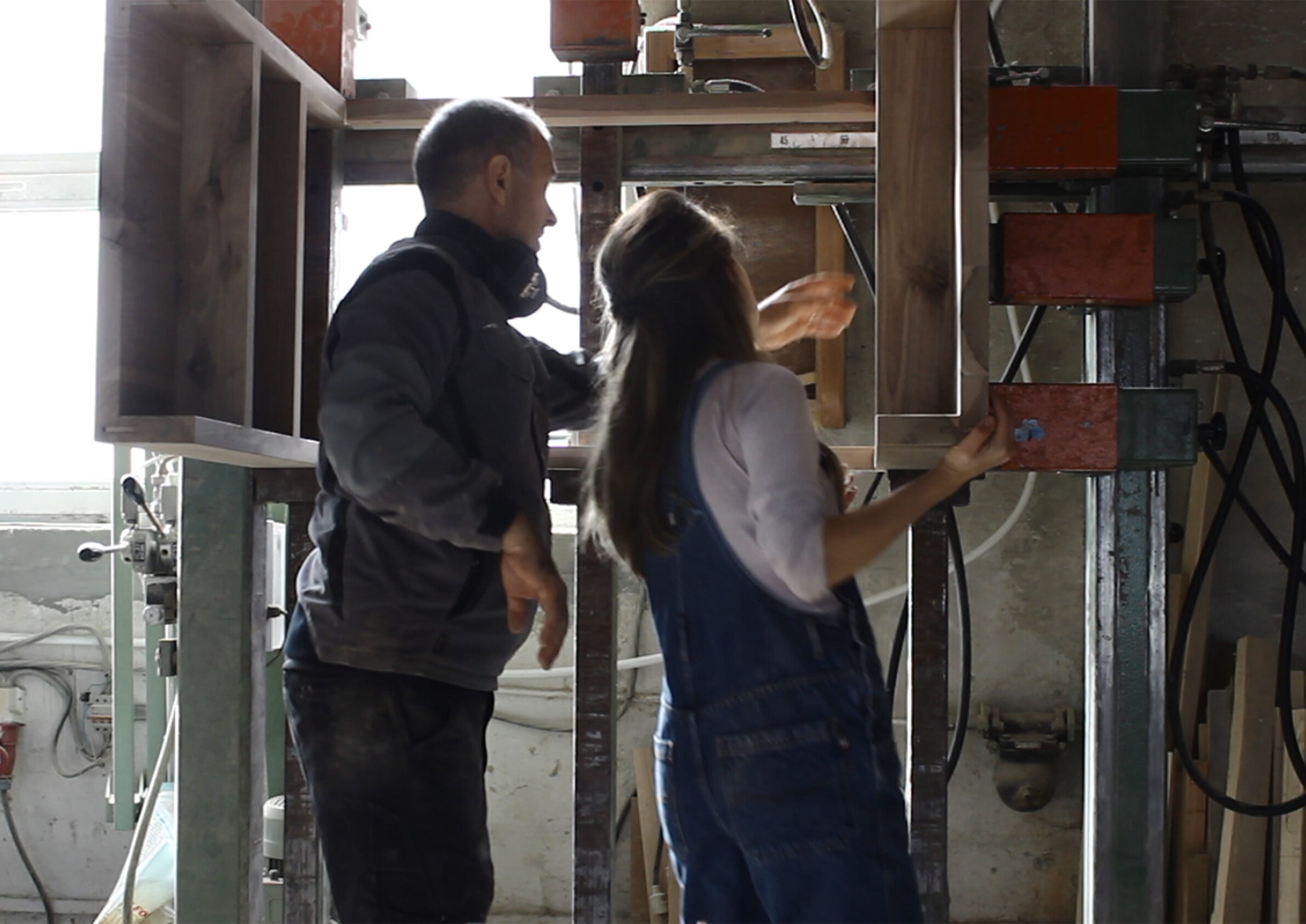
The table was crafted entirely from walnut wood over the course of two days by two people - my father and me.
The piece pursues the simplest possible expression of a desk, one that honors the inherent beauty of the material, particularly the depth and richness of walnut. From the front, it presents itself as a minimal composition: two vertical elements supporting a single horizontal plane. As one moves around it, however, these elements reveal their true nature as broad surfaces, and the desk shifts from a structural outline to a more tactile expression of material presence.
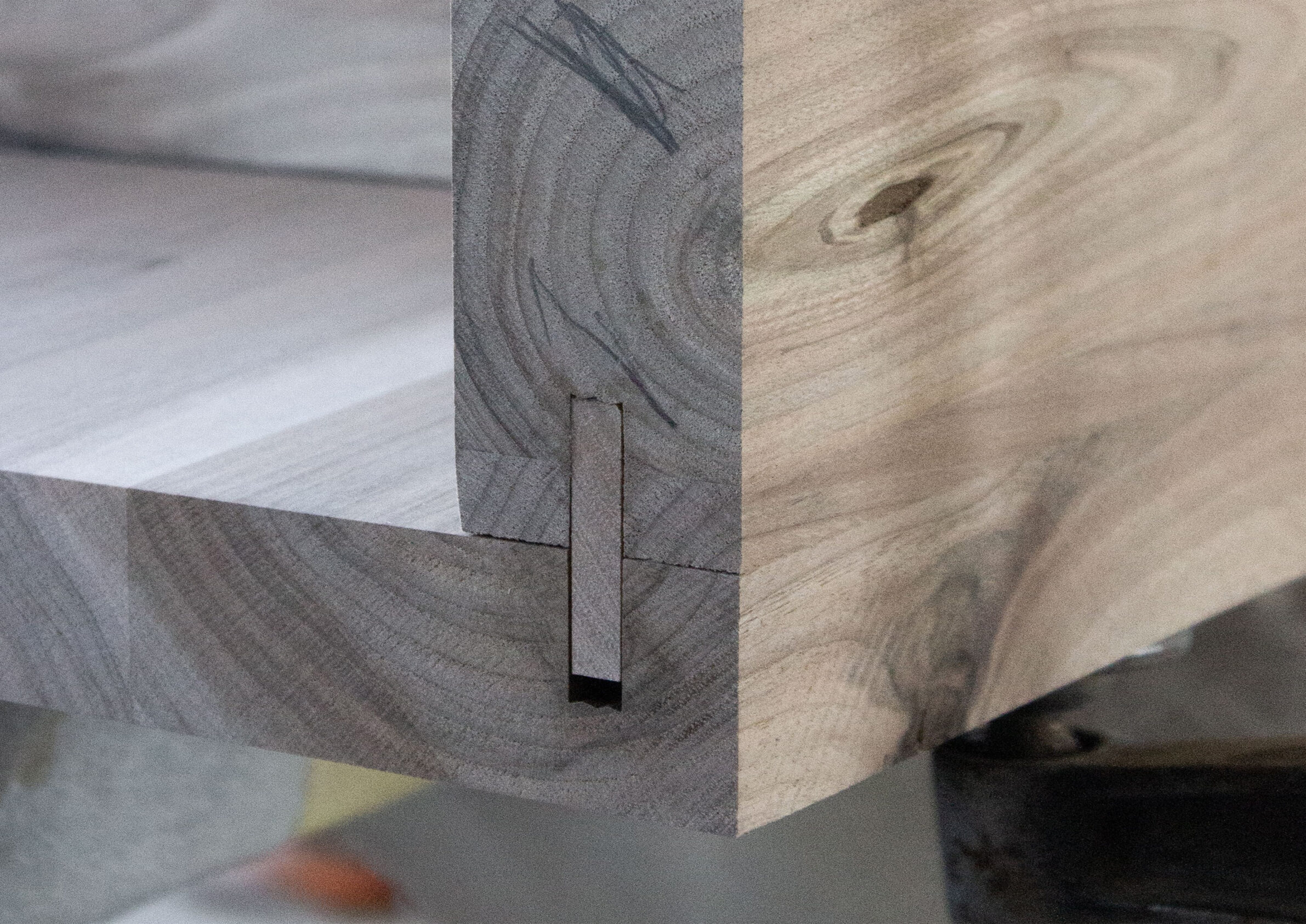
Reading the surface as a layered historical map - Usually, the material for a single panel comes from the same forest massif, chosen for its consistent characteristics. The boards are then carefully selected and arranged according to their strength, growth patterns, and aesthetic qualities. Each mark on the wood reveals part of the tree’s history, so the entire panel begins to resemble a historical map, which narrates the story of the forest.

Slavena Todorova
Slavena Todorova is a Zürich-based architect and a graduate of the University of Civil Engineering and Geodesy (2023).
Raised in her father’s carpentry workshop, she was introduced early to the process of making, where observation preceded formal knowledge. This experience shaped a lasting interest in how things are produced across disciplines, and in the potential of giving objects a specific quality through empirical exploration. Over time, a wide range of interests emerged. They were not ends in themselves, but tools for an evolving curiosity and its expression. What moves her across disciplines is the sincerity of each approach.
Contact
slavenaaa.todorova@gmail.com
Powered by