

Girls can scan collective, Hungary, 2026

Nominator's statement

The collective girls can scan is a particularly compelling phenomenon and intellectually vibrant force within the Hungarian architectural scene. They have a unique and evocative voice. Júlia Bakucz, Eszter Hegedűs, Kata Ramocsai, Lilla Kammermann and Lilla Luca Varga - a group of  young practitioners of architecture, urbanism and cultural heritage - founded the collective in Budapest during the lockdown and started their journey to confront architecture with urgent and provoking questions. They keep looking for the invisible layers and connections of the built environment around us.

At the invitation of the Association of Hungarian Architects (AHA), they engage with the situation of young architects in Hungary, organizing workshops and seeking to position the local context within an international framework.

They also address the legacy of 20th-century Hungarian architecture and its ongoing demolition—approaching the issue not only from an architectural perspective, but through urban, political, historical, and cultural lenses as well.

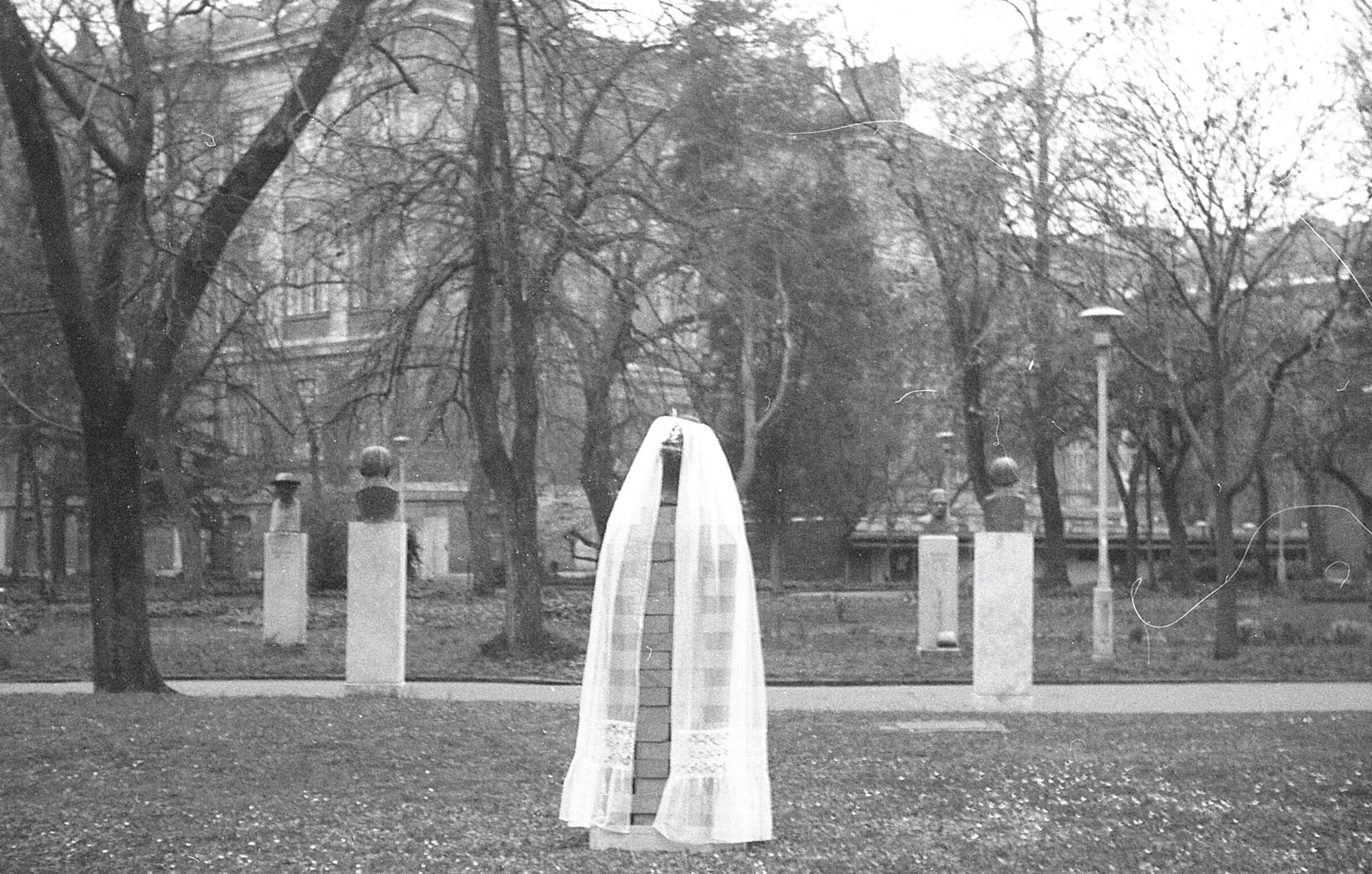
A key focus of their work is the role of women in architecture. As part of a performative project, they unveiled the first non-allegorical statue of a woman in the garden of the TU Budapest, dedicated to the memory of all women engineers.
TRIPPING ON MODERNIST MONUMENTS

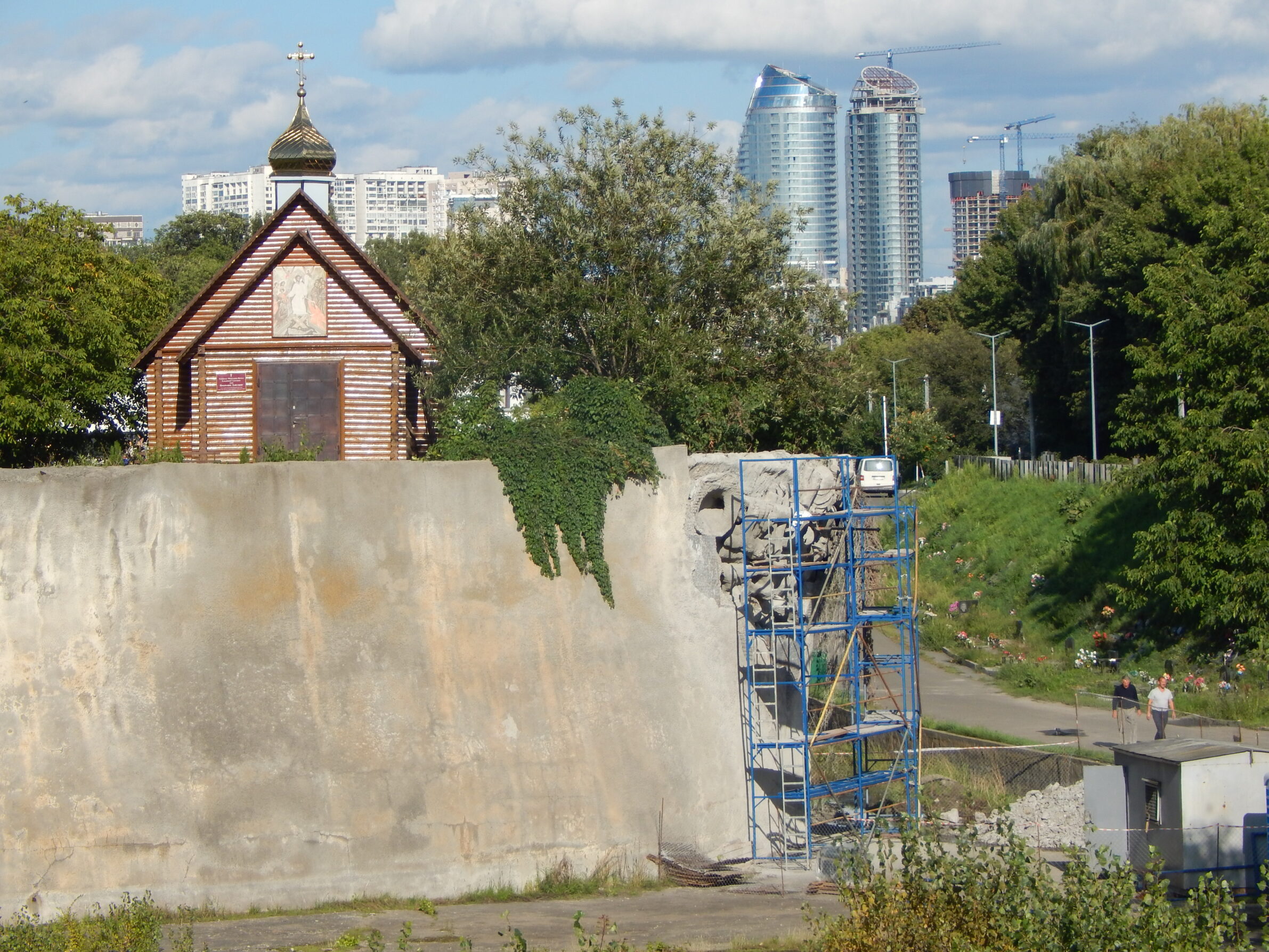
The ongoing research project Tripping on Modernist Monuments was initiated in 2020. The main question is whether a toolbox of best practices exists in the former Eastern Bloc to rescue modern heritage and whether this can be adapted to different countries. The systematic demolitions in Budapest have raised many questions for us: If this is a pan-European phenomenon, is there a connection between the causes in the different countries? Could other post-socialist countries come to terms with their historical and built heritage? Can these similarities in the past allow for successful approaches to be adapted? And if not, can a comprehensive toolbox be developed to provide a starting point for local movements? Breaking with the academic tradition of looking West, we searched for good examples in the East, in Kyiv, Kharkiv, Chișinău and Bucharest. During our trip, we met with local initiatives and learned about their visions, successes and experiences in preserving, accepting and promoting architectural heritage.


WOMEN'S DAY STATUE UNVEILING

From early on in our practice, we have reflected on the working conditions of women in the field: under the glass ceiling, on this side of the former Iron Curtain. In 2024, we initiated the Woman’s Day Statue Unveiling at the Technical University of Budapest—a university with more than seventy statues dedicated to specific men, but none dedicated to non-naked, non-allegorical women. The unveiling revealed a beeswax candle shaped as a woman’s head and commemorated all the women who have ever attended the university. The performance action, repeated in 2025, catalyzed the university to start a process of inclusive memory politics; the project recently won the Young Architects Award (Under 40) in Hungary.

HIGGLEDY-PIGGLEDY DISPLAY WINDOW

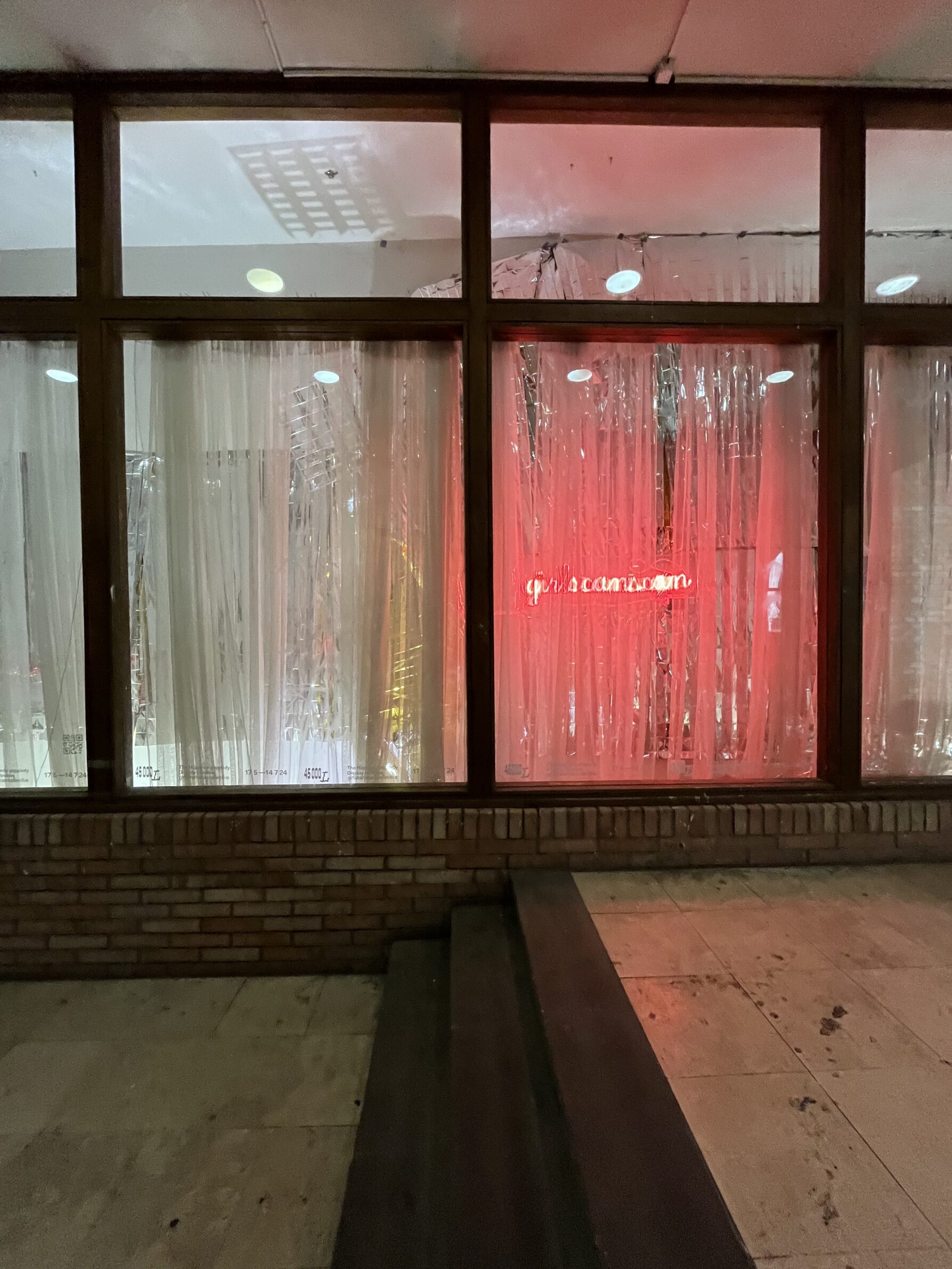
In the display window, we explored the Windowdresser and Décorateur profession, now on the verge of extinction, and relate it to the field of architecture, where women are numerically overrepresented across Europe yet still lack visibility and exposure. First researched and exhibited in Budapest at Kastner Kommunity in the Buváti Towerhouse, the project was later further developed and presented in Brno at the 45000l Gallery.

girls can scan collective

girls can scan is a research-led critical spatial practice focusing on 20th- and 21st-century architectural heritage in Central and Eastern Europe through a feminist approach. The collective was founded in 2020 in Budapest, Hungary, by young practitioners in the fields of architecture, urbanism, and cultural heritage. Since then, it has approached (in)tangible heritage by scanning and mapping the invisible dimensions of the built environment. While exploring the socialist urban fabric, it seeks to connect these experiences with the post-socialist reality of the former Eastern Bloc and with contemporary heritage discourse.

Contact
girlscanscan@gmail.com

Powered by

BIG