


Davide Balda, Italy, 2026

Nominator: Marinella Ferrara
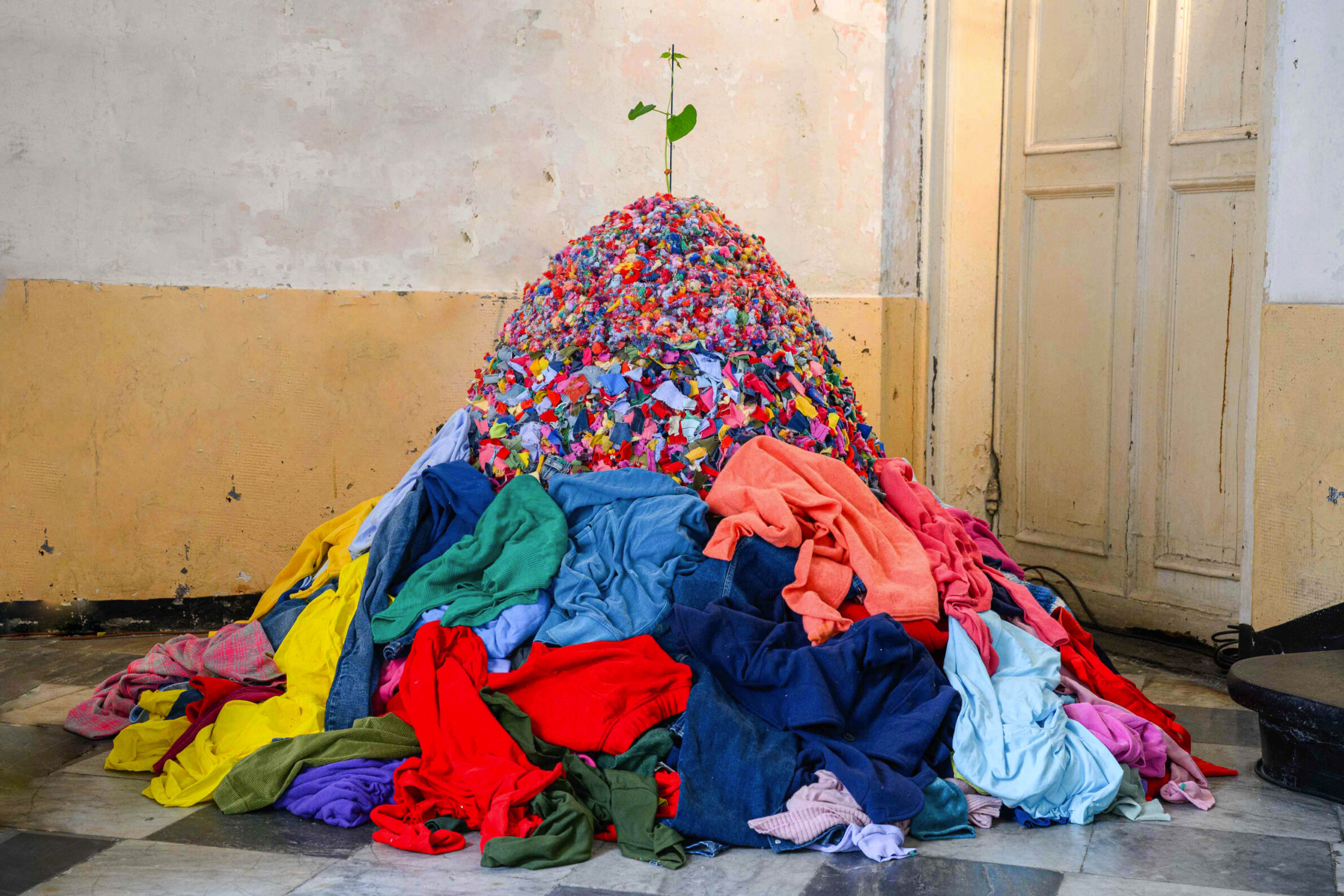
TECNOSUOLO, THE SOIL OF THE FUTURE
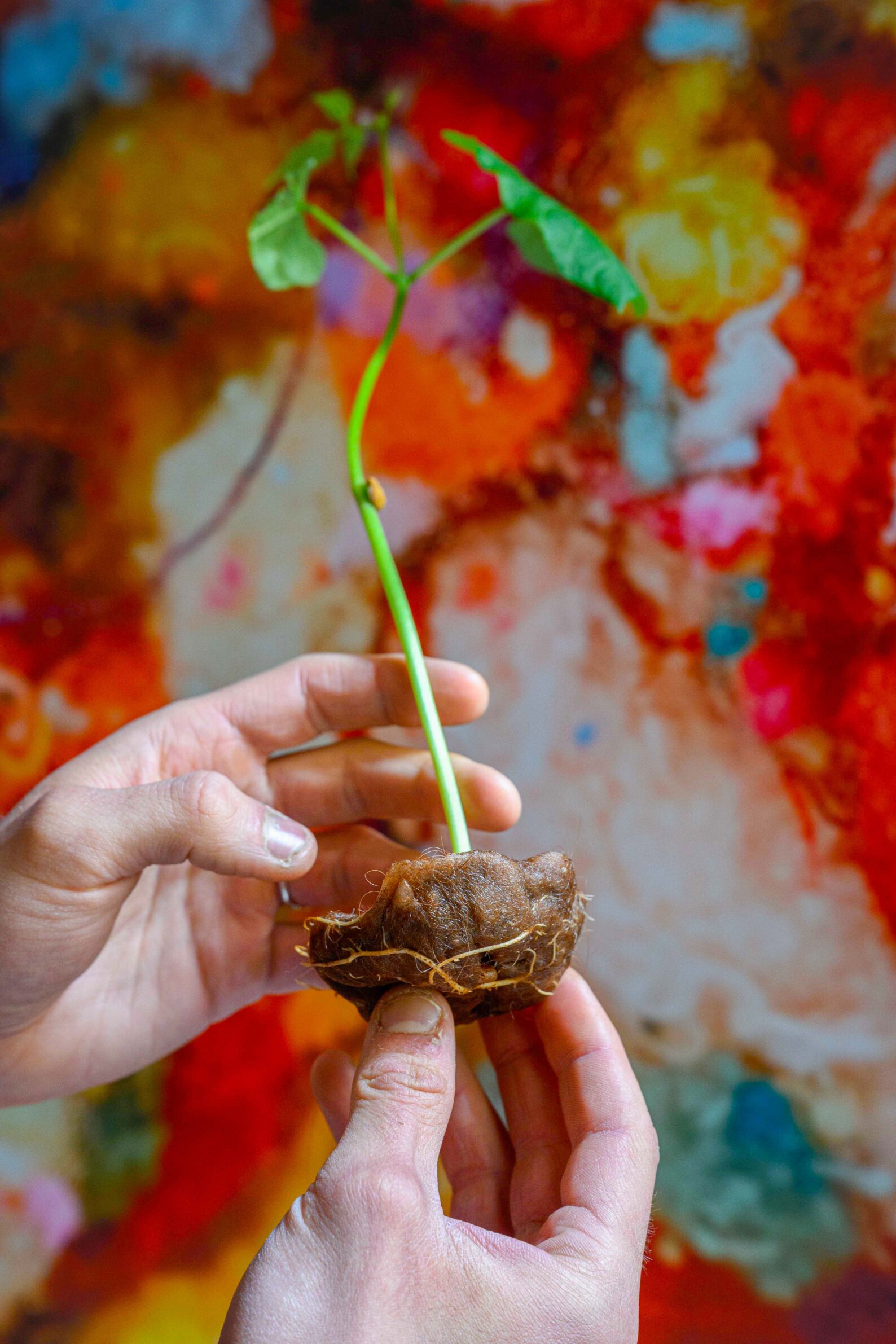
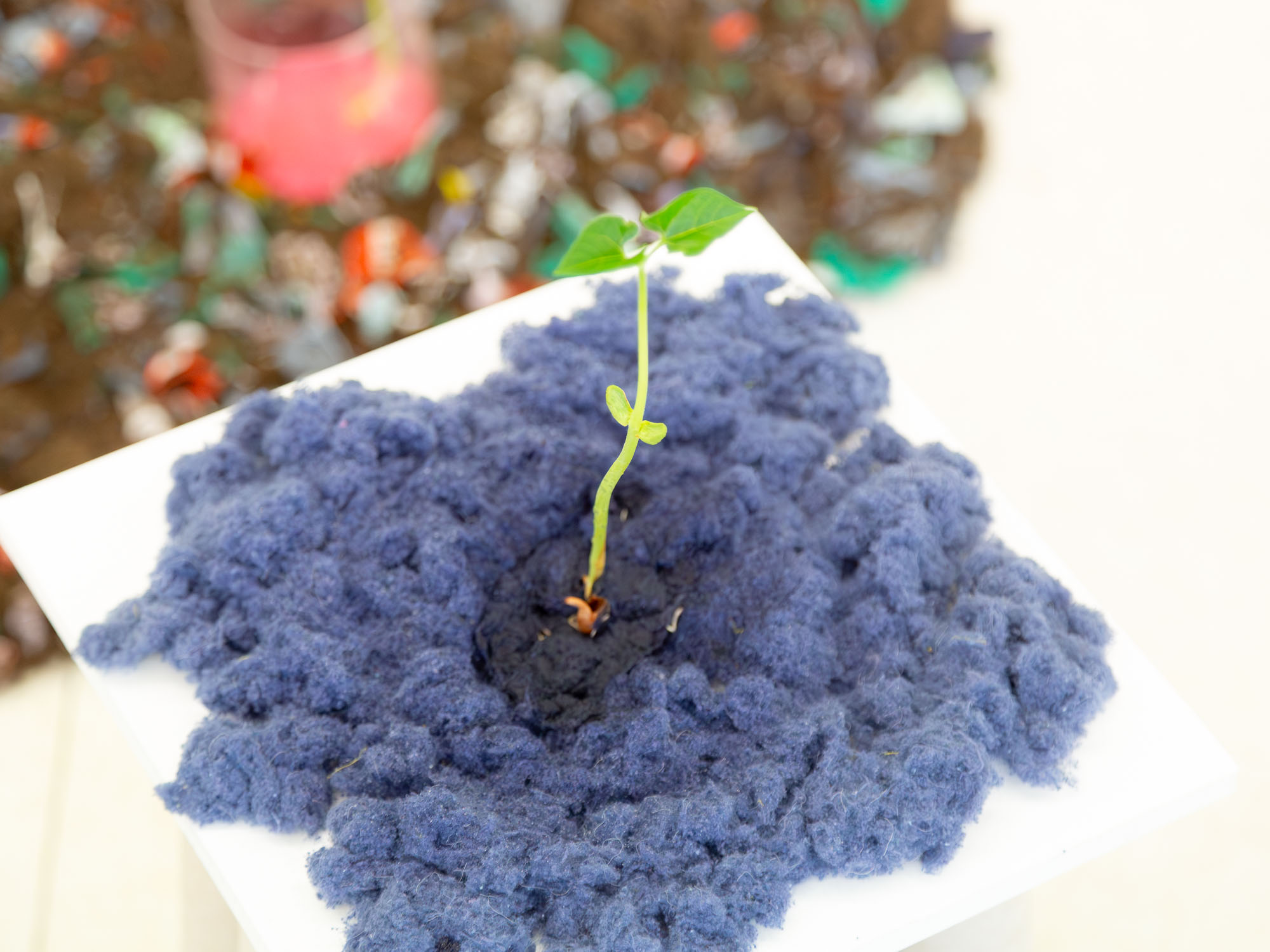
Tecnosuolo is an innovative and versatile method that allows you to grow crops outside of soil and earth, according to your needs and habits. Using a hybrid approach that combines hydroponic and traditional techniques, animal and plant-based textile fibers extracted and reprocessed from textile scraps and waste, such as unsold and defective clothing and scrap fabrics**, are reused as a plant substrate/fertilizer and mulch, improving soil fertility and structure. The fiber-based fertilizer substrate is used for seed germination in the cells and for plant growth, reducing water consumption. The fabric has the ability to absorb and retain a greater amount of water than soil, allowing plants to grow even in periods of drought or where water is unavailable. Furthermore, this agricultural system reduces the use of chemical fertilizers, as plant roots absorb nutrients from the fibers of organic and biological textiles. In mulching, textile fibers are used to cover part of the soil, making it more compact and structurally resistant. Furthermore, the fiber insulates the soil from heat and excessive light, preserving moisture and water. Tecnosuolo connects the textile industry to the agricultural sector, a system aimed at farmers, botanical gardens, greenhouses or nurseries, small agricultural entrepreneurs, and start-ups or SMEs with hydroponic systems, to implement their cultivation methods through the use of new sustainable materials.
GREEN BUILDING MATERIAL
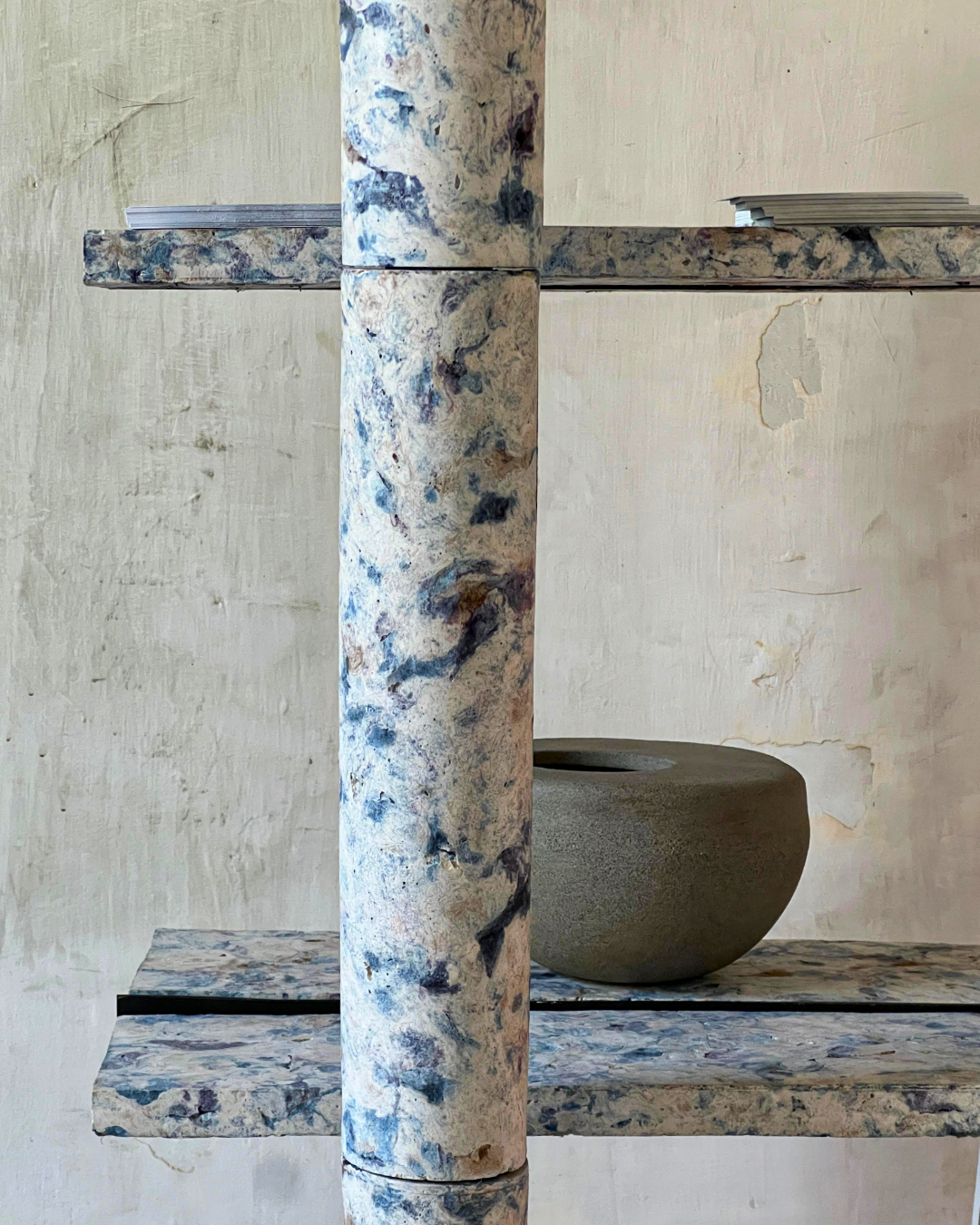
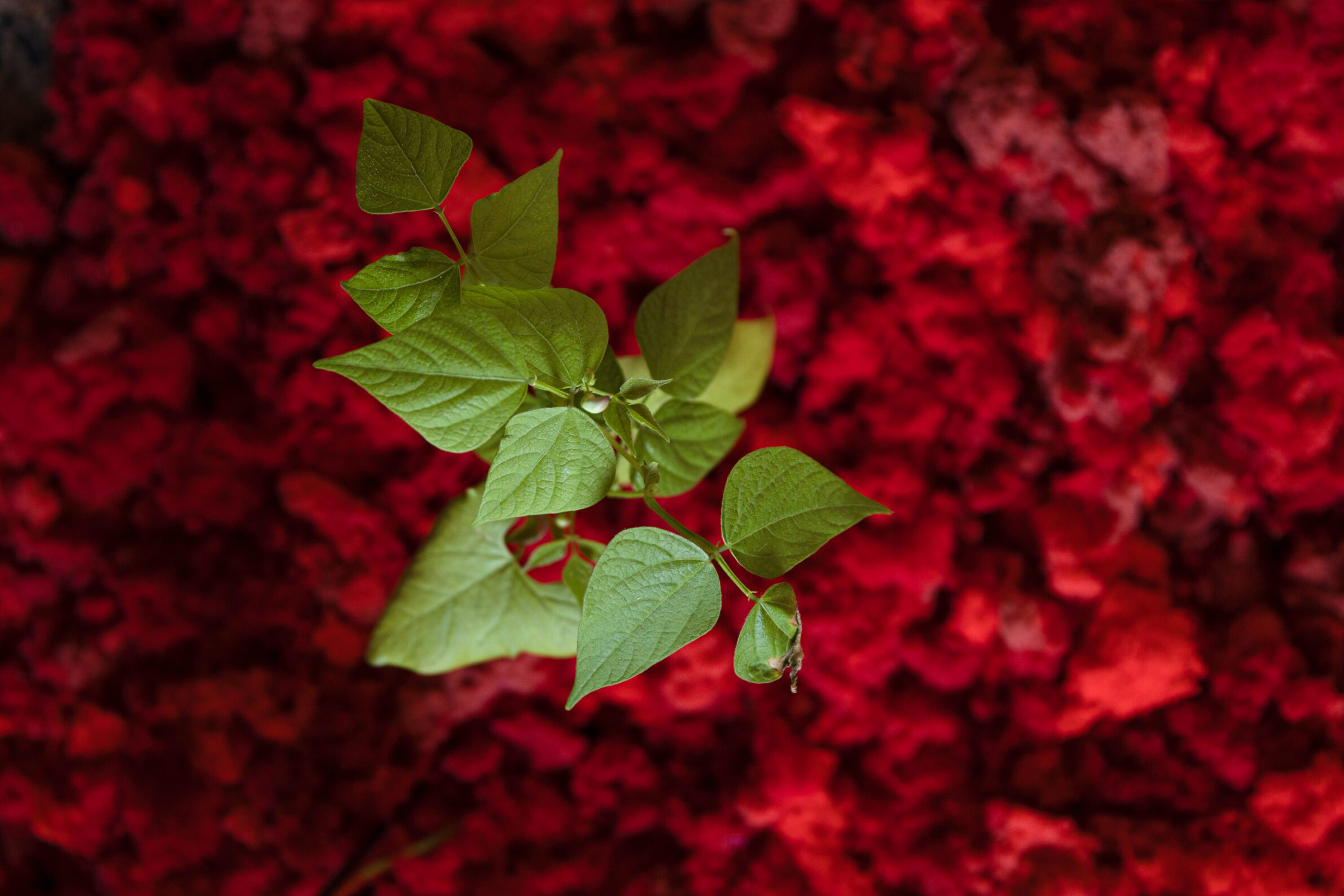
Green Building Material is an insulating and construction material for green building, composed of a blend inspired by Roman cement that combines organic and synthetic textile fibers extracted from textile industry waste with a geopolymer. This latter material is generated through a cold reaction between a powder composed of volcanic ash, lime obtained from mussel and clam waste, steel mill waste, and a liquid material composed of silica. The result is a material with excellent thermal and acoustic insulation properties that requires no firing but is cold-dried, retaining its natural hygroscopic characteristics—namely, the ability to absorb moisture and insulate from heat, regulating temperature, and eliminating thermal bridges between the external and internal environments. Building Material is classified as an inorganic, flame-retardant, thermal shock-resistant, and waterproof material, opening the textile sector to collaborations with construction companies, interior design firms, and architectural firms. A product that presents itself in the green building market as a sustainable and economical alternative to the use of cement and concrete, as it has superior mechanical resistance to compression and flexure compared to traditional cementitious systems.
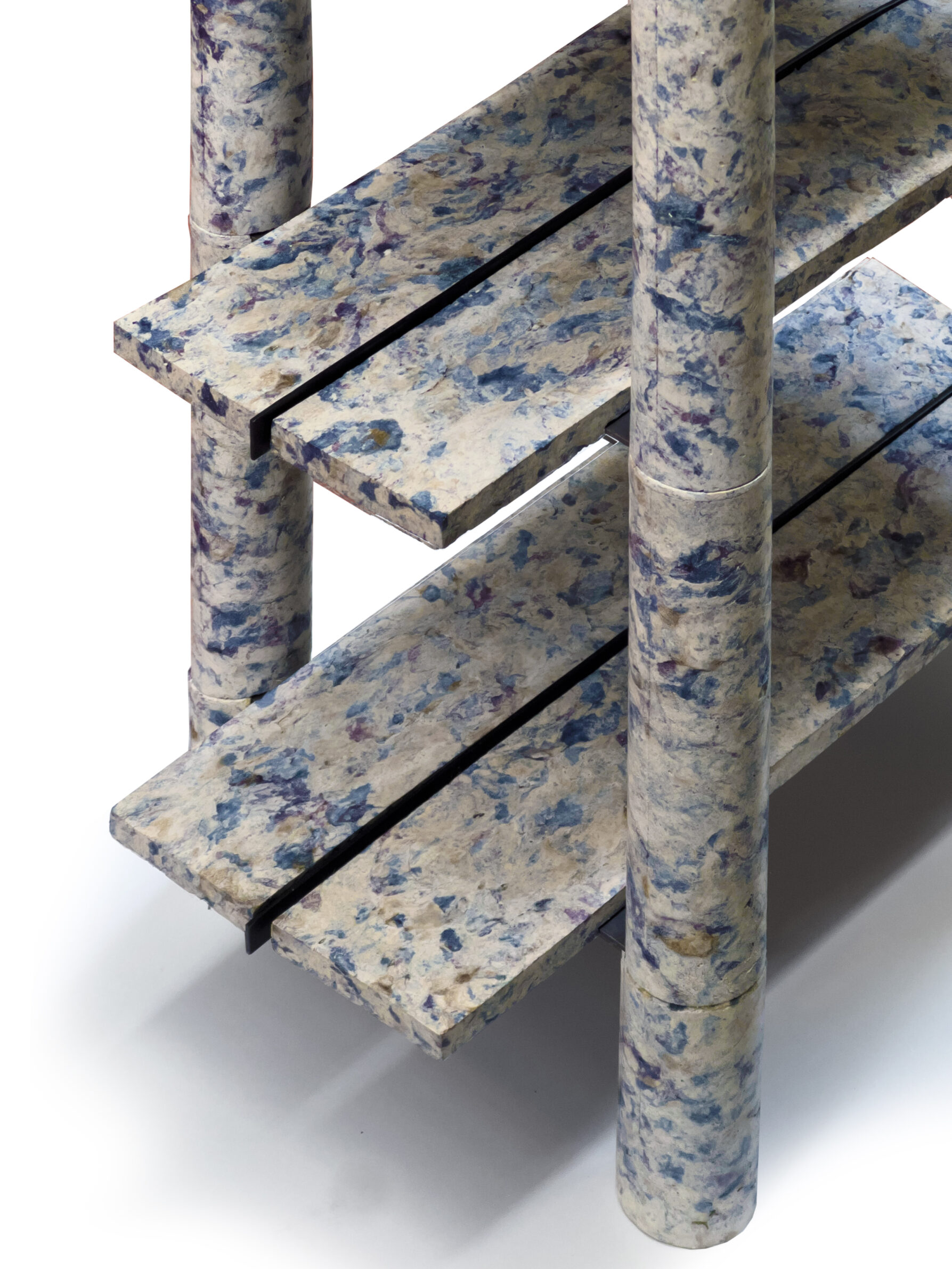
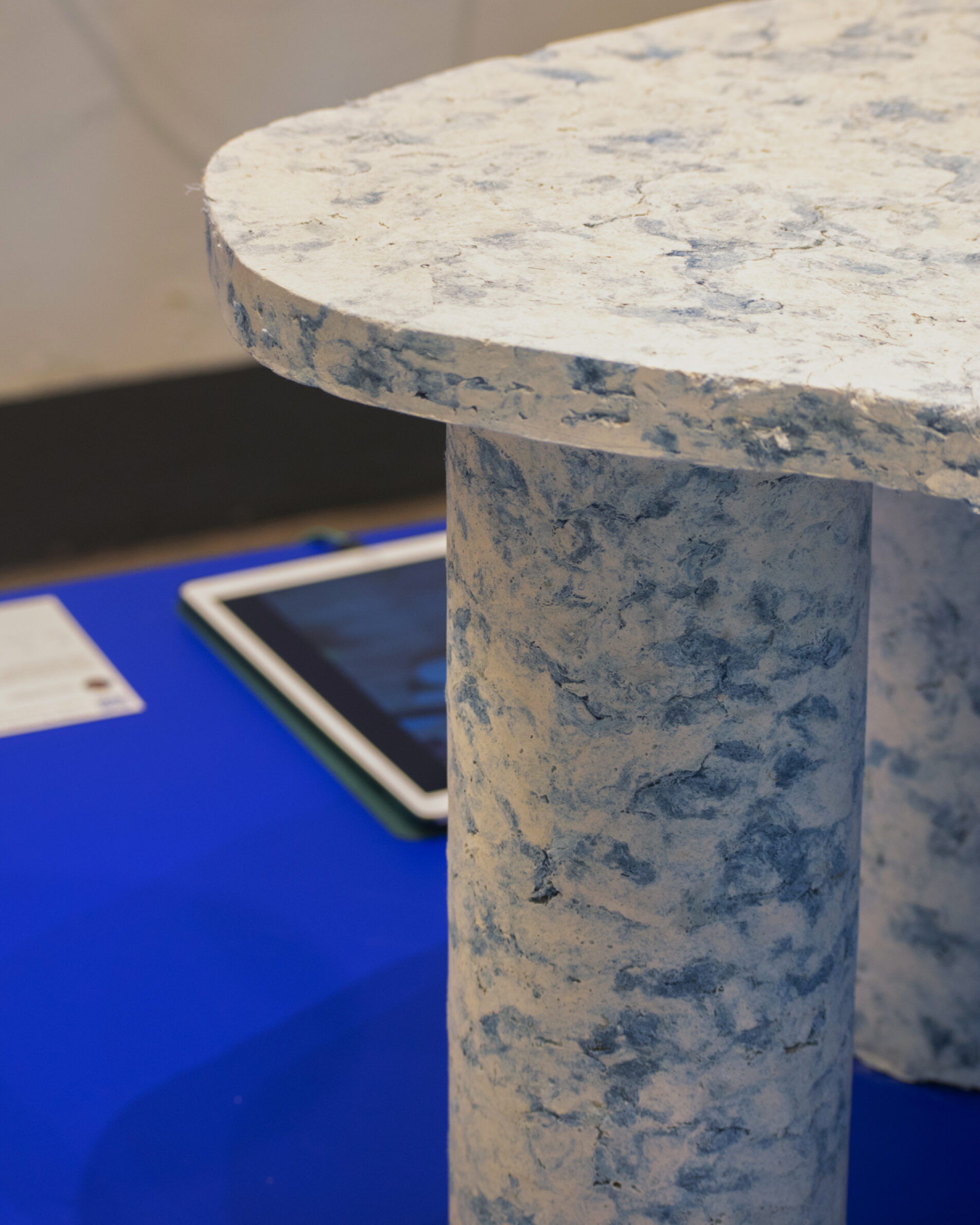
NUNO FELT
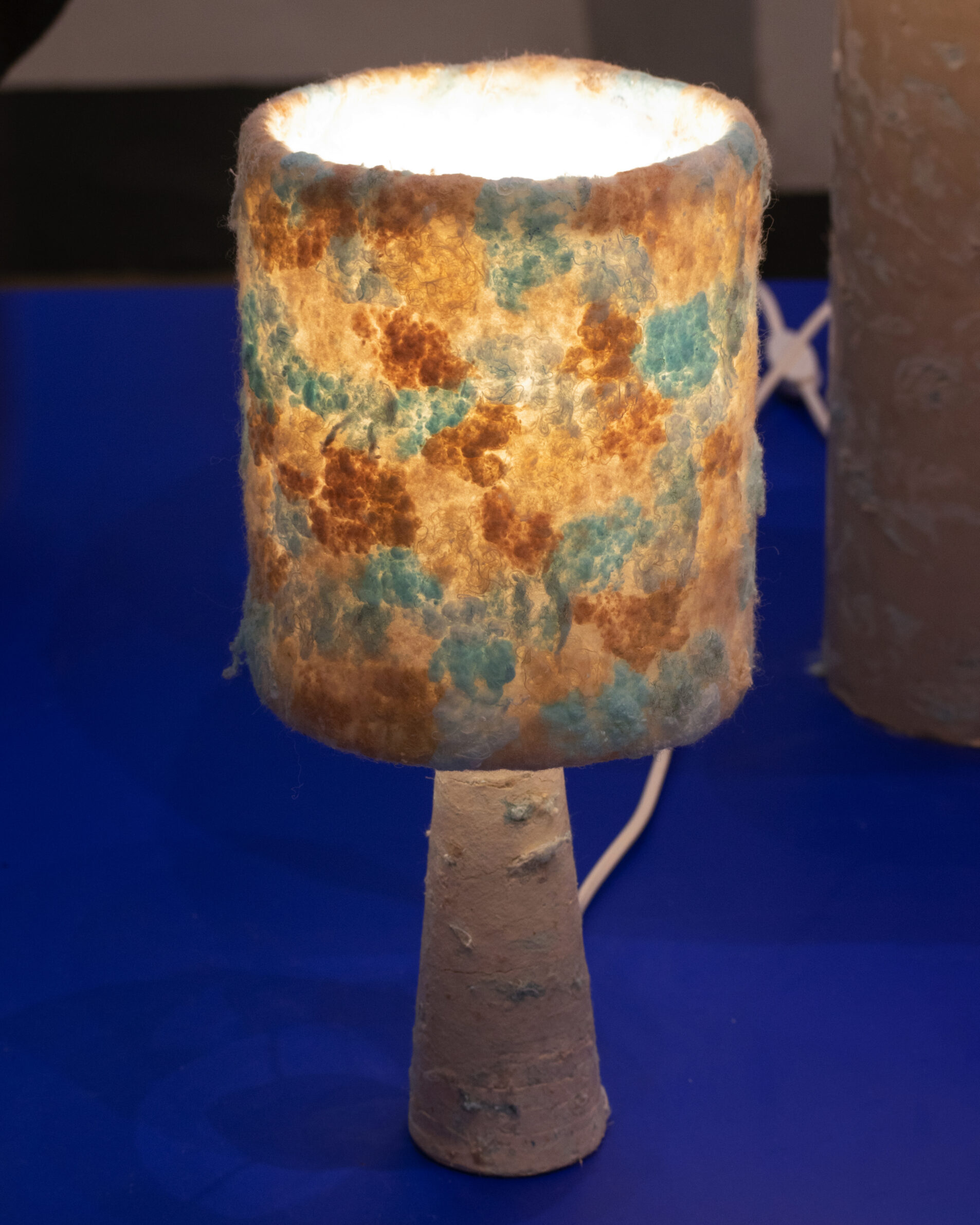
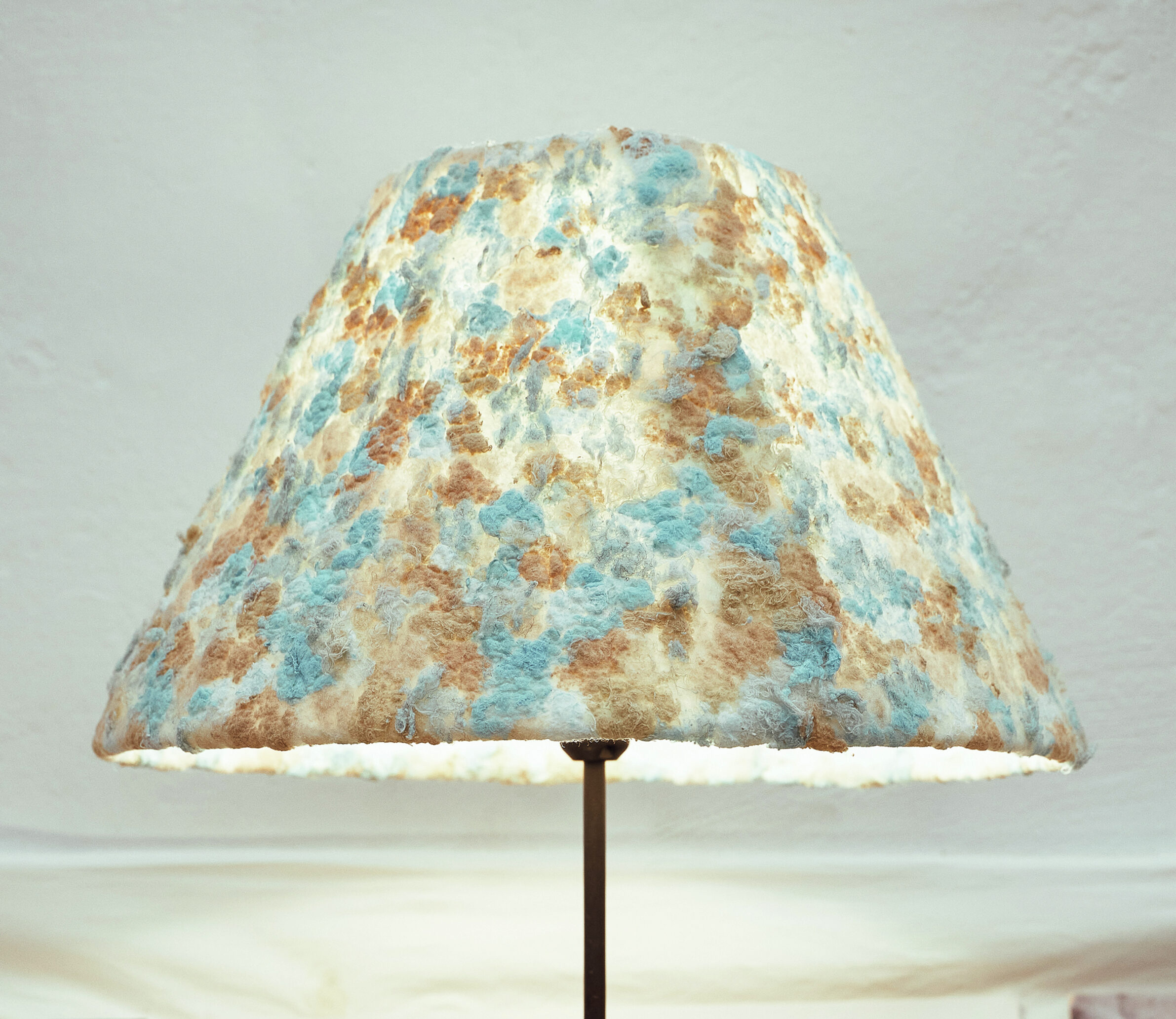
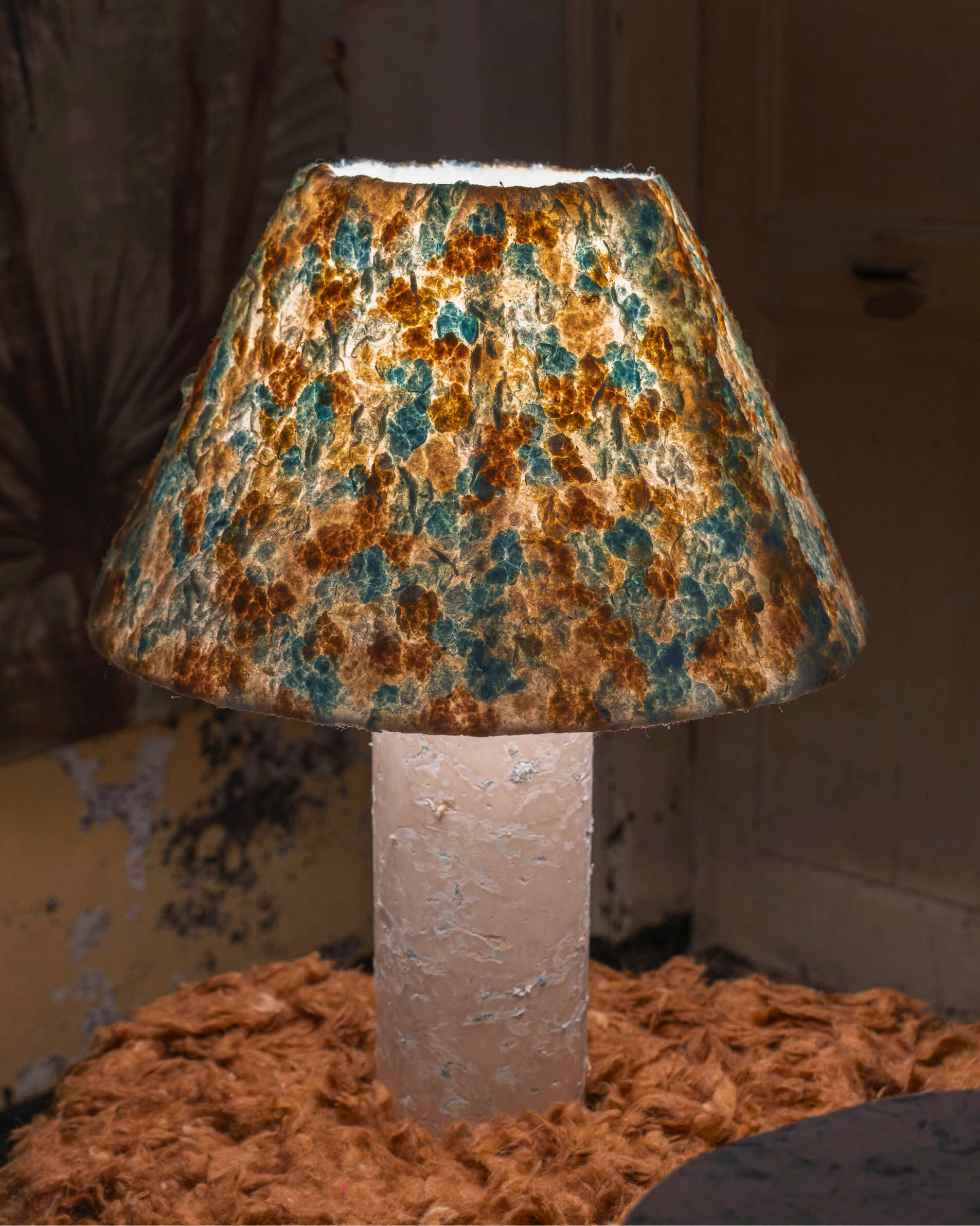
Nuno Felt is a nonwoven fabric (felt) composed and created with organic and synthetic textile fibers regenerated from fashion industry waste through wet felting, a technique with ancient origins dating back to the nomadic culture of Central Asia. This process involves felting not only animal fibers, such as wool, but also plant and synthetic fibers through a combination of heat and humidity generated by a manual motion using soapy water. This process focuses on the complete recycling of textile waste, as all types of fibers are reused, without generating additional waste. Nuno Felt is aimed at interior design studios for use in the creation of furnishing accessories such as lampshades, curtains, and rugs, and at fashion brands for the creation of clothing collections.

davide balda
Davide Balda is a multidisciplinary designer who designs with a conscious and democratic approach, interested in developing new sustainable materials focused on the reuse and regeneration of industrial waste through circular production processes.
Davide graduated from the three-year product design program at IED in Turin, where he learned specific techniques for object production and skills in material processing. He subsequently earned a master’s degree in Design, Creativity, and Social Practices from the Accademia Unidee of the Pistoletto Foundation in Biella. This experience was crucial in developing his ability to devise socially engaged practices and services, i.e., methods for actively engaging local communities through various activities. Between 2023 and 2024, he participated in an artist-in-residence program offered by Fabrica, the Benetton Group’s research center. During this experience, Davide, in collaboration with the company’s sustainability department, developed and designed new methods for reusing waste generated by industrial textile production.
Contact
baldadavide1998@gmail.com
Powered by