


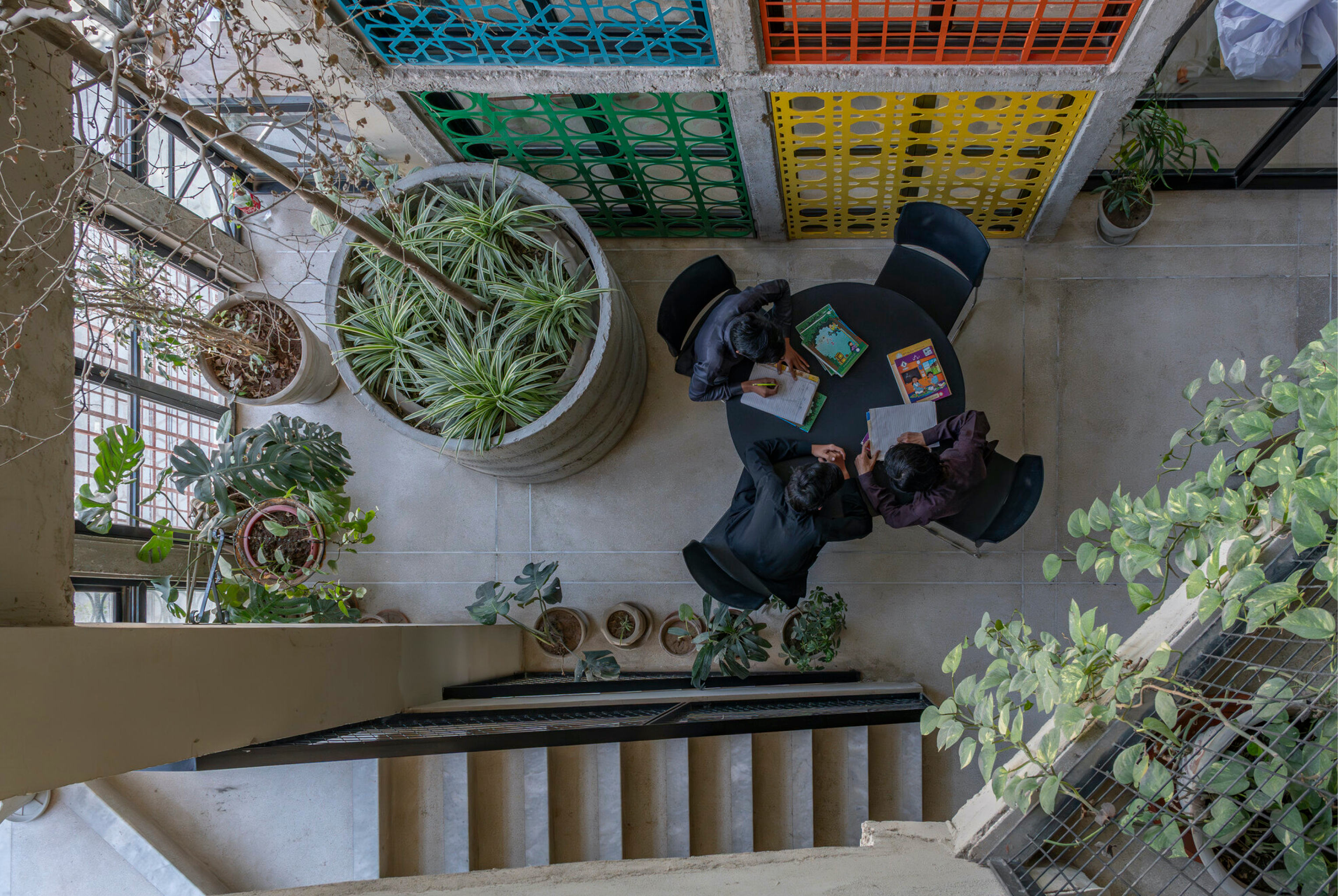
In many rapidly growing cities, educational buildings often adopt anonymous architectural languages that could belong almost anywhere. Yet the places that shape young lives can also strengthen a sense of belonging by reflecting the culture and identity of their own communities.
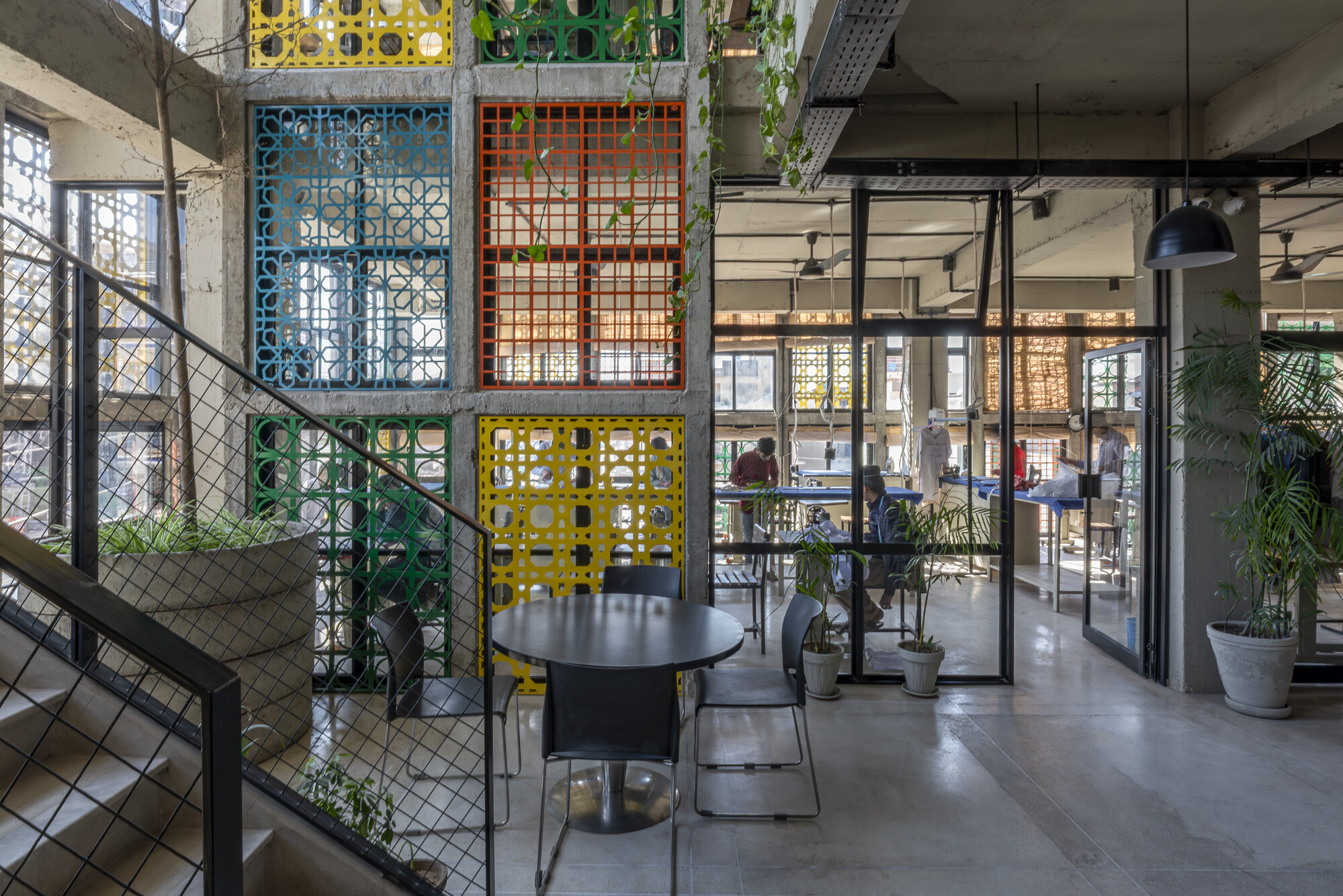
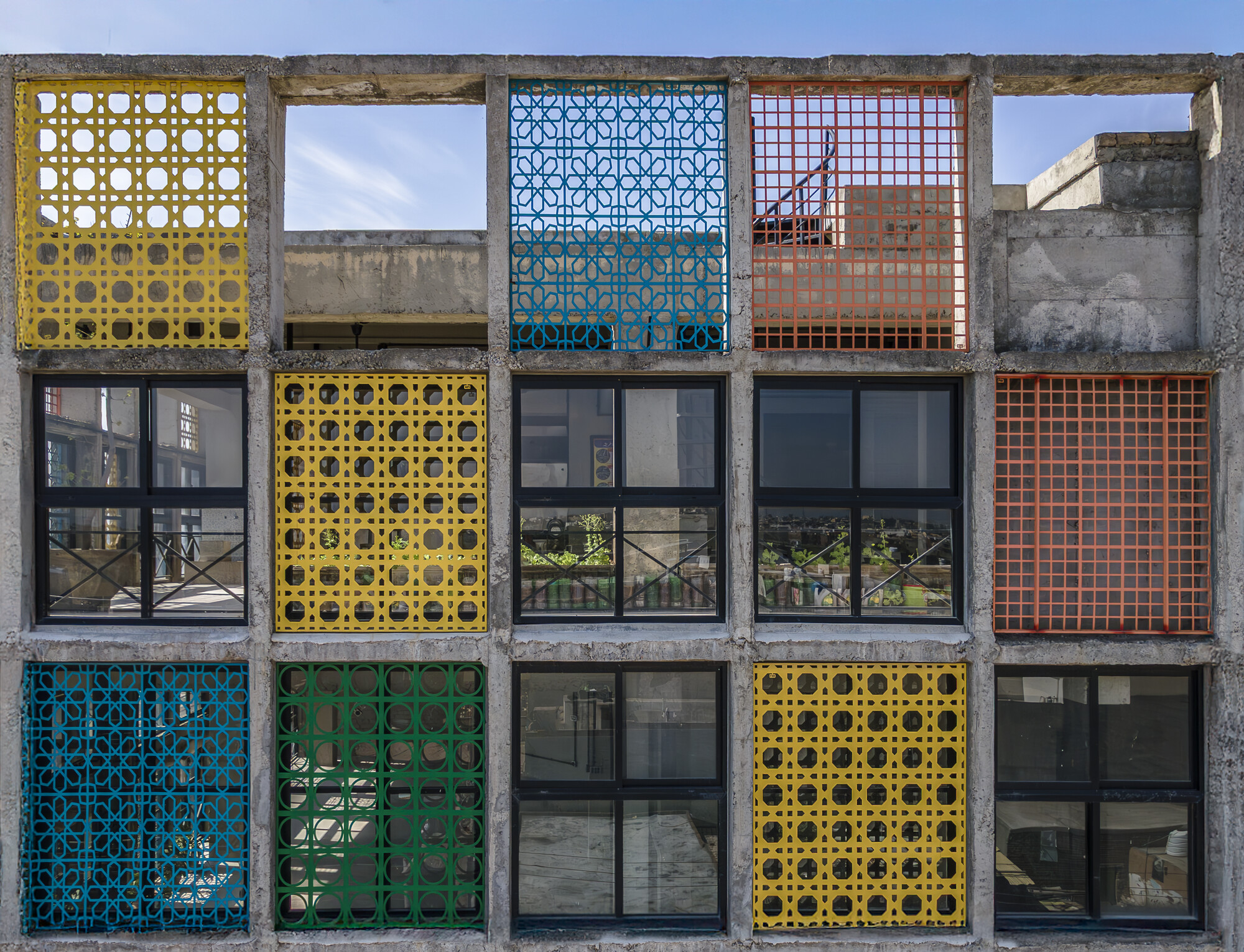
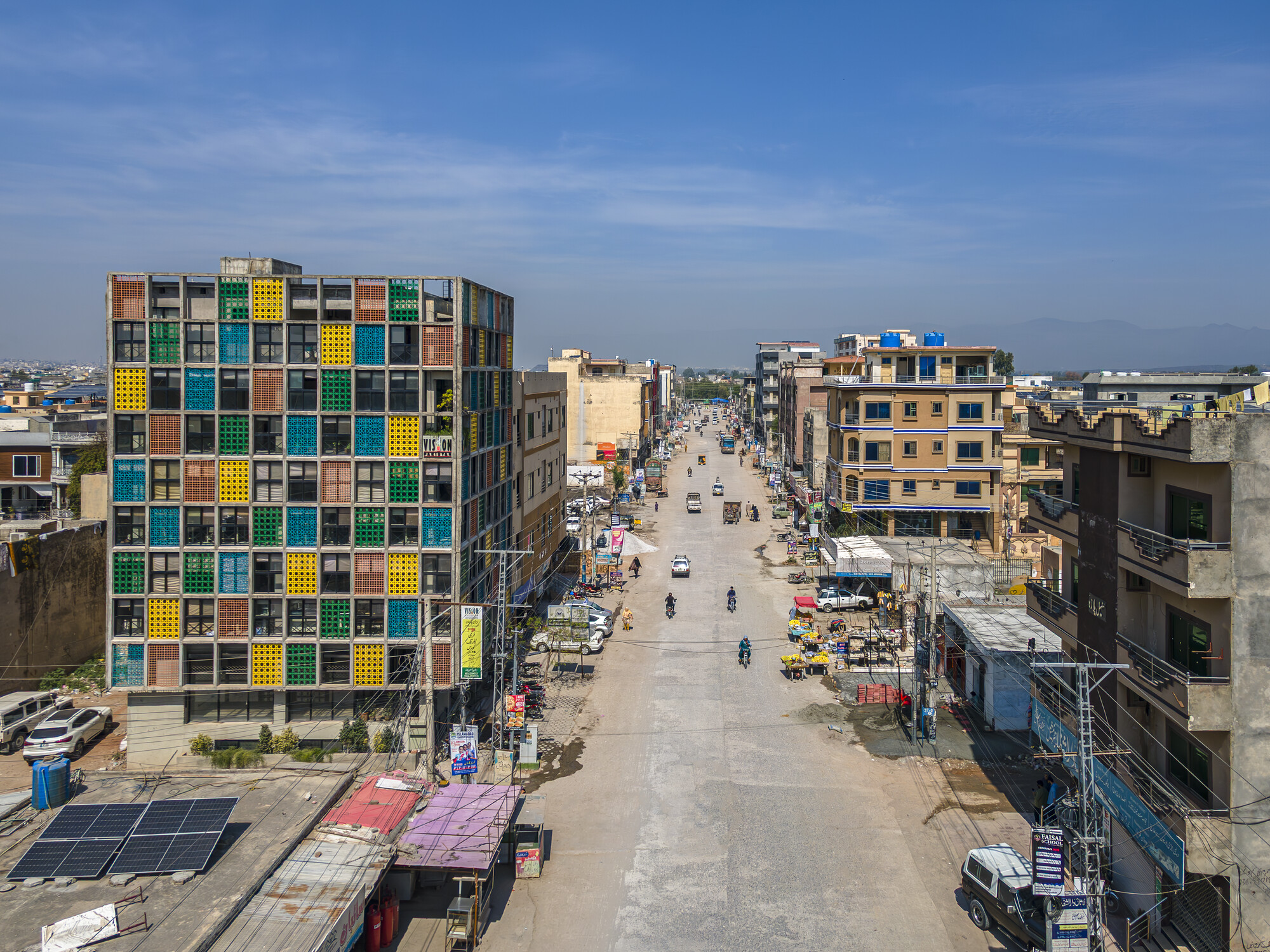
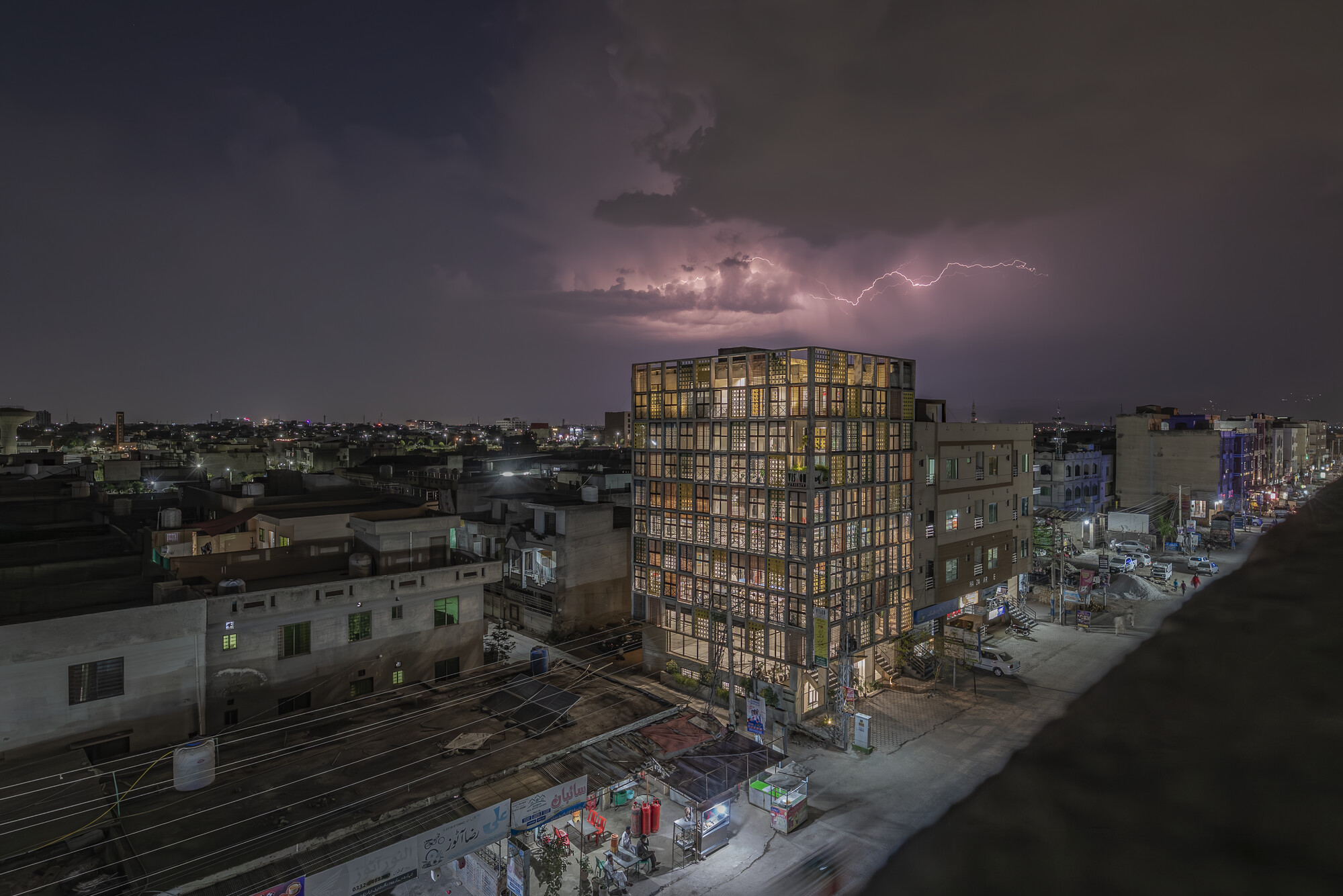
Vision Pakistan by DB Studios takes this path. Rather than borrowing international aesthetics, the project draws on the architectural vocabulary of Islamabad and Pakistan’s modern heritage, demonstrating that contemporary architecture can remain deeply rooted in its context. Colour, proportion and familiar materials become more than design choices—they become a language people recognise as their own.
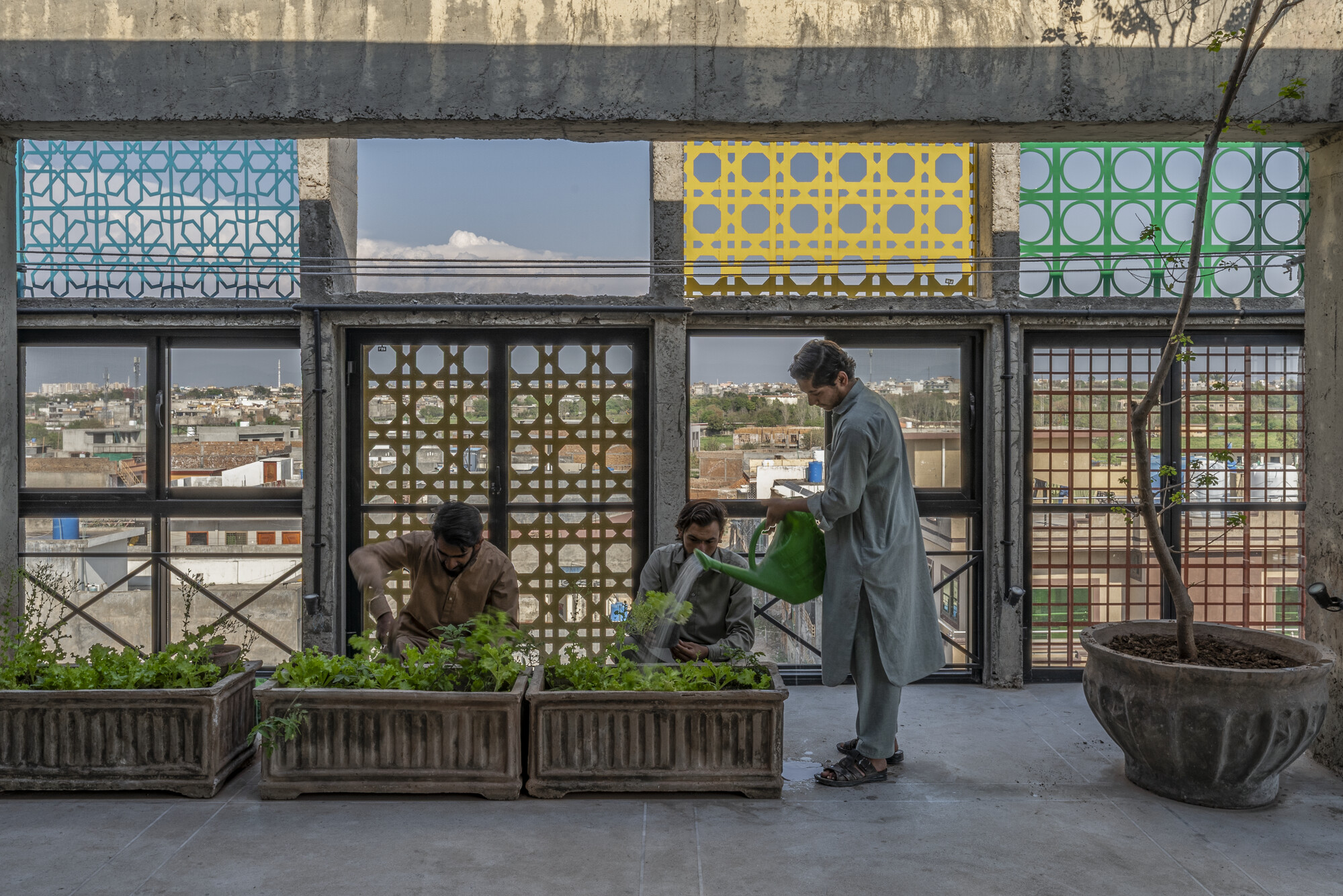
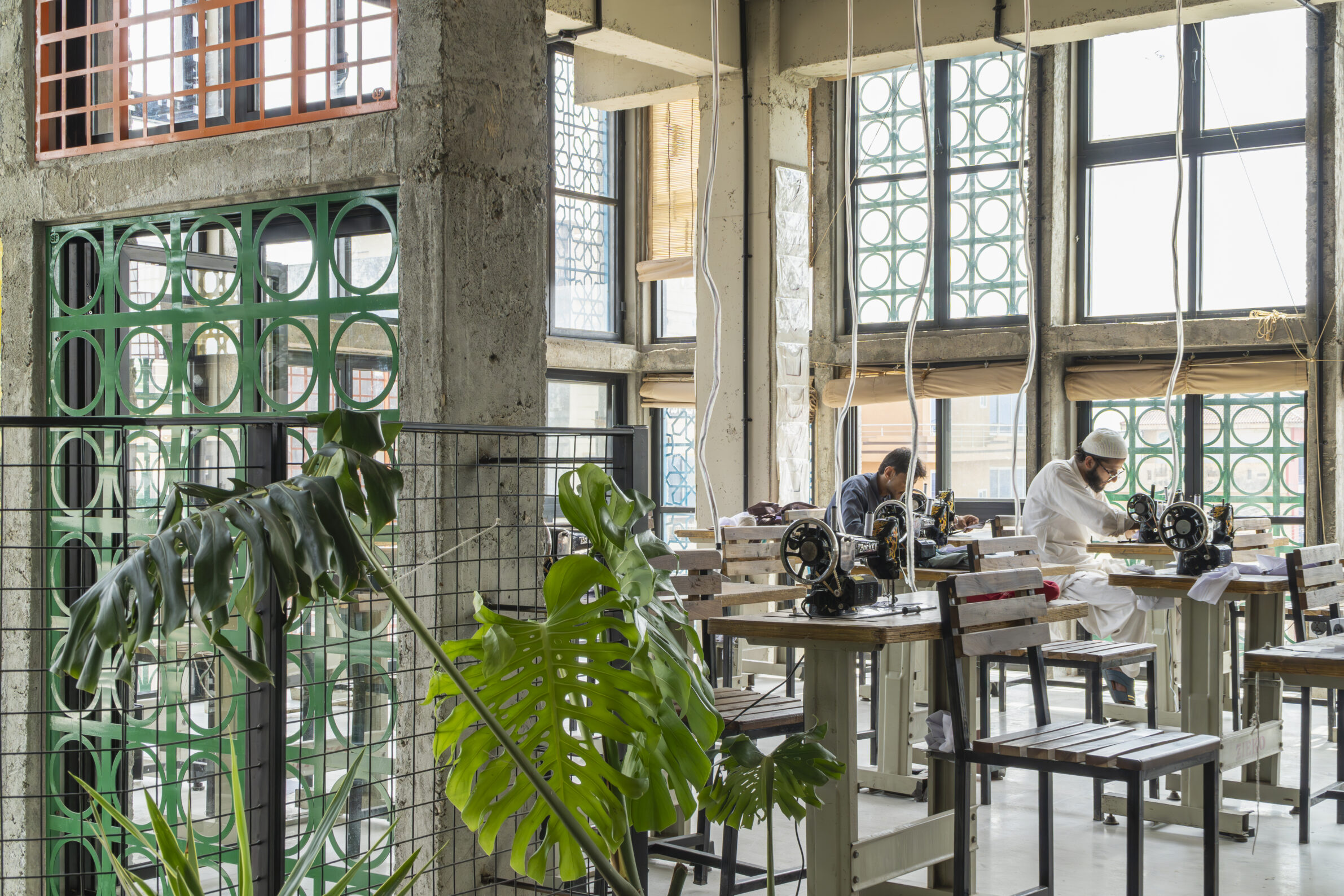
This approach is particularly meaningful for a building created for disadvantaged young people. By treating the institution as an architecture of dignity rather than charity, the project suggests that confidence can be built not only through education, but also through the spaces where education takes place. Its colourful façade, climate-responsive screens and carefully considered atmosphere communicate optimism without relying on expensive gestures.
Vision Pakistan reminds us that architecture does not need to imitate global trends to feel contemporary. Sometimes its greatest contribution is helping people recognise value in the place they already call home.
Project: Vision Pakistan
Architect: DB Studios
Location: Islamabad, Pakistan
Year: 2023
___
Works is an editorial series in the BIG SEE Magazine presenting carefully curated selections of architecture, interior and product design projects. Each article explores a specific theme, question or typology – sometimes through a collection of projects, sometimes through a single work that deserves closer attention. Rather than aiming for completeness, Works highlights projects that help us better understand the ideas, values and directions shaping the built environment today.
Powered by

Be There.

Edited by:
Tanja Završki
Photography ©:
Aga Khan Trust for Culture;
Usman Saqib Zuberi