


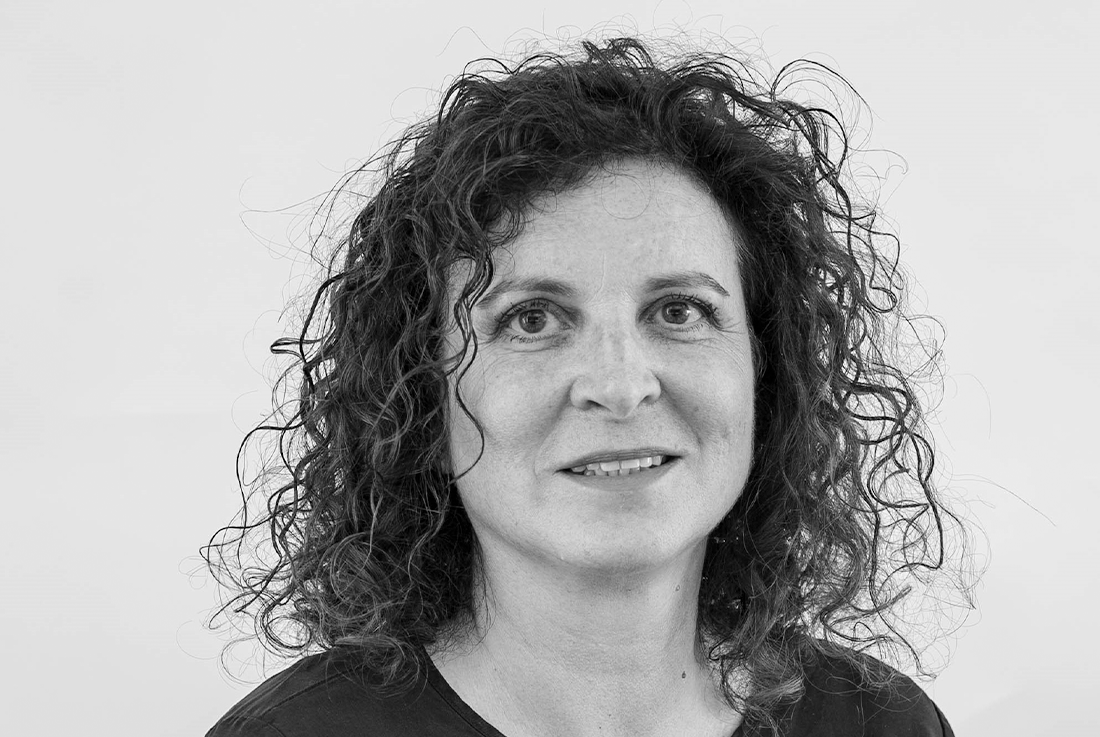
Associate professor and BIG SEE Nominator Mojca Perše is an architect, designer, and academic who serves as the Vice Dean for Artistic Activities at the Faculty of Design in Ljubljana. She combines professional practice with teaching and research, focusing on residential and public space design. She sees “just enough” as something achieved through careful reduction and context-based decision-making, where removing excess leads to greater clarity, meaning, and sustainability in design.
“Just enough” is not a universal measure, but the result of context: the user, the space, the time, and the purpose.
In a time of constant production of images, objects, and information, “more” seems to have become the default answer. Yet within this excess, I recognize a paradox of contemporary design: more often means less clarity, less value, and less sustainability. The question of “how much is enough” is therefore not only aesthetic, but also ethical and strategic.
I understand design as a process of decision-making. Not as adding, but as subtracting—as searching for the essence that remains when everything unnecessary is removed. “Just enough” is not a universal measure, but the result of context: the user, the space, the time, and the purpose. The key is to recognize the moment when a solution reaches the point where further interventions no longer improve it, but begin to blur its message.
This reflection is clearly expressed in architecture and spatial design as well. An excess of elements, materials, or visual accents can quickly lead to saturation, where space loses its function and sense of calm. “Just enough,” on the other hand, means a thoughtful use of form, material, and light—creating an environment that breathes, supports the user, and enables clear and meaningful experiences. In such a space, nothing is superfluous, yet nothing is missing.
“Too much” today, for me, does not only signify quantity, but also irresponsibility—toward the environment, society, and the user experience. “Just enough” becomes a conscious decision for less that ultimately offers more: more meaning, more sustainability, and more clarity. The future of design, as I see it, lies in balance—in the ability to say no, and to know when enough is enough.
Powered by