


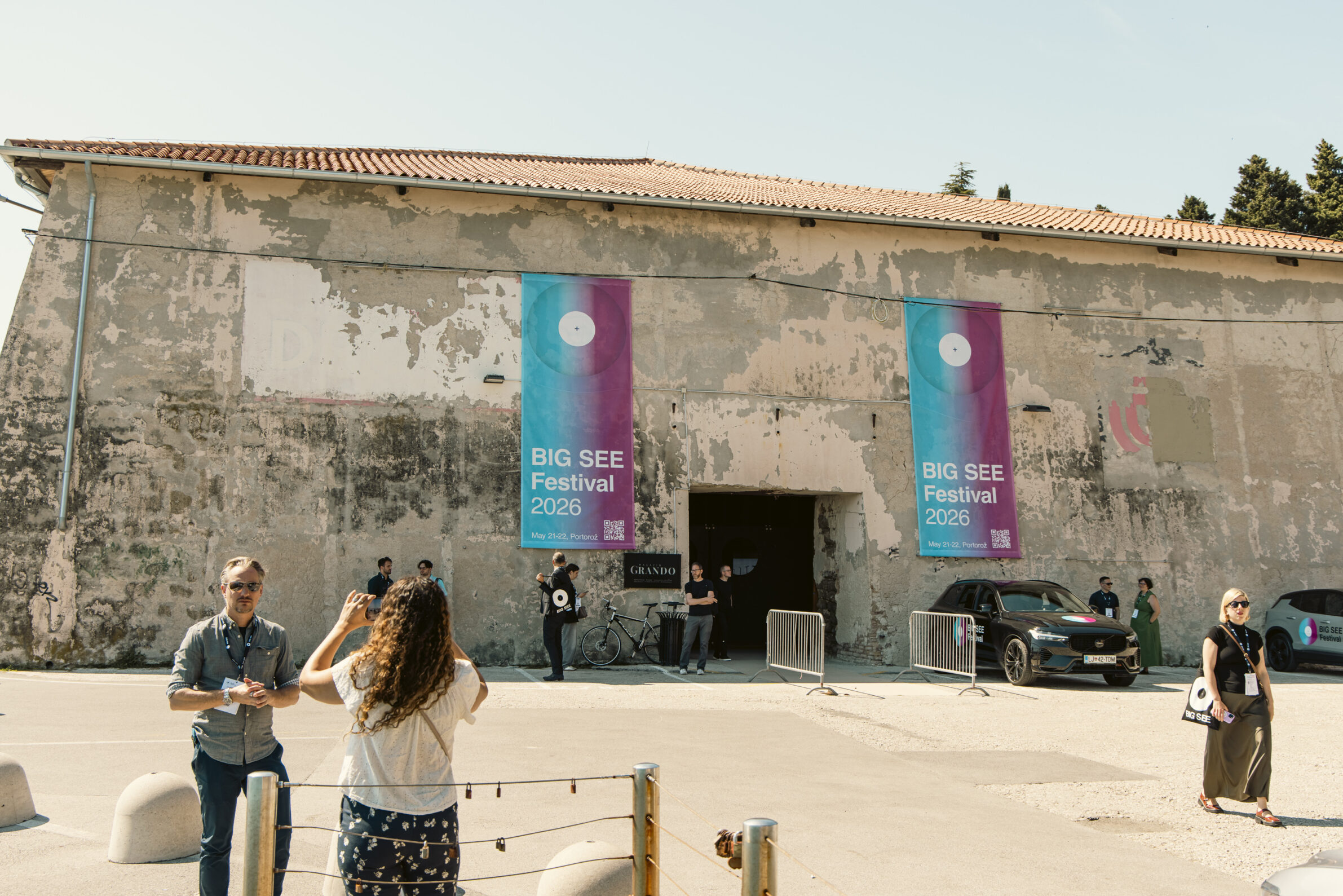
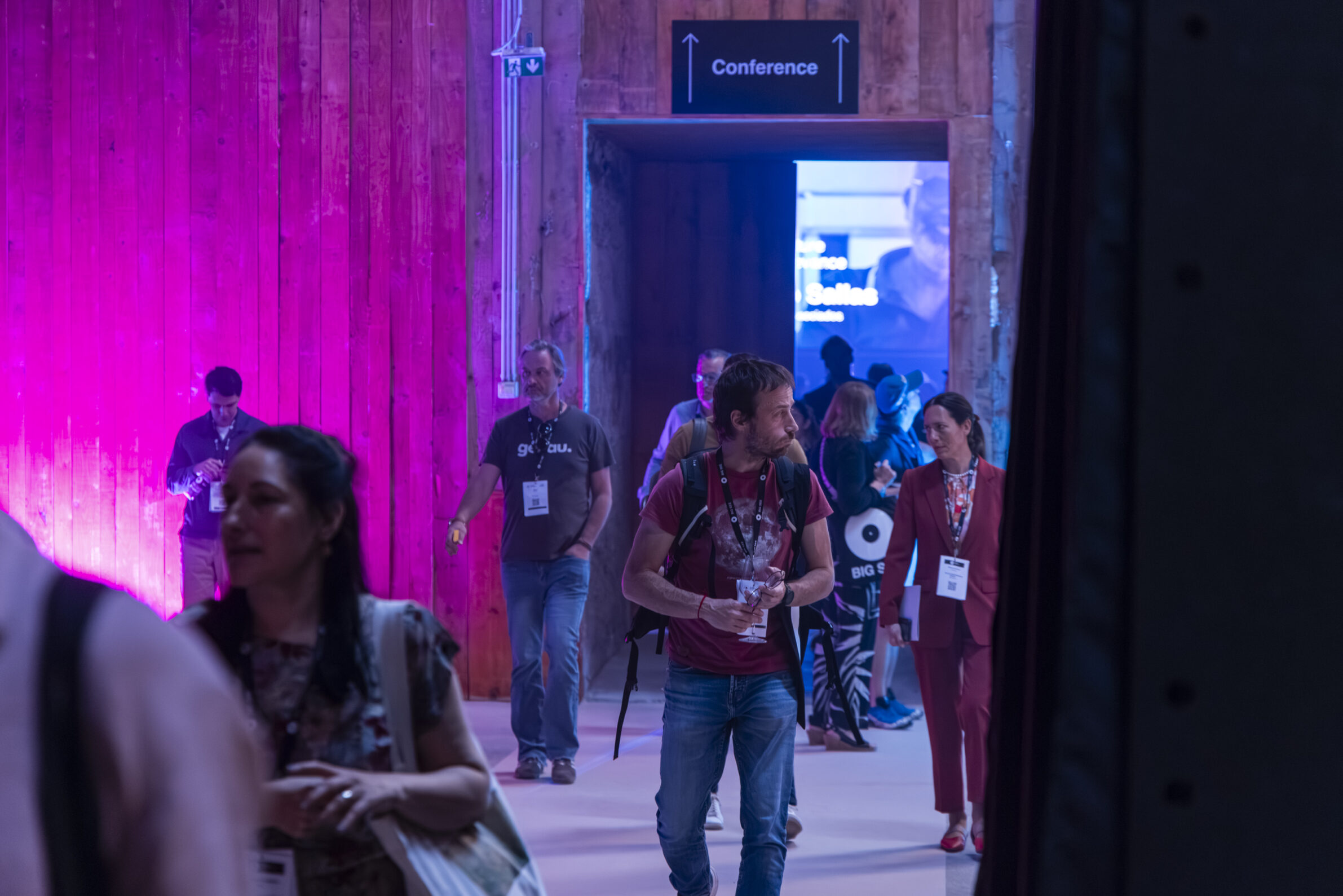
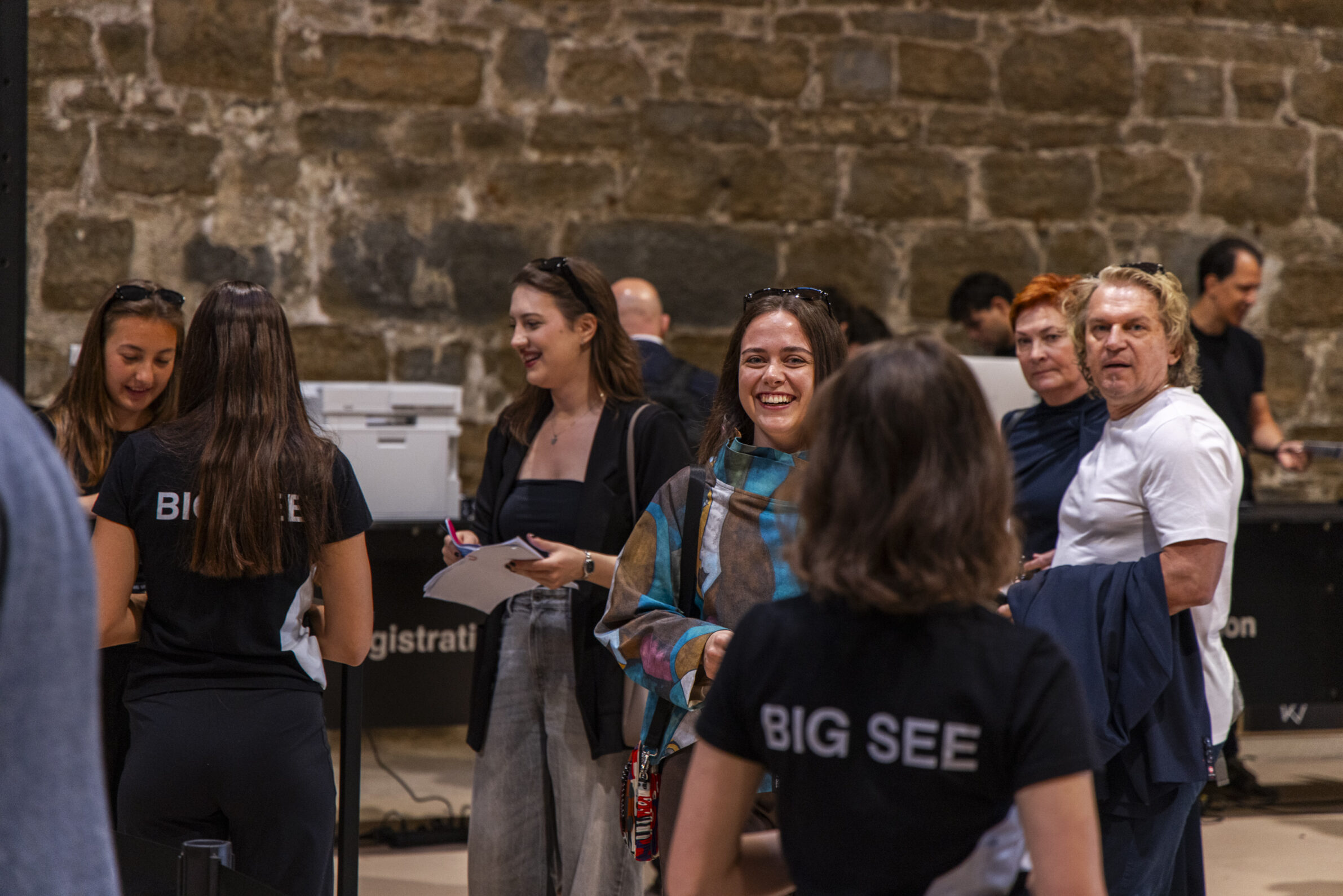
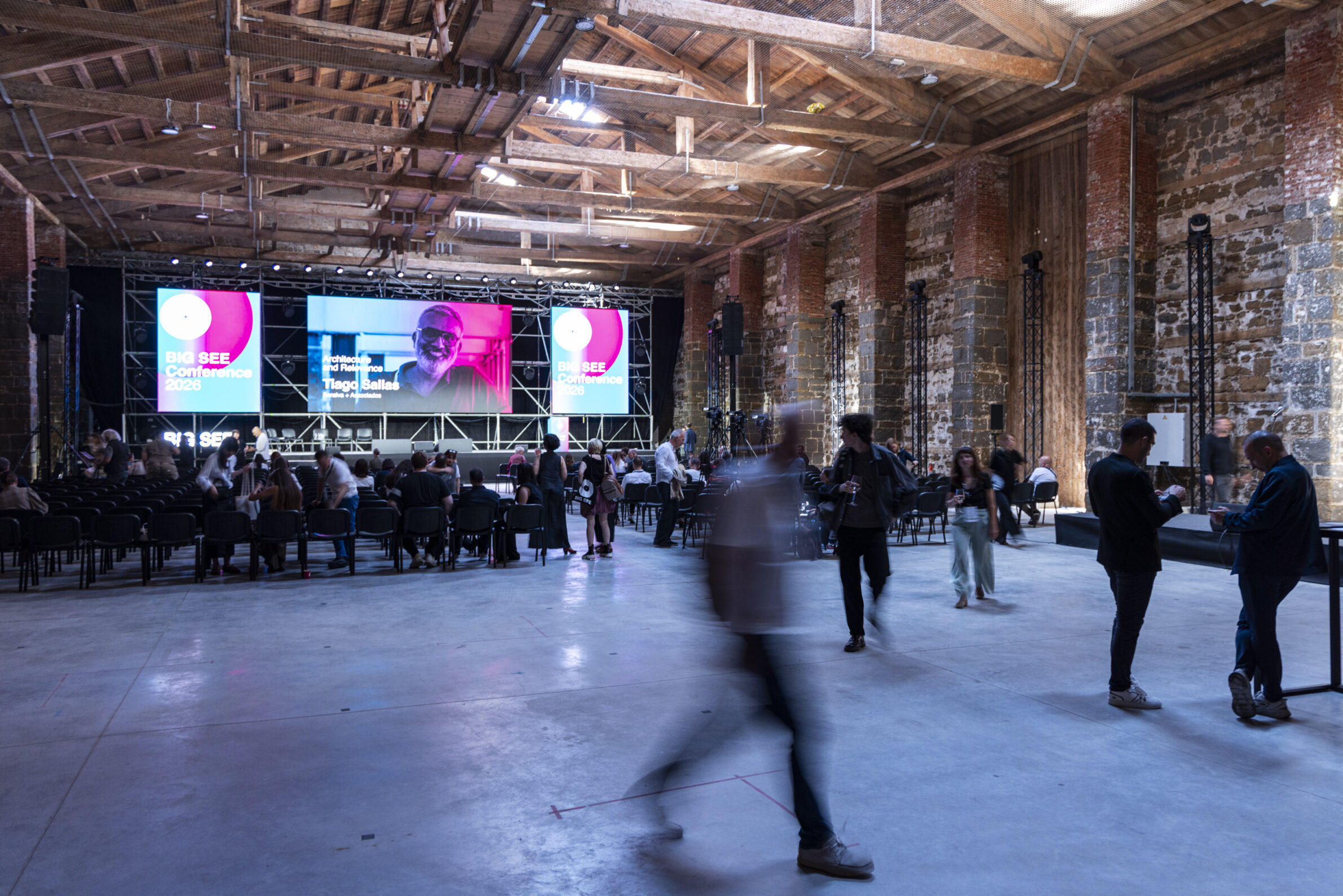
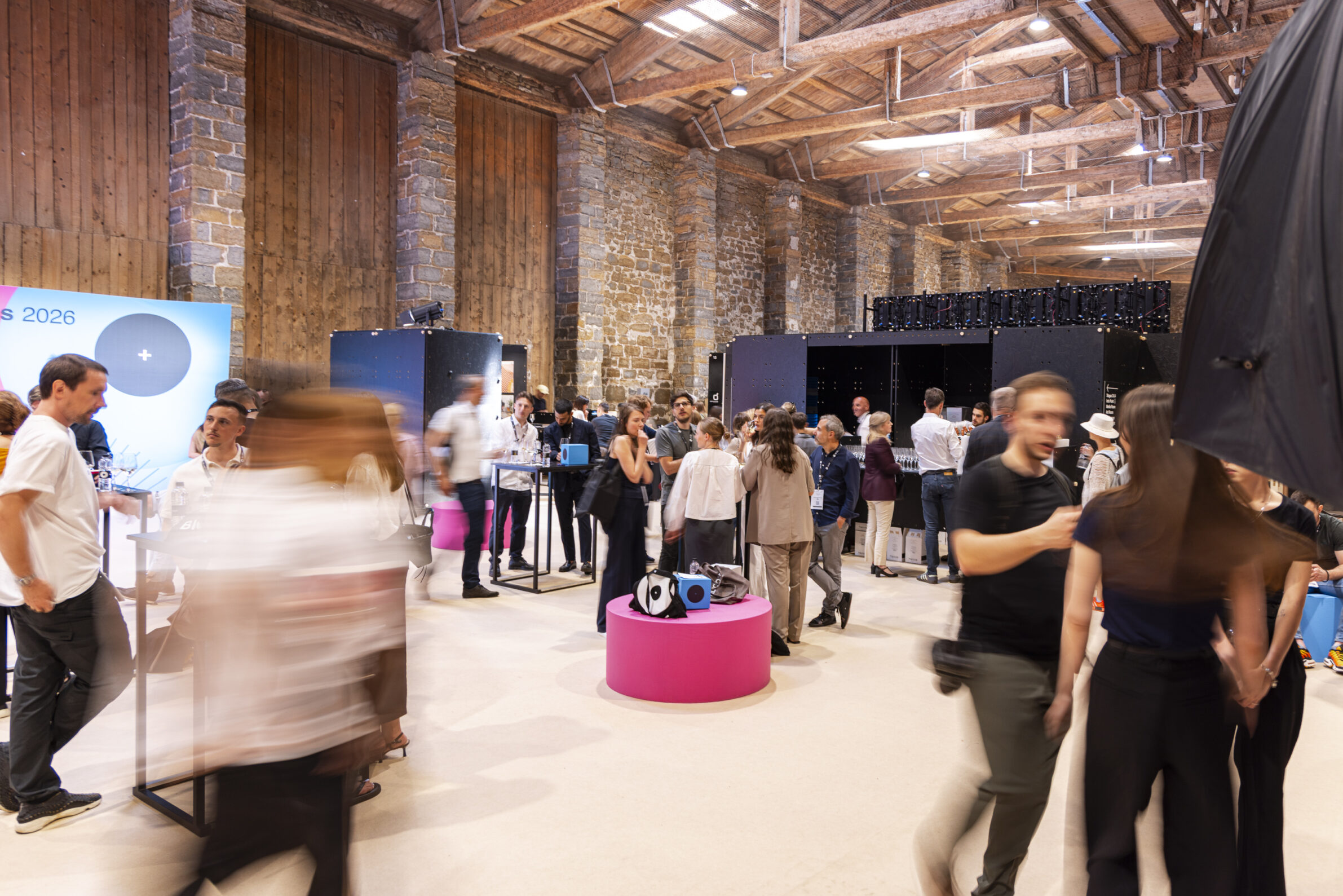
On 21 and 22 May 2026, the historic Grando warehouse in Portorož, coastal town in Slovenia, became a meeting point for architecture, design, business and ideas. The 9th edition of BIG SEE Festival brought together more than 3.000 visitors from 77 countries, including architects, designers, brands, manufacturers, investors, editors, professors and decision makers.
For the first time, BIG Architecture and BIG Design were presented as one connected festival, BIG SEE Festival. This shift created a broader platform where architecture, interior design, product design, innovations, industry, education and media were not treated as separate fields, but as parts of the same professional conversation.
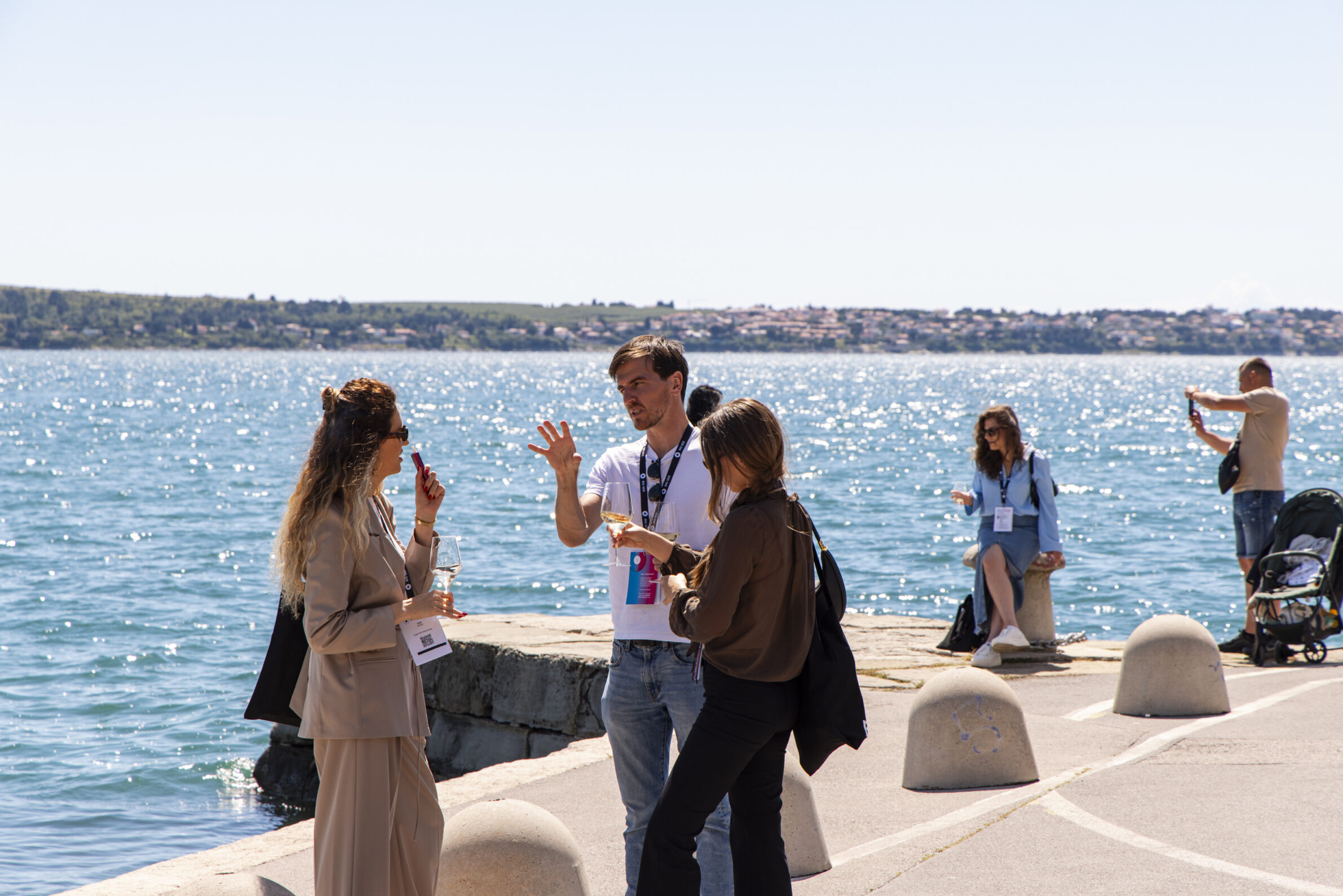
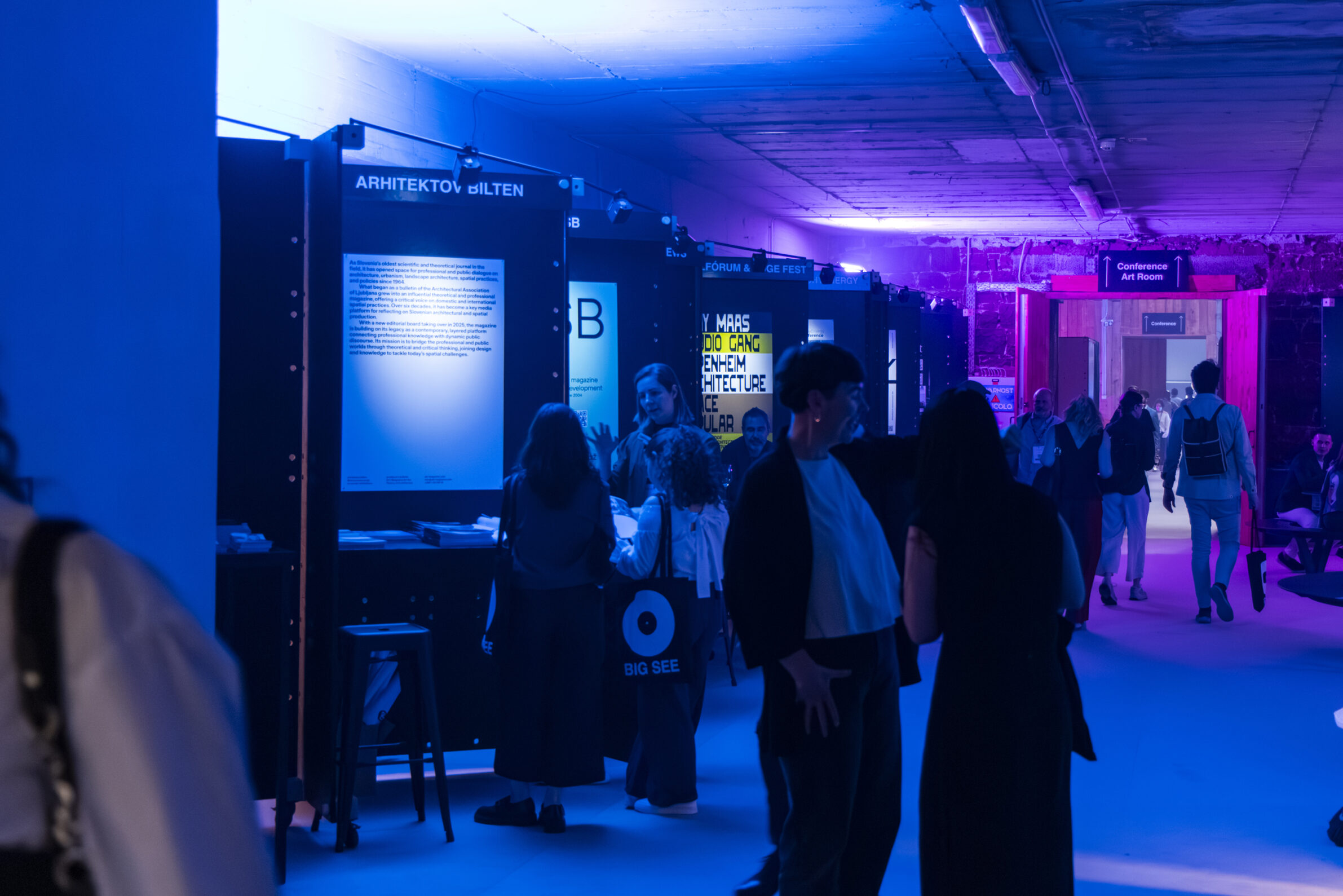
Across two days, the festival combined the BIG SEE Awards with international project presentations, curated Trade Show, Innovations Exhibition, Conference, film screenings, art performance and networking.
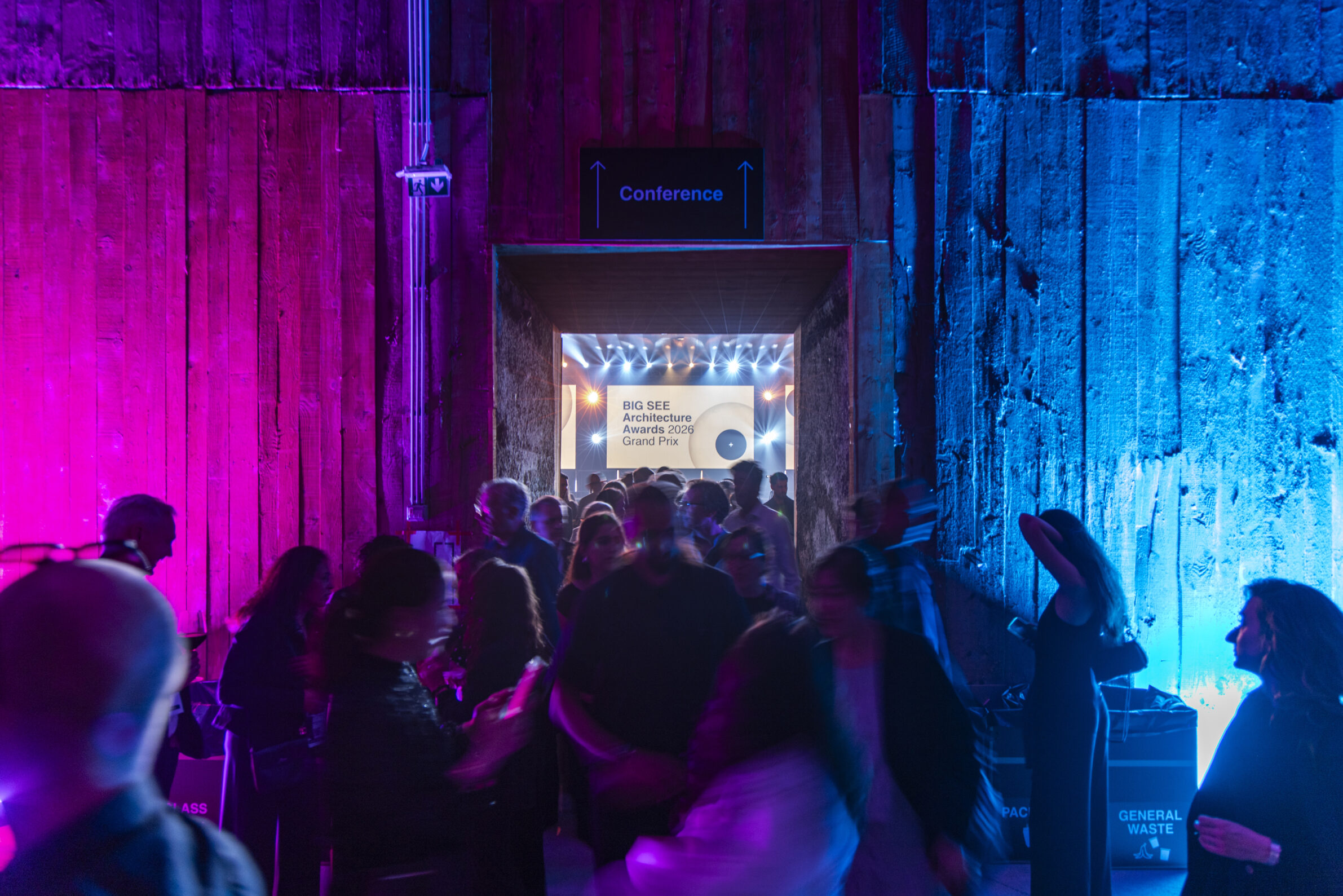
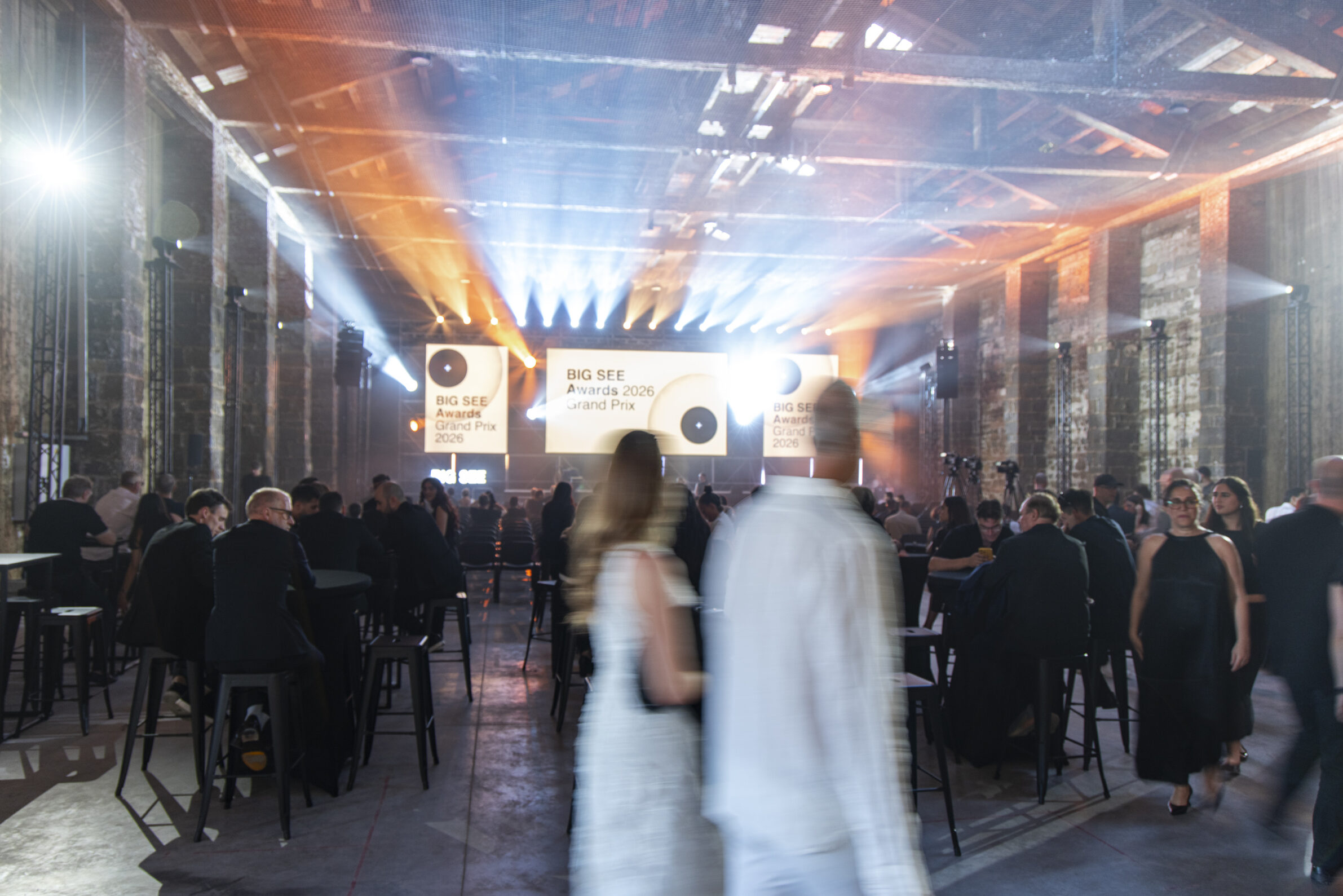
Awards
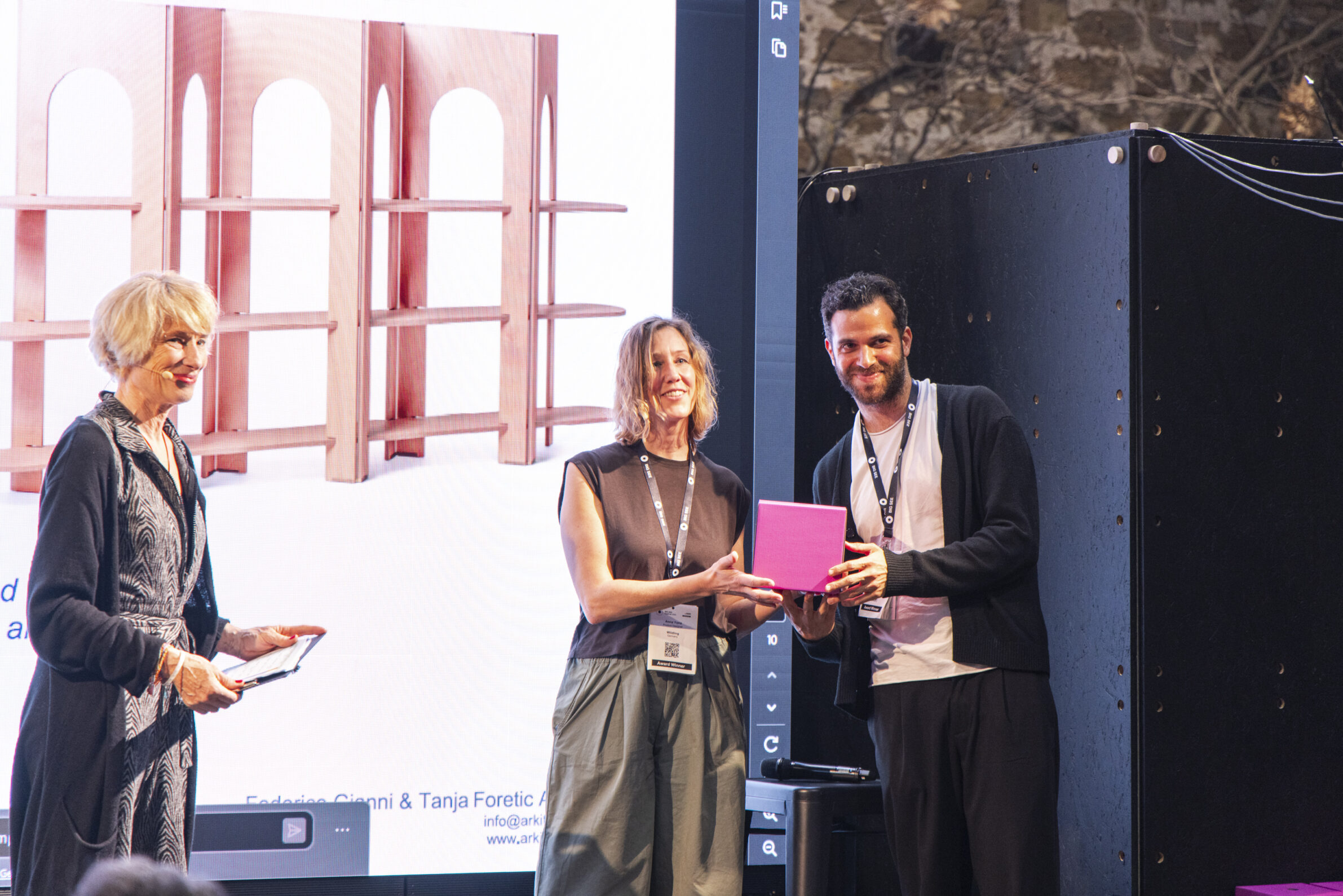
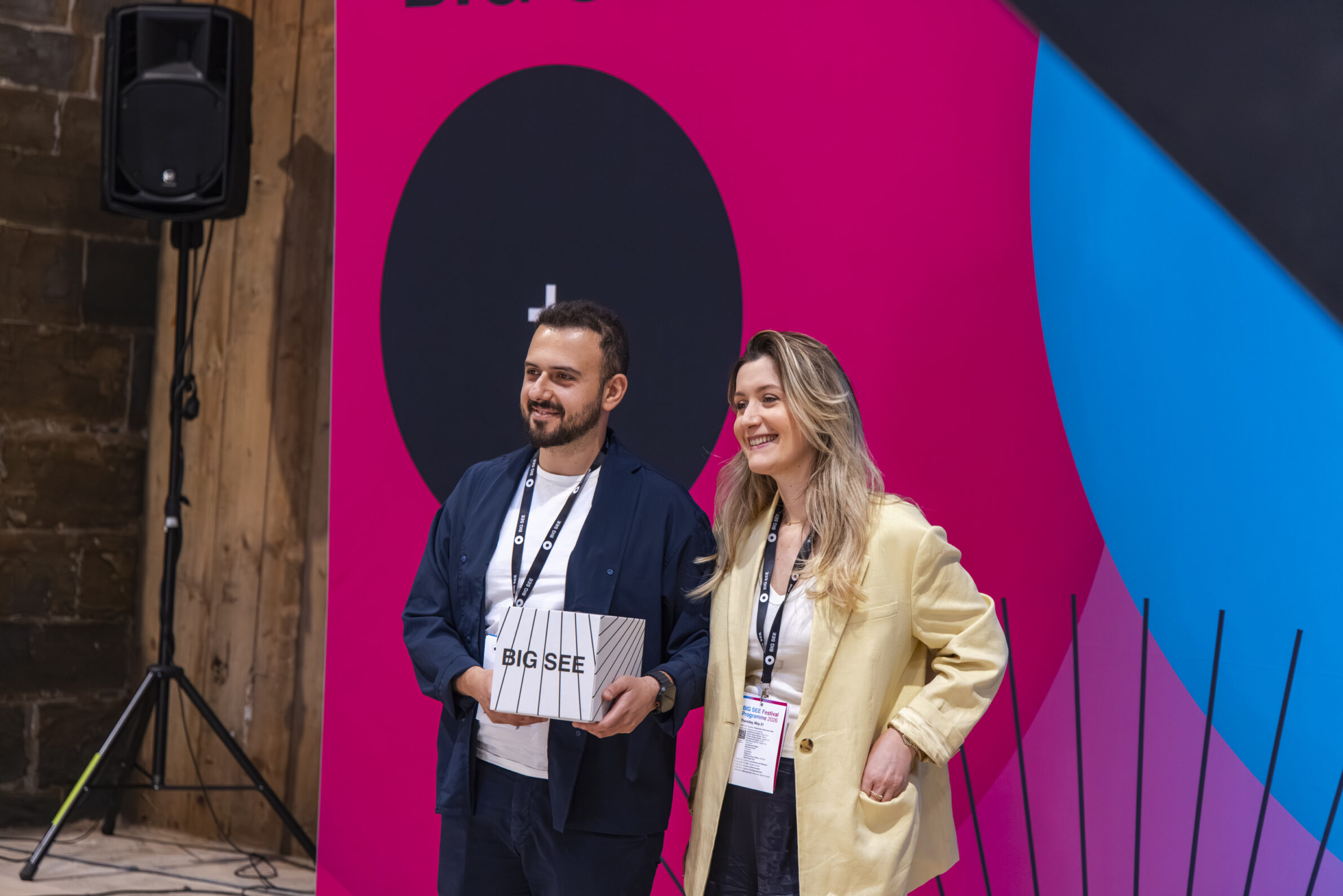
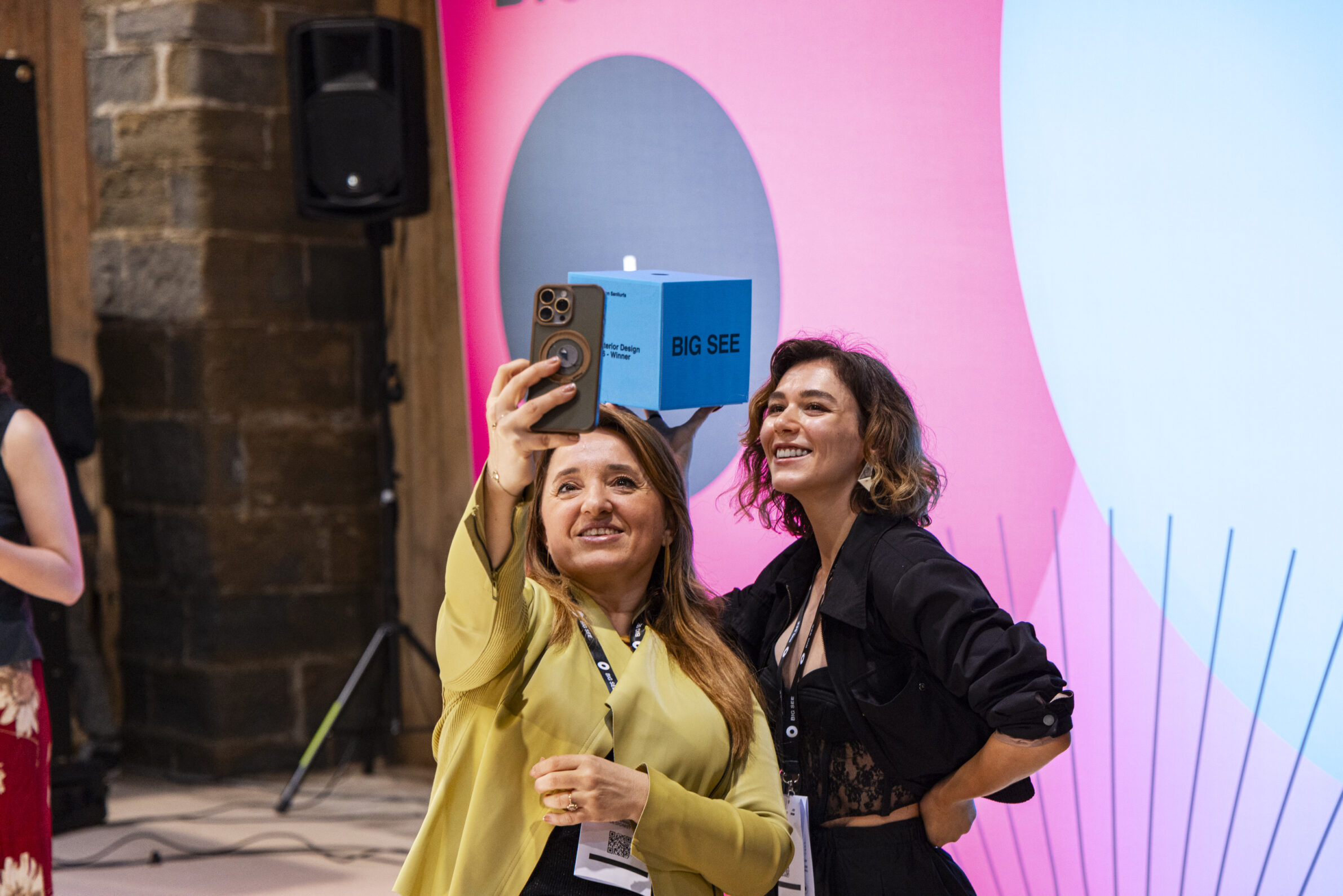
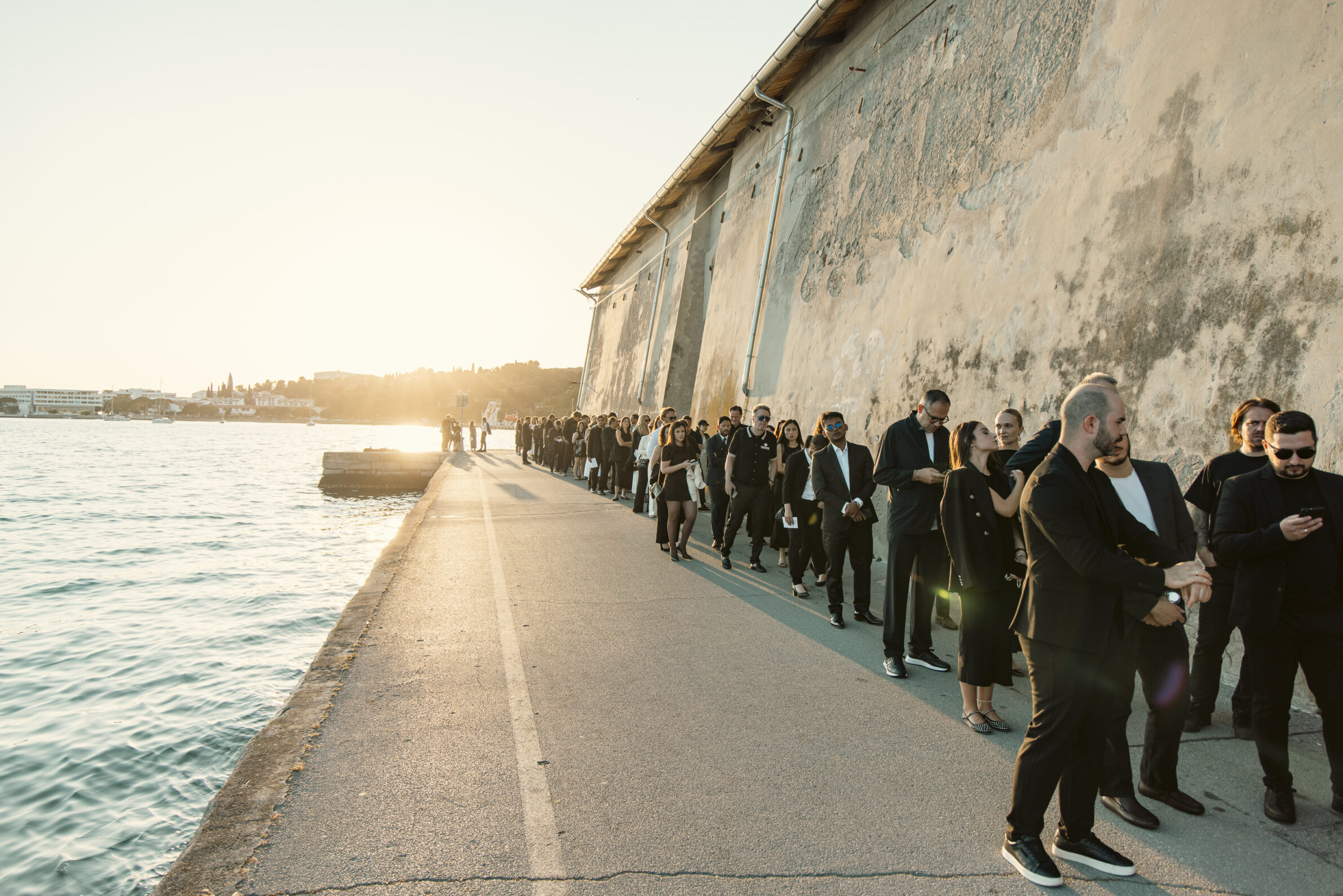
The BIG SEE Awards were one of the central moments of the festival. The 2026 edition recognised achievements in architecture, interior design and product design, with the Grand Prix winners announced during the Gala Night. This year’s awards recognised projects by professionals from 77 countries, highlighting the international reach of the BIG SEE platform.
Within BIG SEE, awards are not understood only as a celebration of completed work. They are a way of giving structure, visibility and professional recognition to creative achievements that bring original thinking, contextual relevance and value to their communities.
This is especially important in a region where creativity is often strong, but not always equally visible or confidently represented on the international stage. The awards therefore act as a framework through which projects, authors and ideas can be recognised beyond their immediate environment.
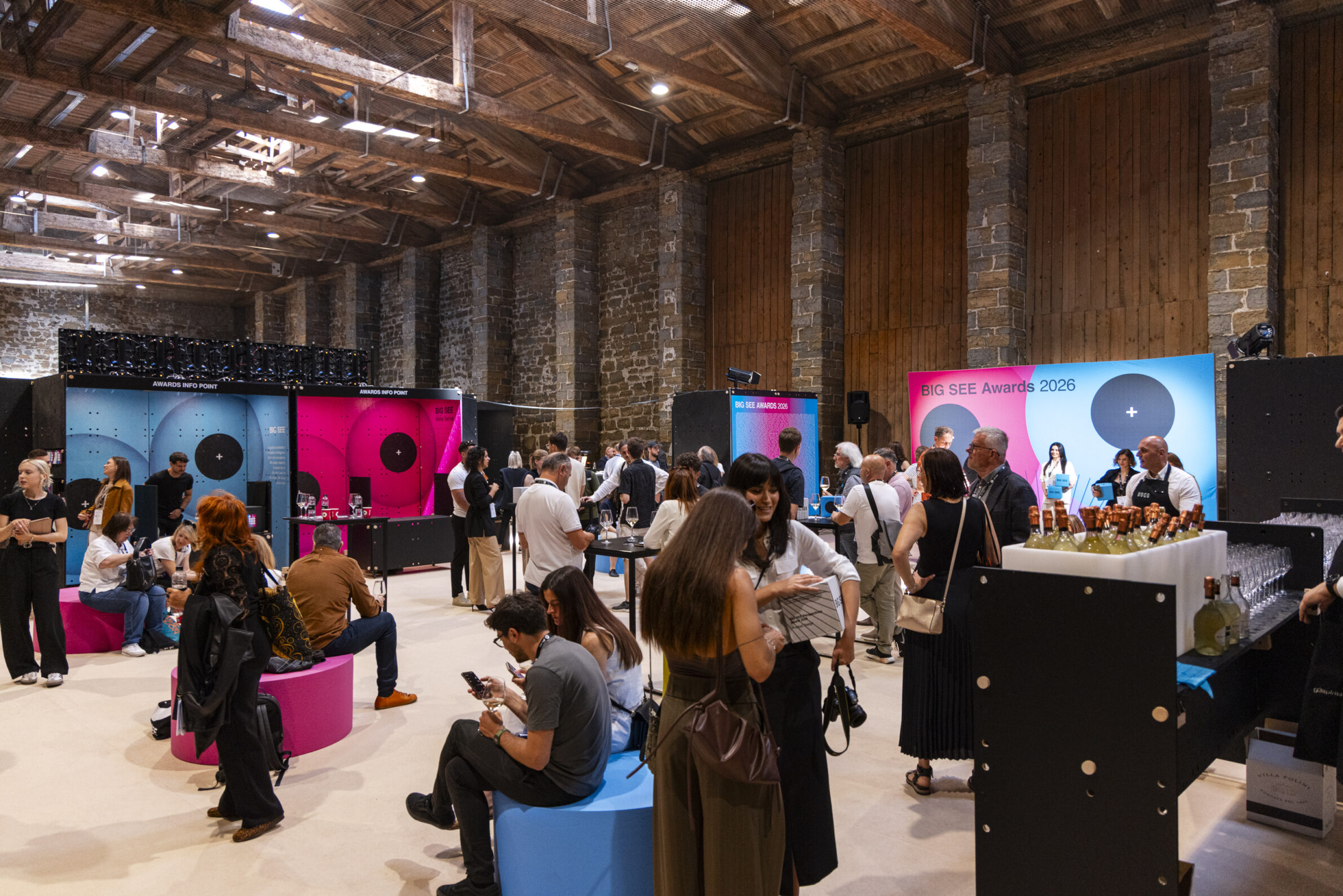
Trade Show and Exhibition of Innovations
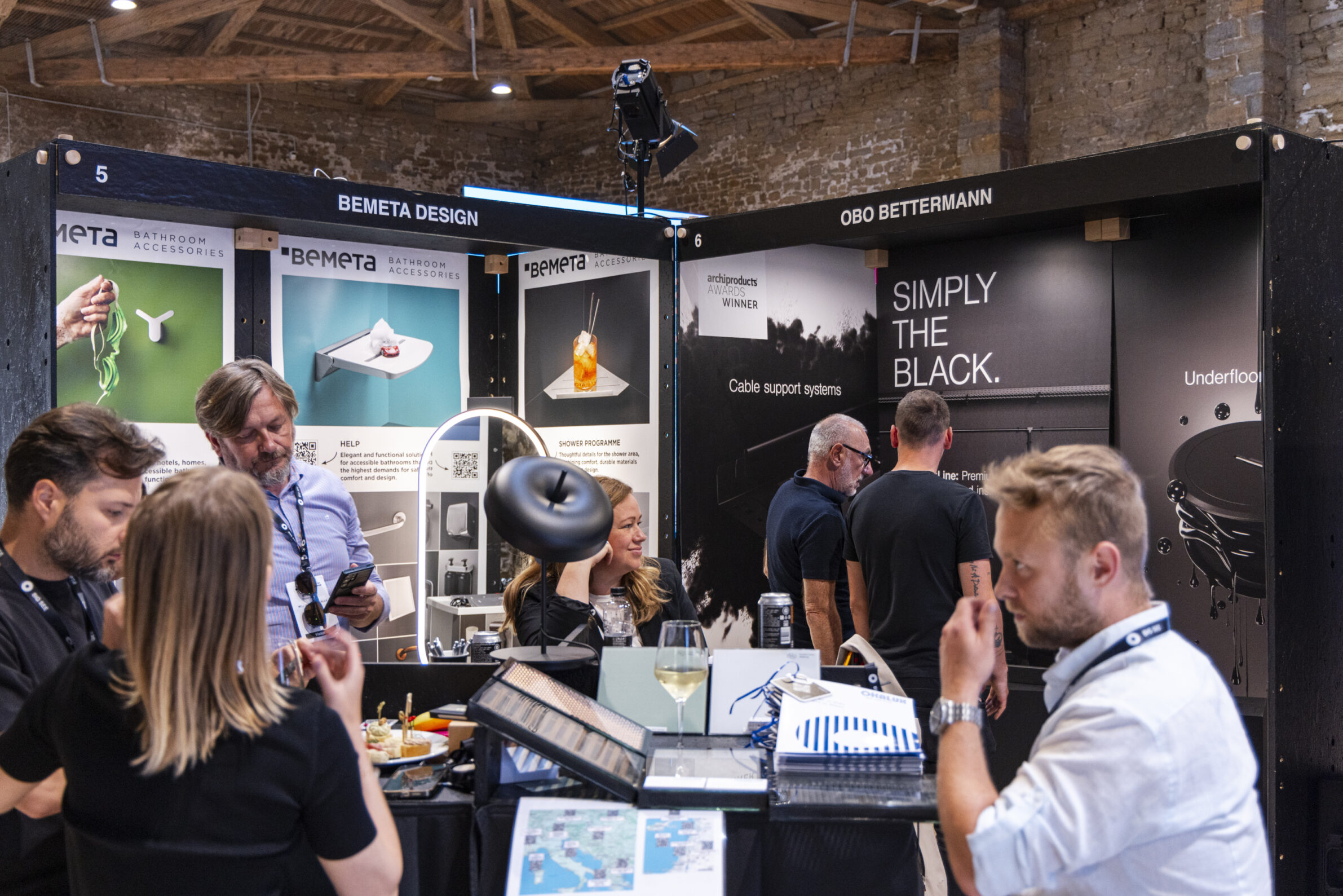
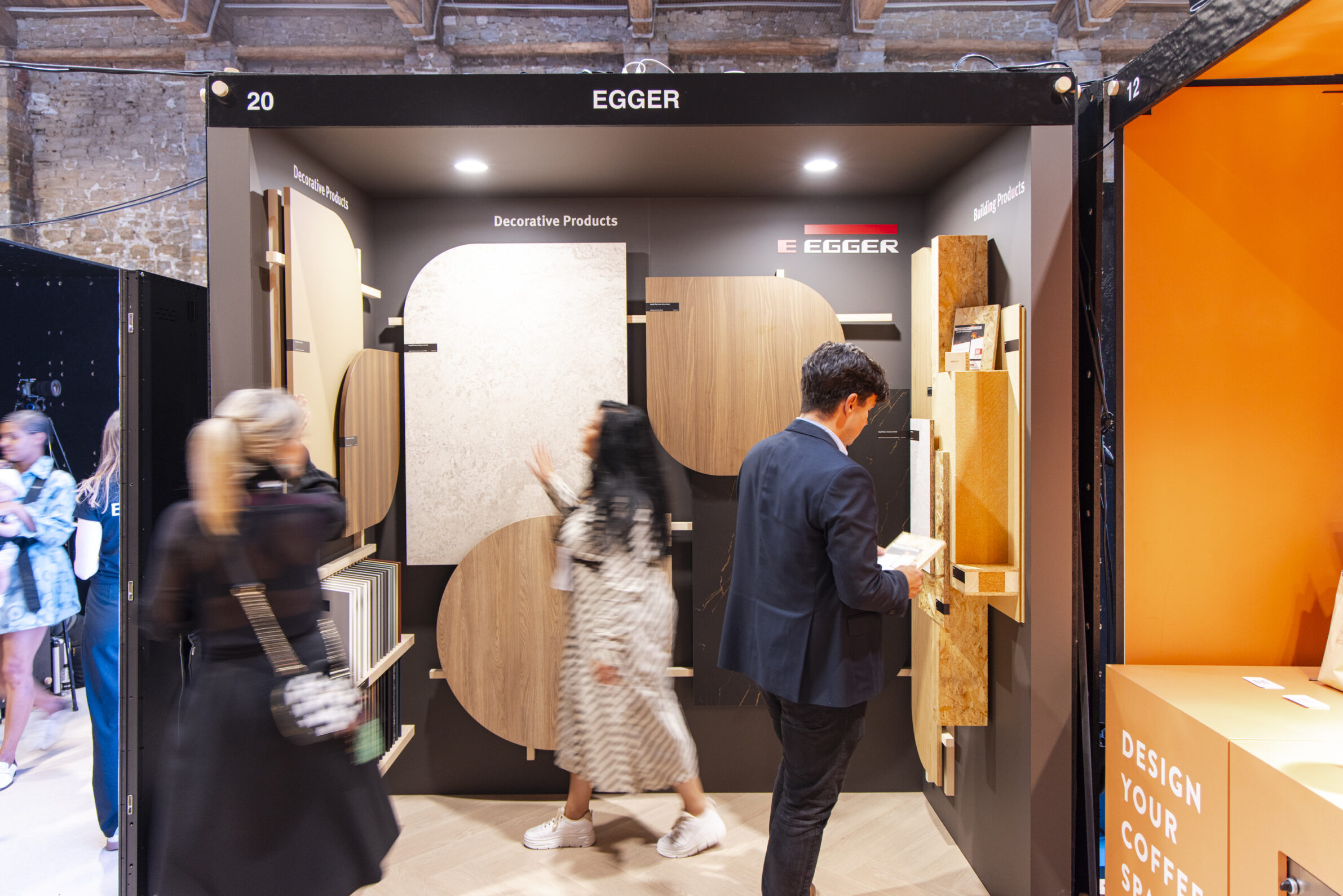
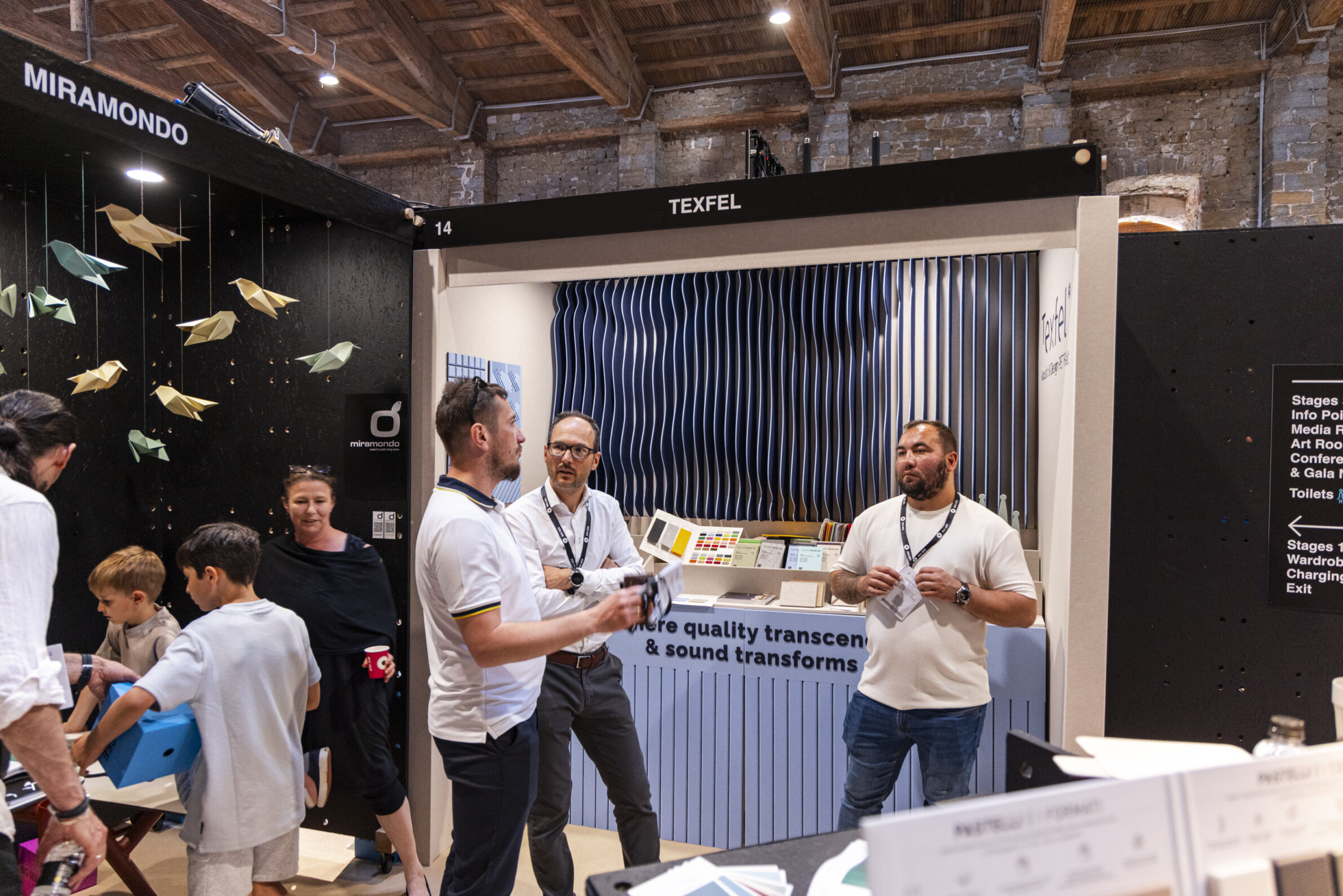
The BIG SEE Trade Show connected the conceptual part of the festival with the realities of production. With more than 100 exhibitors, it presented a curated selection of products, materials, systems, furniture, technologies and solutions for architecture, interiors and the built environment.
The trade show focused on relevance and context. It offered visitors the opportunity to discover products and solutions through direct exchange with brands and manufacturers, while placing them within a wider architectural and design discussion.
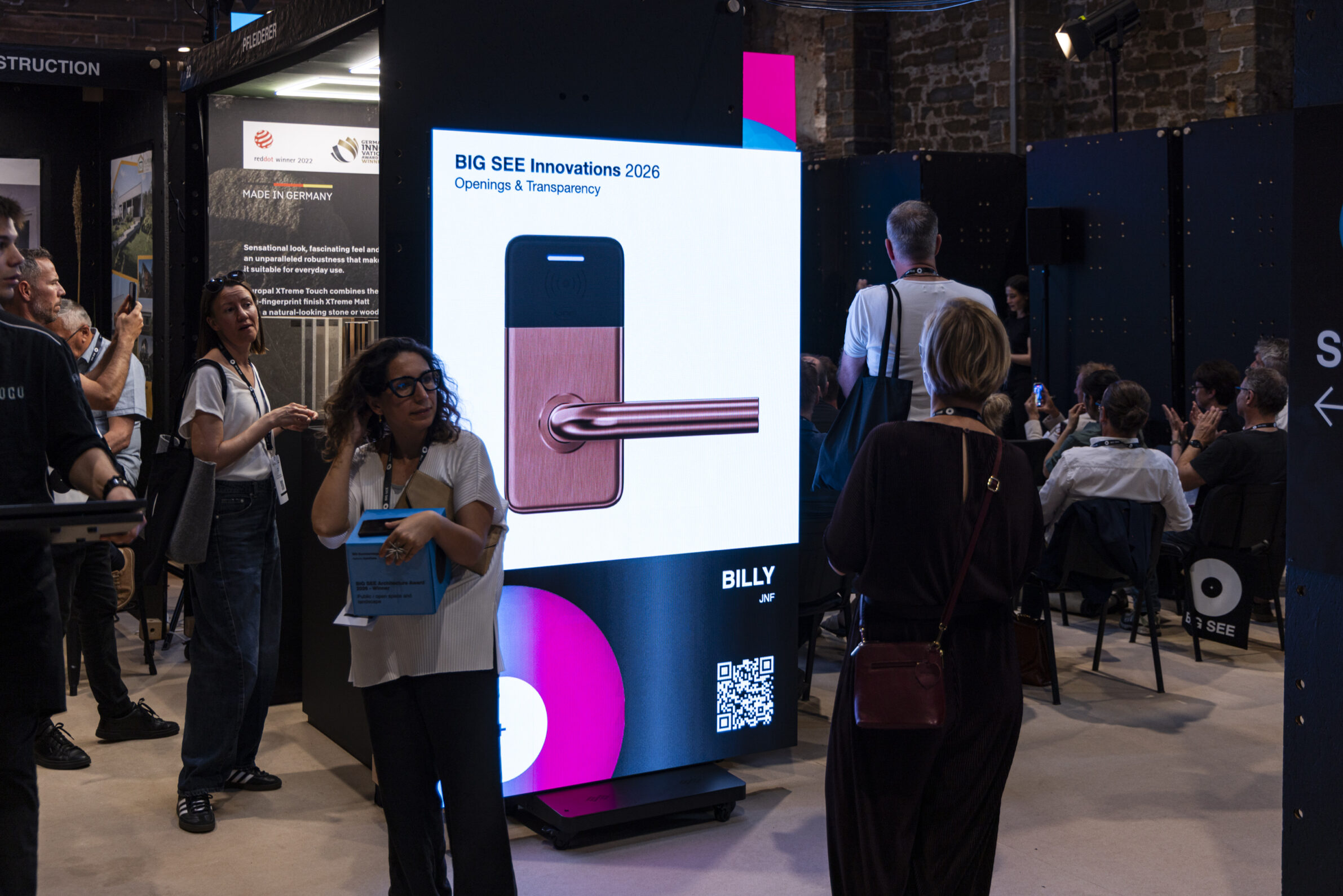
The BIG SEE Innovations Exhibition added a focused overview of selected innovations and design solutions for a more sustainable built environment.
Conference
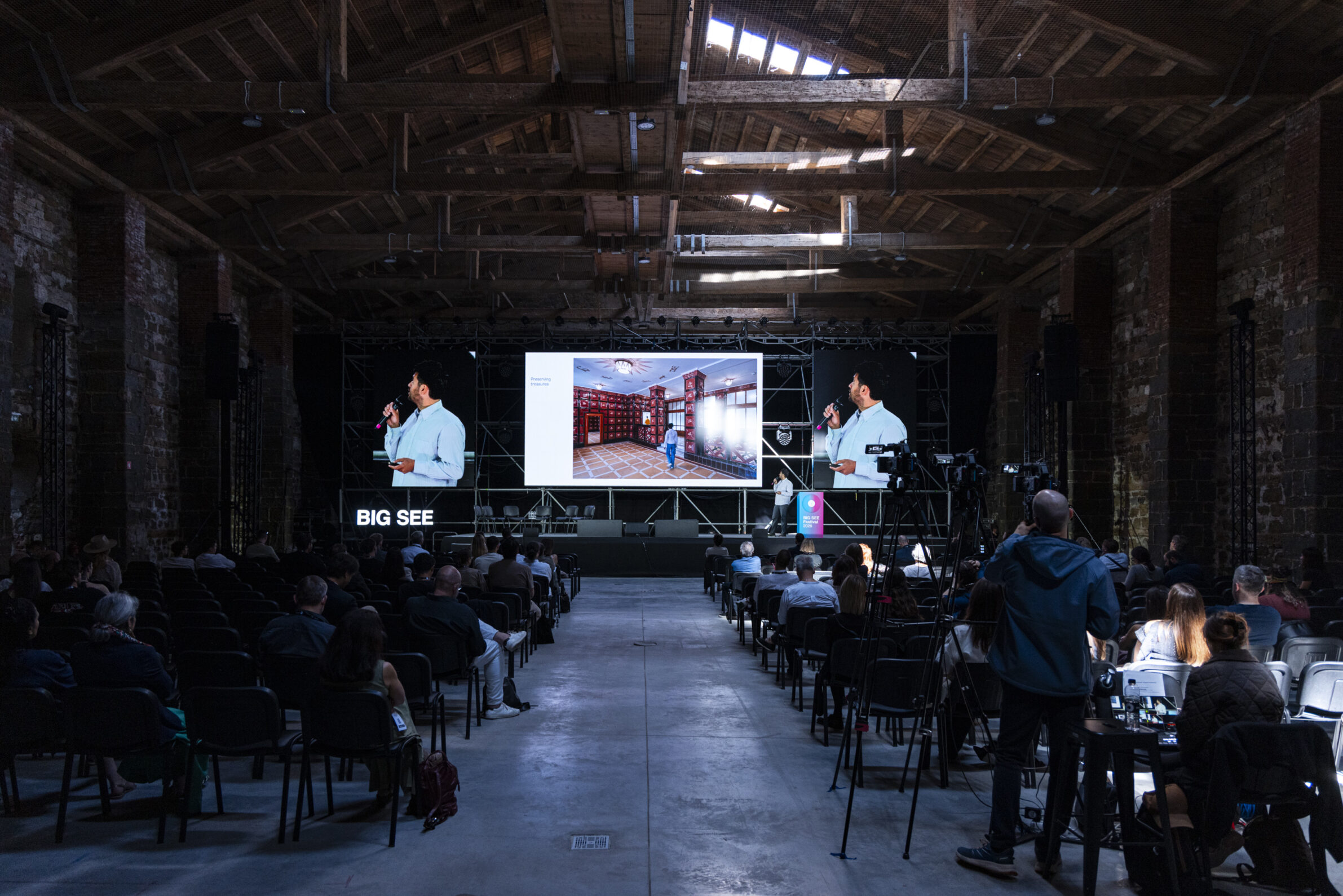
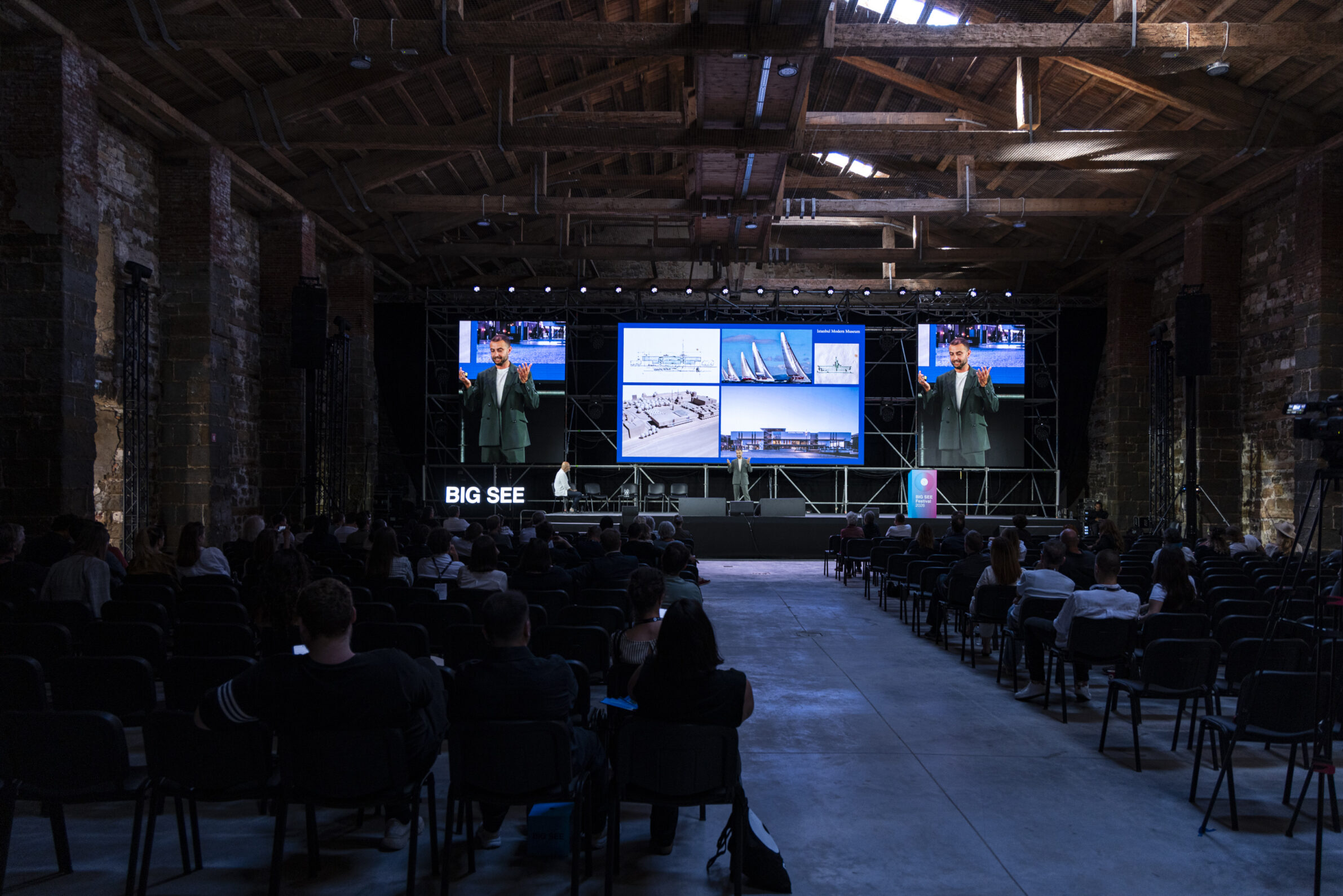
The BIG SEE Conference formed the intellectual centre of the festival. The programme was curated through five thematic lenses: Architecture and Relevance, Urban Humanity, The Great Reduction, Big, and The Question of the Right Measure in Architecture.
These themes brought together established international voices and emerging practices, with speakers and participants connected to offices and institutions such as Mecanoo, Norman Foster Foundation, Renzo Piano Building Workshop and Groupwork.
The programme was not built only around presentations, but around debate. Speakers discussed scale, necessity, reuse, public space, professional responsibility and the changing role of architecture and design in contemporary society.
Perspectives
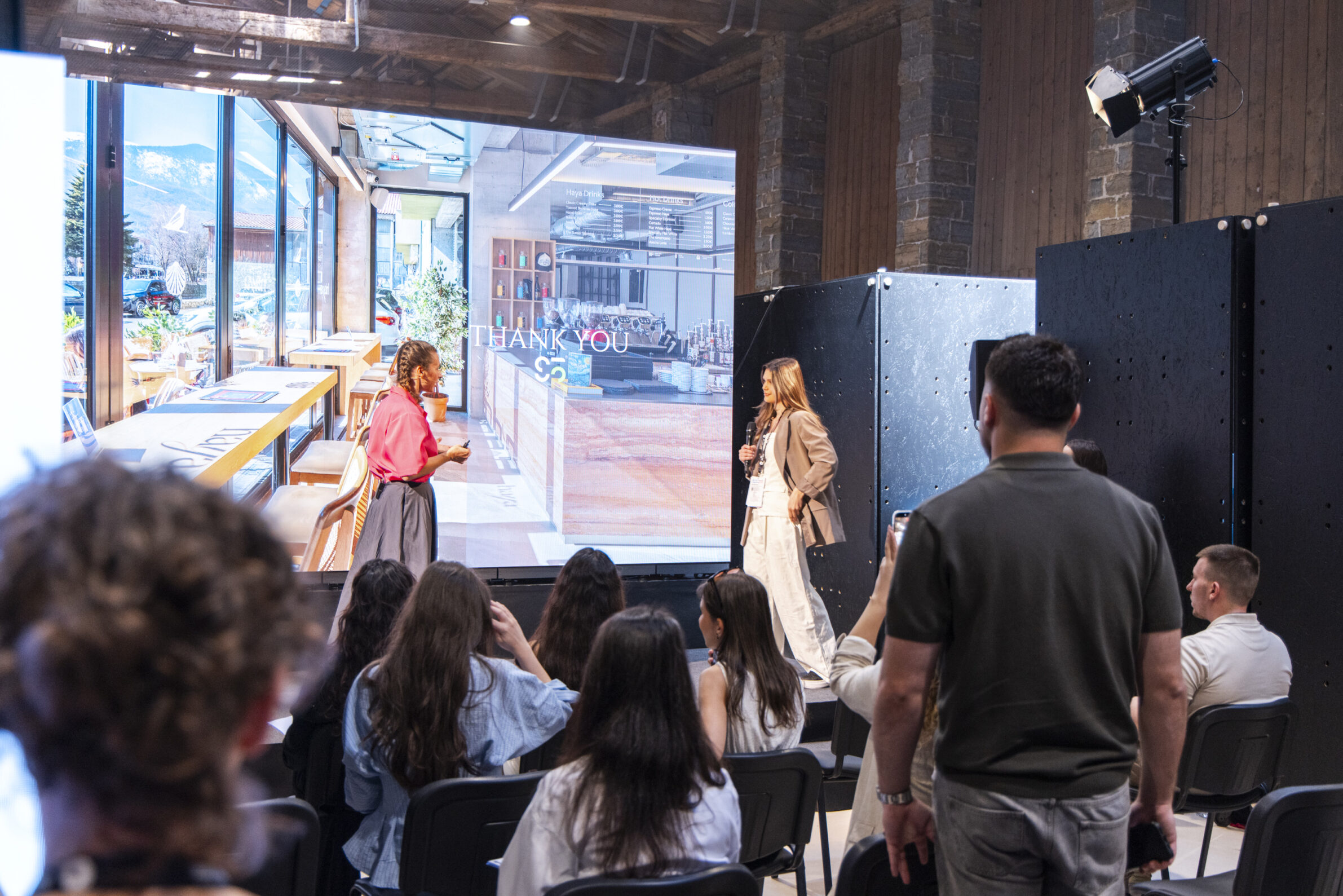
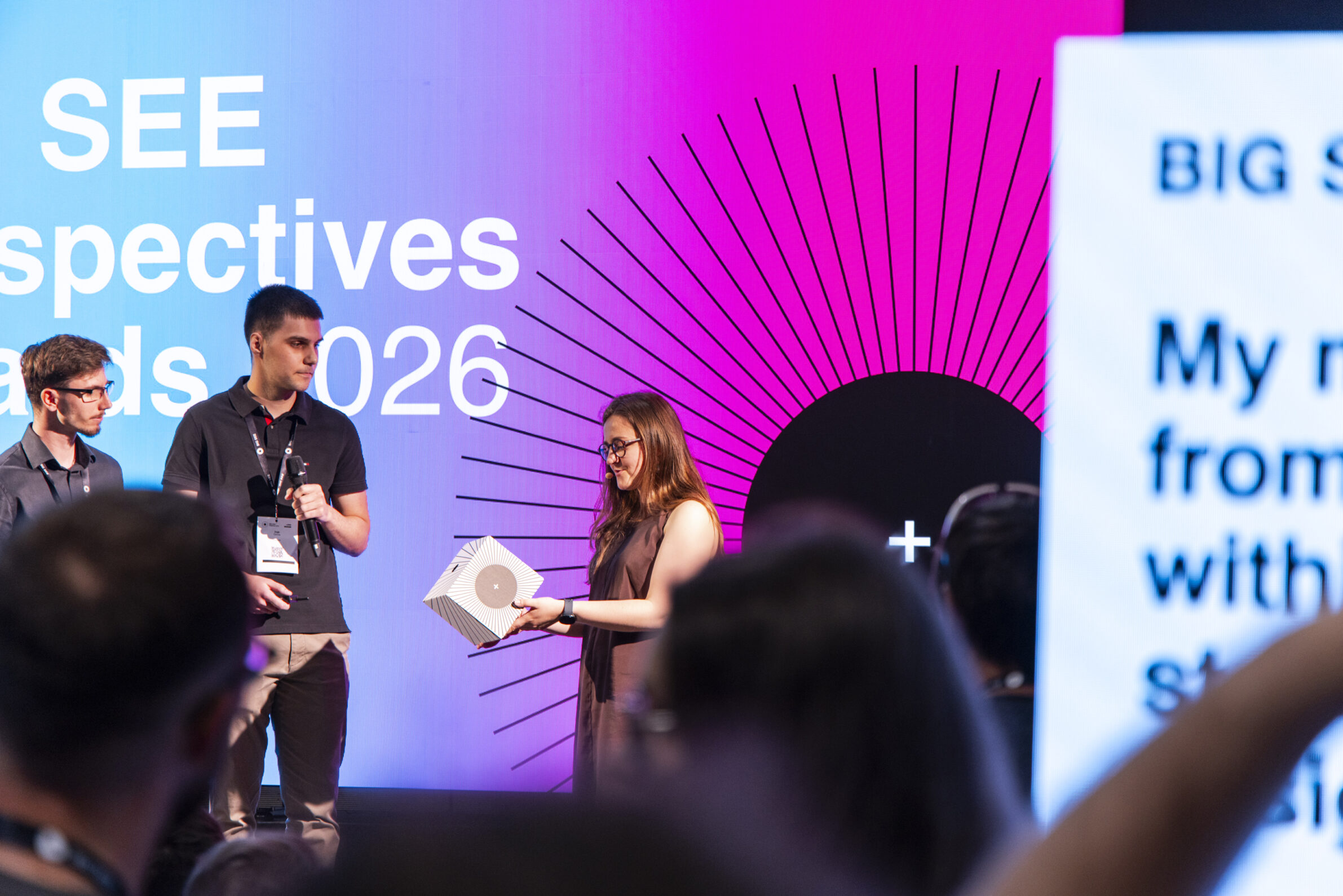
BIG SEE Perspectives give a special place to emerging creative talent from South East Europe. The project is based on nominations by established professionals, who identify young architects, designers and creatives with strong potential and a clear authorial position.
South East Europe is not lacking creativity. What it has often lacked is recognition, structure and the confidence to stand by its own strengths. BIG SEE Perspectives responds to this gap by creating a curatorial framework through which new voices can be seen, supported and awarded.
Editors, Professors, Film and Art
The festival also introduced focused formats that expanded the discussion beyond architectural practice itself.
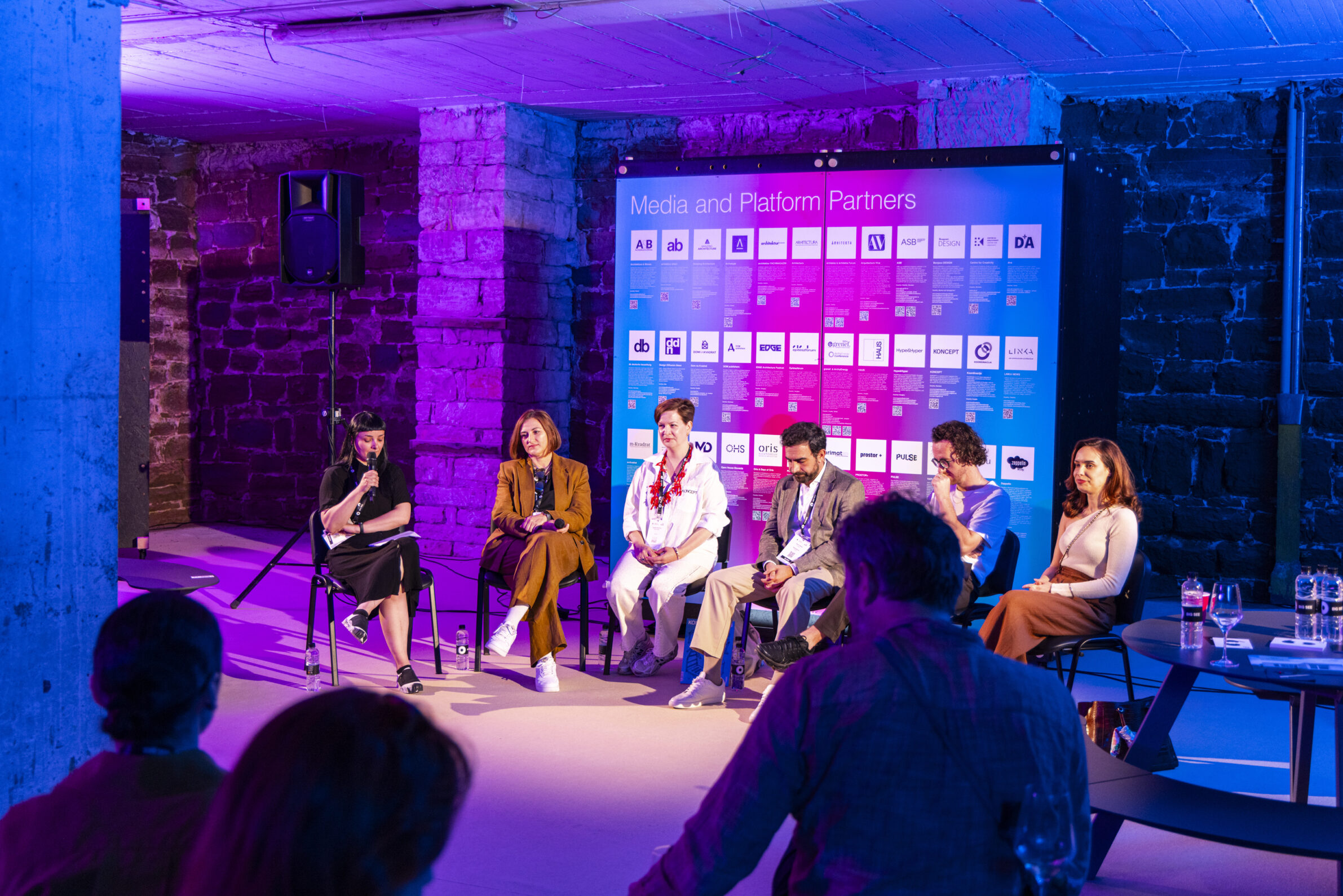
The BIG SEE Editors Talk gathered editors from architecture and design publications from Central and South East Europe. Their discussion reflected on the role of media in a time of fast images and fragmented attention. It asked how projects are selected, interpreted and communicated, and how editorial work can still create context and meaning.
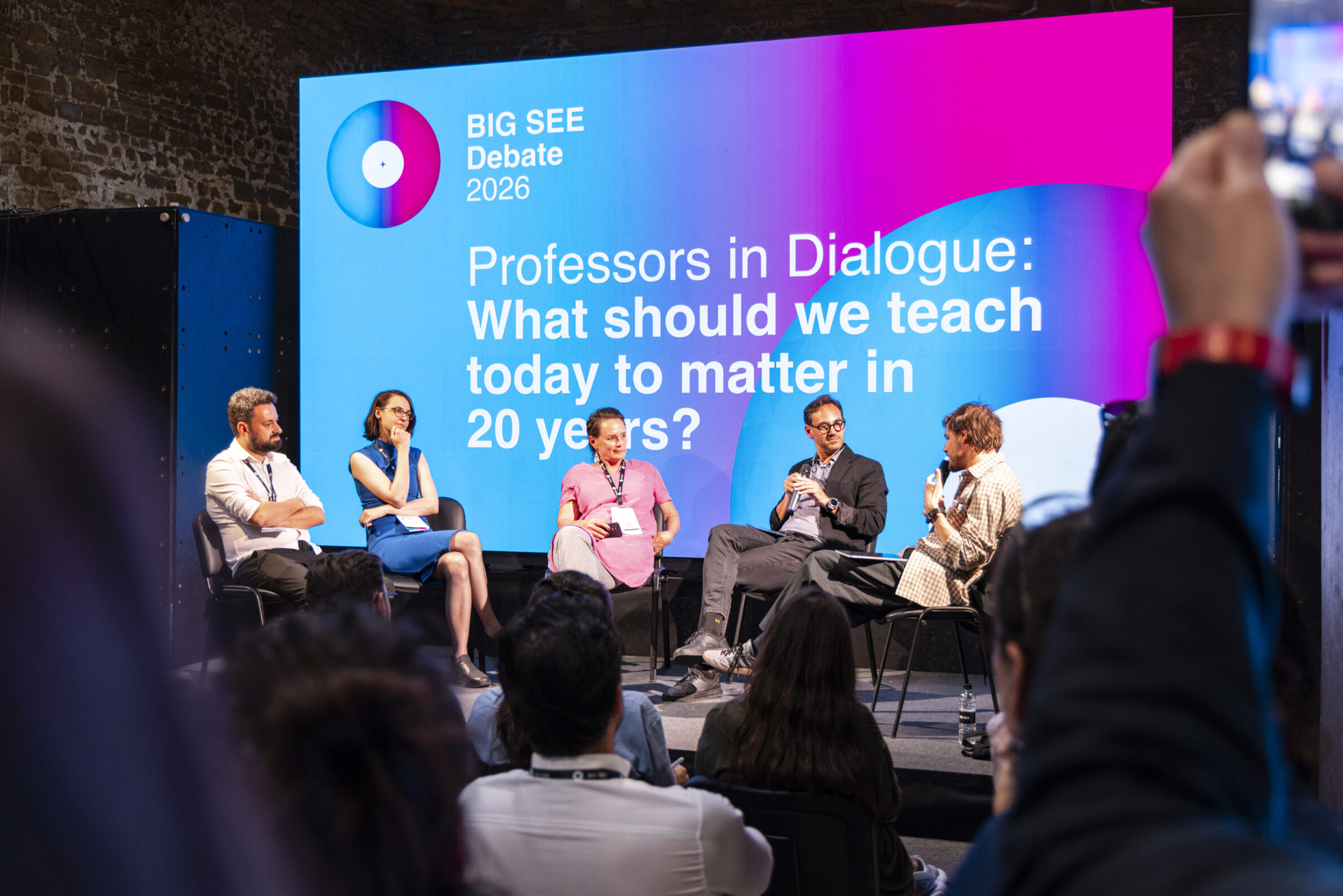
The BIG SEE Professors Talk brought education into the centre of the conversation. Professors discussed what future architects and designers need to learn, but also what the profession may need to unlearn in order to respond to new social, environmental and technological realities.
Film added another important layer to the festival. The programme included a first glimpse of K67, Filip Filković’s documentary about Saša Mächtig’s iconic modular kiosk, and Brutalism, a documentary by Miloš Jaković and Hossein Fani about postwar cities and reconstruction.
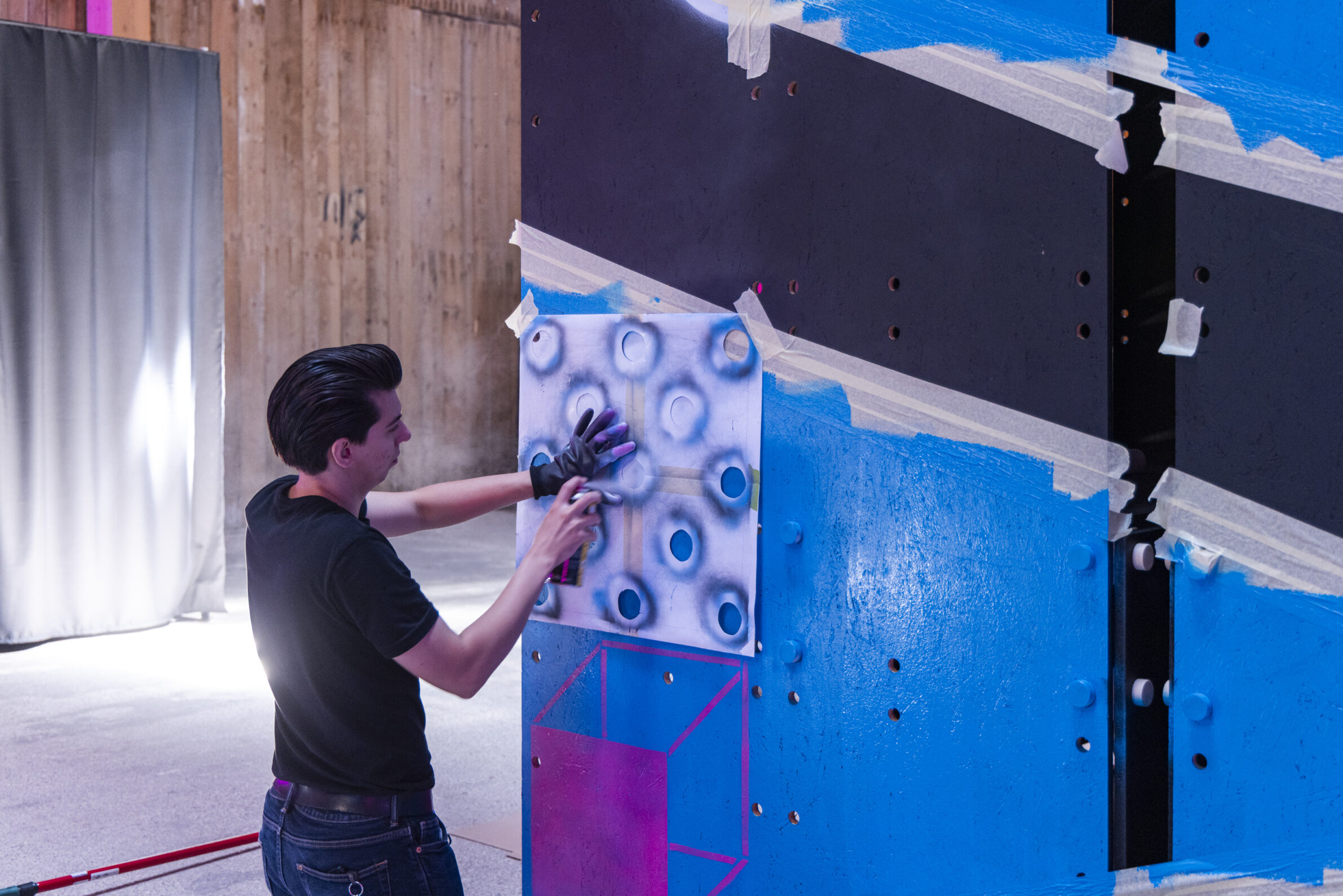
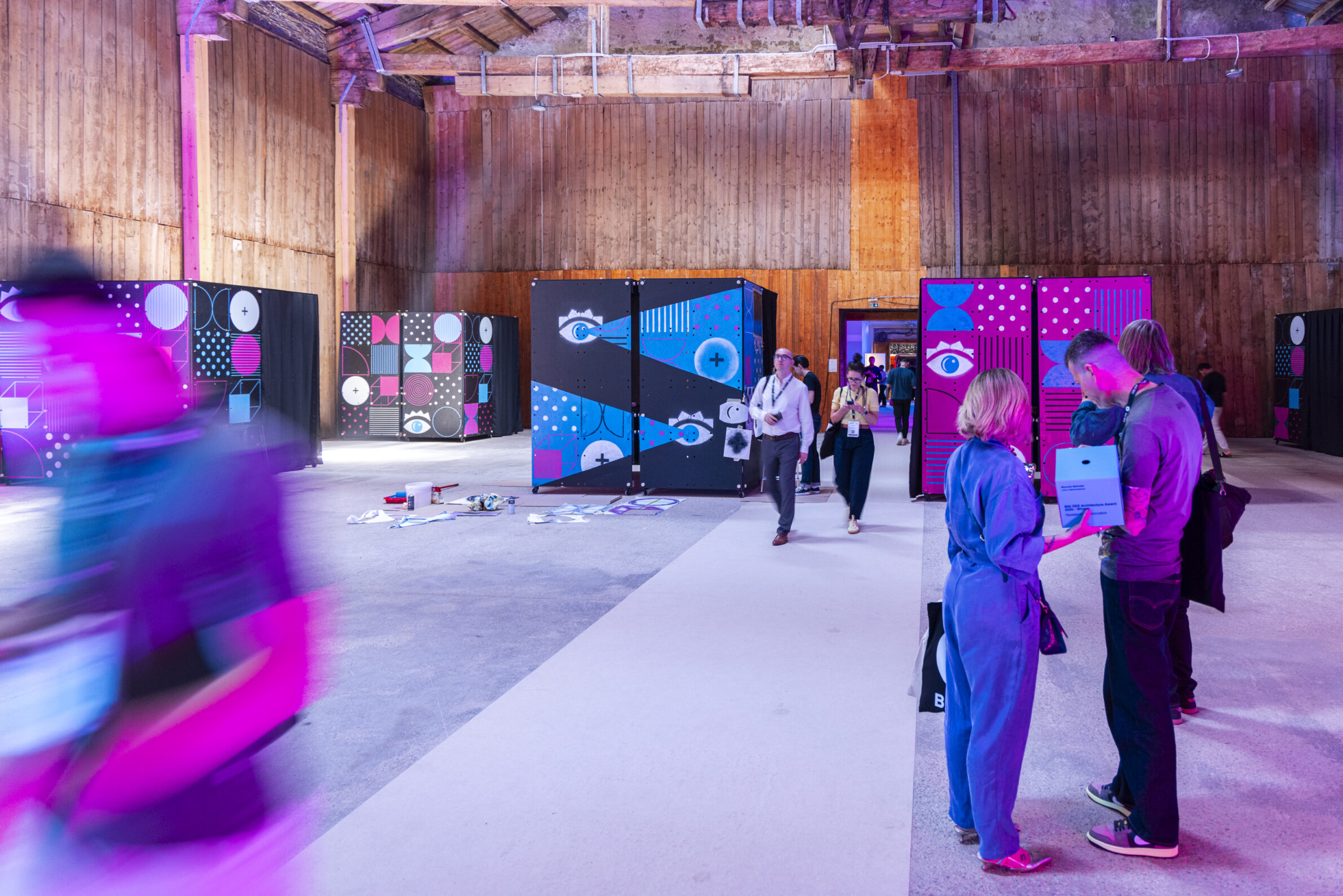
Alongside the film programme, the Art Room presented the work of contemporary artist Davor Keškec, whose visual language brought together rock ’n’ roll energy, Cubism and Pop Art within the architectural setting of Grando.
What Is Just Enough?
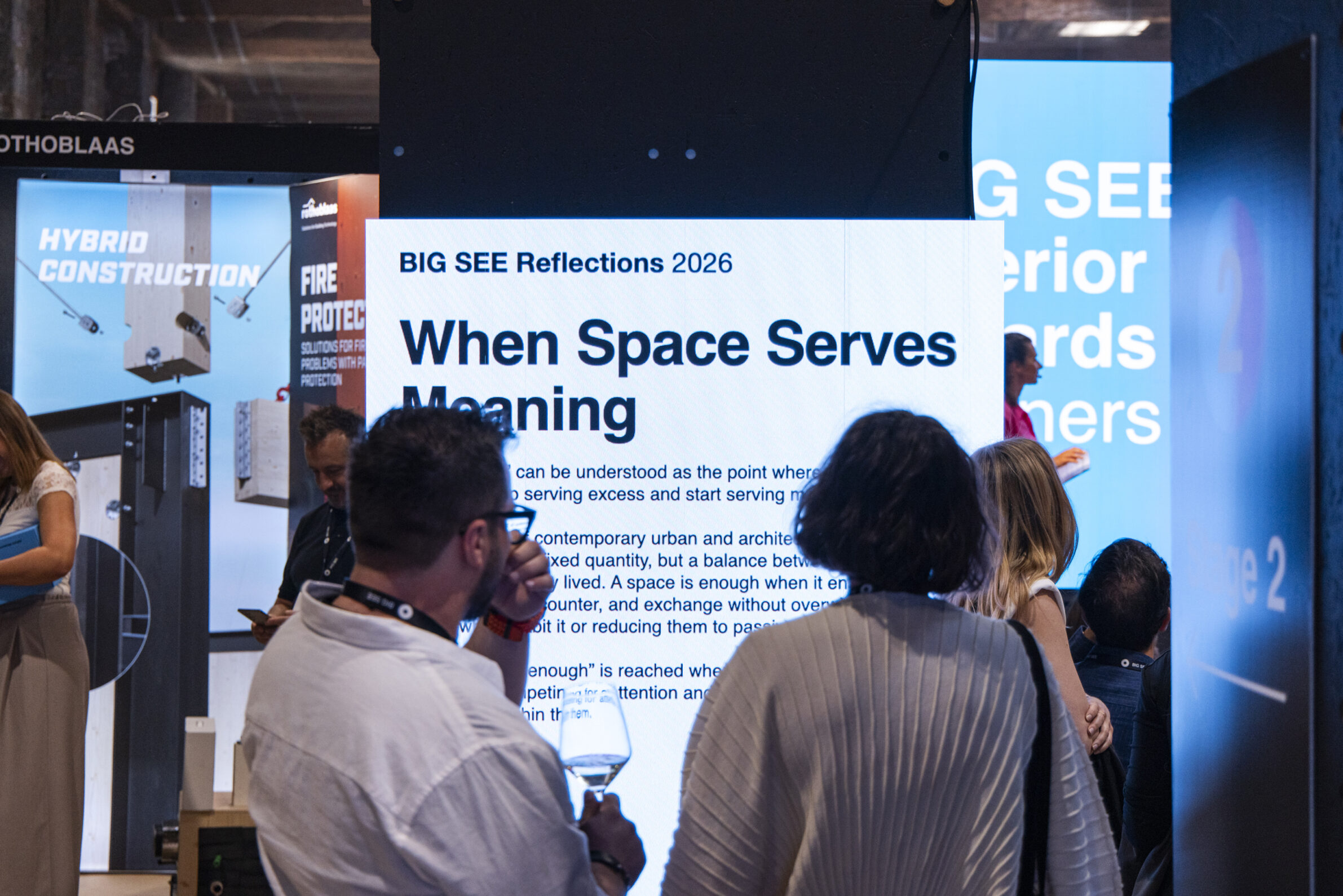
The central question of the 2026 edition was: “Too much? What is just enough?”
It was a simple question, but it opened a wide discussion. In a time shaped by an overflow of thoughts, images, buildings, products and information, the festival asked what architecture and design should contribute today. The focus moved away from spectacle and toward relevance, context, material intelligence, social meaning and long term impact.
The theme was present throughout the conference programme, where restraint was discussed as a professional responsibility rather than a limitation.
A Connected Festival
The first unified BIG SEE Festival showed the value of bringing different disciplines into one shared environment. Conference debates continued in the exhibition space. Product design was placed in dialogue with architecture. Editors, professors, designers, architects, manufacturers and decision makers met not as separate audiences, but as part of the same ecosystem.
In Portorož, the question “What is just enough?” did not lead to one answer. It opened a necessary discussion about how architecture and design can act with more clarity, responsibility and meaning.
Was it just enough? Perhaps the answer lies not in the scale of the festival, but in the quality of the connections it created, between disciplines, generations, ideas and industries. The 2026 edition confirmed BIG SEE Festival as a regional and international meeting point for the people, projects and conversations shaping the future of the built environment.
Edited by:
Tanja Završki
Photography:
Jakob Cehner