


Andreas Nicolaou, Cyprus, 2026

Nominator: Kyriakos Miltiadou
Nominator's statement
Andreas is an emerging and highly promising young architect. From his first year at the Department of Architecture at the University of Cyprus, he stood out through a design project that explored perception, space, and vision, using the old city of Nicosia as its context. In the later stages of his studies, he engaged with a wide range of projects, from urban-scale proposals to the design of high-rise buildings. All of his work shares common qualities: experimentation, a fresh and critical design perspective, and a systematic interpretation of existing spatial conditions, which consistently leads to architectural proposals demonstrating a deep awareness of the contexts in which they operate and of their constitutive components.
His diploma thesis, currently in progress, is entitled Surface In-Tension and is expected to be presented in May 2026. The project focuses on the Green Line, the de facto boundary that divides the city of Nicosia in two, as a result of the Turkish invasion of Cyprus in 1974. Through a systematic design investigation, the thesis seeks to re-situate the notion of the boundary by examining the concepts of gaze, vision, memory, and perception.
SUPER STITCH-ONS
Superblock Regeneration and Collective Housing Strategy, Strovolos II, Nicosia
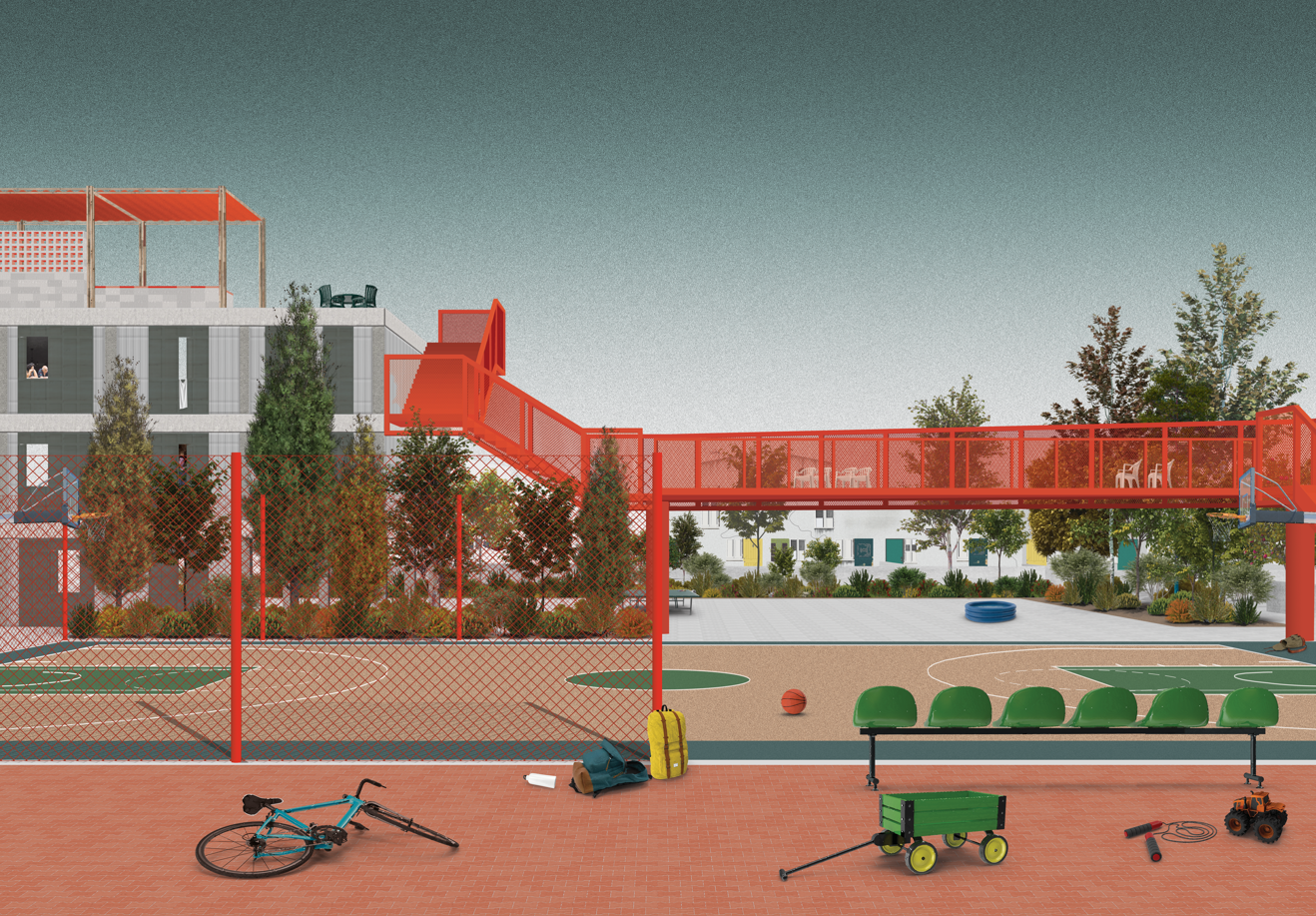
Rather than asking what should be replaced, Superstitch-Ons asks what can be cared for, repaired, and reassembled. Set within the post-war housing settlement of Strovolos II, the project introduces a superblock strategy that recenters community life by reorganizing mobility and reclaiming shared space. Existing apartment blocks are treated as active components of the project, upgraded through targeted interventions that enhance habitability while preserving social memory. Materials recovered from the existing fabric are reused to construct new collective spaces and infrastructural additions. Intergenerational craftsmanship workshops anchor the proposal, embedding making, maintenance, and learning into everyday life. The project proposes an adaptive and inclusive model of urban living, where housing operates as a shared cultural and productive system.
CIRCUMNAVI-GATE
Urban Connector and Public Health Research Hub, East Manhattan, New York City
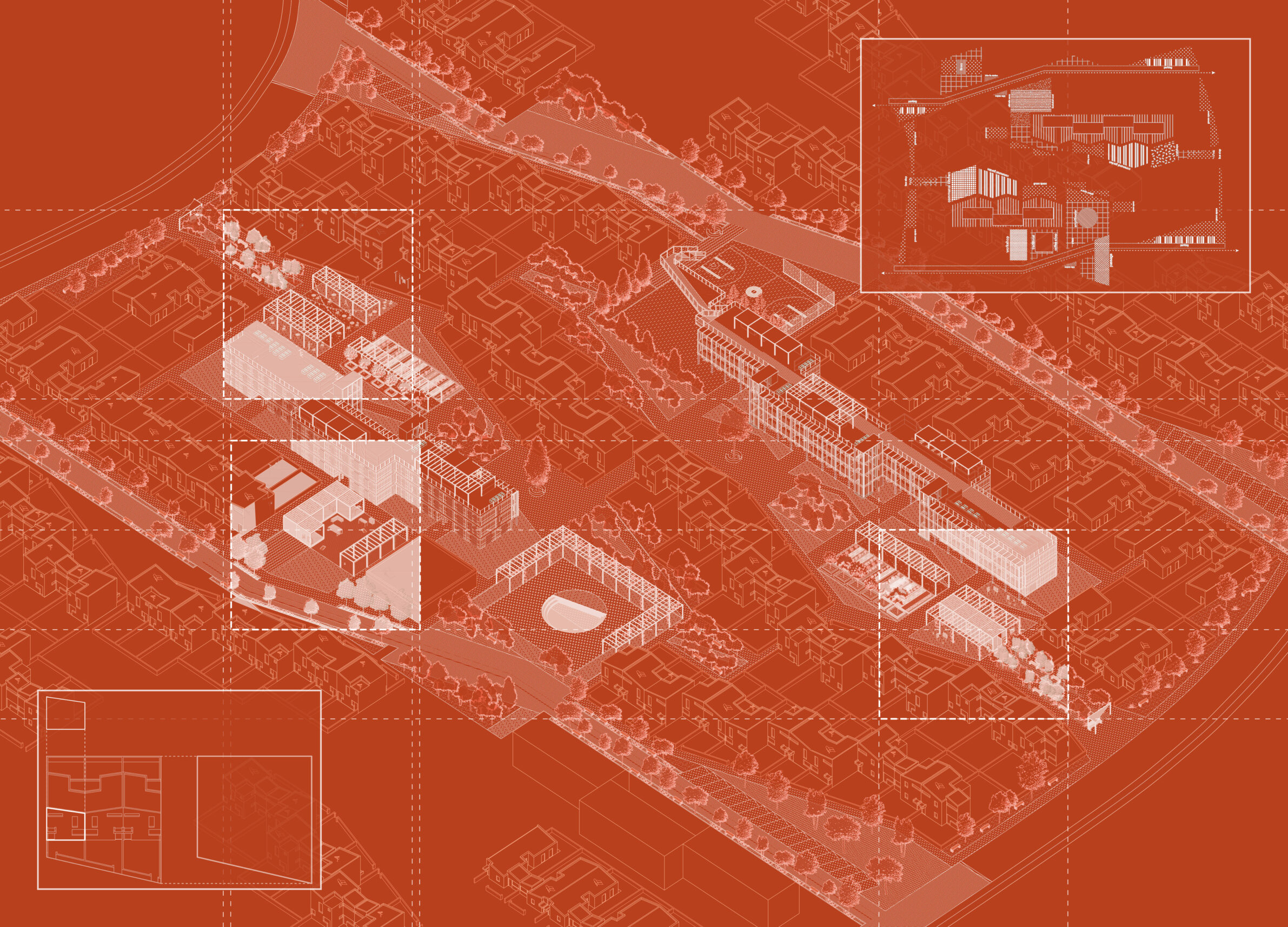
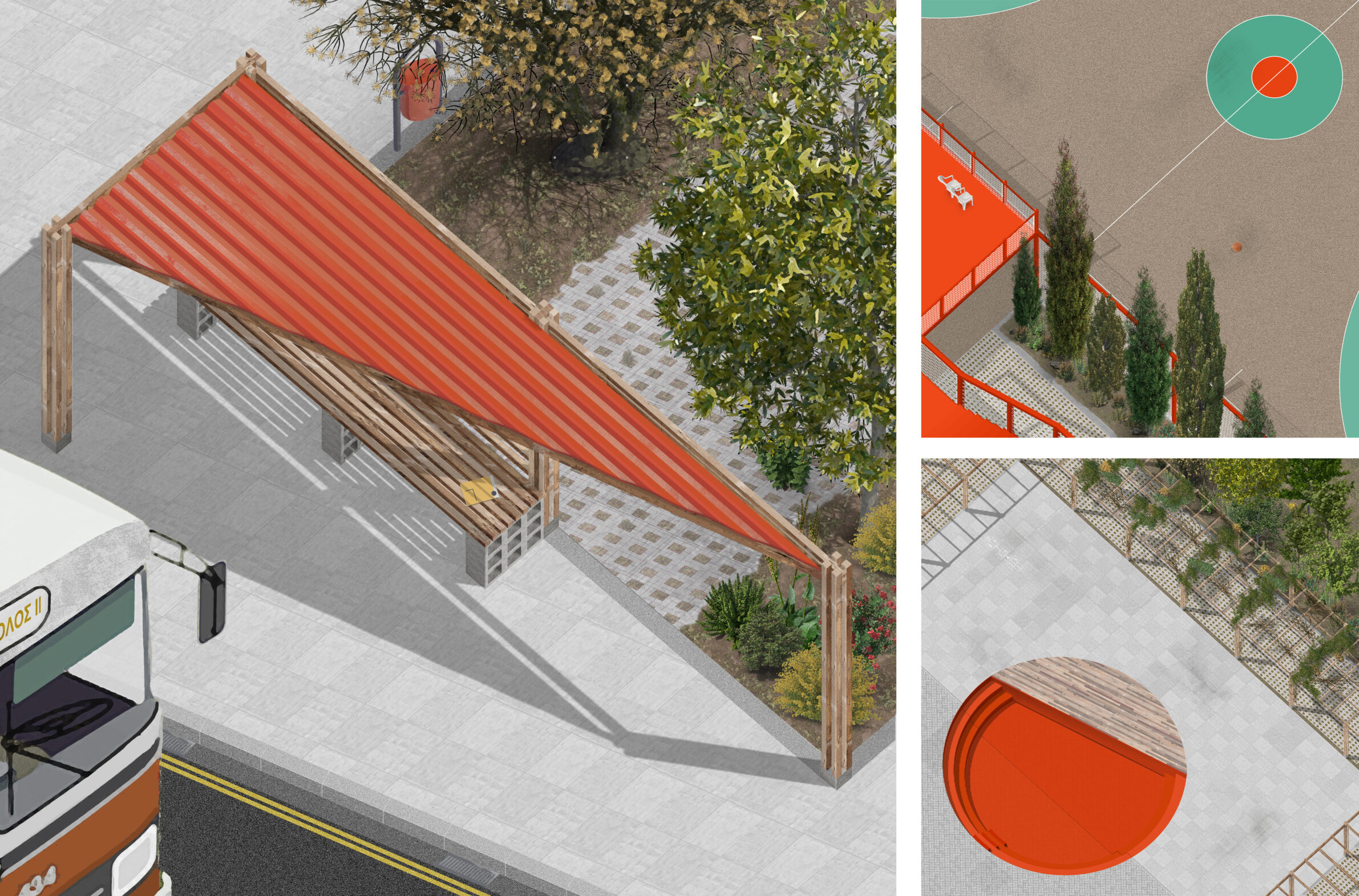
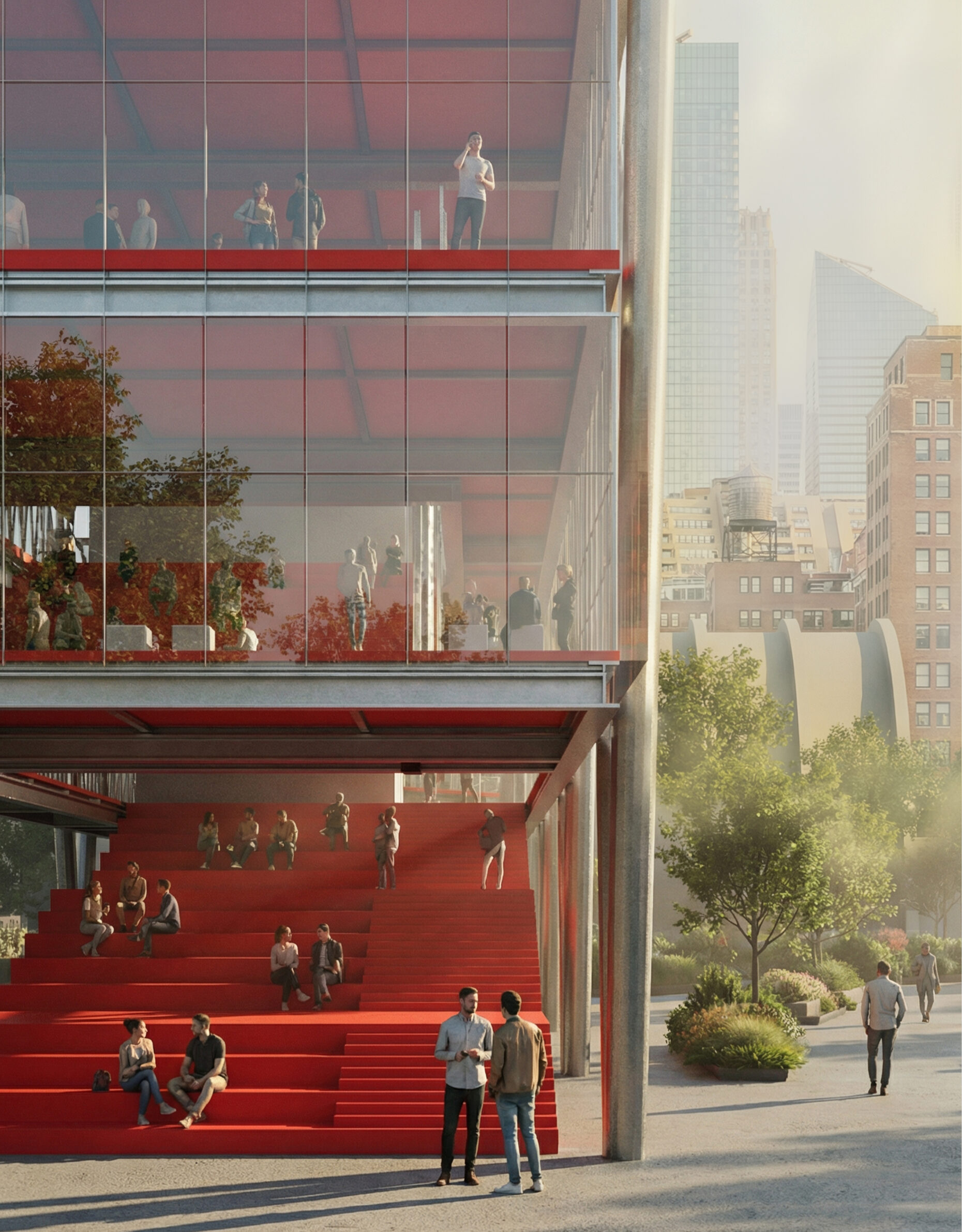
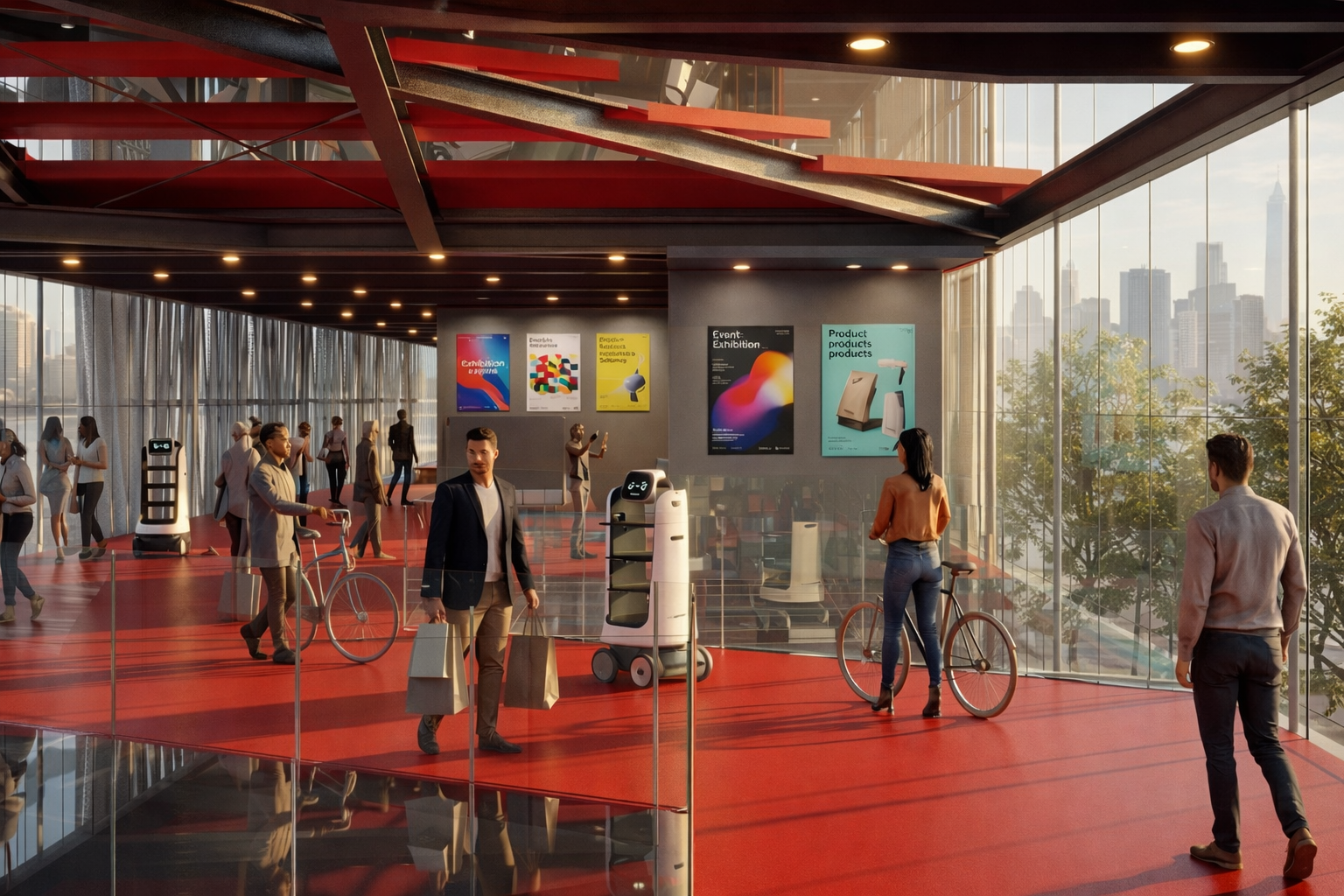
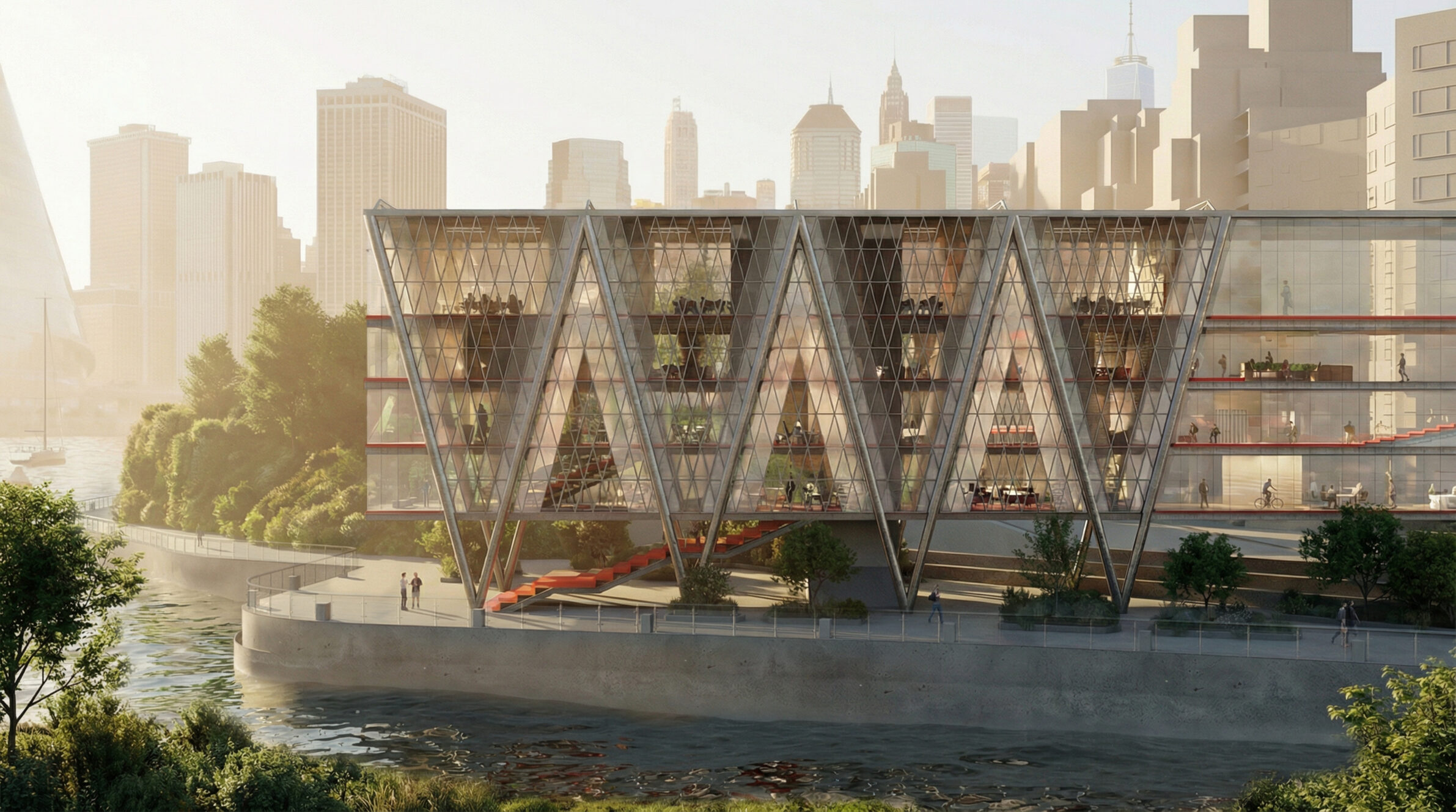 To cross the city is often to confront its fractures. Circumnavi-GATE transforms this act of crossing into an architectural experience by spanning a major highway in East Manhattan. The project proposes a building that functions simultaneously as a gate, bridge, and public institution. An elevated public path cuts through the building, enabling pedestrians to move across the infrastructure while engaging with spaces of research, study, and exchange. Housing facilities dedicated to robotics and automation for public health, alongside a publicly accessible library, the project deliberately brings students, researchers, and the public into contact. By merging circulation and program, the building reframes infrastructure as a social interface, where movement becomes an opportunity for encounter, learning, and collective urban life.
RAMPING INCLUSIVITY
Accessible House for Intergenerational Living, Latsia, Nicosia
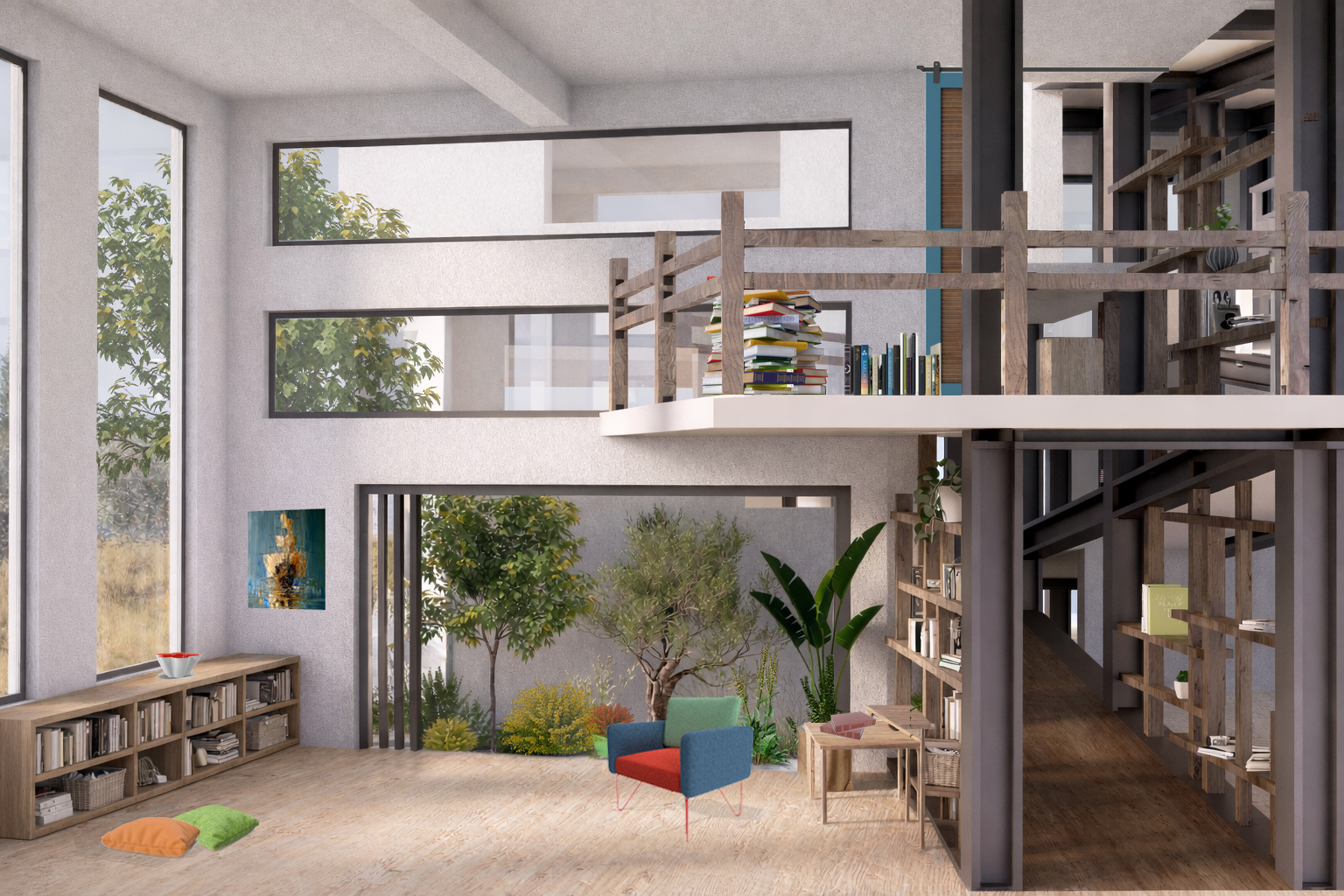
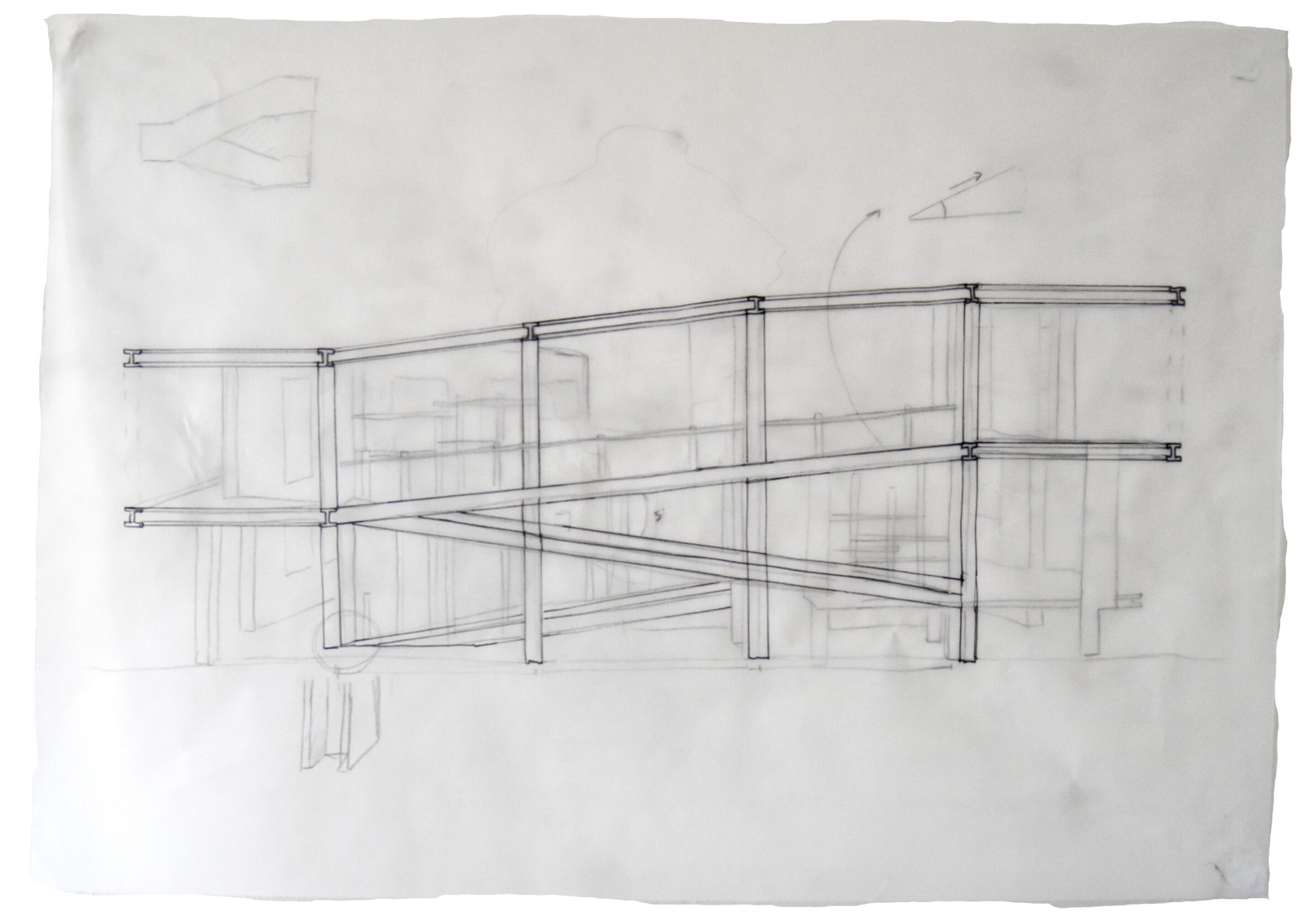
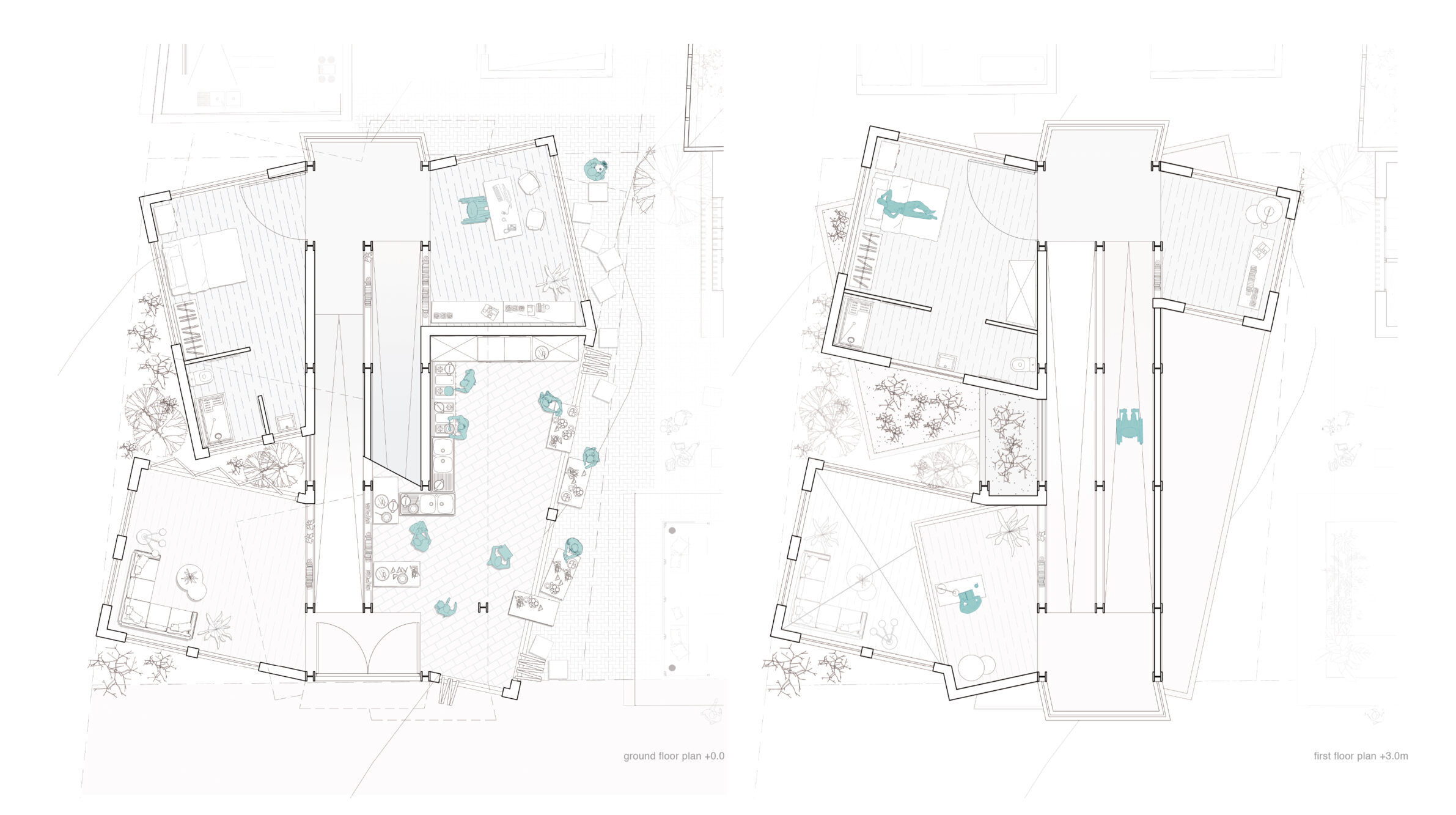 What happens when accessibility becomes the generator of domestic life rather than a corrective measure? Ramping Inclusivity answers this by organizing a house entirely around a continuous ramp that structures movement, encounter, and spatial hierarchy. Designed for a young couple—where the wife is a wheelchair user—and her retired father, the ramp operates as both circulation and social infrastructure, choreographing daily routines while allowing privacy between generations. Located in a suburban area of Latsia, near a public lyceum and a refugee settlement, the project addresses mobility, affordability, and intergenerational living as intertwined conditions. A semi-public kitchen opens toward the neighborhood, allowing culinary knowledge to circulate beyond the domestic realm. Inclusivity is approached not as accommodation, but as an architectural logic that shapes space, use, and social exchange.
Andreas Nicolaou
My name is Andreas Nicolaou, I am 24 years old, living in Cyprus, and originally half Swiss and half Cypriot. I am currently completing my architectural studies at the University of Cyprus.
My work is driven by a strong interest in architecture as a medium for dialogue—where projects, whether highly conceptual or deeply practical, create conditions for exchange, discussion, and collective engagement. I approach architecture as research through design, where social impact is shaped through spatial experience and supported by technical resolution and a strong theoretical framework that actively informs and strengthens design decisions.
I see architecture as an act of repair, working carefully with what already exists in order to propose new futures. My design approach operates across scales, connecting broader urban strategies with realistic, everyday tactics rooted in lived experience. Guided by a strong ethical and political positioning, I aim to work in ways that are experimental yet responsible, designing architecture as a shared platform for care, participation, and collective imagination.
Contact
anicol01@ucy.ac.cy
Powered by