


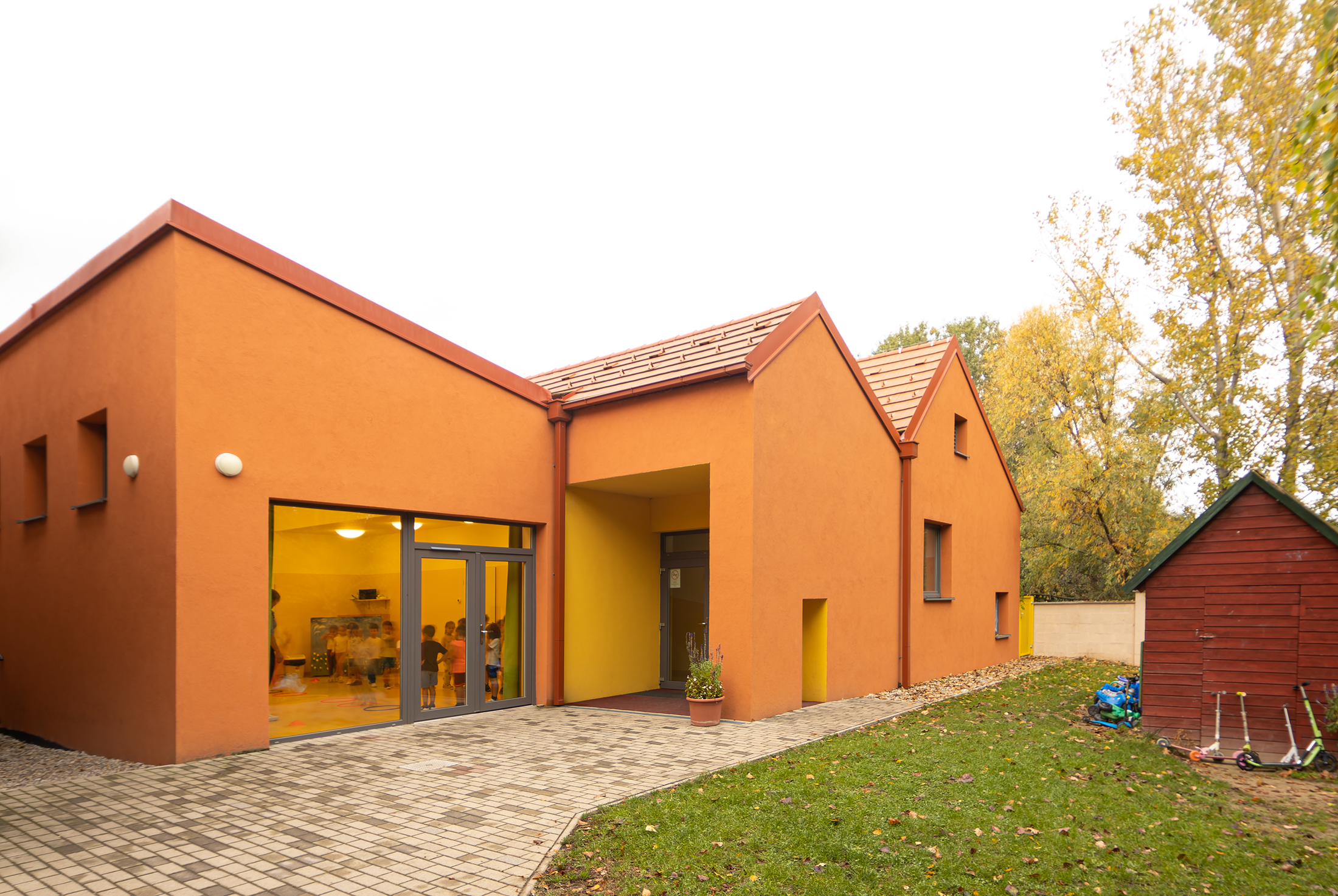
Nursery extension in Hegykő by ARCHI.DOC Építésziroda
The project is an extension to the existing nursery building in the Municipality of Hegykő. The new spaces open directly towards the garden, enhancing the children's connection to the outdoor play area. Passages of
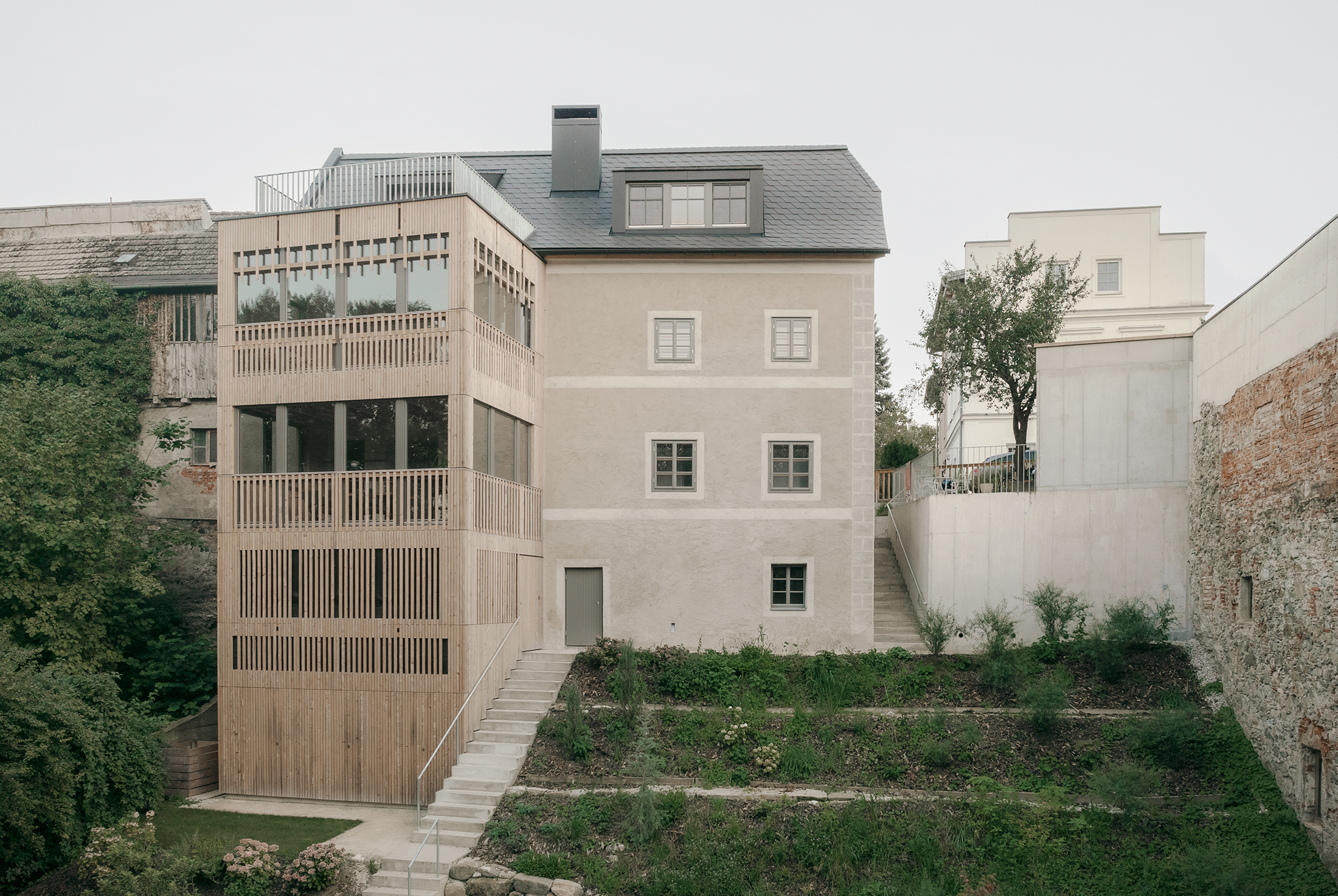
Flößerhaus – Raftmen’s House by HERTL.ARCHITEKTEN
Right next to the garden house, the opportunity arose to expand the property with another old building: a semi-derelict house from the mid-17th century, which originally served as a supply depot for the log
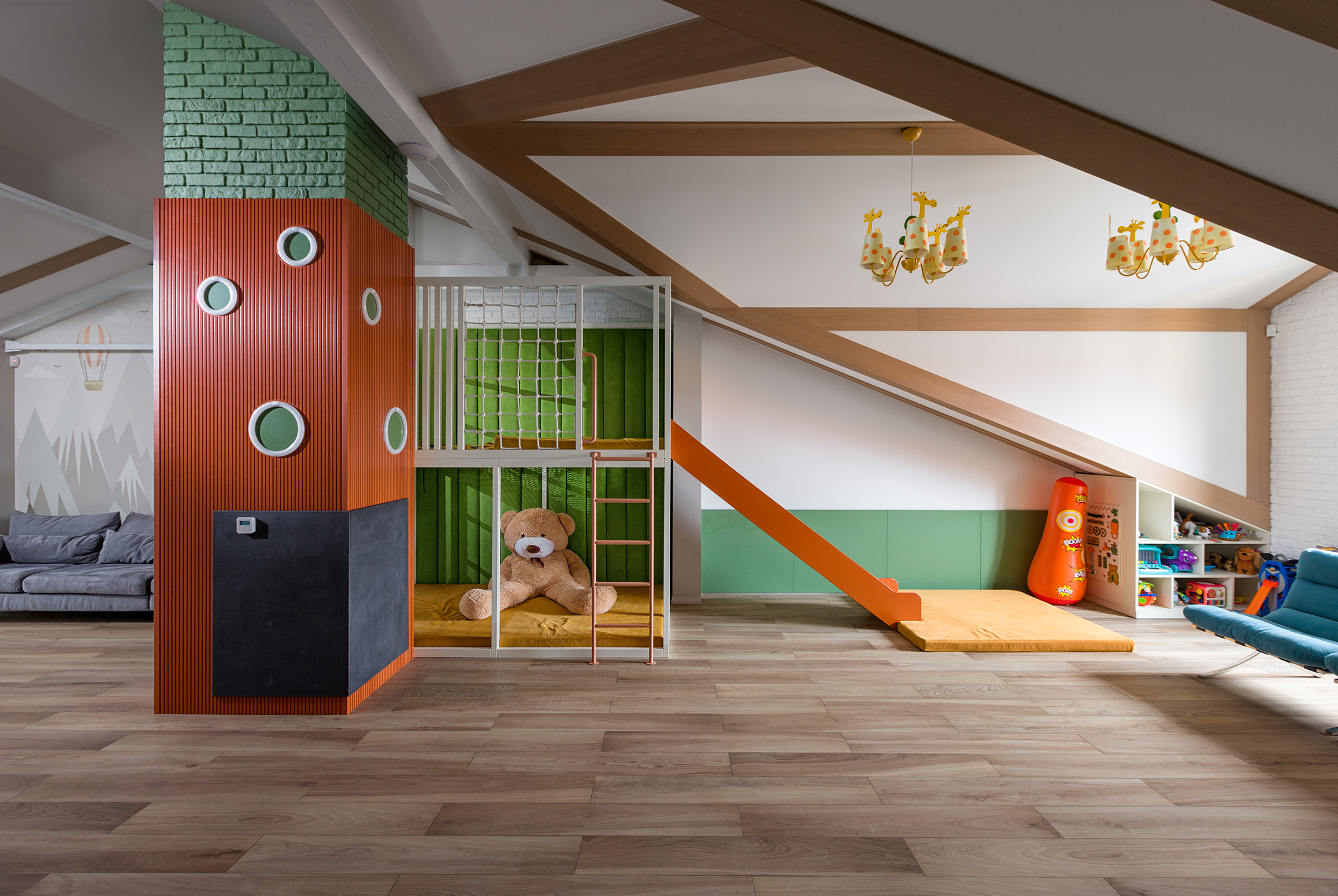
Adventure Nest by FeliFam
This is not just a children's room, it's the official headquarters for young world conquerors. We have created a unique space that serves as a powerful tool for the development of two active boys.
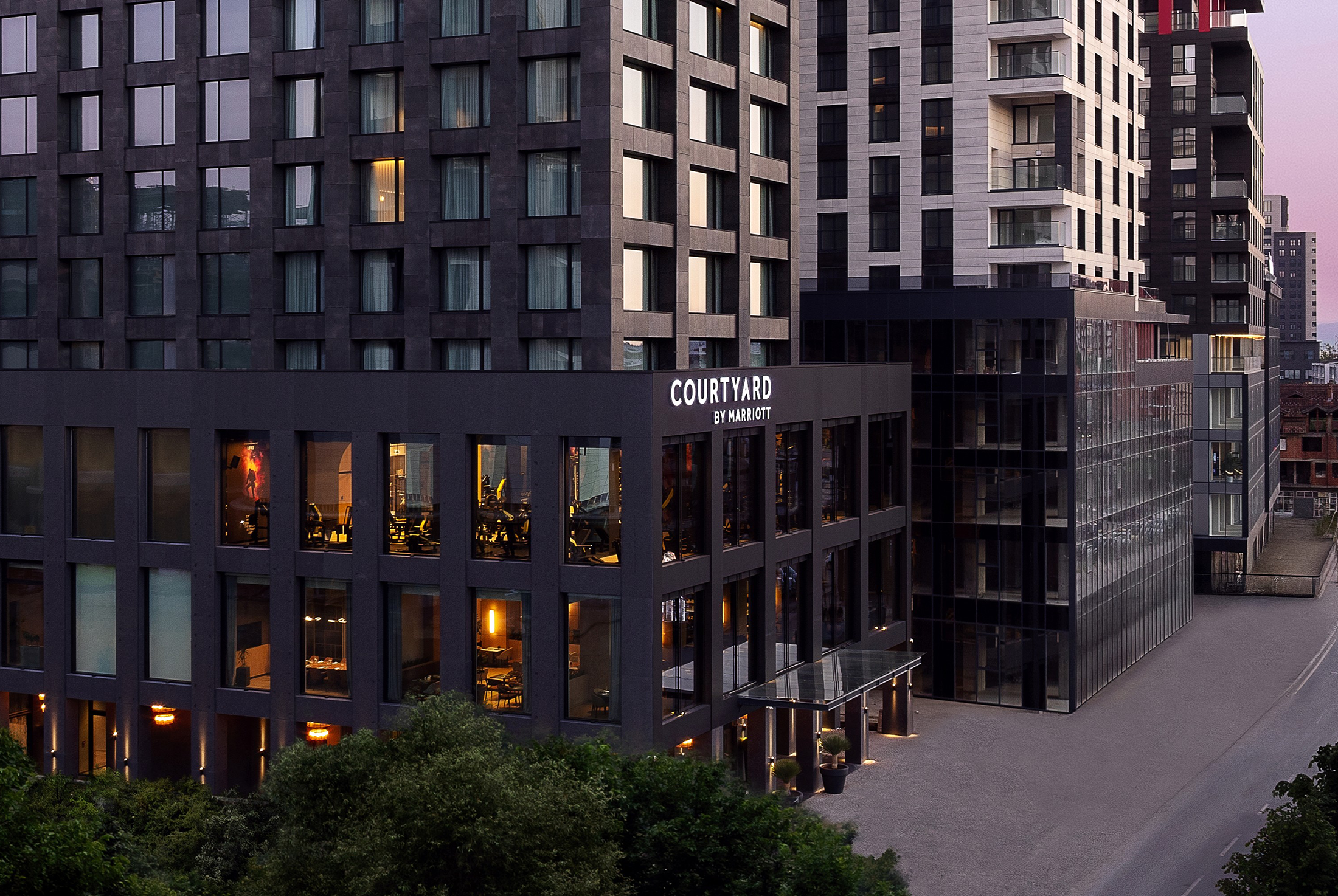
Marigona Tower by Archides Studio
Marigona Tower is a landmark hospitality high rise in central Prishtina, where half of the building is dedicated to a four star Marriott Hotel that offers guest rooms, suites, dining spaces, and conference facilities.
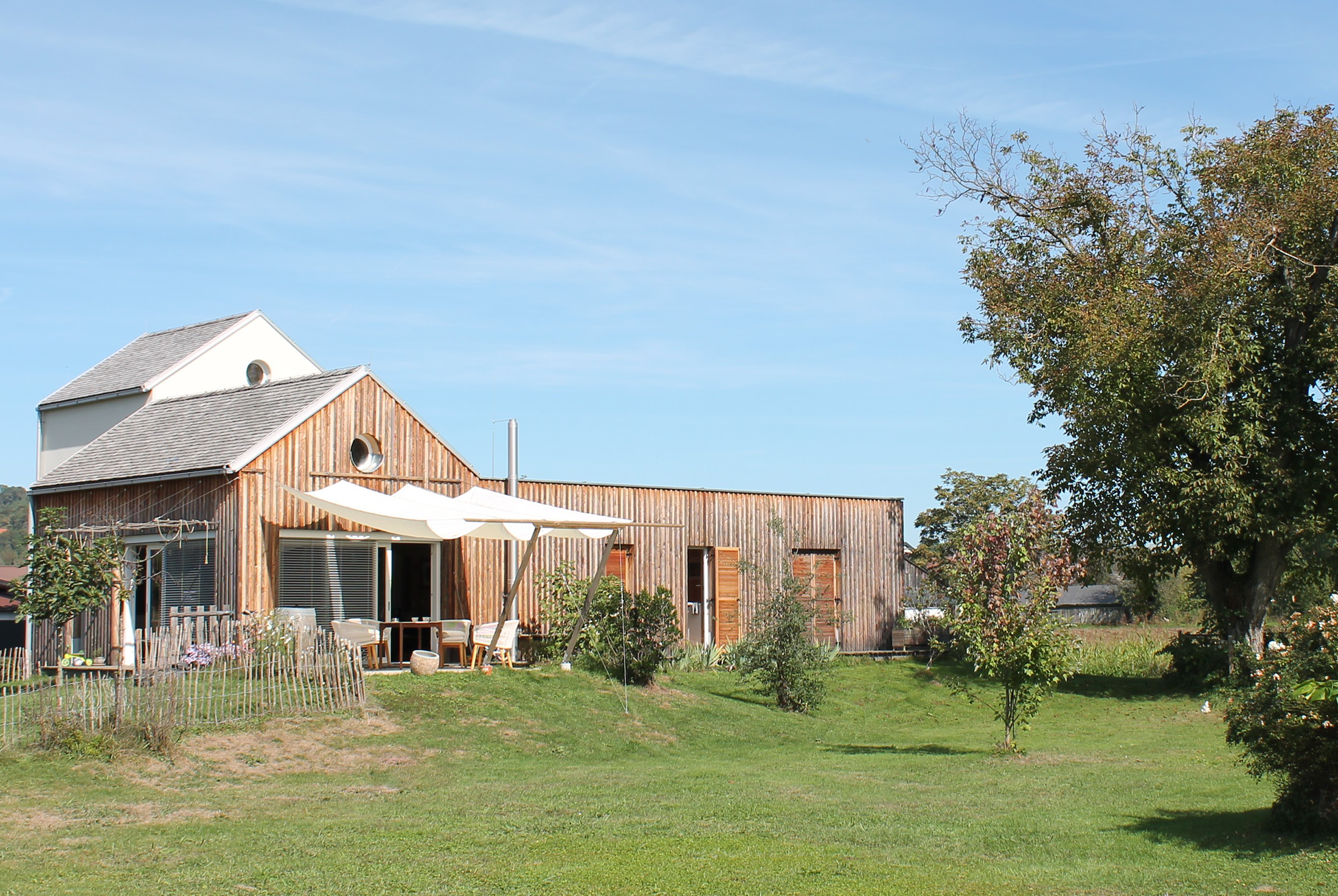
Landhaus by SBA Arch Oliver Seindl
The Country House for My Daughter's Family: Architects merely respond to the possibilities of our pre-existing cultural landscape. Located in Southern Styria, this country house points toward the future through its articulated building mass.
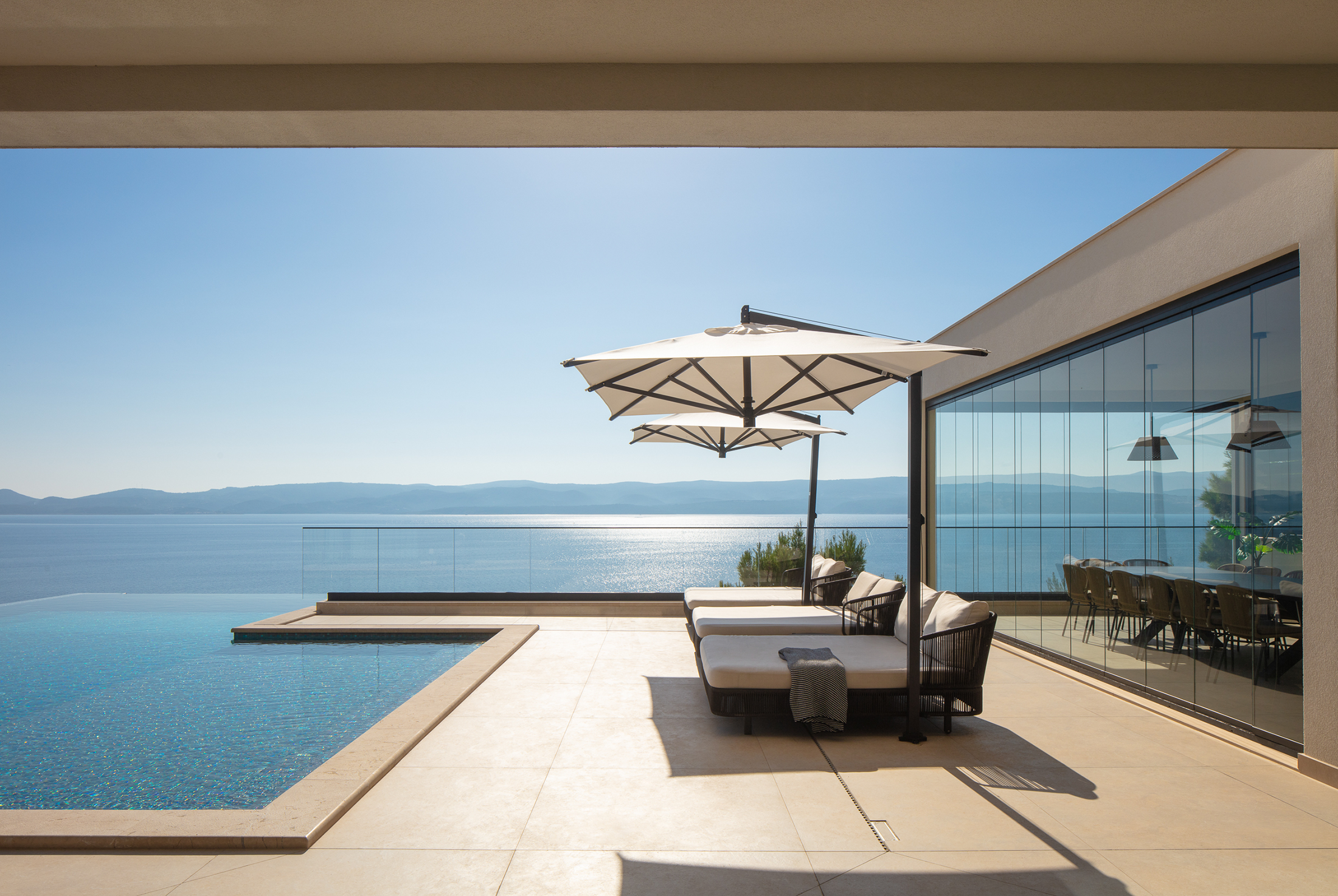
Villa Mirabel by Kora Studio
Villa Mirabel is located in Mimice, near the historic town of Omiš. The villa's interior is based on a modern style, with an emphasis on designer furniture. Clean lines, modern materials, and a strong
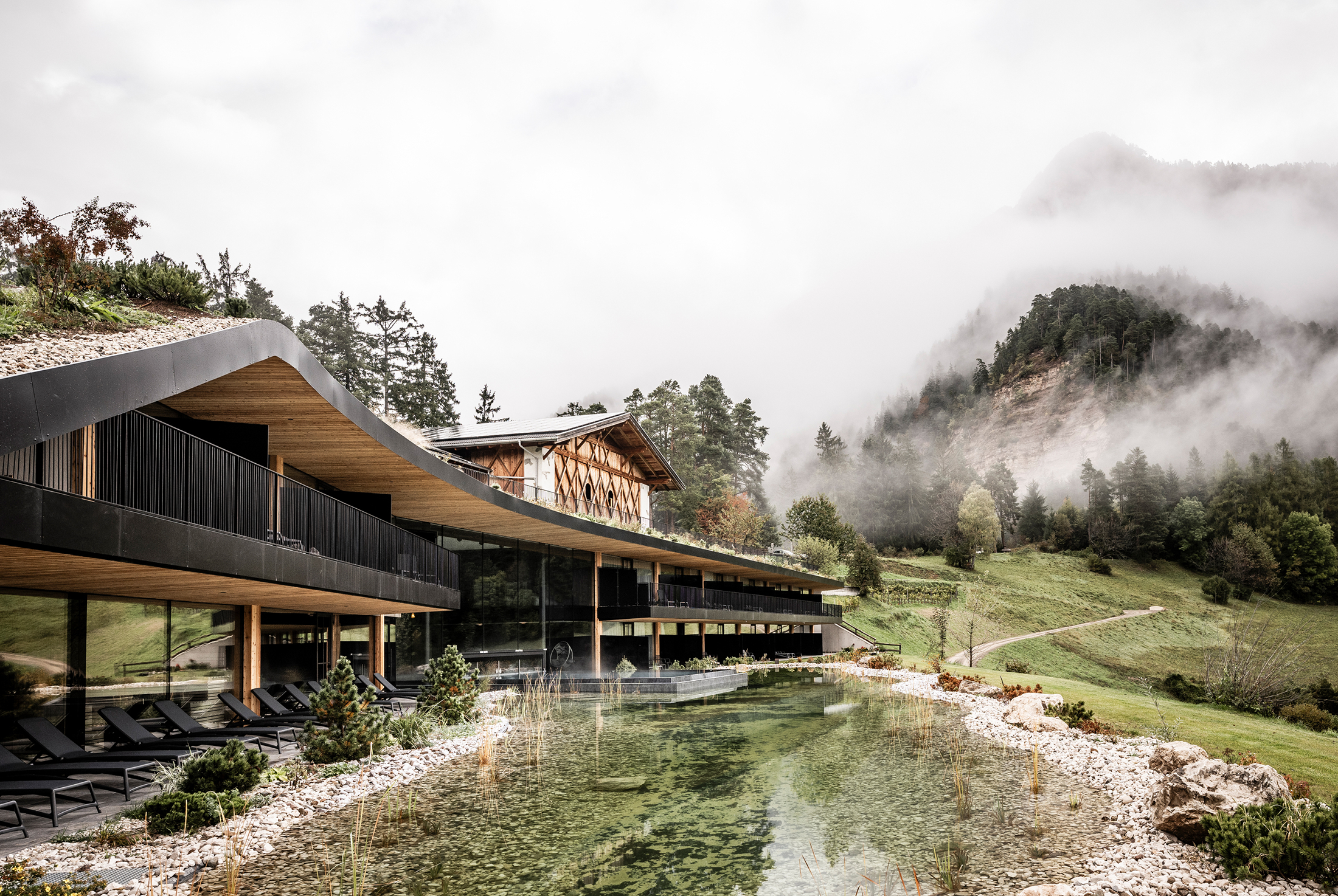
Ansitz Velseck Residence Hotel by Stefan Gamper Architekt
Perched above the village of Tiers, South Tyrol, the Ansitz Velseck Residence Hotel unites centuries of history with contemporary architecture. The sensitive expansion of the historic estate creates a retreat where tradition and modernity
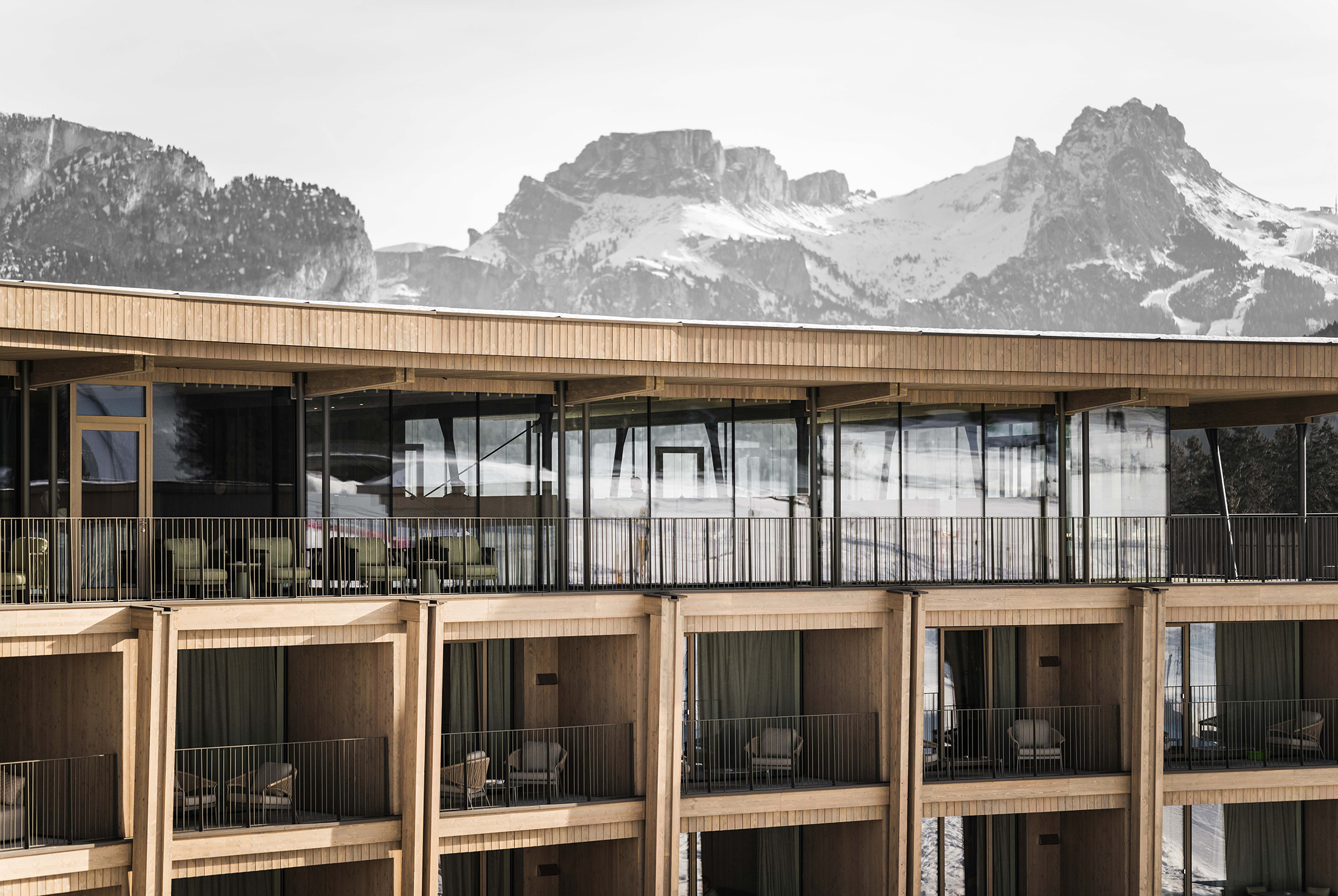
Cendevaves Alpine Silence by Stefan Gamper Architekt
On the Monte Pana plateau in St. Christina, the Hotel Cendevaves has been expanded with an architectural composition that integrates into the Dolomite landscape with restraint and sensitivity. The extension continues the existing structure
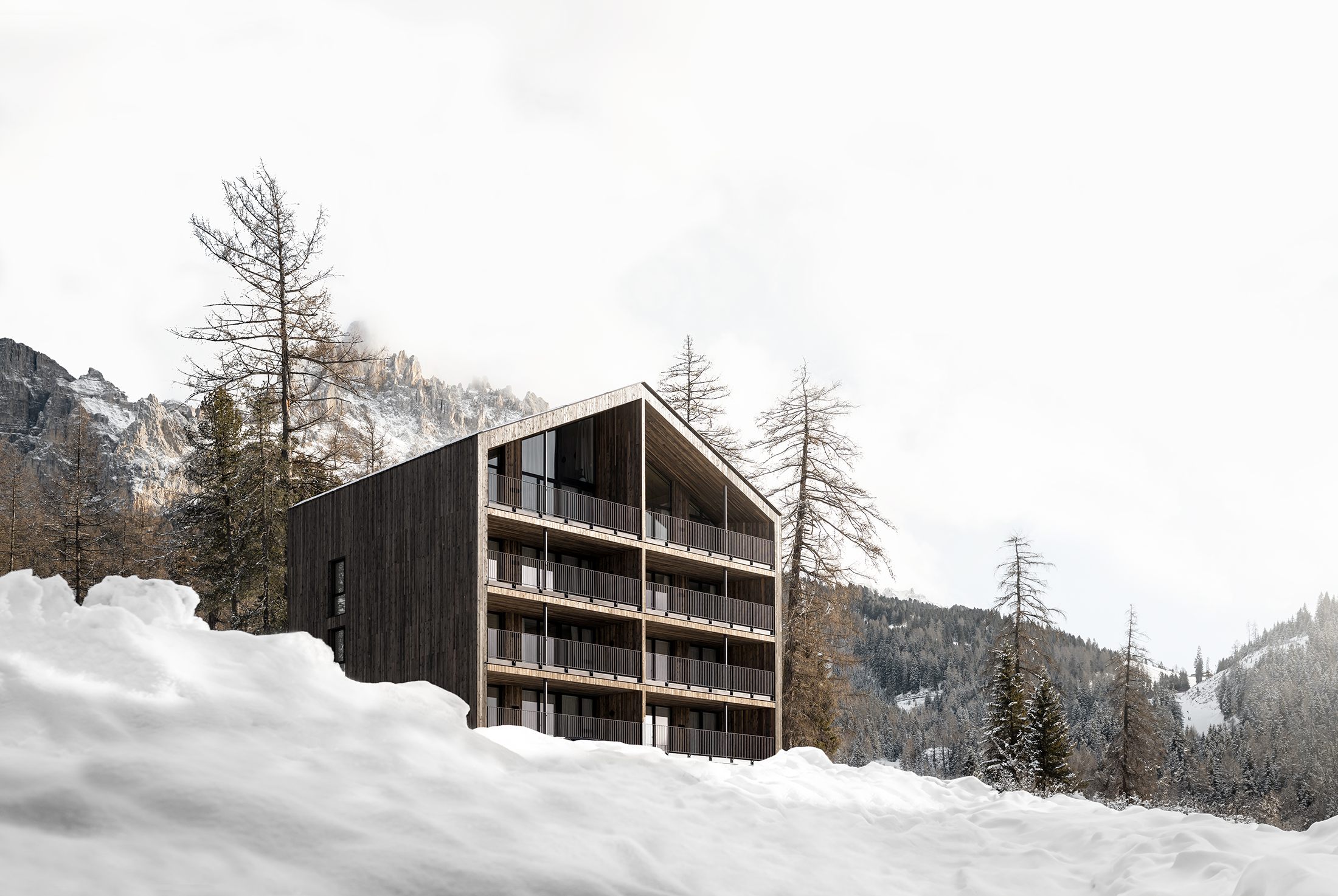
Maria adventure family hotel & lodge by Stefan Gamper Architekt
At the edge of the forest, beneath the sheer rock faces of the Latemar, the new Eco-Lodge of the Maria Adventure Family Hotel & Lodge blends harmoniously into the alpine landscape of Obereggen. Its
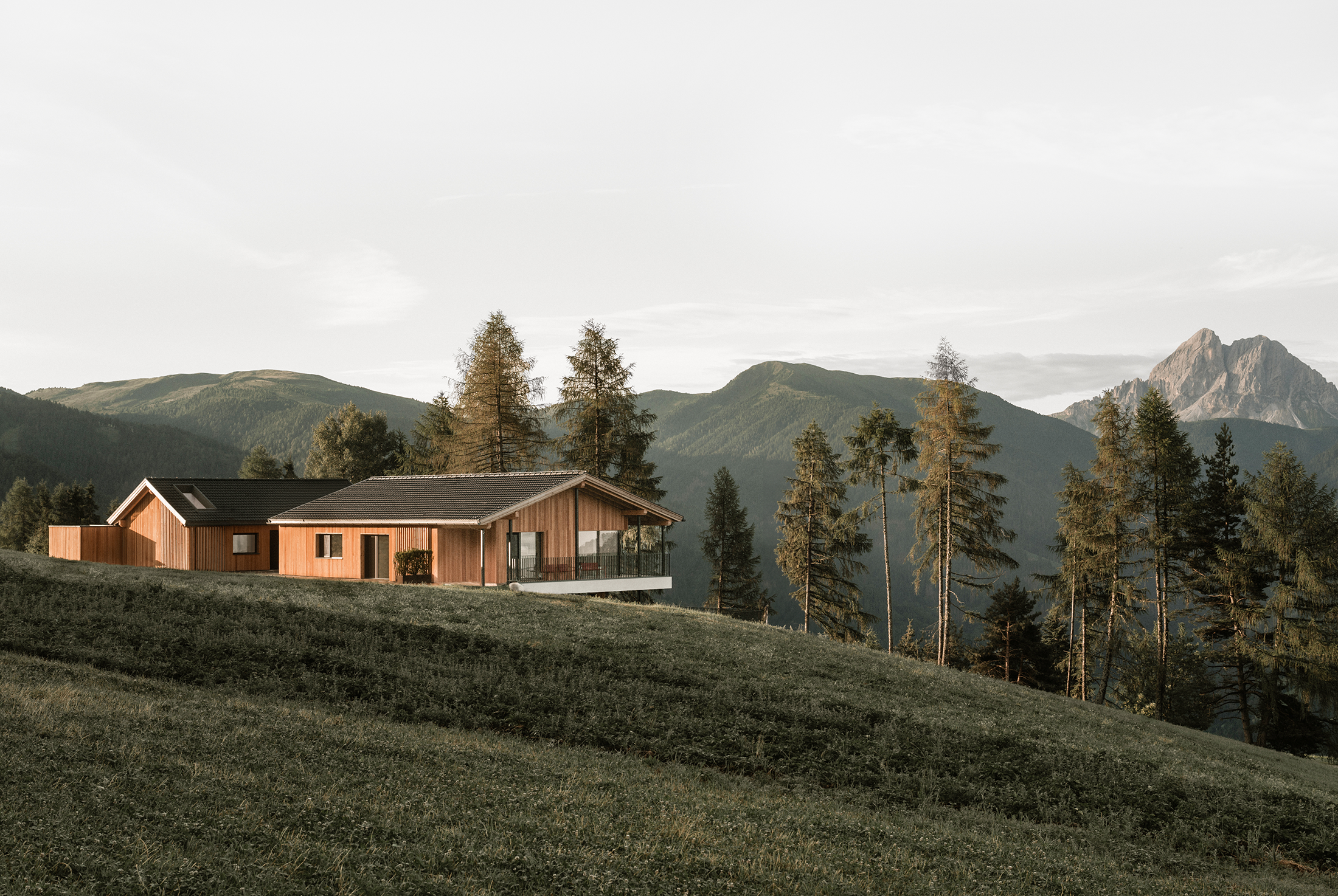
Herol my mountain retreat by Stefan Gamper Architekt
At the Herolerhof Estate in Lüsen, a new home reinterprets Alpine building culture in quiet dialogue with contemporary clarity. The compact, gabled volume is rooted in the slope, transforming the traditional farmhouse typology into